Artwork
Diana and Endymion
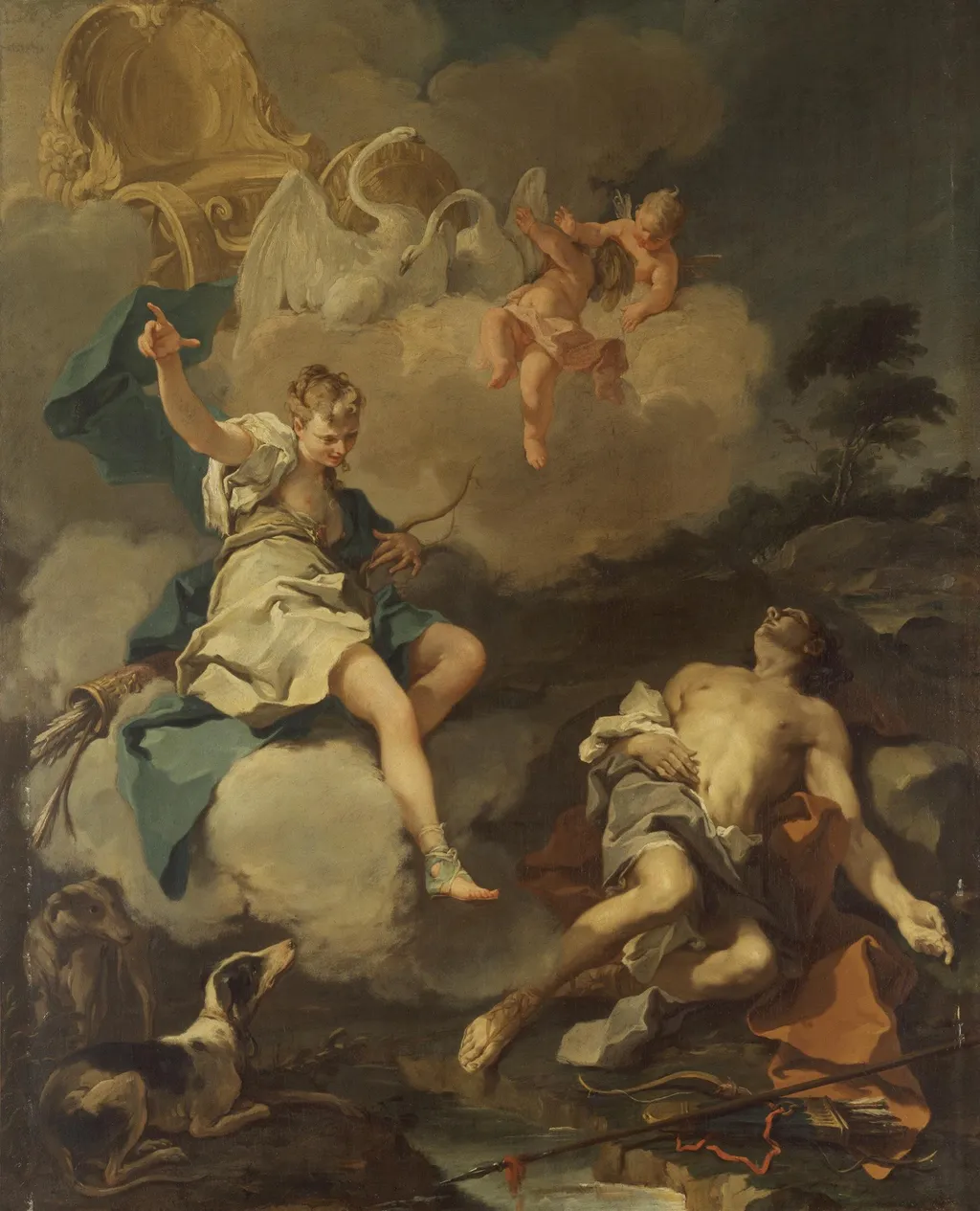
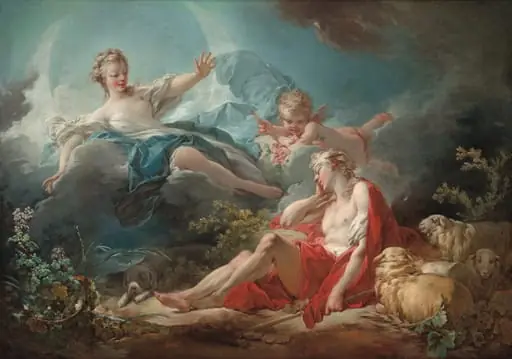
Diana and Endymion is an oil painting by the Rococo painting artist Giambattista Pittoni. It dates from 1723 and is held in the collection of the Hermitage Museum.
About this work
Subject & Meaning
A dog, an animal sacred to the goddess and symbolic of the hunt, sits at the sleeping figure's feet, reinforcing Diana's identity.
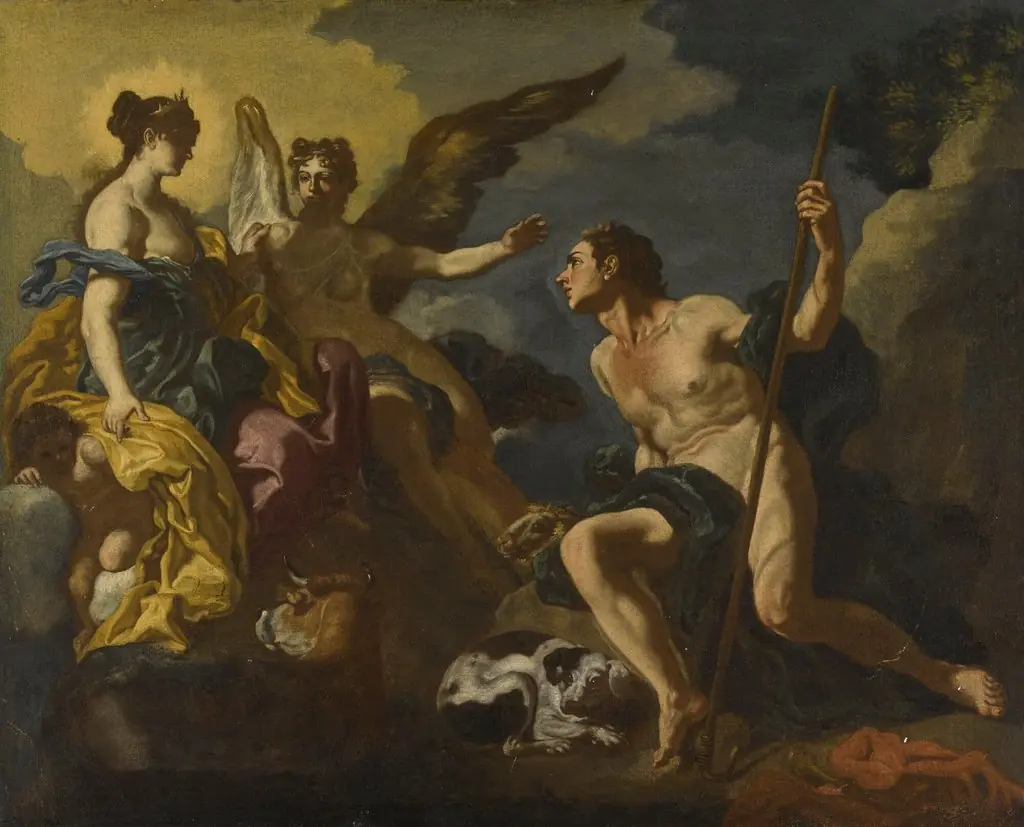
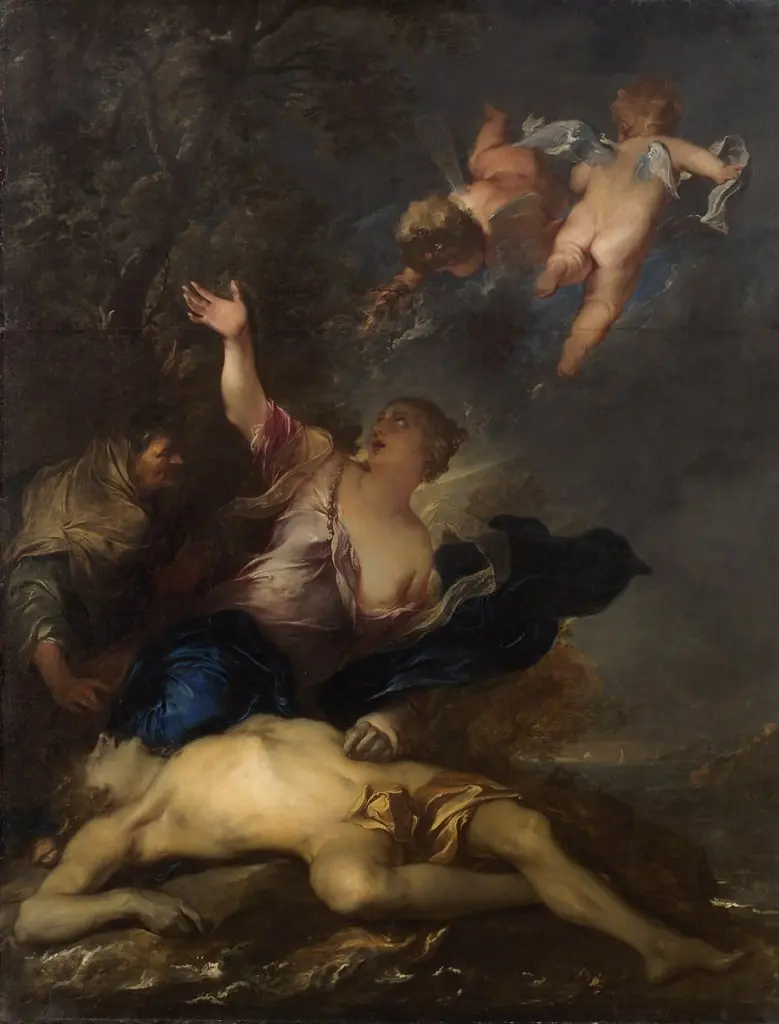
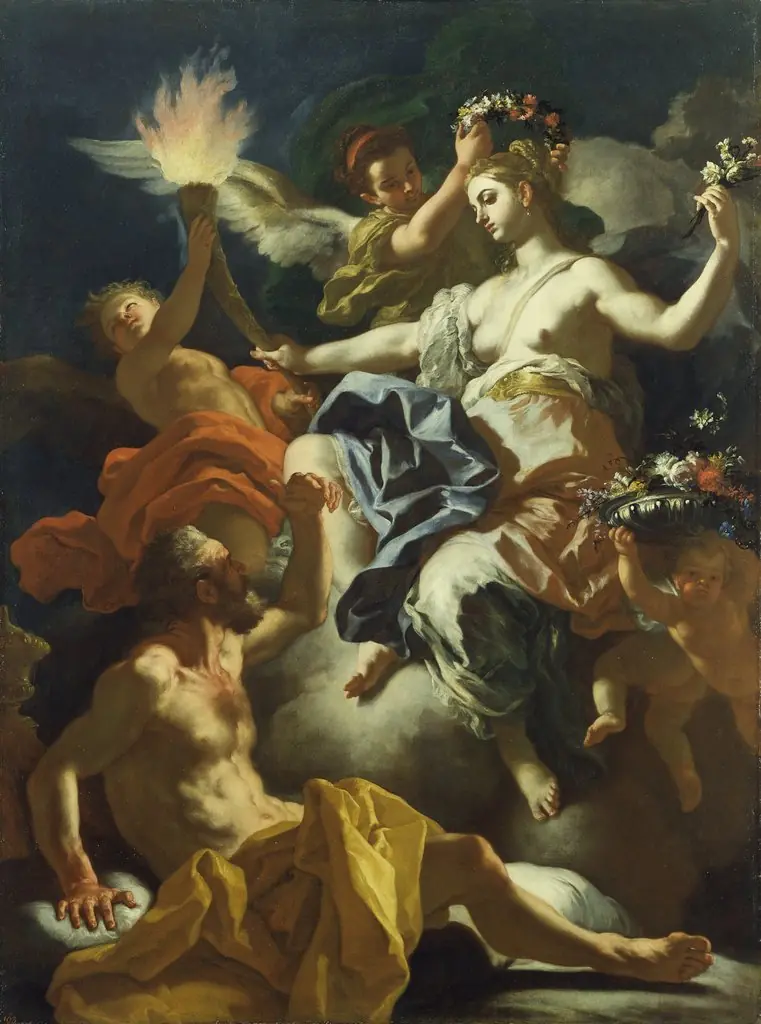
Giambattista Pittoni's 1723 painting depicts the mythological encounter between the goddess Diana and the mortal Endymion, a narrative drawn from Ovid's Heroides. The scene portrays Endymion in a state of eternal sleep, visited by the lunar deity who is depicted on the left. A dog, an animal sacred to the goddess and symbolic of the hunt, sits at the sleeping figure's feet, reinforcing Diana's identity.
The work explores the theme of immortal love, where Diana, enamored with the mortal, secured his eternal youth and unending slumber so she could visit him nightly. This specific iconography reflects Endymion's role as an astronomer who observed the moon's phases, providing a symbolic justification for the goddess's affection and the perpetual nature of their connection.
Technique & Style
Diana and Endymion is executed in oil paint on a canvas support, measuring approximately 134 cm in height and 109 cm in width. The work belongs to the mythological painting genre, portraying the goddess Diana visiting the sleeping youth Endymion, accompanied by a dog at his feet, a detail drawn from Ovid’s Heroides. Pittoni’s handling follows the Venetian tradition of mythological subjects, though specific brushwork or condition details are not recorded in the sources.
History & Provenance
Diana and Endymion was painted in 1723 by the Venetian artist Giambattista Pittoni, likely executed in Italy (with contemporary notes citing its success in Venice). The work entered the Hermitage Museum’s collection in Saint Petersburg, where it remains today; earlier ownership details are not provided in the sources.
Context
Painted in 1723, Giambattista Pittoni's Diana and Endymion achieved immediate and notable success upon its completion in Venice. The work draws its narrative from Ovid's Heroides, depicting the mythological encounter between the goddess Diana and the sleeping Endymion, a subject that was already a common theme in Renaissance culture. By selecting this story, Pittoni engaged with the enduring artistic fascination surrounding Endymion, whose ambiguous identity as a shepherd, hunter, or prince allowed for varied interpretations of his eternal slumber and the moon goddess's devotion.
The painting is currently held in the Hermitage Museum in Saint Petersburg, where it stands as a significant example of Venetian mythological painting from the early eighteenth century.
Overview
Giambattista Pittoni, a Venetian painter active in the early eighteenth century, completed the oil painting Diana and Endymion in 1723. The work belongs to the mythological genre and exemplifies the decorative sensibility of the late Baroque transitioning into Rococo. It is part of the State Hermitage Museum’s collection in Saint Petersburg.
Own this work as a print
Artist & collection
Artist
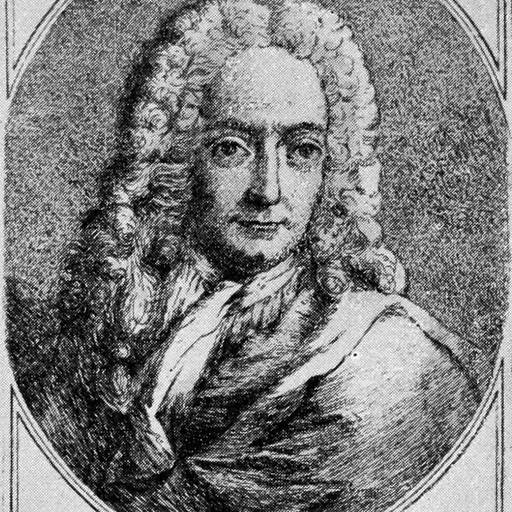
Giambattista Pittoni or Giovanni Battista Pittoni (6 June 1687 – 6 November 1767) was a Venetian painter of the late Baroque or Rococo period.

 Saints Presenting a Devout Woman to the Virgin and Child
 The birth of Christ
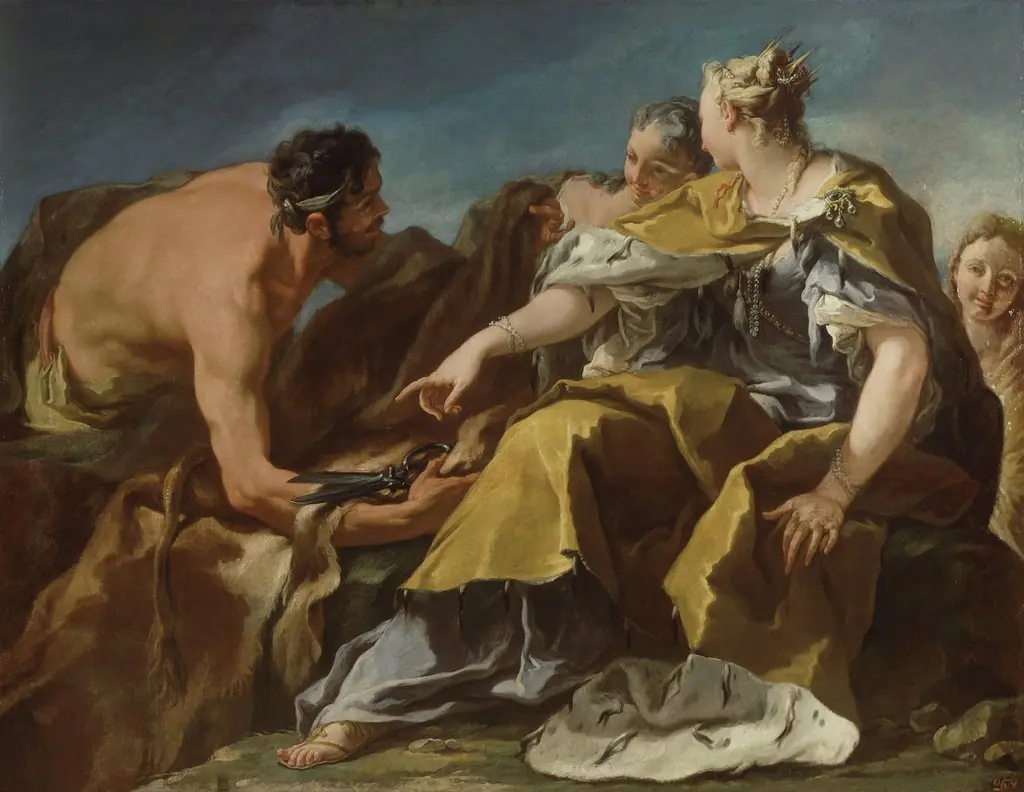 Dido Founding Carthage
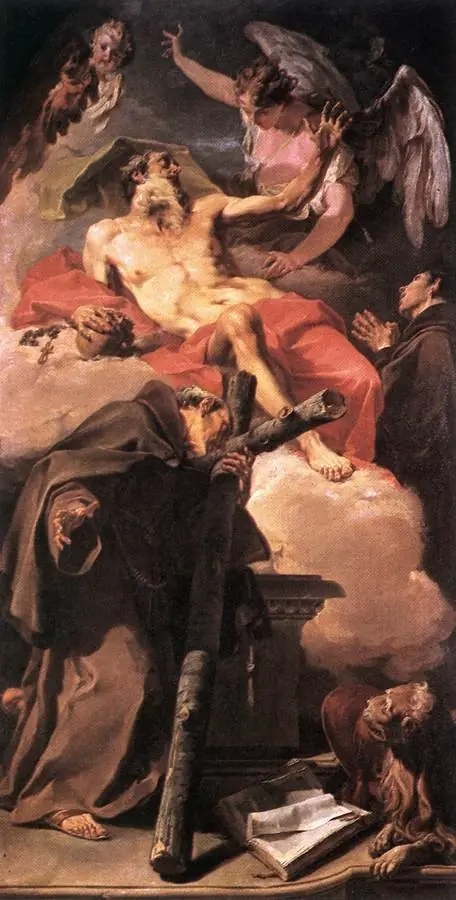 The Apotheosis of Saint Jerome with Saint Peter of Alcántara and Antonino da Patti
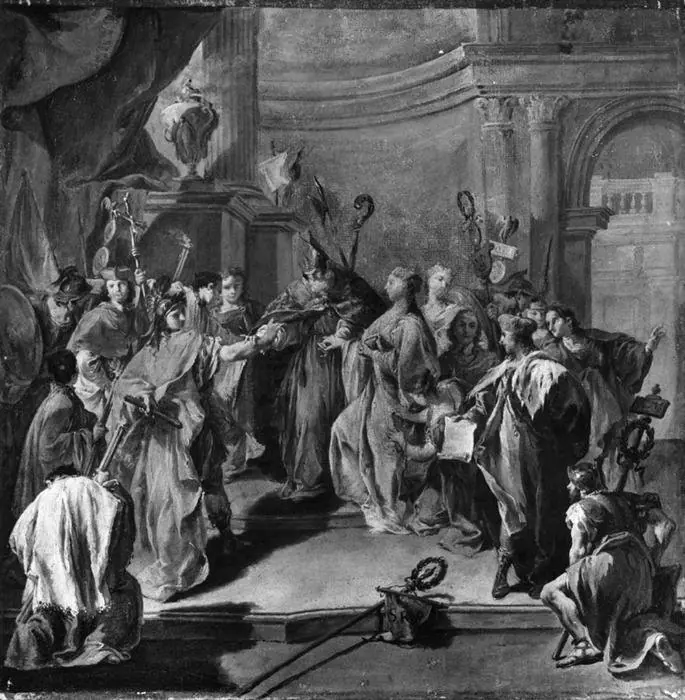 The Marriage of Placidia and Constantius
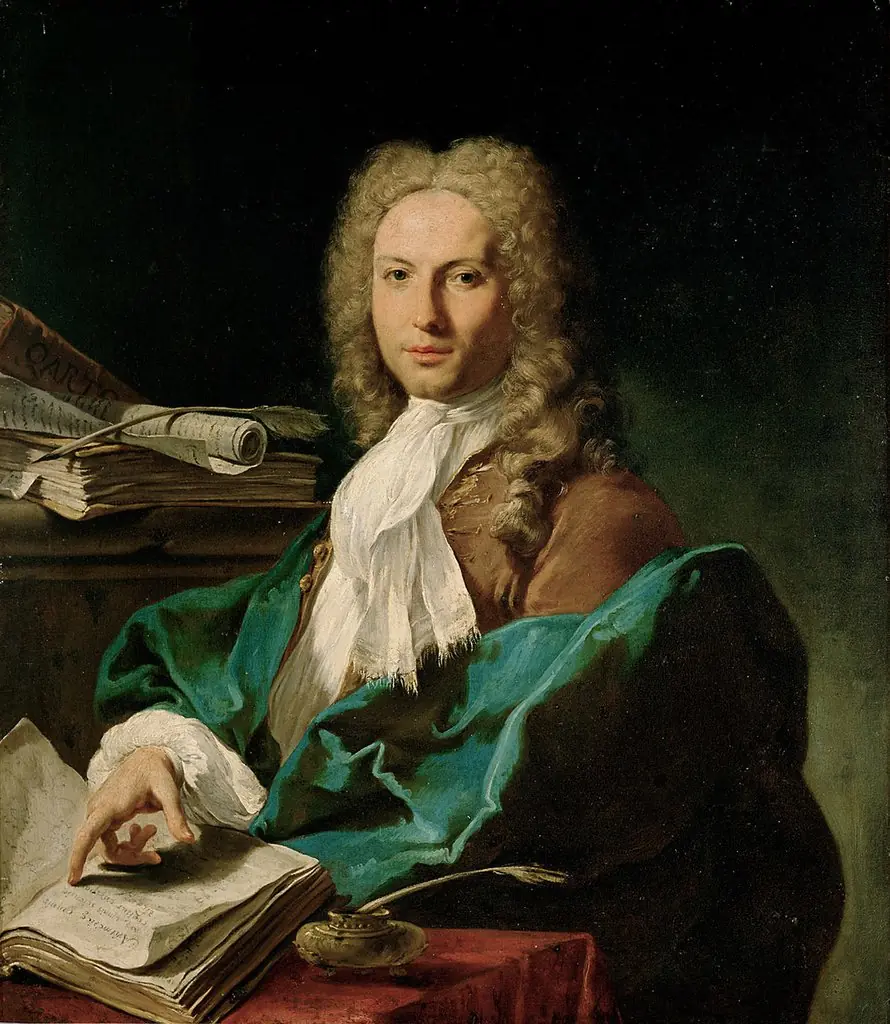 Portrait of a mathematician
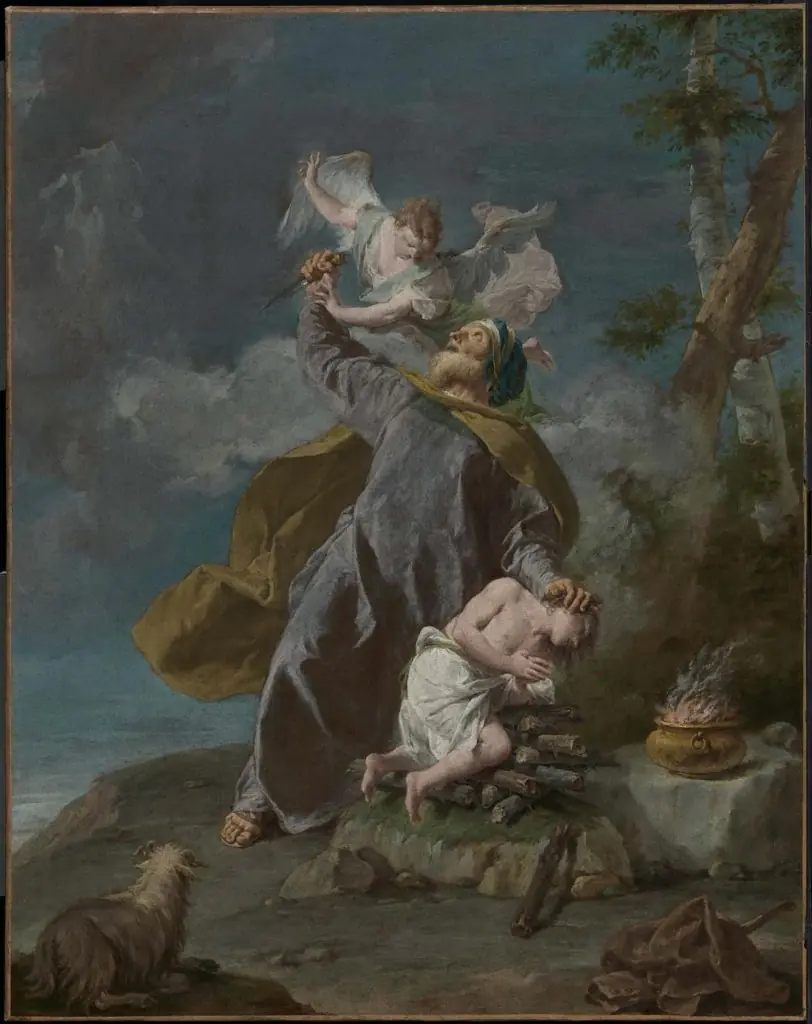 Abraham Sacrificing His Son Isaac
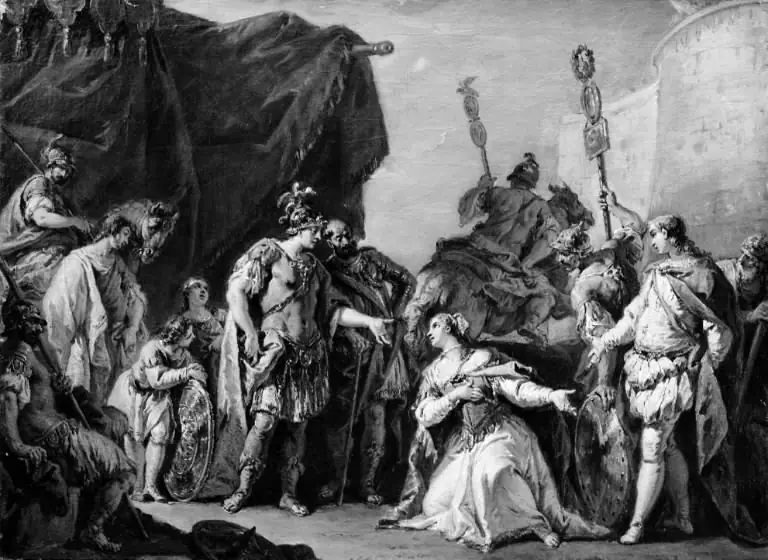 The Continence of Scipio