Artwork
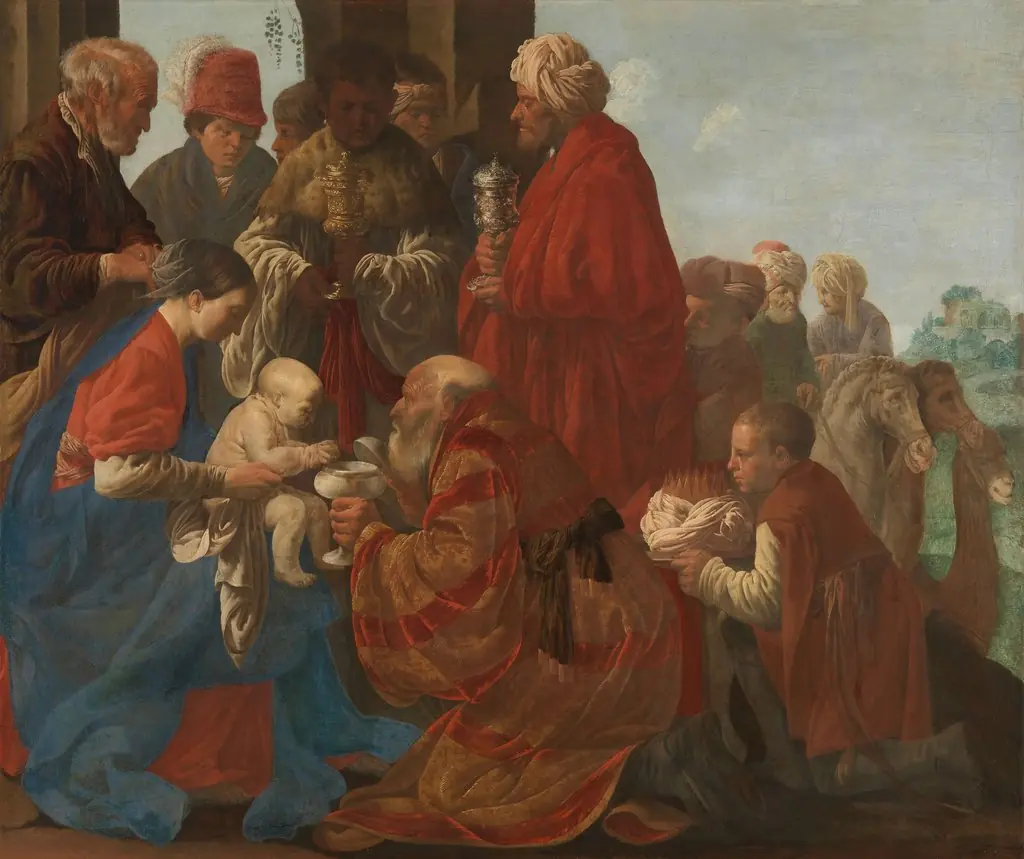
The Adoration of the Magi
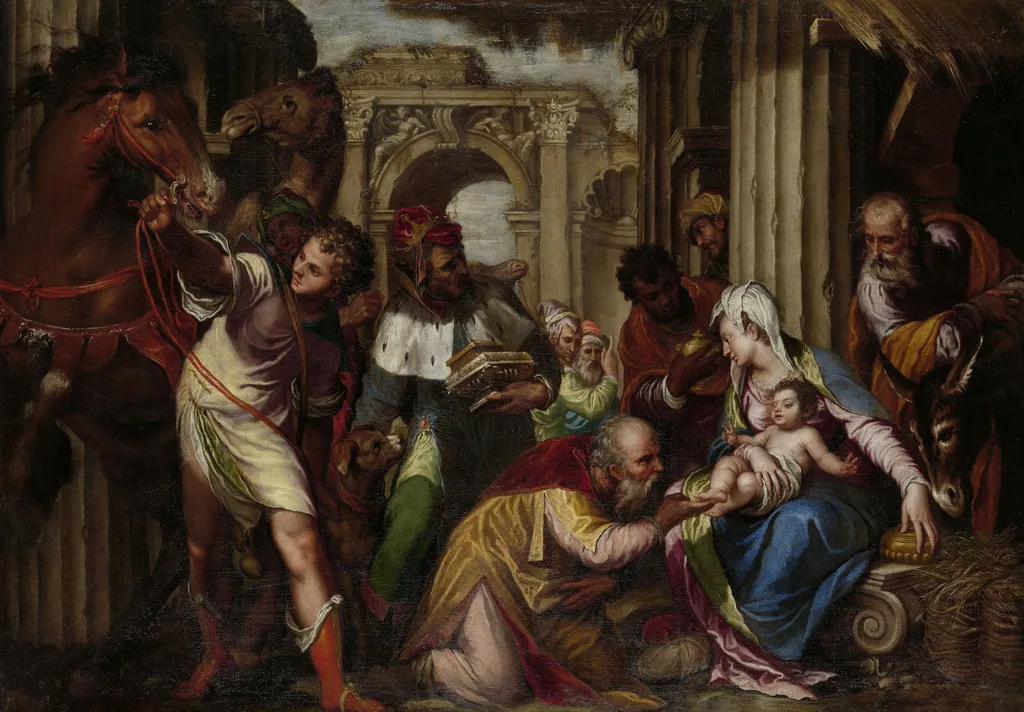
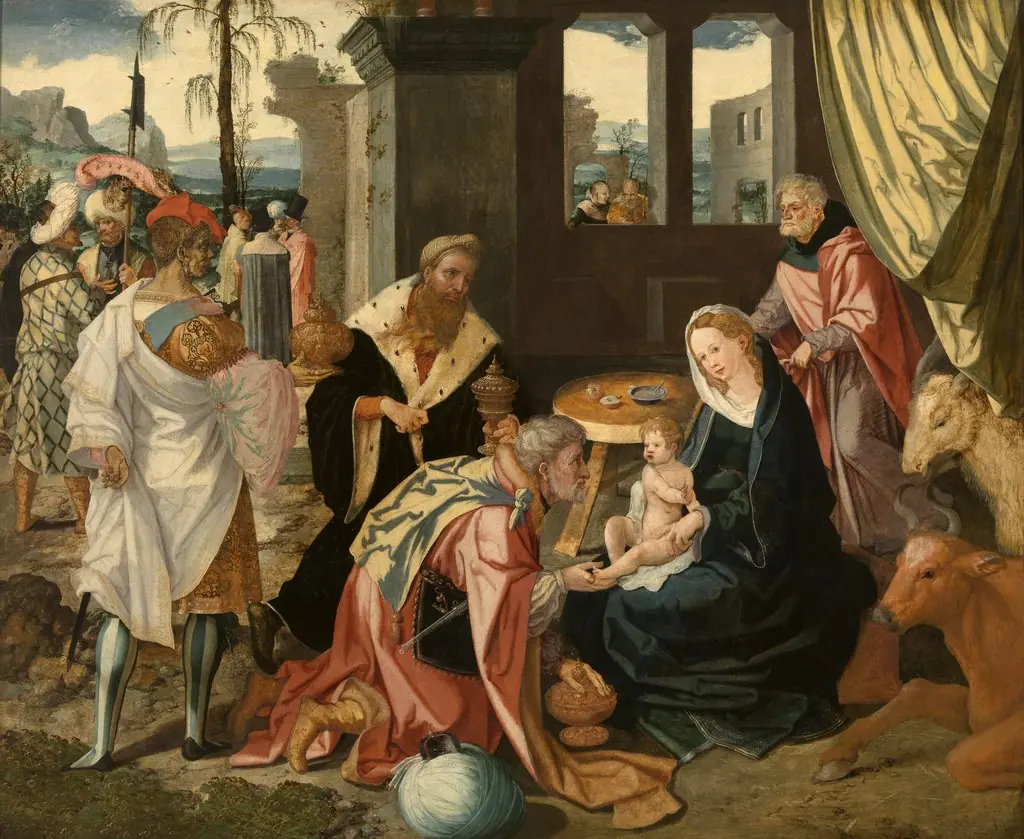
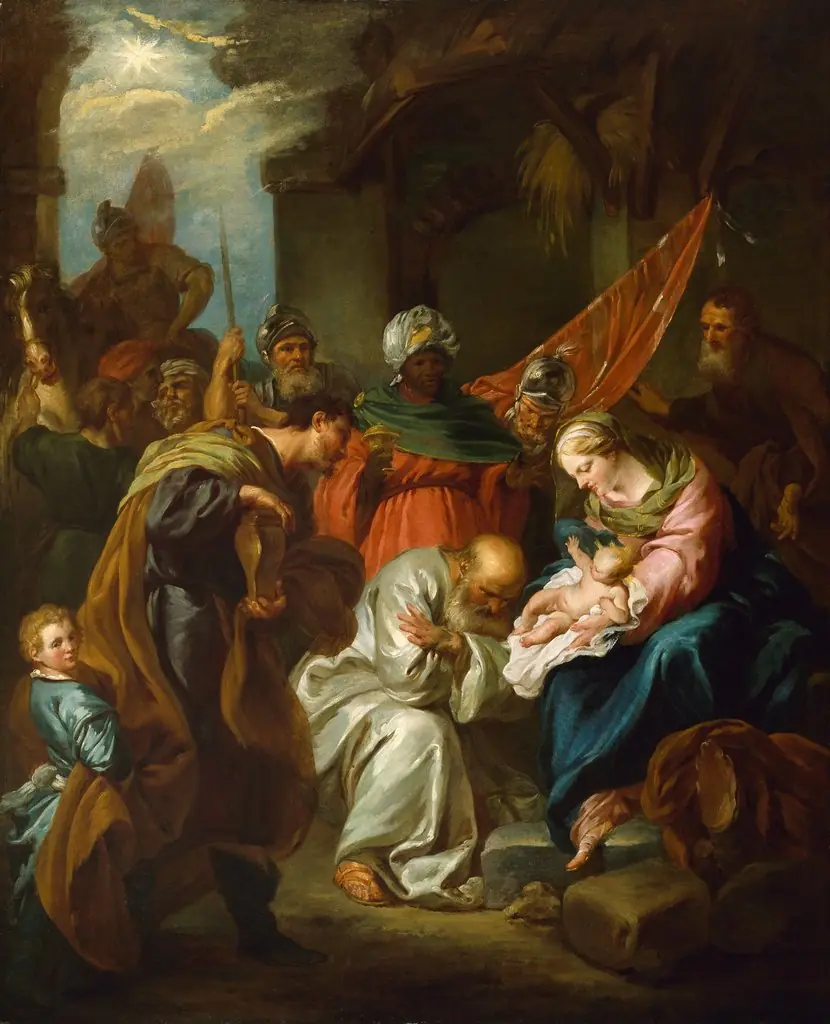
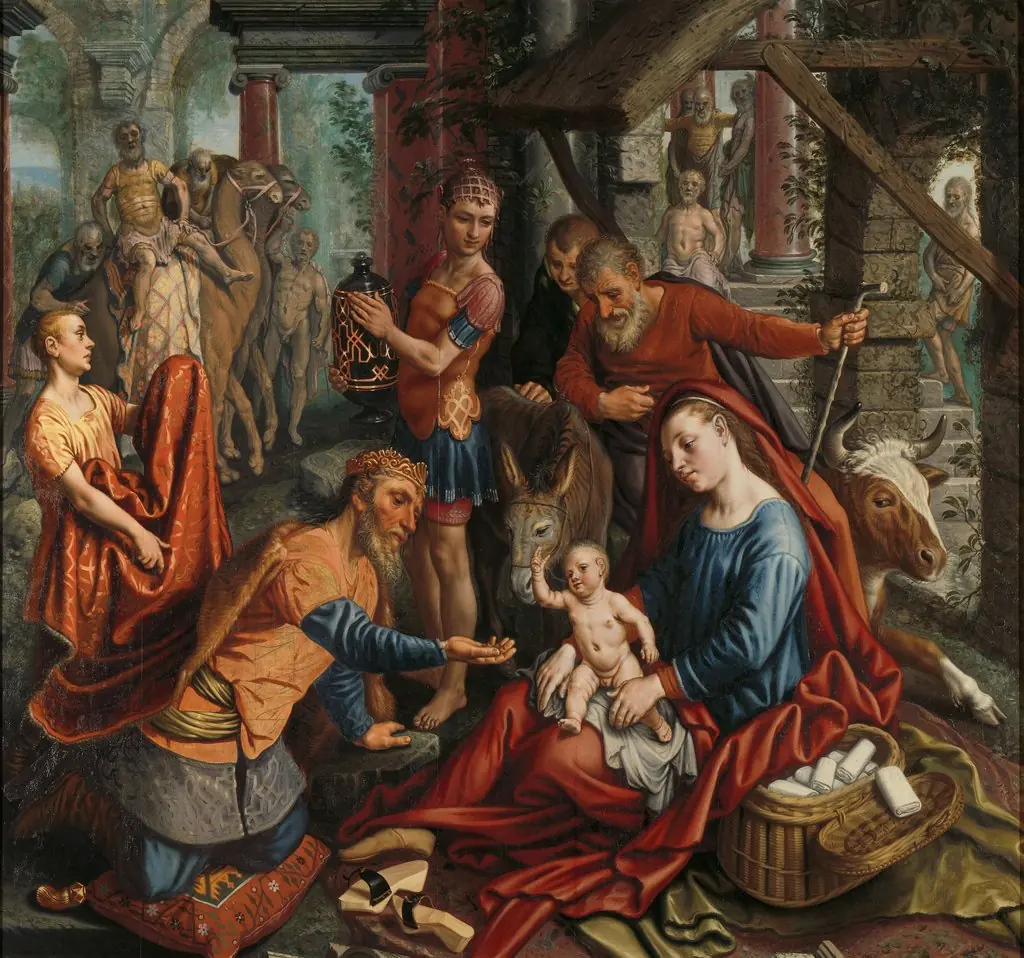
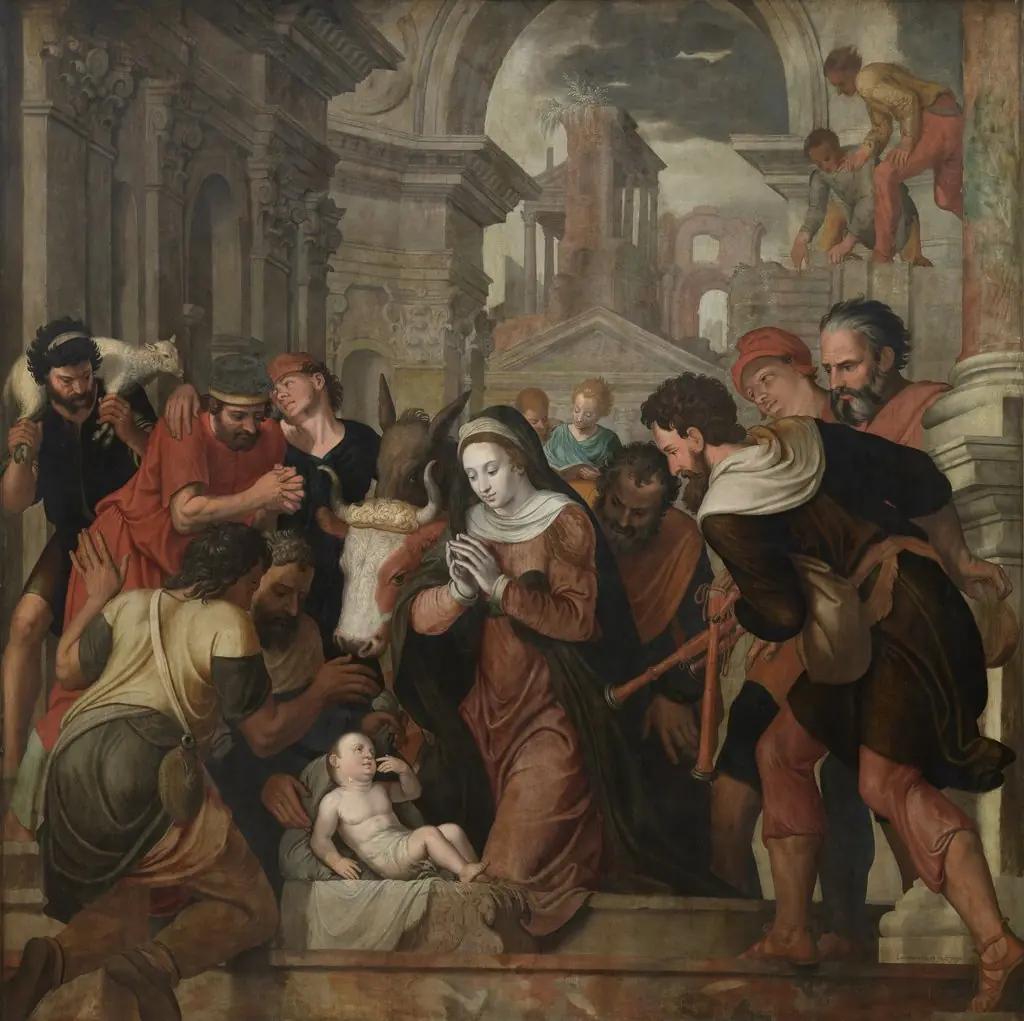
The Adoration of the Magi is an oil painting by the Mannerist artist Paolo Farinati. It dates from 1593 and is held in the collection of the Mauritshuis.
About this work
Subject & Meaning
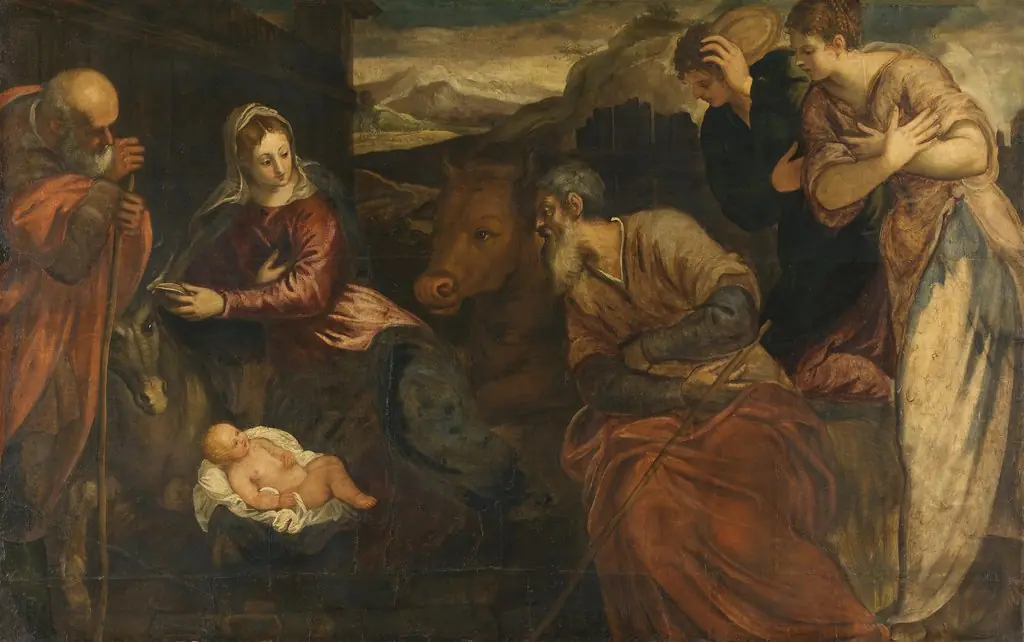
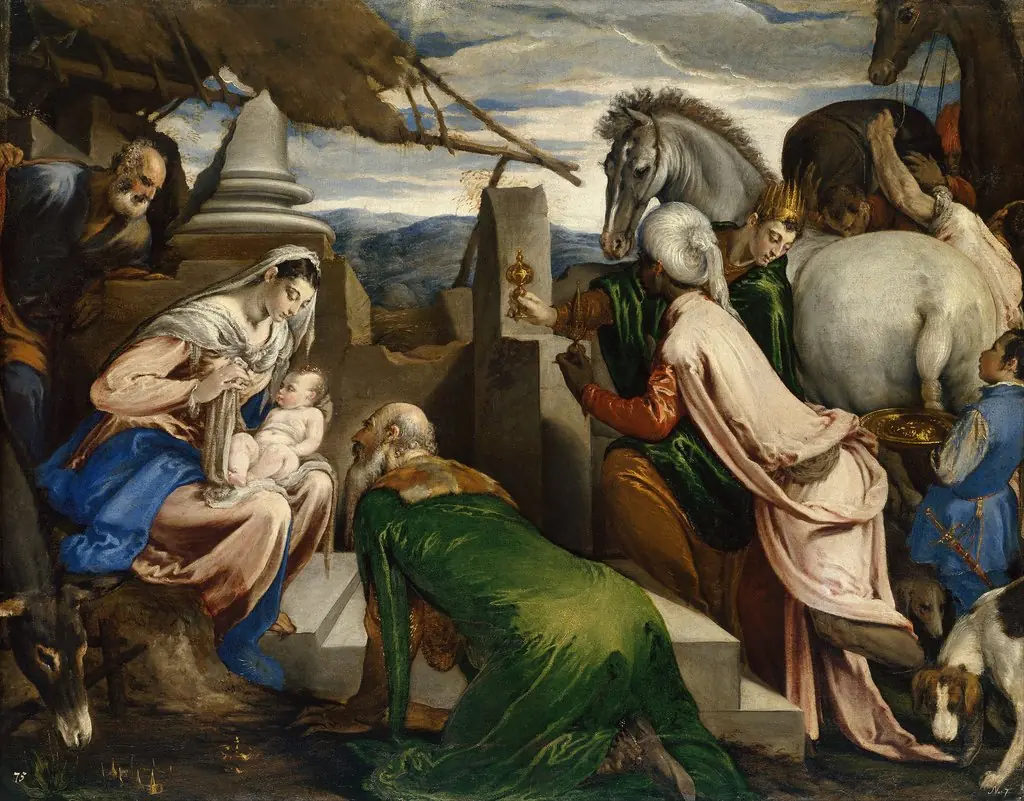
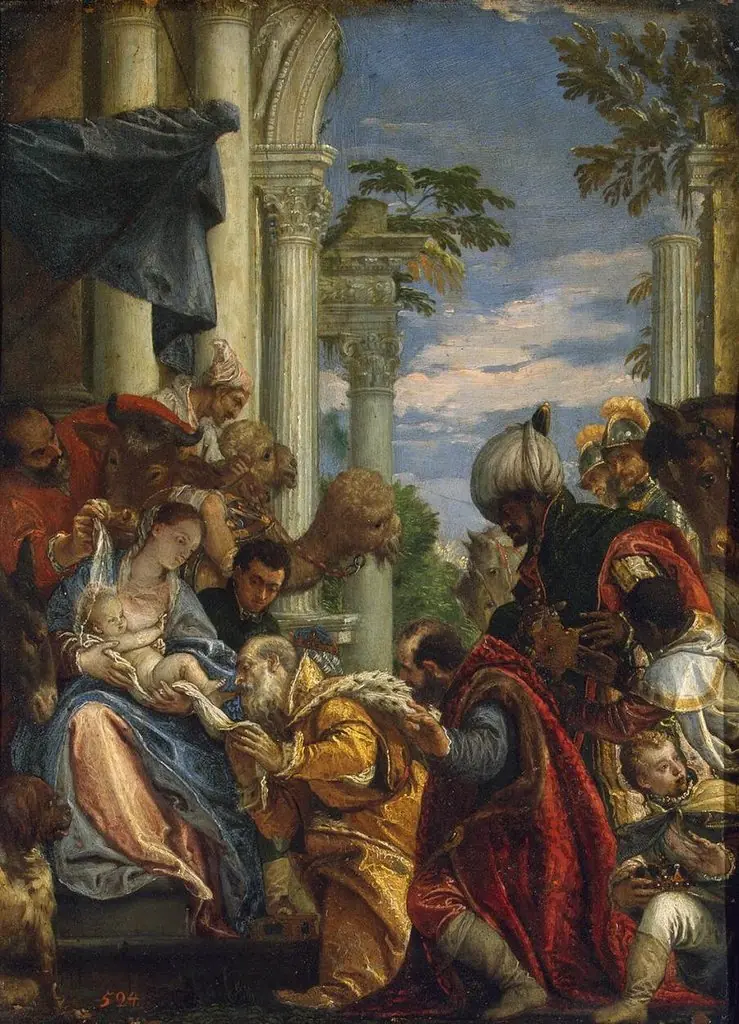
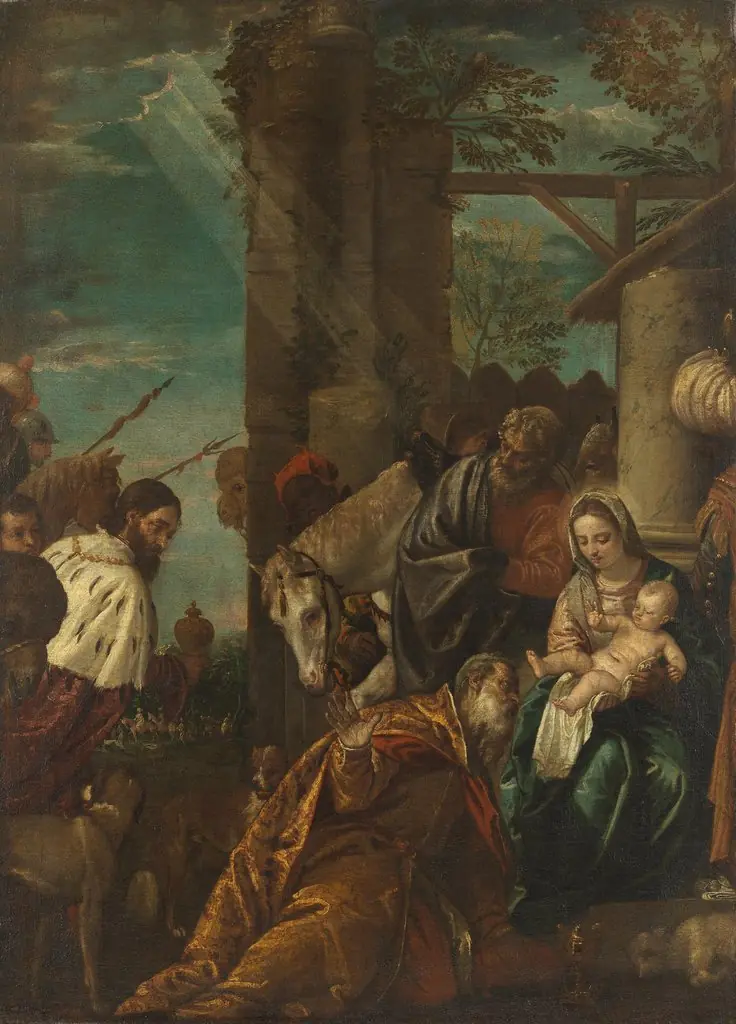
The composition centers on the Virgin Mary and the Christ Child receiving the Magi, who have arrived to pay homage.
Paolo Farinati's 1593 oil painting depicts the biblical episode of the Adoration of the Magi. The composition centers on the Virgin Mary and the Christ Child receiving the Magi, who have arrived to pay homage. As a work of religious art, the piece visually narrates this gospel event, focusing on the moment of reverence and gift-giving by the wise men to the infant Jesus.
The iconography follows the traditional Christian representation of this subject, emphasizing the divine nature of the child through the act of adoration by earthly rulers.
Technique & Style
Paolo Farinati's The Adoration of the Magi, created in 1593, is executed in oil paint on a canvas support. The work measures 115 cm in height by 161 cm in width. As a religious painting, it depicts the biblical scene of the Magi presenting gifts to the Christ Child and the Virgin Mary. The medium and support are consistent with the artist's practice during this period.
History & Provenance
Paolo Farinati created the oil-on-canvas painting The Adoration of the Magi in 1593. The work depicts the adoration of the Christ Child by the Magi and measures 115 cm in height by 161 cm in width. Specific commission details and the early ownership chain are not recorded in the available sources.
Catalogue records associate the work with Dutch institutional collections, the Rijksmuseum and the Mauritshuis, but a single painting cannot reside in two museums, and its current location is not firmly established in the available records. No specific accession number or exhibition history is provided.
Overview
Paolo Farinati, an Italian Mannerist painter, completed "The Adoration of the Magi" in 1593 using oil paint. This work depicts the biblical narrative of the three wise men presenting their offerings to the infant Christ, accompanied by the Virgin Mary. Farinati, active in the late 16th century, was associated with the Mannerist style, which favored sophisticated compositions and refined forms over strict naturalism. The painting is part of the Rijksmuseum collection.
Context
Paolo Farinati was a notable figure in late 16th-century Italian art, primarily working in cities such as Verona, Mantua, and Venice. His artistic career coincided with that of contemporaries like Paolo Veronese, and he contributed to the Mannerist movement. This style emerged as a reaction to the harmonious ideals of the High Renaissance, instead exploring more complex compositions, elongated forms, and a heightened sense of drama and sophistication.
Own this work as a print
Artist & collection
Artist
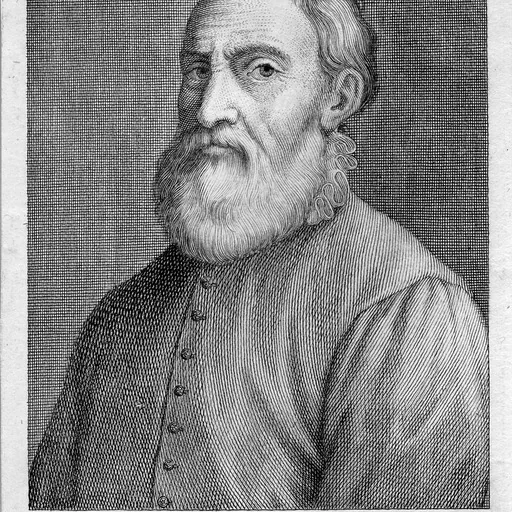
Paolo Farinati (also known as Farinato or Farinato degli Uberti; c. 1524 – c. 1606) was an Italian painter of the Mannerist style, active mainly in his native Verona, but also in Mantua and Venice. He may have ancestors…