Artwork
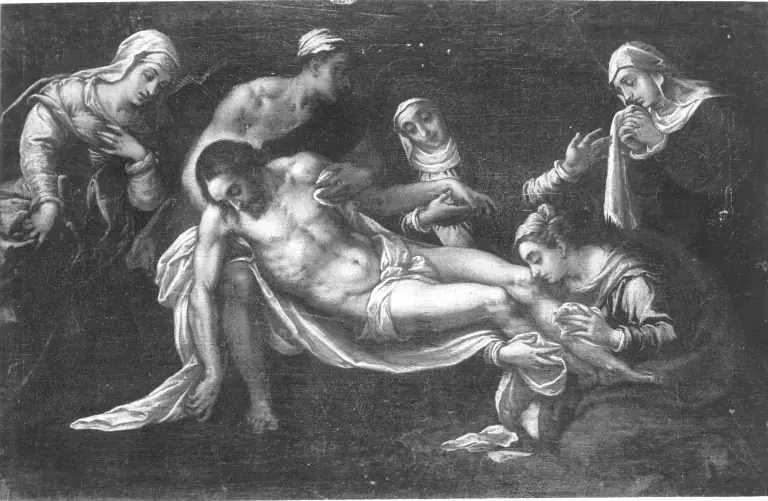
Beweinung Christi
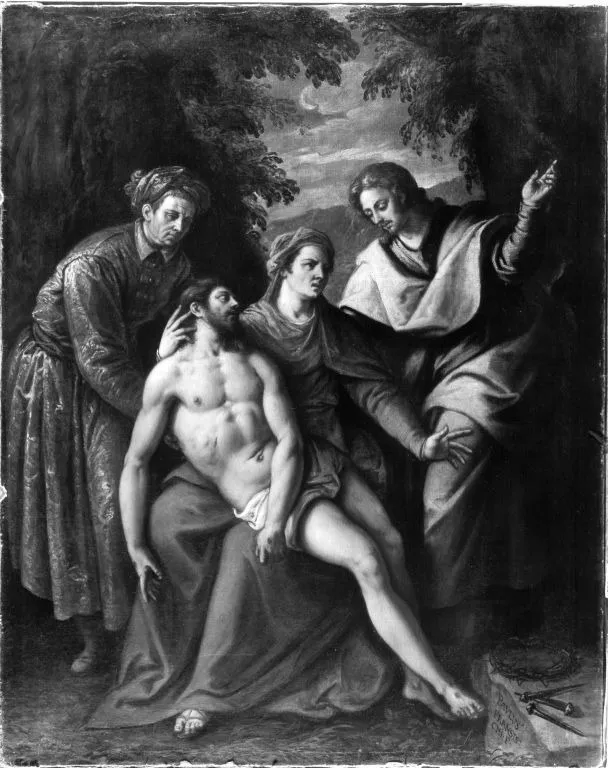
Beweinung Christi is an unspecified painting by the Early Baroque Italian artist Paolo Fiammingo. It dates from 1568 and is held in the collection of the Bavarian State Painting Collections.
About this work
Subject & Meaning
The work's central subject is Jesus Christ, specifically focusing on the mourning of his body following the Crucifixion.
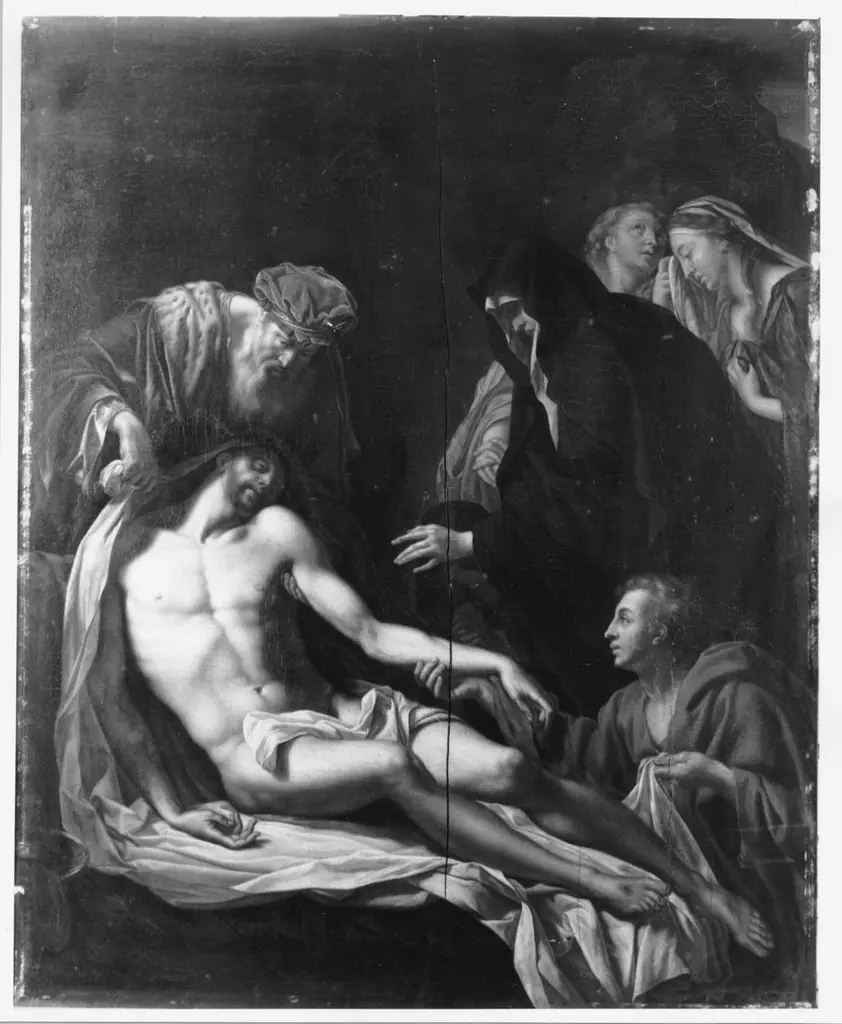
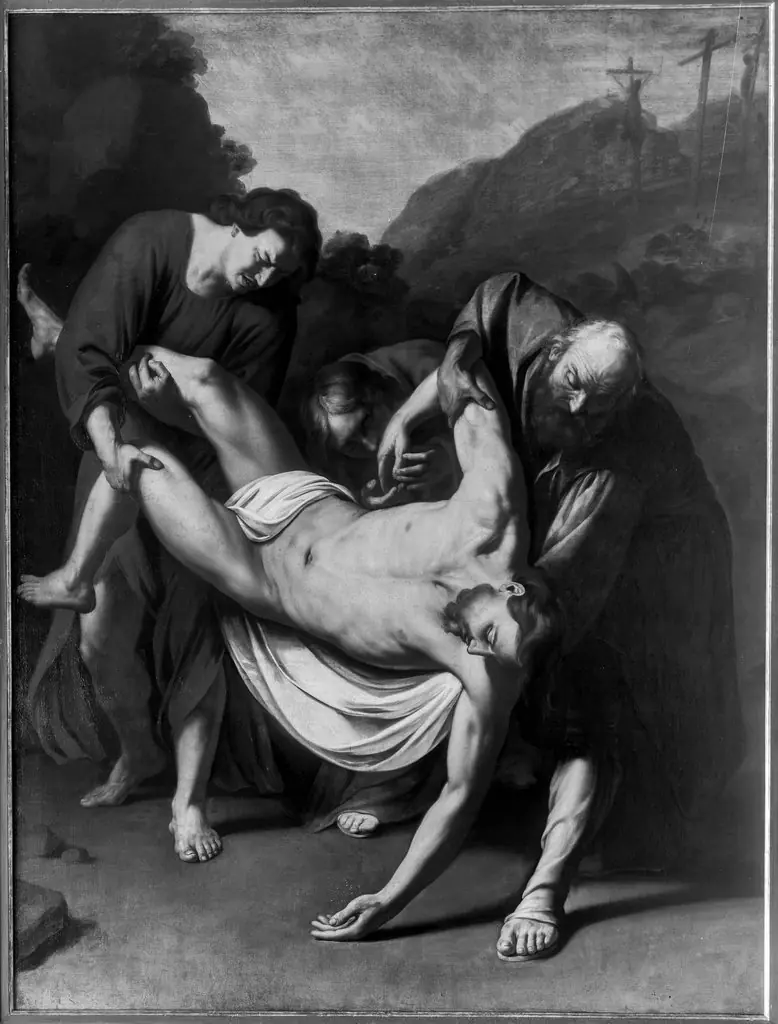
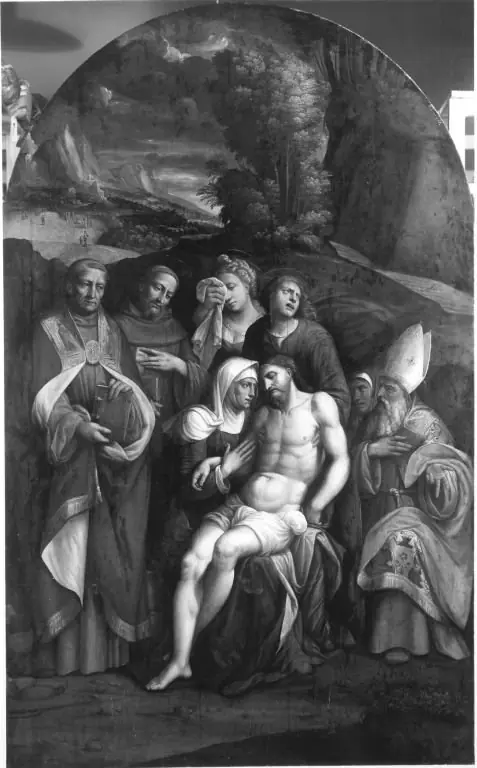
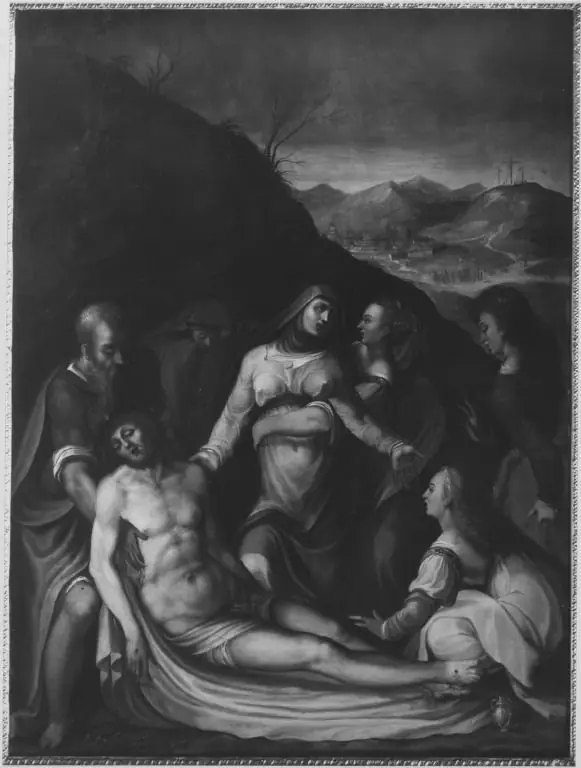
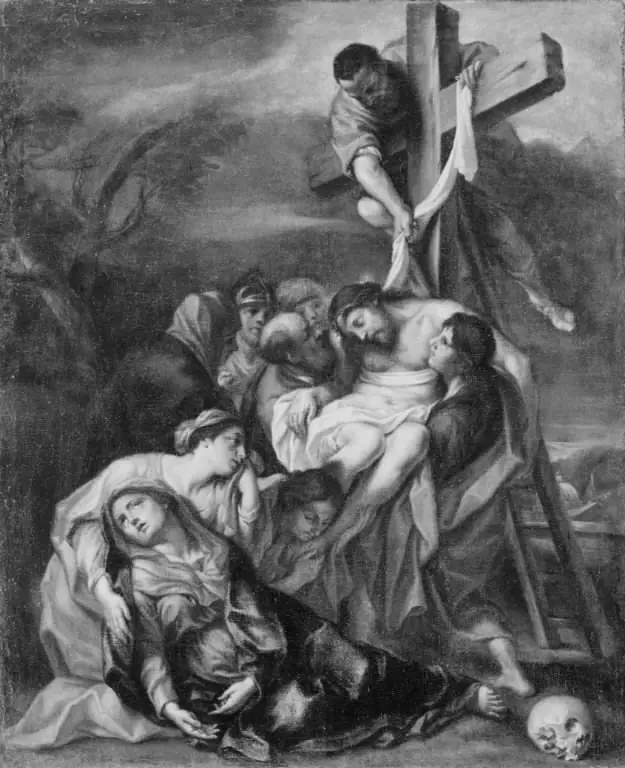
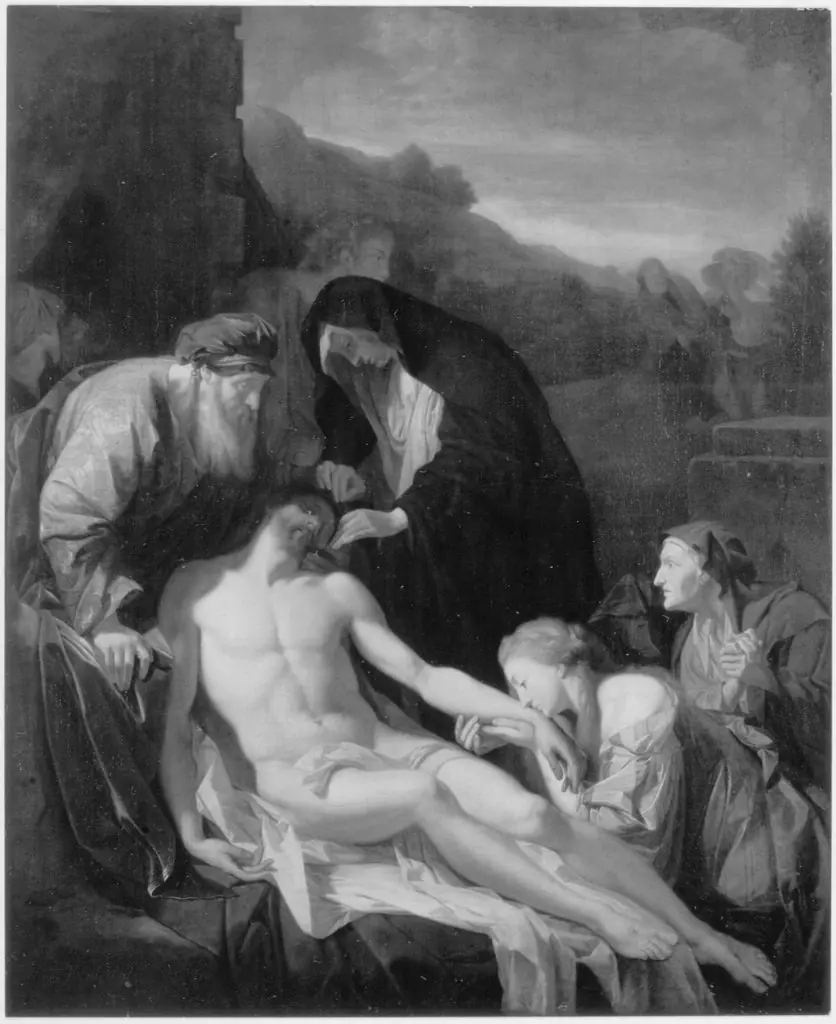
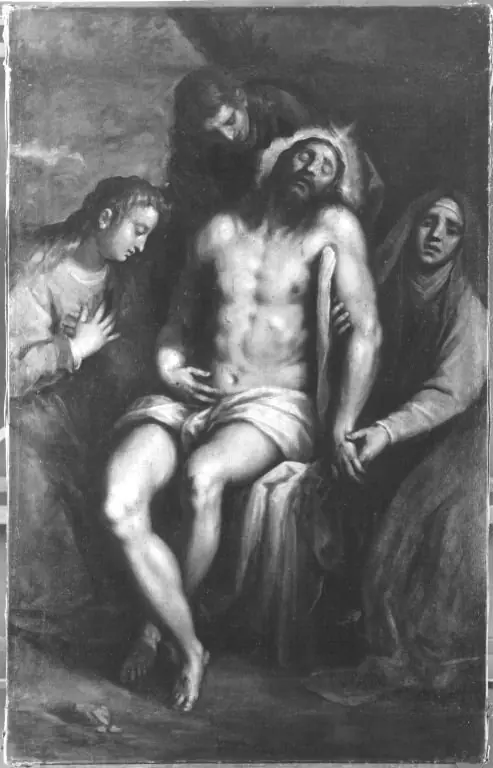
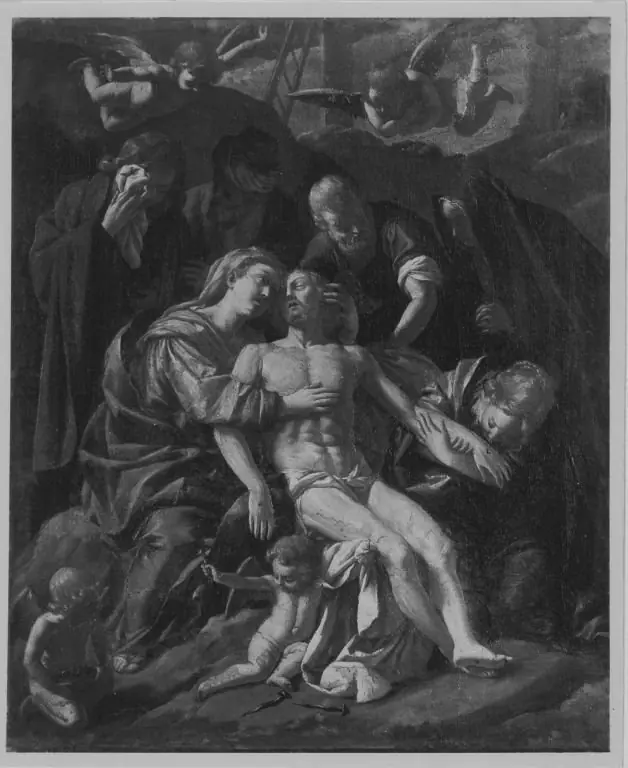
Paolo Fiammingo’s 1568 painting represents the Lamentation of Christ, a standard theme in religious art. The work's central subject is Jesus Christ, specifically focusing on the mourning of his body following the Crucifixion. As a religious genre piece, the composition captures the solemn iconography associated with the Lamentation, emphasizing the emotional and spiritual significance of Christ's death and the grief of his followers.
History & Provenance
The painting Beweinung Christi (Lamentation of Christ) was created by Paolo Fiammingo in 1568. It is a religious work depicting the Lamentation of Christ, executed as an oil painting measuring 163 cm in height and 128 cm in width. The work is currently held by the Bavarian State Painting Collections at the Alte Pinakothek.
No specific details regarding the original commission, the identity of the initial patron, or the intermediate steps of its ownership chain prior to its current location are provided in the available records.
The work is held by the Bavarian State Painting Collections and is displayed at the Alte Pinakothek in Munich.
It is recorded under accession number 1425 in the collection’s holdings.
The painting was included in the exhibition Paolo Fiammingo: Venetian Painting in the Age of Tintoretto held at the Alte Pinakothek in 1994.
Context
Paolo Fiammingo's Beweinung Christi (1568) depicts the Lamentation of Christ and is housed in the Alte Pinakothek in Munich, part of the Bavarian State Painting Collections. The work exemplifies late Renaissance religious painting in Central Europe, reflecting Counter-Reformation emphases on Christ's humanity. Scholarship highlights its emotional intensity and compositional influence on subsequent German religious works, situating it within Fiammingo's broader oeuvre of devotional subjects.
The painting's provenance and display context underscore its significance in art historical narratives of 16th-century Central European art.
Scholarship emphasizes its emotional intensity and compositional influence on subsequent German religious works, situating it within Fiammingo's broader oeuvre of devotional subjects.
Legacy
Paolo Fiammingo's Beweinung Christi exerted influence through its emotional rendering of the Lamentation of Christ, shaping devotional practices in Counter-Reformation art. The work's composition informed later depictions of Christ's mourning, particularly in German-speaking regions where its iconography resonated with contemporary theological discourse. Its presence in the Bavarian State Painting Collections ensured sustained scholarly attention, contributing to reevaluations of Fiammingo's role in late Renaissance narrative painting.
The painting's technical approach to chiaroscuro and spatial depth became a reference point for artists exploring grief in sacred imagery.
Legacy assessments highlight its significance in the evolution of devotional art, with repeated scholarly analysis underscoring its impact on 17th-century interpretations of Christ's humanity.
Overview
Paolo Fiammingo’s Beweinung Christi (1568) presents a somber tableau of Christ’s lamentation set within a shadowy forest. Four figures occupy the composition: a kneeling man cradling a limp body, a woman supporting the wounded figure, and a third man gesturing upward, his bare foot poised on the forest floor. The work belongs to the Alte Pinakothek’s collection.
Technique & Style
Executed in a Mannerist idiom, the painting employs pronounced chiaroscuro, contrasting deep shadows with illuminated forms to heighten drama. Fiammingo’s handling reflects the influence of Venetian masters such as Tintoretto, Veronese, and Bassano, combining dynamic composition with a restrained palette that foregrounds the figures against the dark woodland.
Artist & collection
Artist
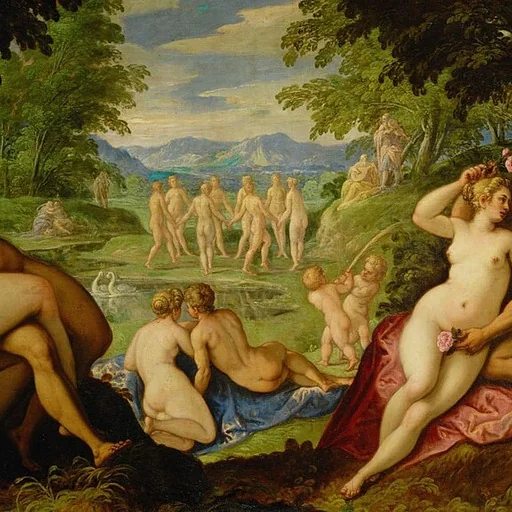
Pauwels Franck, known in Italy as Paolo Fiammingo and Paolo Franceschi (c. 1540–1596), was a Flemish painter, who, after training in Antwerp, was active in Venice for most of his life. He is mainly known for his…