Artwork
The Deposition
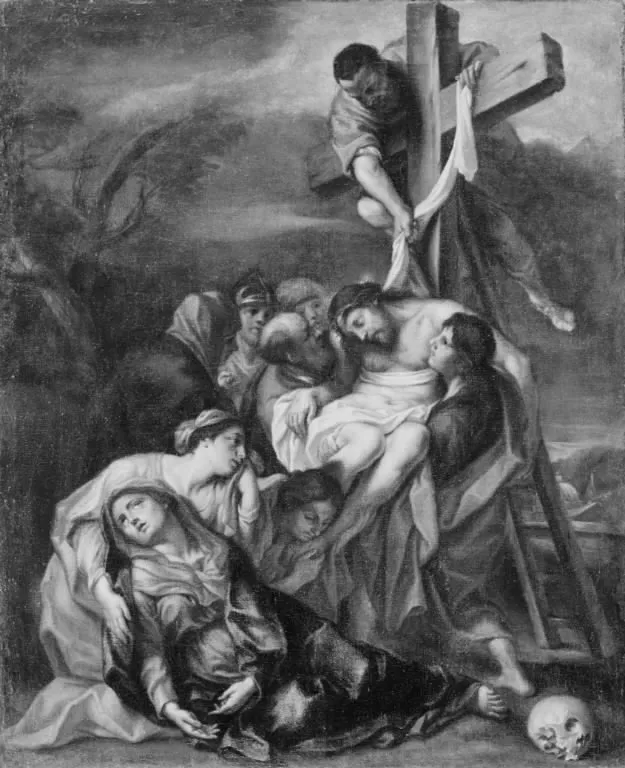
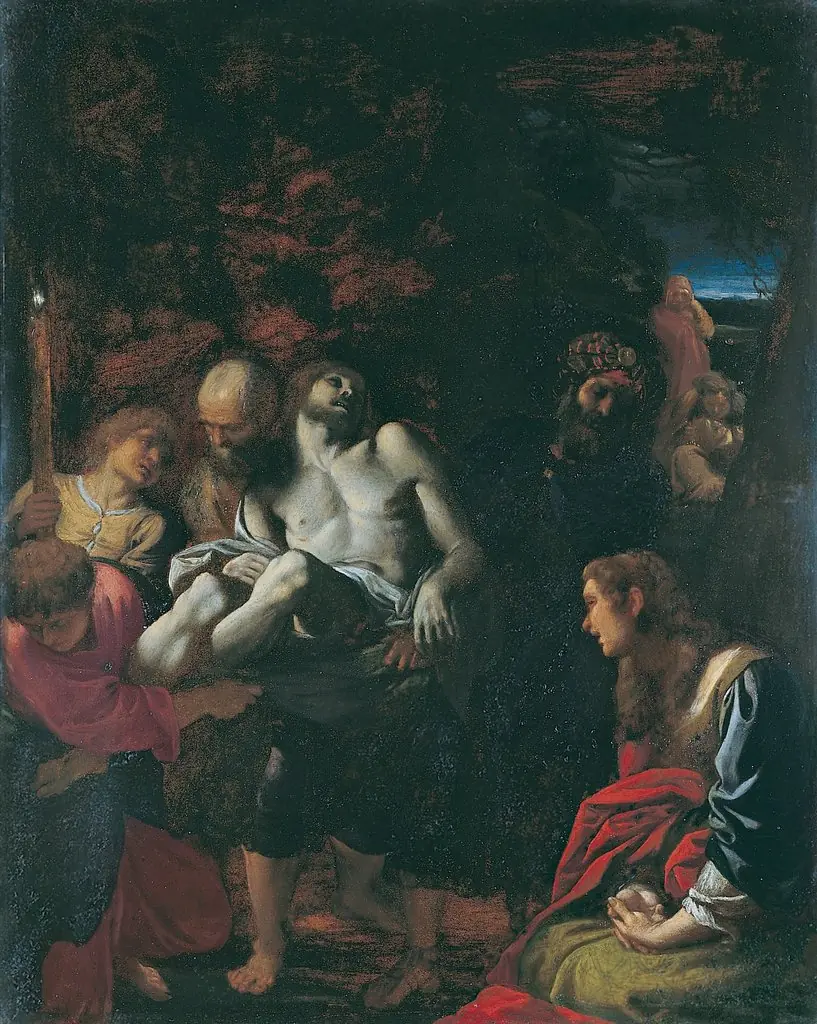
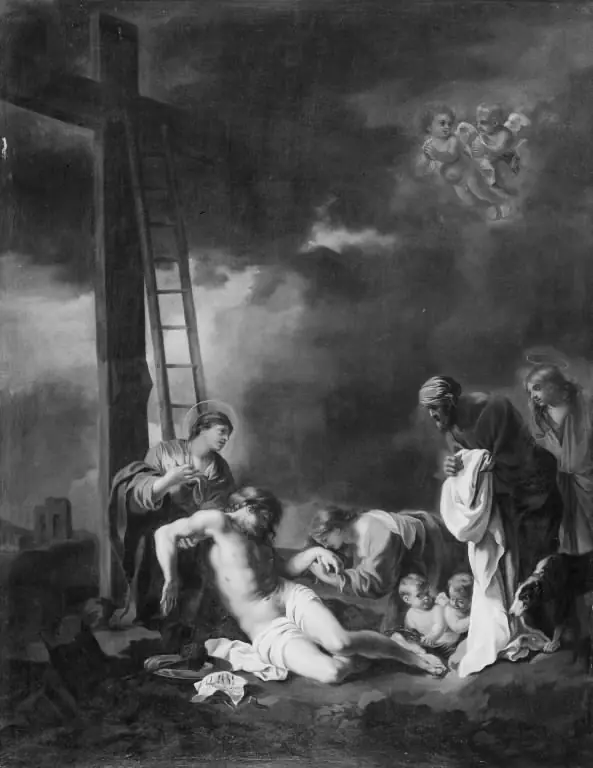
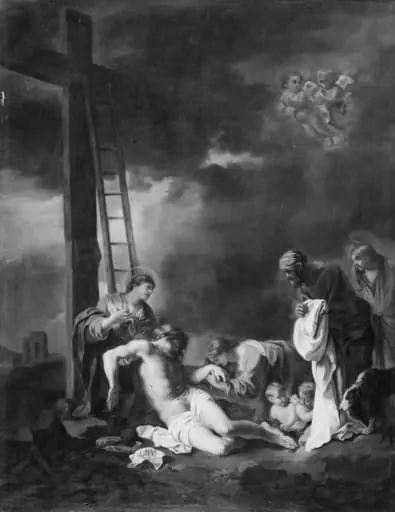
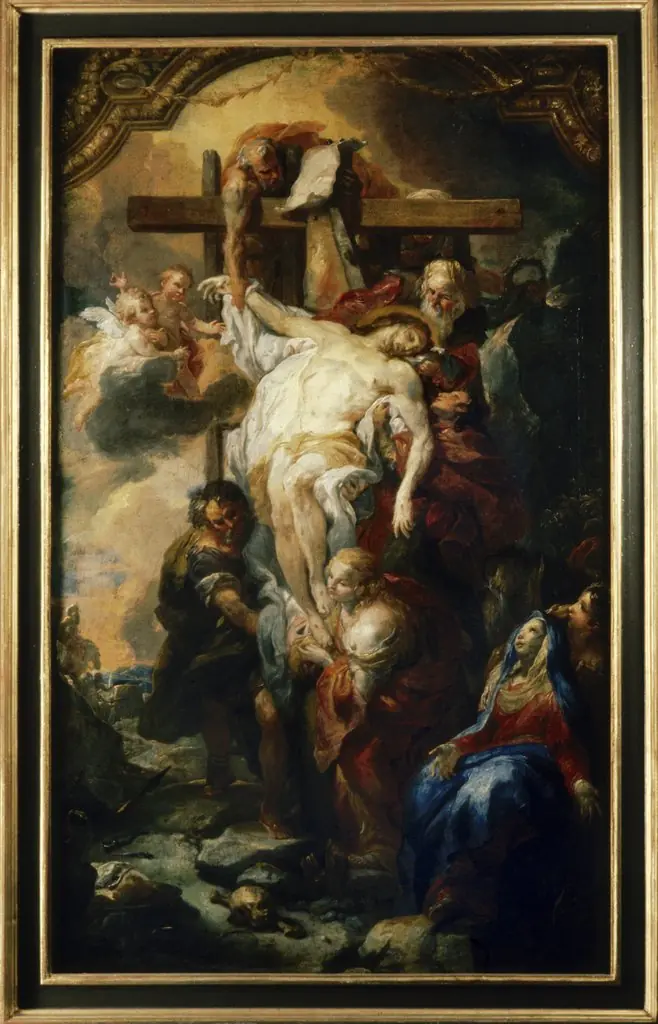
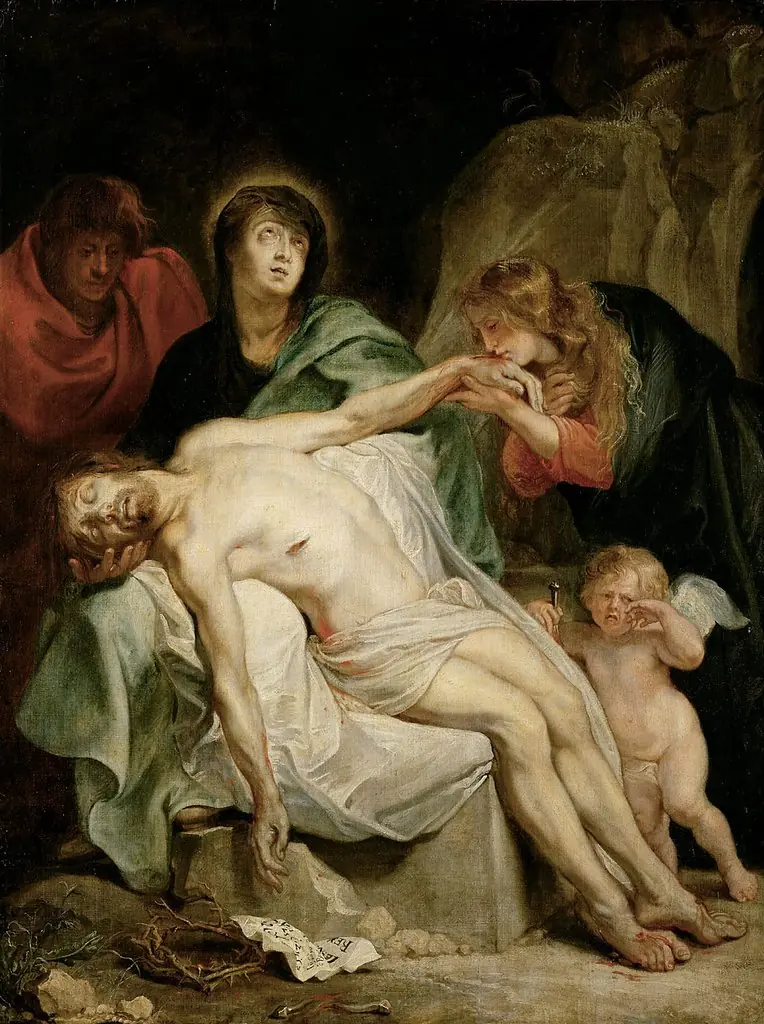
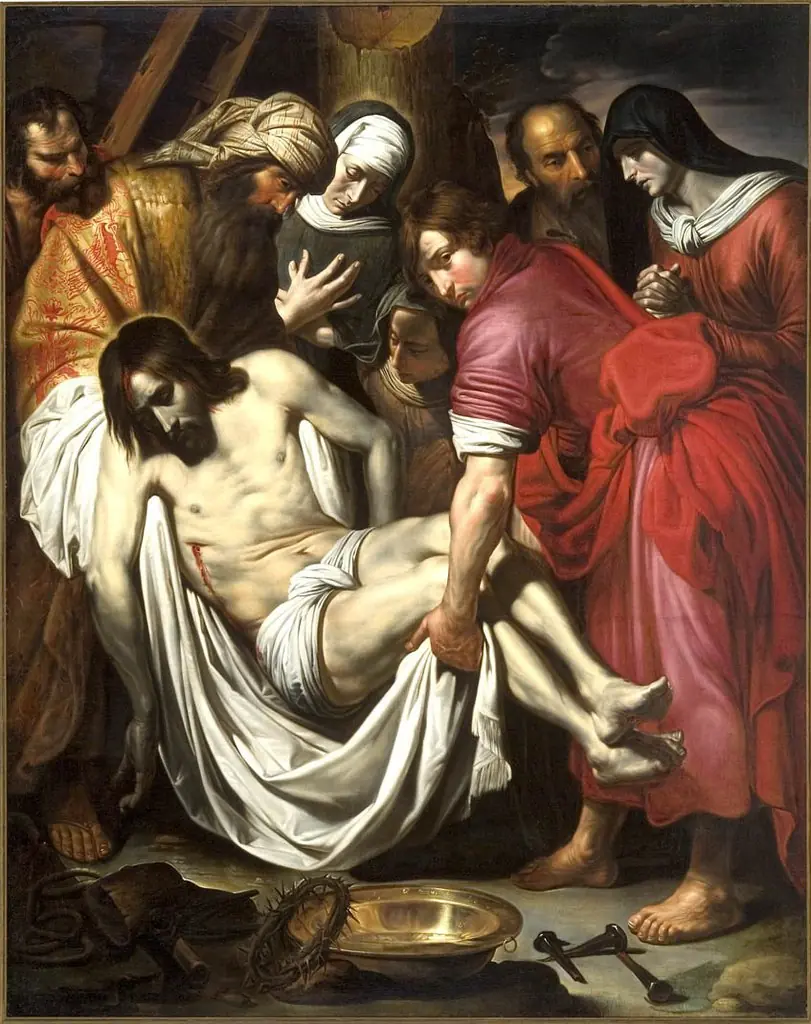
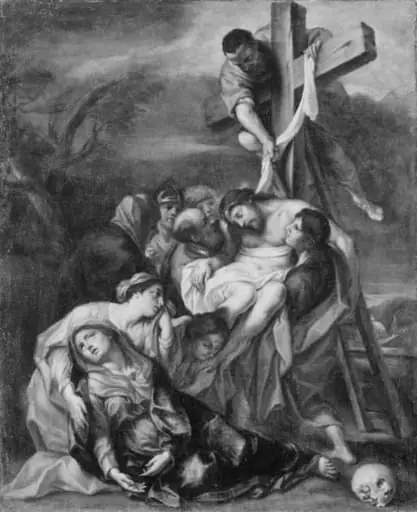
The Deposition is an oil painting by the Early Baroque Italian artist Annibale Carracci. It dates from 1596 and is held in the collection of the Statens Museum for Kunst.
About this work
Subject & Meaning
As a work of religious art, the painting serves to visualize this specific biblical narrative, focusing on the physical and emotional weight of the event.
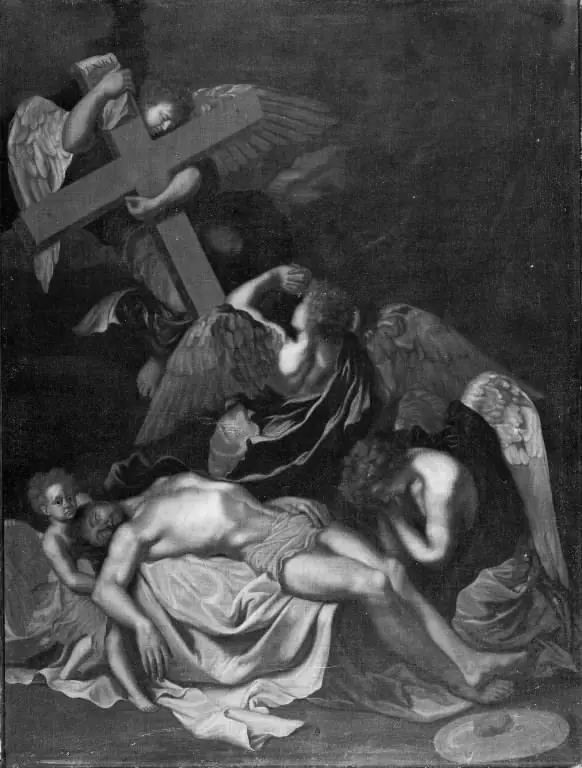
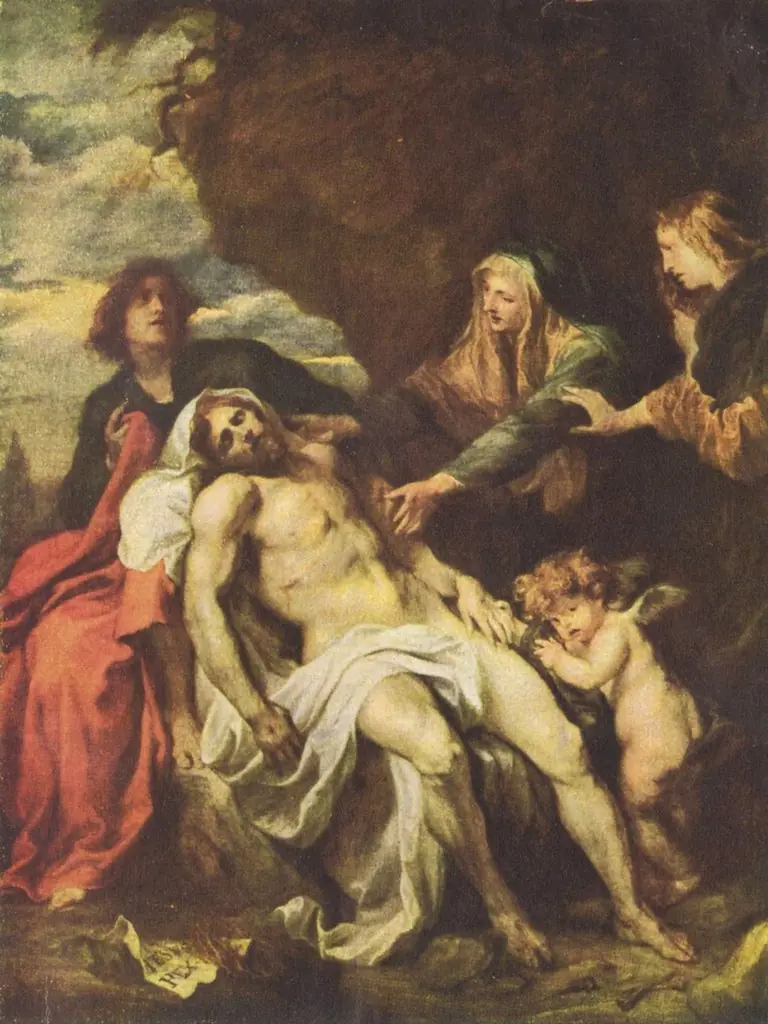
Annibale Carracci's 1592 oil painting, The Deposition, is a religious work centered on the Descent from the Cross. The composition depicts Jesus Christ as the main subject, illustrating the moment following his crucifixion when his body is removed from the cross. As a work of religious art, the painting serves to visualize this specific biblical narrative, focusing on the physical and emotional weight of the event.
The scene captures the transition from the violence of the crucifixion to the preparation for burial, emphasizing the humanity and sacrifice of the central figure.
Technique & Style
Executed in oil on canvas in 1592, the work exhibits a restrained yet dynamic handling typical of Annibale Carracci’s mature style. The composition is organized through carefully modeled figures whose forms emerge from a muted, earth-toned ground, with subtle shifts in light defining volume and space. Drapery falls in rhythmic folds that echo classical precedents, while restrained gestures and concentrated expressions focus attention on the central removal of Christ’s body.
The painting’s palette relies on ochres, umbers, and low-key greens, with localized highlights to articulate flesh and metalwork without strong contrasts. No later conservation reports are cited, so the present condition cannot be specified beyond the general observation that the canvas ground and oil medium remain intact.
History & Provenance
The Deposition was created by Annibale Carracci in 1592, executed in oil paint on canvas and depicting the Descent from the Cross. According to the available records, the painting entered the collection of the Statens Museum for Kunst, where it is currently held. No further details regarding an earlier commission, prior ownership, or transfer history are documented in the supplied sources.
The work is held by Statens Museum for Kunst, Copenhagen, where it is recorded as inventory number KMSsp708.
It has been exhibited in the museum’s galleries in Copenhagen in 2015 as part of the presentation “From Pontormo to Rembrandt: Italian and Dutch Old Masters.”
Context
The Deposition (1592) is a religious painting by Annibale Carracci depicting the Descent from the Cross, housed in the Statens Museum for Kunst. It was created as an oil on canvas work measuring 536.0 cm in height and 432.0 cm in width. The composition reflects Carracci’s engagement with Counter-Reformation ideals and Baroque naturalism, situating it within his broader contribution to the development of classical landscape and figure painting in late 16th-century Italy.
Its devotional subject and formal treatment have been discussed in relation to Carracci’s influence on the Bolognese school and the evolving conventions of sacred narrative in Counter-Reformation Rome.
Legacy
Annibale Carracci's The Deposition, painted in 1592, influenced Counter-Reformation religious art through its dramatic composition and emotional realism. The work's depiction of the Descent from the Cross established a model for later artists exploring biblical narratives with heightened human pathos. Its presence at the Statens Museum for Kunst has reinforced its reputation as a seminal example of Bolognese classicism, studied for its masterful use of light and anatomical precision.
Overview
Annibable Carracci’s The Deposition (1596) is an oil on canvas that portrays the moment Jesus’ body is taken down from the cross. Executed during the early Baroque period, the work combines a classical compositional balance with a heightened emotional tone, reflecting Carracci’s transitional role between Renaissance ideals and Baroque dynamism.
Artist & collection
Artist
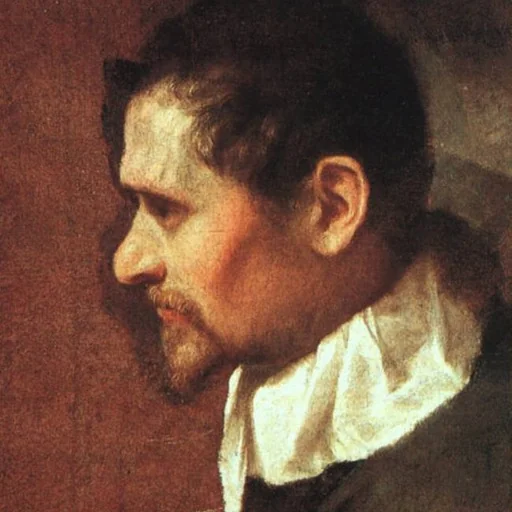
Annibale Carracci ( kə-RAH-chee, UK also kə-RATCH-ee, Italian:; November 3, 1560 – July 15, 1609) was an Italian painter and instructor, active in Bologna and later in Rome.