Artwork
Hudson River Portfolio: Looking South from Battery Knox, West Point
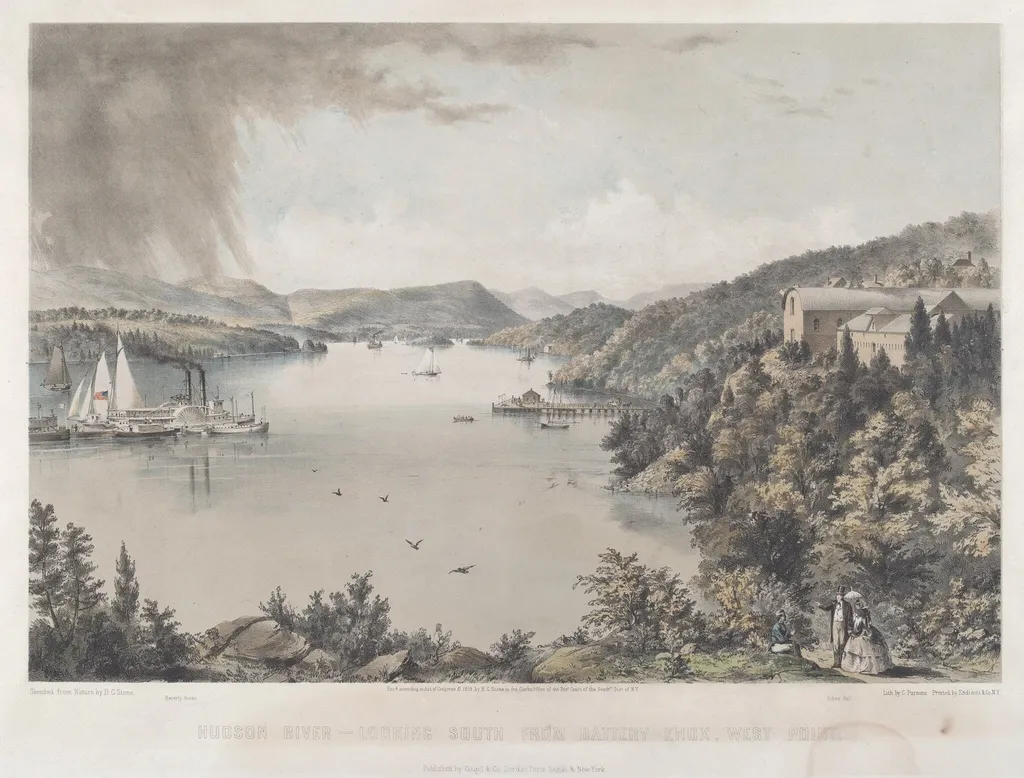
Hudson River Portfolio: Looking South from Battery Knox, West Point is an ink print by the Impressionist artist Charles Parsons. It dates from 1859 and is held in the collection of the National Gallery of Art.
About this work
Overview
Printed on delicate chine appliquée paper, the work captures a panoramic view from Battery Knox at West Point, looking southward along the river.
Created in 1859 by Charles Parsons, this hand-colored lithograph is part of a series documenting the Hudson River landscape. Printed on delicate chine appliquée paper, the work captures a panoramic view from Battery Knox at West Point, looking southward along the river. The composition balances natural elements with human activity, emphasizing the quiet rhythm of river travel and the serene terrain.
Subject & Meaning
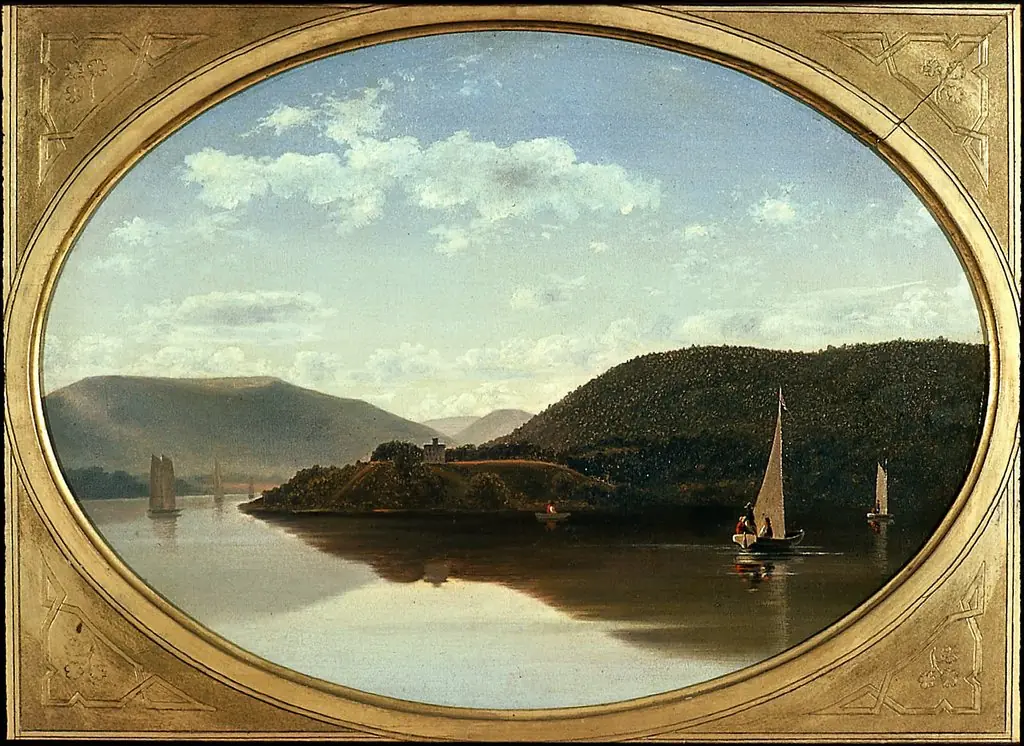
The scene depicts the Hudson River under soft daylight, with sailboats and a single steamboat moving toward the horizon. On the right, a wooded hillside features modest structures and a prominent tower, likely part of the military installation at West Point. Two figures in the foreground, one holding a hat, suggest contemplative observation.
The image conveys a sense of stillness and quiet exploration, reflecting 19th-century interest in the river as both a natural and strategic corridor.
Technique & Style
Parsons employed lithography with hand-coloring to achieve a delicate, atmospheric effect. The use of chine appliquée paper allowed for finer detail and subtle tonal transitions. Soft washes of color, pale blues, greens, and earth tones, mimic the natural light of late afternoon.
The rendering is precise yet unobtrusive, resembling a finished sketch rather than a highly polished image, enhancing the sense of immediacy and observation.
History & Provenance
This print was produced as part of Parsons’ Hudson River Portfolio, a set of views commissioned to document the river’s scenic and military significance. Created shortly before the Civil War, the series served both artistic and topographical purposes. The work likely circulated among educated audiences interested in American landscapes and national identity, though its early ownership records remain largely undocumented.
Context
In the mid-19th century, the Hudson River was a vital transportation route and a symbol of American natural beauty. West Point, as a military academy, added strategic weight to the landscape. Artists and engravers like Parsons responded to public interest in documenting the nation’s geography, blending topographical accuracy with aesthetic sensitivity. This print reflects a broader cultural moment when nature and national progress were seen as intertwined.
Legacy
Parsons’ Hudson River Portfolio contributed to the visual record of American scenery during a period of rapid change. While less widely known than works by Hudson River School painters, his prints offer a quieter, more intimate perspective on the river’s character. The series remains a valuable resource for understanding how landscape was recorded and consumed in the decades before widespread photography.
Own this work as a print
Artist & collection

- West Point, from above Washington Valley: Looking down the River
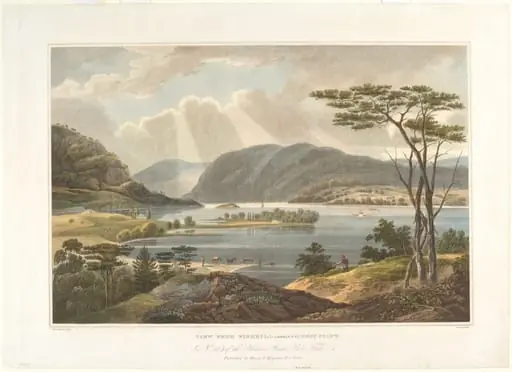 View from Fishkill Looking to West Point
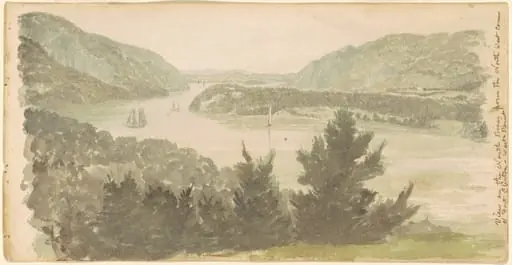 View of the North River from the North West Corner of Fort Clinton—West Point
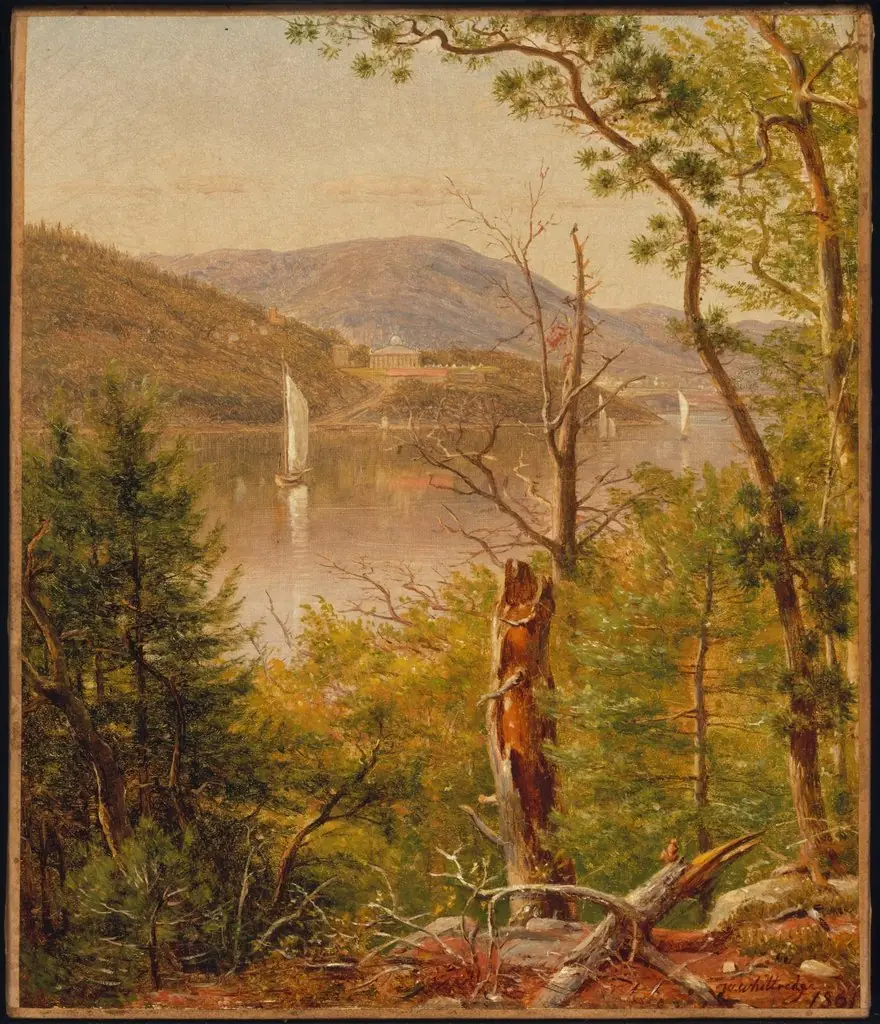 View of West Point on the Hudson
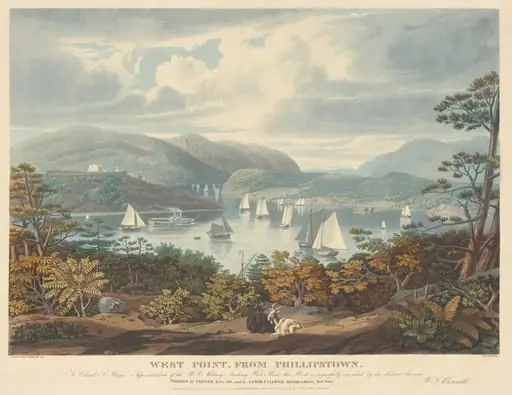 West Point, from Phillipstown
 View of West Point from above Washington Valley
 The Hudson River Valley near Hudson, New York