Artwork
Felsige Küste
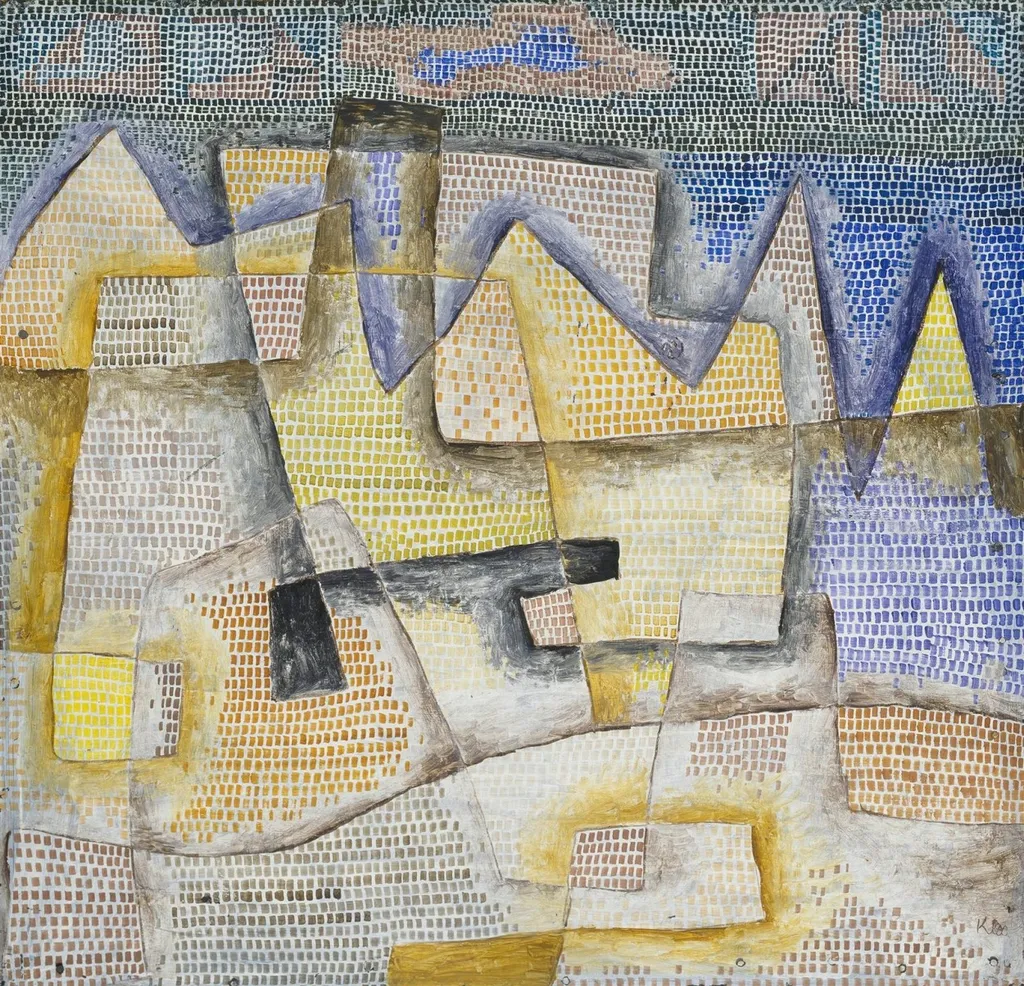
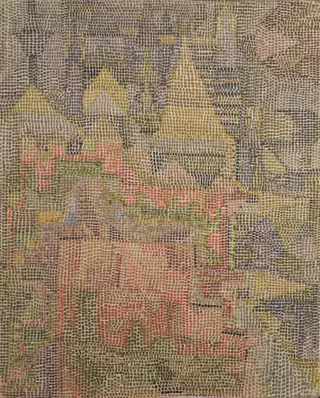
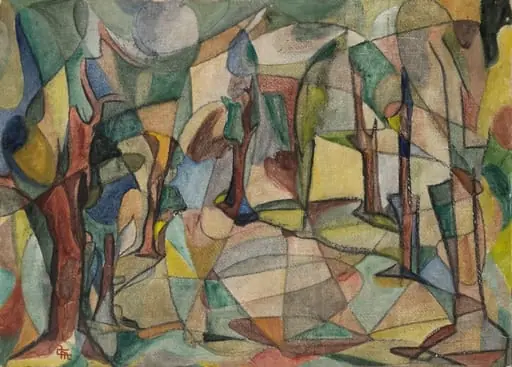
Felsige Küste is an oil painting by the Art Informel artist Paul Klee. It dates from 1931 and is held in the collection of the Hamburger Kunsthalle.
About this work
Overview
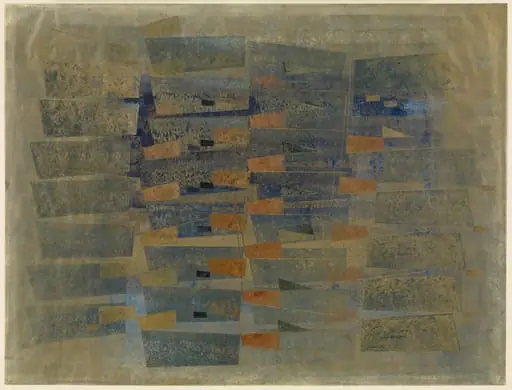
Felsige Küste, created by Paul Klee in 1931, is a plywood painting characterized by a mosaic of overlapping geometric shapes in muted, glowing colors, evoking a sense of depth and quiet contemplation.
Subject & Meaning
The subject of Felsige Küste is abstract, with the arrangement of shapes and colors suggesting a rugged, rocky coastline, as implied by the title, which translates to 'Rocky Coast'.
Technique & Style
Klee employed spontaneous, abstract forms in Felsige Küste, reflecting his association with the art informel movement. His distinctive style blends elements of expressionism, cubism, and surrealism, with a deep exploration of color theory evident in the muted yet luminous palette.
History & Provenance
Felsige Küste is part of the collection at the Hamburger Kunsthalle. As a key work from 1931, it represents Klee's ongoing experimentation during this period.
Context
Created during a time of artistic experimentation, Felsige Küste sits at the intersection of several influential early 20th-century movements, showcasing Klee's unique synthesis of artistic philosophies.
Legacy
Felsige Küste contributes to Klee's lasting influence on modern art, particularly through his writings, the Paul Klee Notebooks, which remain a foundational resource for artists and theorists exploring form, design, and color theory.
Artist & collection
Artist
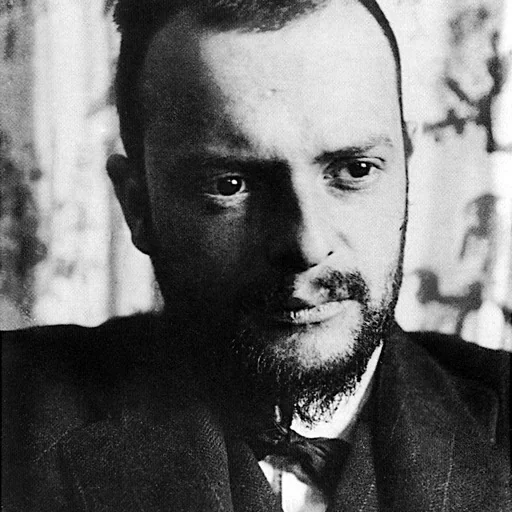
Paul Klee (German:; 18 December 1879 – 29 June 1940) was a Swiss-born German artist.