Movement
Art Informel
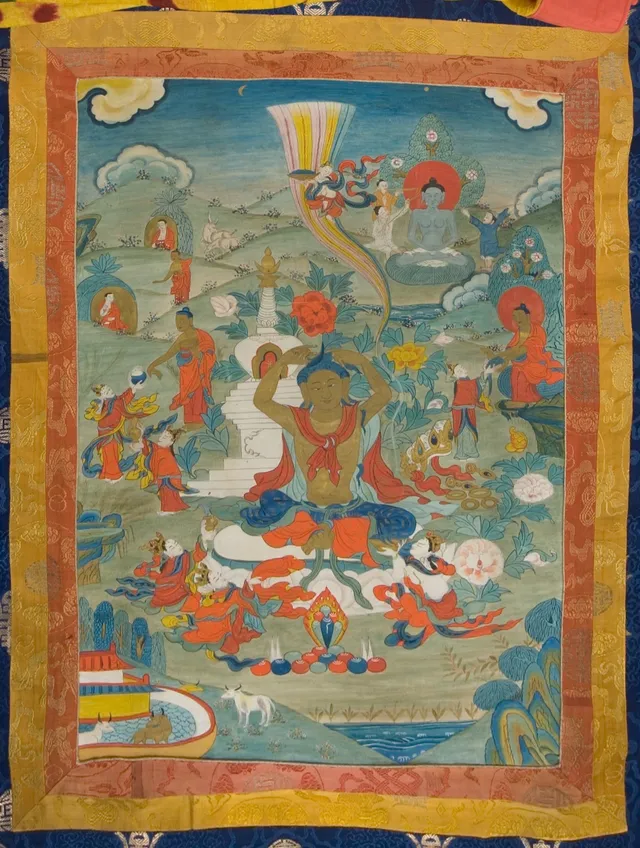
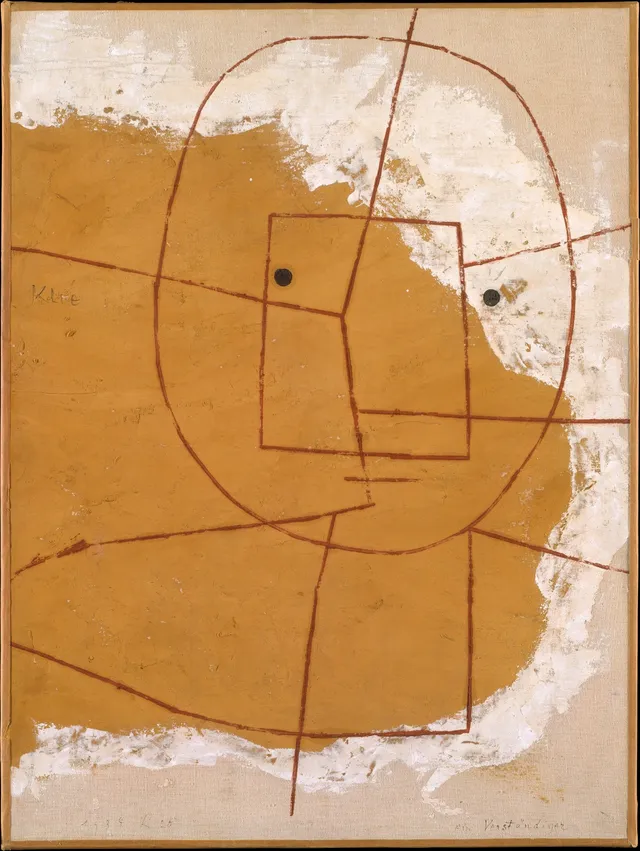
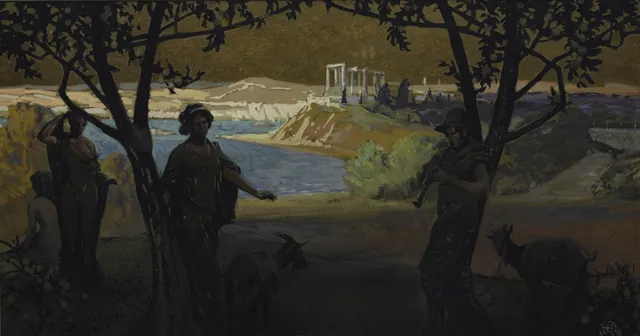
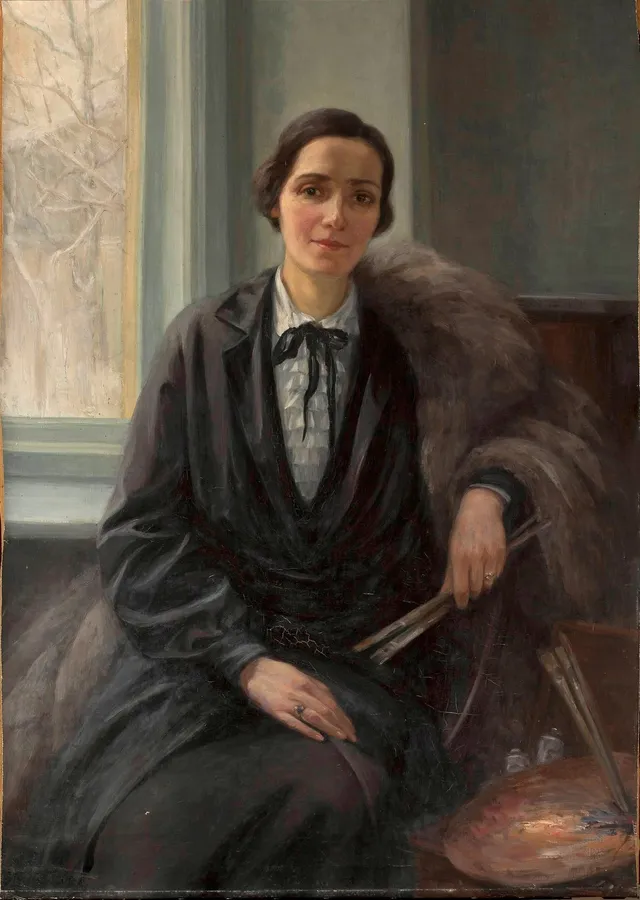
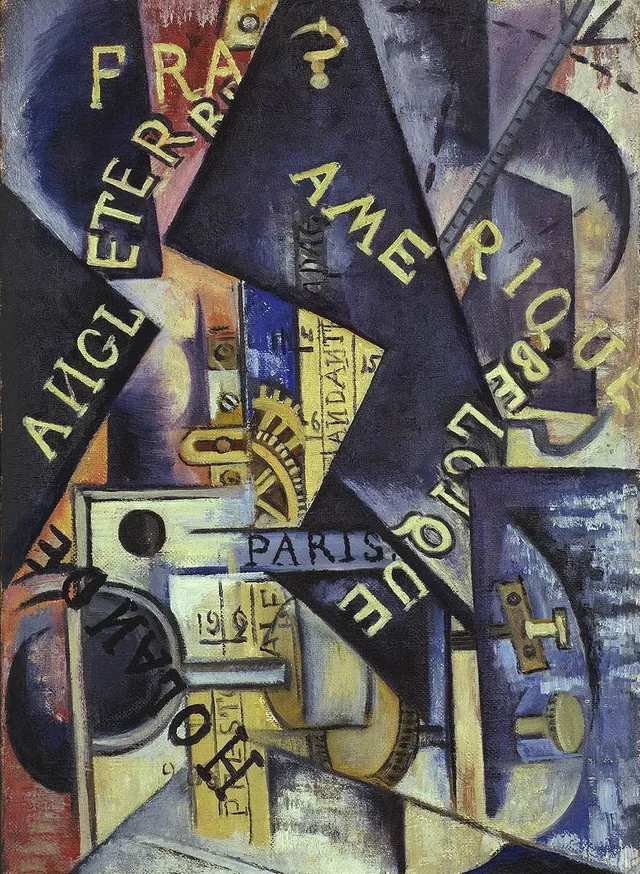
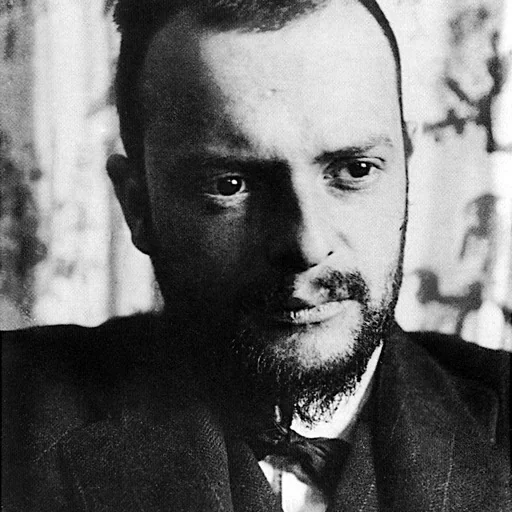
Art Informel is an art movement dating from 1940. The gallery holds 40 works in this movement, including works by Paul Klee, Olga Rozanova and Blanka Mercère. Browse Art Informel paintings, portraits, pictures and artworks from the world's public-domain museum collections.
Art Informel was the dominant current of European abstraction in the years after the Second World War, an art forged in the rubble, trauma, and existential mood of a continent emerging from catastrophe. The term was coined by the French critic Michel Tapié in his 1952 book-manifesto *Un Art Autre* ("Art of Another Kind"), and in the exhibition of the same name he staged that year at the Studio Paul Facchetti in Paris. Tapié described not a school but a tendency: a radical break with the inherited rules of order, geometry, and composition that had governed pre-war abstraction. The pivotal moment is usually traced to Jean Fautrier's 1945 exhibition of his *Otages* (Hostages) series at the Galerie René Drouin—gauzy, thickly built heads memorializing French civilians executed by the Nazis—which left a deep impression on the young Jean Dubuffet and helped galvanize Tapié's campaign.
In place of clean lines and balanced design, Art Informel privileged the unplanned mark, the worked surface, and the artist's raw, immediate gesture. Practitioners loaded their canvases with *haute pâte* (thick impasto), sand, tar, and improvised matter, treating the picture as a record of physical struggle rather than an arrangement of forms. The approach ranged from the explosive calligraphic speed of Georges Mathieu—whose *The Battle of Hastings* (1956) was painted in a single rapid burst—to Hans Hartung's whip-like skeins of line and Pierre Soulages's slabs of velvety, light-catching black.
The movement gathered an international roster. Fautrier, Dubuffet, and the German-born Wols are often cited as its pioneers; alongside them stood Mathieu, Hartung, Soulages, Henri Michaux, and the Canadian Jean-Paul Riopelle in France, the Italian Alberto Burri (who stitched and scorched burlap, plastic, and metal), and the Catalan Antoni Tàpies, whose earthen, wall-like surfaces fused abstraction with symbol.
Art Informel functioned as an umbrella for several overlapping postwar idioms—tachisme, matière painting, lyrical abstraction, and Dubuffet's Art Brut—and ran parallel to American Abstract Expressionism, with which Tapié explicitly linked it by including Jackson Pollock and Mark Tobey among his "other" artists. It also overlapped with the CoBrA group through figures such as Karel Appel. Dominant into the early 1960s, it shaped the texture-driven and gestural strands of European modernism before being challenged by the cooler languages of Pop, Minimalism, and Nouveau Réalisme.
Key artists
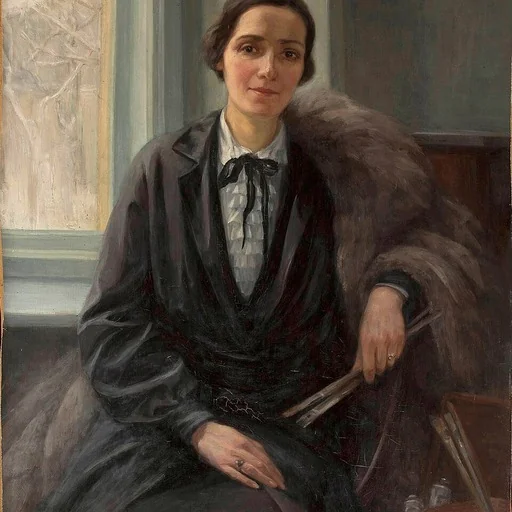
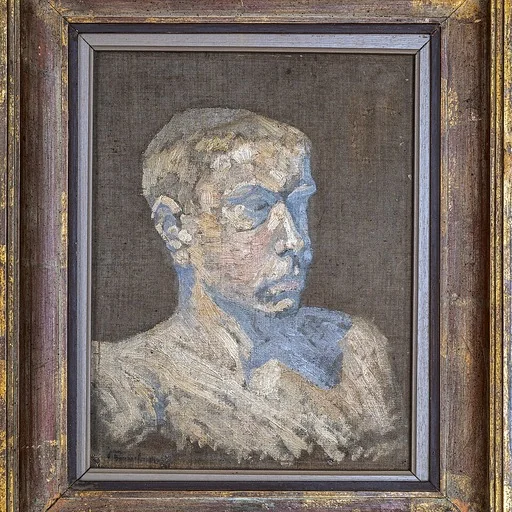
Works
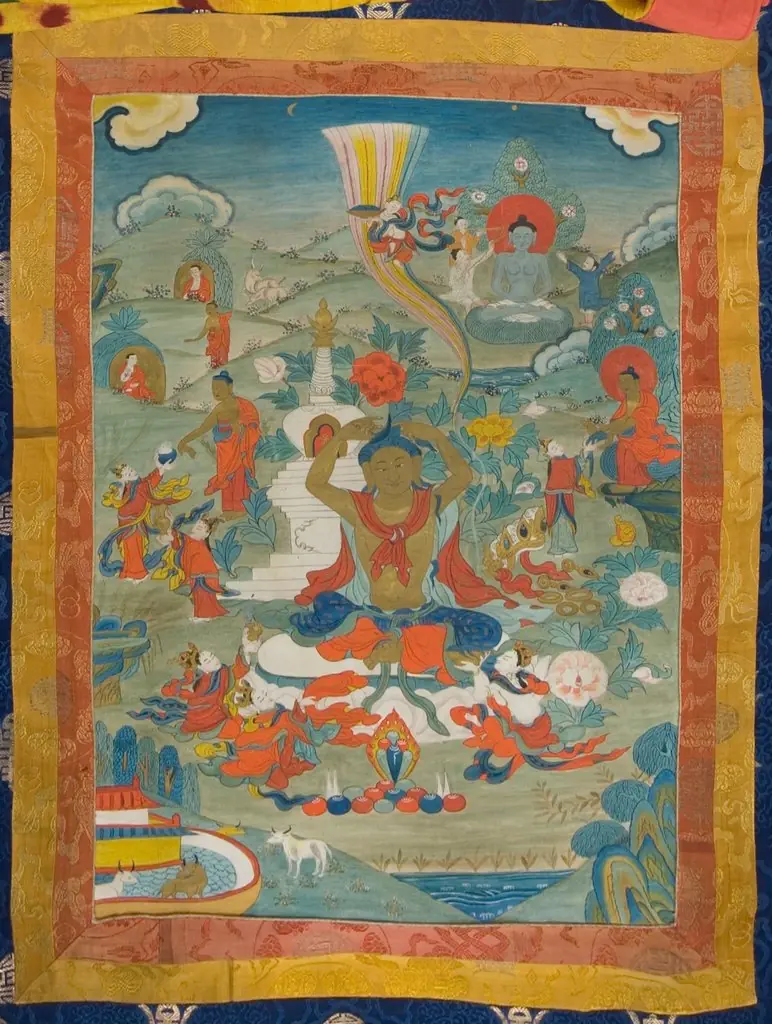 The Great Renunciation of Siddhartha
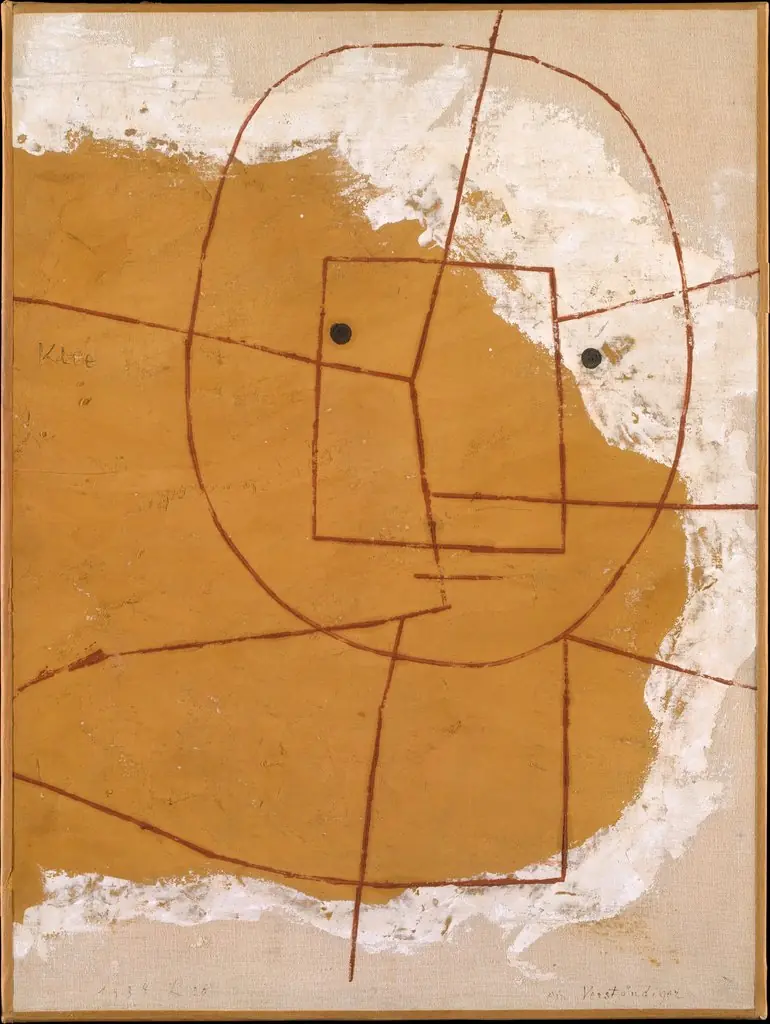 One Who Understands
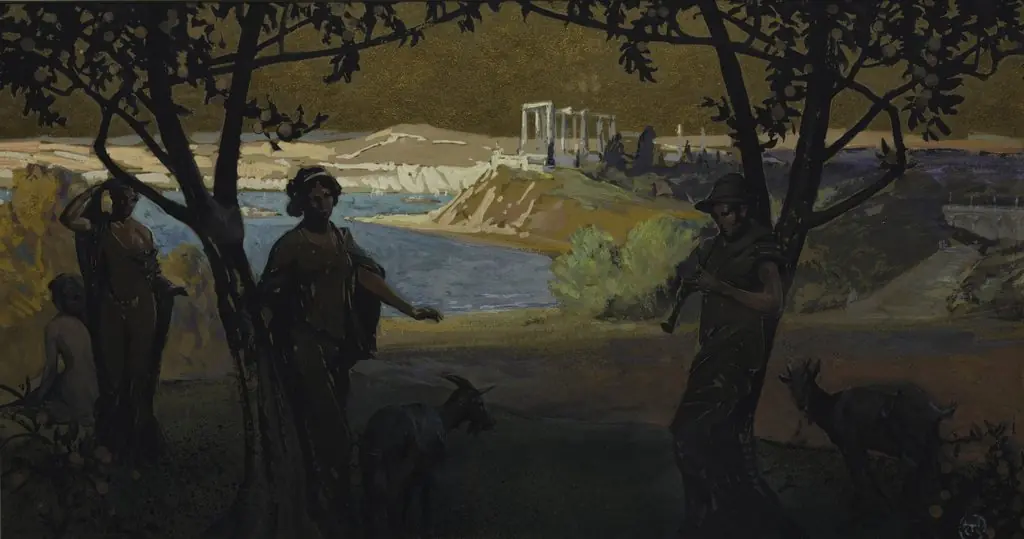 Mural Sketch, Pastoral Study, No. 1
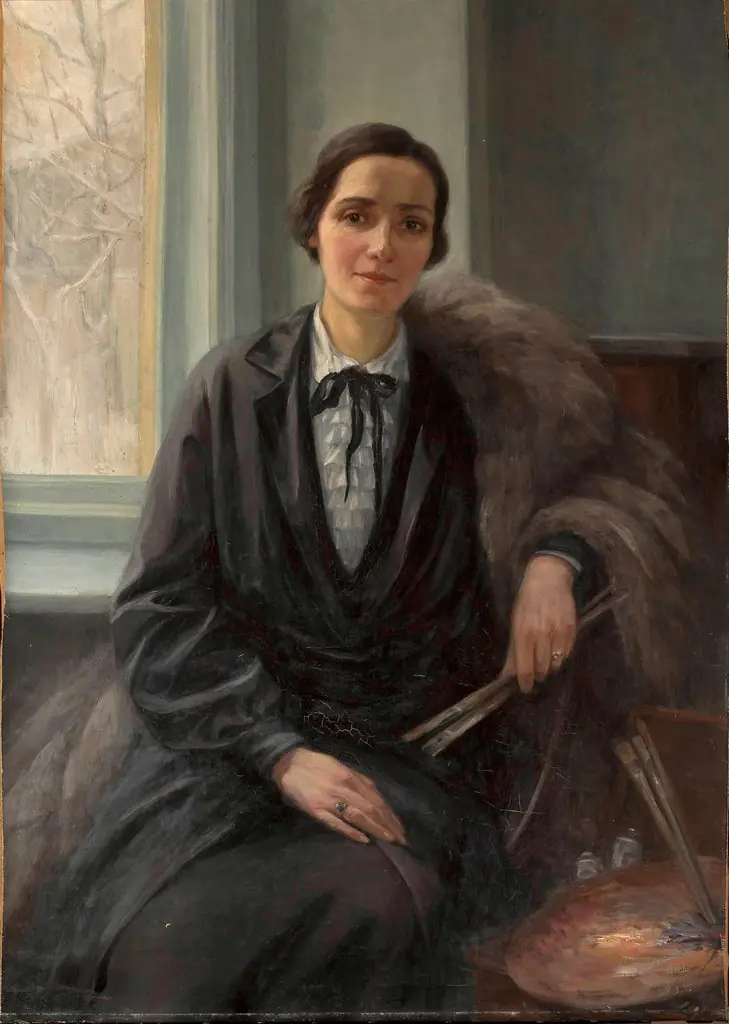 Self-portrait
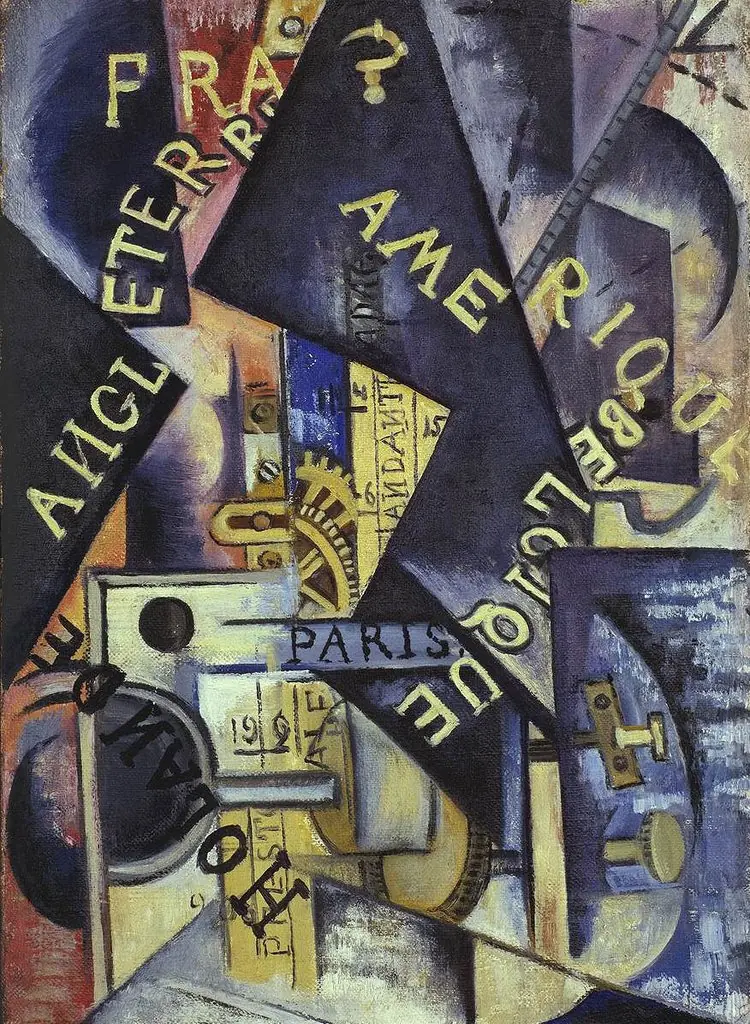 Metronome
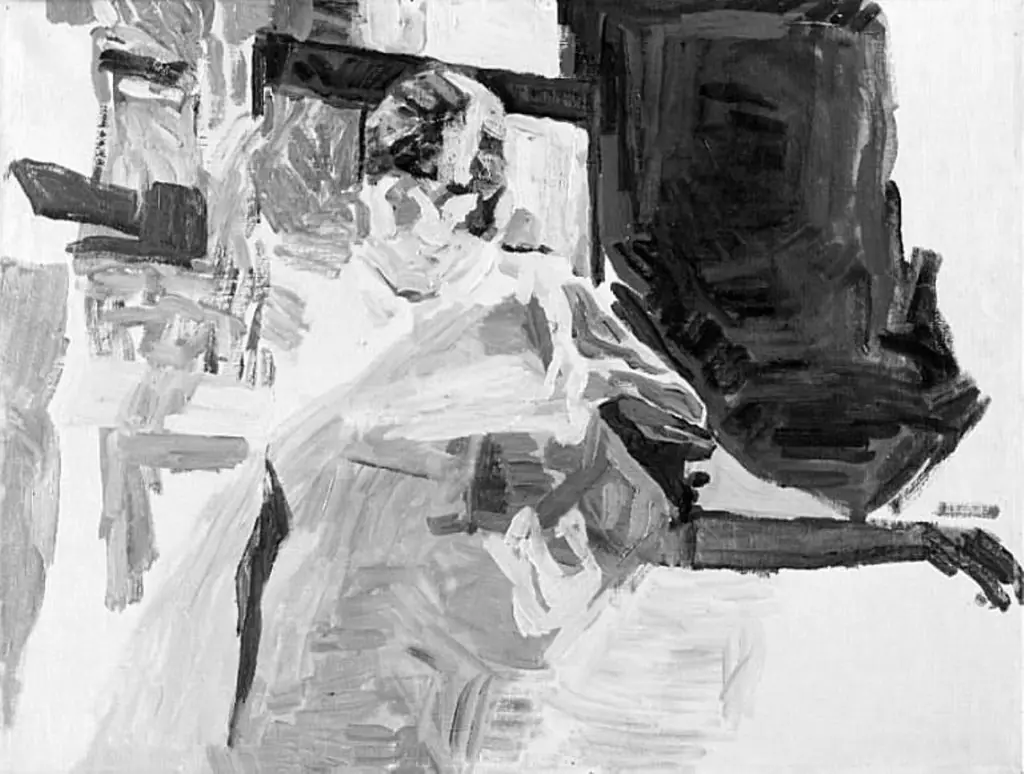 Interior with Figure
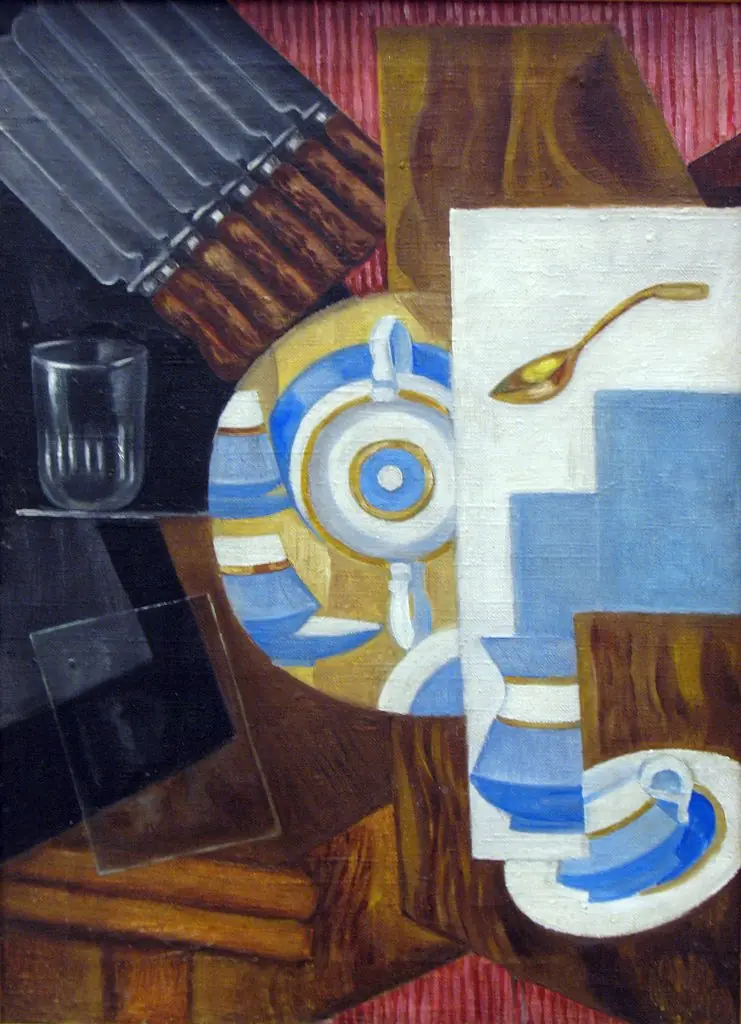 Sideboard with Dishes
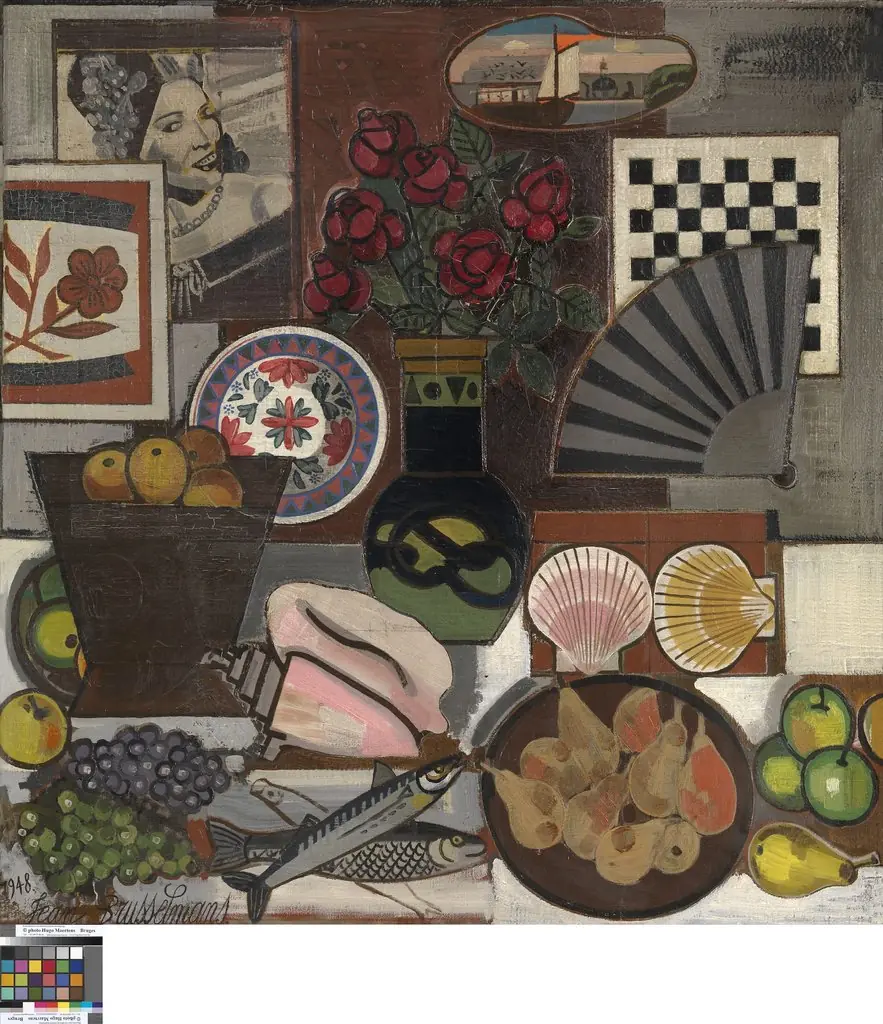 Stilleven met waaier
 Composition with Spheres
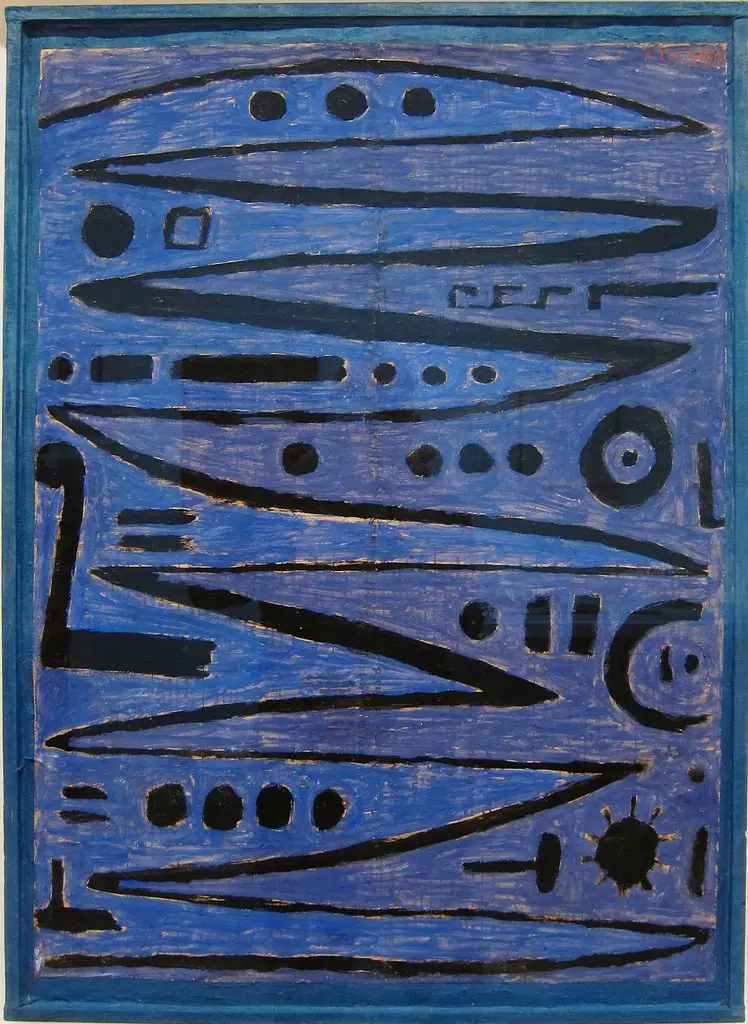 Heroic strokes of the bow
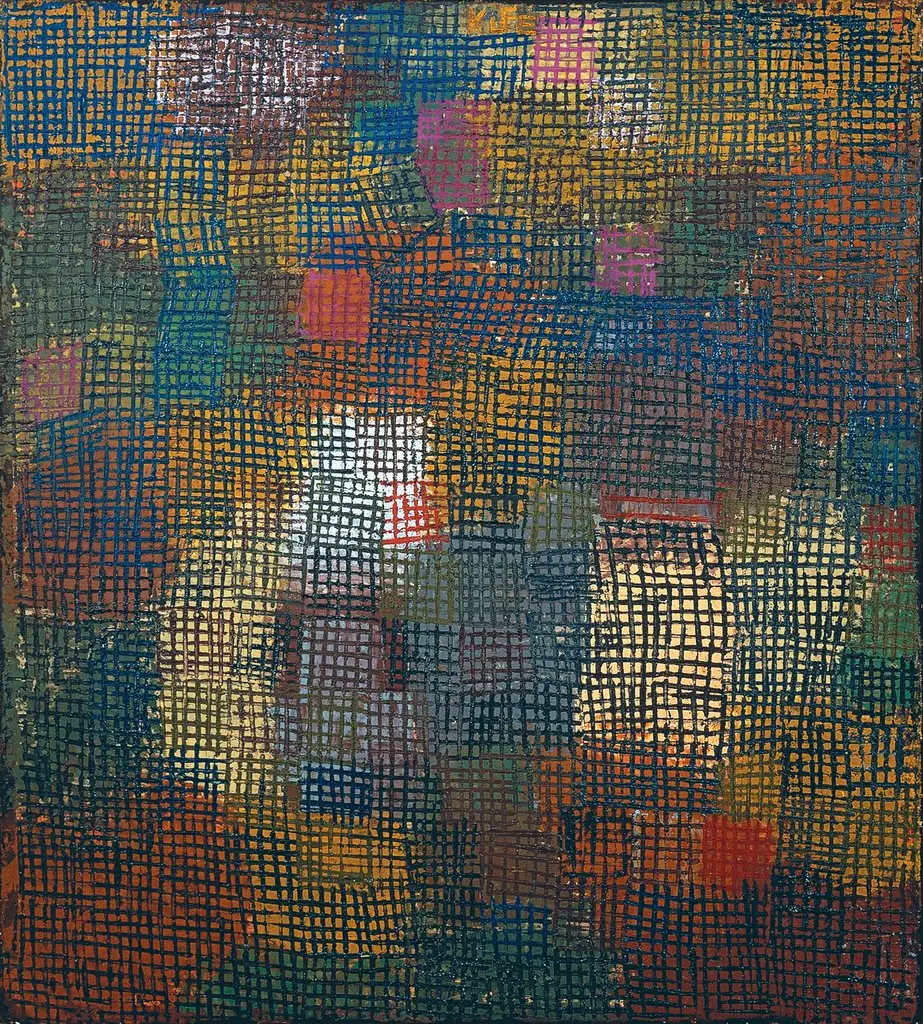 Colors from a Distance
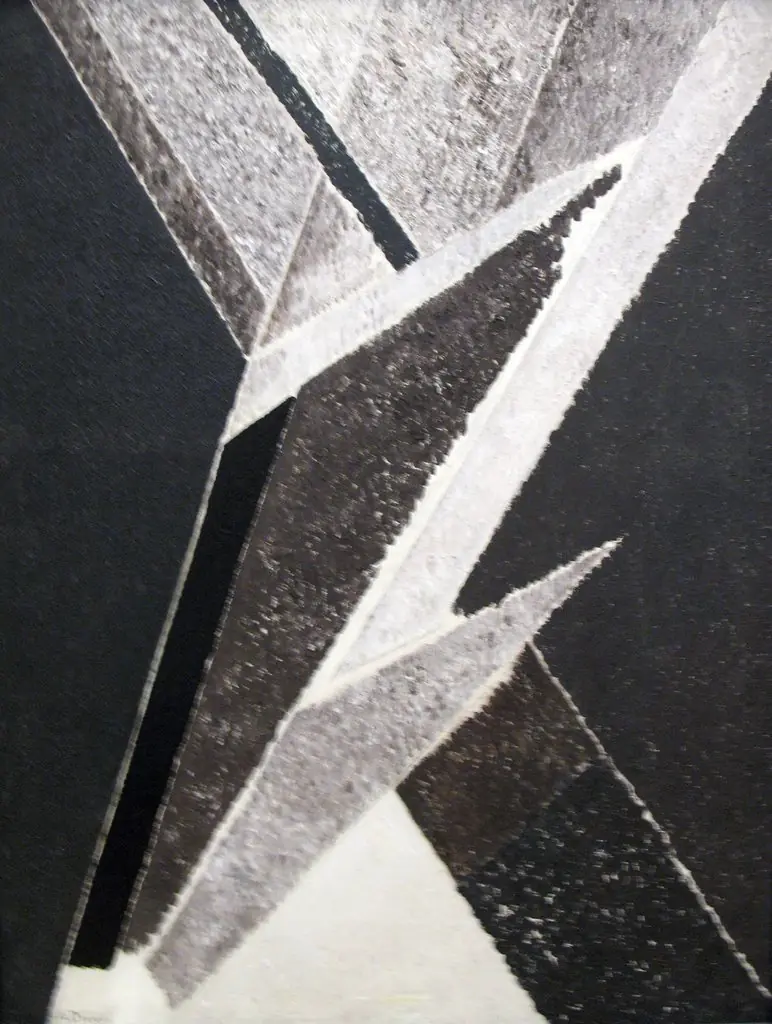 Painterly Composition
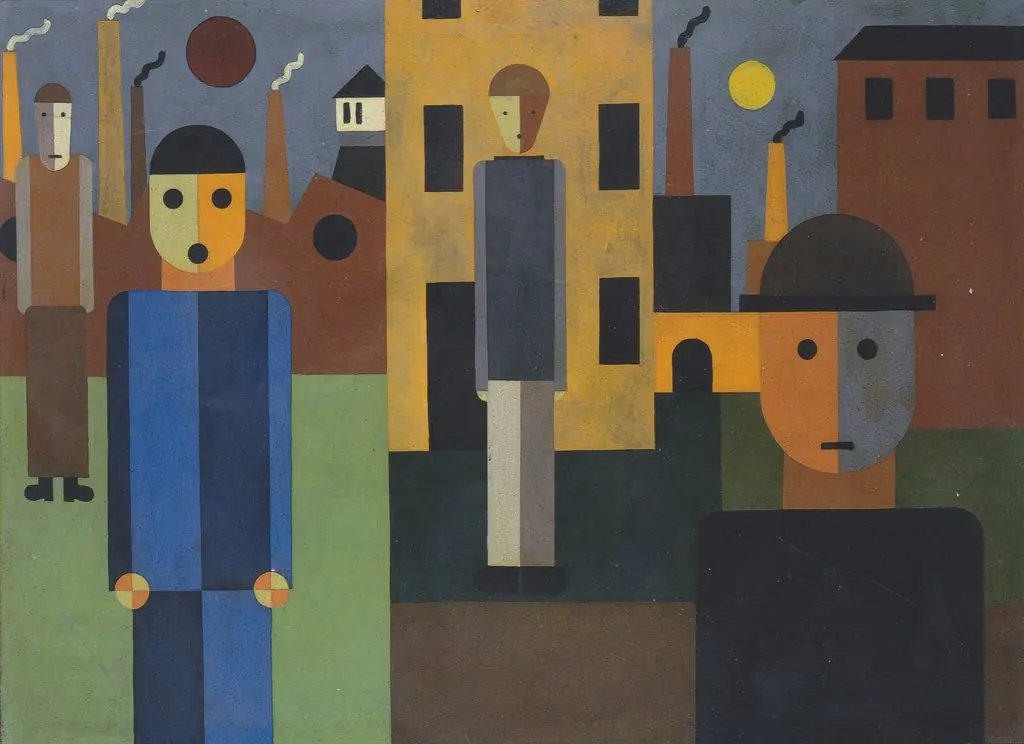 Vier Männer vor Fabriken
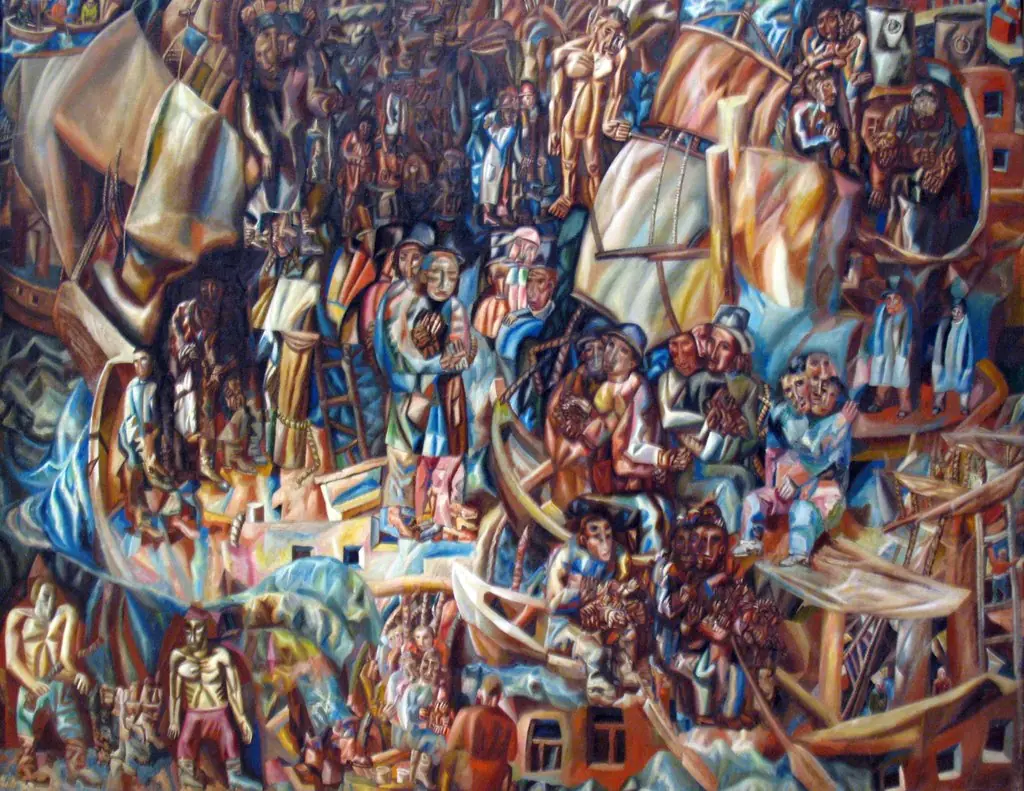 Composition: Ships
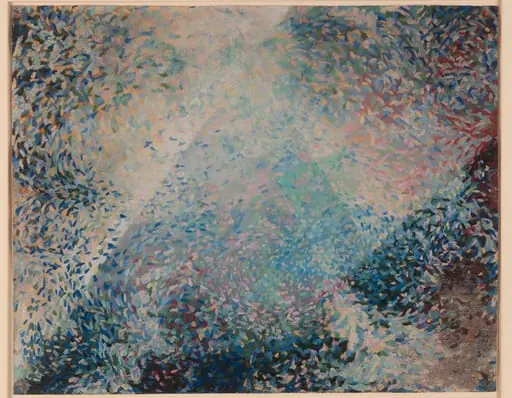 Μουσικο-ζωγραφική κατασκευή
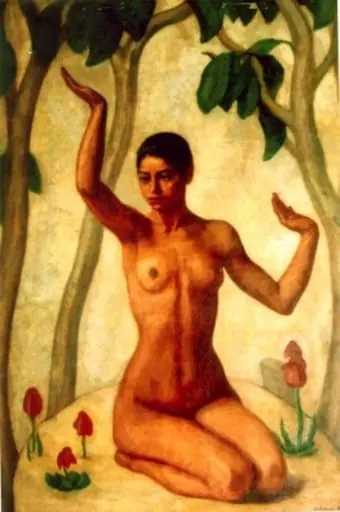 Ritm
Ritm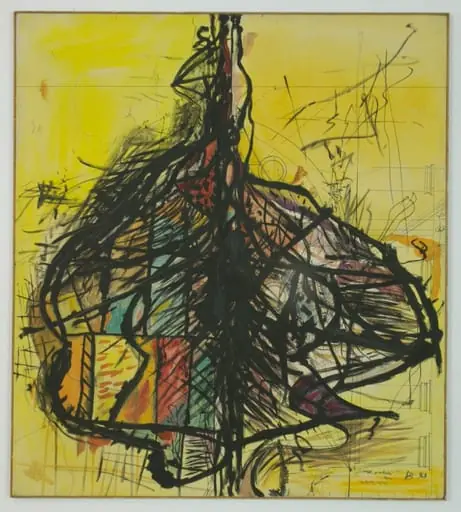 Libertate pe verticală
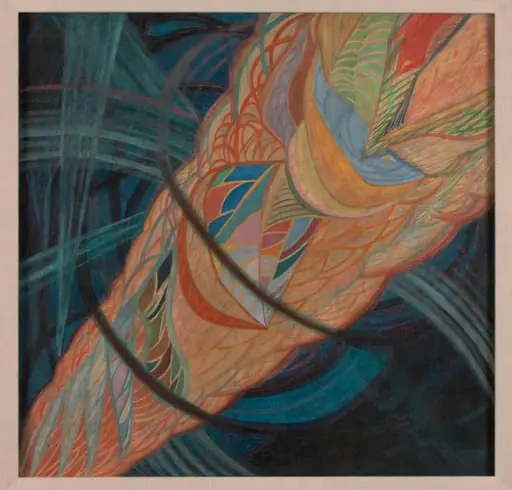 Κίνηση Οργανικής Φόρμας (recto)
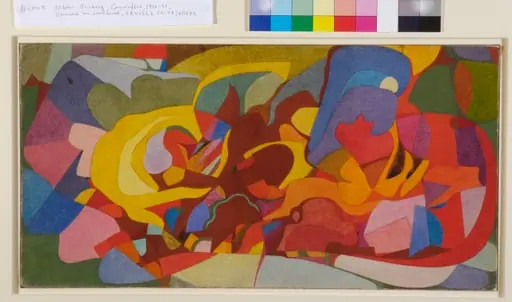 Σύνθεση
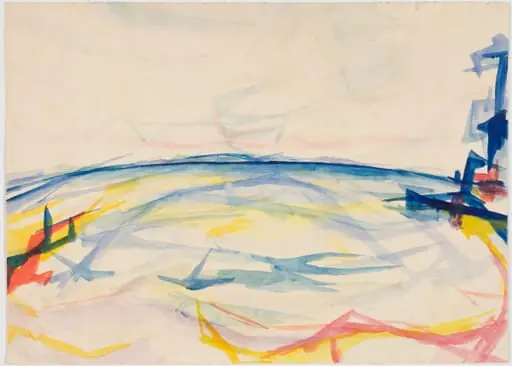 Χωρίς τίτλο
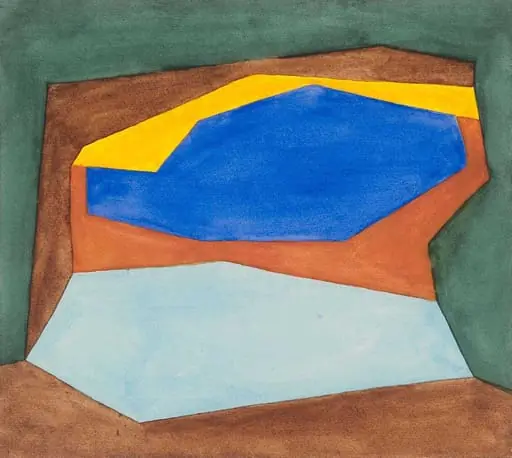 Λίμνη (Τάρχοφκα)
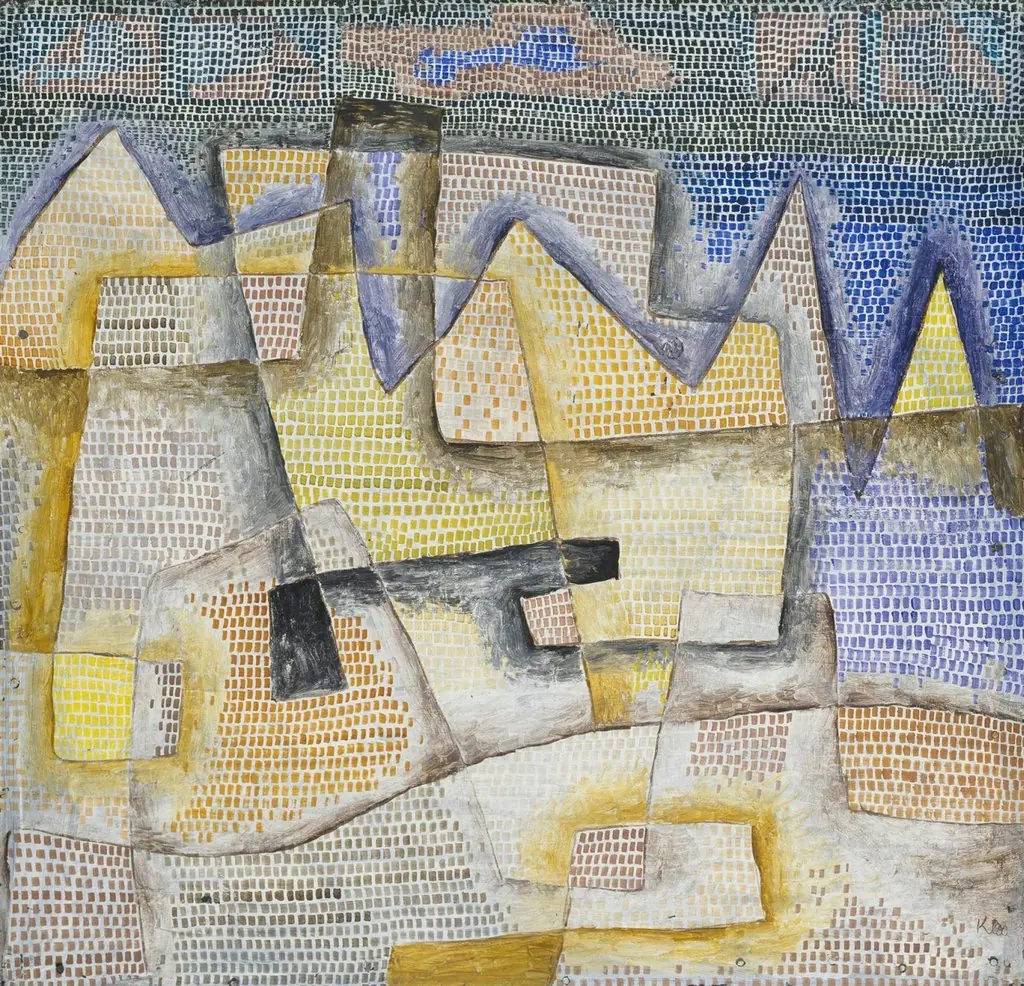 Felsige Küste
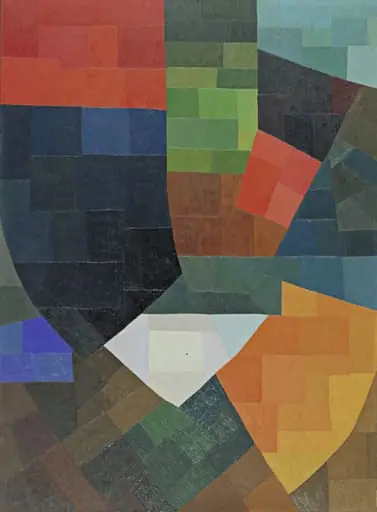 Untitled
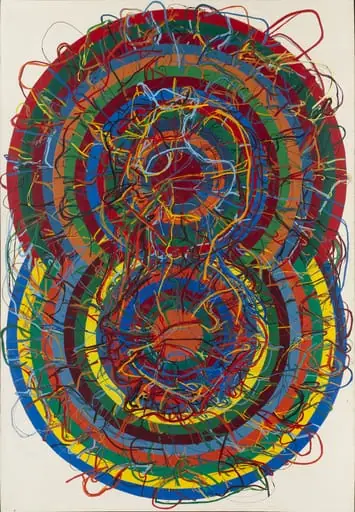 Untitled
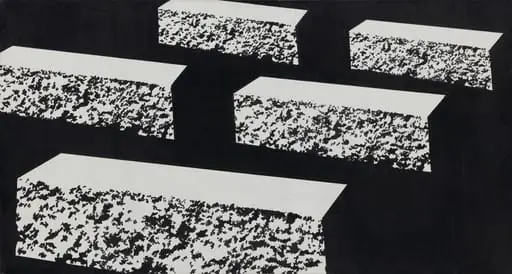 Untitled
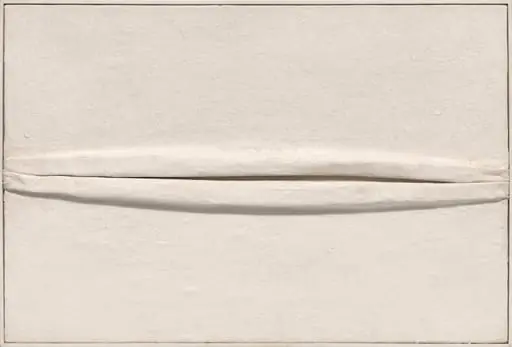 Untitled
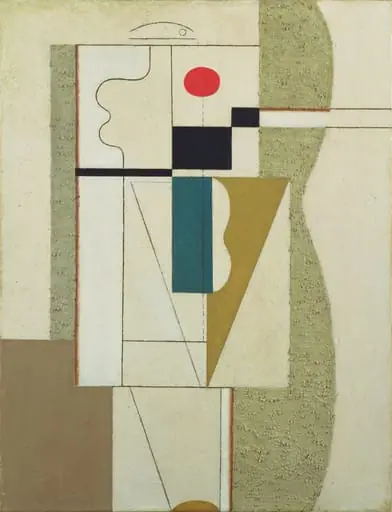 Untitled
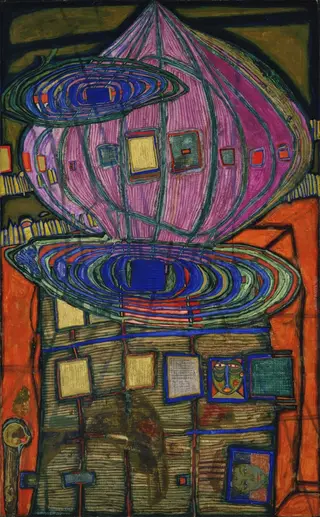 Untitled
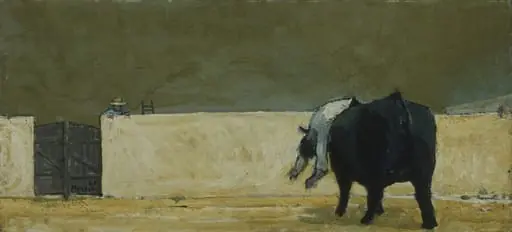 Untitled
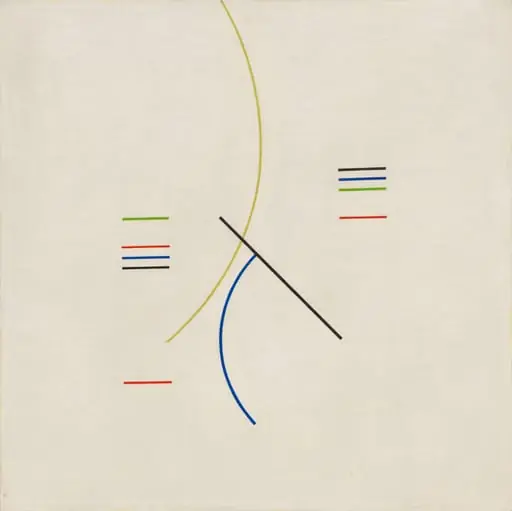 Untitled
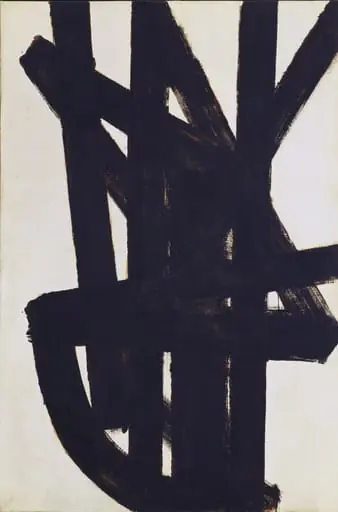 Untitled
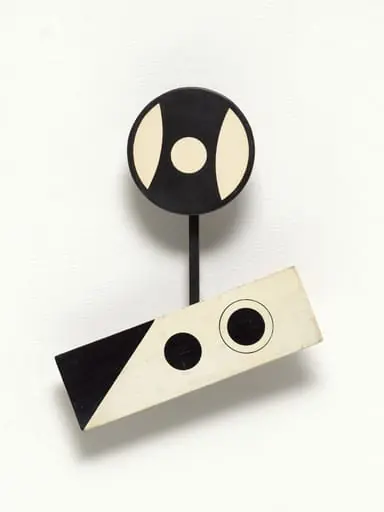 Untitled
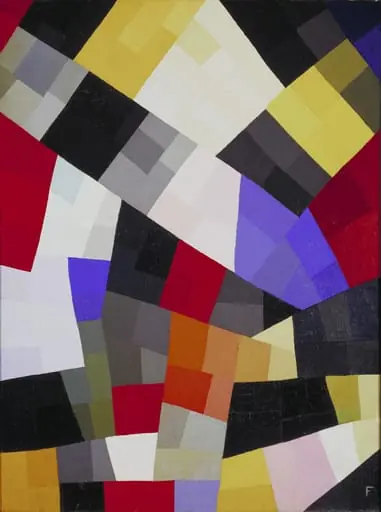 Untitled
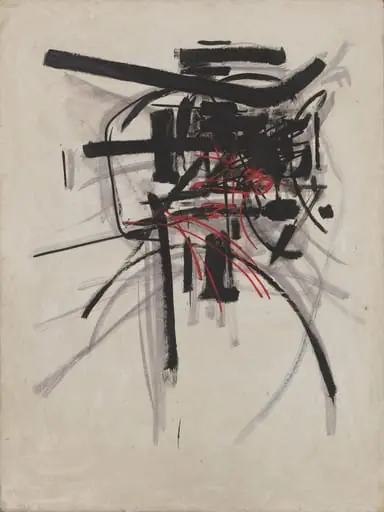 Untitled
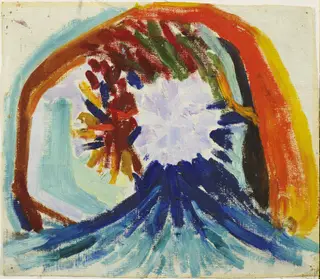 Untitled
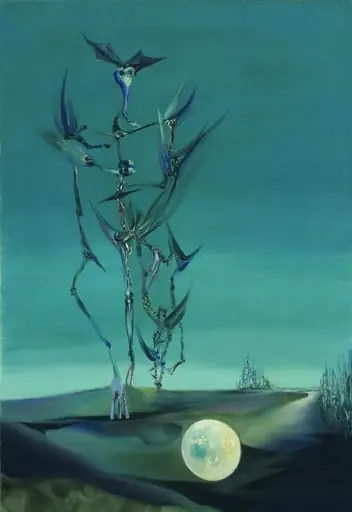 Untitled
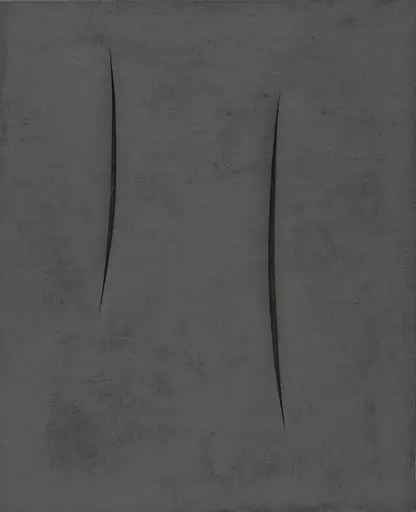 Untitled
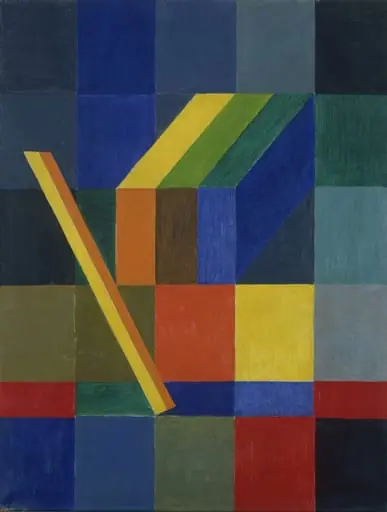 Untitled
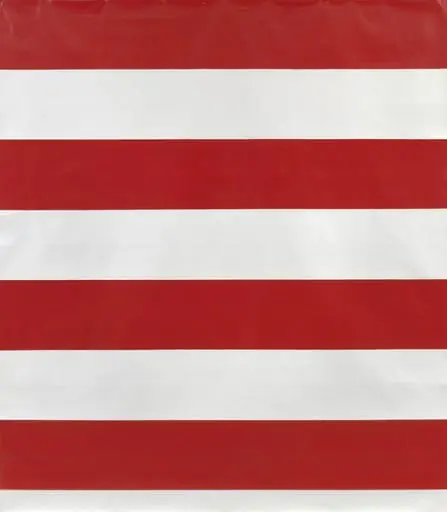 Untitled
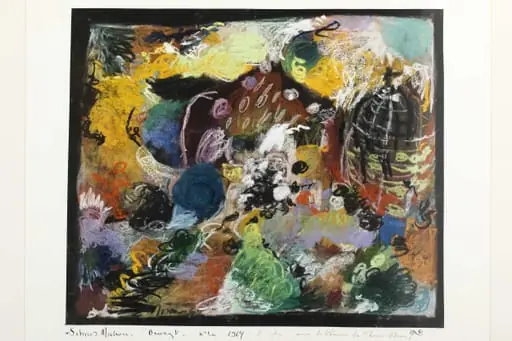 Bewegt (Μετακινήσεις)
Groups & collectives
Frequently asked questions
What is Art Informel?
Art Informel is an art movement. The European counterpart to American Abstract Expressionism, emerging in Paris after World War II.
How many Art Informel works does Artifact World Gallery have?
Artifact World Gallery holds 40 public-domain Art Informel works, all free to view and download.
Who are the key Art Informel artists?
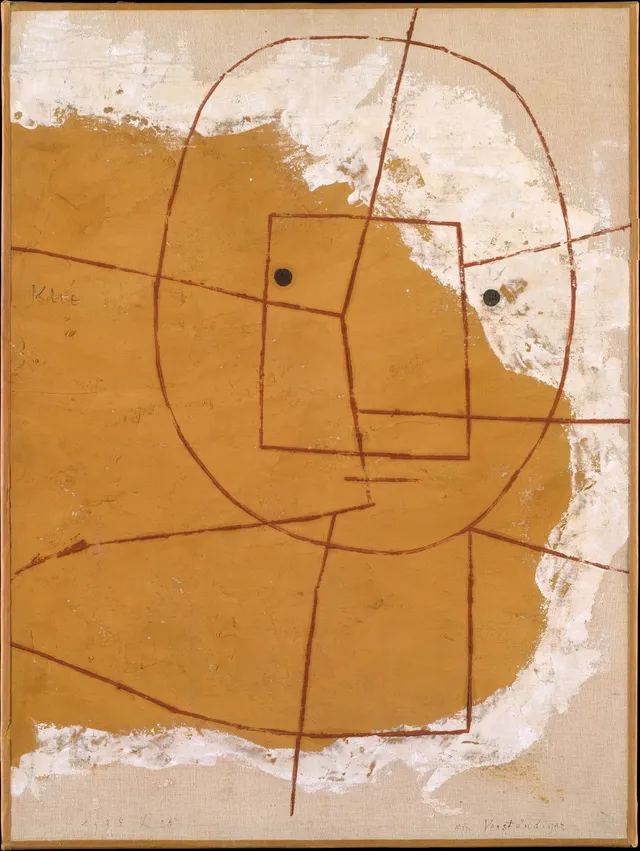
Key Art Informel artists in the collection include Paul Klee, Olga Rozanova and Blanka Mercère.
When did Art Informel take place?
Art Informel dates from around 1940.
Where can I see Art Informel works?
Art Informel works in the collection are held by Museum of Modern Art, Metropolitan Organisation of Museums of Visual Arts of Thessaloniki – MOMus and Tretyakov Gallery.