Artwork
Monuments at G.
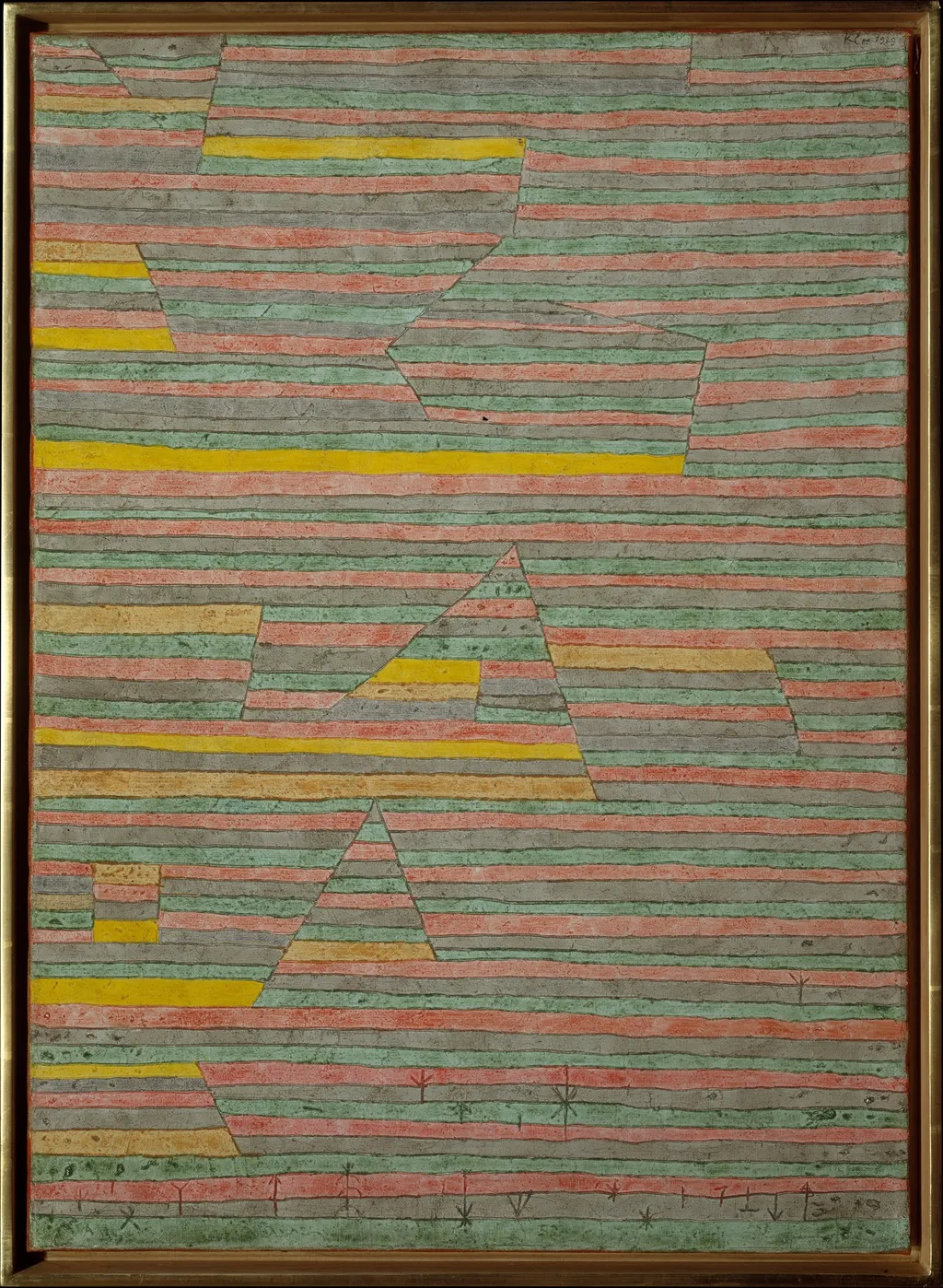
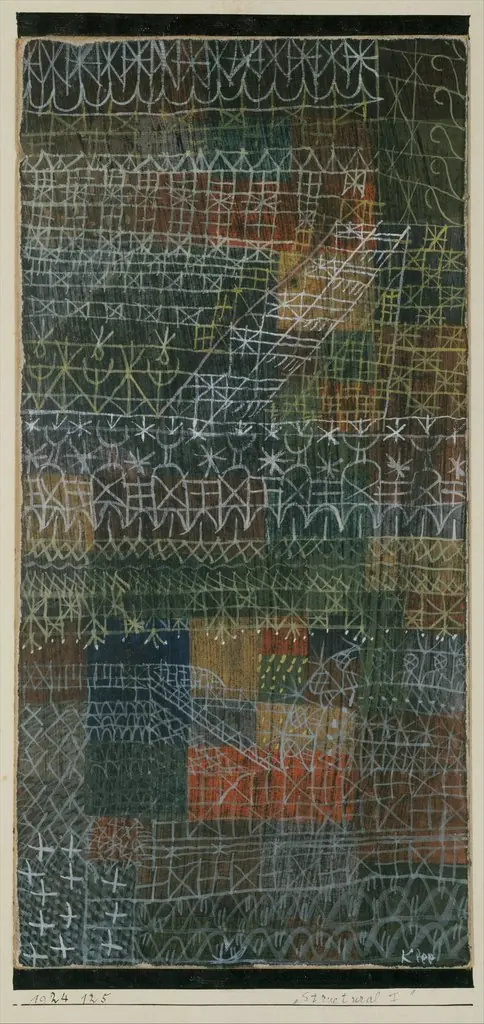
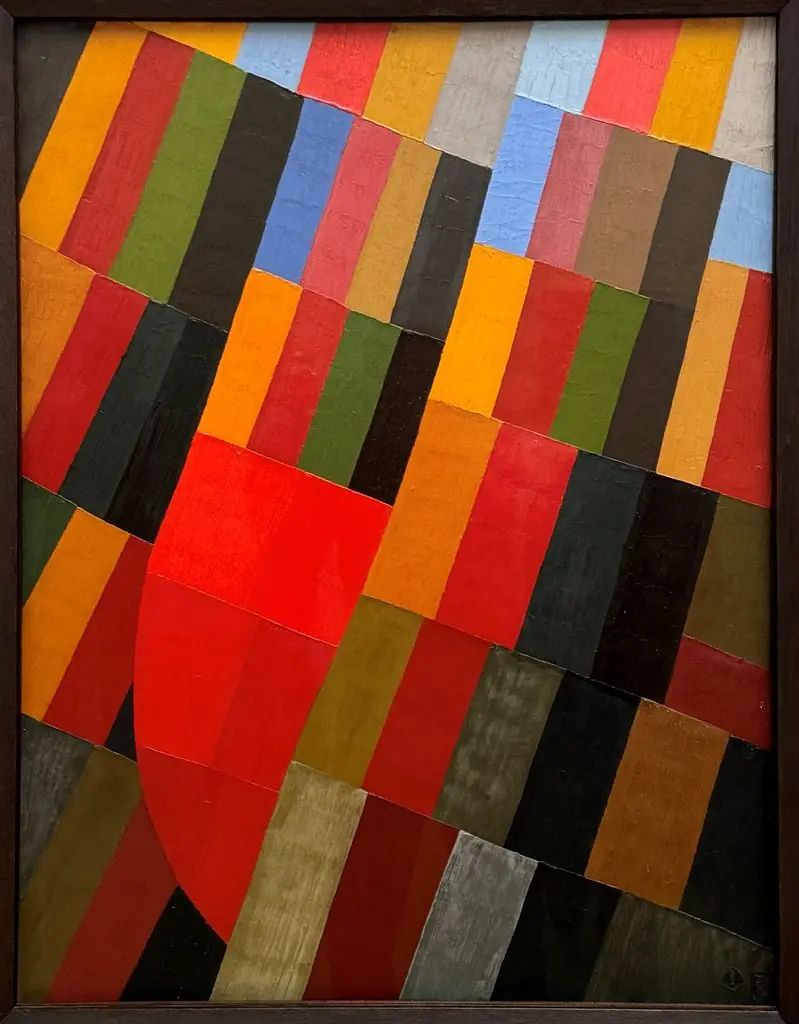
Monuments at G. is a watercolor painting by the Bauhaus artist Paul Klee. It dates from 1929 and is held in the collection of the Metropolitan Museum of Art.
About this work
Subject & Meaning
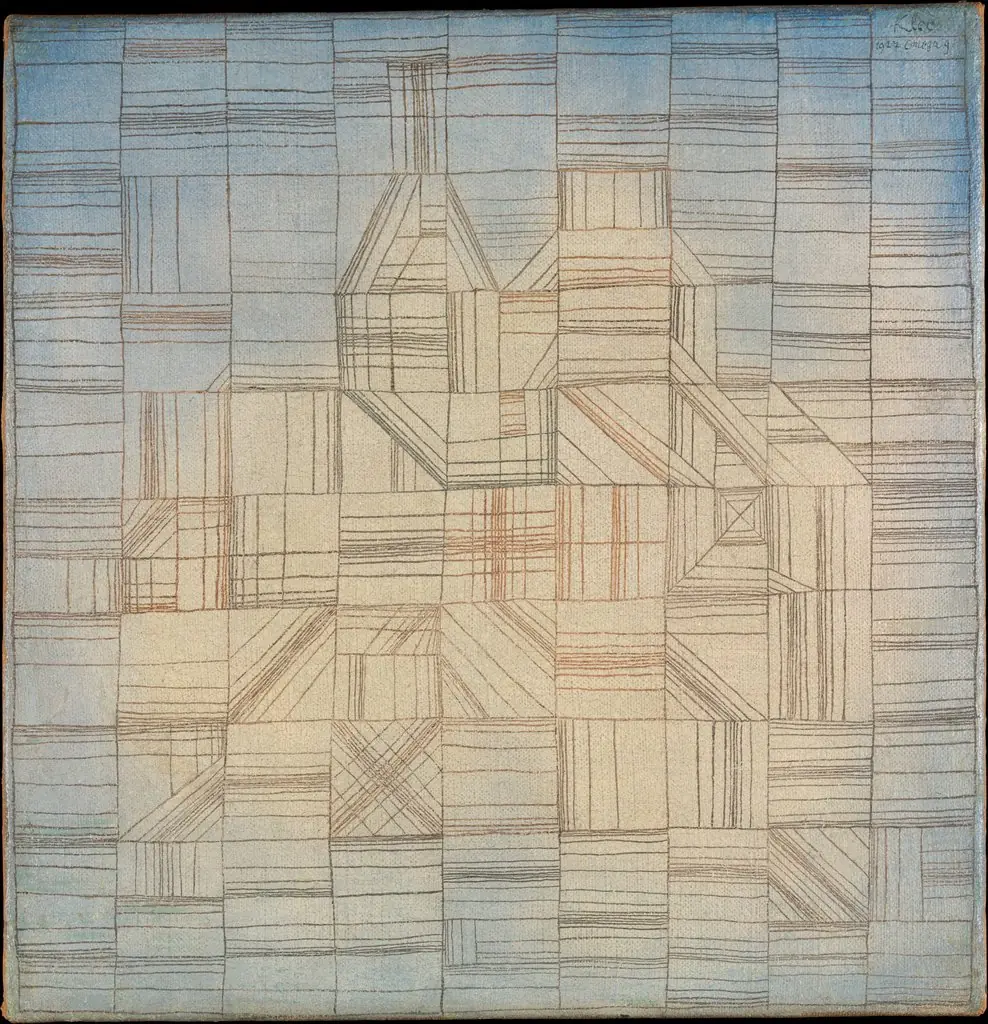
The painting abstracts architectural motifs that allude to monumental structures, using simplified geometric shapes to suggest the presence of built forms.
The painting abstracts architectural motifs that allude to monumental structures, using simplified geometric shapes to suggest the presence of built forms. Rather than narrating a specific story, the composition conveys a symbolic meditation on memory and spatial order through its abstracted massing. The title references "Monuments at G.", implying an evocation of grand, possibly historical, sites rendered in a non-representational language.
Through the interplay of gypsum and watercolor on canvas, Klee creates a visual metaphor for the endurance and fragility of architectural memory.
Technique & Style
Created in 1929, Monuments at G. is an abstract painting by Paul Klee executed on a canvas support. The work utilises a combination of gypsum and watercolor as its primary media. Measuring 69.5 cm in height and 50.5 cm in width, the piece presents a composition dedicated to abstraction.
The application of gypsum alongside watercolor suggests a specific textural approach to the surface, distinguishing it from standard watercolor works on paper.
History & Provenance
Monuments at G. was created by Paul Klee in 1929, executed in gypsum and watercolor on canvas, measuring 69.5 cm in height and 50.5 cm in width. The painting entered the collection of the Metropolitan Museum of Art, where it remains held. No additional details regarding its commission or earlier provenance are provided in the available sources.
Context
Paul Klee produced Monuments at G. in 1929, a work classified as an abstract painting within his mature output. The piece exemplifies the geometric simplification and symbolic architecture that characterise Klee's Bauhaus-period abstraction. Measuring 69.5 cm by 50.5 cm, the painting incorporates gypsum and watercolor on canvas, underscoring the material hybridity of the period.
Its inclusion in the Metropolitan Museum of Art's collection reflects scholarly recognition of Klee's contribution to early modern abstraction.
Overview
Paul Klee, a Swiss-born German artist, created Monuments at G. in 1929. This painting, executed using gypsum as a key material, exemplifies Klee's commitment to abstraction and his experimental methods. The work is a significant example of the abstract genre that flourished within the Bauhaus movement, reflecting the artist's ongoing exploration of color and design principles. It is part of the collection at The Metropolitan Museum of Art.
Own this work as a print
Artist & collection
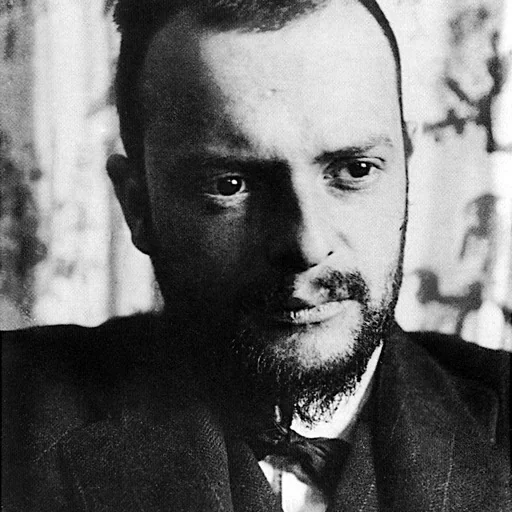
Artist
Paul Klee (German:; 18 December 1879 – 29 June 1940) was a Swiss-born German artist.