Artwork
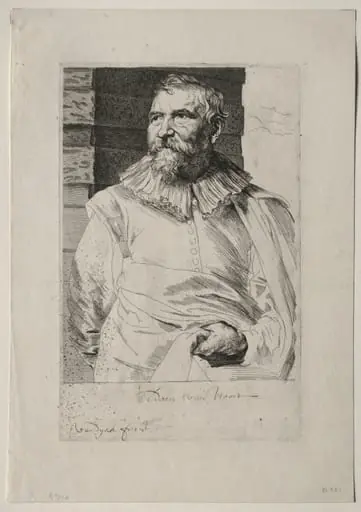
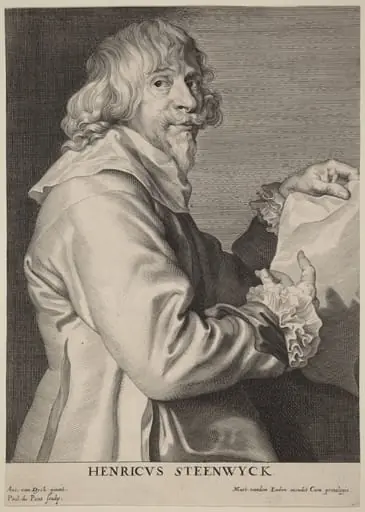
Portrait of Henri van Steenwyck
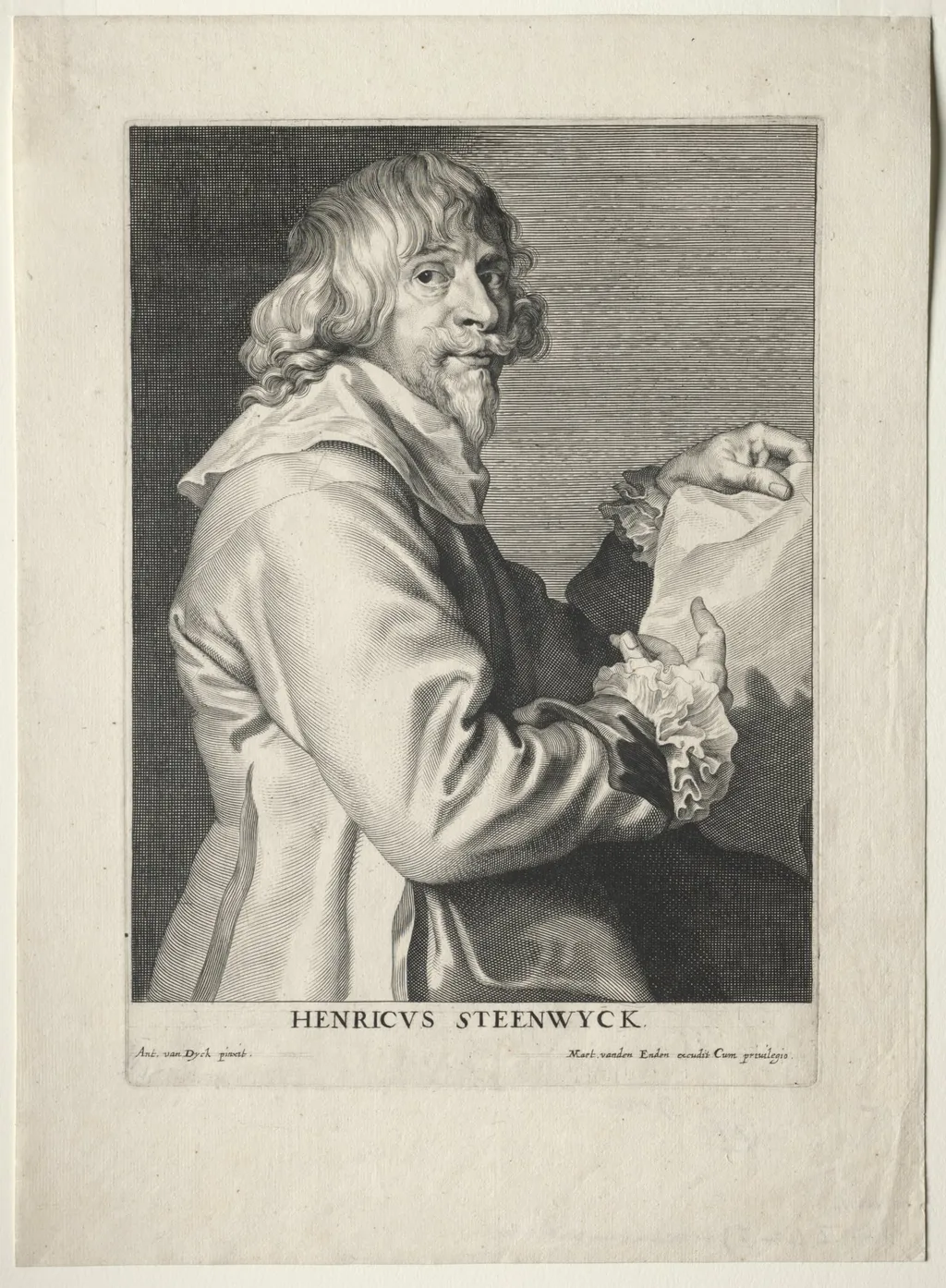
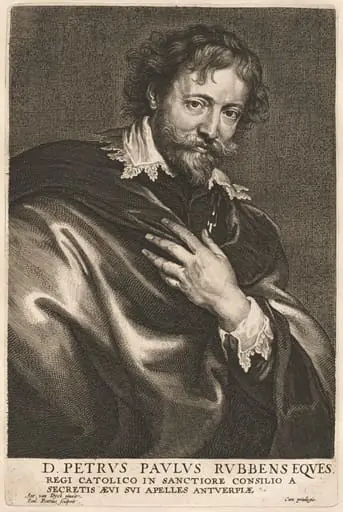
Portrait of Henri van Steenwyck is a print by Paulus Pontius. It dates from 1604 and is held in the collection of the Cleveland Museum of Art.
- Accession no.
- 1972.206
- Credit line
- Gift of The Print Club of Cleveland through Fiftieth Anniversary Donations
About this work
Overview
The image is part of the Cleveland Museum of Art’s collection, preserving a rare early 17th-century example of portrait engraving from the Southern Netherlands.
Created around 1604 by the Flemish engraver Paulus Pontius, this portrait depicts Henri van Steenwyck, a figure associated with Antwerp’s artistic circles. Executed as a printed work, it reflects Pontius’s training under Peter Paul Rubens and his engagement with leading regional artists. The image is part of the Cleveland Museum of Art’s collection, preserving a rare early 17th-century example of portrait engraving from the Southern Netherlands.
Subject & Meaning
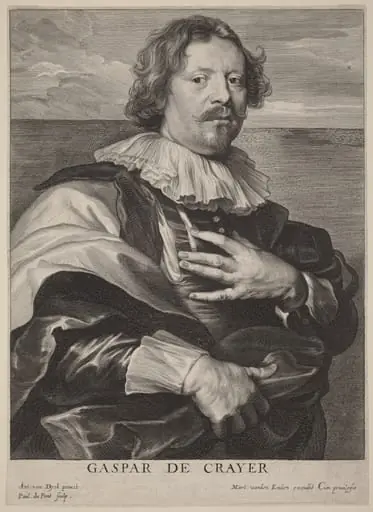
Henri van Steenwyck is portrayed with solemn composure, his gaze directed away from the viewer, suggesting introspection. His elaborate ruffled collar and cuffs imply status and refinement, while the fabric held in his left hand may reference scholarly or diplomatic activity. The absence of overt symbols or setting shifts focus to his demeanor, conveying an air of quiet authority rather than public display.
Technique & Style
Pontius employed fine, controlled lines typical of engraving to render texture in fabric, hair, and skin. Strong contrasts between light and shadow, chiaroscuro, accentuate the contours of the face and hands, lending volume and emotional gravity. The dark, horizontally streaked background recedes subtly, isolating the figure and enhancing the sense of psychological depth without decorative distraction.
History & Provenance
The print was produced during Pontius’s formative years in Antwerp, when he was closely linked to Rubens’s workshop and other major artists of the time. Though little is documented about van Steenwyck himself, the portrait’s survival in a major museum collection indicates its early recognition as a refined example of Flemish graphic art, likely circulated among collectors and intellectuals.
Context
In early 17th-century Antwerp, portrait engravings served as both personal mementos and tools for disseminating likenesses among the educated elite. Pontius’s work aligns with a broader trend of using print to capture individual character with precision, distinct from the grandeur of painted portraits. This piece reflects the city’s thriving print culture and its role in shaping identity through visual representation.
Legacy
Pontius’s portrait of van Steenwyck exemplifies the quiet sophistication of Flemish engraving at the turn of the century. While not widely reproduced in later centuries, it remains a significant reference for understanding how printmakers translated the psychological nuance of portraiture into linear form, influencing subsequent generations of graphic artists in Northern Europe.
Own this work as a print
Artist & collection
Artist
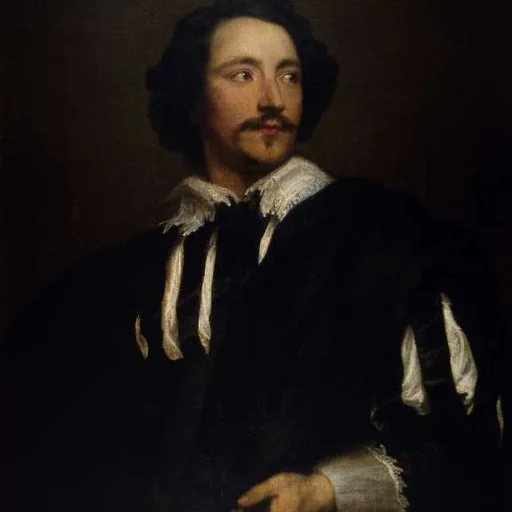
Paulus Pontius (27 May 1603 – 16 January 1658) was a Flemish engraver and painter.