Artwork
Disbanding of the Mercenary Troops on the Neude, Utrecht, July 31st, 1618
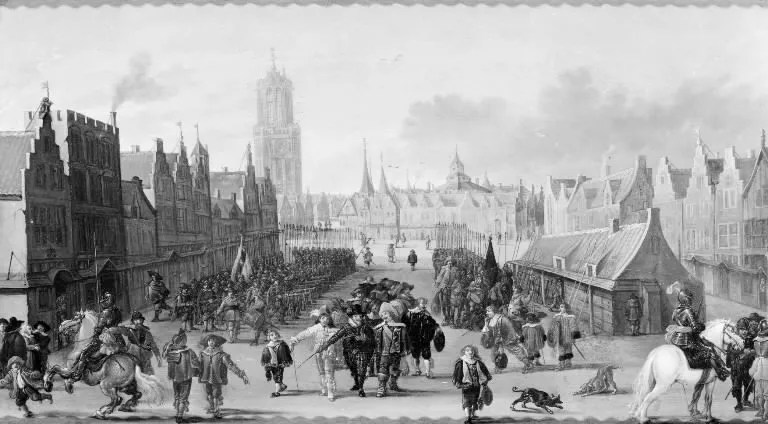
Disbanding of the Mercenary Troops on the Neude, Utrecht, July 31st, 1618 is an unspecified painting by the Dutch Golden Age artist Paulus van Hillegaert. It dates from 1618 and is held in the collection of the Statens Museum for Kunst.
About this work
Subject & Meaning
The painting records a specific historical event: the disbanding of mercenary troops at the Neude, the large open square in Utrecht, on 31 July 1618.
The painting records a specific historical event: the disbanding of mercenary troops at the Neude, the large open square in Utrecht, on 31 July 1618. The scene is set in the city of Utrecht and centers on the formal dismissal of soldiers, with horses and armed figures gathered in the square as the troops are stood down.
Among the identifiable figures is Maurice of Nassau, the stadtholder whose authority underpinned the disbanding. The presence of soldiers and horses underscores the military nature of the gathering, while the urban setting frames the event as a public civic act rather than a battlefield encounter.
The work functions as a documentary record of a politically significant moment, when the States-General sought to reduce the costs and risks of mercenary forces by paying them off and sending them home. By depicting the orderly demobilization in the heart of Utrecht, the painting presents the disbanding as a controlled, lawful resolution of a potentially volatile situation.
History & Provenance
Paulus van Hillegaert I executed this painting in 1618, depicting the disbanding of mercenary troops on the Neude in Utrecht on 31 July 1618, an event at which Maurice of Nassau was present. The canvas measures 410 cm in height and 720 cm in width, marking it as a large-scale historical composition of the early seventeenth century. While the original commissioner is not detailed in the available records, the painting is held in the collection of the Statens Museum for Kunst (the National Gallery of Denmark) in Copenhagen. No specific accession number or documented exhibition history is provided in the available sources.
Context
The work belongs to Paulus van Hillegaert's body of historical scenes, which focus on contemporary events rather than mythological subjects. As an early seventeenth-century depiction of an organized civic and military action, it forms part of the Statens Museum for Kunst collection and contributes to the visual record of the Dutch Republic's early modern period.
Overview
Paulus van Hillegaert I’s oil painting records the formal dismissal of mercenary forces in Utrecht on 31 July 1618. Central to the composition is Maurice of Nassau on horseback, flanked by orderly rows of soldiers. The bustling street scene includes civilians, horses, and a dog, while the city’s steep‑roofed buildings and a distant church tower frame the event.
Technique & Style
Executed in a detailed, naturalistic manner typical of early‑17th‑century Dutch painting, the canvas combines a lively street genre scene with a military tableau. Precise rendering of uniforms, weapons and architectural elements creates depth, while the inclusion of smoke from the church tower adds atmospheric nuance. The composition balances a crowded foreground with a receding urban backdrop.
Artist & collection
Artist
Paulus van Hillegaert (I) or Pauwels van Hillegaert (I) (1596–1640) was a Dutch painter and draughtsman, known mainly for his landscapes, military scenes and equestrian portraits.

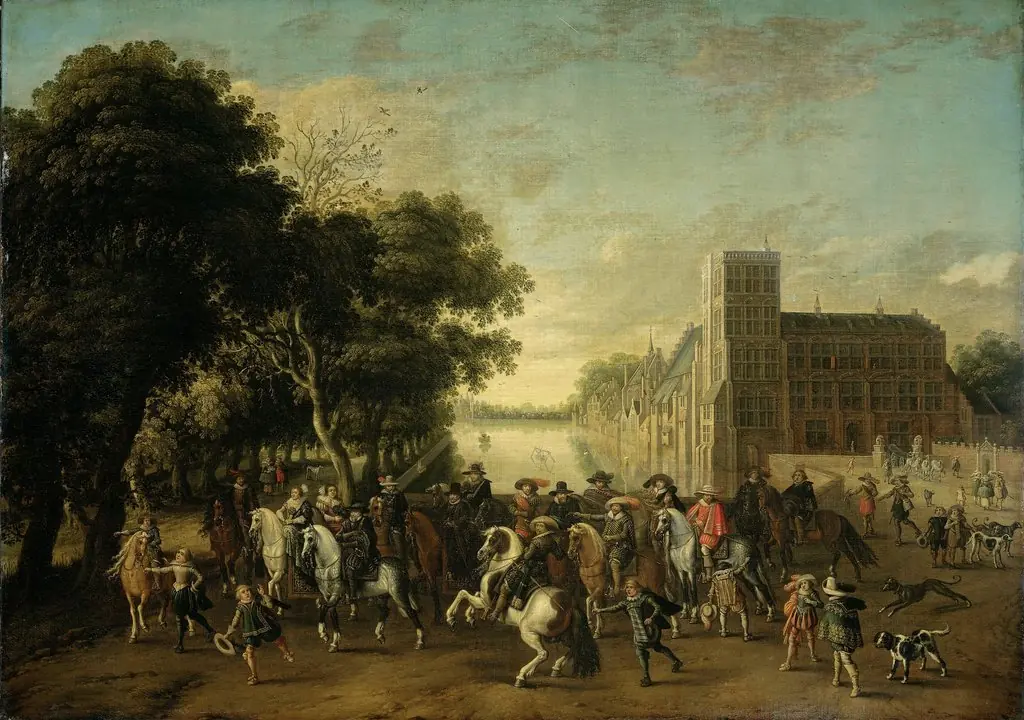 Prince Maurits, accompanied by Prince Frederik Hendrik, Frederick V of Bohemia and his wife Elizabeth Stuart, and others, on the Buitenhof, The Hague
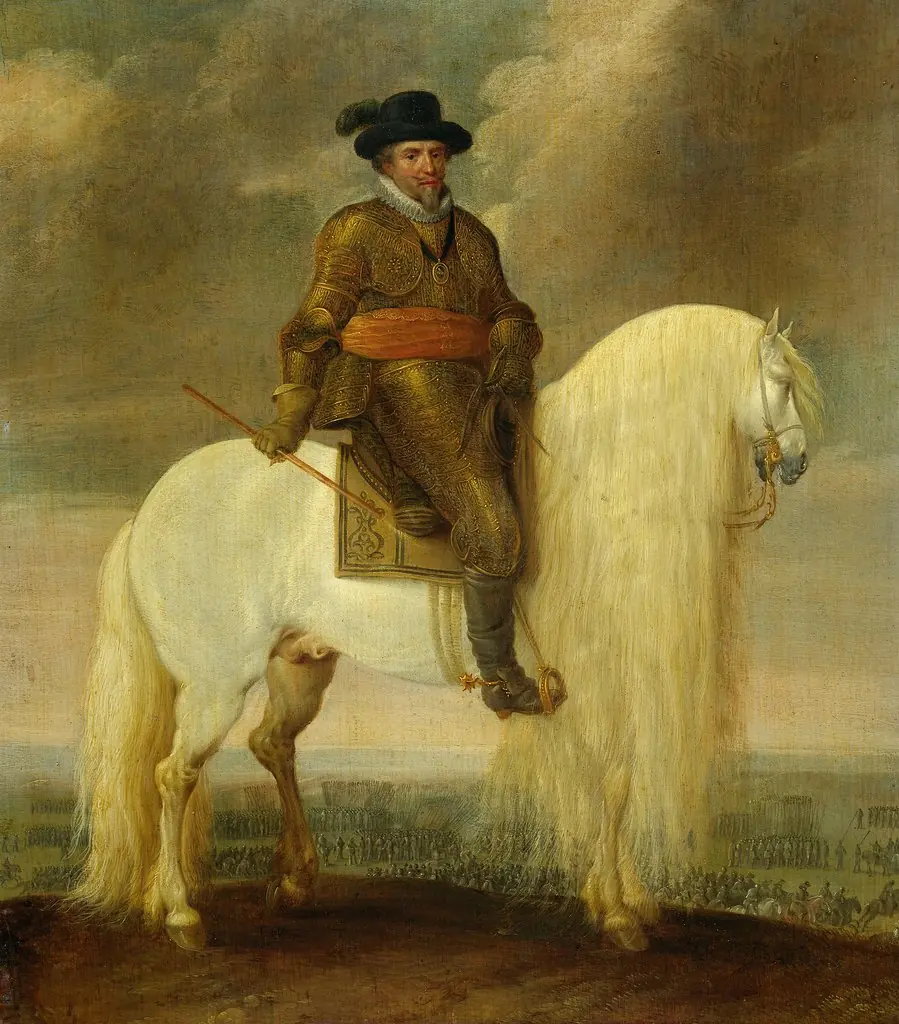 Prince Maurits astride the white warhorse presented to him after his victory at Nieuwpoort
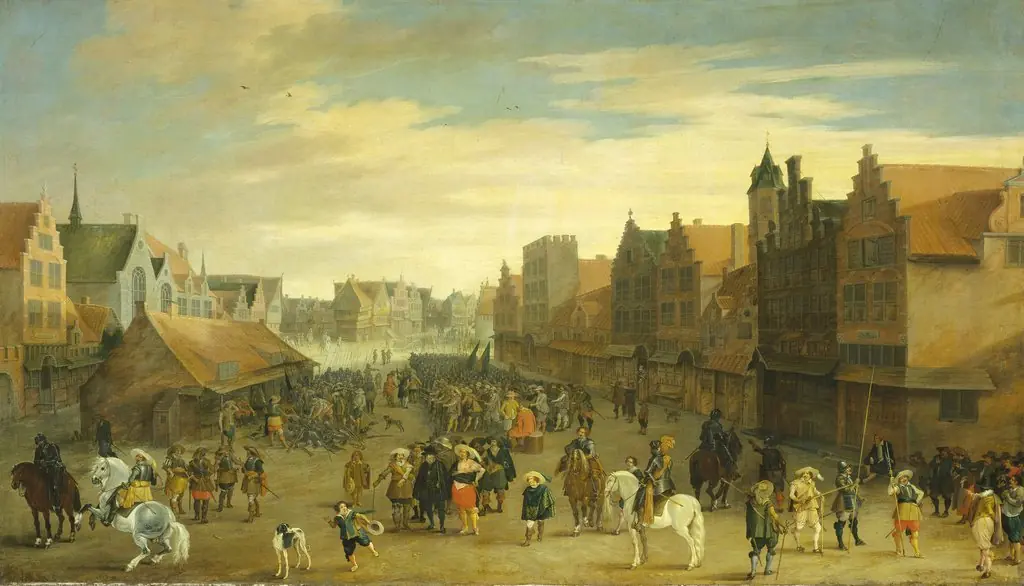 The disbanding of the 'waardgelders' (mercenaries in the pay of the town government) by Prince Maurits on the Neude, Utrecht, 31 July 1618
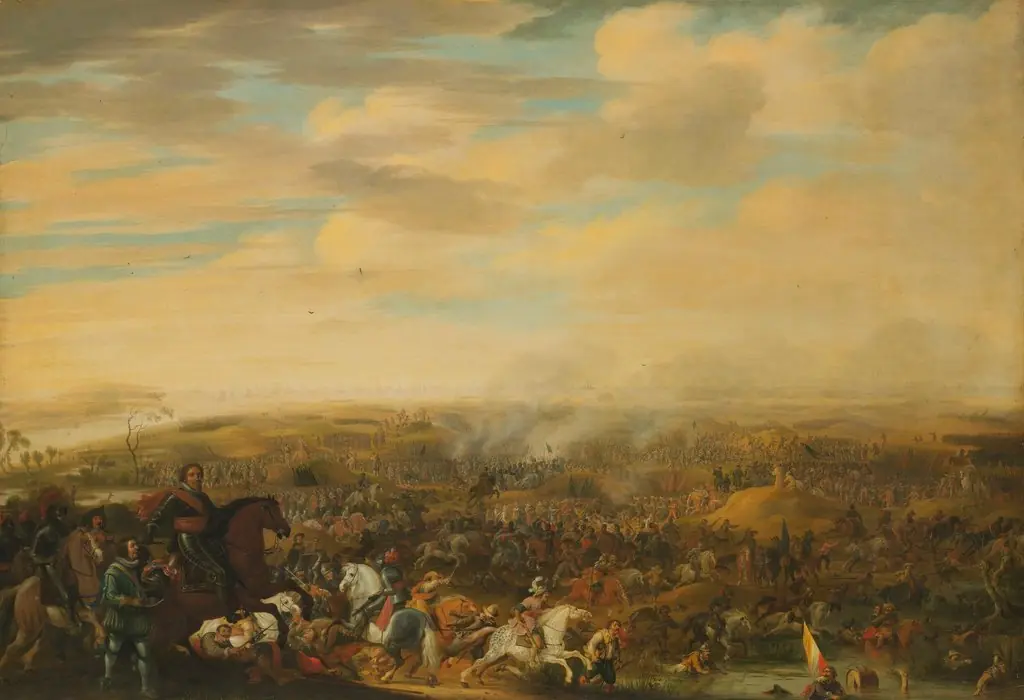 Prince Maurits at the Battle of Nieuwpoort, 2 July 1600
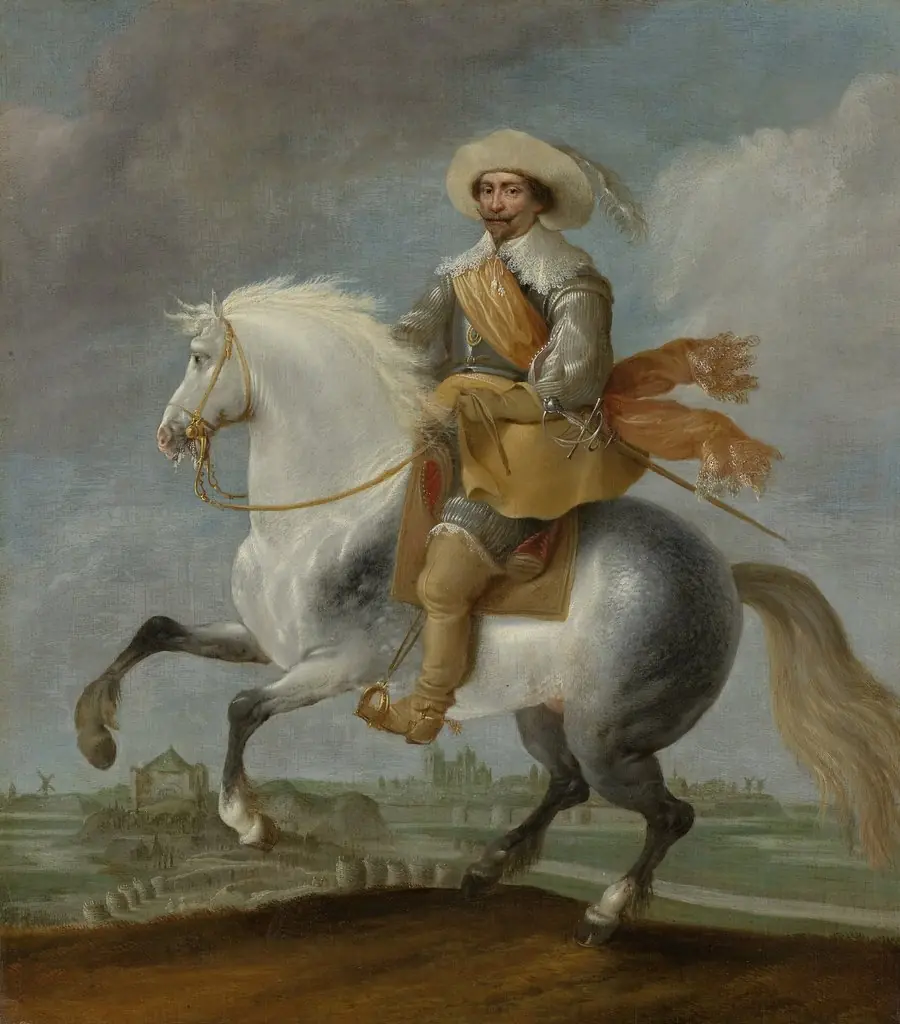 Prince Frederik Hendrik on horseback outside the fortifications of 's-Hertogenbosch, 1629
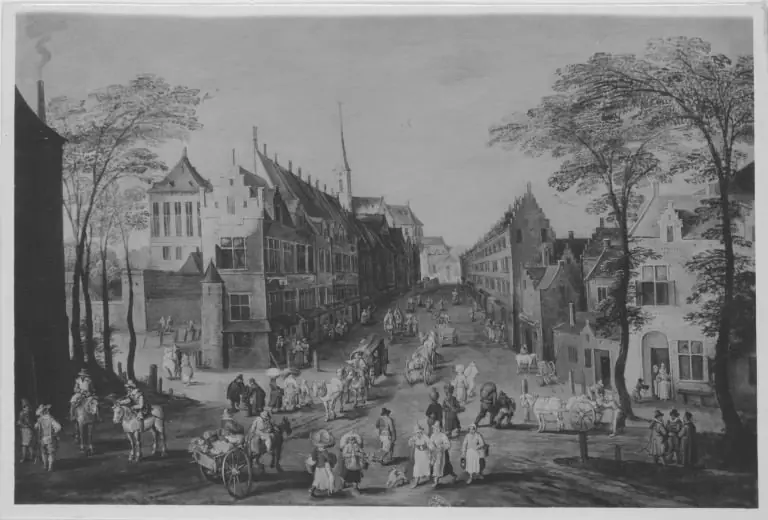 Belebte Straße in einer flämischen Stadt
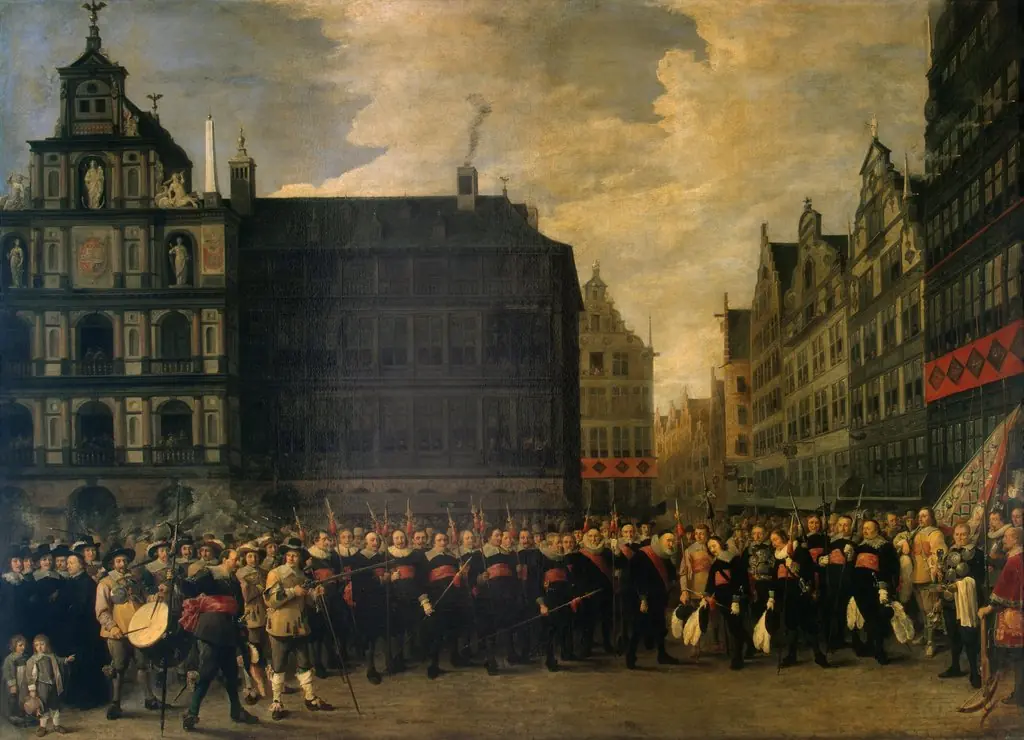 Portrait of the Members of the Guild ''Oude Voetboog'' ("Old Arbalest") in Antwerp
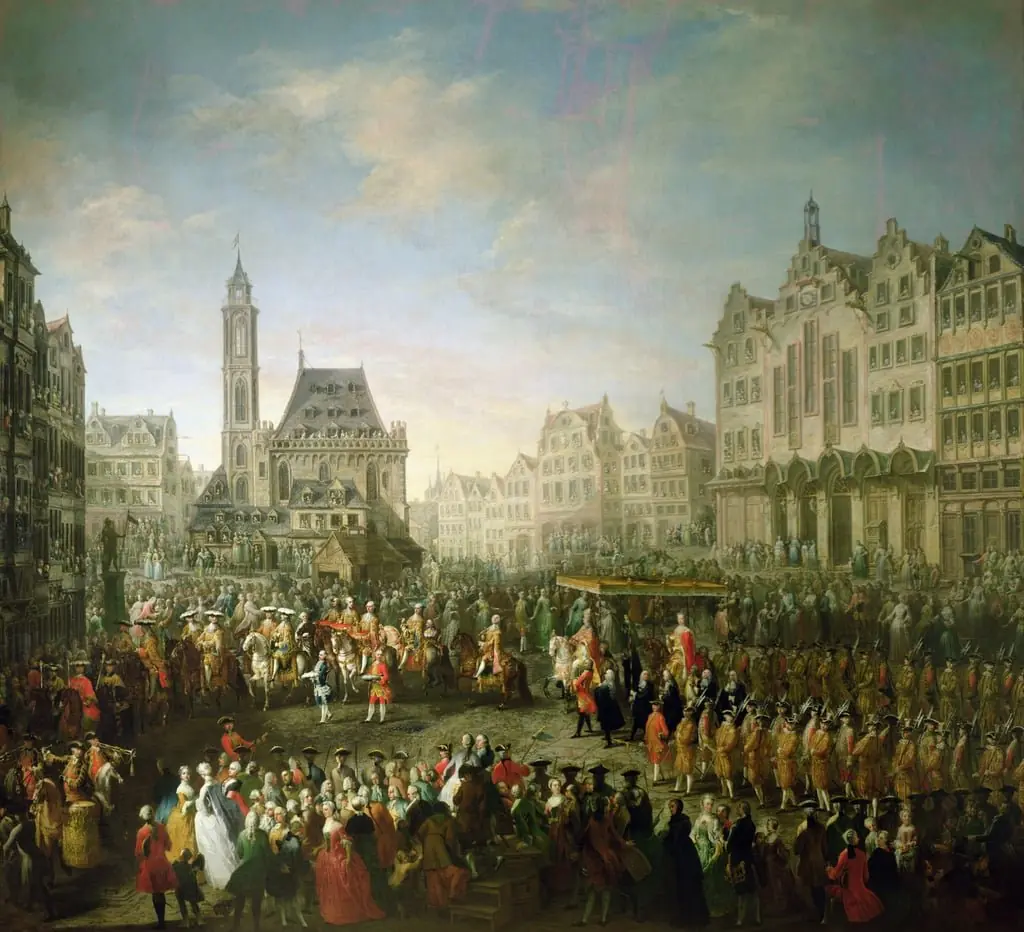 The coronation procession of Joseph II at the Römerberg in Frankfurt am Main
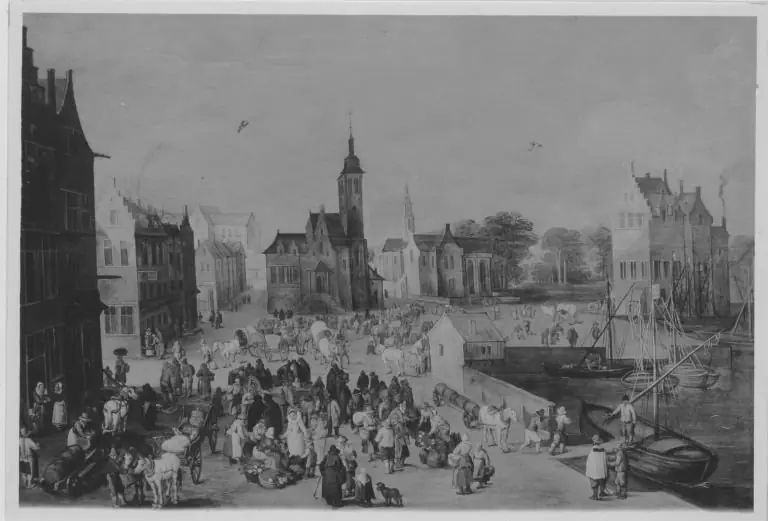 Marktplatz mit Gracht
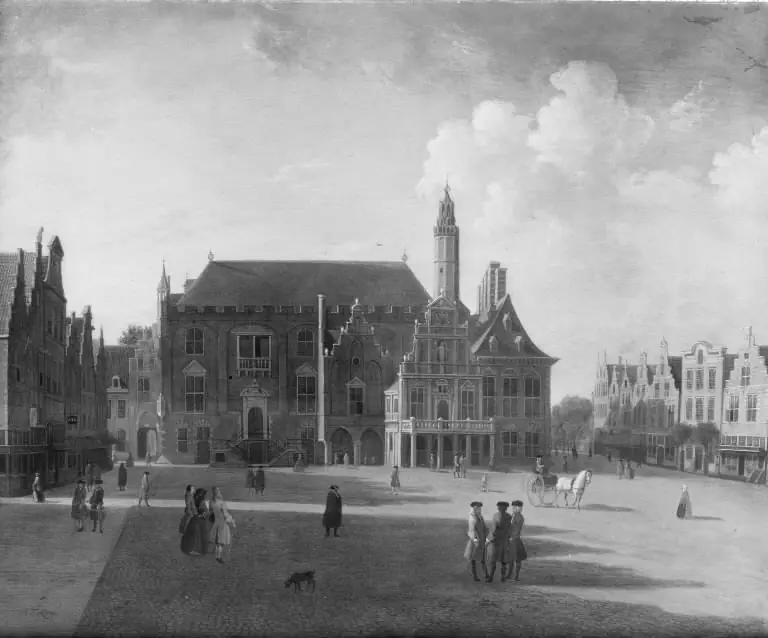 Marketplace at Haarlem, Looking towards the Town Hall
 Grootekerk at Haarlem
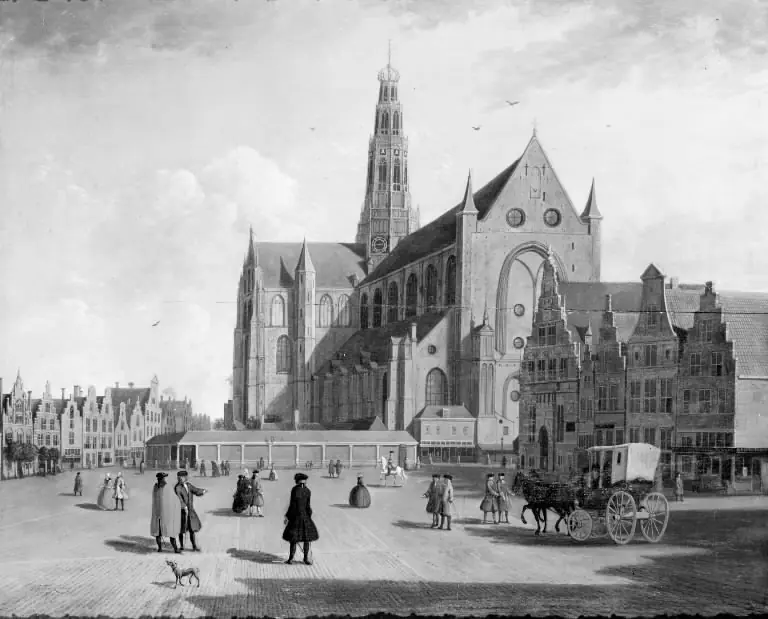 Grootekerk at Haarlem
 Marketplace at Haarlem, Looking towards the Town Hall
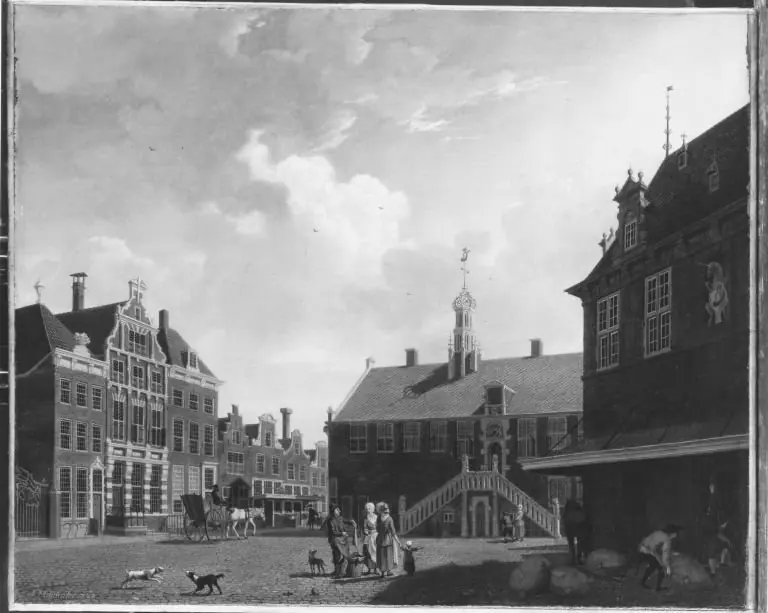 Der Marktplatz von Hoorn
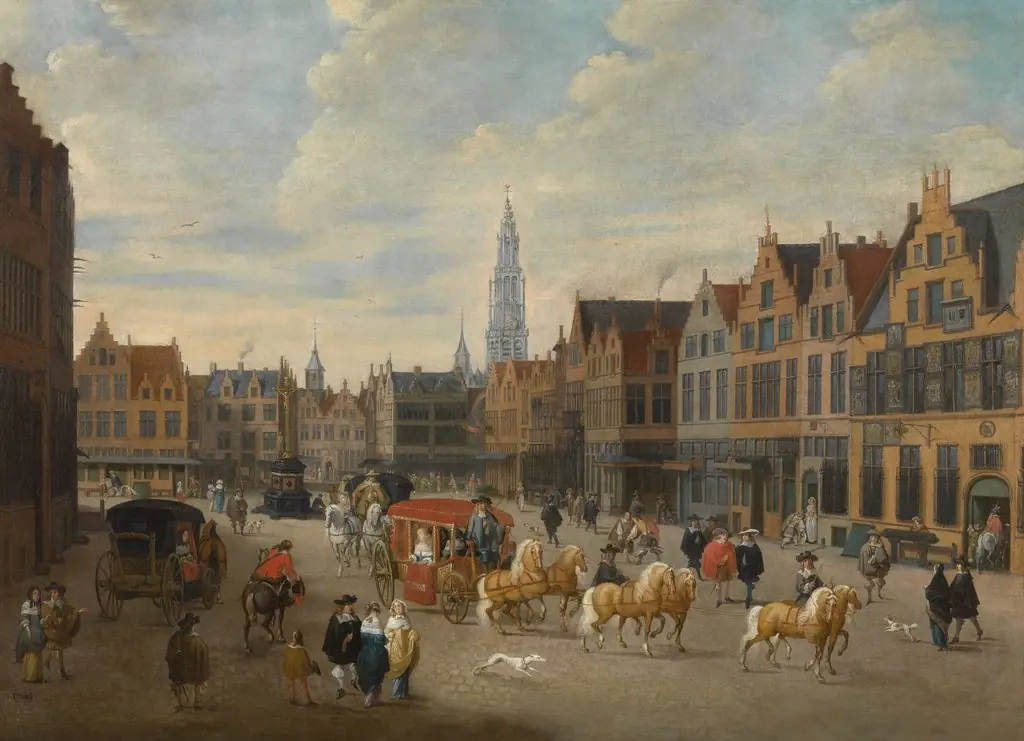 Meirplaats in Antwerp
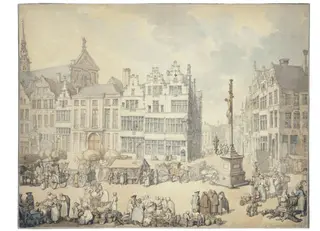 La Place de Meir, Antwerp
- Disbanding of the Mercenary Troops on the Neude, Utrecht, July 31st, 1618