Artwork
Sir Benjamin Rudyerd
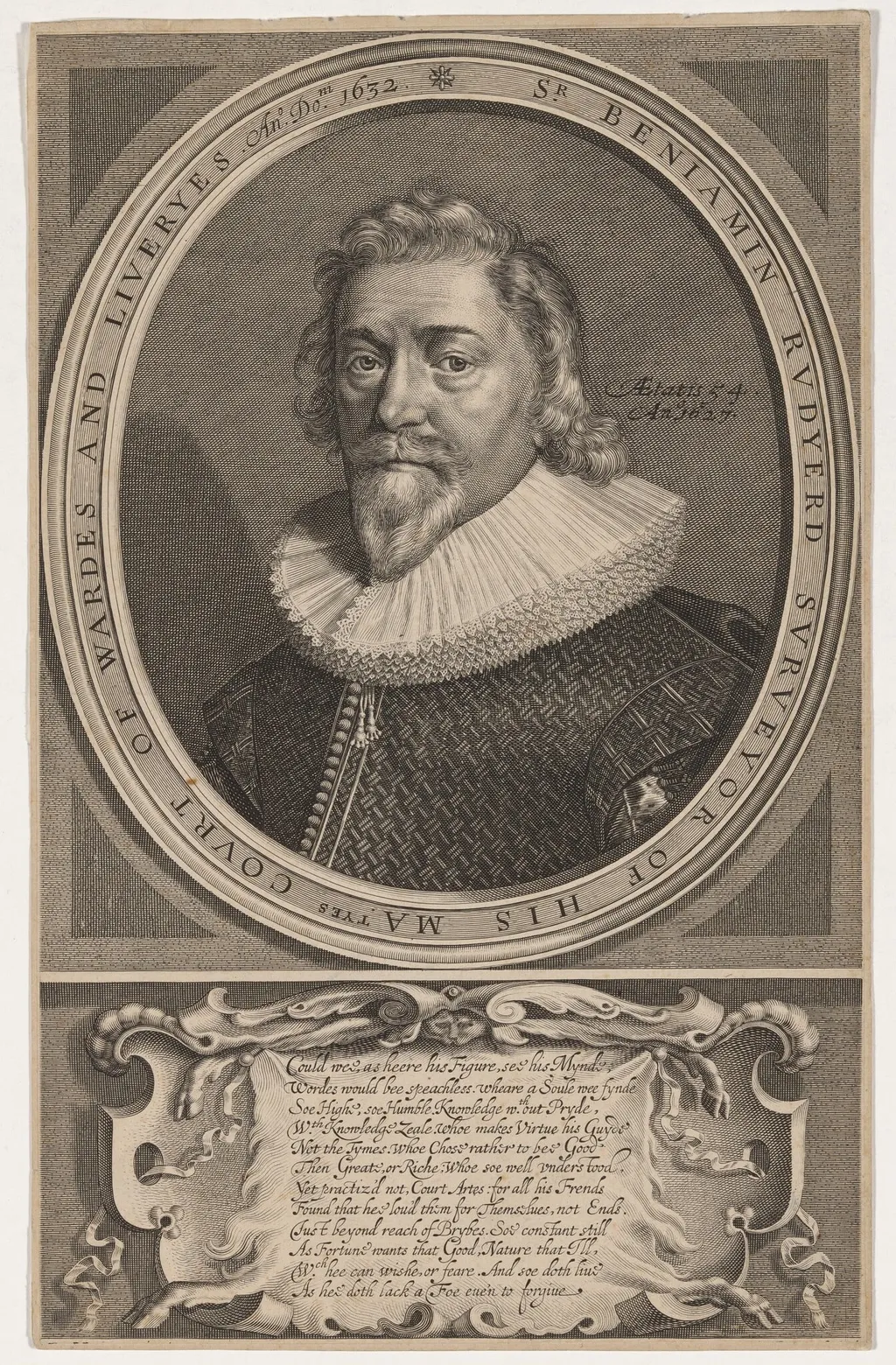
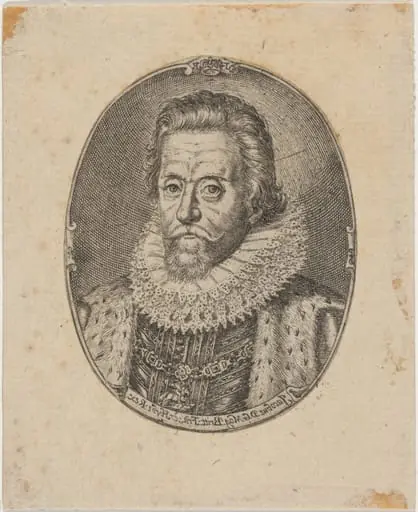
Sir Benjamin Rudyerd is an ink print by the Baroque artist John Payne. It dates from 1627 and is held in the collection of the National Gallery of Art.
About this work
Overview
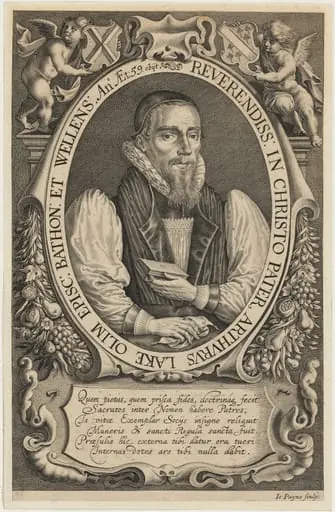
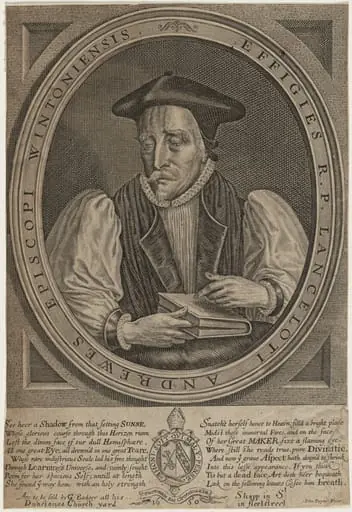
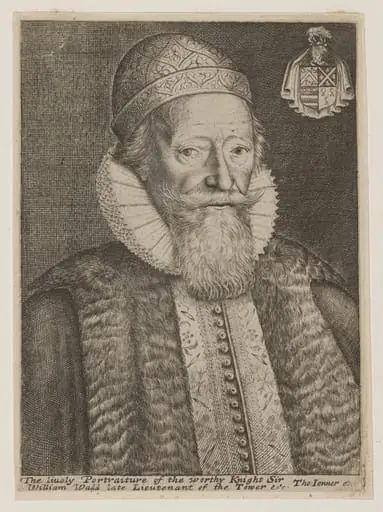
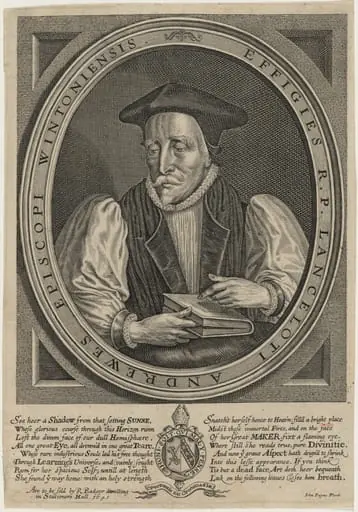
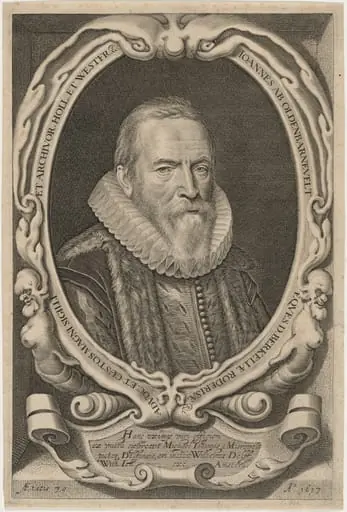
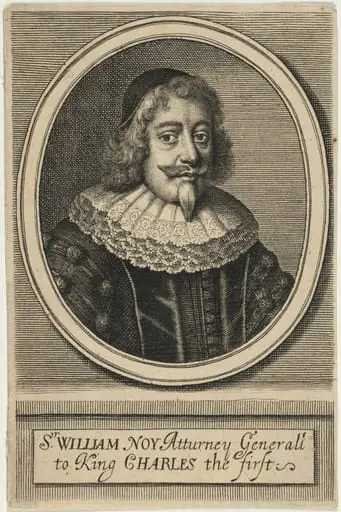
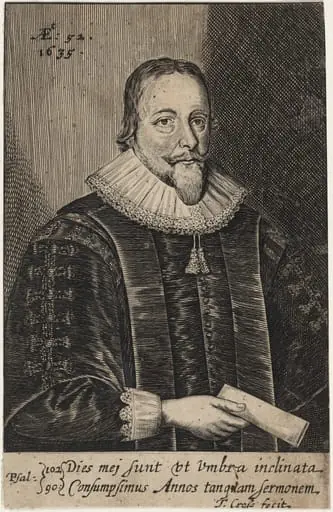
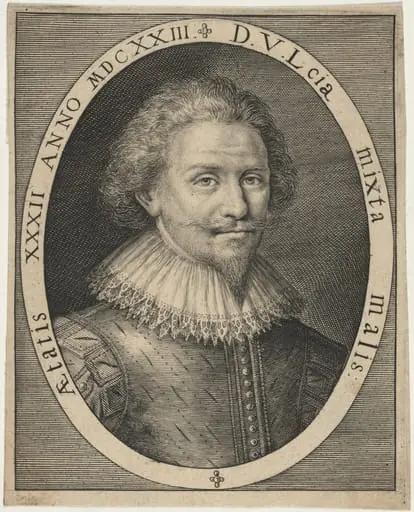
John Payne’s 1627 engraving presents Sir Benjamin Rudyerd, an English parliamentarian and poet, in a side‑view portrait. Executed in fine line work, the image captures the sitter’s curly hair, beard, dark jacket and white ruffled collar, set against a dark background that accentuates his serious expression.
Subject & Meaning
The portrait depicts Rudyerd as a dignified public figure, his direct gaze suggesting confidence and authority. The inclusion of contemporary dress and the formal oval frame reflect the early‑modern desire to convey individual identity and status through printed likenesses.
Technique & Style
Payne employs typical Baroque engraving methods, using cross‑hatching and varied line density to model facial features and fabric texture. The careful modulation of light and shadow creates a sense of depth, while the surrounding oval border and marginal text frame the image in a manner common to early 17th‑century prints.
History & Provenance
John Payne, one of England’s first native engravers, produced this work during the reign of Charles I, a period when printmaking began to gain prominence in the country. The engraving was likely circulated among the educated elite, serving both as a portrait and as a means of disseminating Rudyerd’s public image.
Context
The portrait emerges at a time when English art was increasingly influenced by continental Baroque aesthetics, yet retained a distinct focus on realistic representation. Engravings such as this allowed for wider distribution of individual likenesses, aligning with the growing interest in personal portraiture among the political and literary classes of early Stuart England.
Own this work as a print
Artist & collection
Artist
John Payne (1607–1647) was an English engraver, who was one of the earliest exponents of the art of engraving in England. His best work was the finest produced by a native-born engraver working during the reign of Charles I.