Artwork
Saint Anthony of Padua
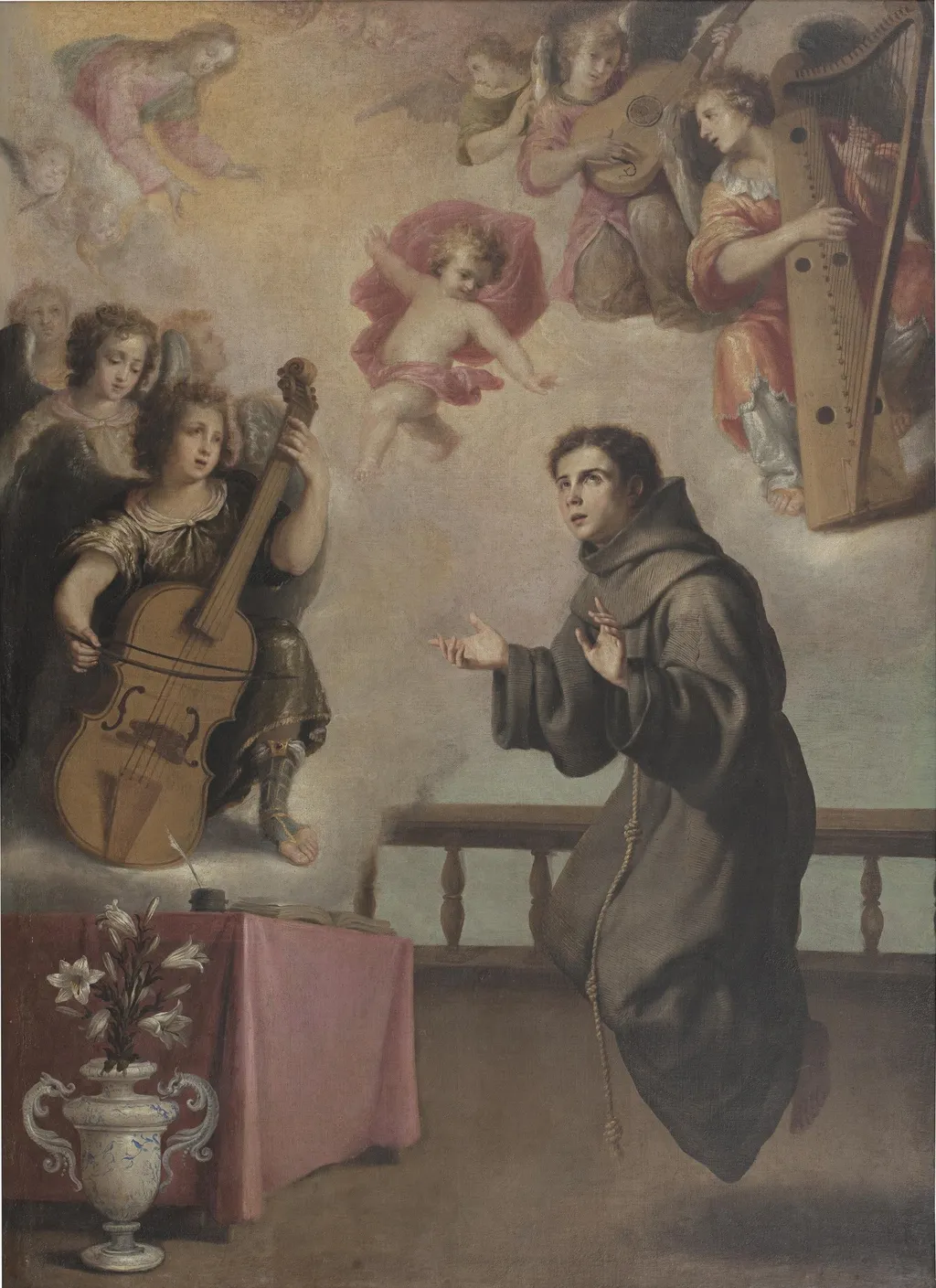
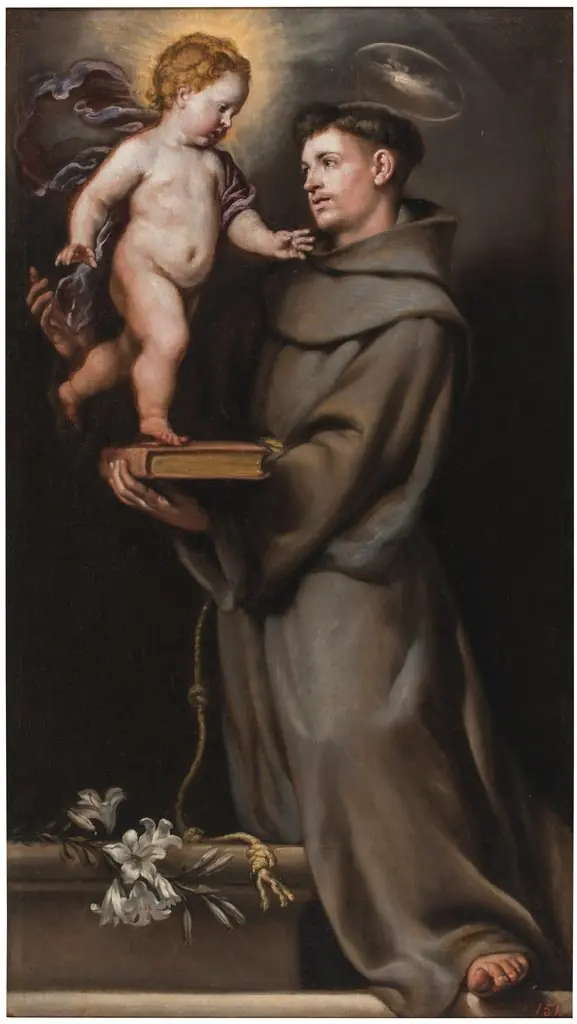
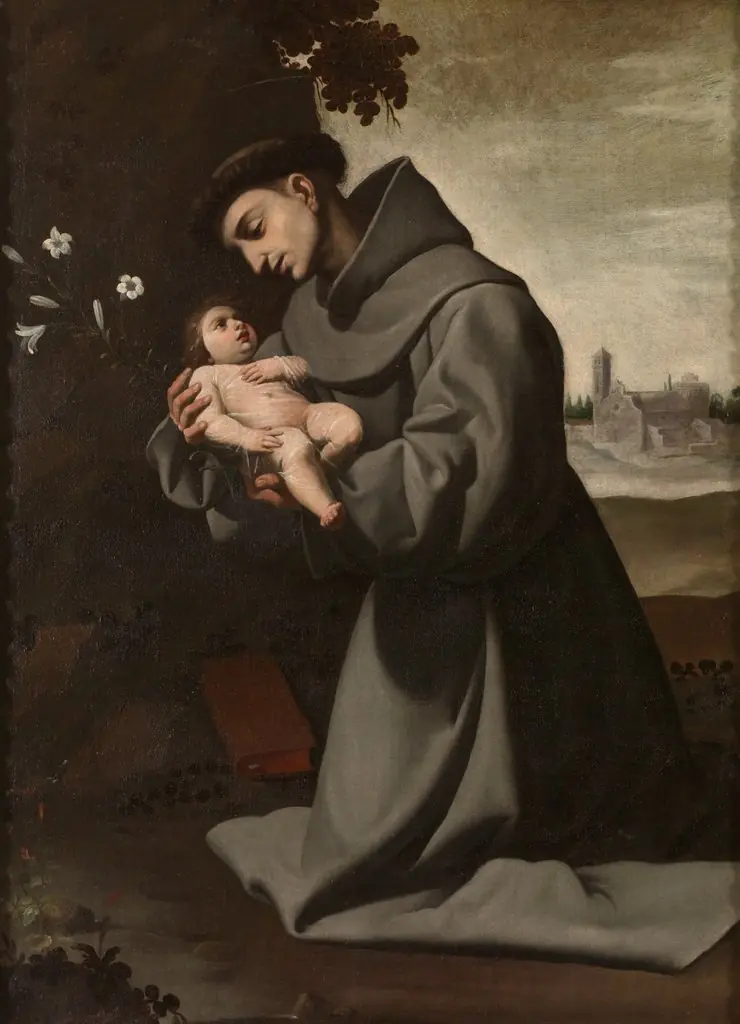
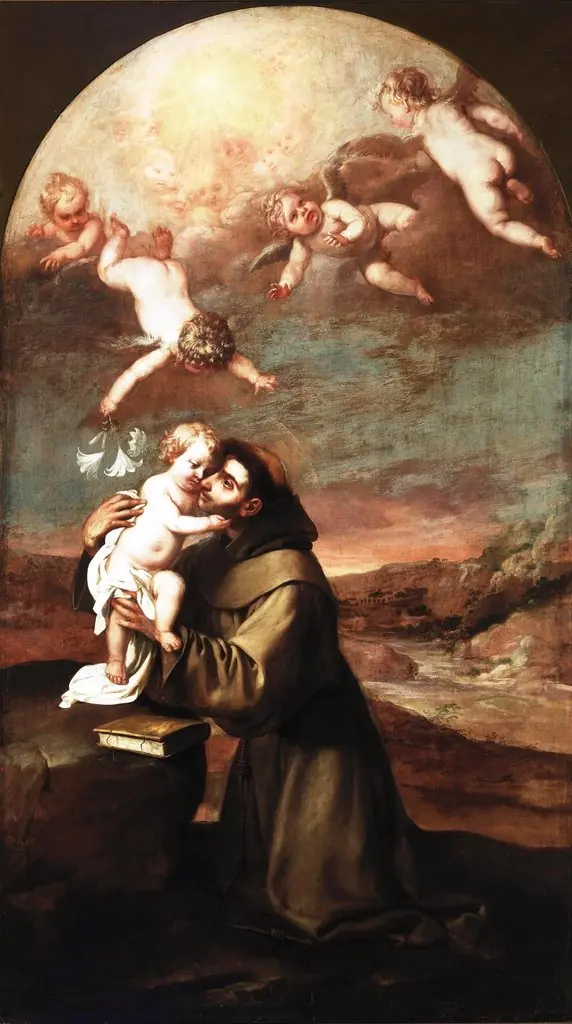
Saint Anthony of Padua is an oil painting by the Early Baroque Italian artist Pedro de Obregón. It dates from 1601 and is held in the collection of the Museo del Prado.
About this work
Subject & Meaning
As a devotional image, the piece represents the veneration of Anthony, emphasizing his spiritual presence through the oil-on-canvas medium.
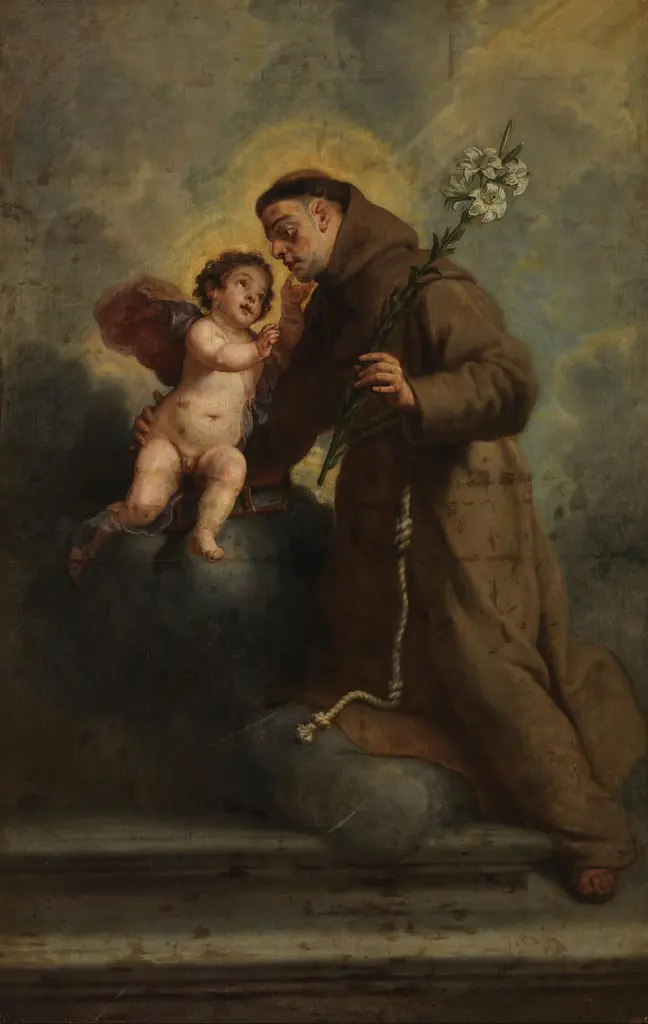
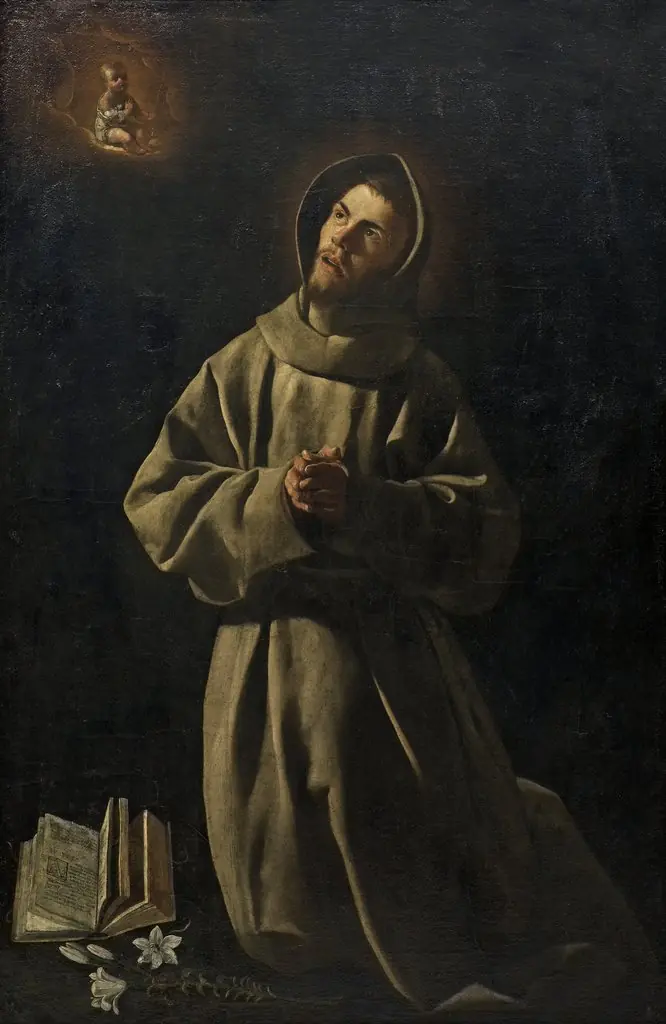
The painting depicts Saint Anthony of Padua, a Franciscan friar and Doctor of the Church, as its central religious subject. Created by Pedro de Obregón, the work belongs to the genre of religious art and focuses entirely on the saint's figure. A distinctive element of the iconography is the inclusion of a guitar alongside the saint, an attribute that may allude to the musical or poetic aspects of his sermons or specific hagiographic traditions.
As a devotional image, the piece represents the veneration of Anthony, emphasizing his spiritual presence through the oil-on-canvas medium.
Technique & Style
Executed in oil paint on canvas, this religious work depicts Saint Anthony of Padua alongside a guitar. The painting measures 231 cm in height and 169 cm in width. While one record attributes the inception to 1601, another source specifies the date as 1650, identifying the creator as Pedro de Obregón el Joven.
The piece is currently held in the collection of the Museo del Prado, having previously been associated with the Museo de la Trinidad.
History & Provenance
The work titled Saint Anthony of Padua was painted by Pedro de Obregón in 1601 using oil on canvas. It entered the collection of the Museo del Prado and was later associated with the Museo de la Trinidad, where it remains on display. The painting measures 231 cm in height and 169 cm in width and depicts the saint holding a guitar, reflecting its religious subject matter.
Pedro de Obregón's painting Saint Anthony of Padua is currently held by the Museo del Prado in Madrid. The work, executed in oil on canvas, was previously part of the collection of the Museo de la Trinidad before its transfer to the Prado. The painting is cataloged with accession records linking it to both institutions, reflecting its institutional history within the Spanish national museum system.
While the work depicts the saint playing a guitar and dates to the early 17th century, specific exhibition history details beyond its permanent location are not provided in the available records.
Context
Pedro de Obregón created a 1601 oil painting depicting Anthony of Padua, housed in the Museo del Prado and previously associated with the Museo de la Trinidad. The work measures 231 cm by 169 cm and belongs to the religious art genre. It was painted during the Baroque period, reflecting Counter-Reformation themes through its devotional subject and composition.
Scholarship identifies this canvas as part of Obregón's mature output, characterized by naturalistic detail and emotional intensity. Its provenance links to Spanish ecclesiastical contexts, though specific critical reception during the artist's lifetime remains sparsely documented. Modern assessments emphasize its significance within 17th-century Spanish religious painting and the artist's role in bridging Renaissance traditions with Baroque innovations.
Overview
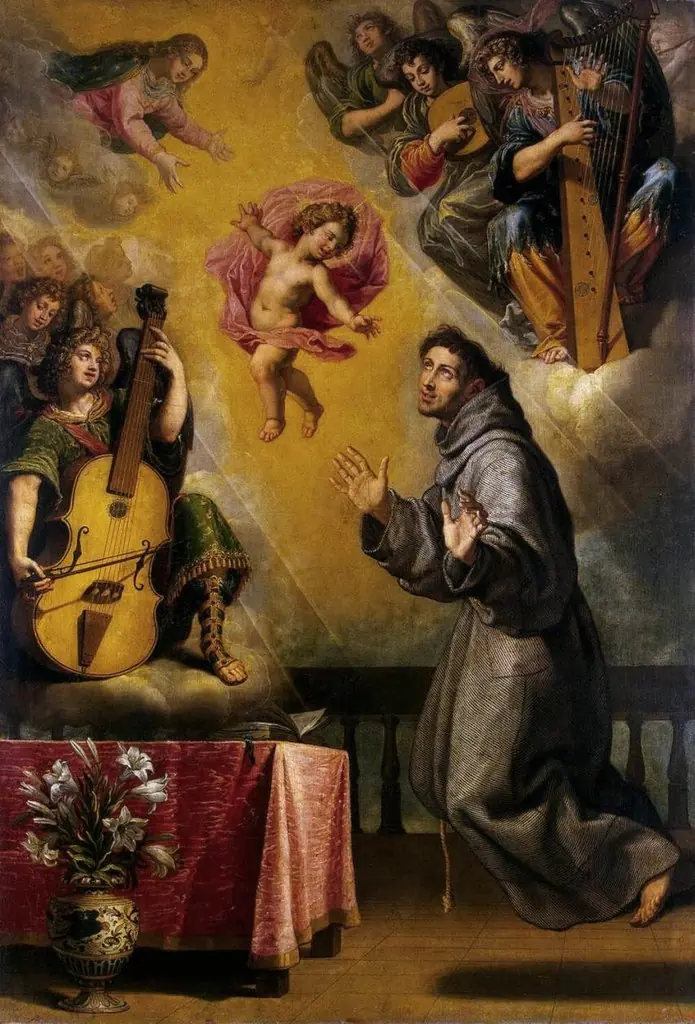
Created in 1601 by the Spanish artist Pedro de Obregón, this oil painting portrays Saint Anthony of Padua seated on a bench. The saint is shown in a dark habit, hands clasped in prayer, while three ethereal figures hover nearby, each playing a different stringed instrument. The composition balances the solemn figure of the saint with the lively, musical angels, set against a luminous sky.
Own this work as a print
Artist & collection
Artist
Pedro de Obregón, (1597–1659) was a Spanish painter and printmaker. According to art historian Antonio Palomino, Pedro de Obregón was initially taught by Vincenzo Carducci, and became one of his best pupils, imitating…