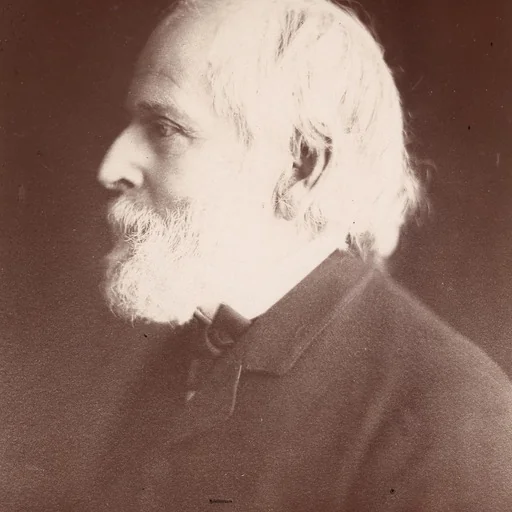
Subject
Moonlight
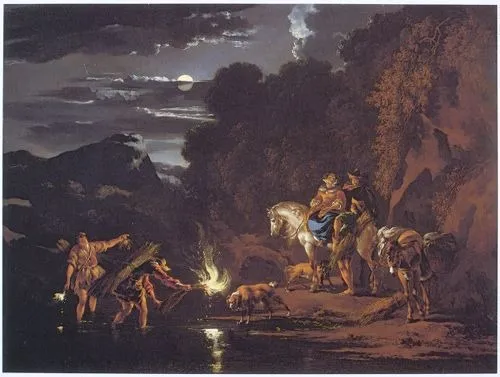
Moonlight is a subject in art. The gallery holds 69 works in this subject in art, including works by William Trost Richards, Martin Johnson Heade and Caspar David Friedrich.
Moonlight is a discontinued free and open source implementation for Linux and other Unix-based operating systems of the Microsoft Silverlight application framework, developed and then abandoned by the Mono Project. Like Silverlight, Moonlight was a web application framework which provided capabilities similar to those of Adobe Flash, integrating multimedia, graphics, animations and interactivity into a single runtime environment.
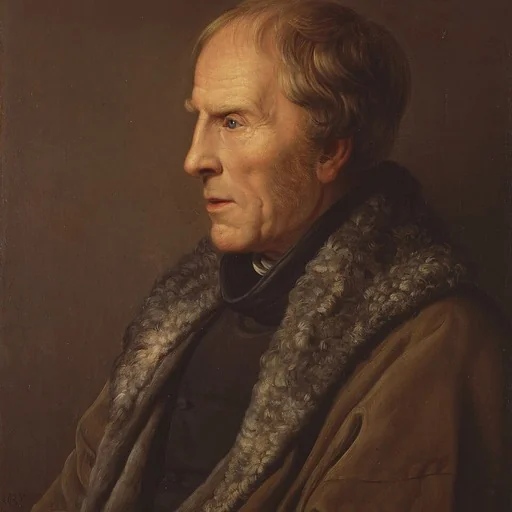
Key artists

Artist
Overview
Moonlight as an artistic subject refers to the depiction of lunar illumination in visual art, a motif that has captivated artists across centuries and cultures. The sources reveal two distinct domains: a substantial body of 72 artworks in a referenced collection, and broader symbolic and cultural treatments ranging from Romantic landscape painting to contemporary cinema. In painting, moonlight serves as a dramatic natural light source that transforms landscapes, seascapes, and nocturnal scenes, allowing artists to explore contrasts of cool and warm tones, atmospheric effects, and emotional resonance. The motif extends beyond fine art into literature, mythology, and film, where it accumulates layers of meaning related to femininity, introspection, transformation, and emotional truth.
Iconography & meaning
Moonlight carries multifaceted symbolism across artistic and cultural traditions. In Western art history, it functions practically as a source of nocturnal illumination that creates dramatic chiaroscuro and atmospheric perspective. Symbolically, moonlight is predominantly associated with femininity, positioned in opposition to the masculine sun, and linked to cycles, change, and the subconscious realm between waking and sleep. Spiritual and mythological traditions assign moonlight meanings of enlightenment, intuition, and emotional revelation. In Hindu sources, moonlight symbolizes beauty, romance, and tranquility, while also serving as a metaphor for wise discrimination and spiritual clarity. Greek mythology personifies the moon as Artemis, protector of women, while Norse tradition associates lunar light with time's passage and human behavior. In artistic practice, moonlight enables exploration of liminal states, romantic encounters, and solitary contemplation. The ephemeral, ever-changing quality of moonlight has made it a persistent symbol for transience and the passage of time.
Across movements & periods
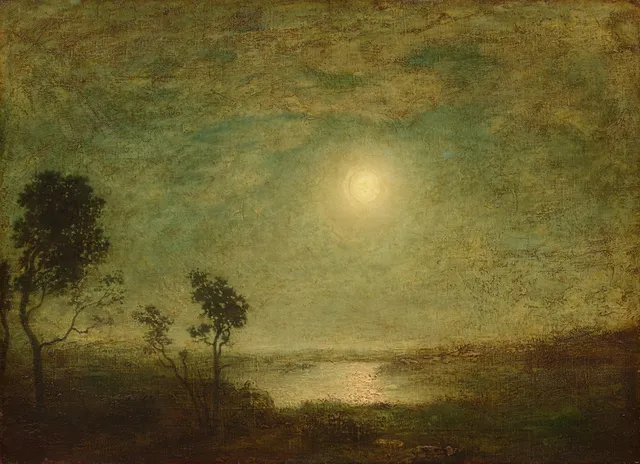
The treatment of moonlight evolved significantly across art historical periods. In the Romantic era, artists exploited moonlight's dramatic potential for sublime emotional effect and atmospheric intensity. J.M.W. Turner's Keelmen Heaving in Coals by Moonlight (1835) exemplifies this approach, using cool white moonlight against warm industrial firelight to comment on Britain's industrial transformation while achieving powerful aesthetic contrasts. The Tonalist movement, represented by Ralph Albert Blakelock's Moonlight (circa 1883-1889), employed muted palettes and softened forms to evoke nocturnal mood and spiritual contemplation. Edvard Munch's woodcut Moonlight (1896) demonstrates Symbolist and Expressionist tendencies, using the motif for psychological intensity. Impressionist and Post-Impressionist painters including Claude Monet and Vincent van Gogh pursued the optical challenges of capturing moonlight's elusive, reflected quality. Across these movements, technical approaches shifted from detailed observation toward increasingly subjective and atmospheric interpretation, with moonlight serving as a vehicle for exploring perception, emotion, and the boundaries between representation and abstraction.
Notable depictions
Several canonical works define the artistic treatment of moonlight. Joseph Mallord William Turner's Keelmen Heaving in Coals by Moonlight (1835), oil on canvas measuring 92.3 x 122.8 cm and now at the National Gallery of Art, Washington, stands as a major achievement in Romantic landscape painting. Commissioned by Henry McConnel and later owned by John Naylor before entering the Widener collection, it was exhibited at the Royal Academy in 1835 and has been featured in numerous subsequent exhibitions including major retrospectives in London, Paris, Tokyo, and Canberra. Ralph Albert Blakelock's Moonlight (circa 1883-1889), oil on canvas at 30 x 25 1/8 inches, is held by the High Museum of Art, Atlanta, though currently not on view. Edvard Munch's Moonlight (1896), a color woodcut on Japanese paper measuring approximately 47.5 x 56.5 cm, is held by the Detroit Institute of Arts; its provenance traces through the Magne collection and K.B. Galleri in Oslo before acquisition in 1977. These works demonstrate the motif's capacity to support radically different artistic aims, from Turner's social commentary to Blakelock's intimate reverie and Munch's psychological intensity.
Legacy
The moonlight motif has demonstrated remarkable persistence and adaptability across media and eras. In contemporary culture, it extends beyond visual art into cinema, where Barry Jenkins's 2016 film Moonlight repurposed the concept metaphorically, using the title to evoke themes of Black queer identity, masculinity, and transformation. The film, adapted from Tarell Alvin McCraney's play In Moonlight Black Boys Look Blue, achieved critical recognition for its nuanced treatment of these themes. In broader cultural contexts, moonlight continues to function as a therapeutic and spiritual symbol, with contemporary practices invoking ancient traditions of moon-charged water and light therapy. The motif's migration from Romantic sublime through Symbolist psychology to contemporary social narrative demonstrates its capacity to accumulate and refract changing cultural meanings while retaining core associations with revelation, transformation, and the liminal spaces between darkness and illumination.
Works
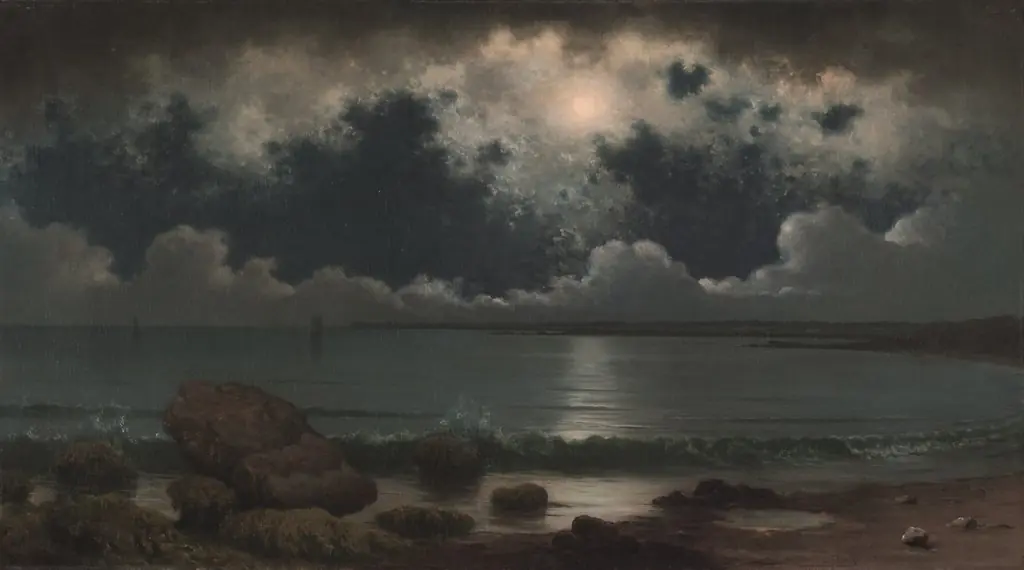 Point Judith, Rhode Island
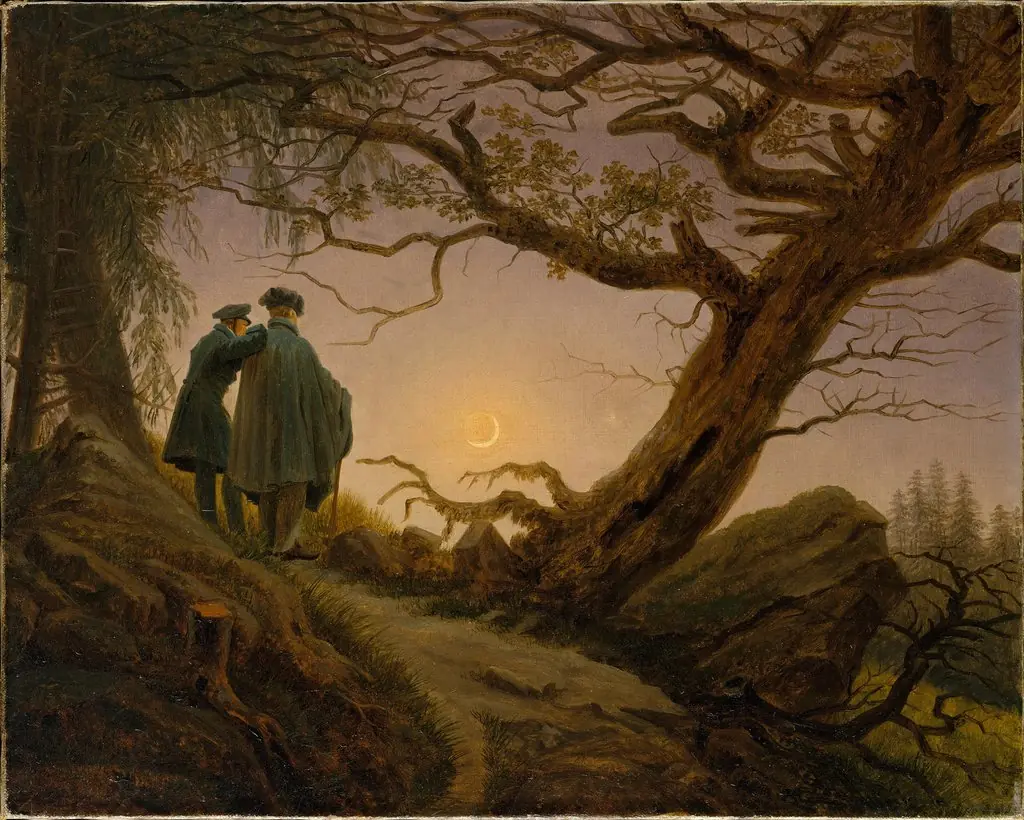 Two men contemplating the Moon
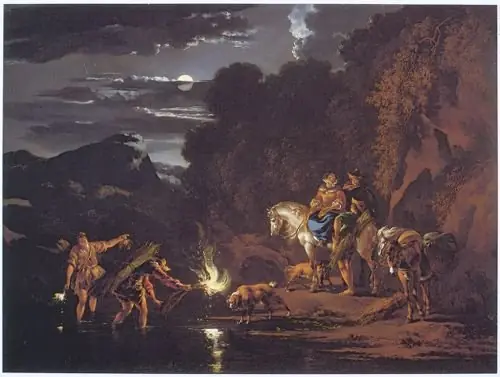 Moonlight Landscape with Crab Fishermen
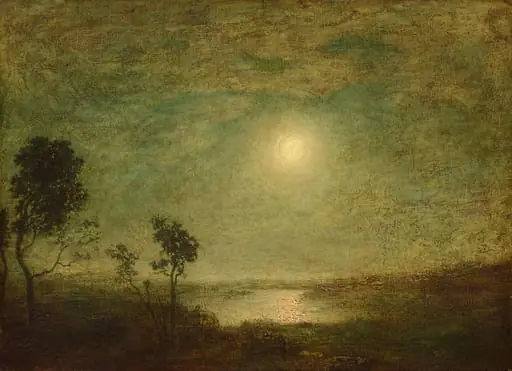 Moonlight
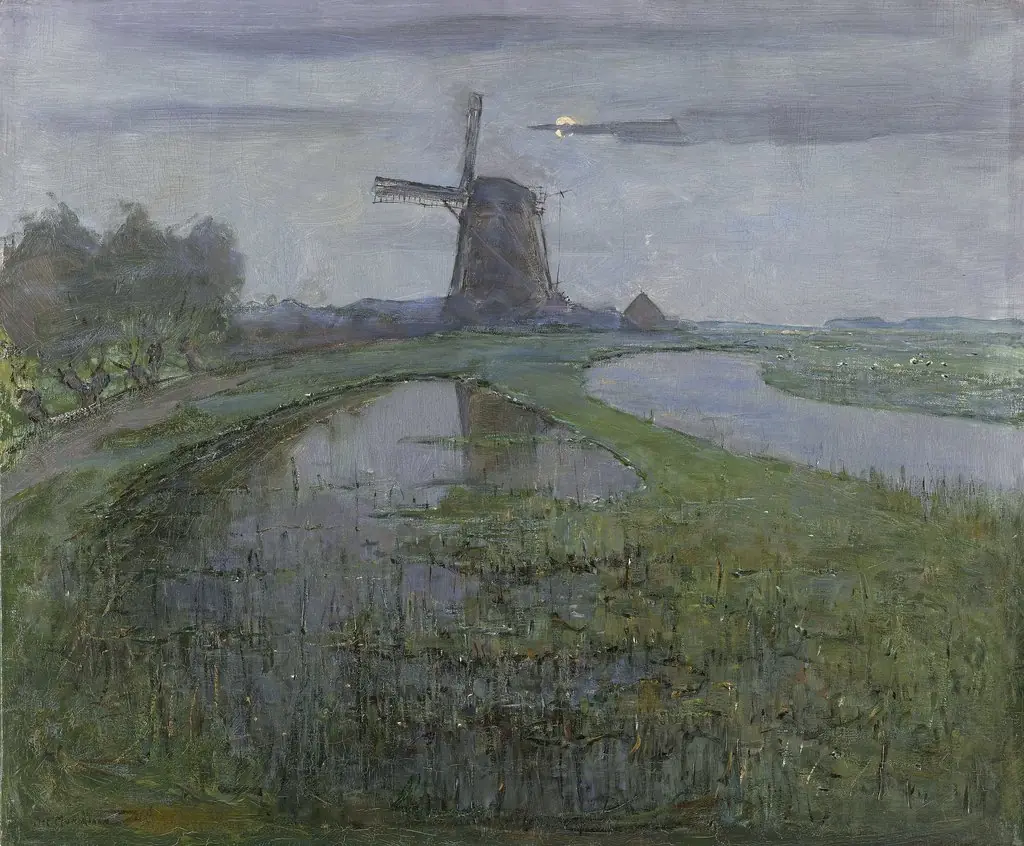 Oostzijdse Mill along the River Gein by Moonlight
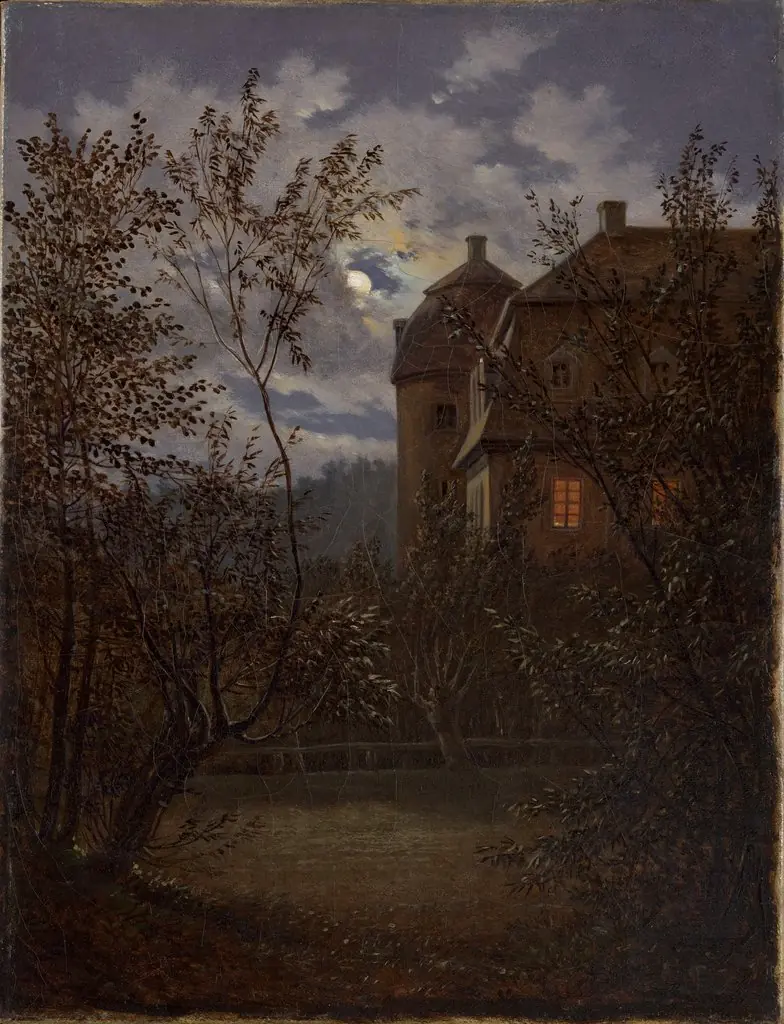 Schloss Milkel in Moonlight
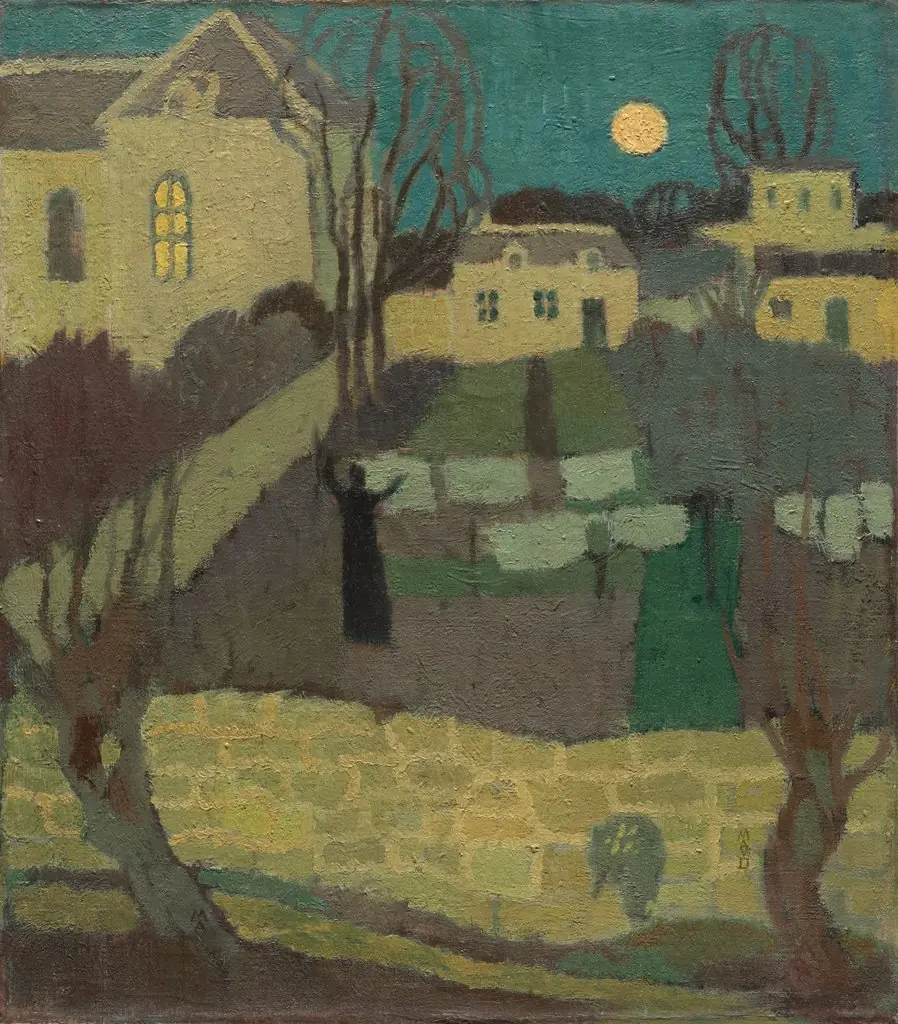 Drying the Linen, or Moonrise at the Priory
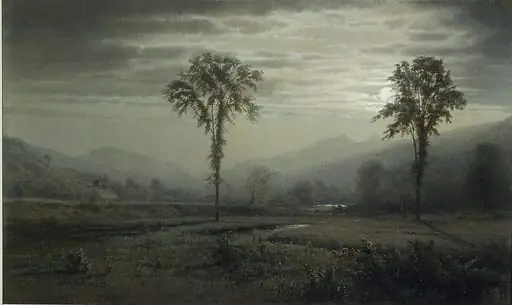 Moonlight on Mount Lafayette, New Hampshire
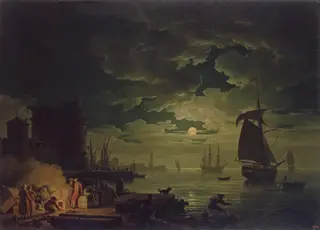 Entrance to the Port of Palermo by Moonlight
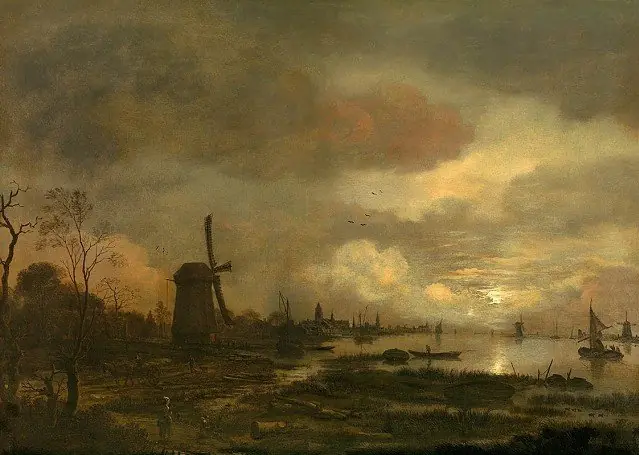 Landscape by moonlight
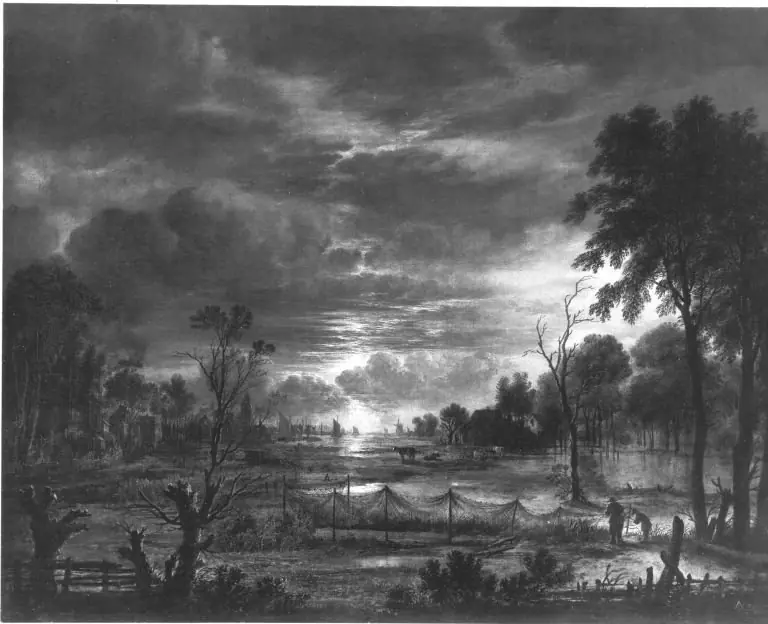 Moonlit Landscape with Fishing Nets
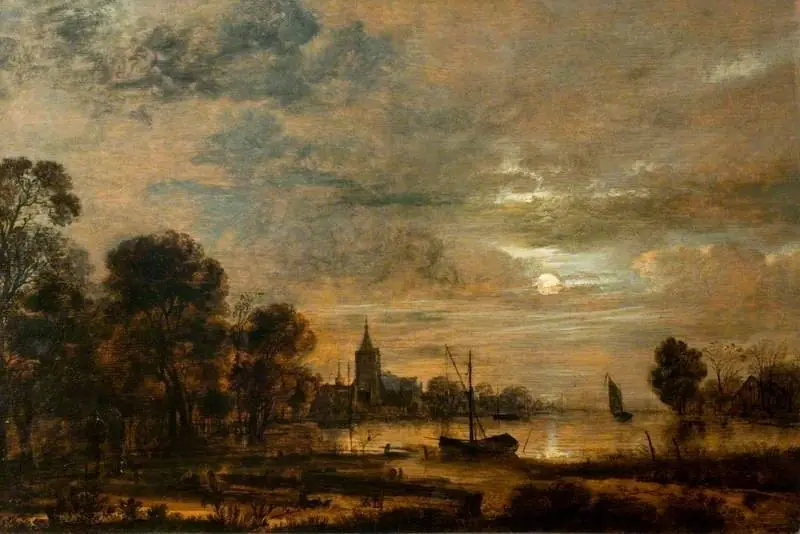 Moonlight and River Scene
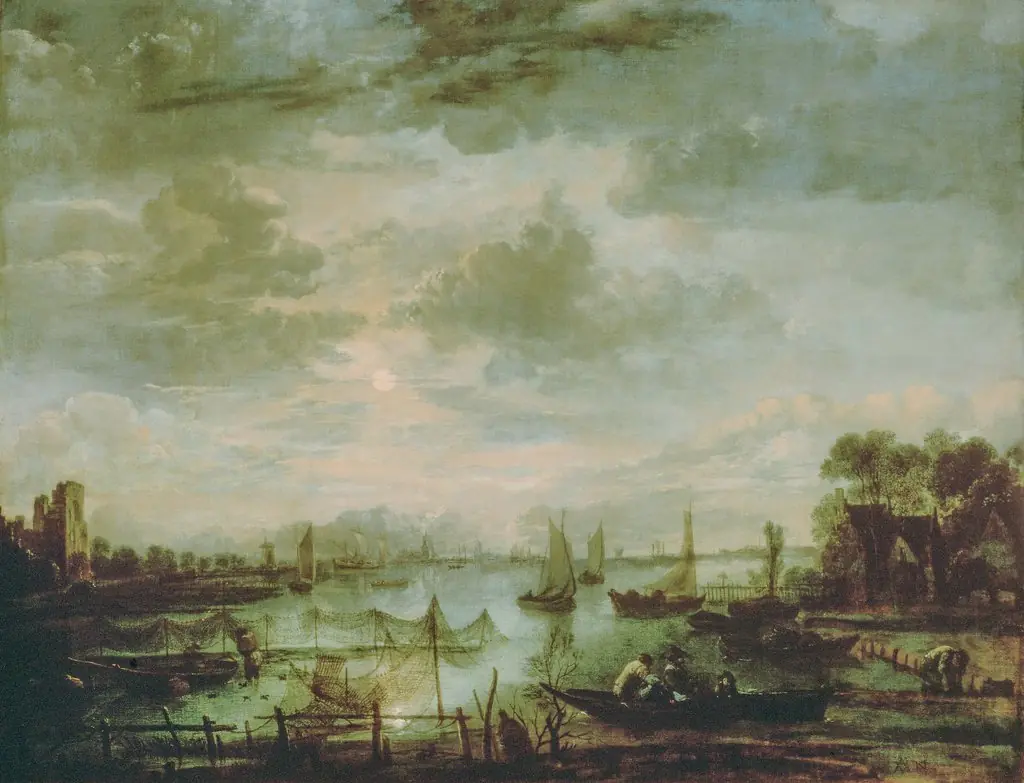 River landscape with ships by moonlight
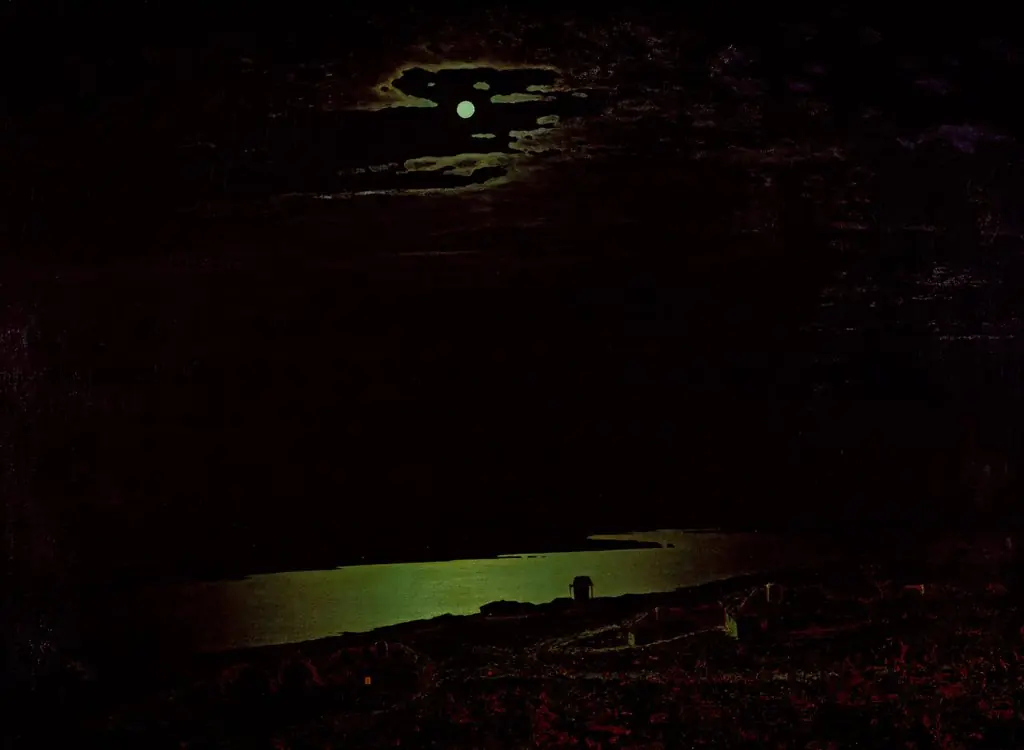 Night on the Dniepr
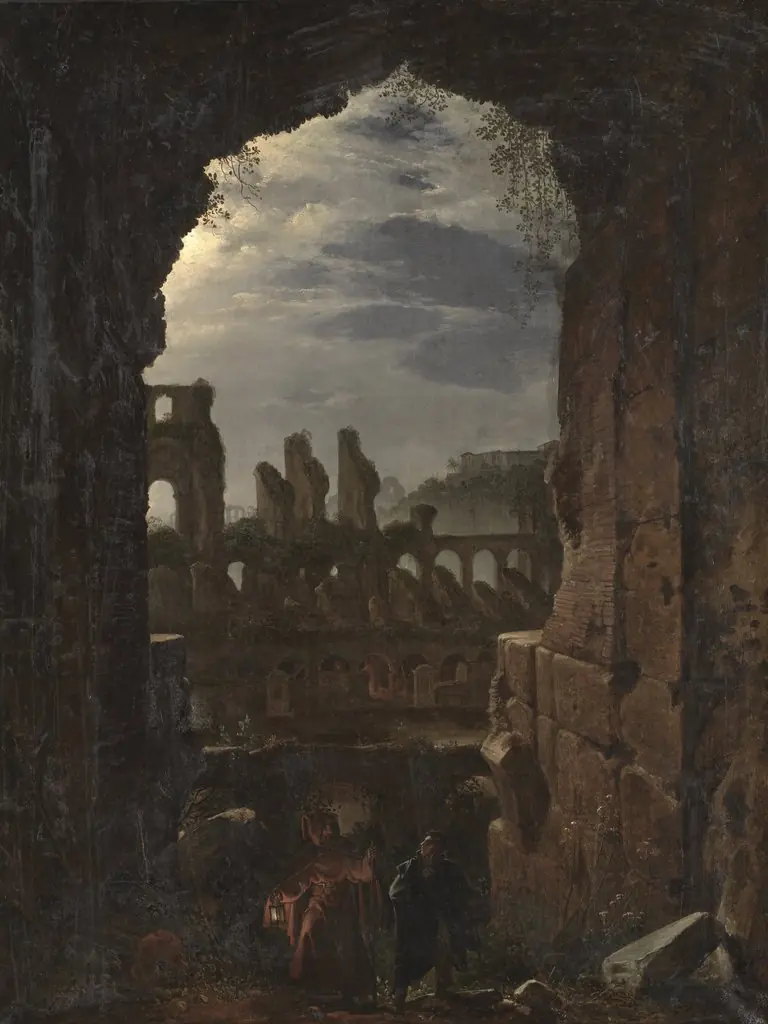 View of the Colosseum in Moonlight
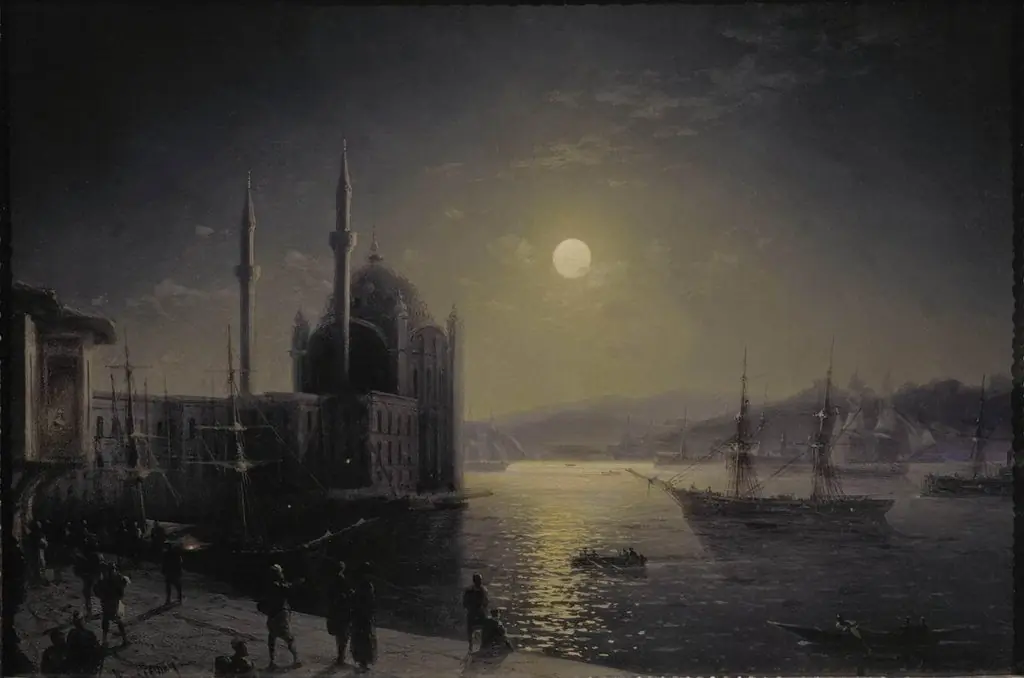 A Moonlit Night on the Bosphorus
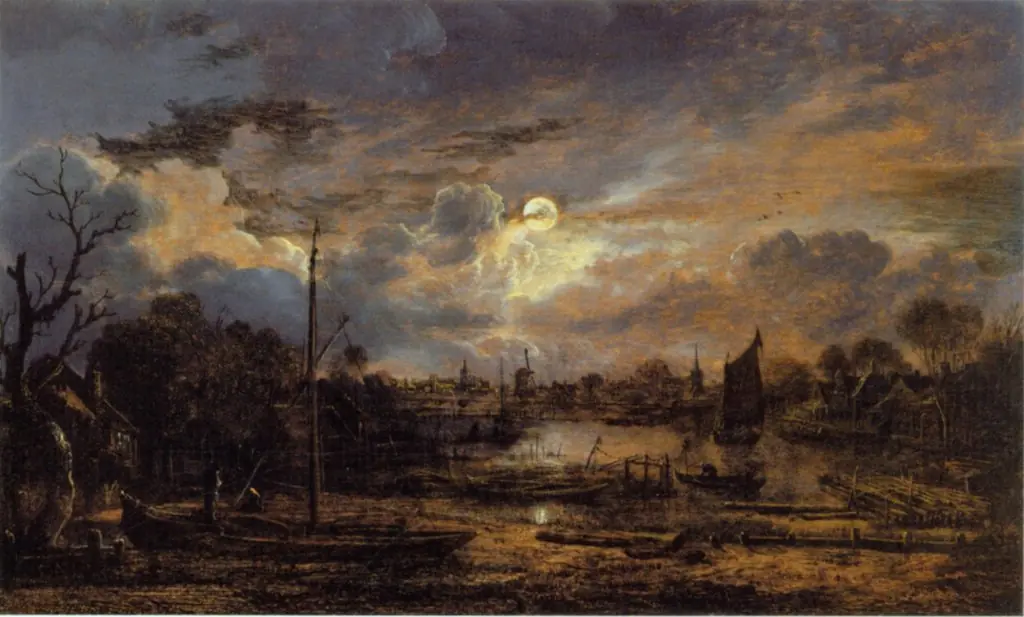 River Landscape with Moonshine
 Kanallandschaft bei Mondschein
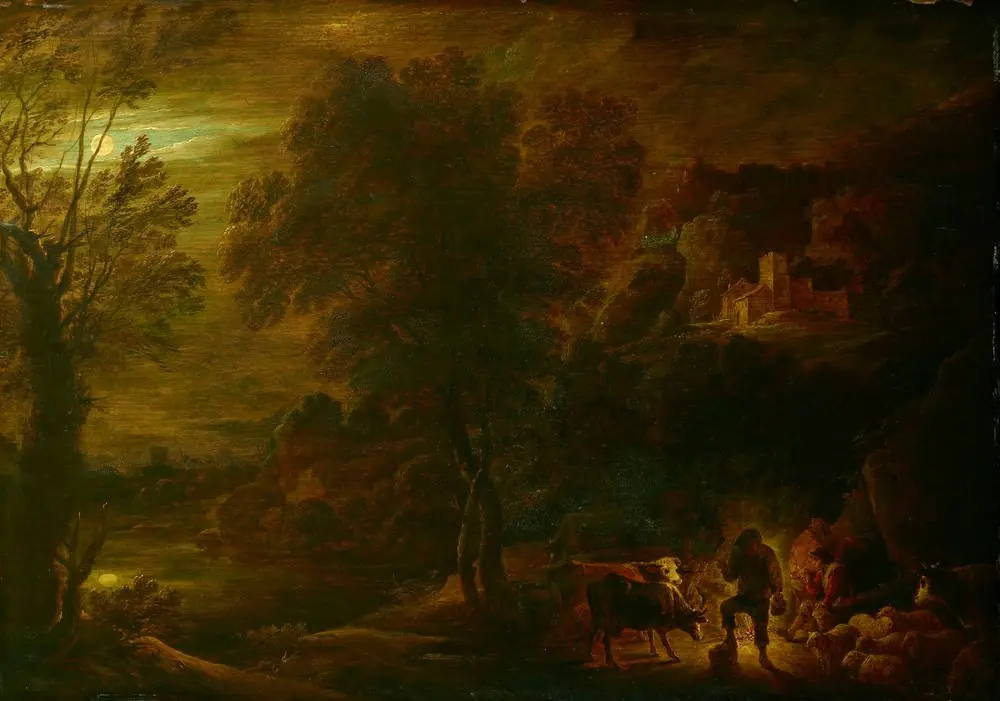 Moonlight landscape with shepherds at the fire
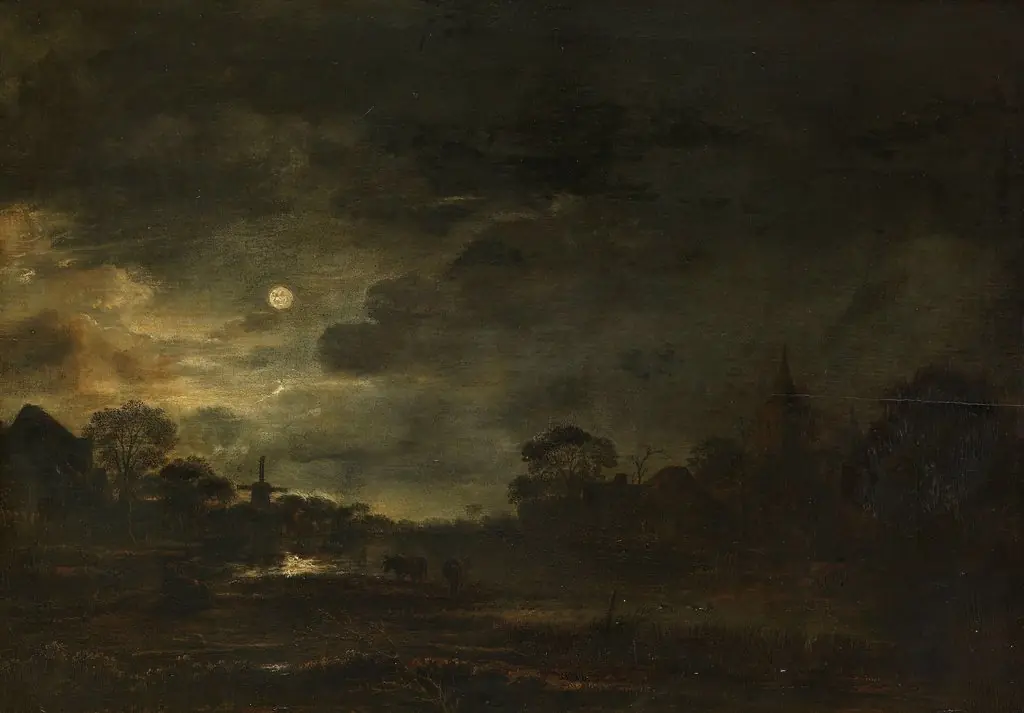 Landscape by moonlight
 Maneschijn op zee
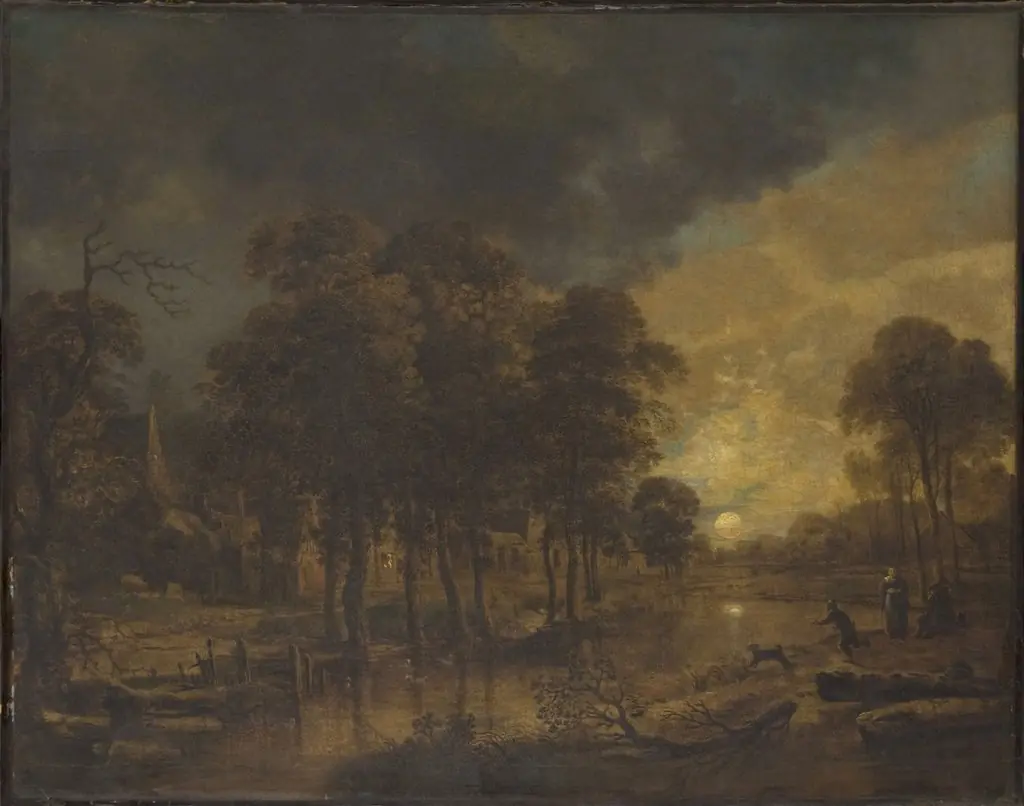 Landscape with a Brook and a Village in Moonlight
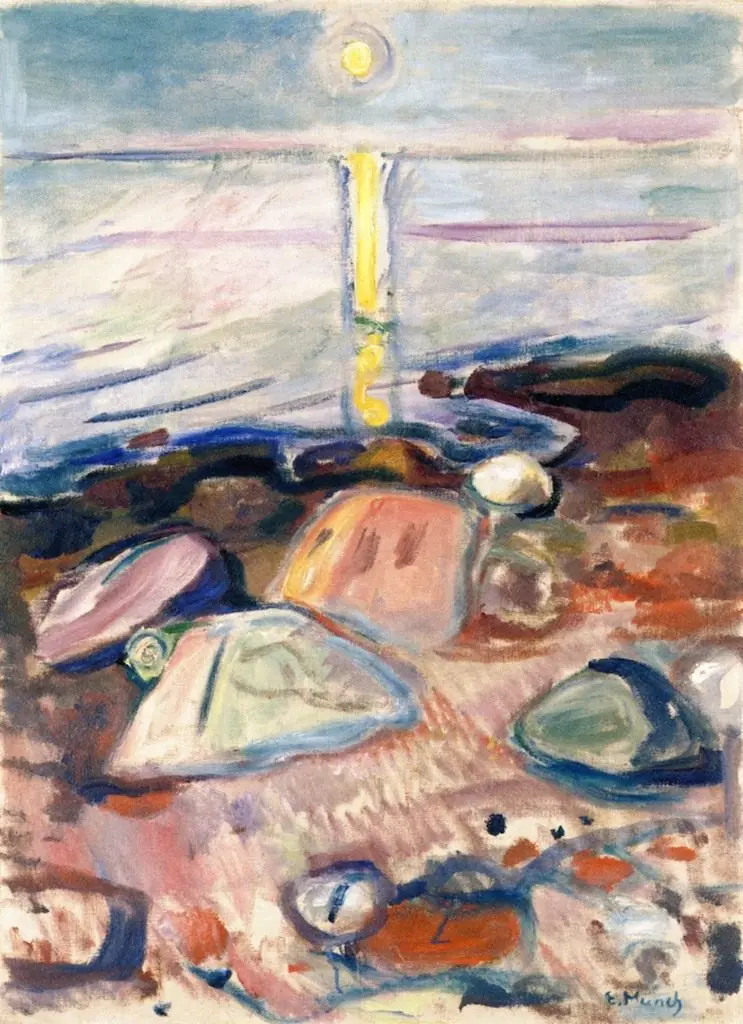 Moonlight on the Beach
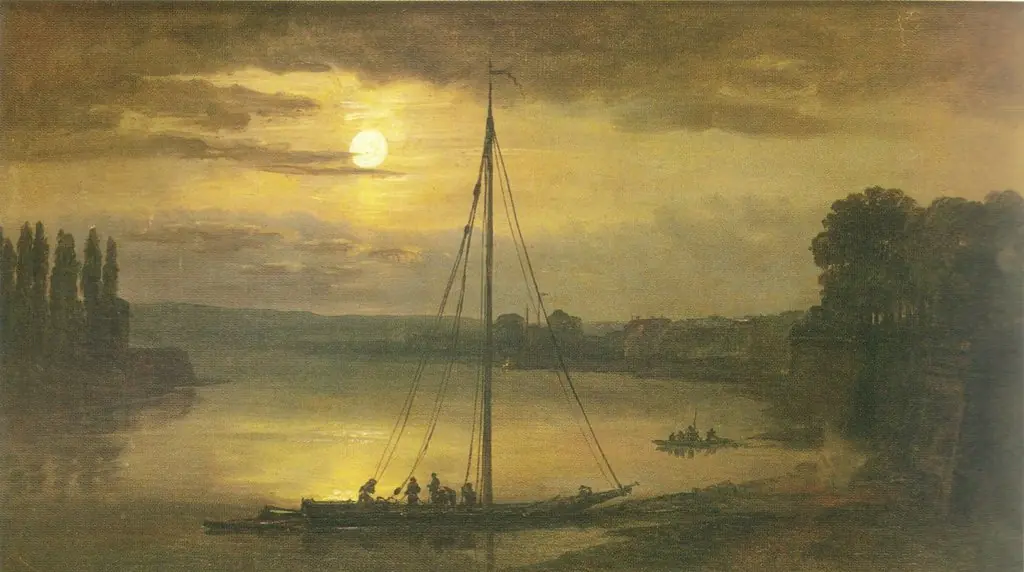 View of the Elbe near the Brühlsche Terrasse
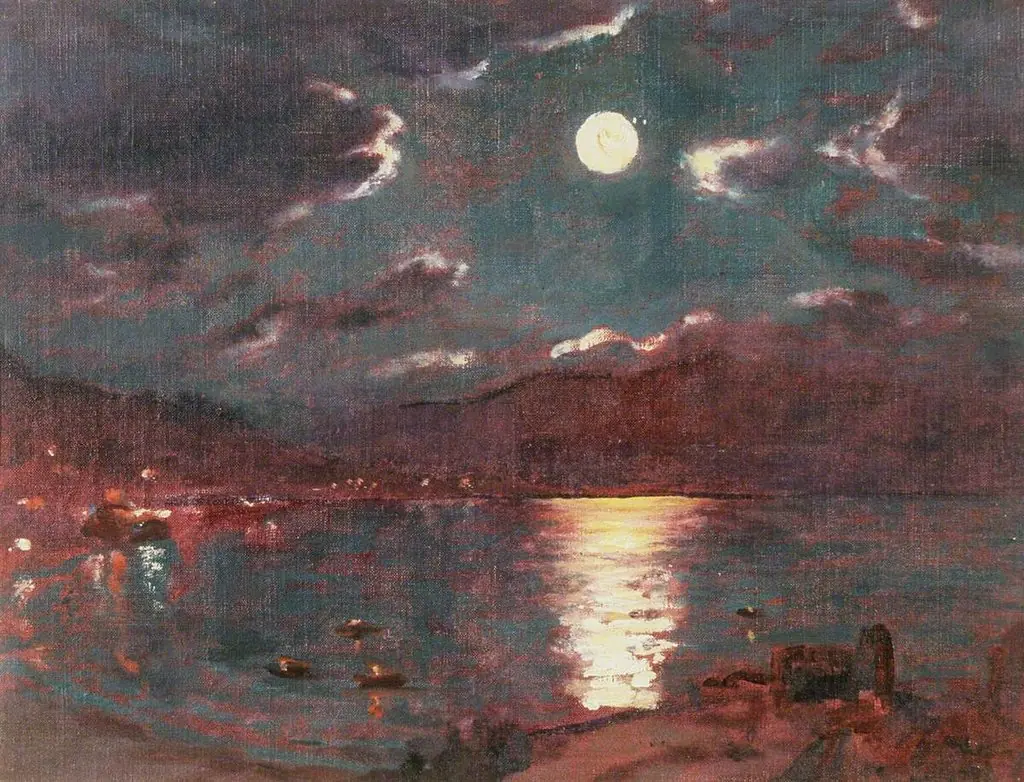 Barmouth Moonlight
 Bamboo in Moonlight
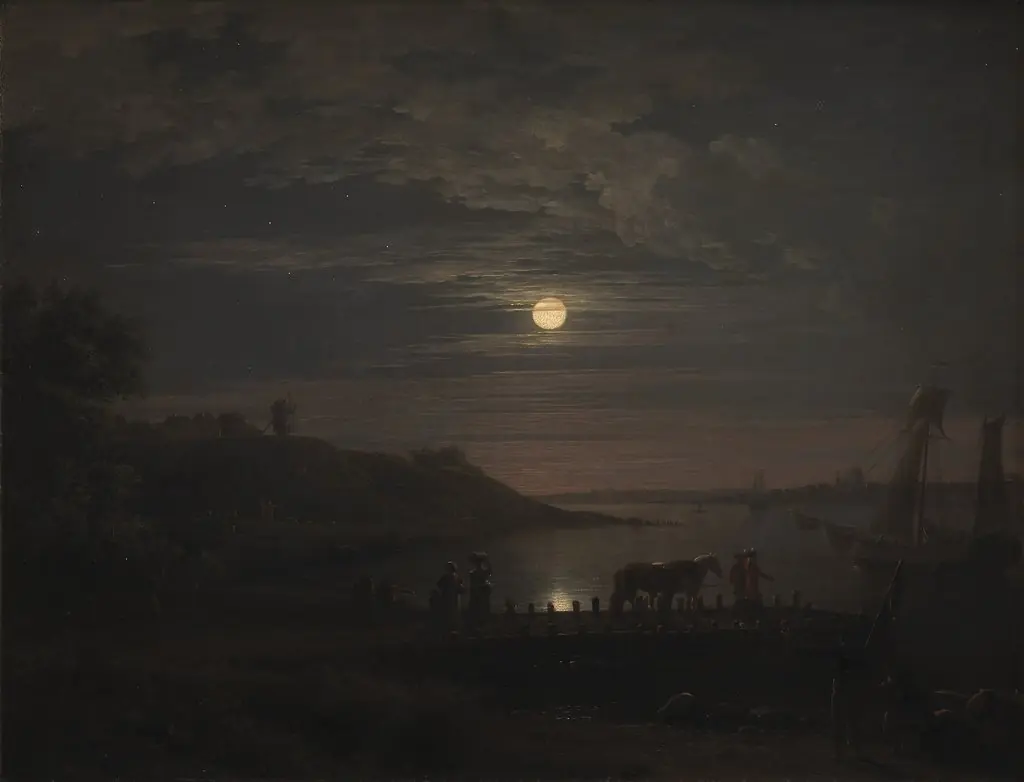 The Crossing over the Little Belt at Snoghøj. Moonrise
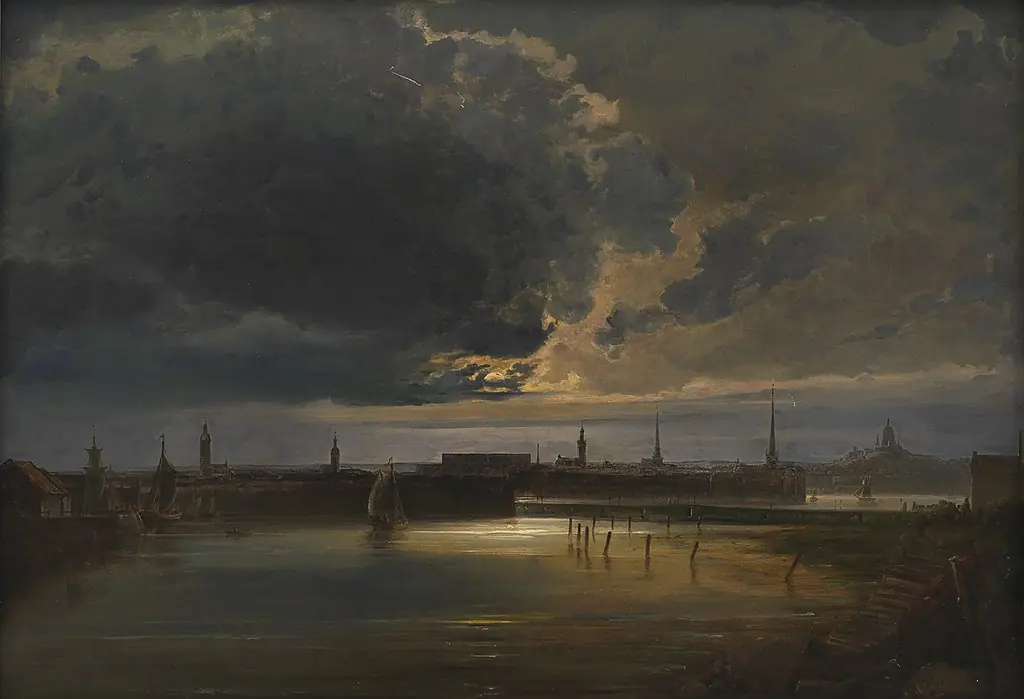 Moonlit View of Stockholm
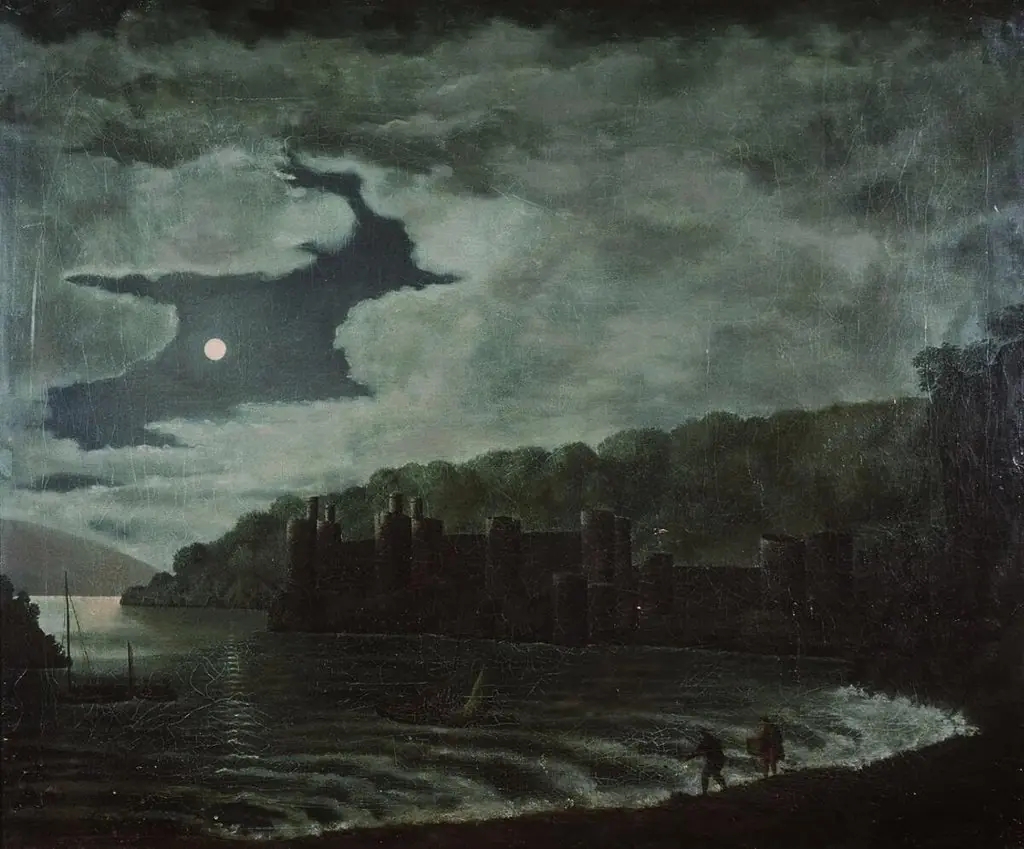 Conway Castle by moonlight
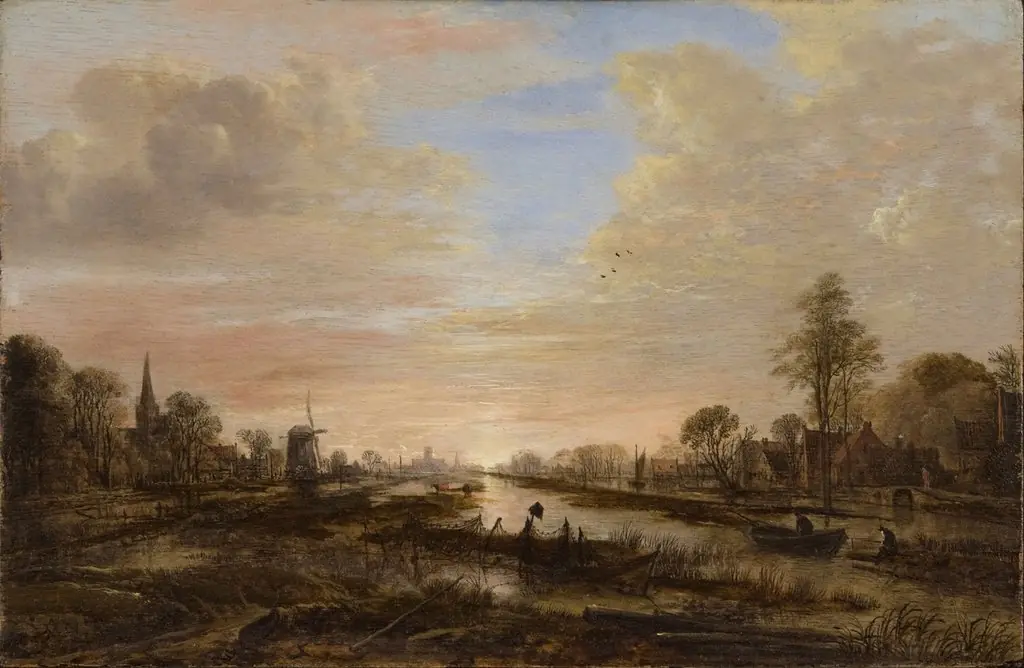 Landscape with a River at Twilight
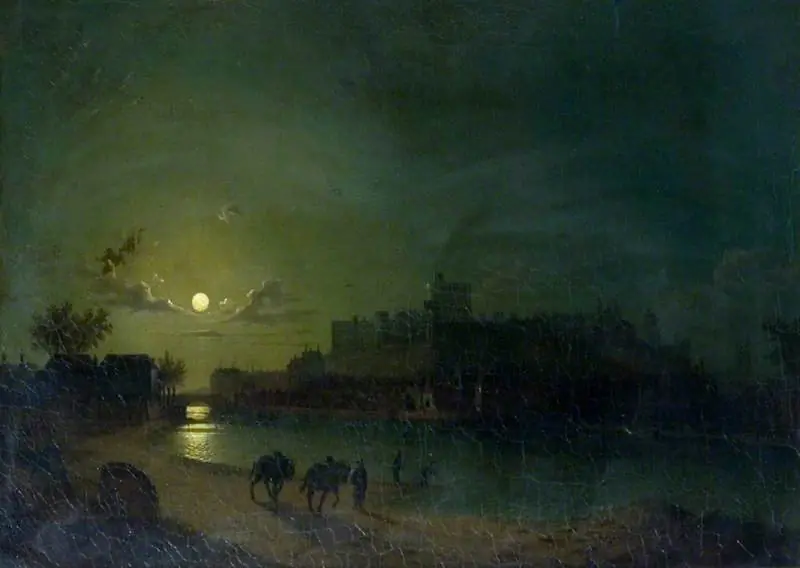 Windsor Castle and Town by Moonlight
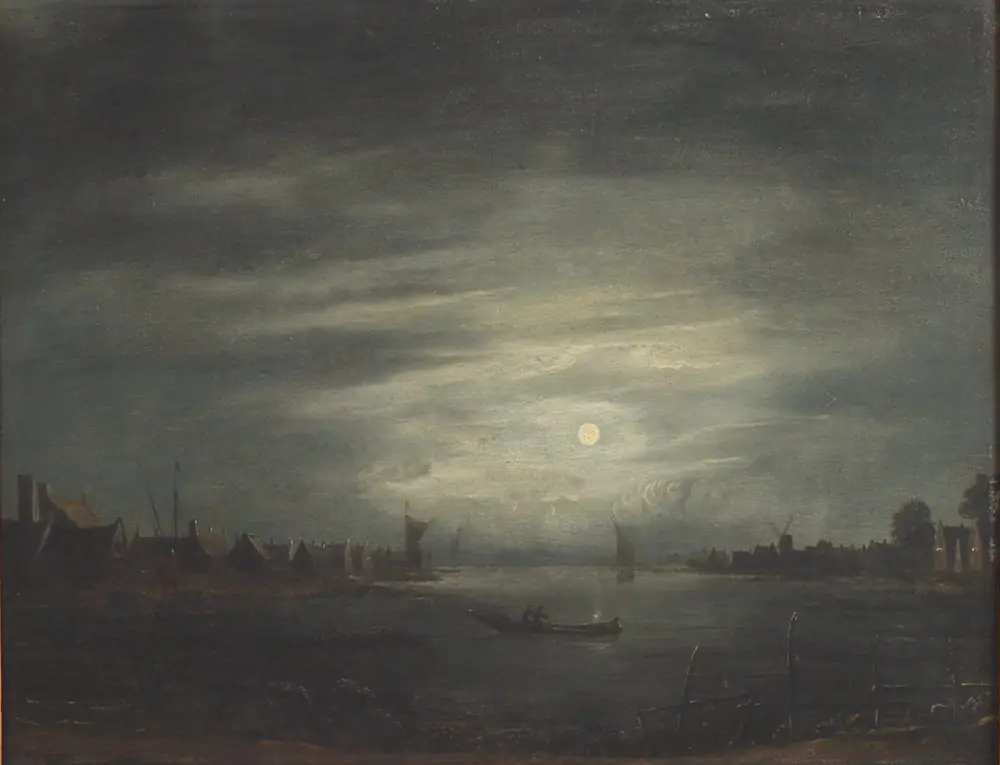 Moonlight
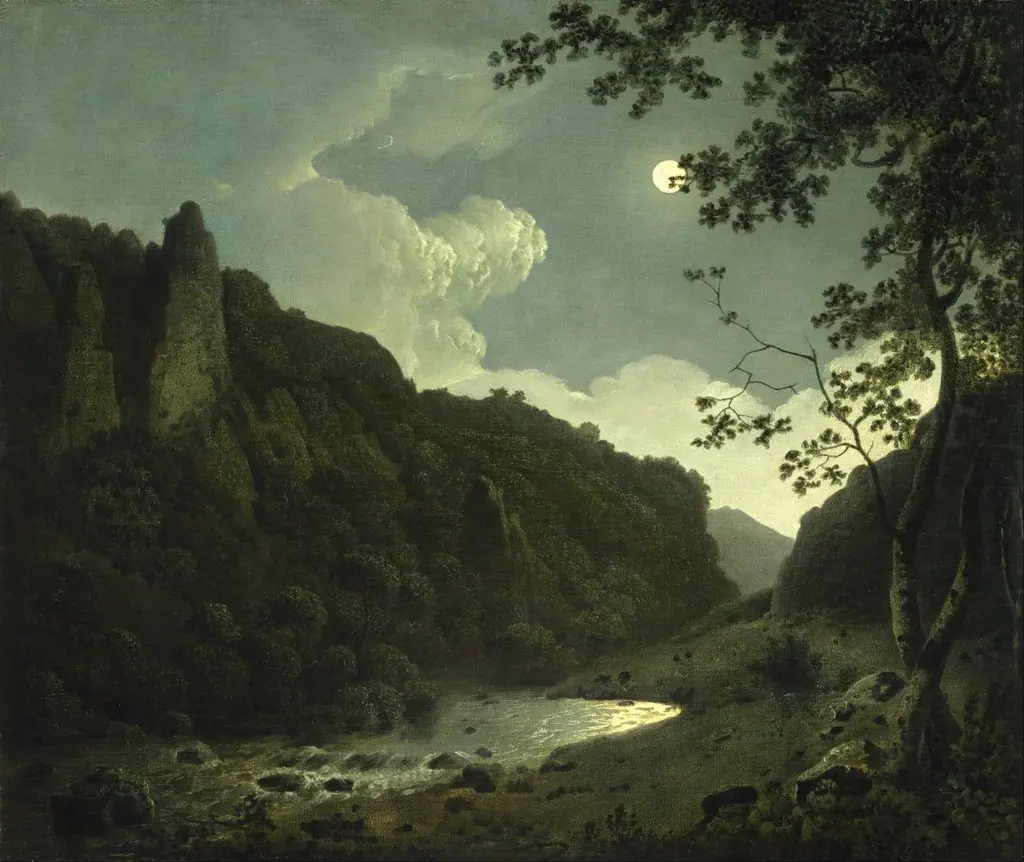 Dovedale by Moonlight
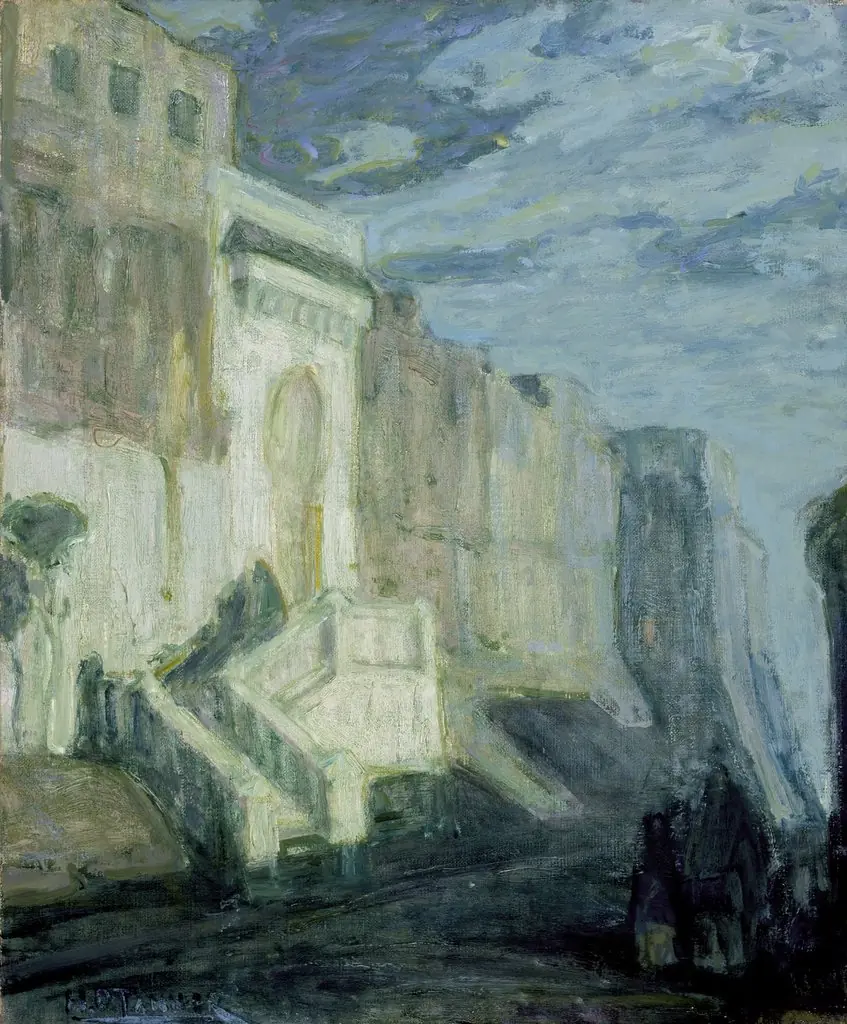 Moonlight, Walls of Tangiers
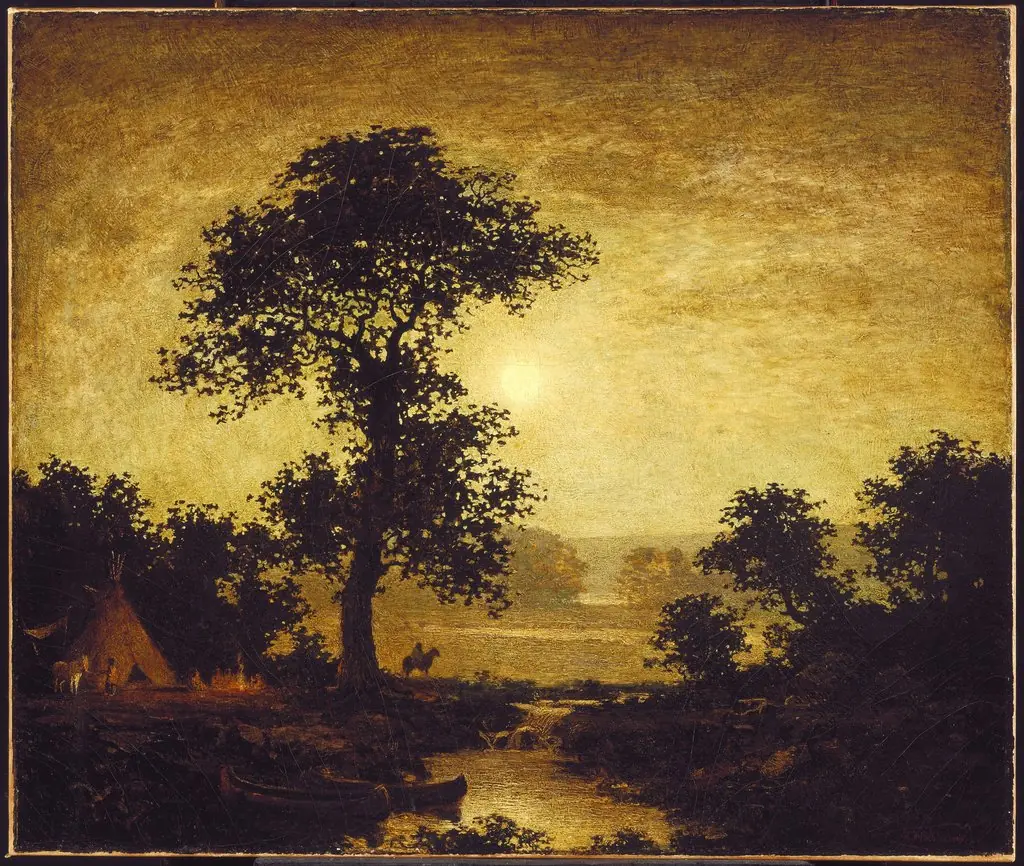 Moonlight
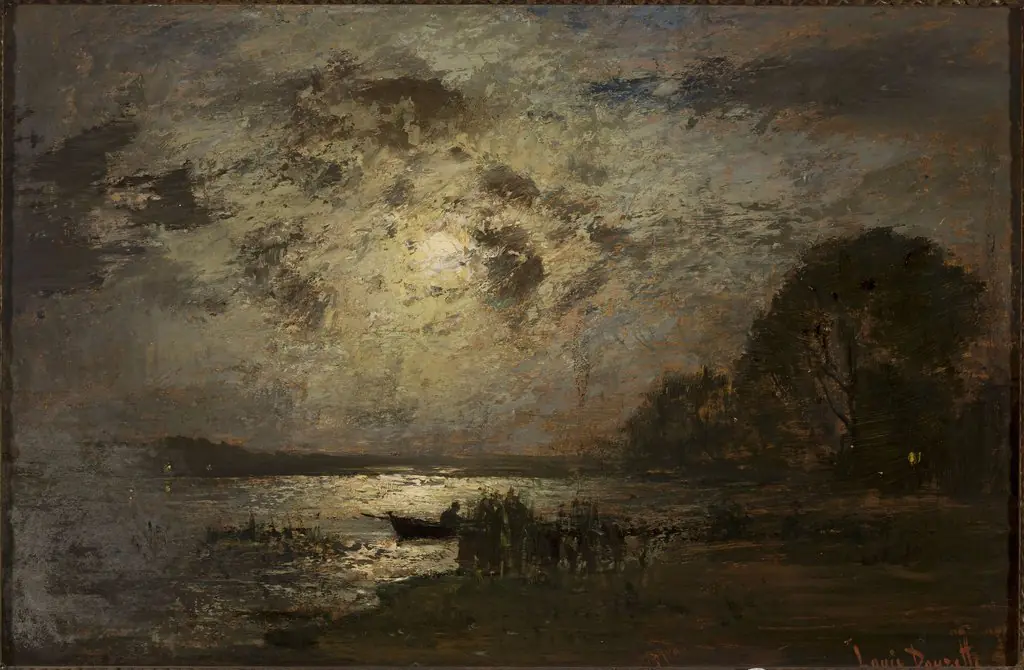 Moonlit landscape
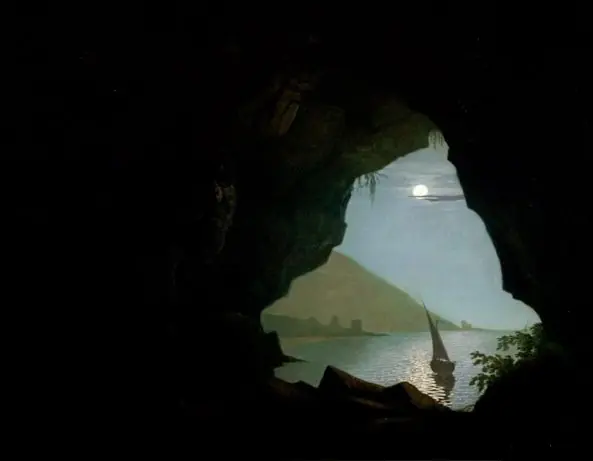 Grotto in the Gulf of Salerno
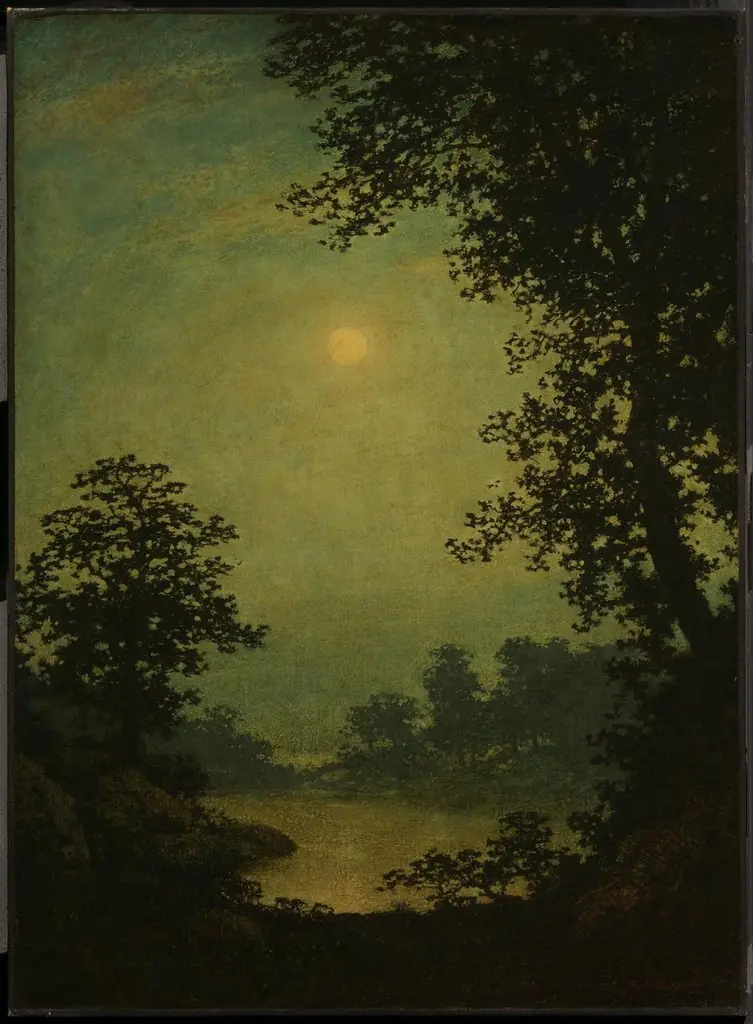 Moonlight Sonata
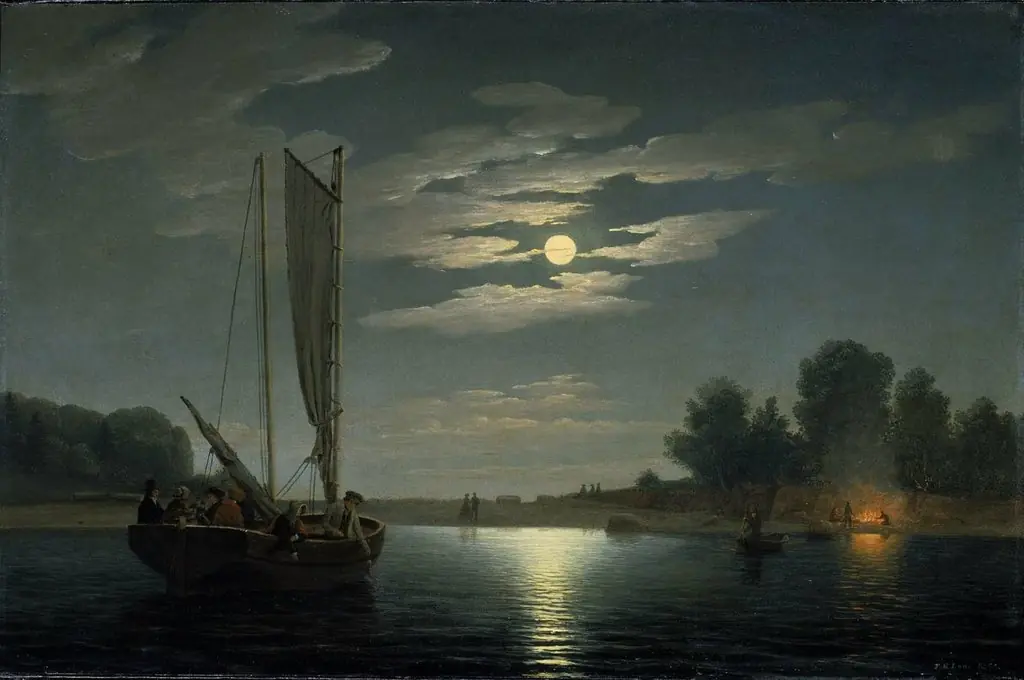 Fishing Party
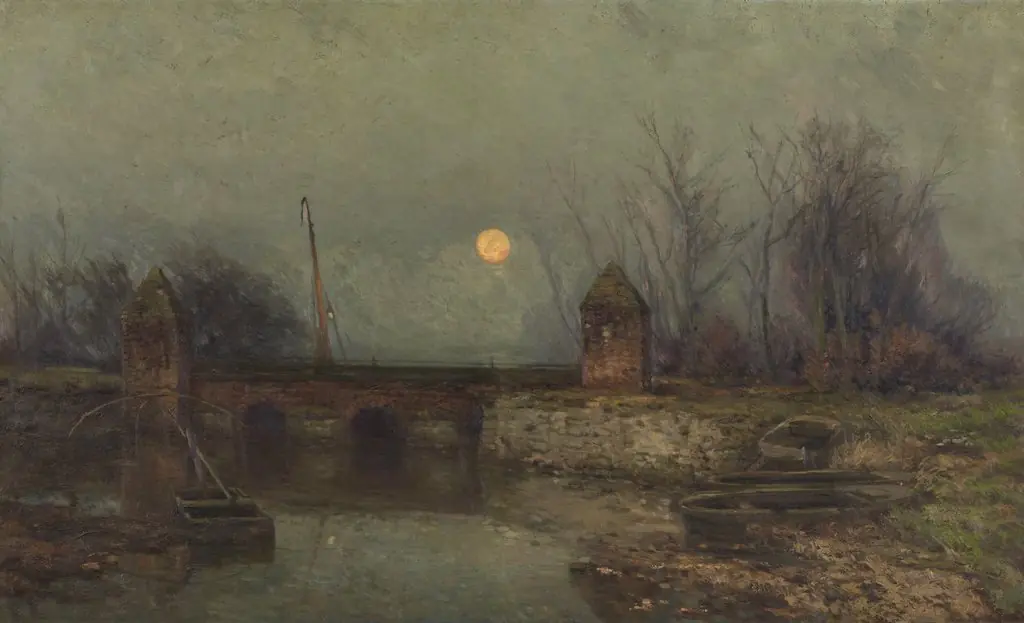 Moonlight
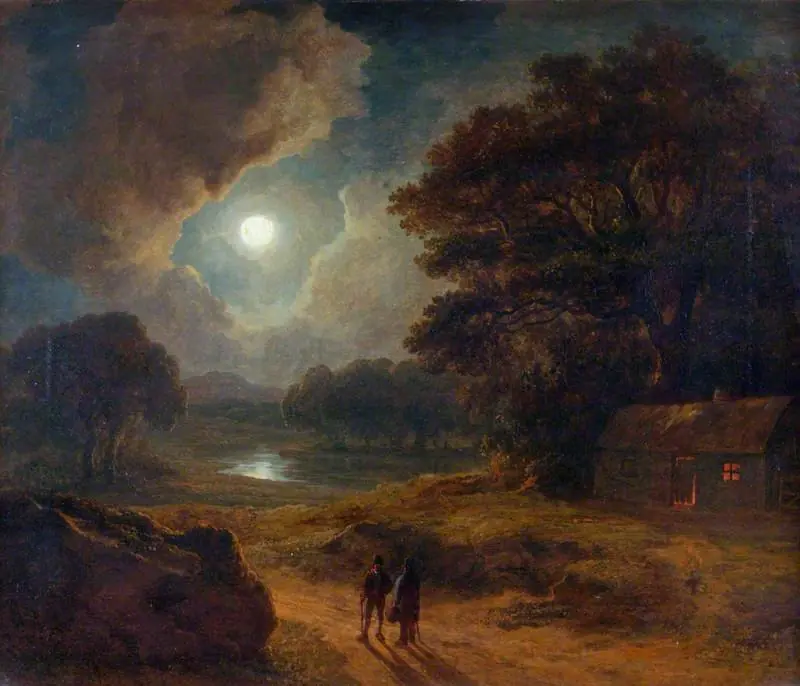 Night
Night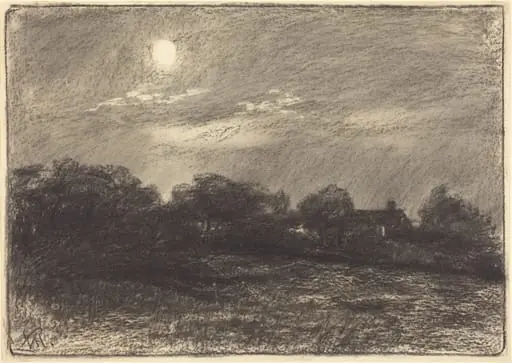 Evening, Farm Landscape
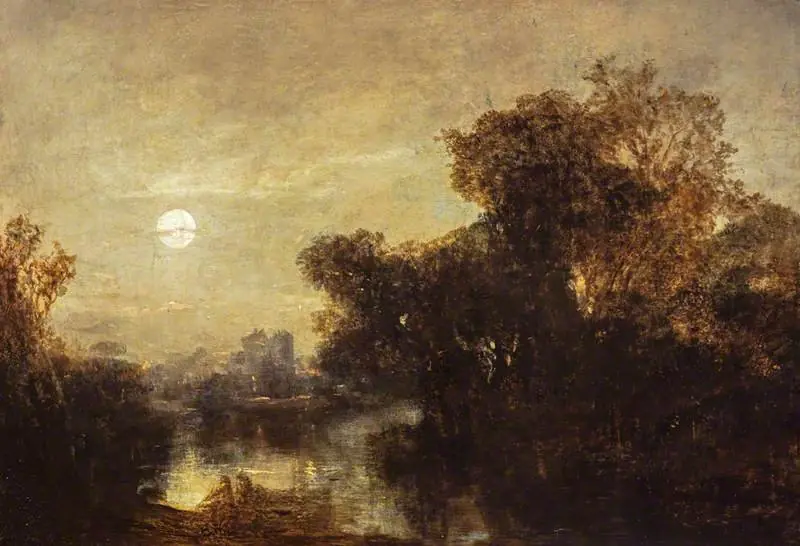 Moonlight, Blairlogie
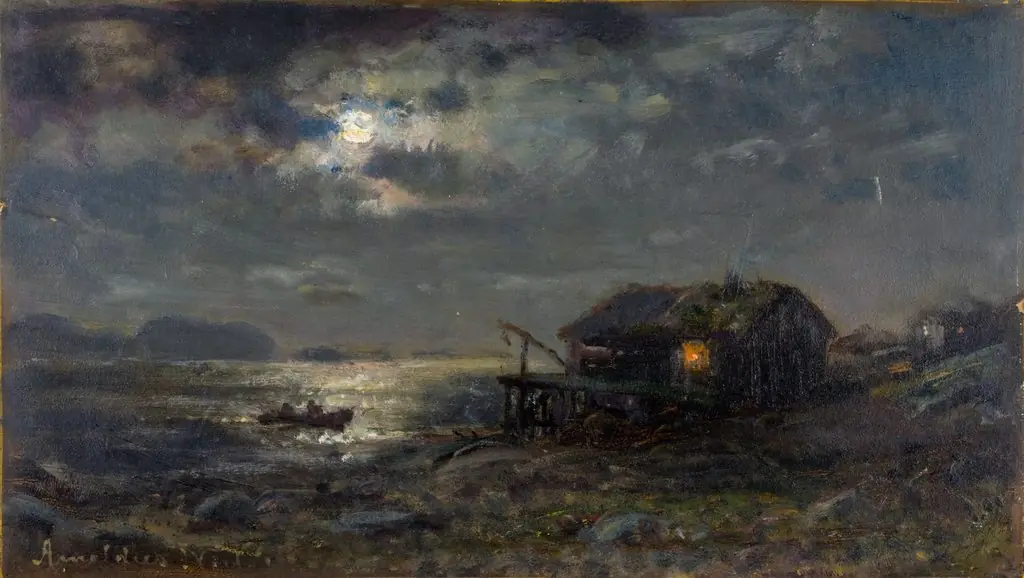 Måneskinn, Kinn
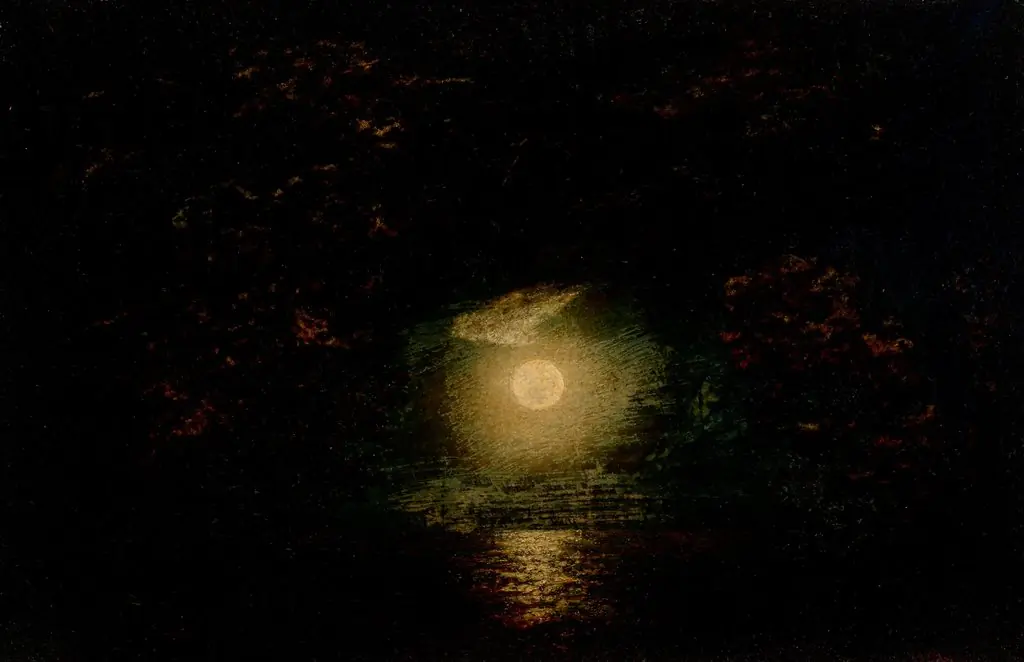 Moonlight
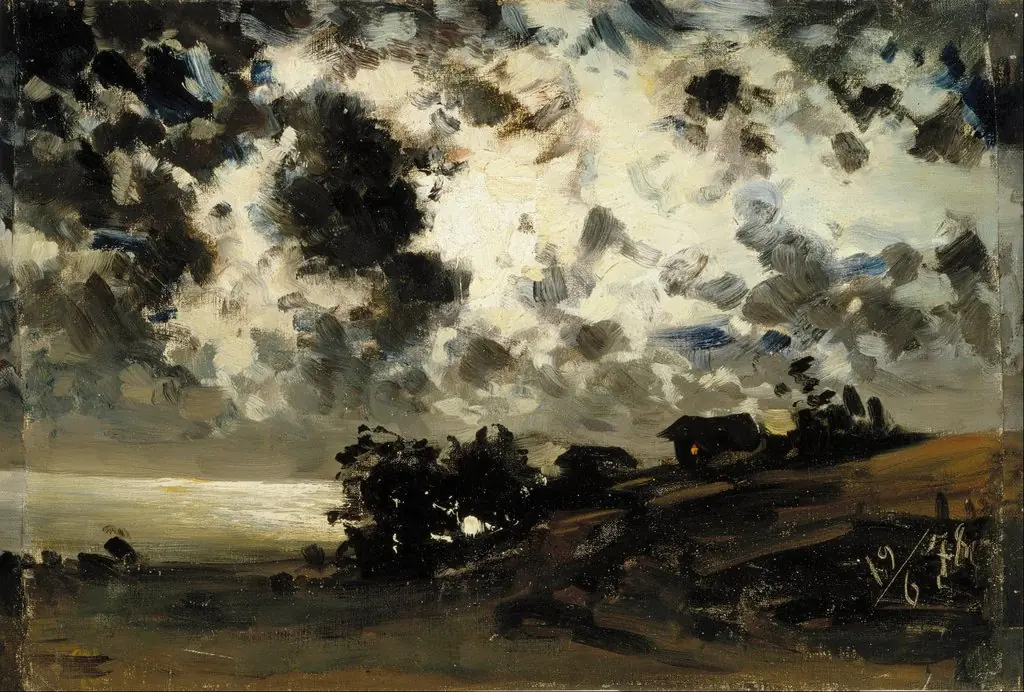 Moonlight, study
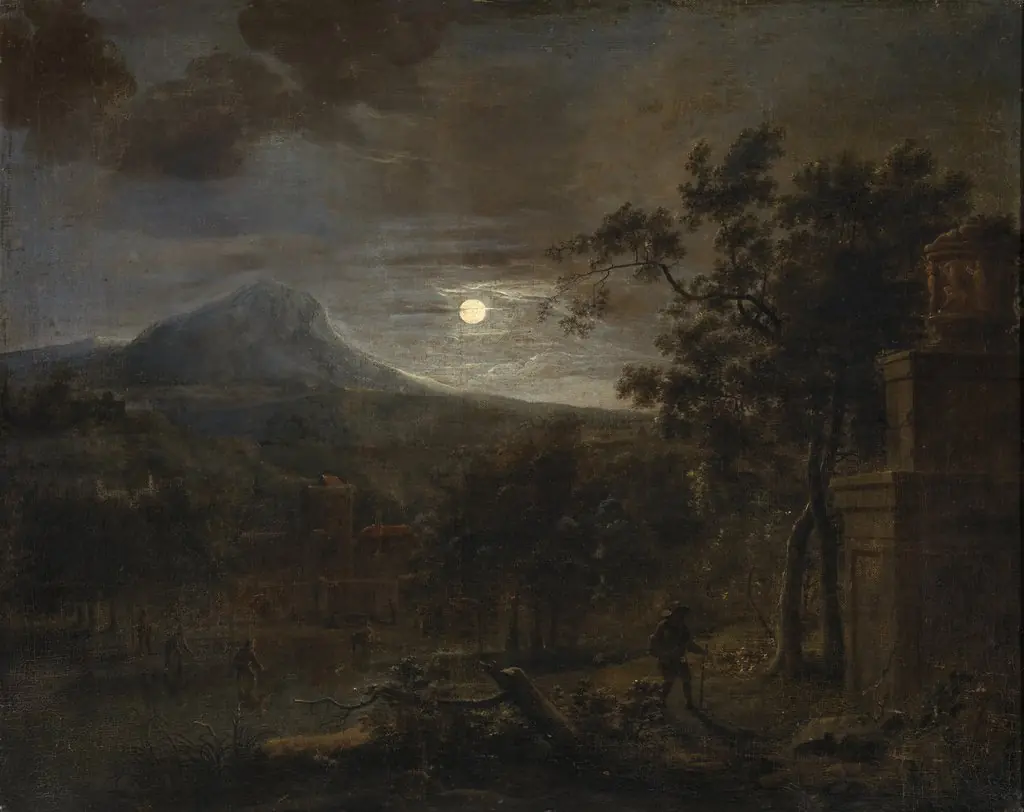 Night Scene with Poachers
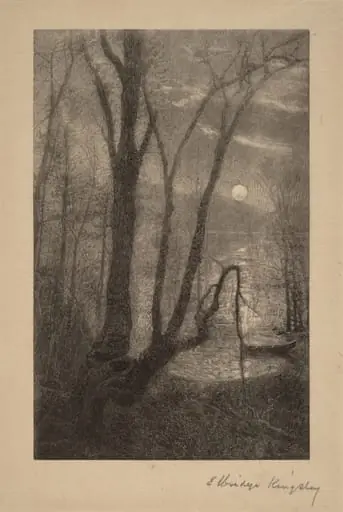 Summer by the Lakeside
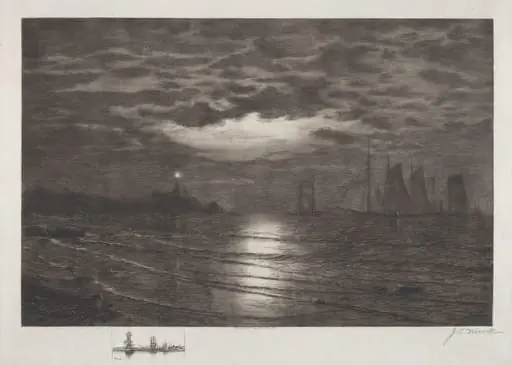 Ten Pound Island Gloucester
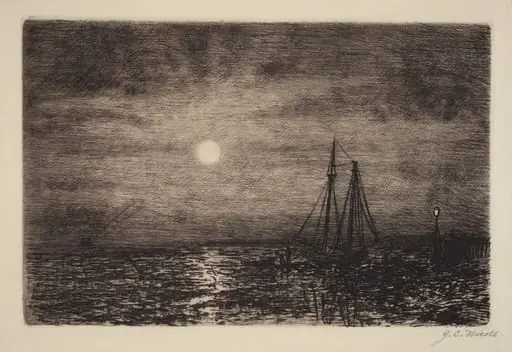 Moonlight at Low Tide
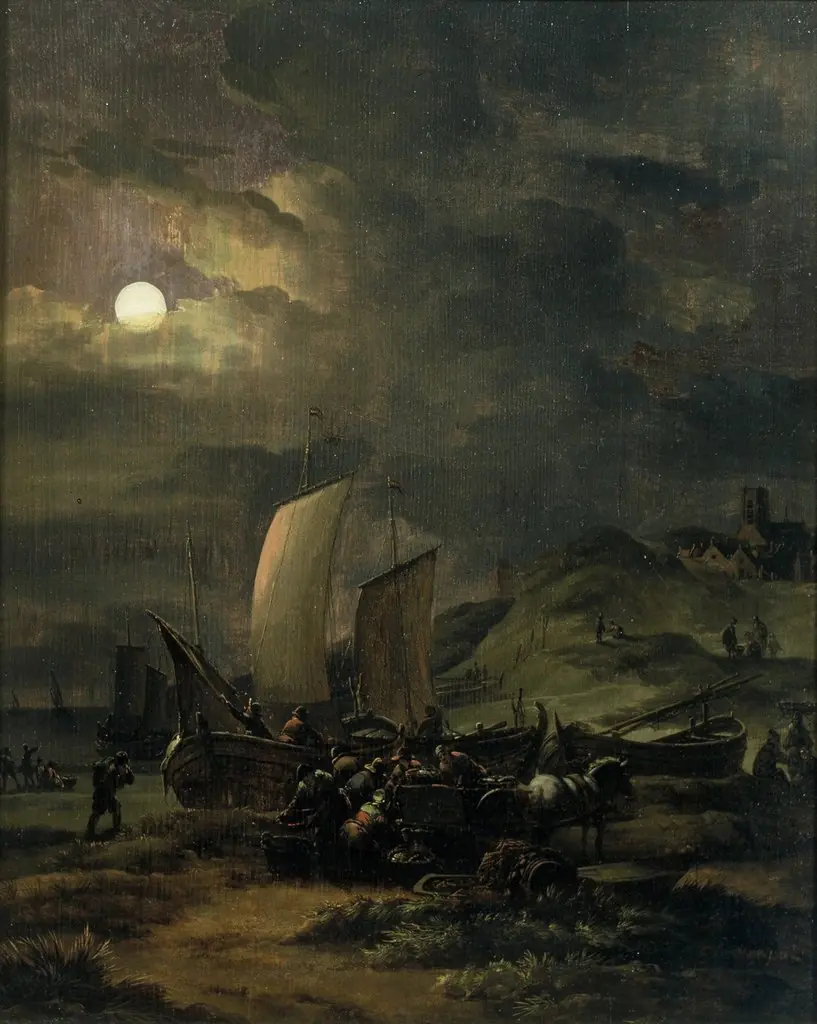 Fishing Boats on the Beach at Night
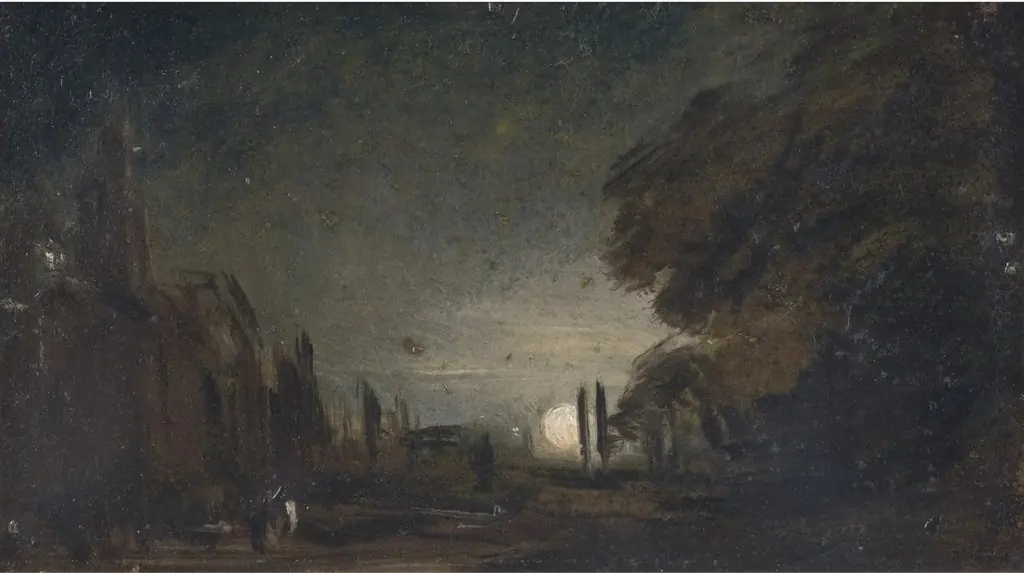 Rising Moon
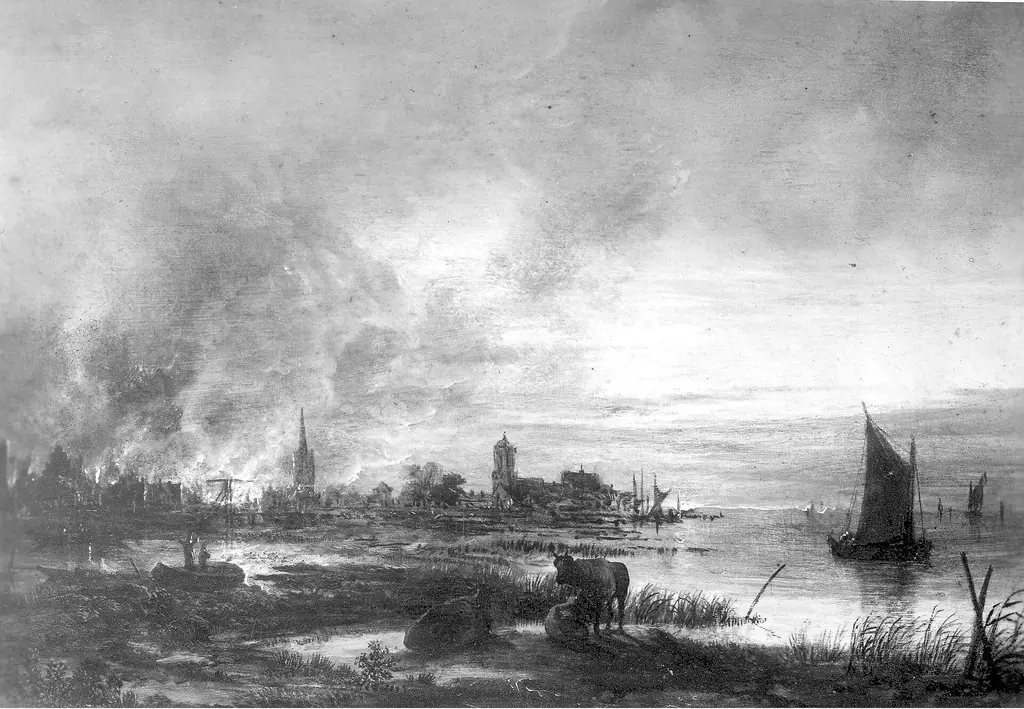 Fire in a town
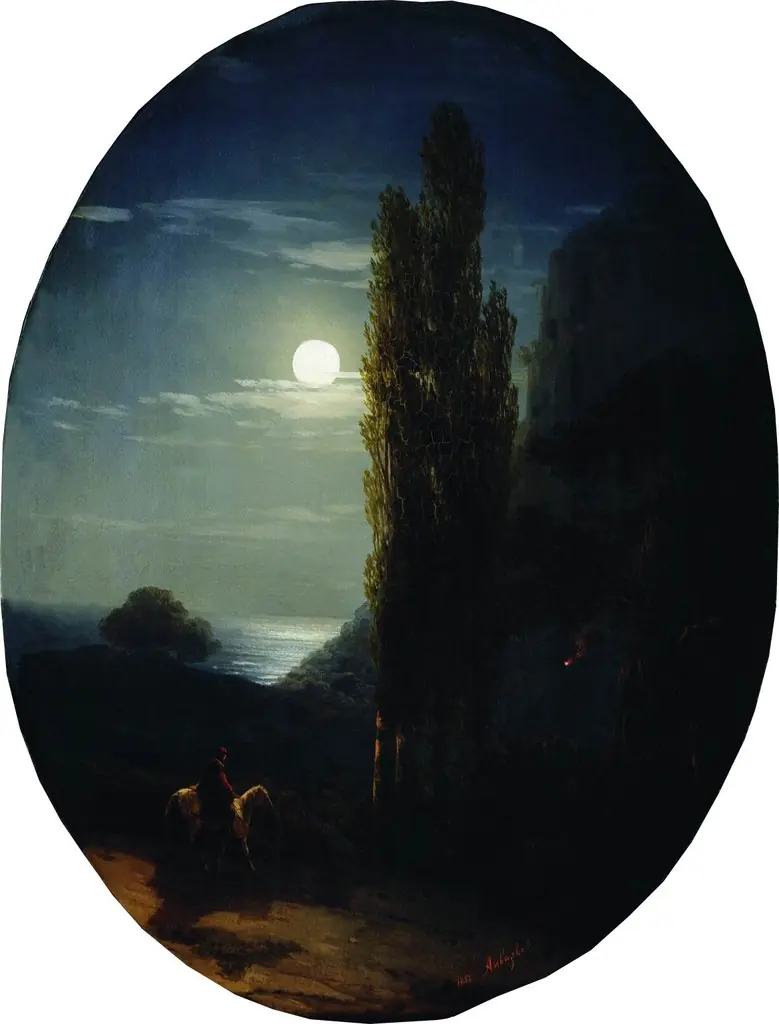 Moonlit Night (1958)
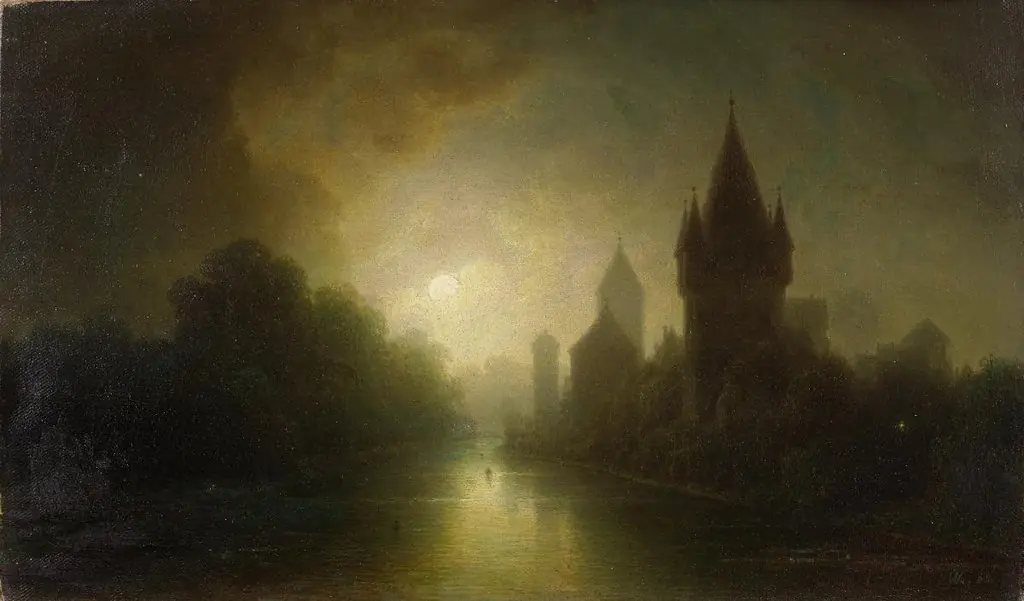 Mondscheinlandschaft
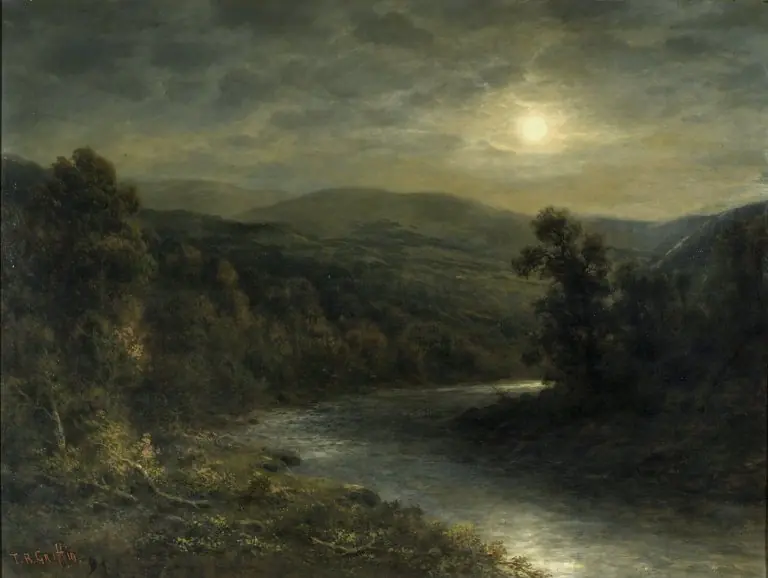 Moonlight on the Delaware River
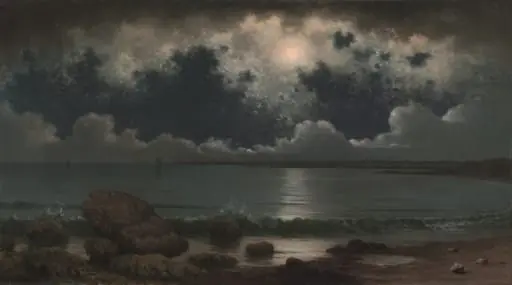 Point Judith, Rhode Island
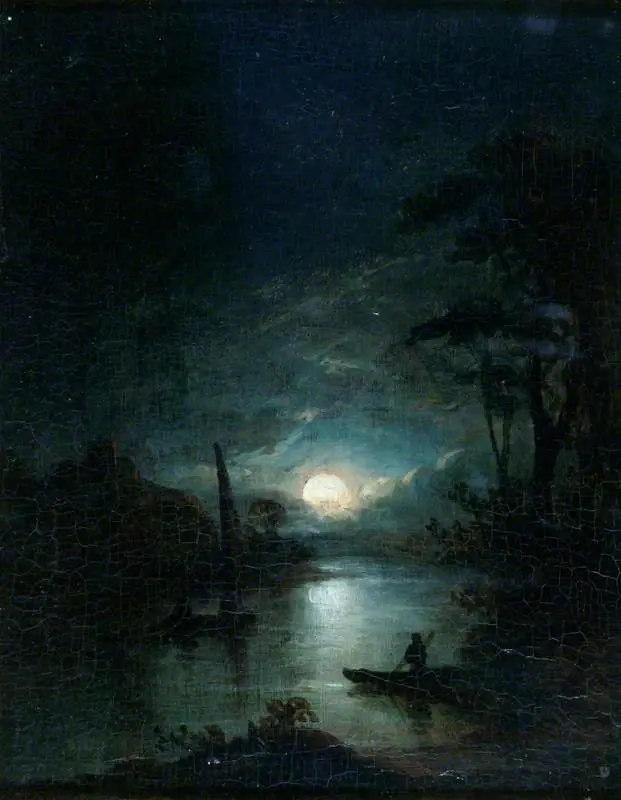 Moonlight: A Composition
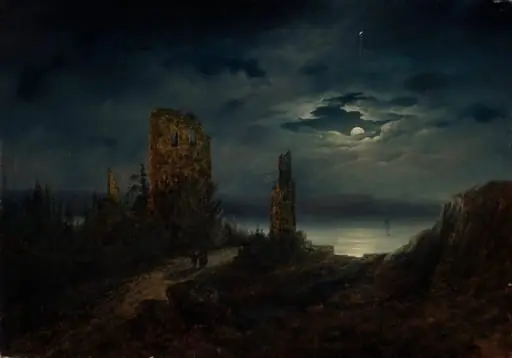 Stegeborgin linnan rauniot kuutamolla
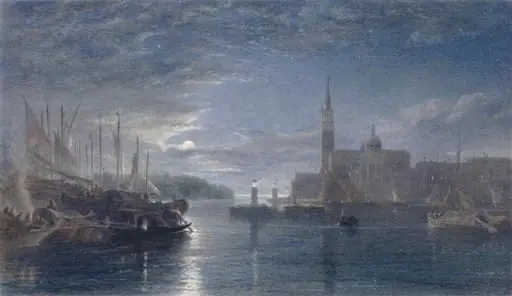 Island and church of S. Giorgio Maggiore, Venice
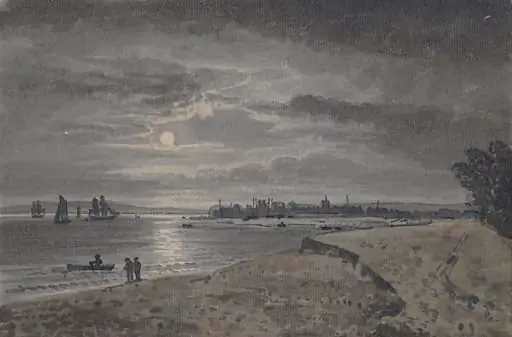 River scene
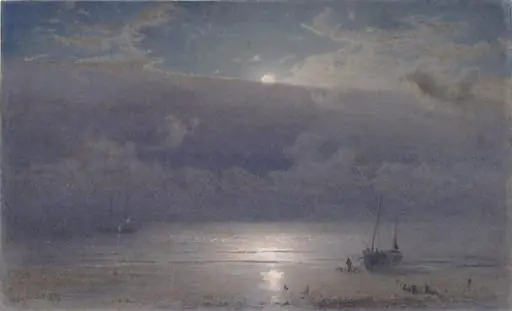 Off the Sussex Coast
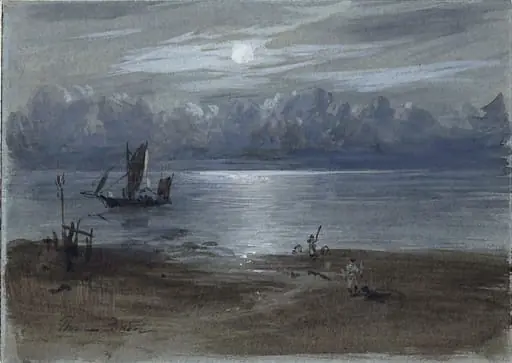 River Scene: Moonlight - A Sketch
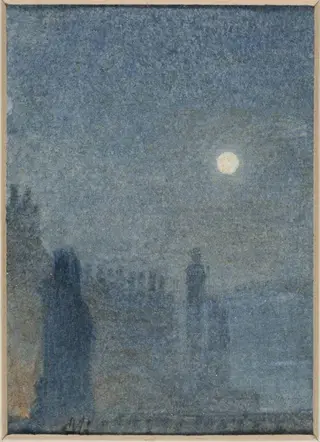 A Castle by Moonlight
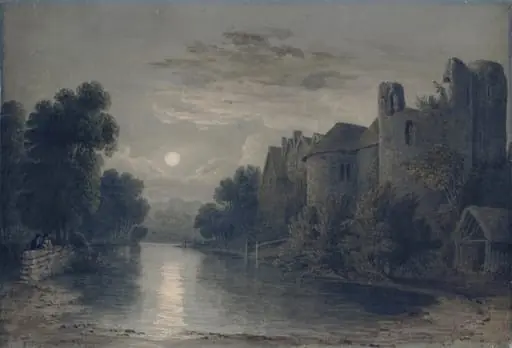 Allington Castle, near Maidstone, Kent. Moonlight
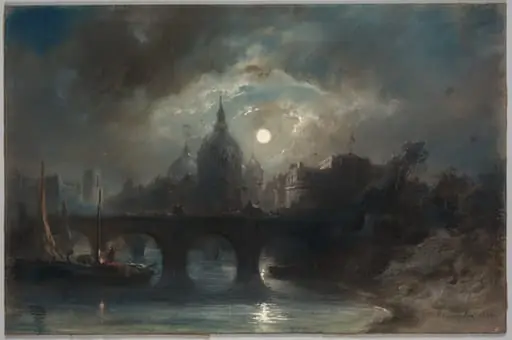 View of a City at Night
 Moonlight
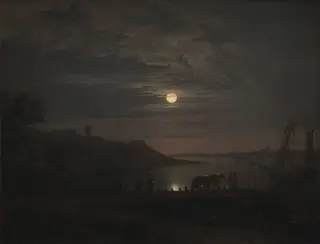 The Crossing over the Little Belt at Snoghøj. Moonrise
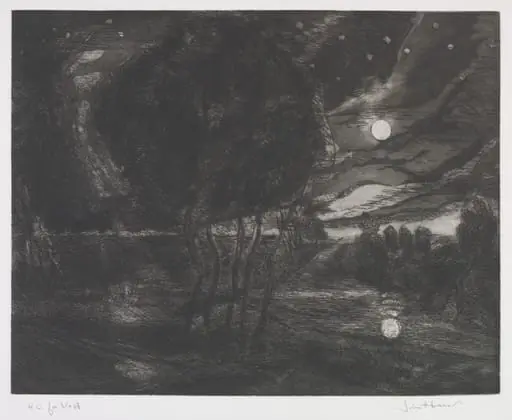 After Rubens No.2
Frequently asked questions
What is Moonlight?
Moonlight is a discontinued free and open source implementation for Linux and other Unix-based operating systems of the Microsoft Silverlight application framework, developed and then abandoned by the Mono Project.
How many Moonlight works does Artifact World Gallery have?
Artifact World Gallery holds 69 public-domain Moonlight works, all free to view and download.
Who are the key Moonlight artists?
Key Moonlight artists in the collection include William Trost Richards, Martin Johnson Heade and Caspar David Friedrich.
Where can I see Moonlight works?
Moonlight works in the collection are held by Victoria and Albert Museum, Statens Museum for Kunst and Cleveland Museum of Art.