Artwork
The Annunciation
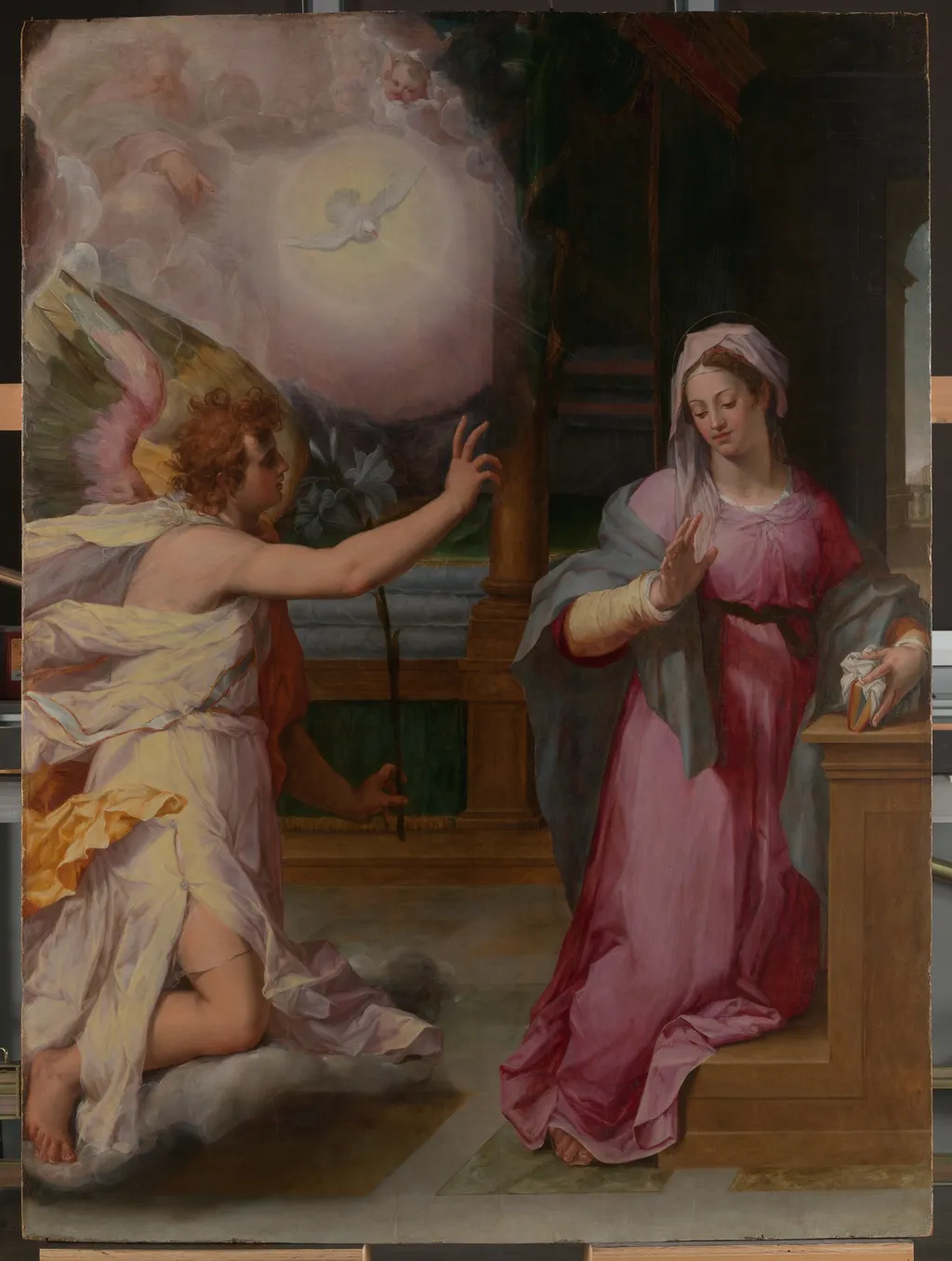
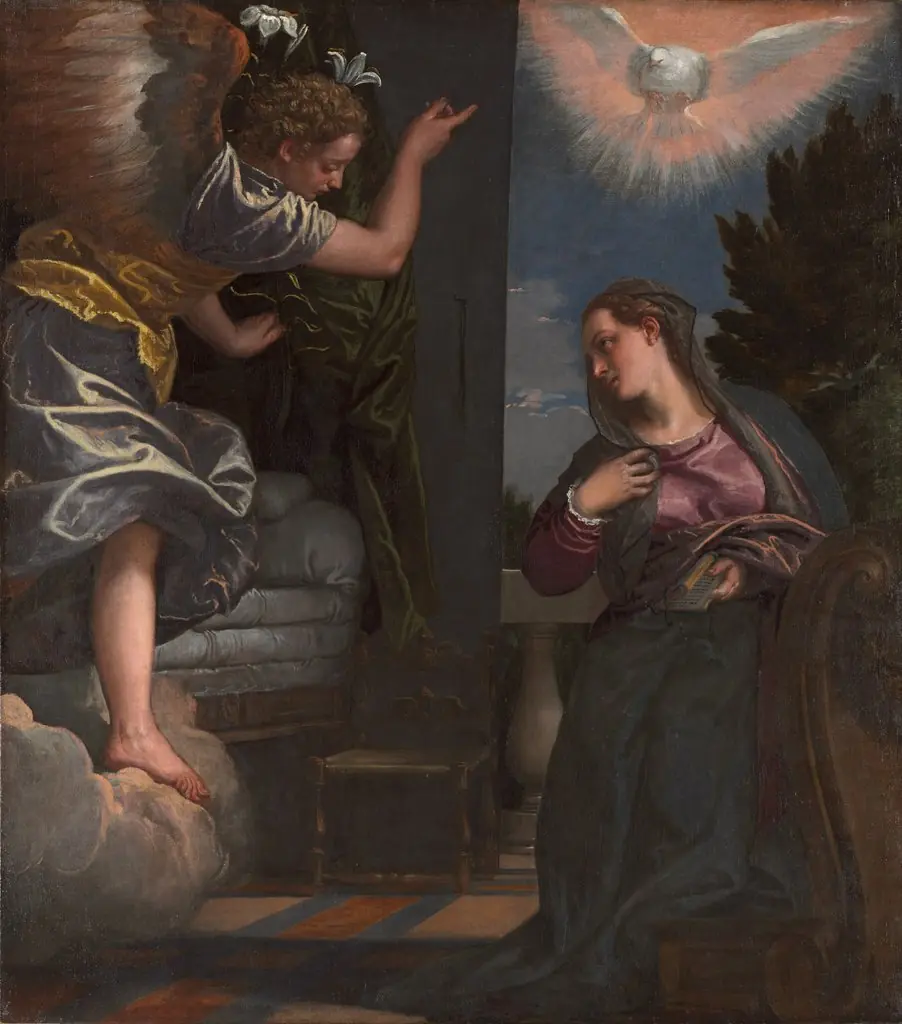
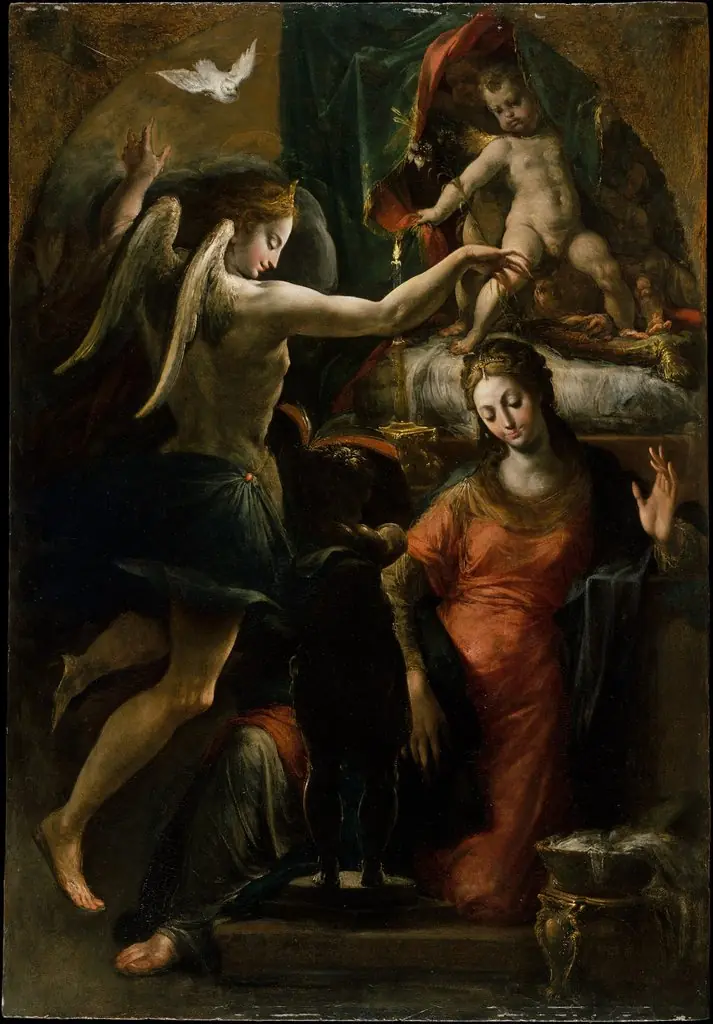
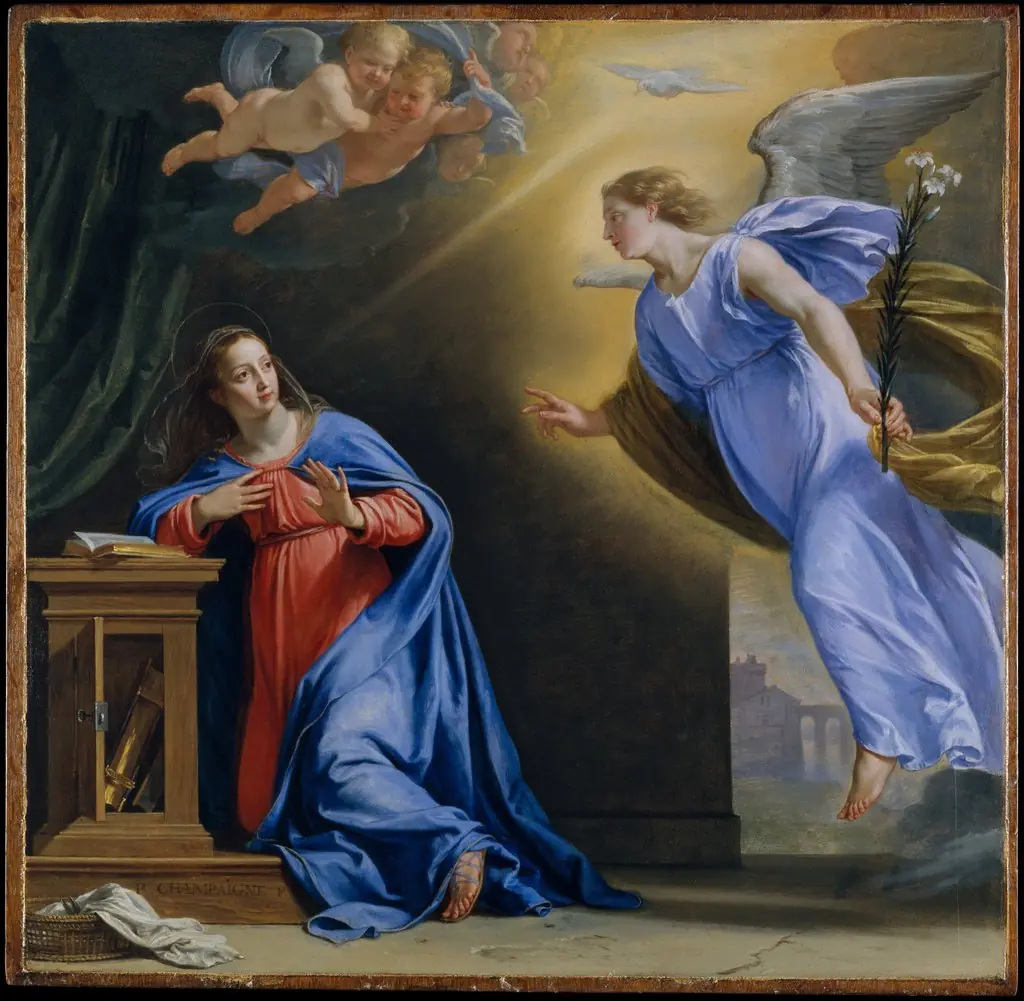
The Annunciation is an oil painting by the Mannerist artist Peter Candid. It dates from 1593 and is held in the collection of the Metropolitan Museum of Art.
About this work
Subject & Meaning
The iconographic program emphasizes the announcement of Christ's incarnation, combining narrative clarity with devotional symbolism.
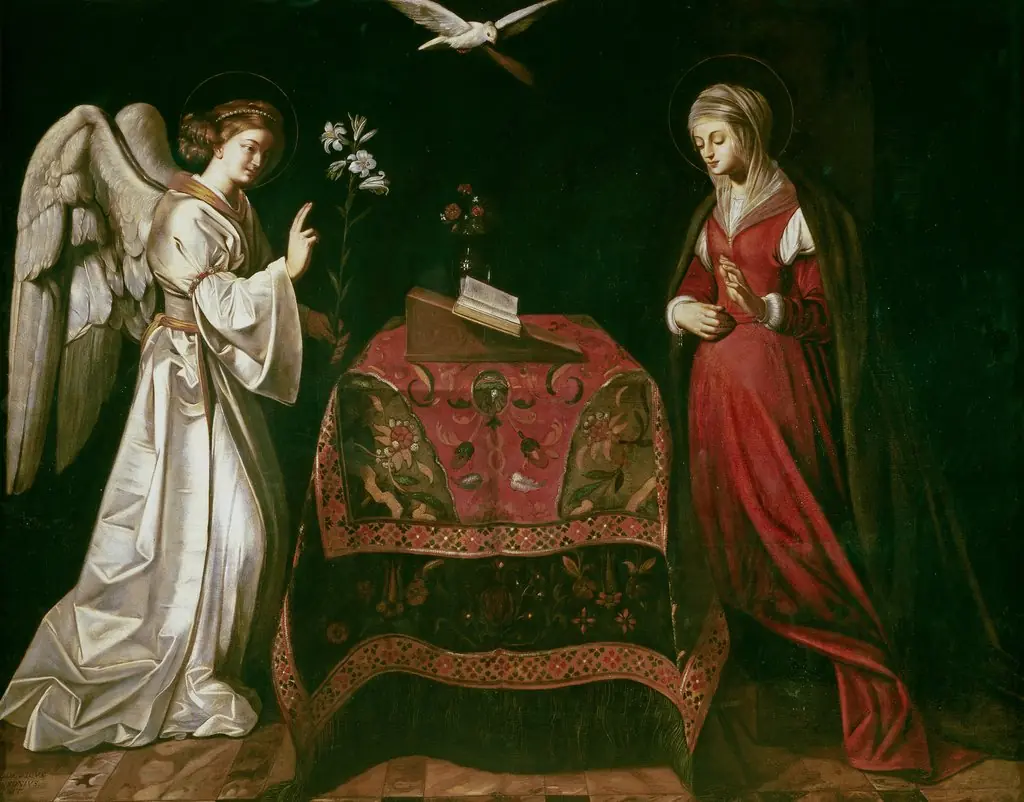
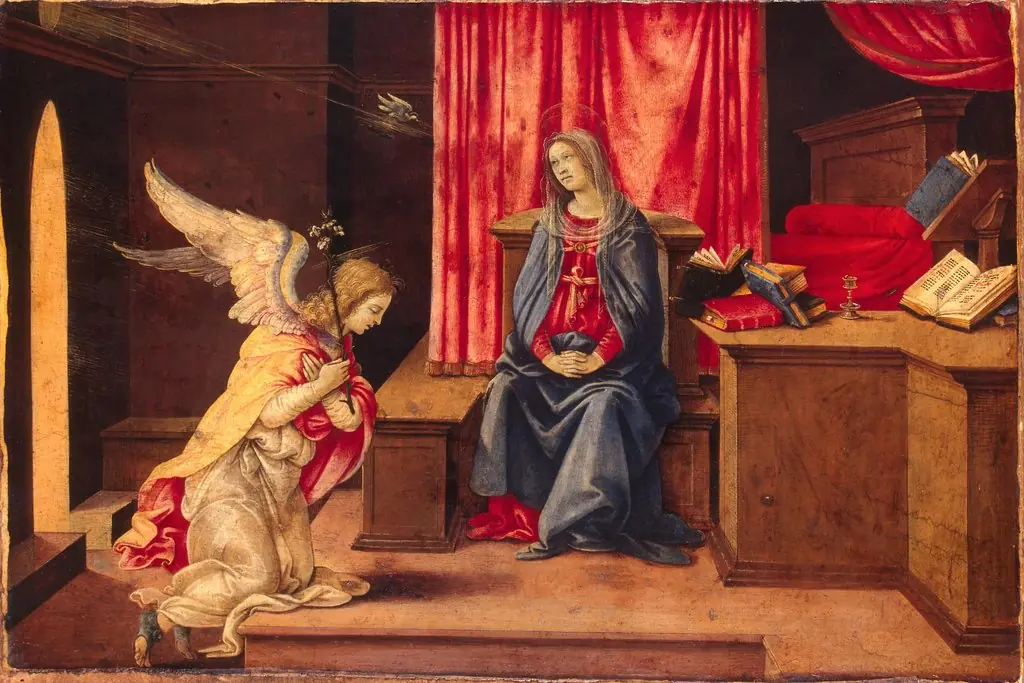
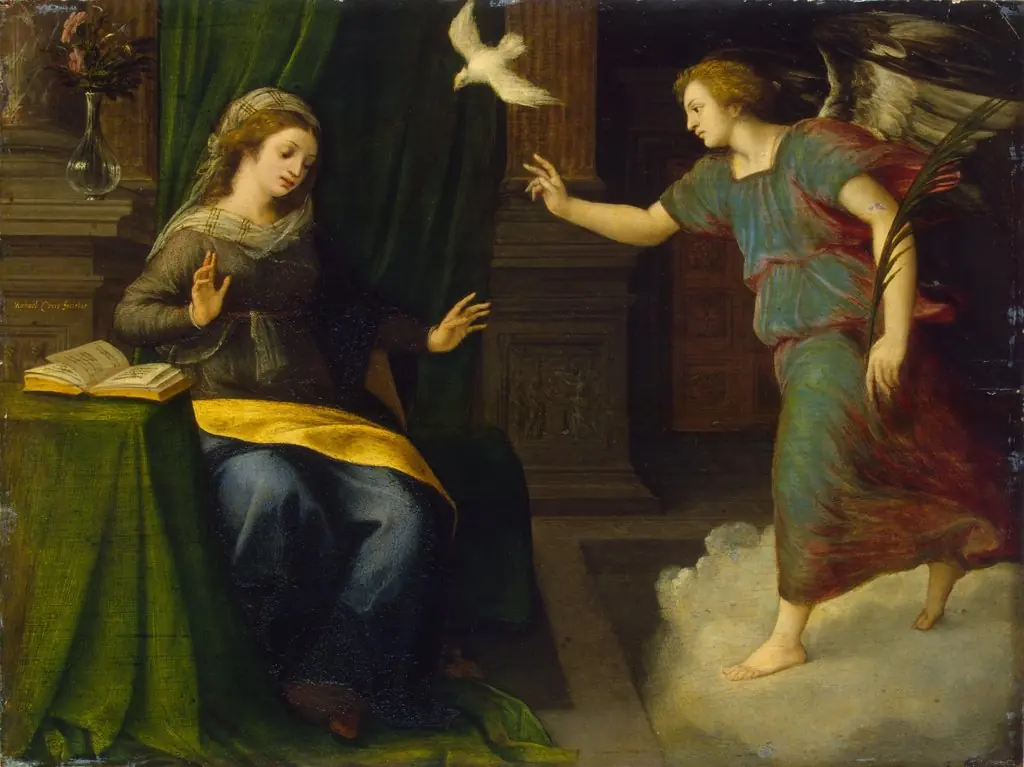
The painting portrays the biblical moment of the Annunciation, presenting the Virgin Mary alongside the Angel Gabriel; a dove, symbolizing the Holy Spirit, appears within the composition, underscoring the divine message. Executed in oil on wood panel in 1593, the work reflects the religious genre prevalent in Counter-Reformation art. It is housed in the Metropolitan Museum of Art, where it is catalogued as a religious painting. The iconographic program emphasizes the announcement of Christ's incarnation, combining narrative clarity with devotional symbolism.
Technique & Style
Executed in 1593 by Peter Candid, this religious painting depicts the Annunciation featuring the figures of Gabriel, Mary, and a dove. The work is created using oil paint applied to a wooden panel support. Physically, the composition is substantial in scale, measuring 231.8 centimeters in height and 173.3 centimeters in width.
As a piece classified within the painting genre, it utilizes the traditional materials of oil and panel common to the late sixteenth century.
History & Provenance
The painting titled The Annunciation was executed by Peter Candid in 1593 using oil on panel. The composition portrays the biblical moment of the Angel Gabriel announcing to the Virgin Mary. The artwork is held in the collection of the Metropolitan Museum of Art, where it remains on view as part of the institution's holdings of European religious works. No documentation of an earlier private ownership or commissioning details is specified in the available sources.
Context
Peter Candid's 1593 oil painting The Annunciation, housed in the Metropolitan Museum of Art, exemplifies the artist's focus on Counter-Reformation religious subjects. The work, documented in both scholarly catalogue entries and the museum's collection database, depicts the biblical moment of the angel Gabriel announcing to Mary, rendered in a composition typical of late-16th-century Italianate religious art. Its formal qualities and iconography have been cited in art-historical studies as indicative of Candid's synthesis of Flemish naturalism with Italianate dynamism, positioning the piece within the broader trajectory of Catholic visual propaganda during the late Renaissance.
Overview
Peter Candid, a Flemish artist active across Europe, completed The Annunciation in 1593. This oil painting depicts the pivotal biblical moment when the Archangel Gabriel informs the Virgin Mary of her divine pregnancy. Candid, also known as Pietro Candido during his time in Italy, worked for prominent courts, including the Medici in Florence.
The work exemplifies his Mannerist approach to religious narrative, characterized by dramatic composition and expressive figures. It is now held in the collection of The Metropolitan Museum of Art.
Own this work as a print
Artist & collection
Artist
Peter de Witte, known in Italy as Pietro Candido and in Bavaria as Peter Candid (c.