Artwork
Henry, Duke of Gloucester
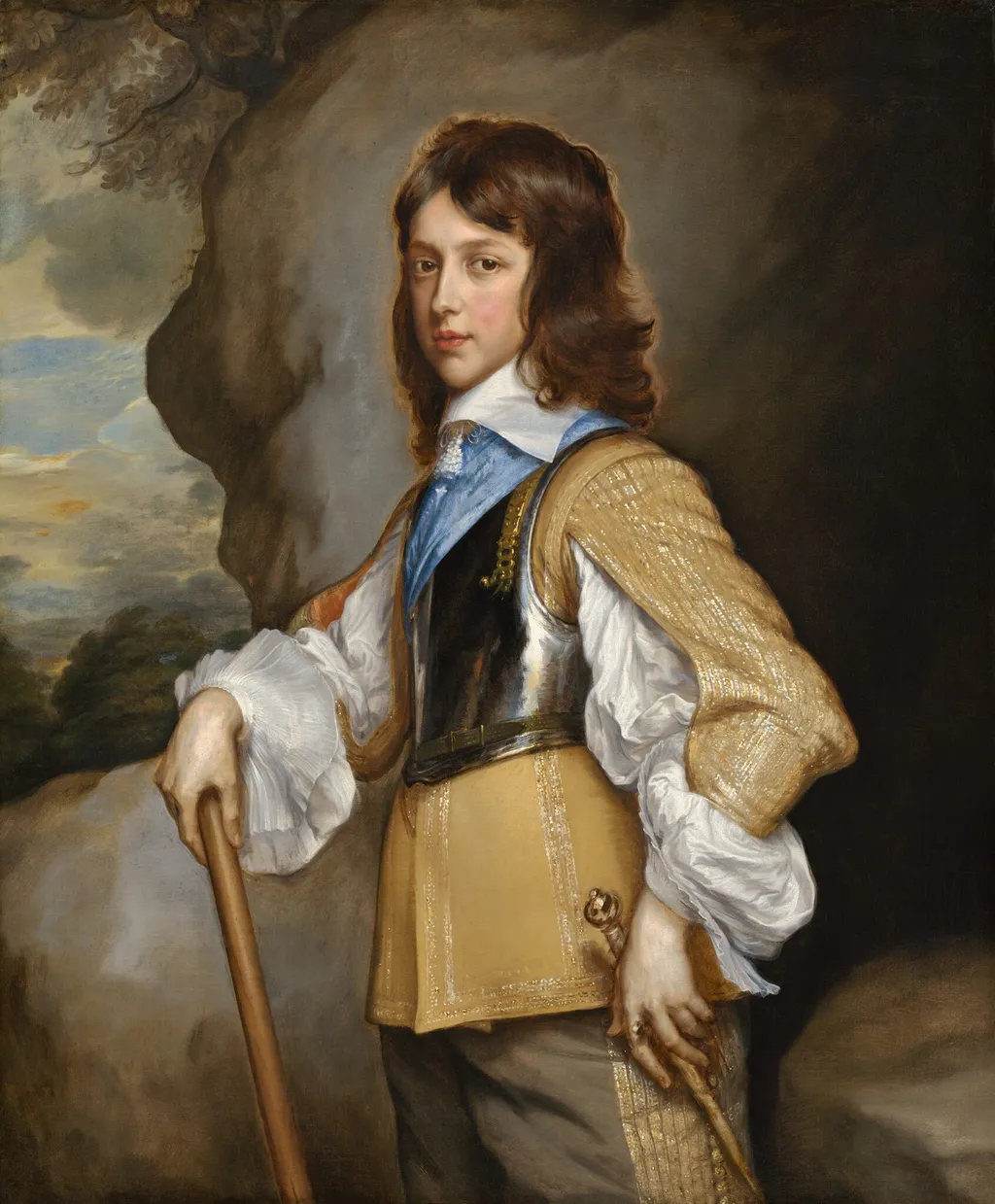
Henry, Duke of Gloucester is an oil painting by the Baroque artist Adriaen Hanneman. It dates from 1653 and is held in the collection of the National Gallery of Art.
About this work
Subject & Meaning
Henry is shown in three-quarter view, dressed in sumptuous court attire, likely a richly embroidered doublet and lace collar, reflecting his noble rank.
Adriaen Hanneman’s 1653 portrait depicts Henry Stuart, Duke of Gloucester (1640–1660), the youngest son of King Charles I of England. The iconography follows the conventions of aristocratic Baroque portraiture, emphasizing the sitter’s royal lineage and status. Henry is shown in three-quarter view, dressed in sumptuous court attire, likely a richly embroidered doublet and lace collar, reflecting his noble rank.
The restrained yet dignified pose, combined with the subdued palette, conveys both youthful innocence and regal authority. Symbolically, the portrait serves as a dynastic assertion, reinforcing the Stuarts’ legitimacy during a period of political turmoil following the English Civil War. By capturing Henry’s likeness, the work preserves the memory of the royal family amid exile and upheaval, underscoring his role as a potential heir to the throne.
Technique & Style
The portrait of Henry, Duke of Gloucester is executed in oil on canvas, a standard medium for seventeenth-century court portraits. Hanneman renders the sitter with smooth, blended brushwork that closely follows the stylistic conventions of Anthony van Dyck, whose influence is evident in the refined modeling of the face and the delicate handling of costume details. The three-quarter-length format and restrained palette align with contemporary Dutch and Flemish portrait practices.
No specific condition report is provided in the cited sources, though the painting’s provenance through the Hermitage and later acquisition by the National Gallery of Art suggests careful conservation history. The composition emphasizes the duke’s aristocratic bearing through controlled lighting and a subdued yet rich color scheme.
History & Provenance
Painted in 1653 by Adriaen Hanneman, this oil-on-canvas portrait depicts Henry Stuart, Duke of Gloucester. The work's provenance begins with Count Heinrich von Brühl of Dresden, whose heirs retained it until 1769. It subsequently entered the collection of Catherine II of Russia in Saint Petersburg, where it remained in the Imperial Hermitage Gallery.
In November 1930, the painting was acquired by Andrew W. Mellon through a consortium of dealers including Matthiesen Gallery, P. & D. Colnaghi & Co., and M. Knoedler & Co., initially attributed to Sir Anthony van Dyck. Mellon deeded the piece to the A.W. Mellon Educational and Charitable Trust on March 30, 1932, before it was gifted to the National Gallery of Art in 1937.
The portrait Henry, Duke of Gloucester (1653) by Adriaen Hanneman is held in the National Gallery of Art in Washington, D.C., where it forms part of the Andrew W. Mellon collection. The painting’s accession number is not explicitly documented in available records, but it was formally gifted to the institution in 1937 by The A.W. Mellon Educational and Charitable Trust, following its acquisition in 1930. Prior to this, the work resided in the Imperial Hermitage Gallery, Saint Petersburg, from at least the late eighteenth century until its sale.
The portrait has been exhibited as part of the National Gallery of Art’s permanent collection, though specific temporary exhibition history is not detailed in the sources.
Context
Adriaen Hanneman’s Henry, Duke of Gloucester (1653) occupies a nuanced position in the scholarship on seventeenth-century portraiture, reflecting both the artist’s engagement with Van Dyck’s stylistic legacy and the political complexities of the Stuart exile. Initially misattributed to Van Dyck upon its acquisition by Andrew Mellon in 1930 (1), the work’s reattribution to Hanneman underscored his role as a key interpreter of Van Dyck’s courtly idiom during the Interregnum. Scholars have since situated the portrait within Hanneman’s broader oeuvre, which adapted Van Dyck’s elegance for Dutch patrons while navigating the diminished status of the exiled Stuart court (1).
The painting’s provenance, spanning Saxon aristocracy, Russian imperial collections, and American philanthropy, further highlights its dual identity as both a dynastic artifact and a commodity in the transnational art market. Its inclusion in the National Gallery of Art’s Mellon collection has cemented its place in studies of Anglo-Dutch artistic exchange, though it remains less canonical than Van Dyck’s own Stuart portraits.
Overview
This oil on canvas painting, titled Henry, Duke of Gloucester, was created by Adriaen Hanneman around 1653. It depicts Henry Stuart, a member of the British royal family, during the mid-17th century. The work exemplifies the portraiture prevalent during the Dutch Golden Age, a period when Hanneman was a prominent artist. The painting offers a visual record of a significant figure from a turbulent historical era.
Own this work as a print
Artist & collection

Artist
Adriaen Hanneman (c. 1603 – buried 11 July 1671) was a Dutch Golden Age painter best known for his portraits of the exiled British royal court. His style was strongly influenced by his contemporary, Anthony van Dyck.

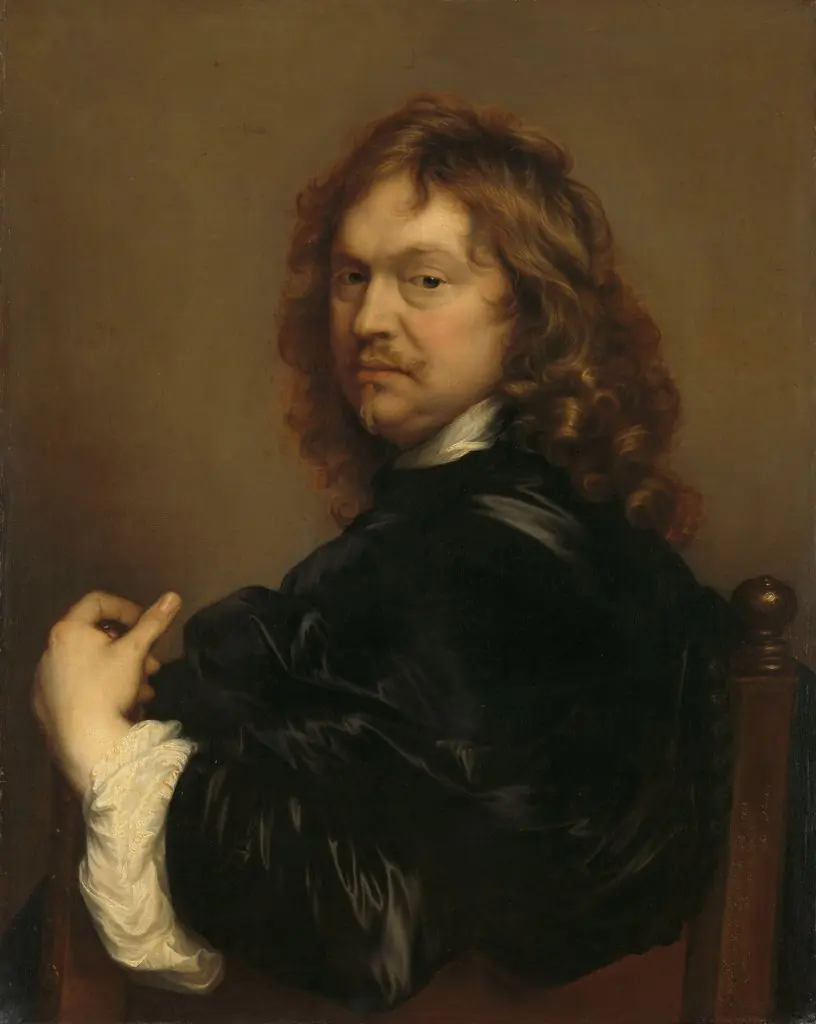
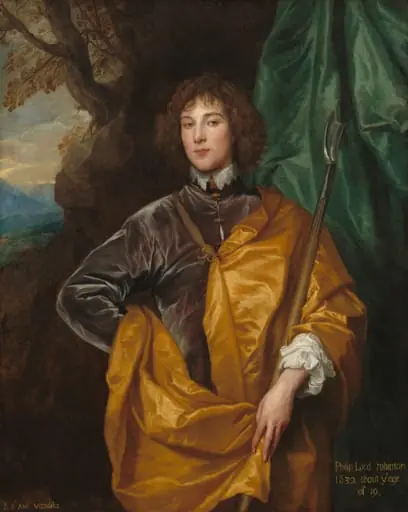
- Philip, Lord Wharton
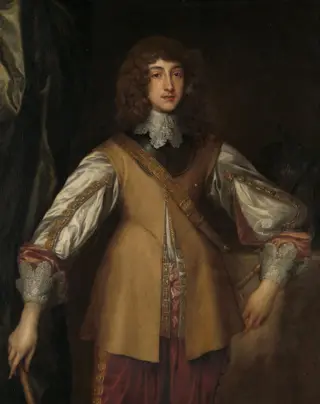 Portrait of Rupert (1619-1682), Prince-Palatine of the Rhine, in Combat Dress
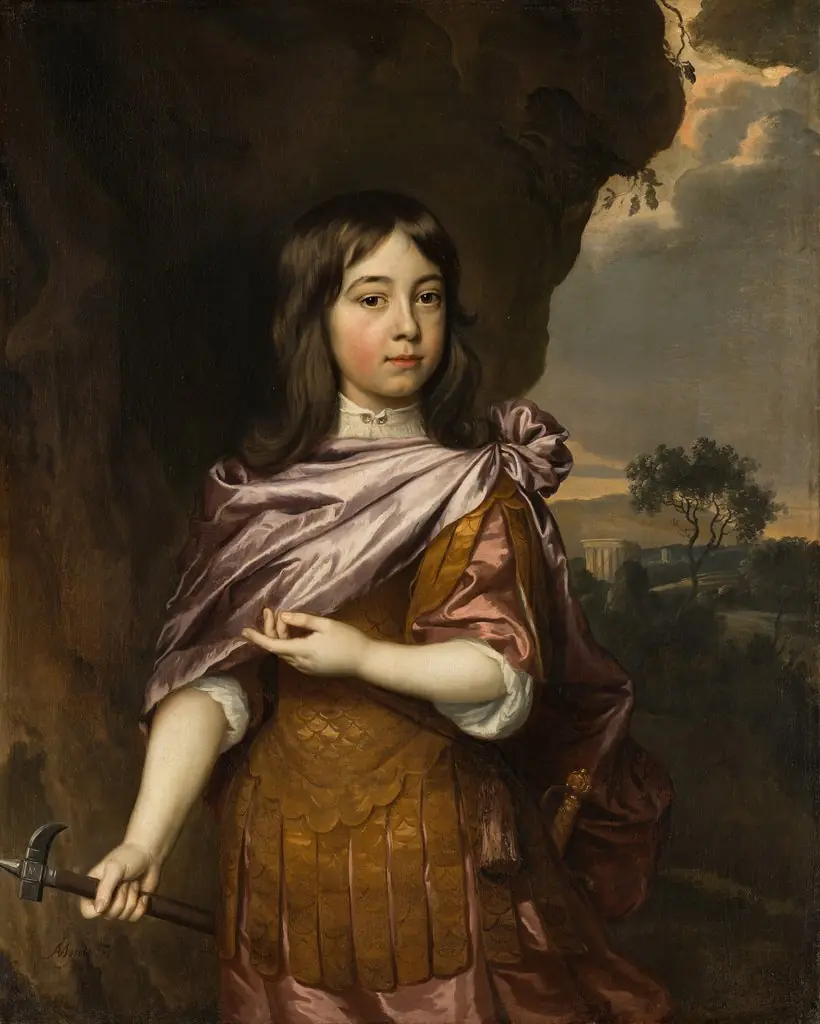 Portrait of Wolfert van Brederode
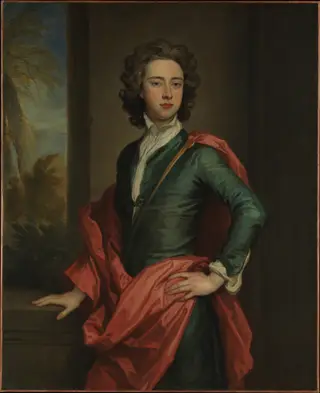 Charles Beauclerk (1670–1726), Duke of St. Albans
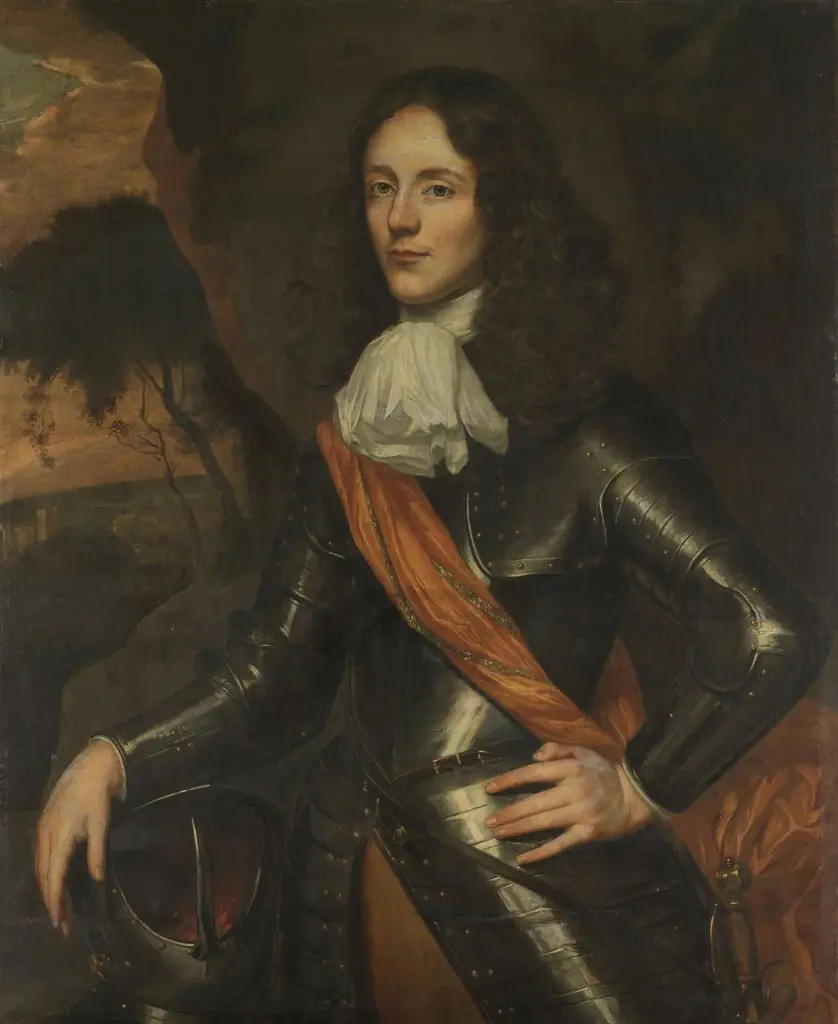 A military officer
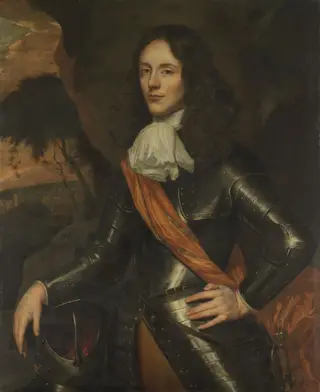 Portrait of James, 4th Lord Cranstoun (in or after 1643-85/88)
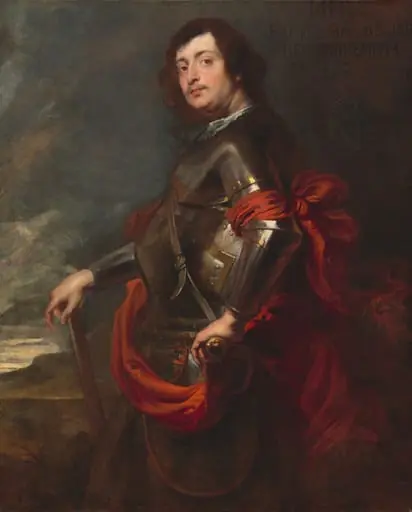 The Prefect Raffaele Raggi
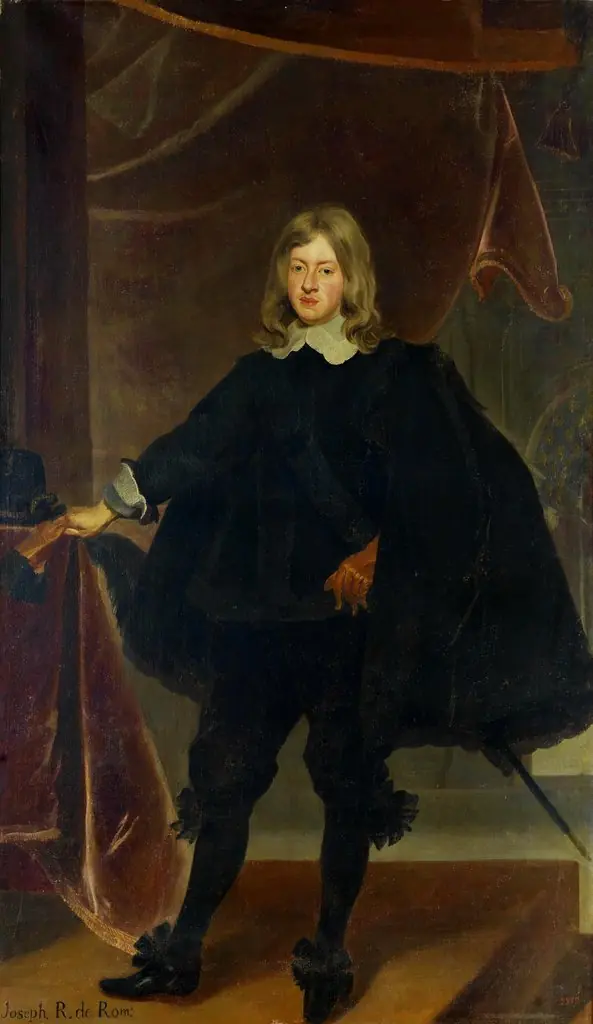 Ferdinand IV, King of the Romans
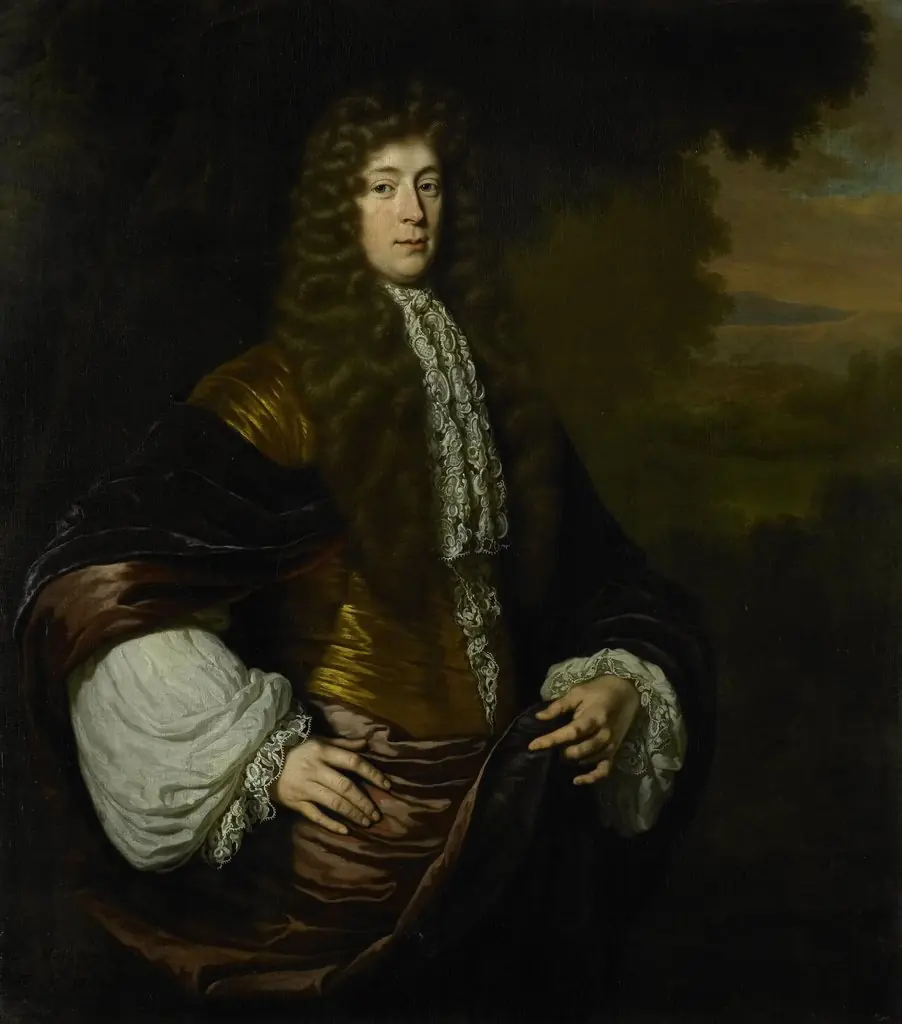 Portrait of Hendrick Bicker (1649 - 1718), burgomaster of Amsterdam
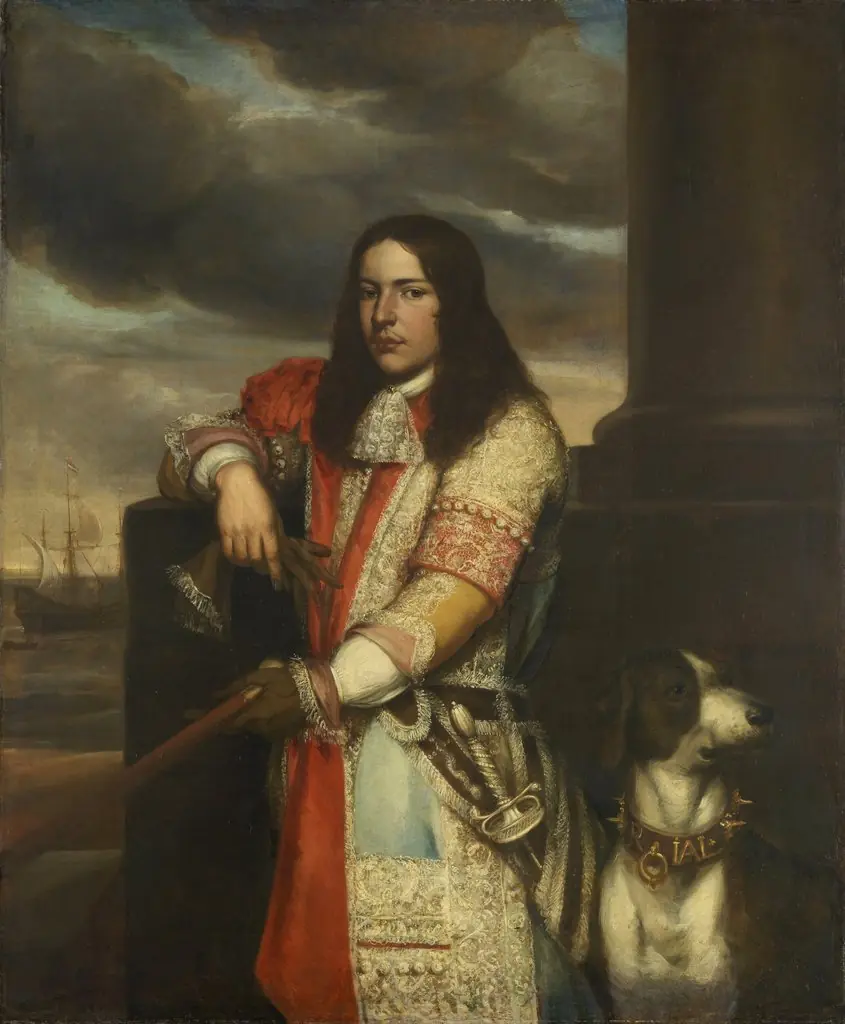 Portrait of Engel de Ruyter (1649-83), Vice-admiral and son of Michiel Adriaensz de Ruyter
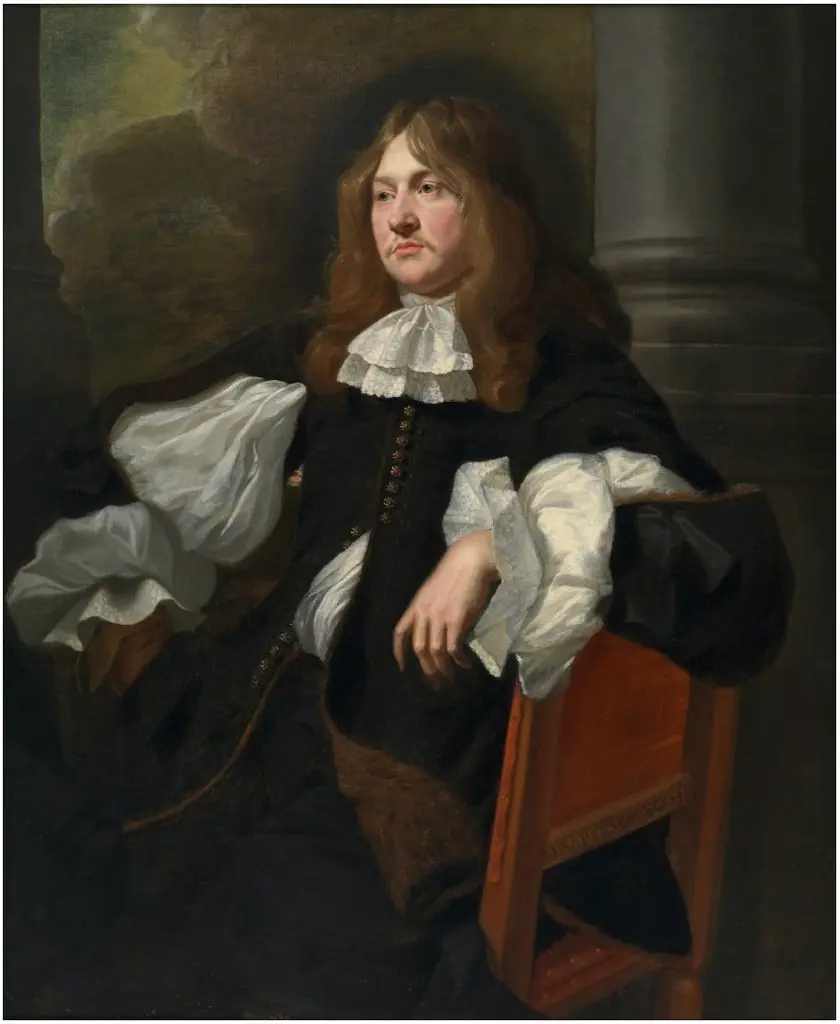 Portrait of Edward Hyde
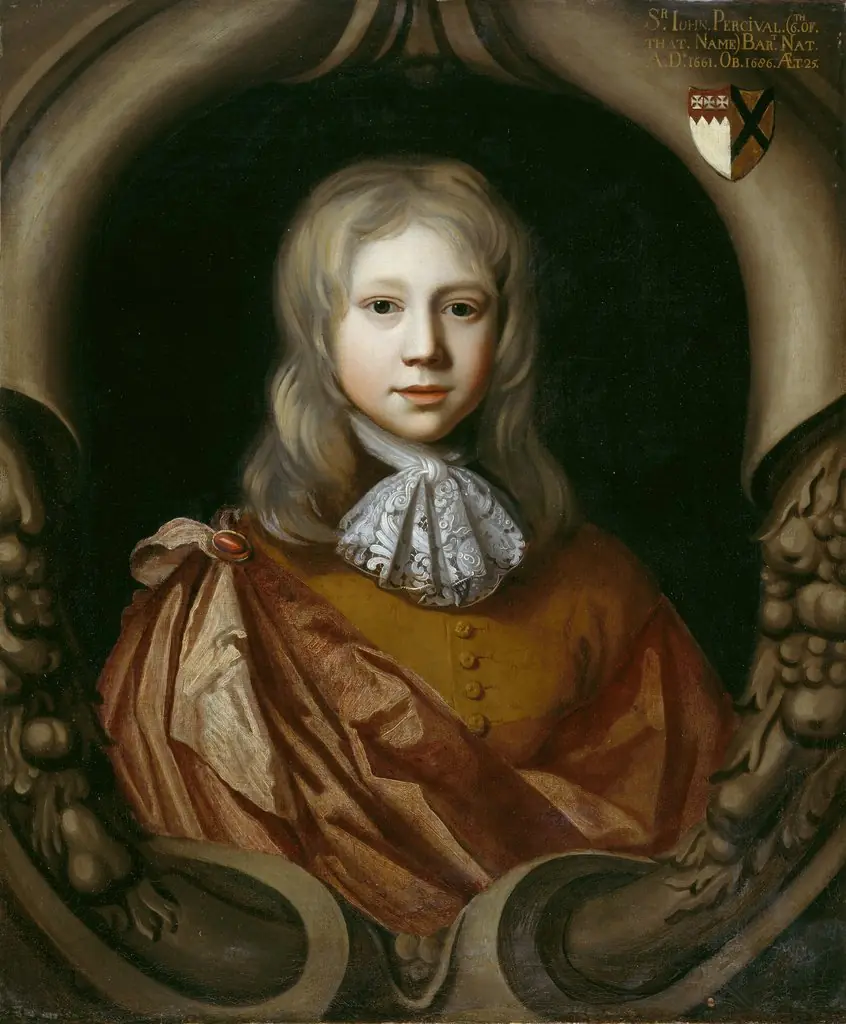 Portrait of Sir John Perceval, 3rd Bt (1660-1686)