Artwork
Three Persons Viewing the Gladiator by Candlelight
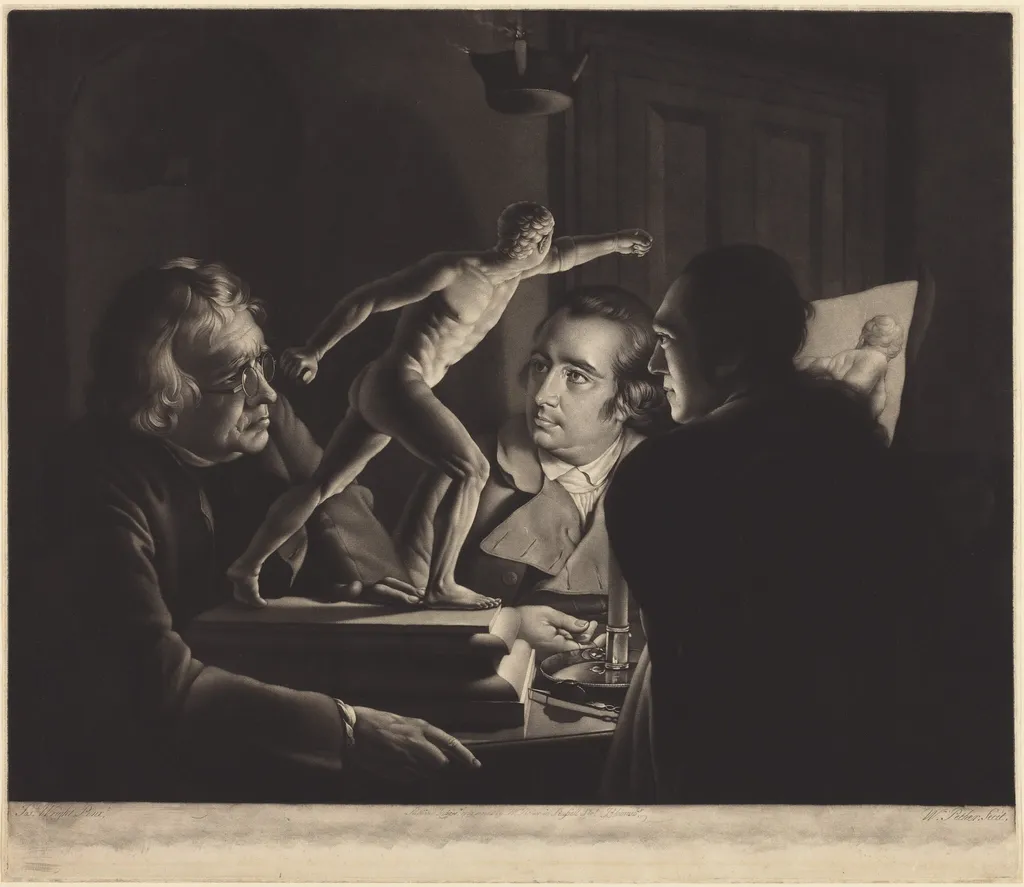
Three Persons Viewing the Gladiator by Candlelight is an ink print by the Romanticist artist William Pether. It dates from 1769 and is held in the collection of the National Gallery of Art.
- Inscription
- Inscribed:lower left in plate: Josh. Wright, Pinxt,; lower center in plate: Published July 10th, 1769, sold by W. Pether in Russell Strt, Bloomsby; lower right in plate: W. Pether, fecit; by later hand, lower left in gr.: 4094 400; by later hand, lower center verso in graphite: Clayton 3 / exhibited Tate 1990 / P 2819
About this work
Overview
William Pether’s 1769 mezzotint, titled Three Persons Viewing the Gladiator by Candlelight, captures a nocturnal study scene. Rendered in the tonal richness of mezzotint on laid paper, the print presents three gentlemen gathered around a table illuminated solely by a candle, their attention fixed on a classical statue.
Subject & Meaning
The central focus is a marble-like gladiator sculpture, shown in a dynamic pose with an arm extended as if ready to hurl a weapon. The three observers, dressed in dark clothing, one wearing spectacles and the others in period wigs, convey a scholarly atmosphere of art appreciation and anatomical inquiry.
Technique & Style
Pether employs the mezzotint process to achieve deep chiaroscuro, allowing the candle’s glow to carve out luminous highlights against pervasive shadows. The gradations of tone render the texture of the stone figure and the reflective surfaces of the men’s attire, emphasizing the intimate, contemplative mood.
History & Provenance
Created in 1769, the print reflects the eighteenth‑century fascination with classical antiquity and the rise of private connoisseurship. While specific ownership records are scarce, the work is documented in catalogues of Pether’s prints and has been held in several European print collections.
Context
During the mid‑1700s, British artists and collectors increasingly turned to classical subjects for study, often reproducing sculptures in prints for educational purposes. Pether’s depiction aligns with this trend, illustrating how candlelit gatherings served as informal academies for gentlemen interested in art and antiquities.
Legacy
The mezzotint stands as an example of how printmaking could convey atmospheric lighting and scholarly engagement before the advent of photography. It continues to be referenced in discussions of eighteenth‑century visual culture and the dissemination of classical motifs through reproducible media.
Own this work as a print
Artist & collection


 The Alchymist, in Search of the Philosopher's Stone, Discovers Phosphorus, and Prays for the Successful Conclusion of his Operation, as was the Custom of the Ancient Chymical Astrologers
 The Royal Academy of Arts
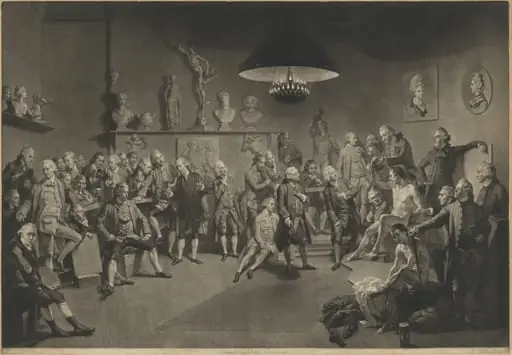 The Royal Academy of Arts
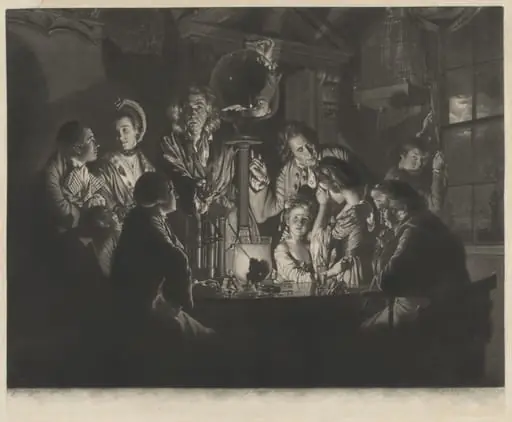 A Philosopher Shewing an Experiment on the Air Pump
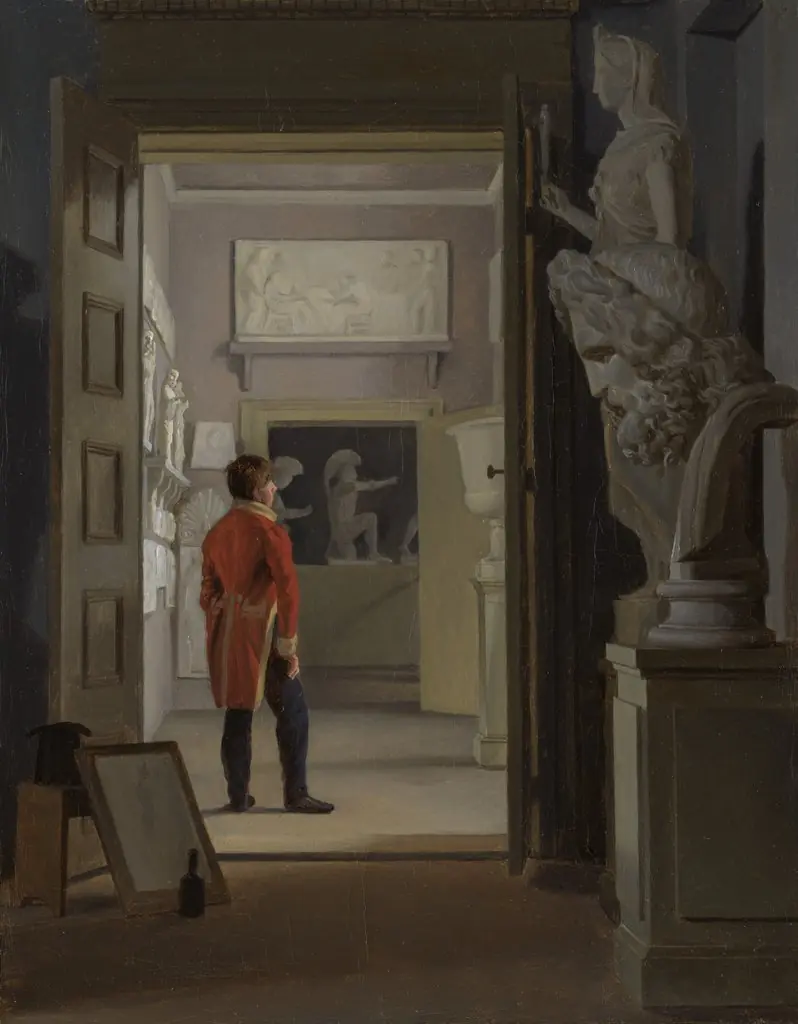 The Hall of Antiquities at Charlottenborg Palace, Copenhagen
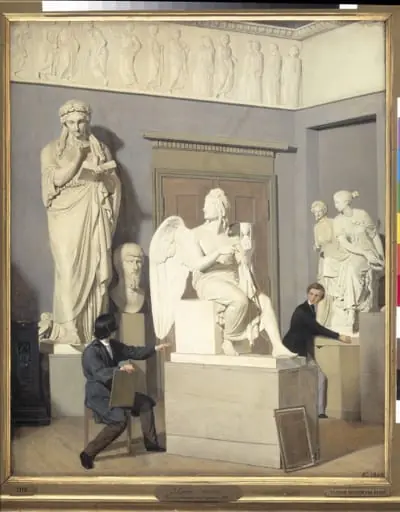 The Plaster Cast Collection in the Royal Academy of Fine Arts
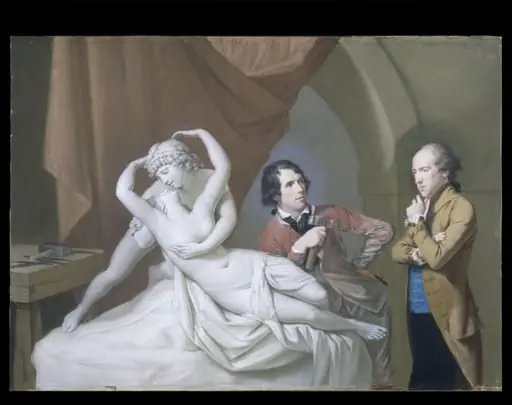 Antonio Canova in his studio with Henry Tresham and a plaster model for <i>Cupid and Psyche</i>
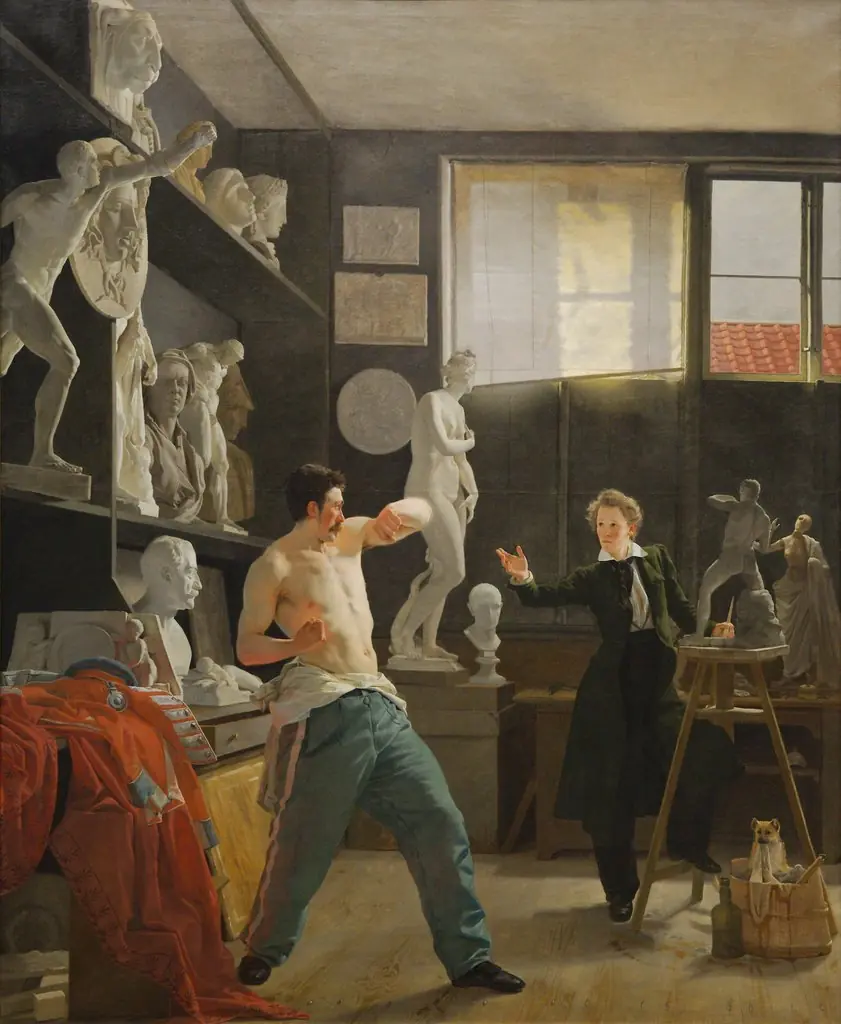 A Sculptor in his Studio Working from the Life
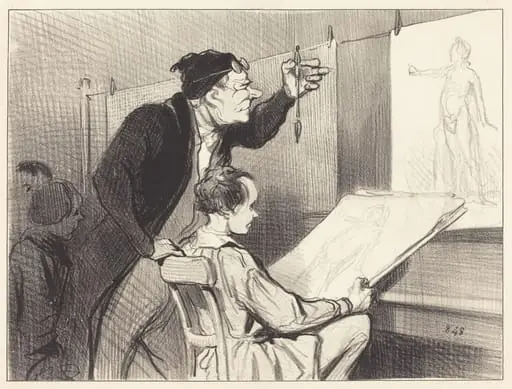 Mission pénible et délicate du professeur de dessin...
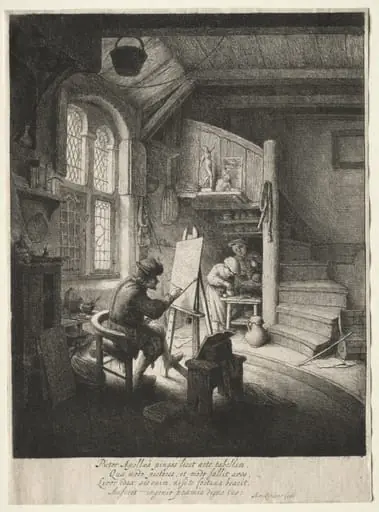 The Painter's Studio