Artwork
Lilac
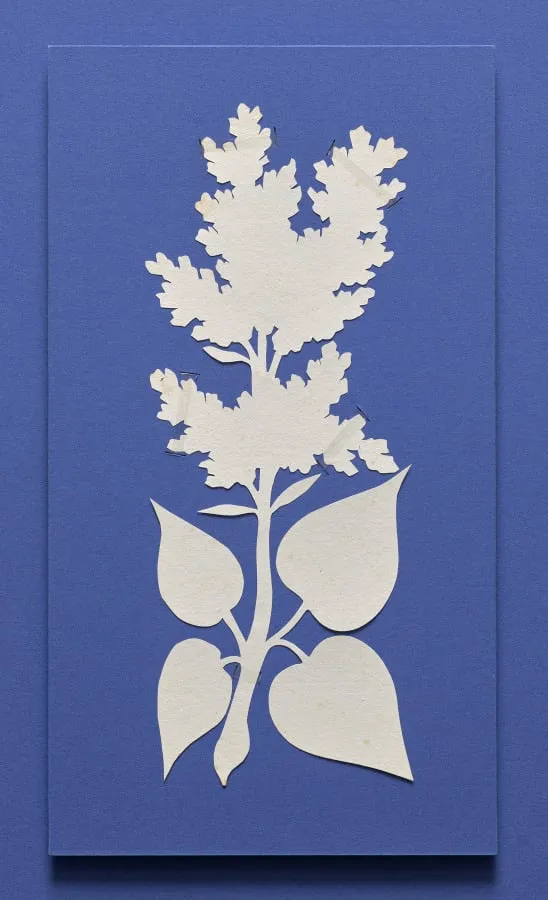
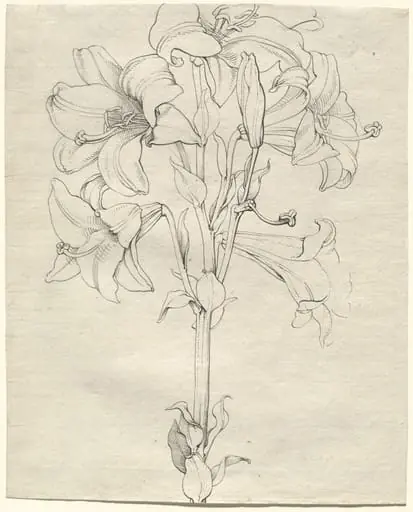
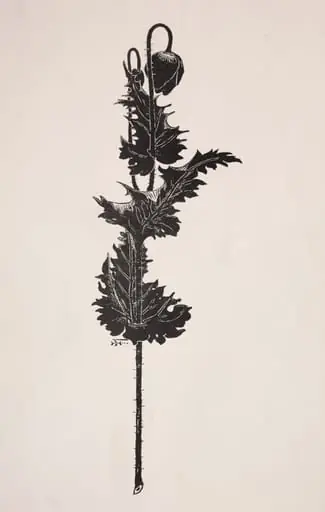
Lilac is a print by the Romanticist artist Philipp Otto Runge. It dates from 1802 and is held in the collection of the Cleveland Museum of Art.
- Accession no.
- 2023.120
- Credit line
- John L. Severance Fund
About this work
Overview
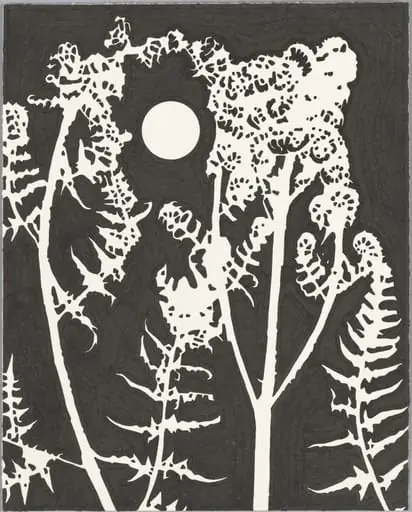
Lilac is a print by Philipp Otto Runge, part of a series of cut-out silhouettes created in the early 19th century.
Technique & Style
The work showcases Runge's precise rendering of a lilac branch, with every leaf and petal defined by sharp lines against a plain background. The technique, a traditional folk practice, was learned from his mother.
History & Provenance
Runge produced over 100 such works, often giving them as gifts. The Cleveland Museum's Lilac was originally given to the Specktors, a family of artists based in Hamburg.
Artist & collection
Artist
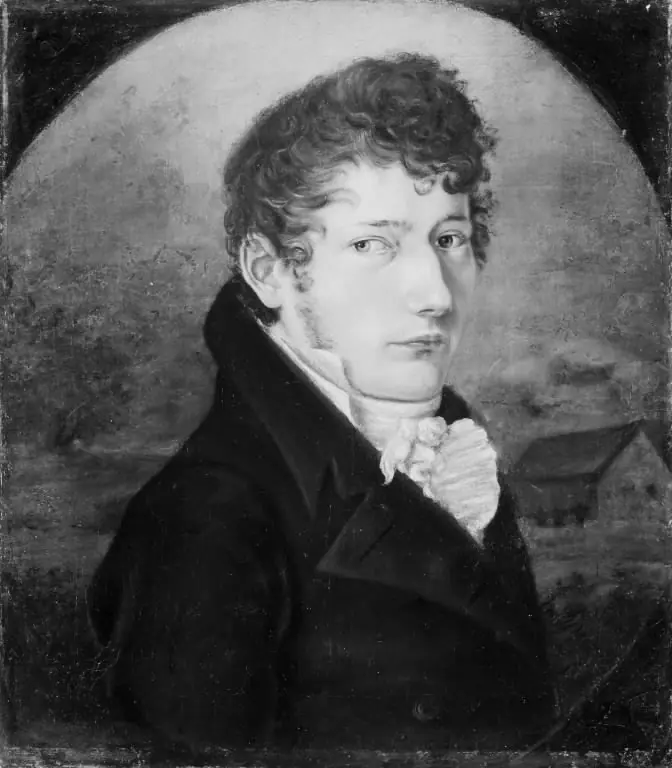
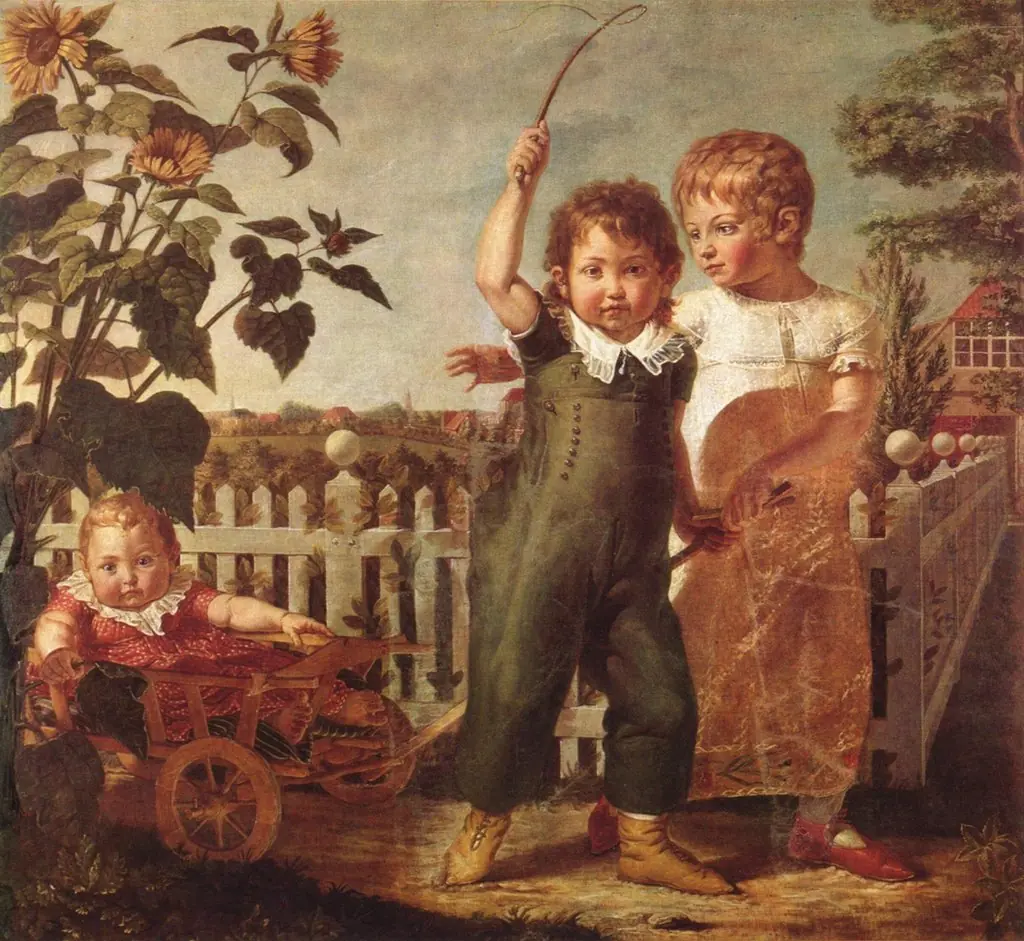
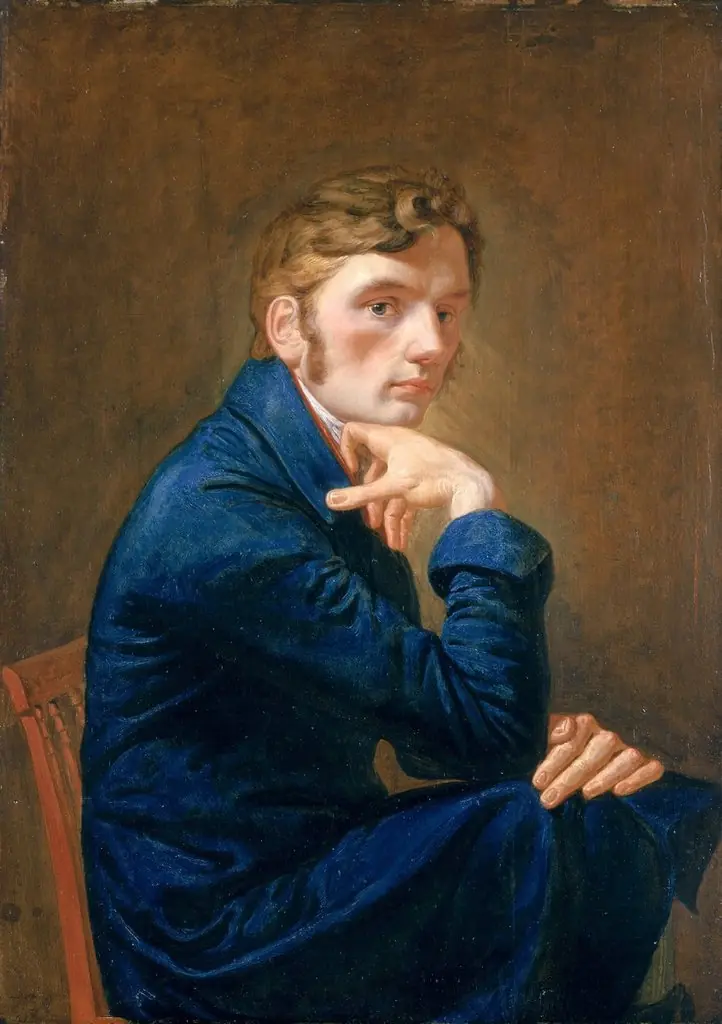
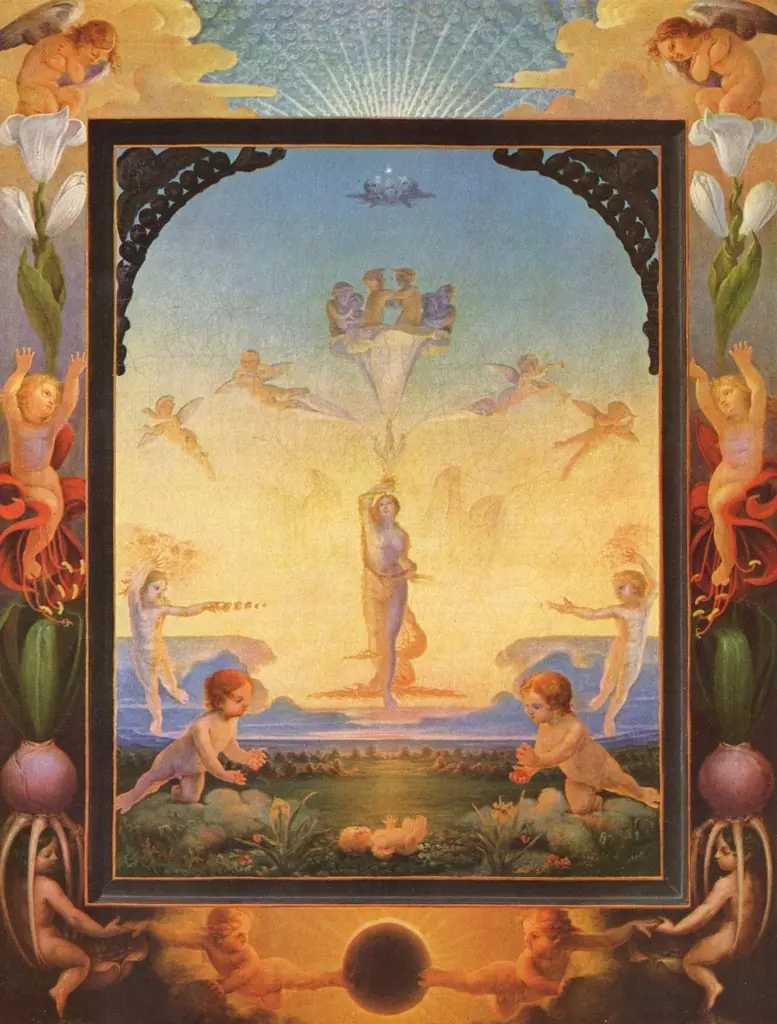
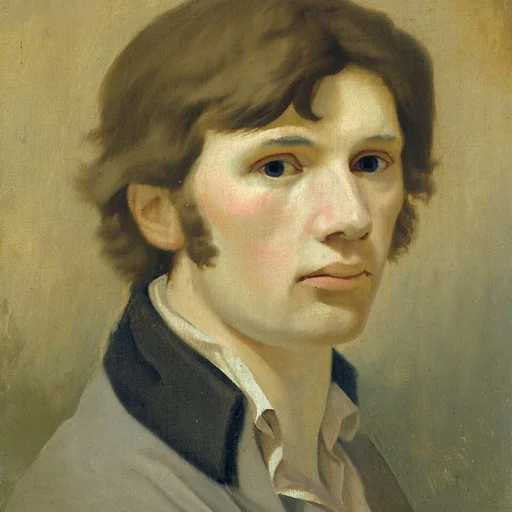
Philipp Otto Runge (German:; 1777–1810) was a German artist, draftsman, painter, and color theorist.