Artwork
Times of Day
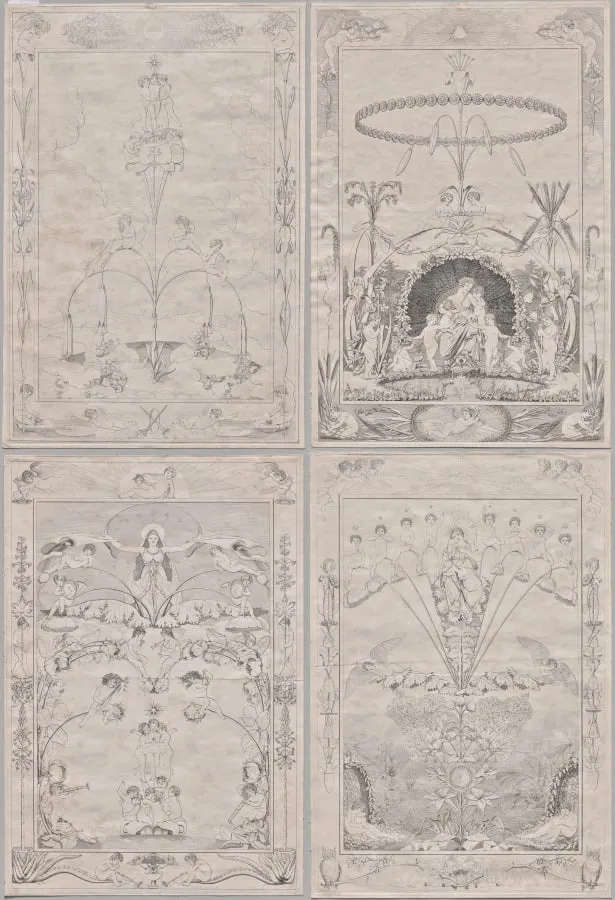
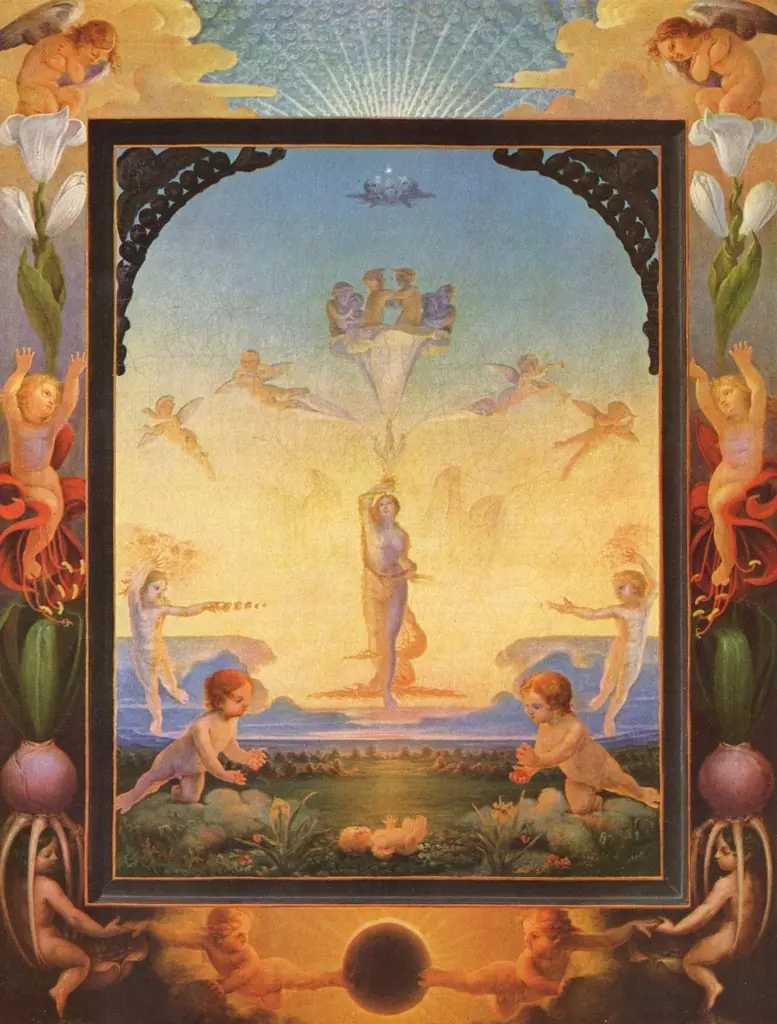
Times of Day is a print by the Romanticist artist Philipp Otto Runge. It dates from 1804 and is held in the collection of the Cleveland Museum of Art.
- Accession no.
- 2024.2
- Credit line
- Severance and Greta Millikin Purchase Fund
About this work
Overview
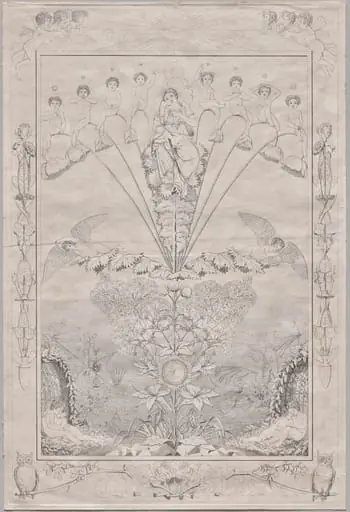
Phillip Otto Runge’s four‑panel print series, Tageszeiten (Times of Day), presents a sequential view of morning, noon, evening and night. Executed on a large scale, the images are linked by a continuous landscape that moves from budding seedlings to wilting foliage, mirroring the passage of a single day and, symbolically, the cycle of life.
Subject & Meaning
Each panel combines natural motifs, flowers, vines, sleeping infants, with allegorical figures that suggest the seasons and human stages. A recurring female presence, often interpreted as Mother Nature, nurtures growth in the morning scene and embraces decline at night, underscoring the idea that nature’s rhythm persists beyond individual mortality.
Technique & Style
Runge employs a soft, atmospheric rendering reminiscent of sfumato, allowing edges to dissolve into a hazy glow. The central tableau is framed by decorative borders that juxtapose spiritual symbols with earthly details, creating a visual tension between the eternal and the temporal that is characteristic of German Romantic printmaking.
History & Provenance
Created in the early 19th century, the series reflects Runge’s collaboration with contemporary Caspar David Friedrich and their shared interest in a personal, spiritual response to nature. The prints were intended to be displayed together as a unified devotional cycle, reinforcing the Romantic ideal of art as a contemplative experience.
Context
Tageszeiten stands as a pivotal example of German Romantic print art, illustrating the movement’s shift toward inner reflection and the sublime in everyday scenery. Its integration of allegory, natural observation, and theological reference influenced later Romantic artists who sought to convey the interdependence of humanity and the natural world.
Artist & collection
Artist
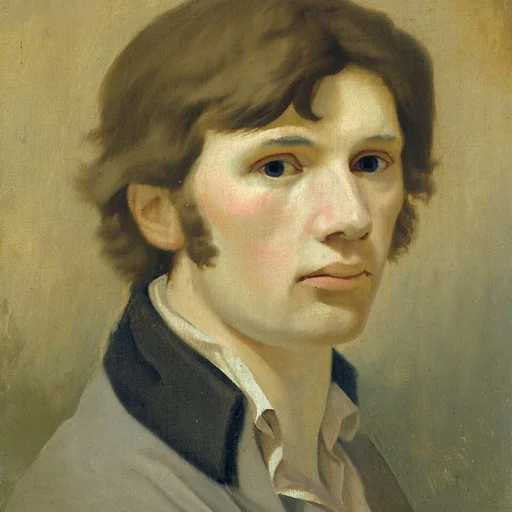
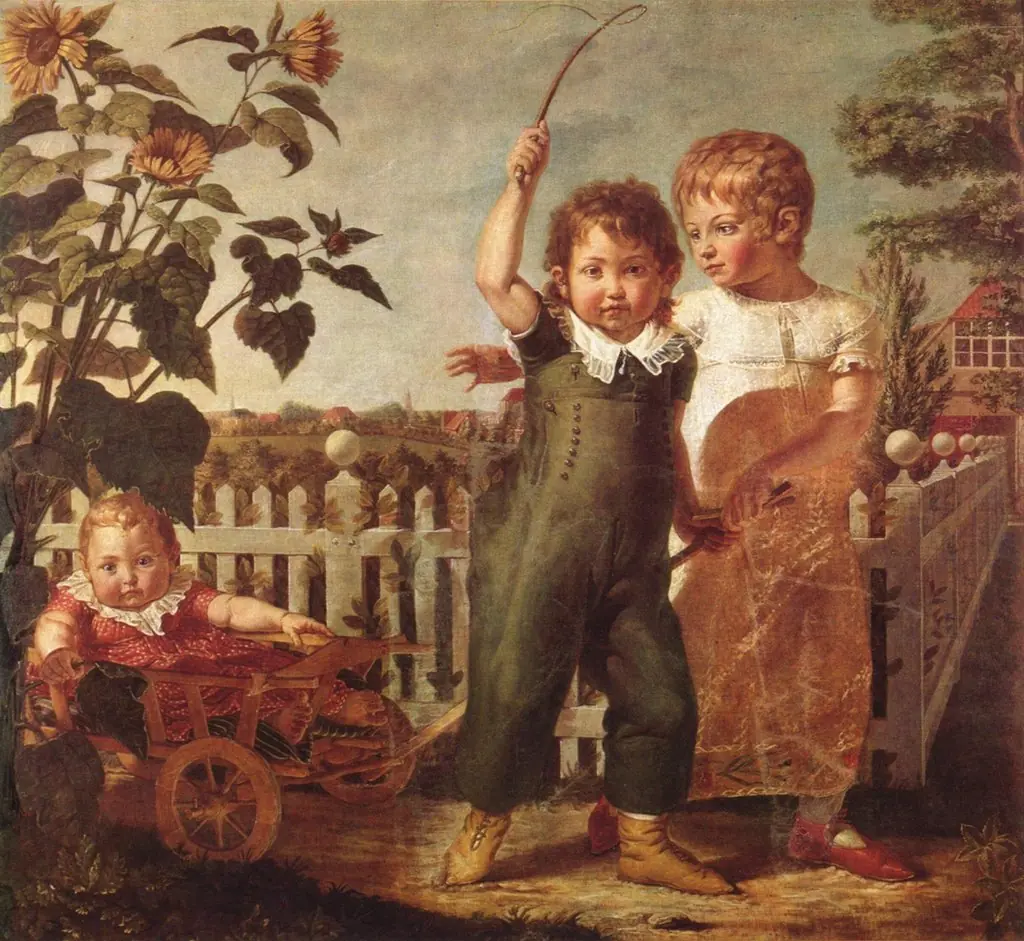
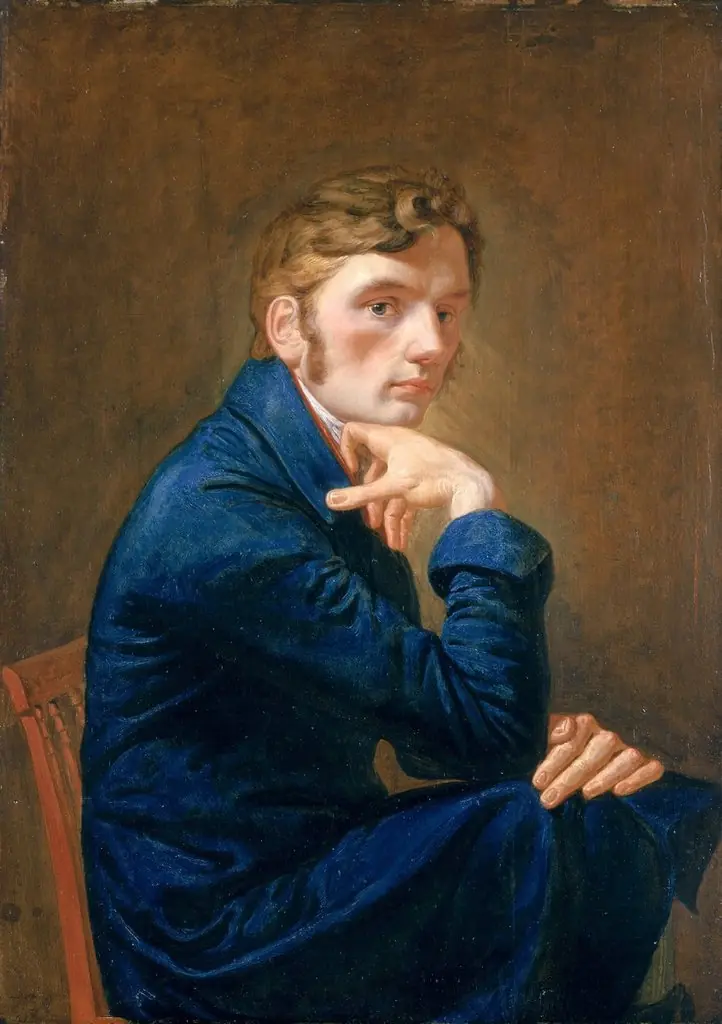
Philipp Otto Runge (German:; 1777–1810) was a German artist, draftsman, painter, and color theorist.

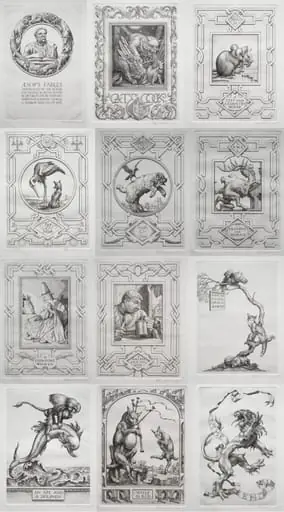 Aesop's Fables
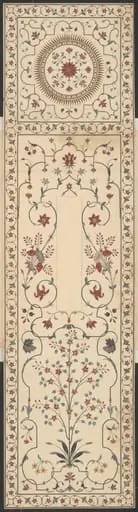 Coloured pietra-dura inlay work on the top of the cenotaph of the Emperor Shah Jahan, Taj Mahal, Agra.
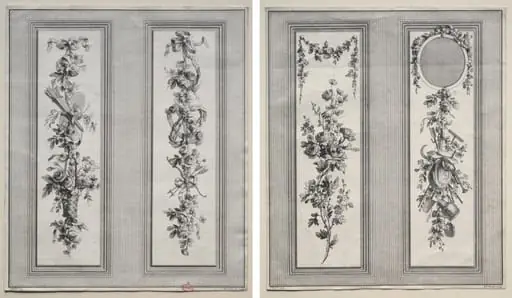 Garden Ornament
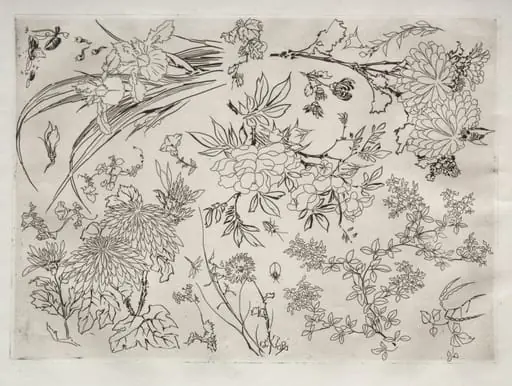 Dinner Service (Rousseau service): Flowers (no. 23)
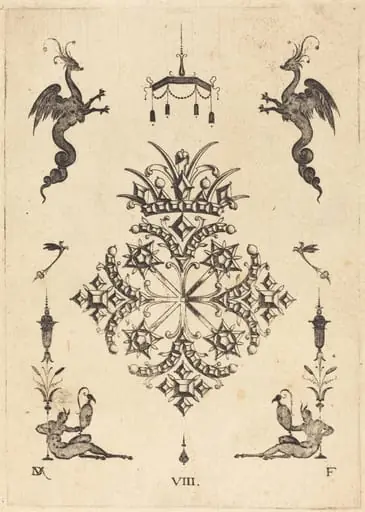 Brooch with Fantasy Animals at Top and Fauns with Vases at Bottom
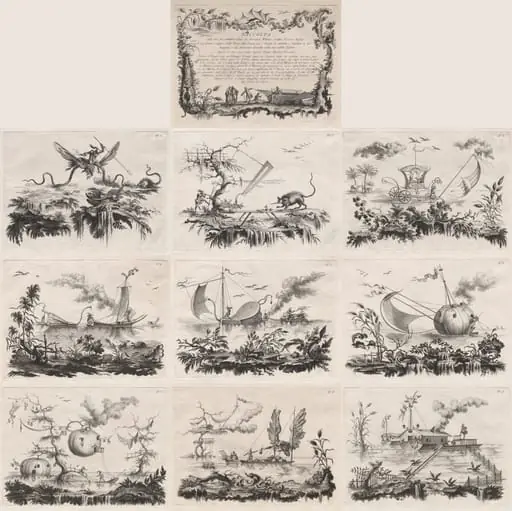 Suite of the most notable things seen by John Wilkins erudite English Bishop during his famous voyage from the Earth to the Moon … dedicated to Sir William Hamilton ambassador to the Court of Naples
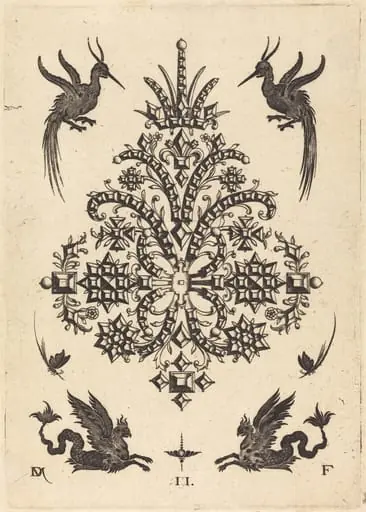 Brooch with Tablestones and Winged Griffins Above and at Bottom
- Night