Artwork
König Karl II. von England (1630-1685) (Kopie nach)
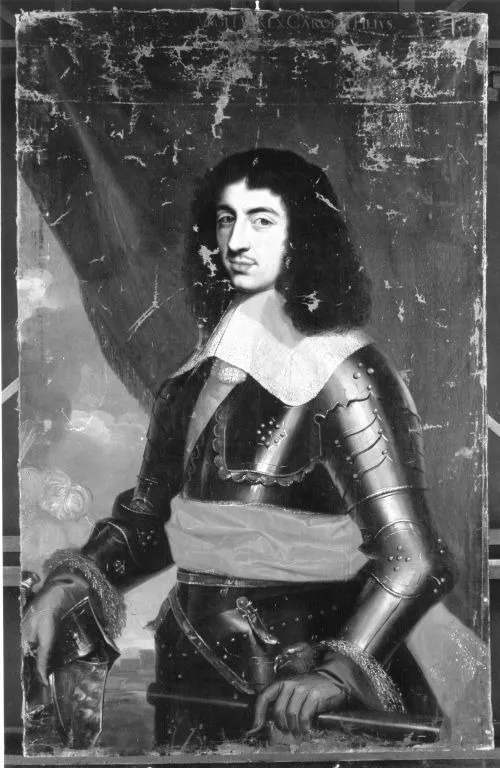
König Karl II. von England (1630-1685) (Kopie nach) is an unspecified painting by the Caravaggisti artist Philippe de Champaigne. It dates from 1648 and is held in the collection of the Bavarian State Painting Collections.
About this work
Overview
Philippe de Champaigne’s portrait of Charles II, executed circa 1648, presents the English monarch in a solemn pose. Rendered in monochrome tones, the king is shown in ornate armor with a ruffled shirt, a glove in one hand and his other hand resting on a sword hilt. The background resembles aged, cracked paper, emphasizing the figure’s presence.
Subject & Meaning
The work captures Charles II during the period of his exile before the Restoration, highlighting his royal authority through martial attire and a restrained, serious expression. The inclusion of the glove and sword suggests both chivalric ideals and the king’s readiness to reclaim his throne, while the austere setting underscores the personal gravity of his situation.
Technique & Style
Champagne employs the dramatic chiaroscuro typical of French Baroque, borrowing tenebristic effects from Caravaggio’s followers. Strong contrasts of light and shadow model the intricate armor and the king’s facial features, creating a three‑dimensional realism. The painter’s precise brushwork renders metal plates and fabric textures with meticulous detail.
History & Provenance
Created while Champaigne was a founding member of the Académie royale de peinture et de sculpture, the portrait entered the collection of the Alte Pinakothek in Munich, where it remains on display. Its acquisition reflects the museum’s focus on Baroque portraiture and the artist’s significance within the French court.
Context
During the 1630s‑40s, Champaigne was a leading portraitist for French aristocracy, and his work on Charles II aligns with the broader European practice of depicting exiled monarchs in regal yet contemplative poses. The painting illustrates the cross‑national artistic exchanges between France and England amid political upheaval.
Legacy
The portrait stands as a notable example of Champaigne’s ability to blend French Baroque elegance with Caravaggist realism. It contributes to the visual record of Charles II’s pre‑Restoration image and continues to inform scholarly understanding of 17th‑century portrait conventions.
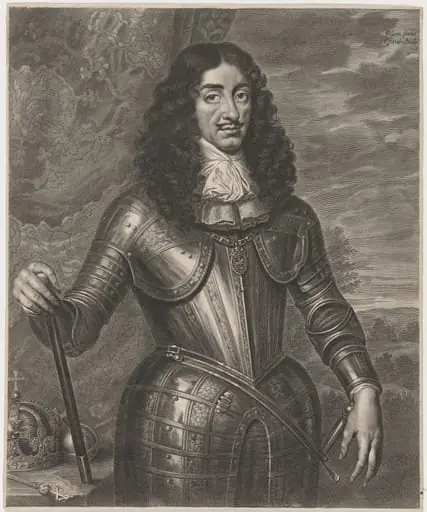
Artist & collection
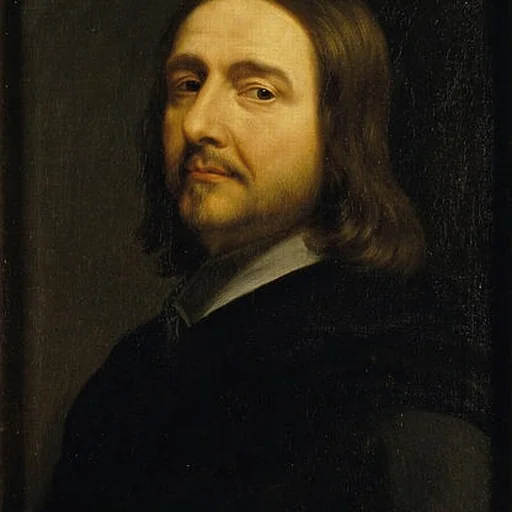
Artist
Philippe de Champaigne (French pronunciation:; 26 May 1602 – 12 August 1674) was a Brabant-born French Baroque era painter, a major exponent of French Baroque painting.

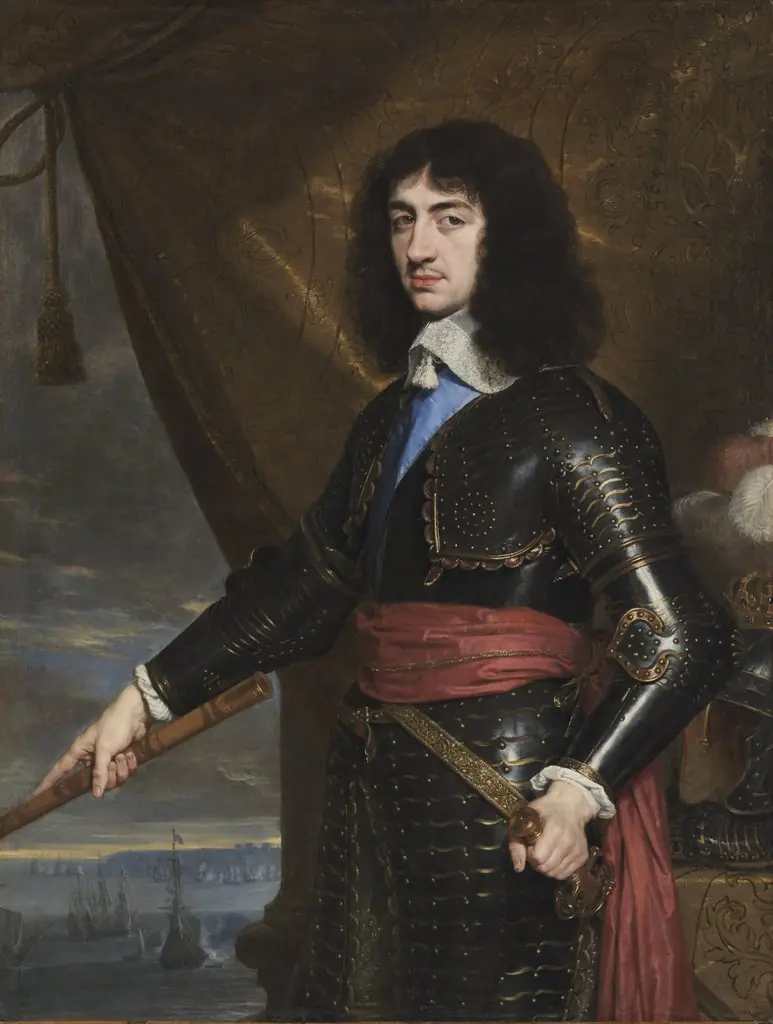
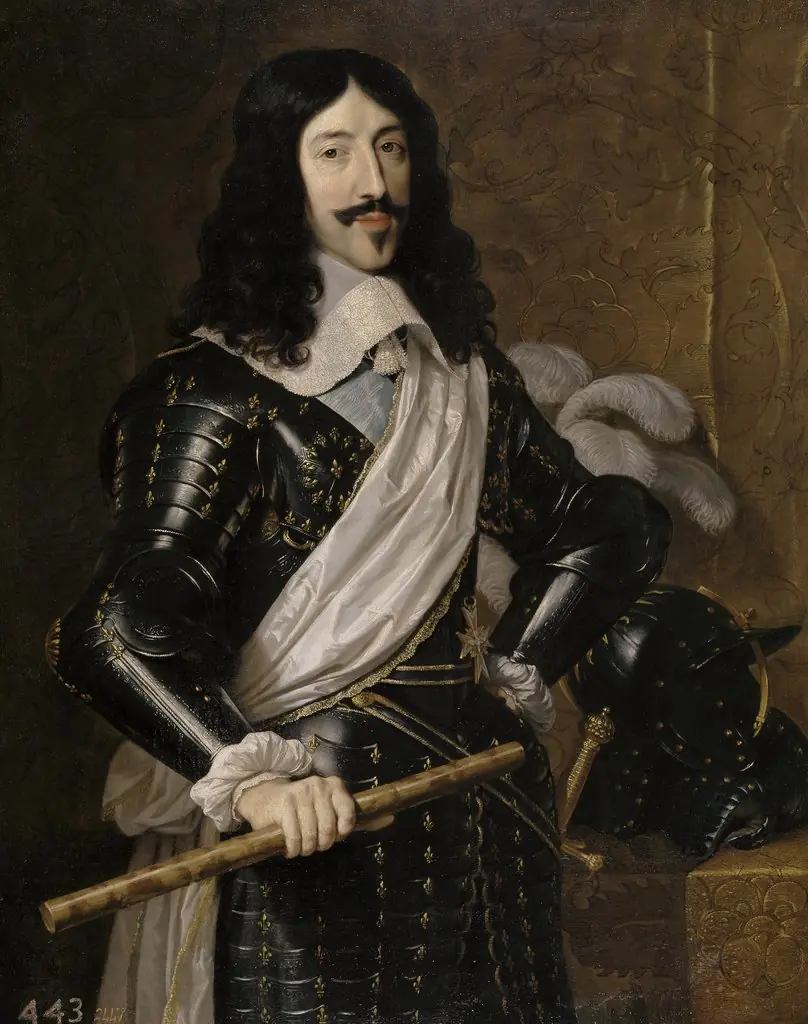
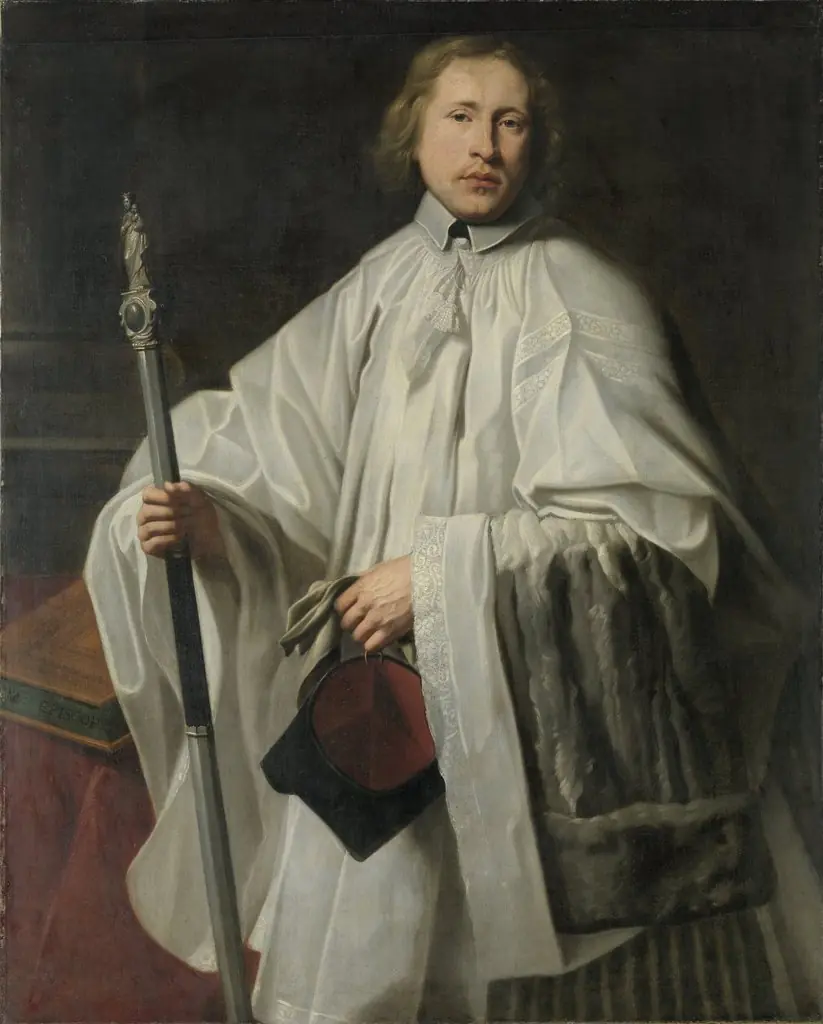
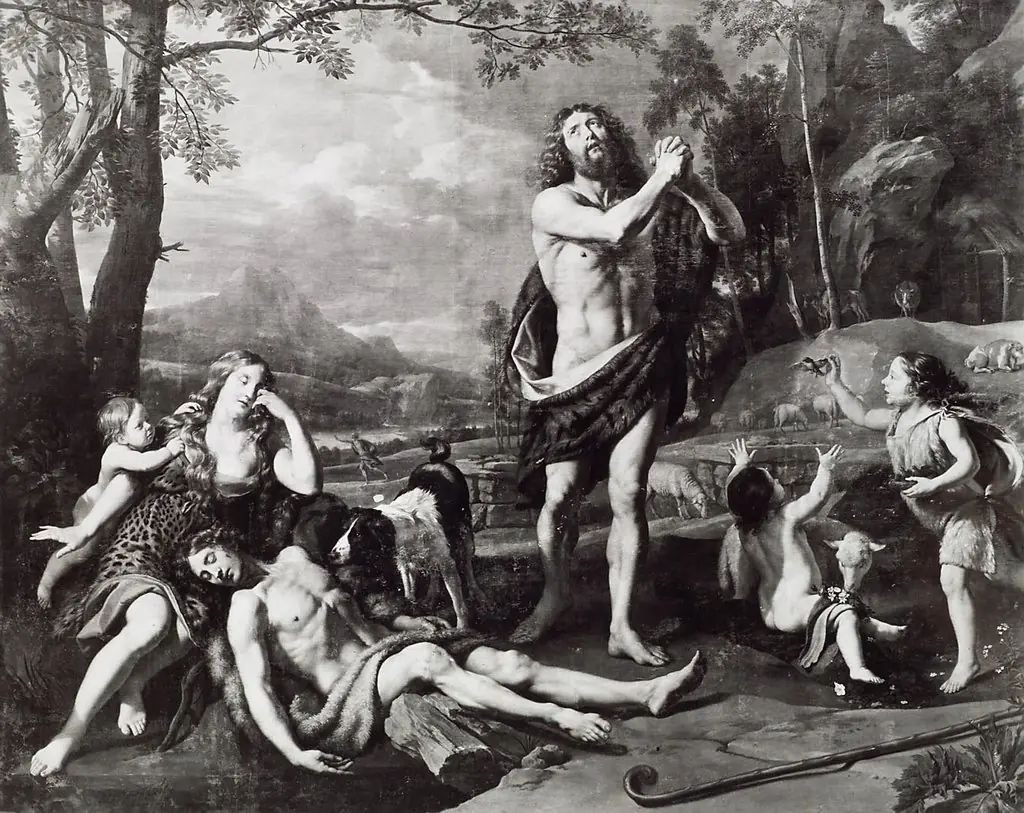
- Charles II
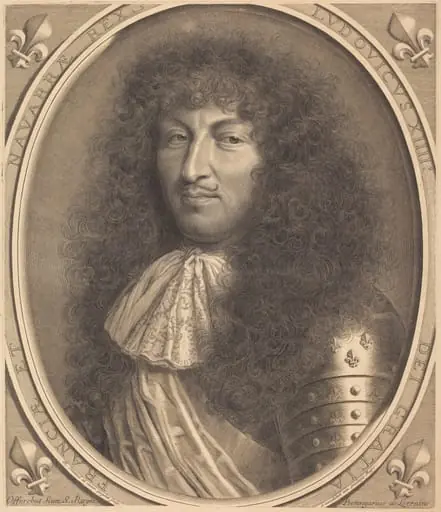 Louis XIV
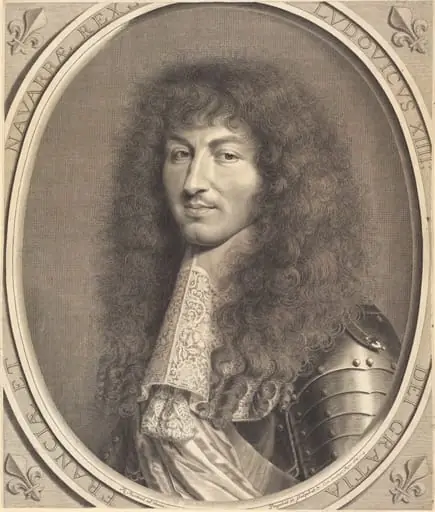 Louis XIV
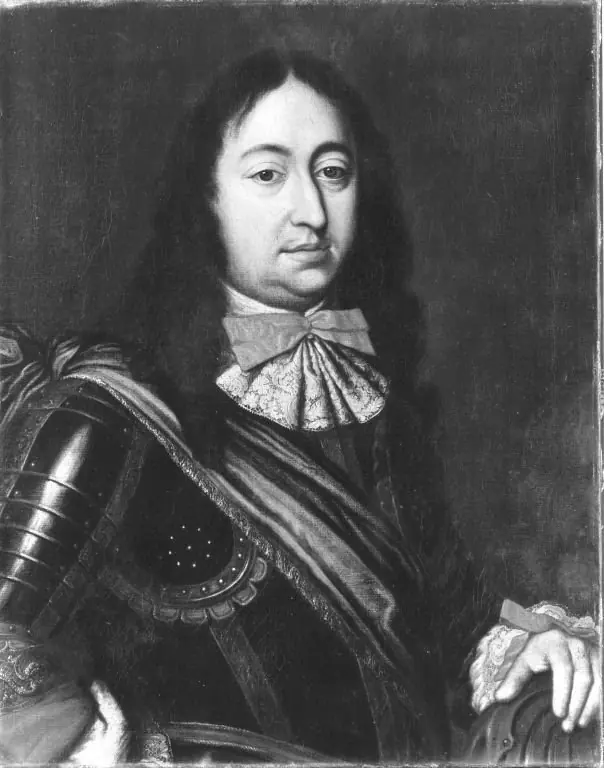 Ferdinand Maria von Bayern
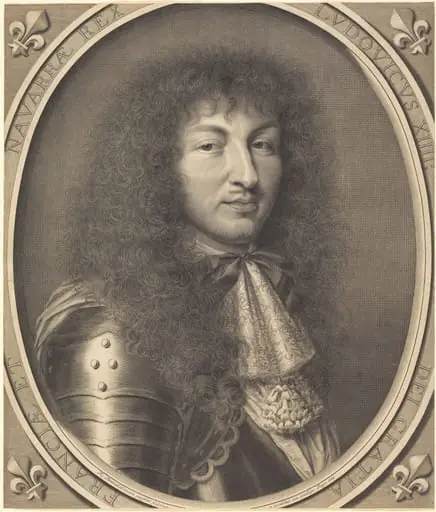 Louis XIV
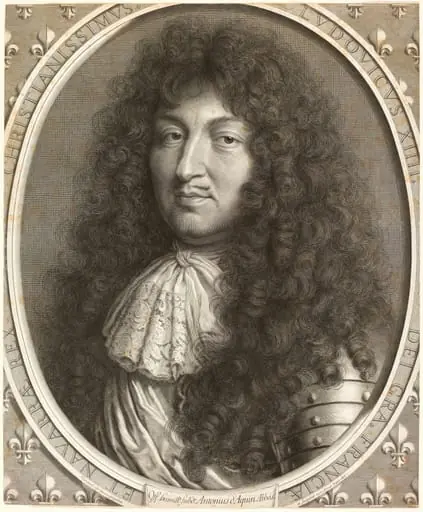 Louis XIV
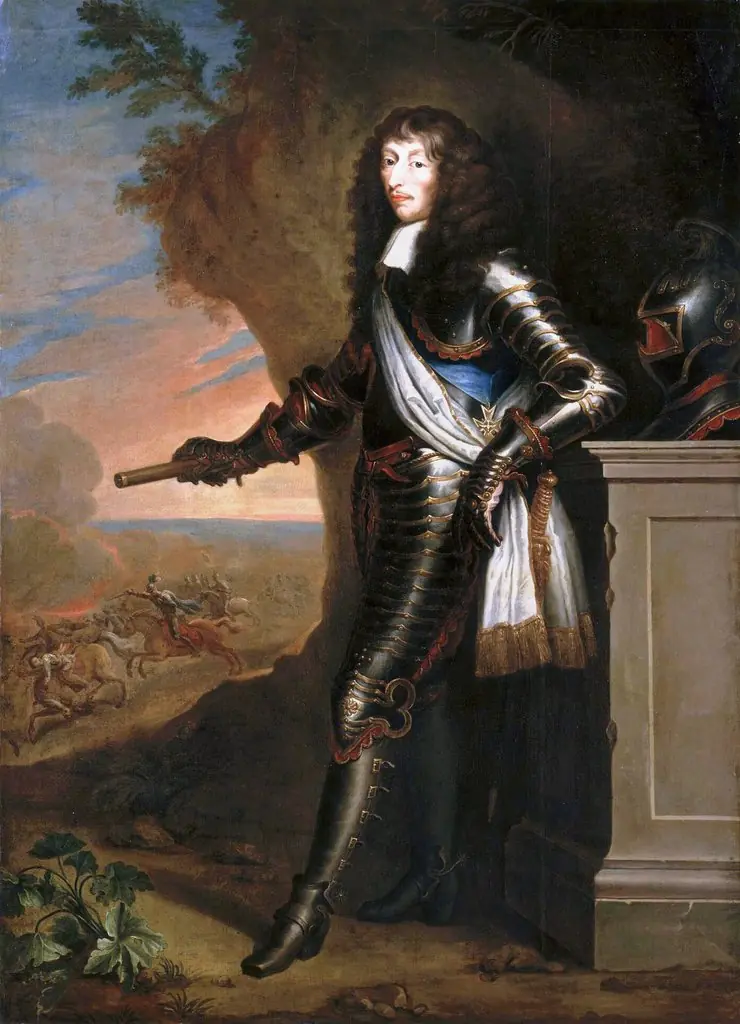 Portrait of Louis de Bourbon, Prince of Condé (1621-1686)
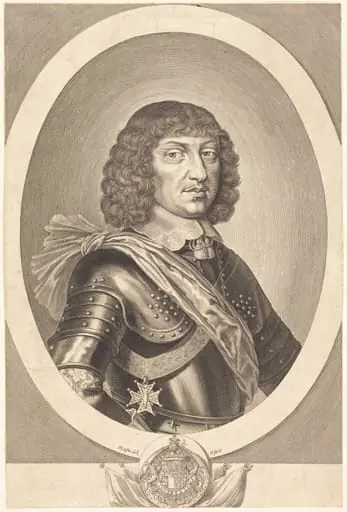 Jean Saint Bonnet de Toiras
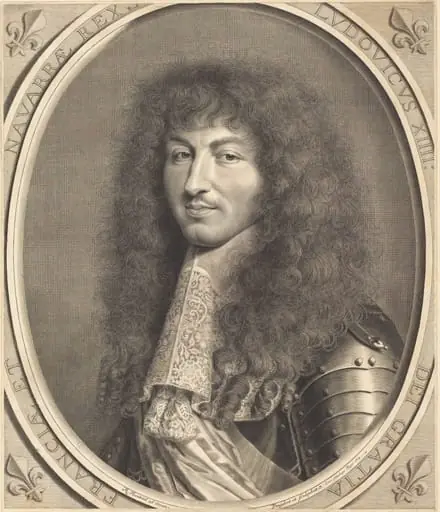 Louis XIV
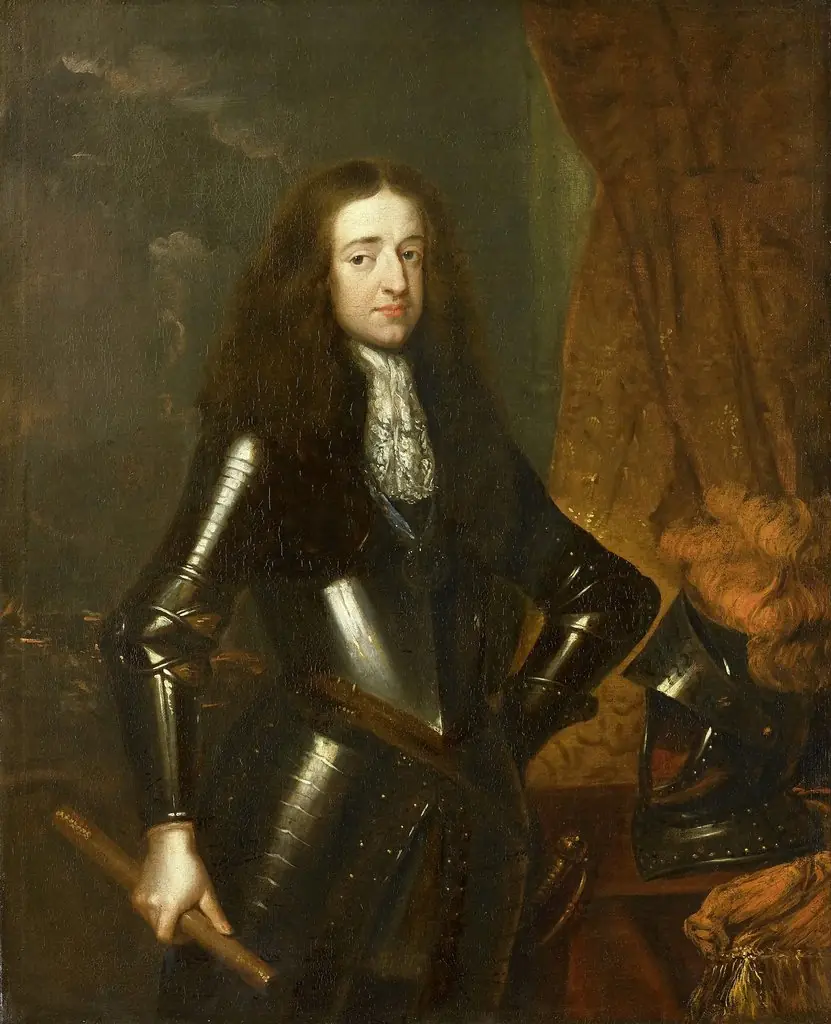 Portrait of Willem III (1650-1702), Prince of Orange and since 1689, King of England
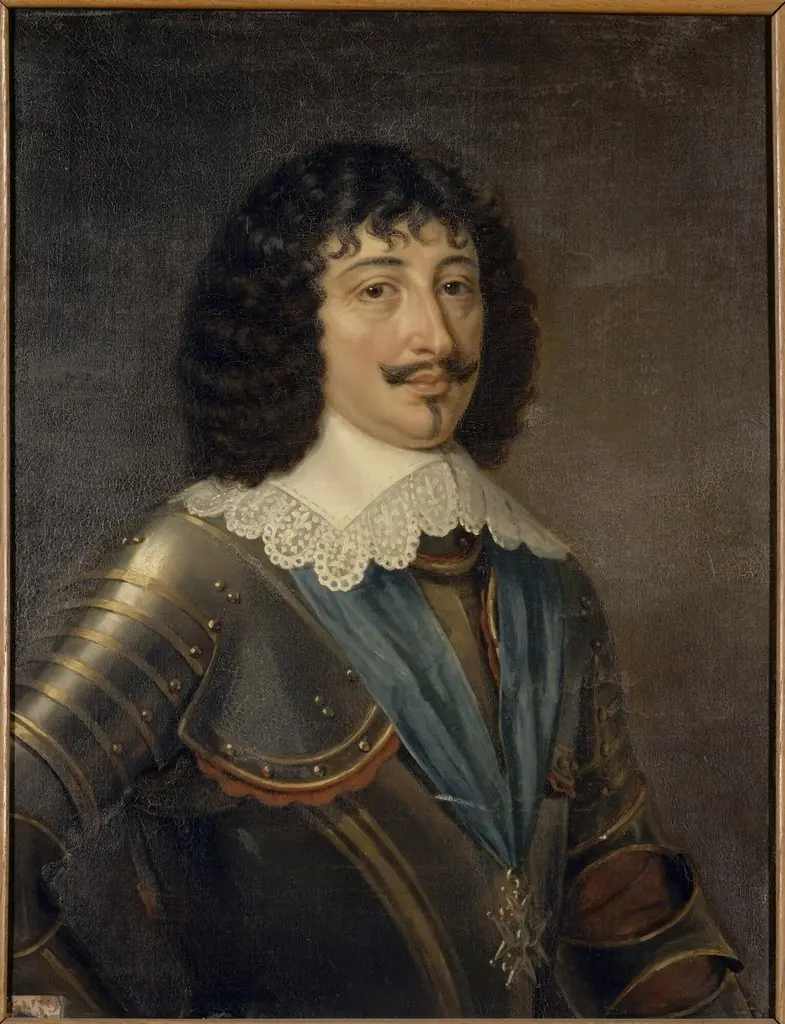 Urbain de Maillé, Marquis de Brézé, Marshal of France (1597-1650)
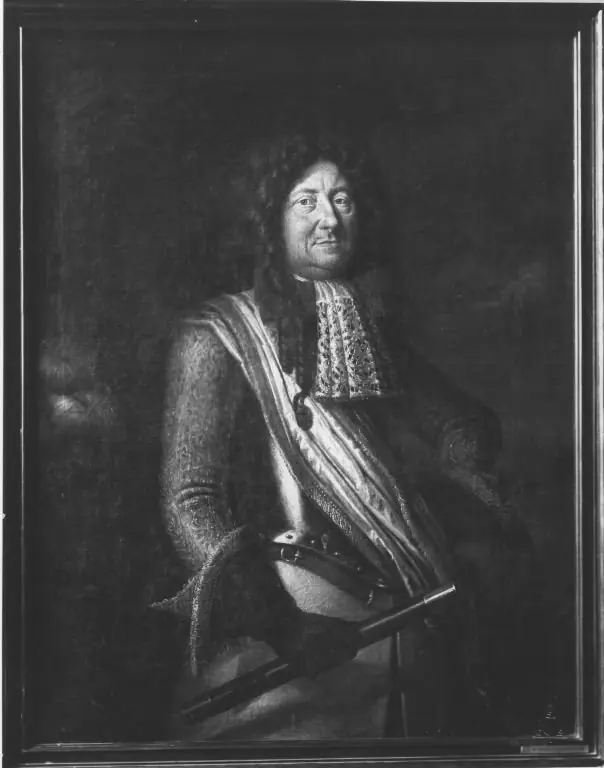 Unbekannter Feldmarschall (Prinz von Homburg?)