Artwork
Omer Talon
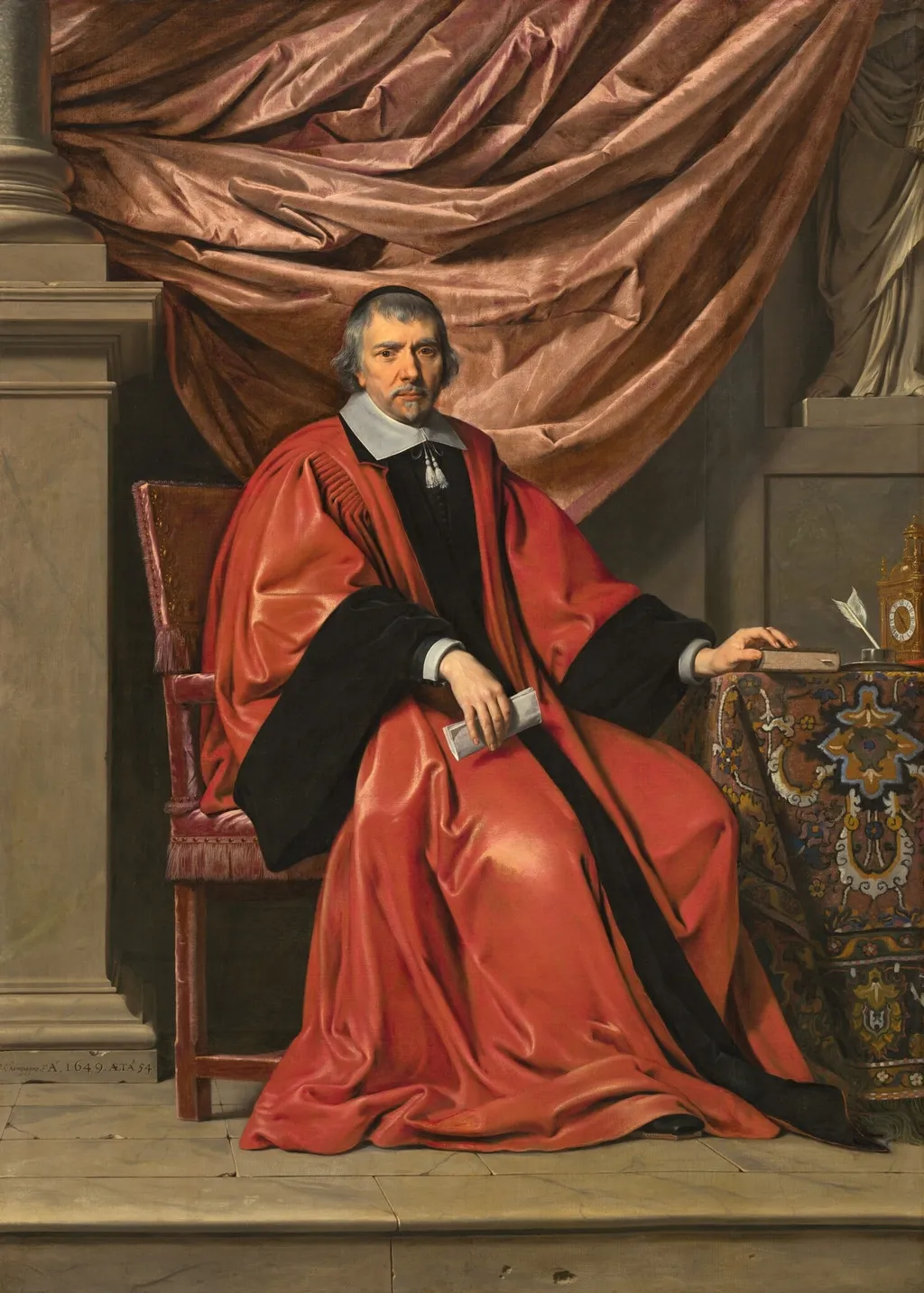
Omer Talon is an oil painting by the Baroque artist Philippe de Champaigne. It dates from 1649 and is held in the collection of the National Gallery of Art.
- Inscription
- Inscribed:lower left: P.Champagne.F Ao. 1649.Aetas.54.
About this work
Omer Talon sits in a formal setting, dressed in the fashion of his time, his face and hands carefully painted. His grave, thoughtful expression reads as a study of character. Philippe de Champaigne, oil on canvas, 1649.
Technique & Style
Classified as a painting within the portrait genre, the piece utilizes traditional materials of oil paint applied to a woven canvas support.
Executed in 1649, this portrait of Omer Talon is an oil painting on canvas created by Philippe de Champaigne. The work measures 225 cm in height and 161.6 cm in width, establishing a substantial scale typical of formal portraiture from the period. Classified as a painting within the portrait genre, the piece utilizes traditional materials of oil paint applied to a woven canvas support.
While specific details regarding the artist's brushwork, surface condition, or distinct stylistic handling are not explicitly detailed in the available records, the medium and dimensions confirm its status as a large-scale figurative work intended for prominent display. The artwork currently resides in the Samuel H. Kress Collection at the National Gallery of Art in Washington, D.C.
History & Provenance
Philippe de Champaigne painted Omer Talon in 1649 as a portrait for the French court official. The work remained in the sitter’s family through his daughter Madeleine, who married Joly de Fleury in 1664, and subsequently passed to her father‑in‑law’s lineage. Ownership then transferred to the Joly de Fleury family, then to the de Buttet family of Savoie by inheritance.
In 1950 the painting was sold to the New York dealers Rosenberg and Stiebel, who later disposed of it to the Samuel H. Kress Foundation. The foundation gifted the portrait to the National Gallery of Art in Washington, D.C., in 1952.
Context
Philippe de Champaigne’s 1649 oil portrait of Omer Talon exemplifies French classicist portraiture of the mid‑17th century, combining naturalistic detail with a restrained composition that reflects the sitter’s elite status. The work’s provenance, documented in, traces its ownership from the Talon family through the Joly de Fleury lineage to the de Buttet heirs, a 1950 sale to Rosenberg and Stiebel, and eventual acquisition by the Samuel H. Kress Foundation, later gifted to the National Gallery of Art. confirms the painting’s classification as a portrait, its material and dimensions, and its inclusion in the Kress Collection, underscoring its significance within Champaigne’s oeuvre and the broader narrative of European portraiture.
Overview
Philippe de Champaigne, a prominent French Baroque painter, completed this oil-on-canvas portrait of Omer Talon in 1649. The artwork exemplifies Champaigne's approach to portraiture, which combined a meticulous rendering of the sitter's features with a sense of formal dignity. It captures Talon in a seated, composed posture, reflecting the artist's characteristic blend of realism and classical restraint.
Subject & Meaning
The painting presents Omer Talon in a formal seated pose, his period attire rendered with precision. Champaigne devoted particular attention to Talon's facial features and hands, imbuing the figure with a palpable presence. The subject's serious and contemplative expression suggests an attempt by the artist to convey Talon's inner character and intellectual depth, moving beyond a mere physical likeness.
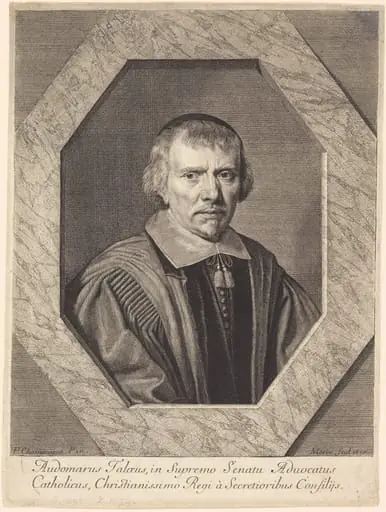
Own this work as a print
Artist & collection
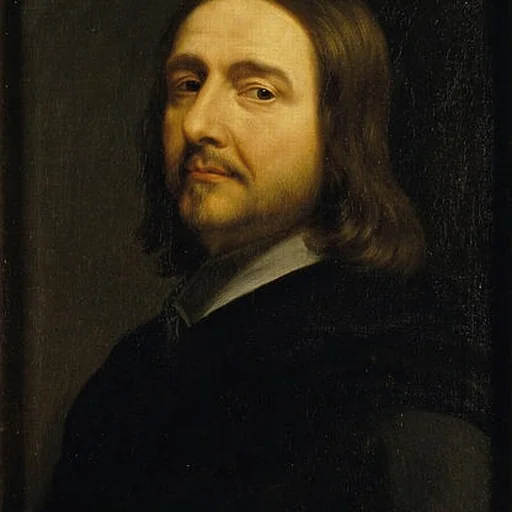
Artist
Philippe de Champaigne (French pronunciation:; 26 May 1602 – 12 August 1674) was a Brabant-born French Baroque era painter, a major exponent of French Baroque painting.

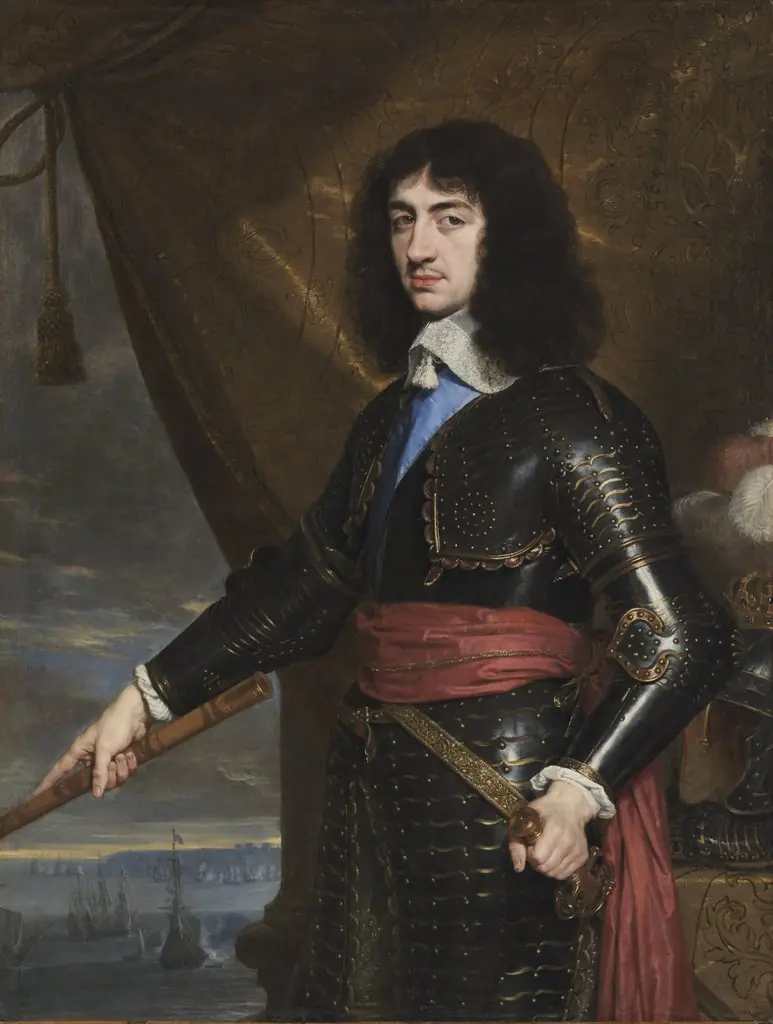
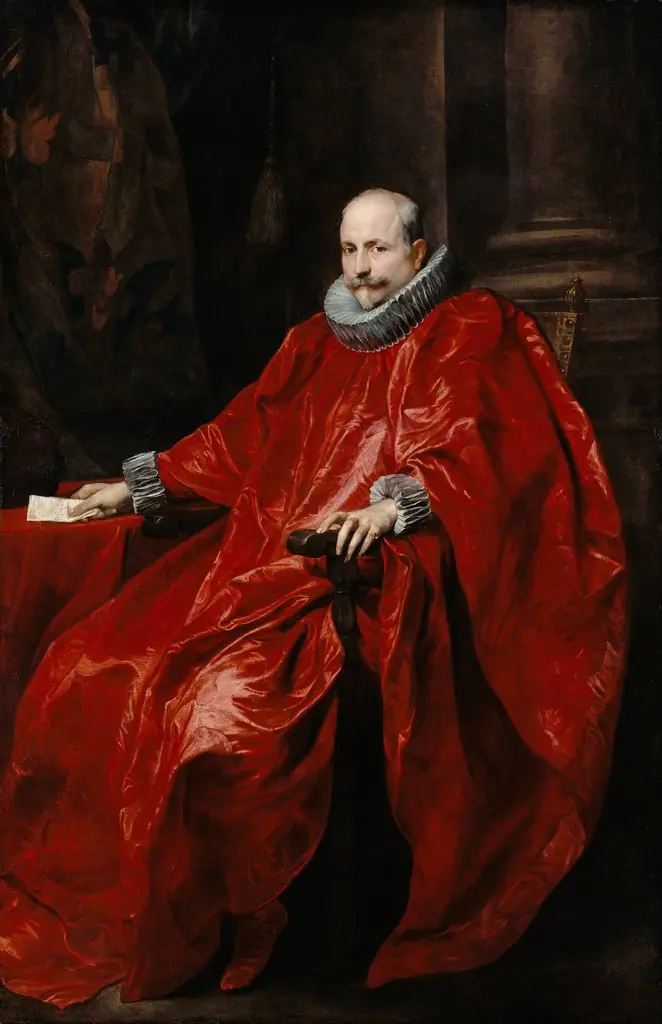 Portrait of Agostino Pallavicini
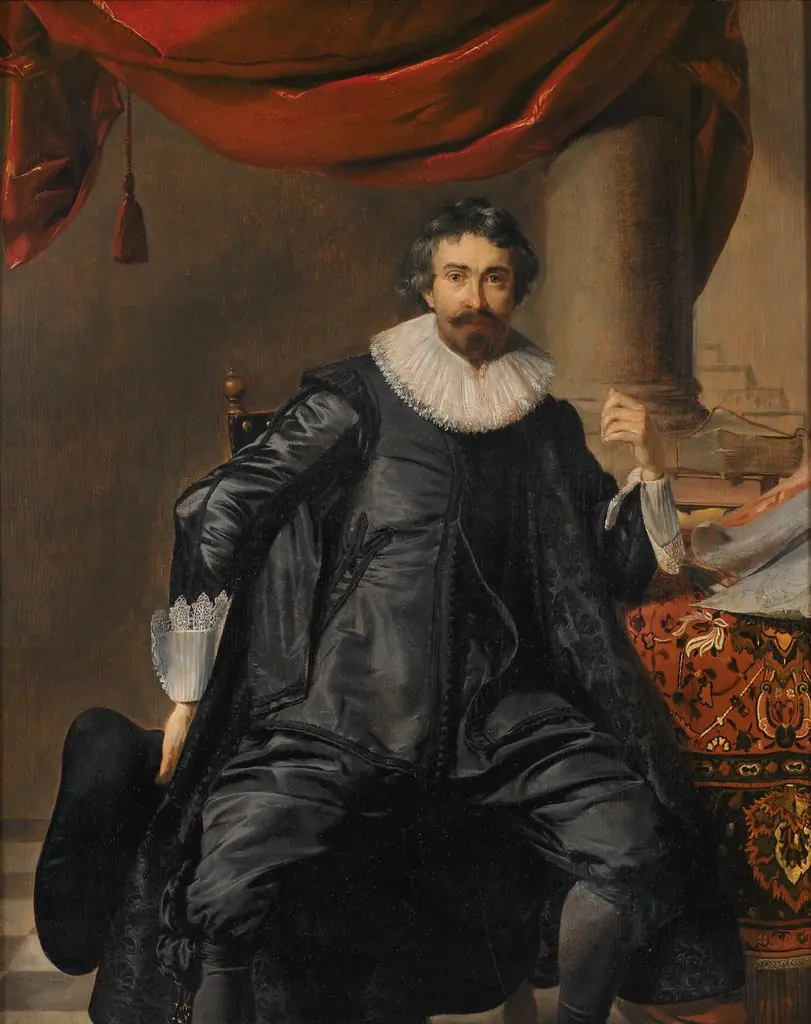 Portrait of a Man
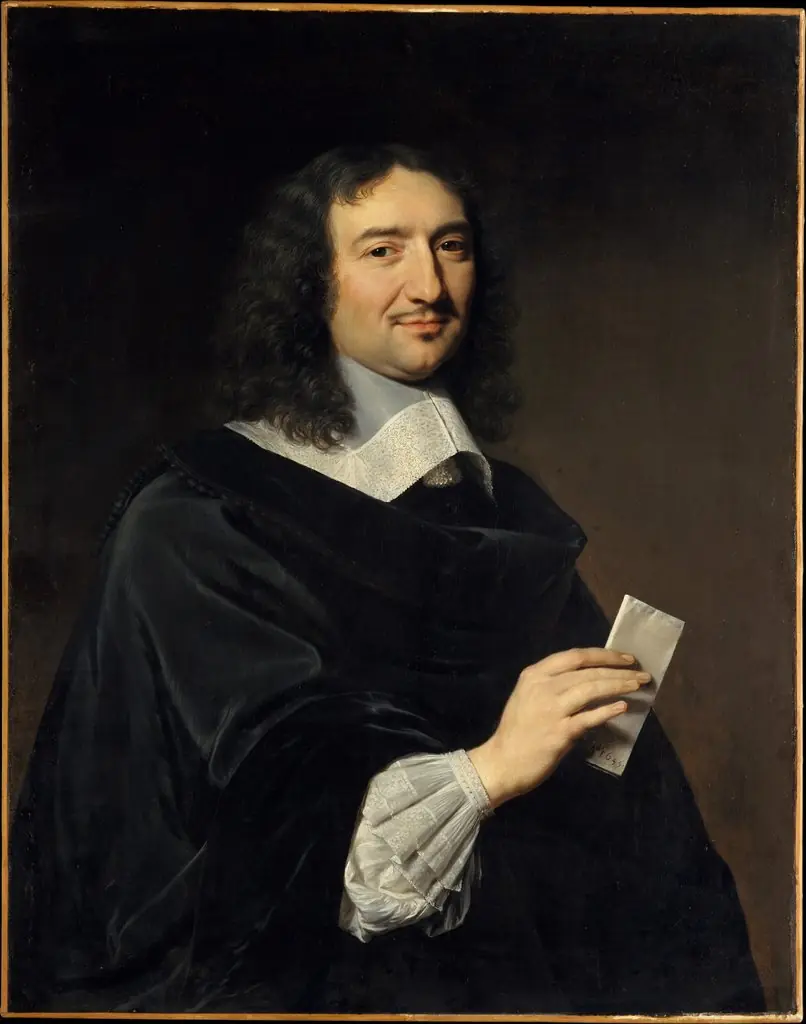
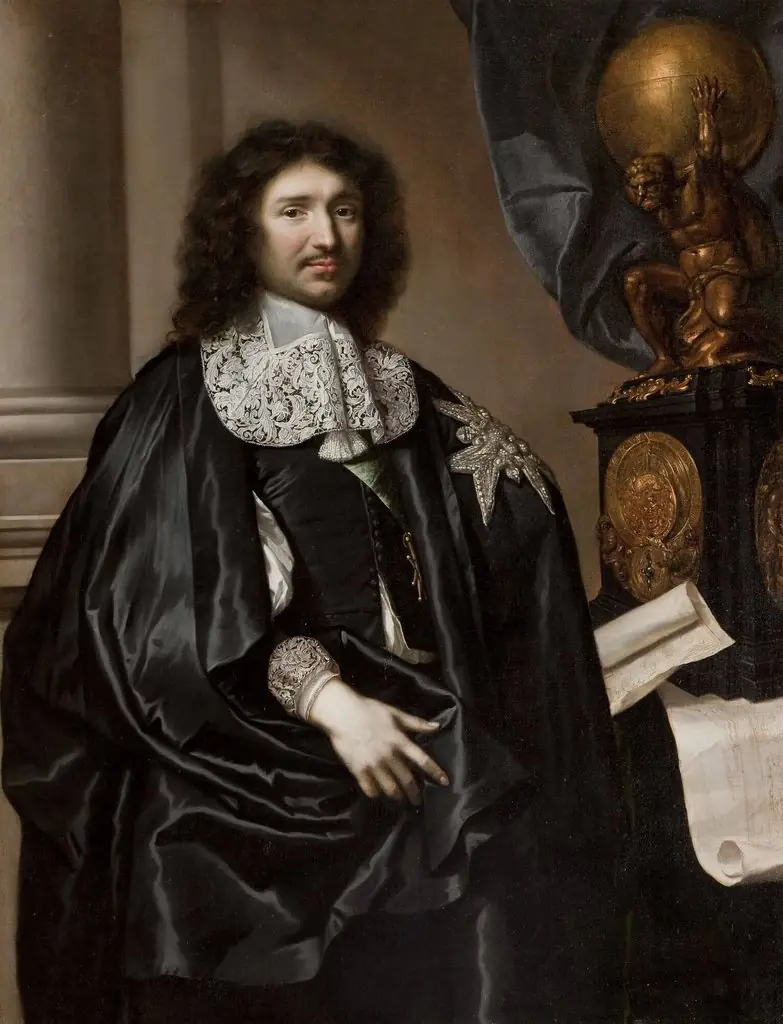 Portrait of Jean-Baptiste Colbert
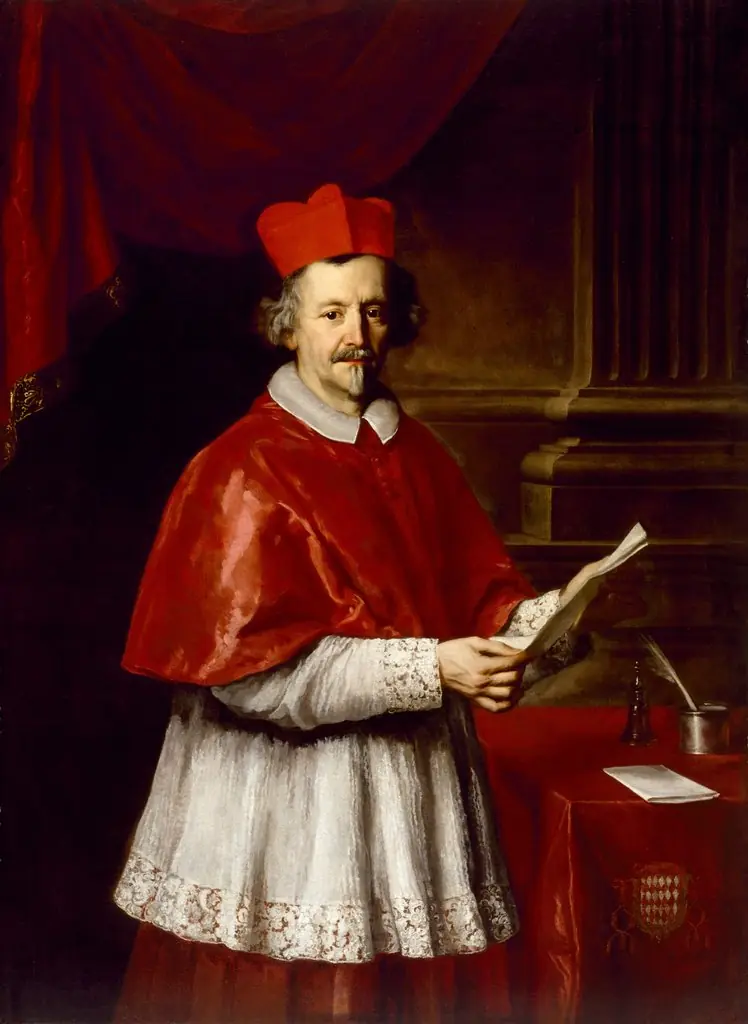 Cardinal Giulio Spinola
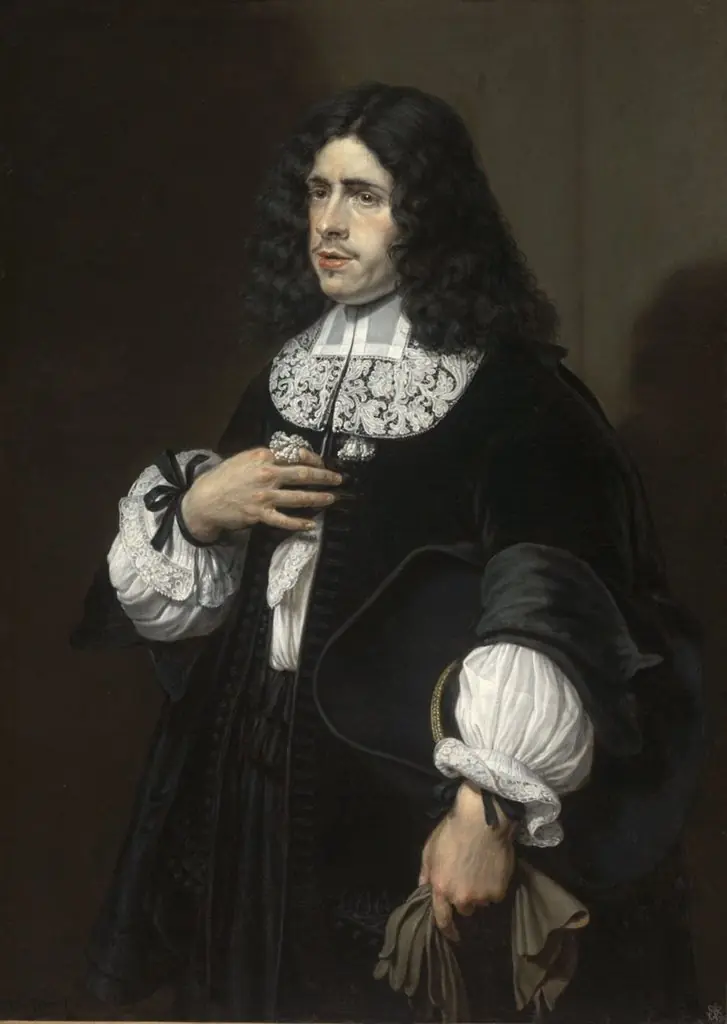 Portrait of a Man
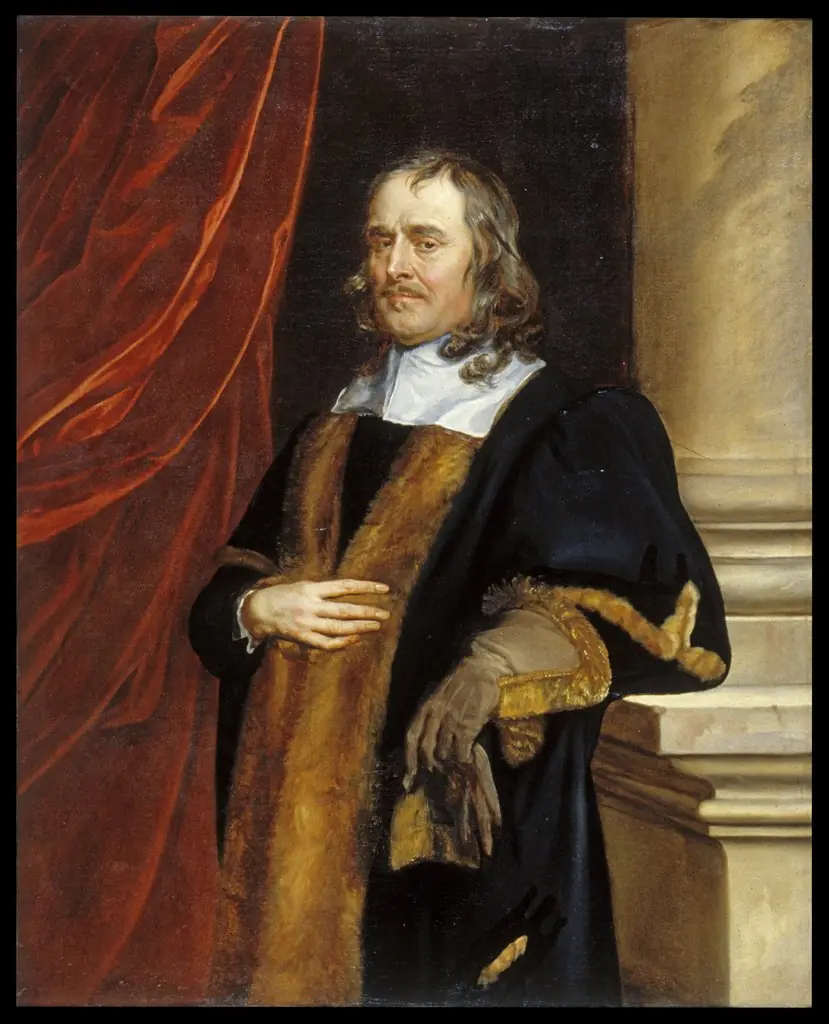 Portrait of P. Lenéve, Alderman of Norwich
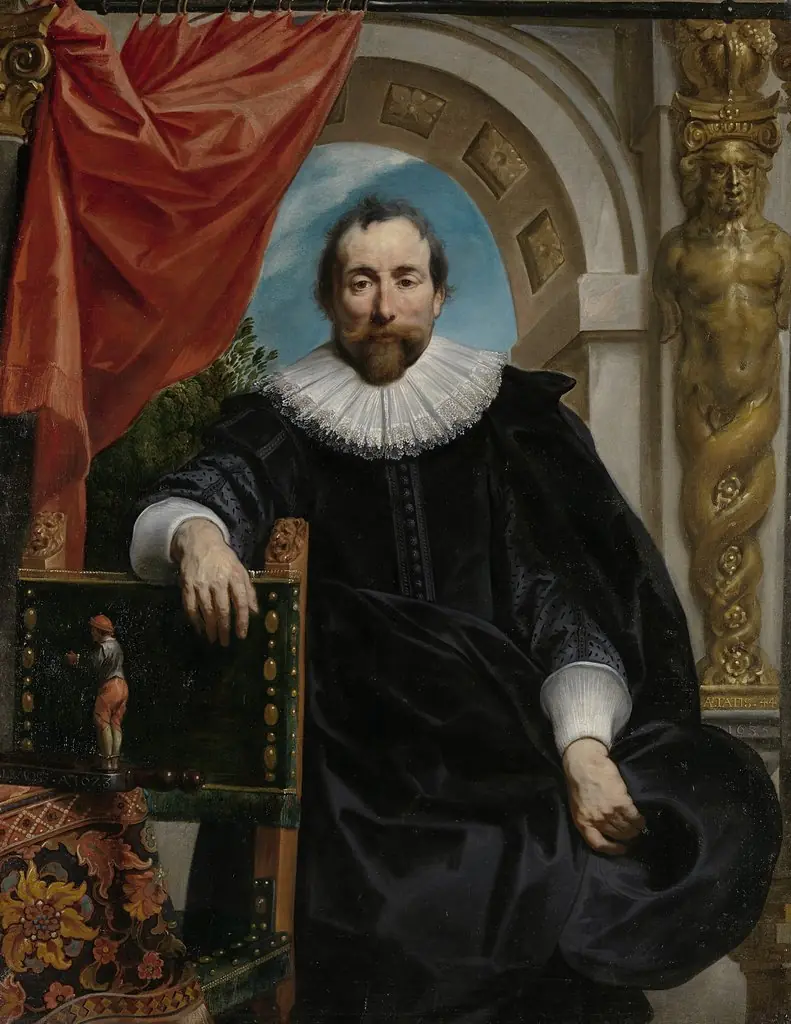 Portrait of Rogier Le Witer (1591-1678), Merchant in Antwerp
 Portrait of a Gentleman
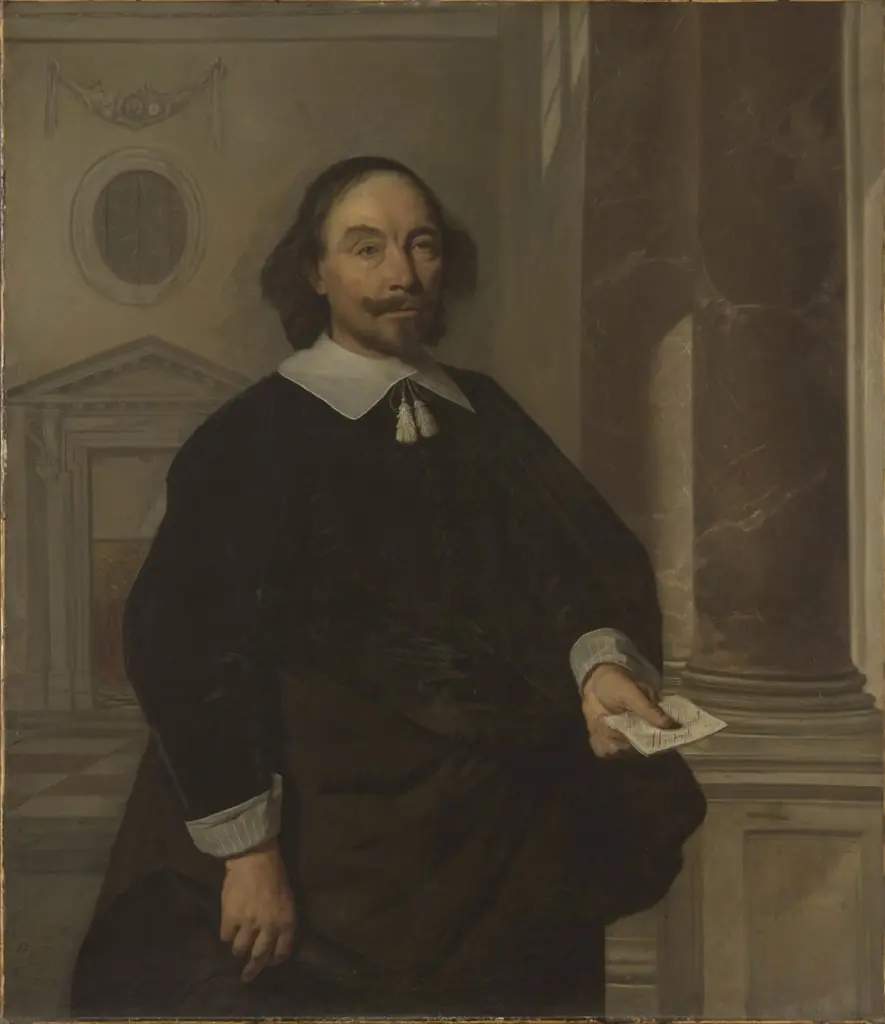 Portrait of Michiel Heusch
 Portrait of a Man
 Portrait of a man, thought to be Christoffel van Gangelt
- Omer Talon