Artwork
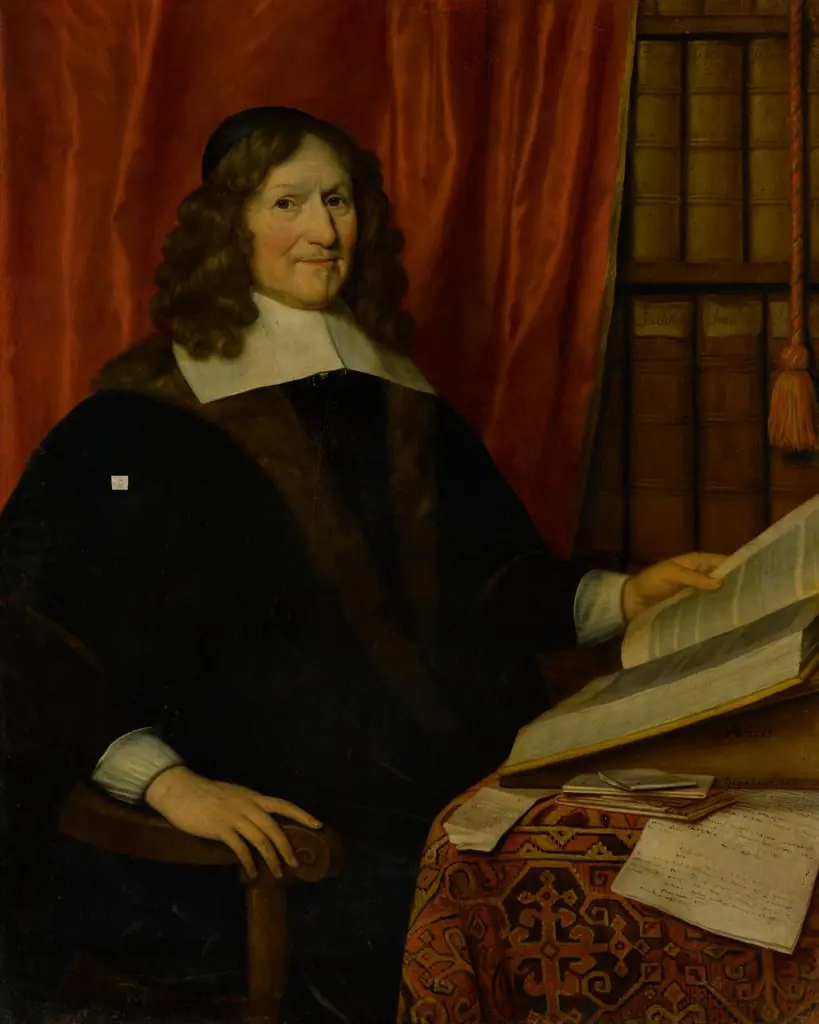
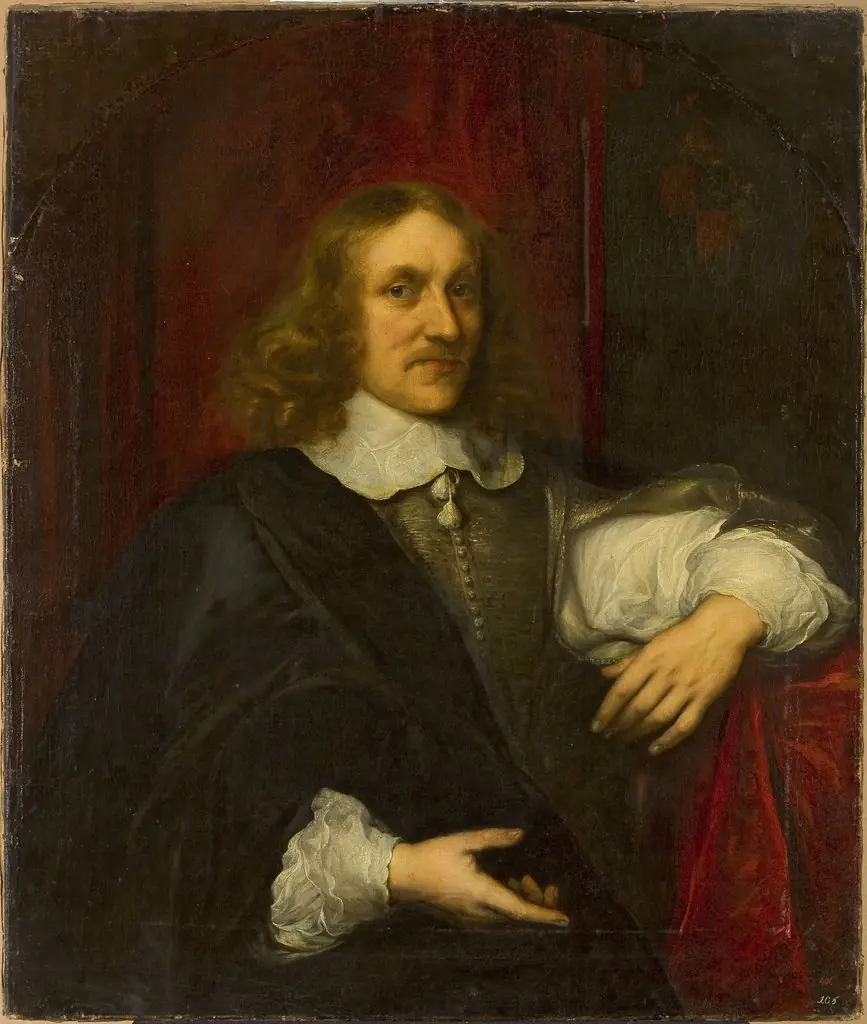
Portrait of one of the brothers Van der Burch, probably Arent van der Burch (1621-1691), 1656
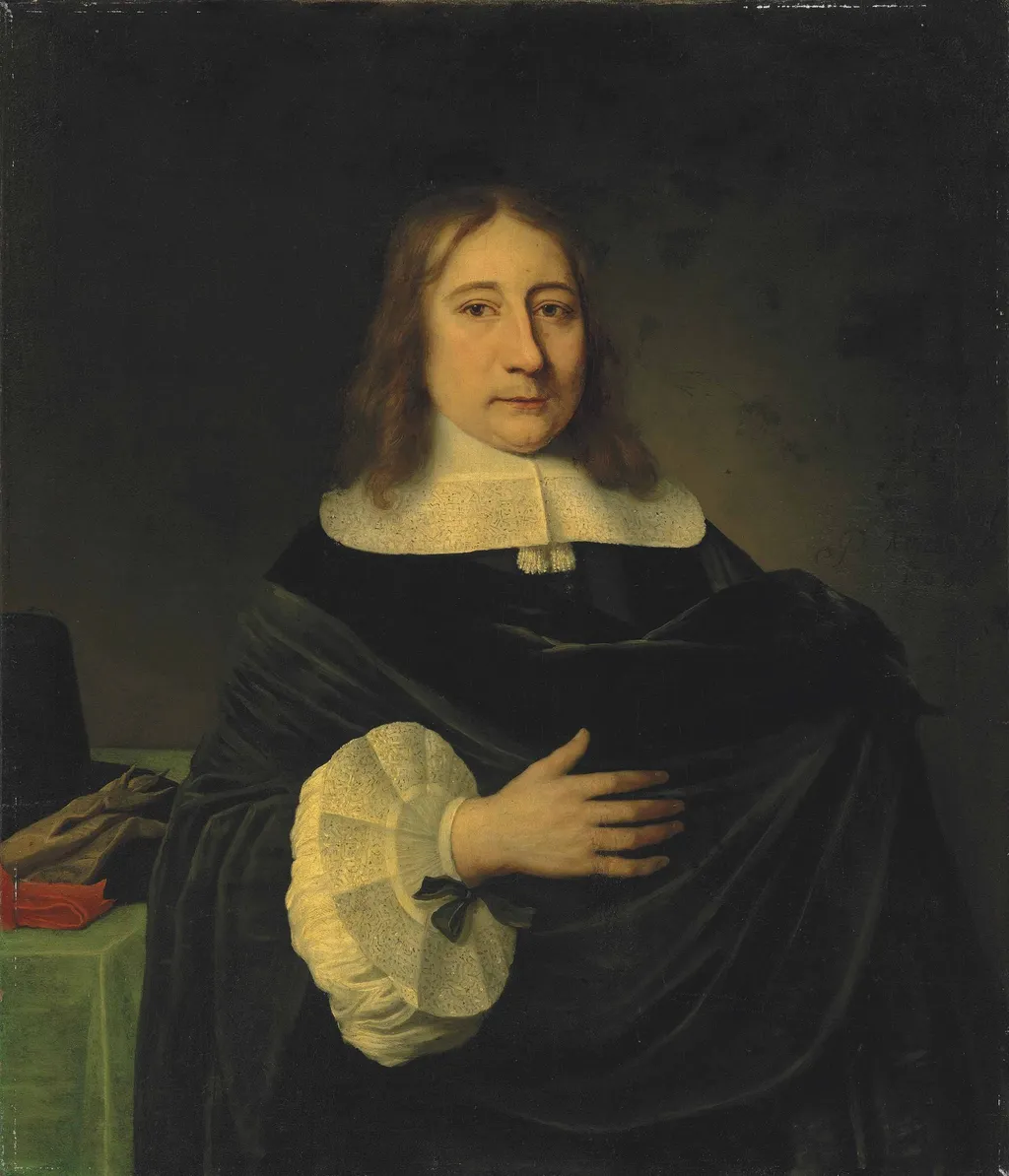
Portrait of one of the brothers Van der Burch, probably Arent van der Burch (1621-1691), 1656 is an oil painting by the Dutch Golden Age artist Philips Koninck. It dates from 1656 and is held in the collection of the Kunsthistorisches Museum.
About this work
The use of chiaroscuro, a technique that emphasizes contrasts between light and dark, adds depth to the image.
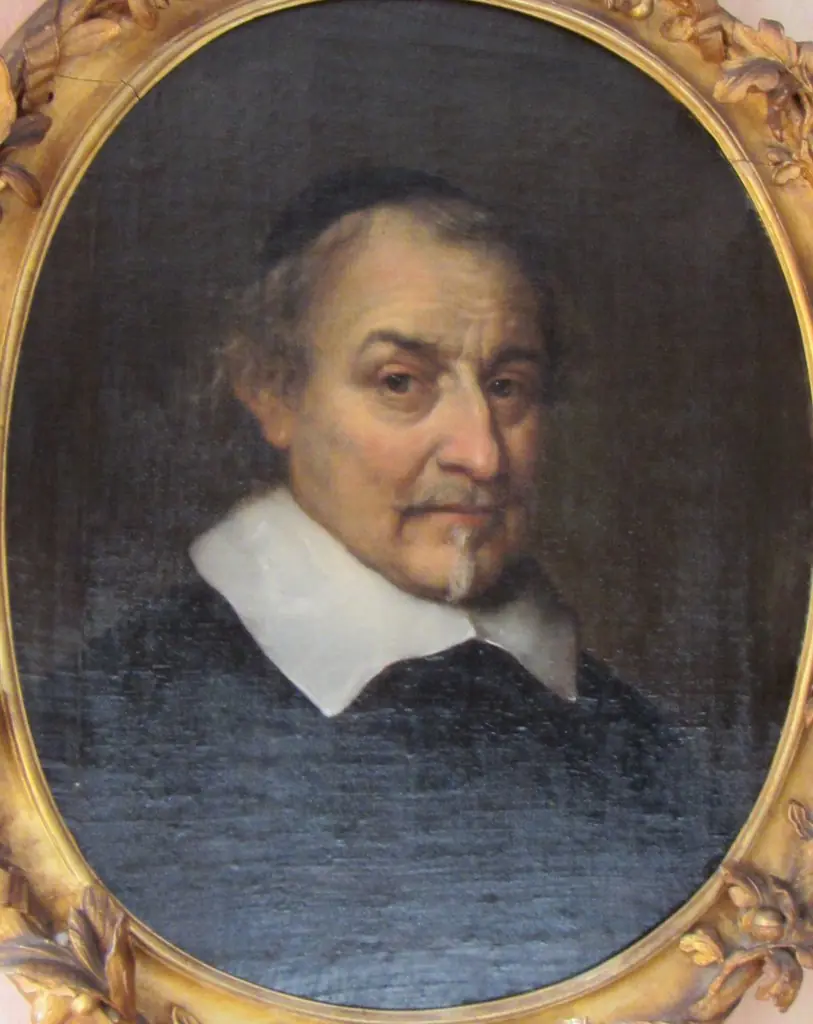
The painting depicts a man with long brown hair, wearing a dark robe with a white lace collar and cuffs. He is seated with his left hand resting on his lap, and his right arm is draped over the back of a chair. The background is dark, with a green table to the left featuring a red cloth and a brown hat.
The man's attire and the style of the painting suggest a formal portrait from the 17th century. The use of chiaroscuro, a technique that emphasizes contrasts between light and dark, adds depth to the image.
To learn more about the artist behind this work, look up Philips Koninck.
Subject & Meaning
The painting depicts a man, identified as possibly Arent van der Burch, seated beside a table. As a portrait, the work concentrates on the sitter’s likeness, presenting him as an individual within a modest interior setting. The inclusion of the table provides a compositional anchor but no specific symbolic attributes are described in the available sources.
Executed in oil on canvas, the piece measures 97.5 cm in height and 83 cm in width and is housed in the Kunsthistorisches Museum, forming part of the Jacques Goudstikker collection.
Technique & Style
Created in 1656, this portrait by Philips Koninck is executed in oil paint on a canvas support. The work measures 97.5 cm in height and 83 cm in width. As a portrait, the composition depicts a man seated at a table, rendered with the material characteristics typical of the artist's mid-seventeenth-century practice.
The painting is currently held in the collection of the Kunsthistorisches Museum, having passed through the Jacques Goudstikker collection.
History & Provenance
The painting was created in 1656 by Philips Koninck as a portrait, likely of Arent van der Burch (1621–1691).
It entered the Kunsthistorisches Museum’s holdings via the Jacques Goudstikker collection, which was later restituted to the Goudstikker heirs following World War II. The work has remained in the museum’s collection since its acquisition.
The painting is held in the Kunsthistorisches Museum, Vienna. It entered the museum through the Jacques Goudstikker collection, later passing to the Goudstikker heirs before being accessioned by the Kunsthistorisches Museum. The work has not been identified in exhibition records provided by the current holding institution.
Overview
Executed in 1656, this oil painting presents a seated gentleman in a dark interior, rendered with the chiaroscuro typical of mid‑17th‑century Dutch portraiture. The figure’s long brown hair, dark robe trimmed with white lace, and the subdued background create a solemn, formal atmosphere.
Context
The portrait reflects the conventions of Dutch bourgeois portraiture, where clothing, pose, and subdued settings signaled the sitter’s social standing and personal virtues. Koninck’s background in landscape painting informs the careful handling of light, while his exposure to Rembrandt’s techniques is evident in the psychological depth of the figure.
![Portrait of a Gentleman [possibly Jacob van Campen]](https://artifactworldgallery.com/img/thomas-de-keyser--portrait-of-a-gentleman-possibly-jacob-van-campen--d0c829ca95efaf31-w320.webp)
Own this work as a print
Artist & collection
Artist
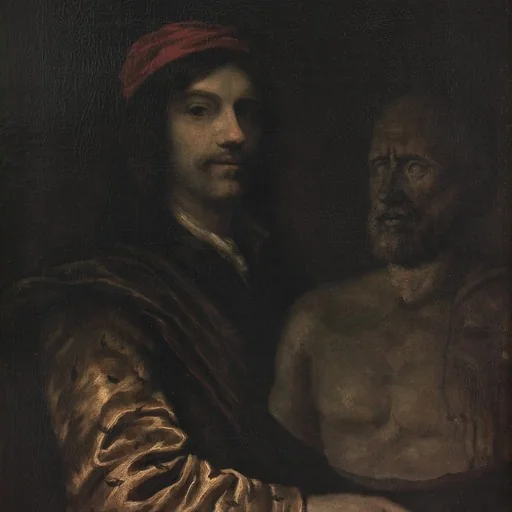
Philips Koninck (5 November 1619 – 4 October 1688), also spelled Philip de Koninck, was a Dutch landscape painter and younger brother of Jacob Koninck.

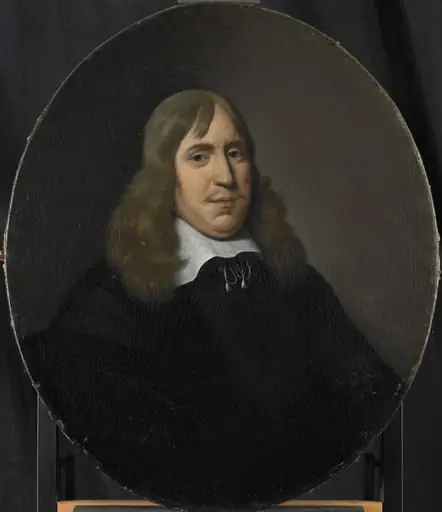 Portrait of Willem Hartigsvelt, Director of the Rotterdam Chamber of the Dutch East India Company, elected 1657
 Portrait of an unknown man
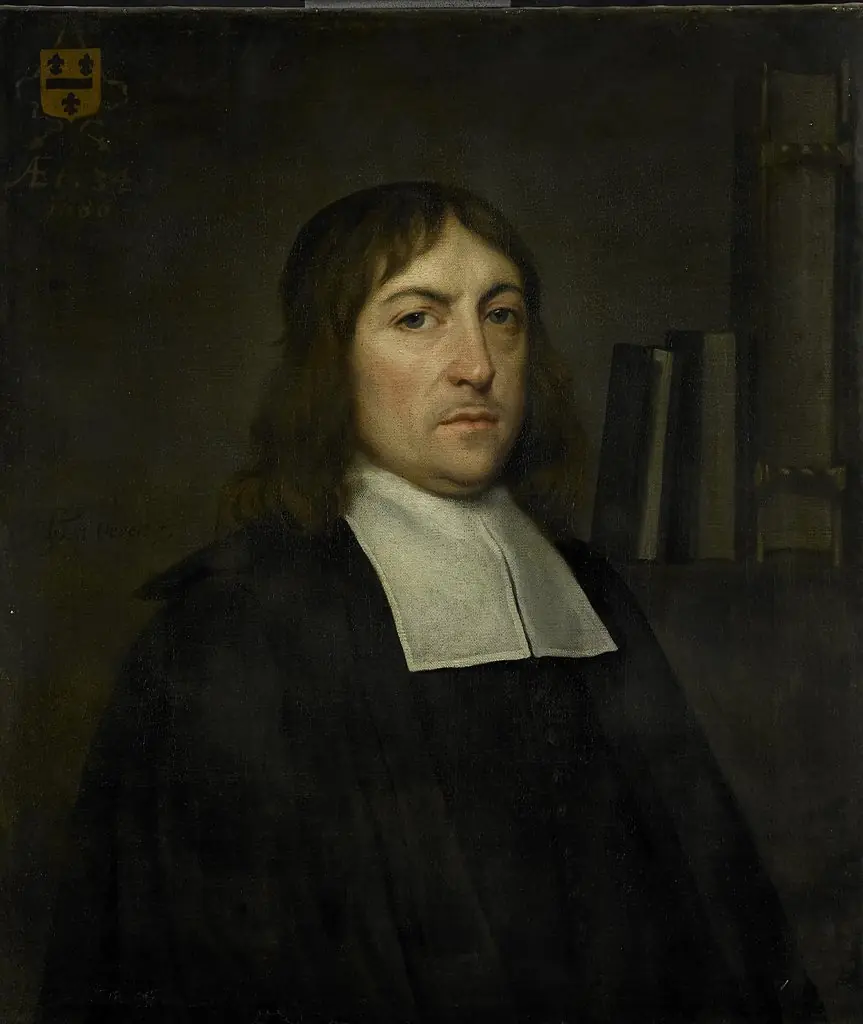 Portrait of Barend Hakvoort (1652-1735), bookseller, church reader and catechism master in Zwolle
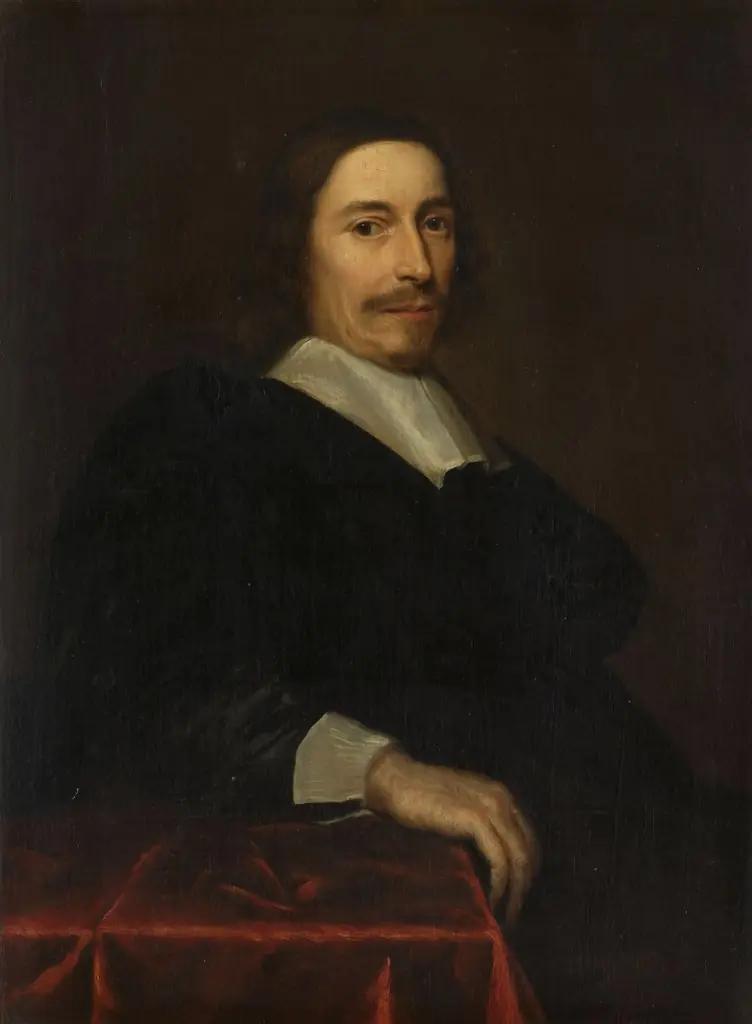 Jacob de Witt (1589-1674)
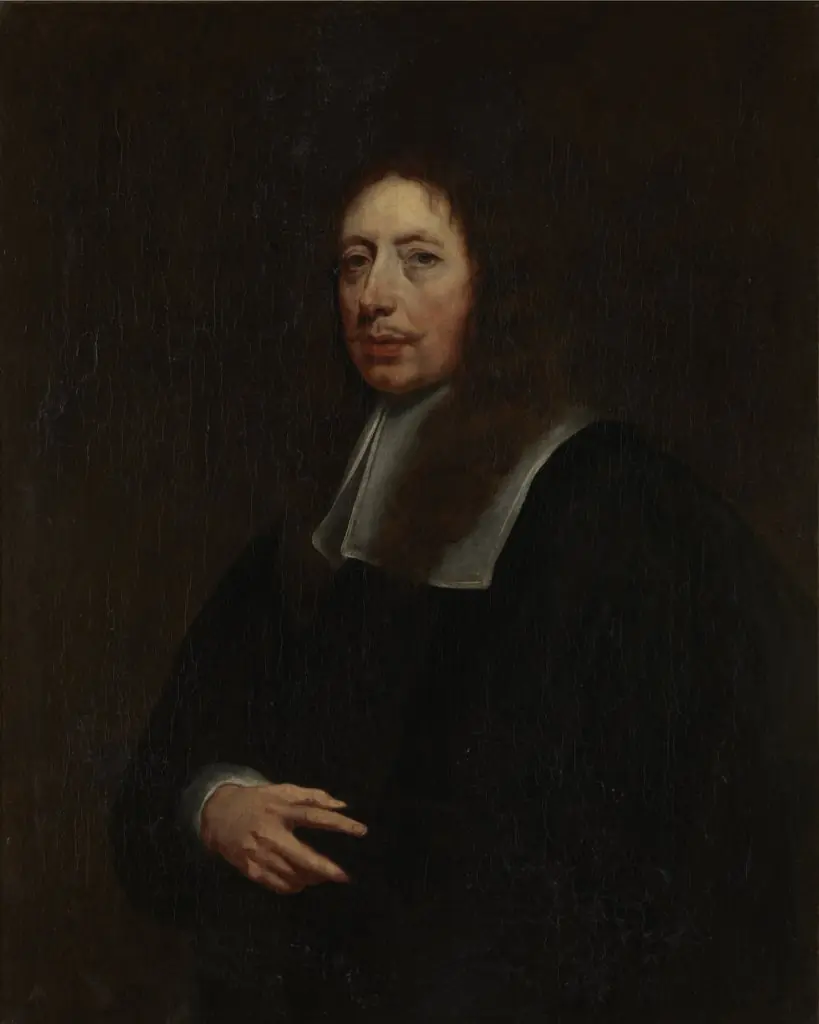 Maximus Gerardi
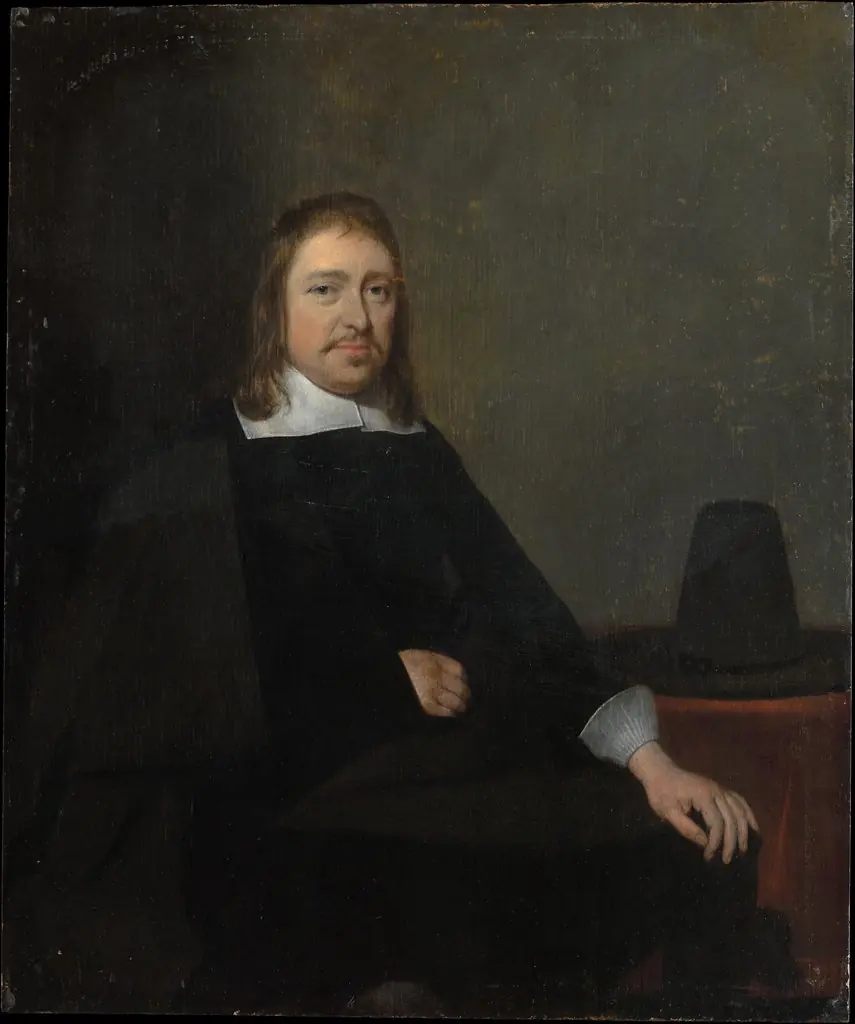 Portrait of a Seated Man
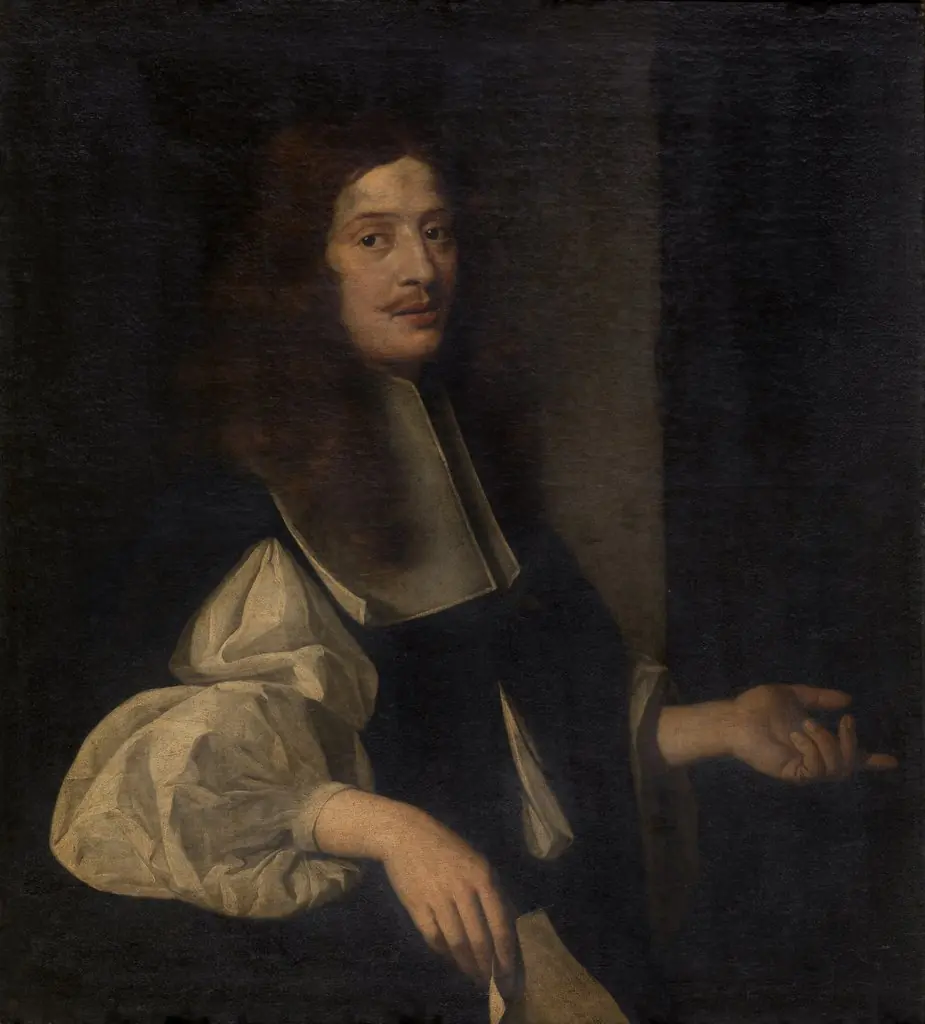 Portrait of a Man
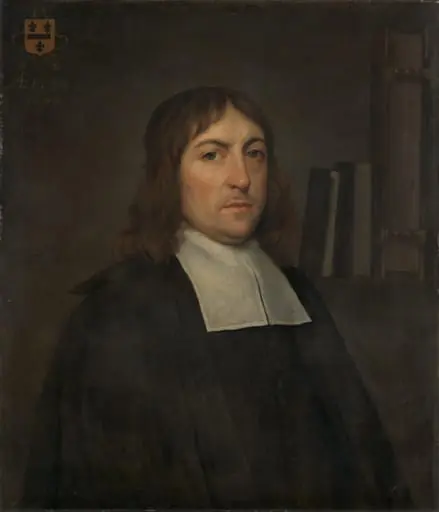 Portrait of Barend Hakvoort (1652-1735)
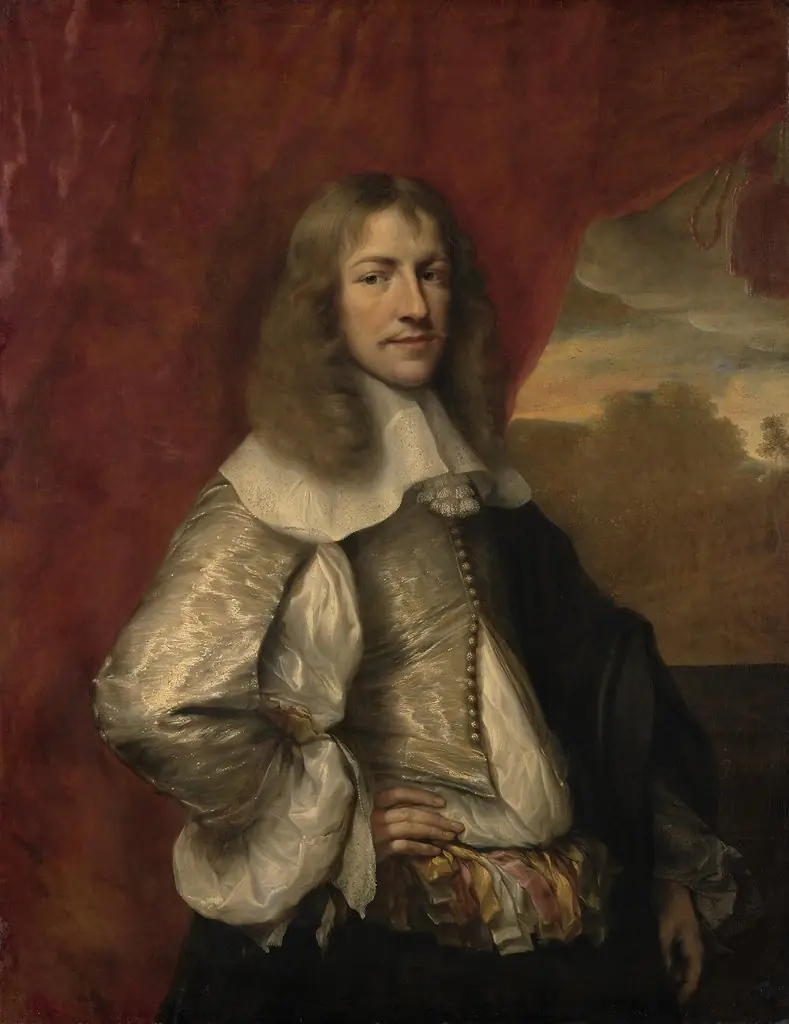 Portrait of Mr. Jan Bernd Schaep (1633-1666)
 Portrait of Barend Hakvoort (1652-1735)
 Portrait of a man
- Portrait of a Gentleman [possibly Jacob van Campen]