Artwork
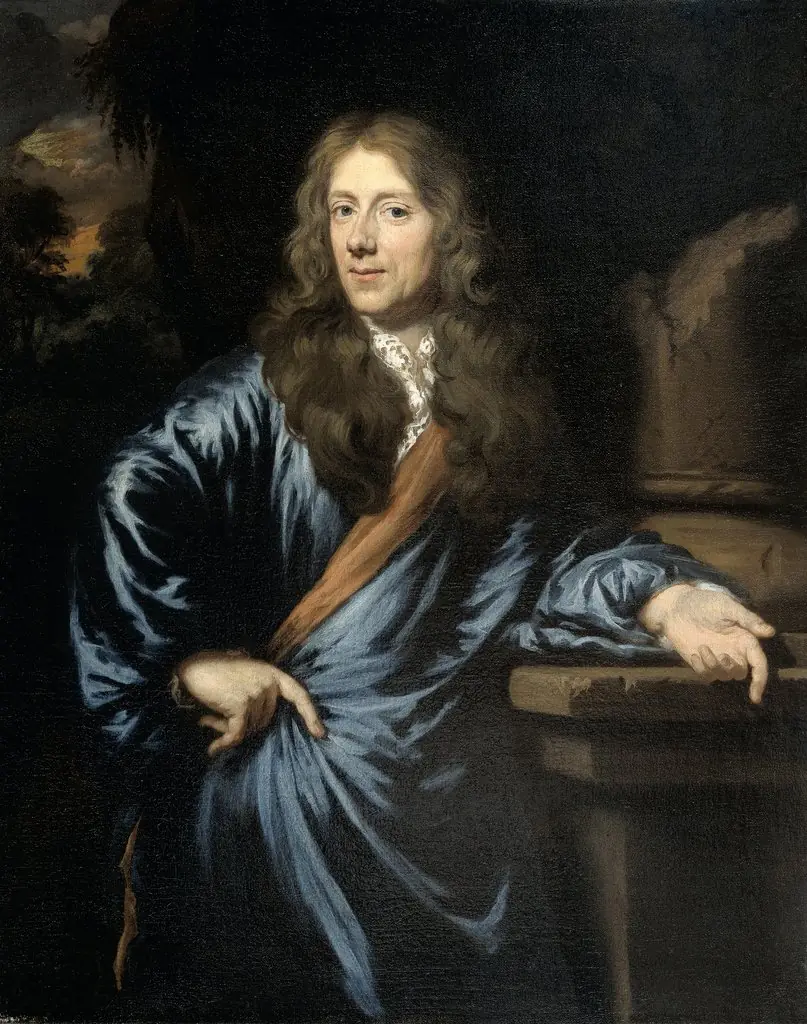
Portrait of Mr. Jan Bernd Schaep (1633-1666)
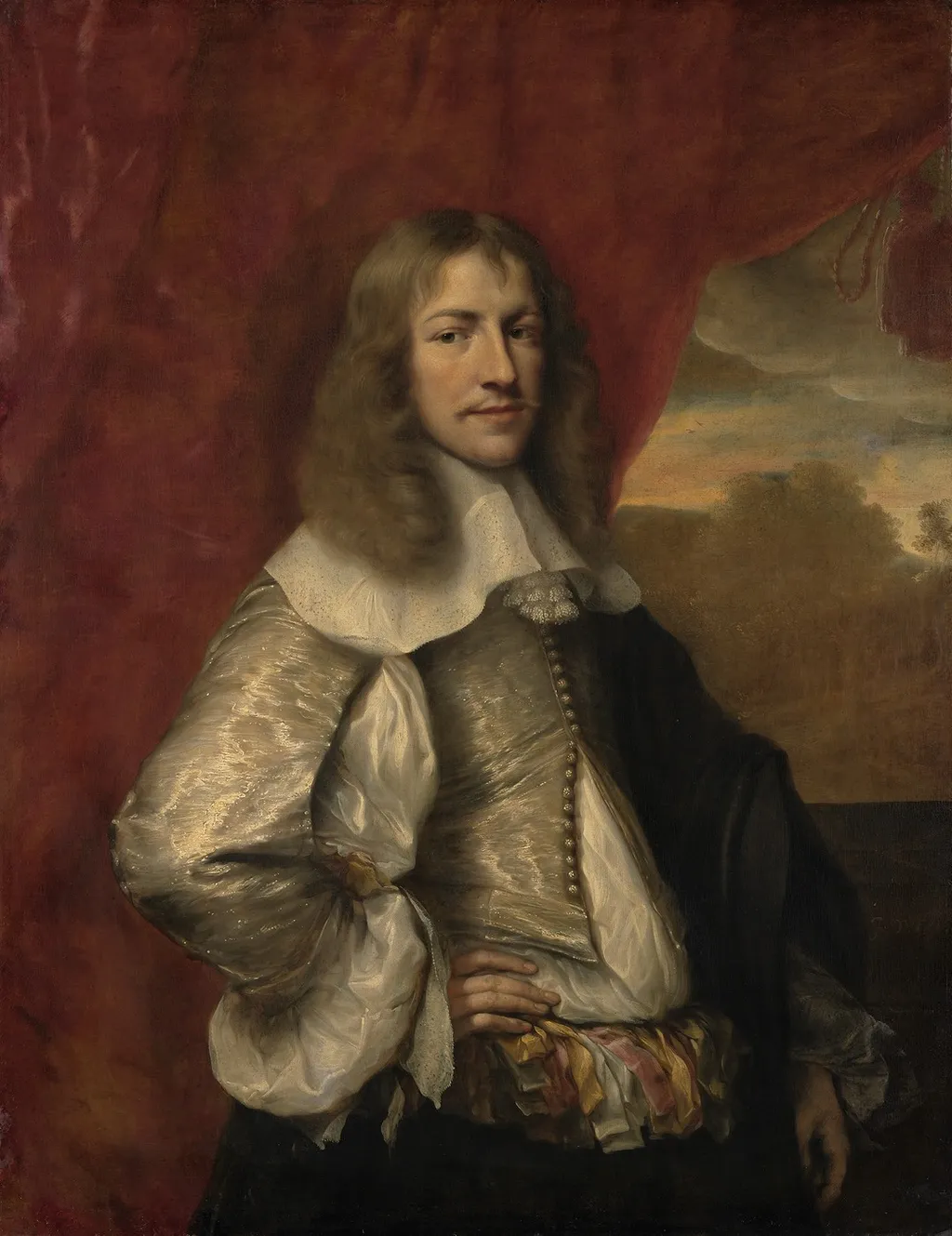
Portrait of Mr. Jan Bernd Schaep (1633-1666) is an oil painting by the Dutch Golden Age artist Jürgen Ovens. It dates from 1659 and is held in the collection of the Rijksmuseum.
About this work
Subject & Meaning
The work's significance lies in its representation of bourgeois identity and social standing during a period of economic expansion in the Dutch Republic.
The painting depicts Johan Bernard Schaep, a prominent Amsterdam merchant active in the mid-17th century, as indicated by the main subject designation in the source. His status as a representative figure of the Dutch merchant class is reflected in the formal composition and attire captured in this portrait, typical of civic and private patronage during the Dutch Golden Age. The work's significance lies in its representation of bourgeois identity and social standing during a period of economic expansion in the Dutch Republic.
Technique & Style
Executed in 1659 by Jürgen Ovens, this portrait is an oil painting on canvas. The work measures 115 cm in height and 86 cm in width. As a formal portrait, it depicts Johan Bernard Schaep, adhering to the genre conventions of the mid-17th century. The piece is currently held within the collection of the Amsterdam Museum.
History & Provenance
The portrait of Johan Bernard Schaep was executed in 1659 by the German‑Dutch painter Jürgen Ovens. It depicts Schaep, a member of the Amsterdam patriciate, and was likely commissioned shortly before his death in 1666. According to the sources, the work entered the collection of the Amsterdam Museum (also recorded in the Rijksmuseum’s holdings) and remains on display there. No further details about earlier owners or subsequent transfers are provided in the available records.
Context
The portrait of Johan Bernard Schaep painted by Jürgen Ovens in 1659 was received as a competent example of Dutch Golden Age portraiture, reflecting the period's emphasis on individual likeness and status. Scholars note its significance within Ovens' oeuvre as a bridge between Rembrandt's influence and later Dutch portrait trends, situating the work amid the broader evolution of 17th-century Dutch art. The painting remains housed in Amsterdam, underscoring its enduring presence in the city's artistic heritage.
Overview
Jürgen Ovens, a North Frisian painter who studied with Rembrandt, executed this oil portrait in 1659. It presents Johan Bernard Schaep, a 17th‑century gentleman, and is now part of the Rijksmuseum’s collection. The work exemplifies the Dutch Golden Age, a period of intense artistic production linked to the Netherlands’ commercial prosperity.
Artist & collection
Artist
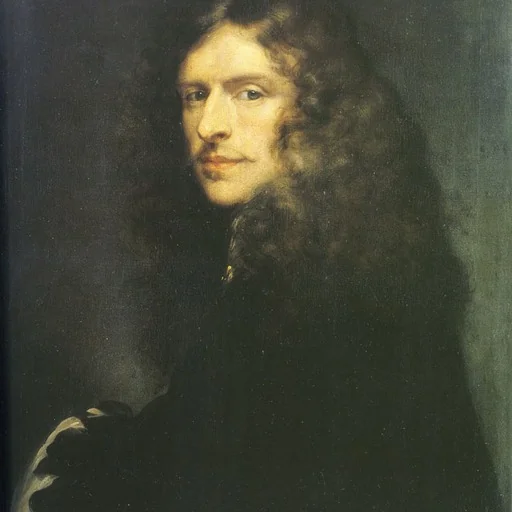
Jürgen Ovens (1623 – 9 December 1678), also known as Georg, or Jurriaen Ovens whilst in the Netherlands, was a portrait painter and art-dealer from North Frisia and, according to Arnold Houbraken, a pupil of Rembrandt.

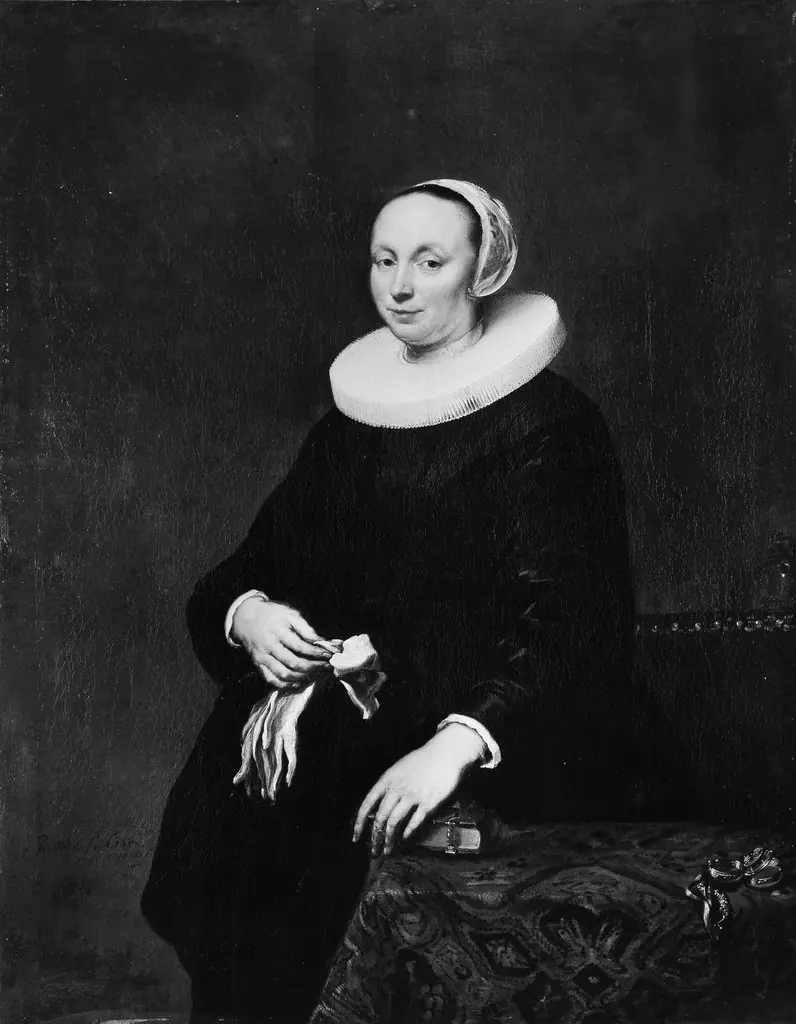 Portrait of a Woman
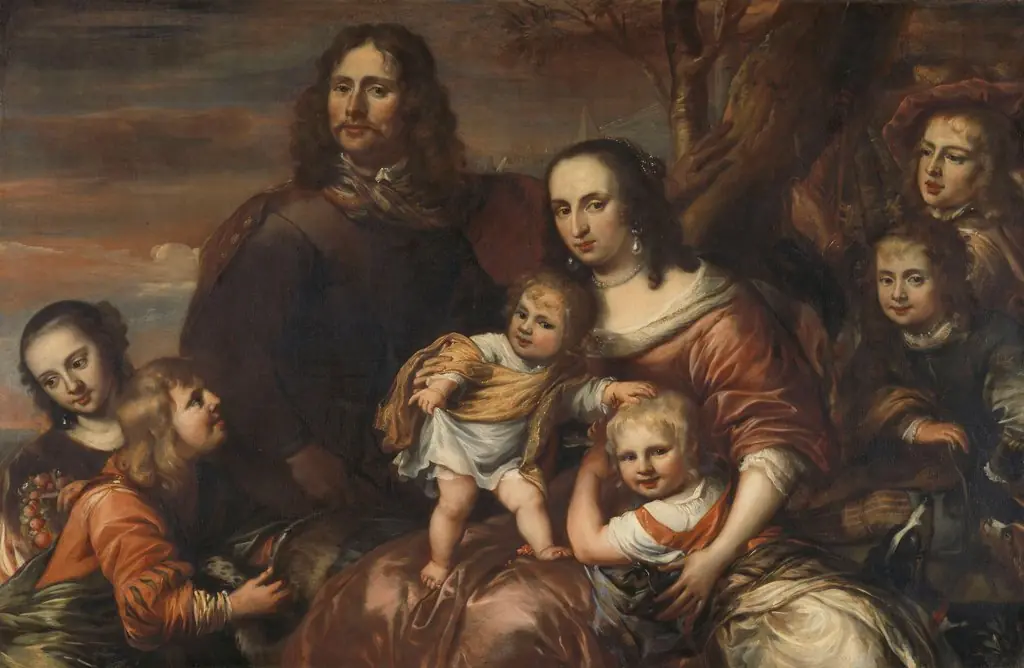 A couple with six children
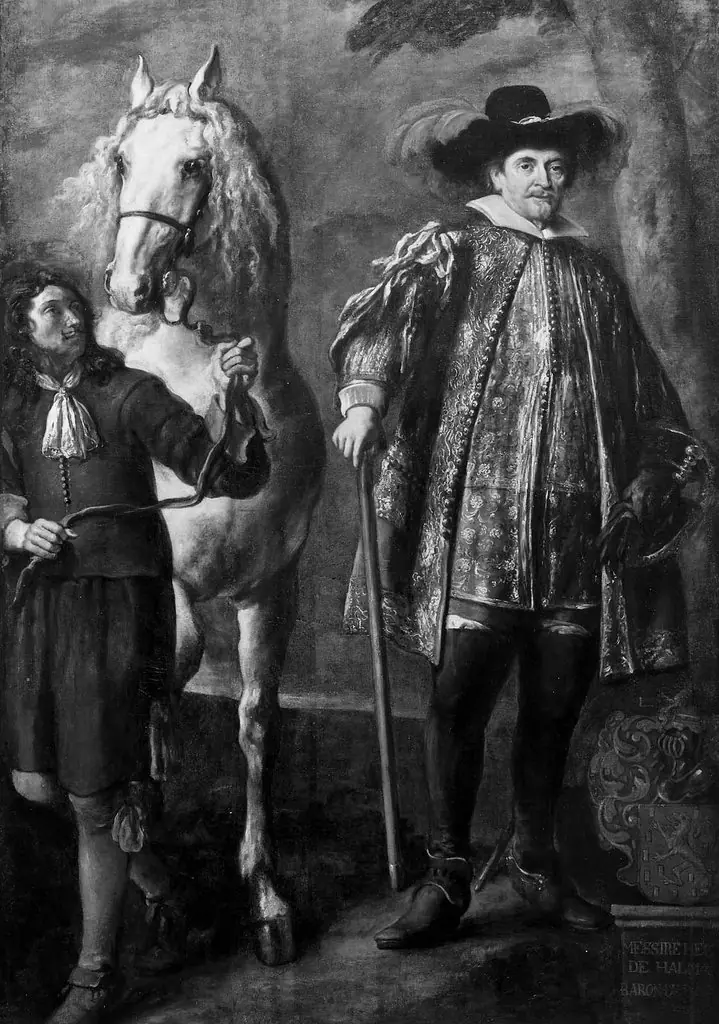 Hendrik van Halmale with his Horse and Groom
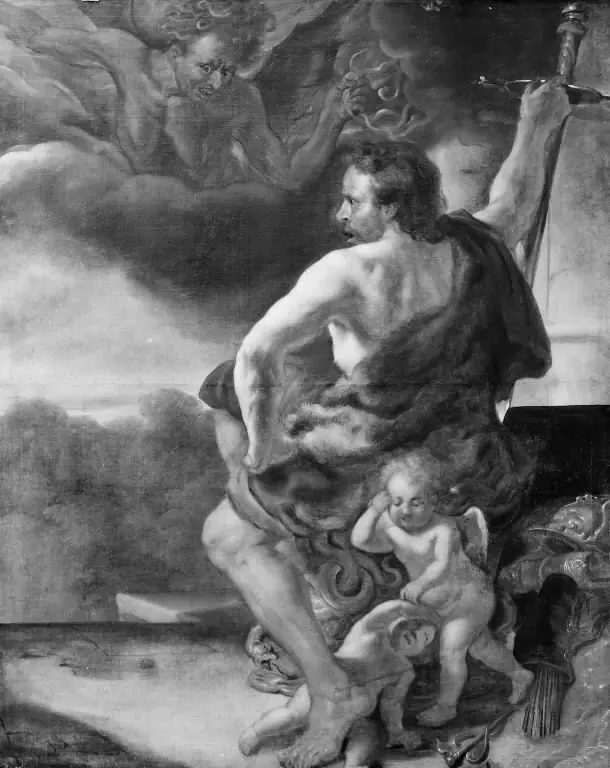 Hercules and Envy
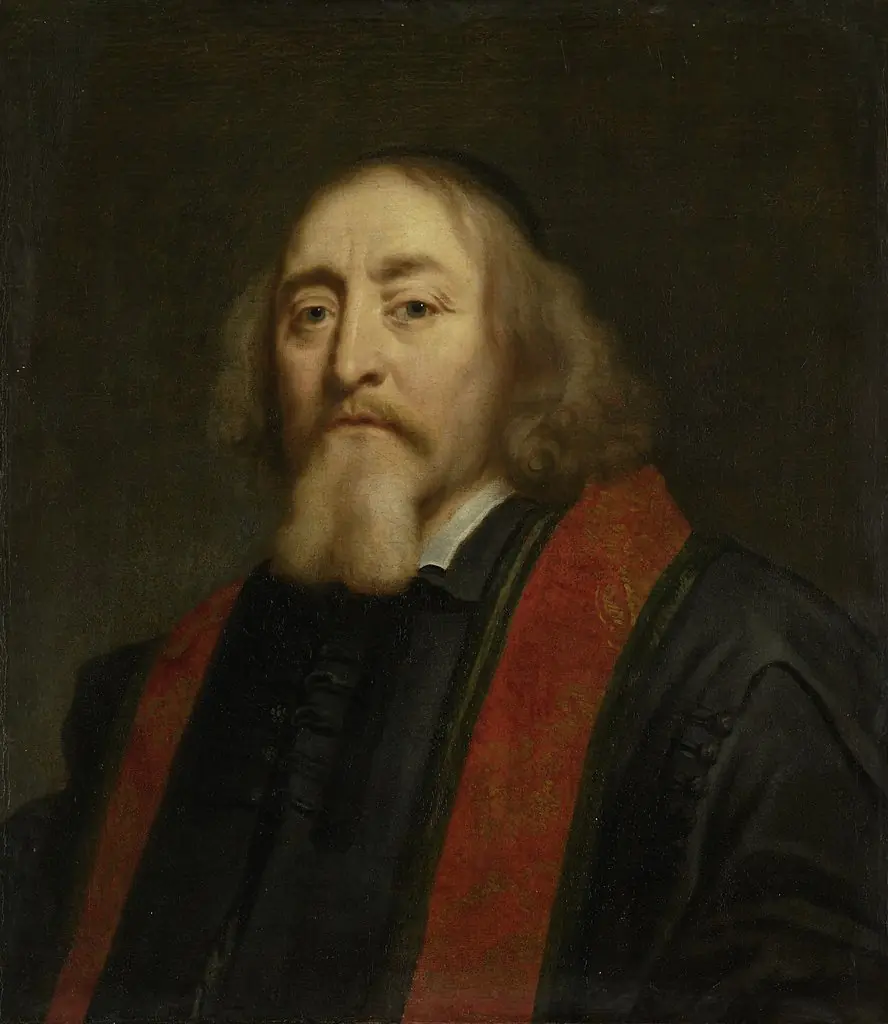 Jan Amos Comenius (Komensky) (1592-1670). Czech humanist and pedagogue. Exiled as a leader of the Moravian or Bohemian Brethren and settled in Amsterdam in 1656
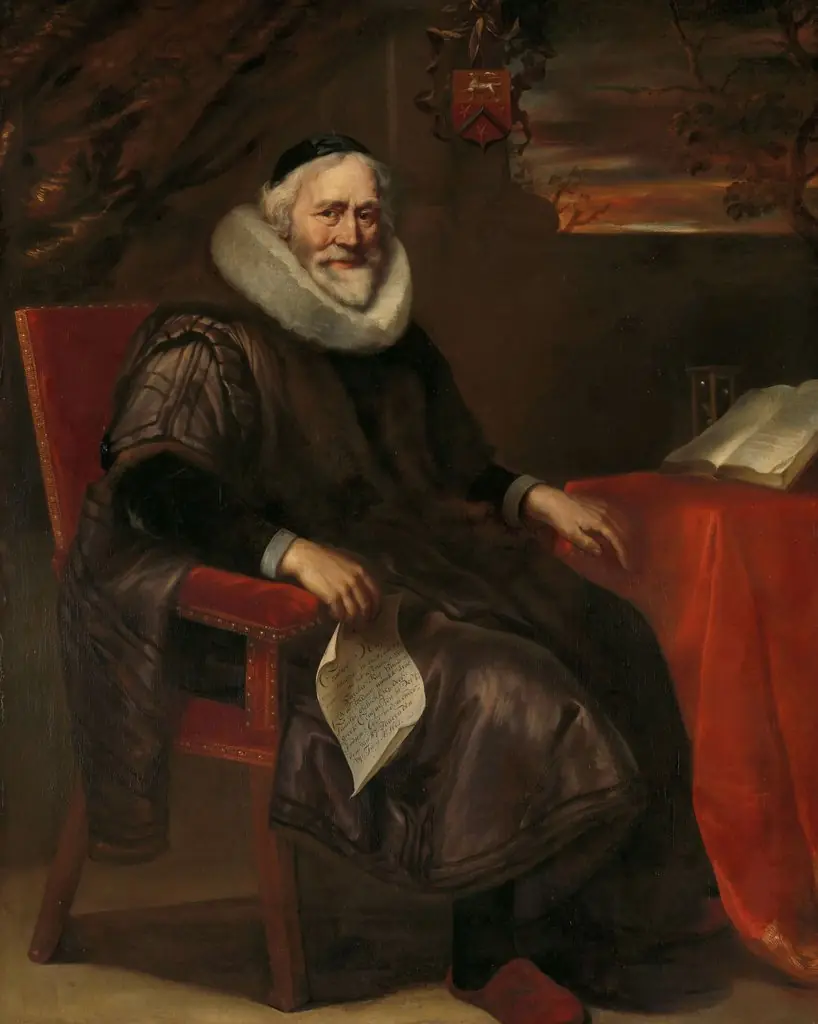 Cornelis Nuyts (1574-1661). Amsterdam merchant
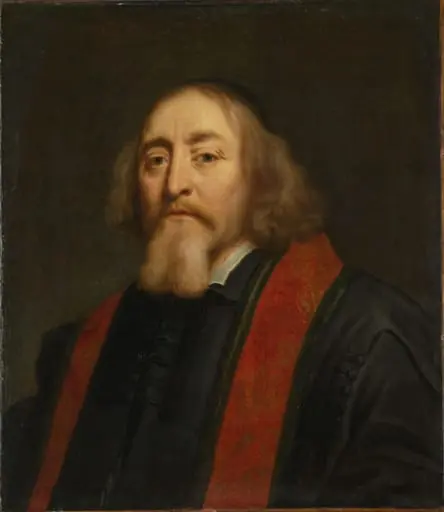 Portrait of Jan Amos Comenius
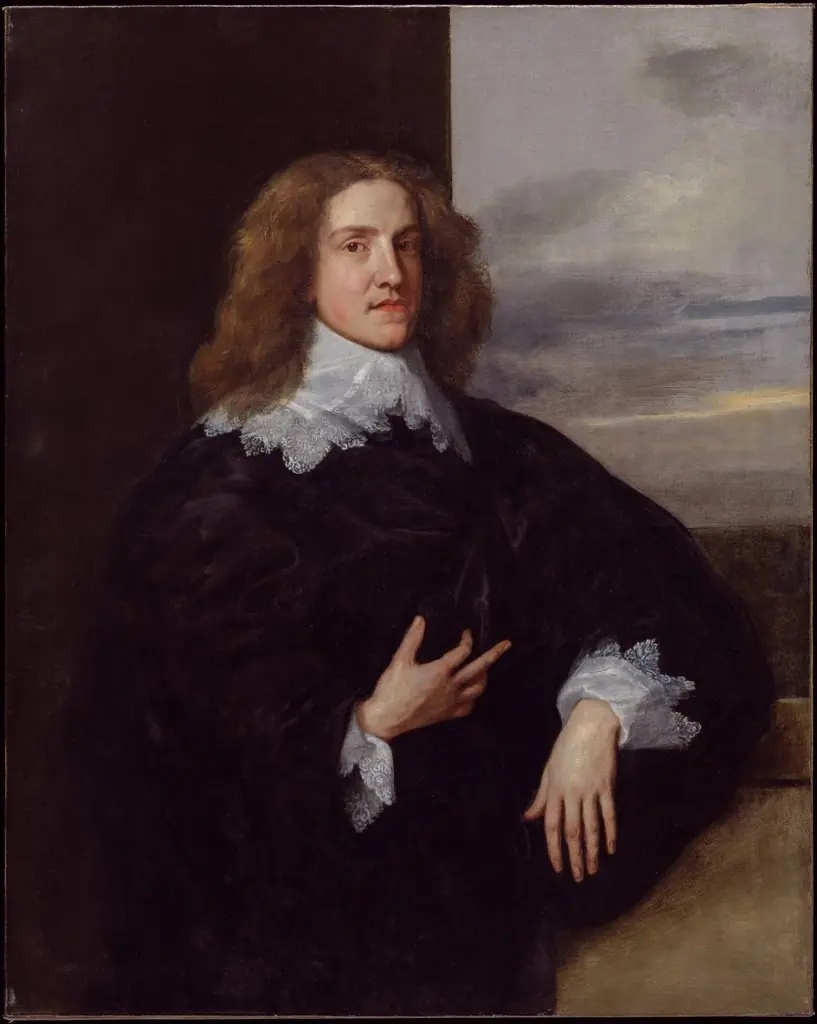
- Young Gentleman (Earl of Downe?)
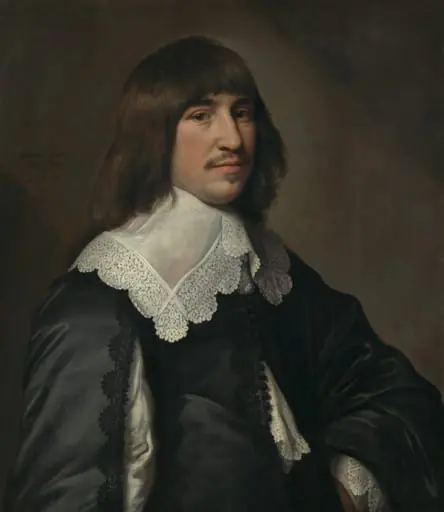 Portrait of Henrick Hooft
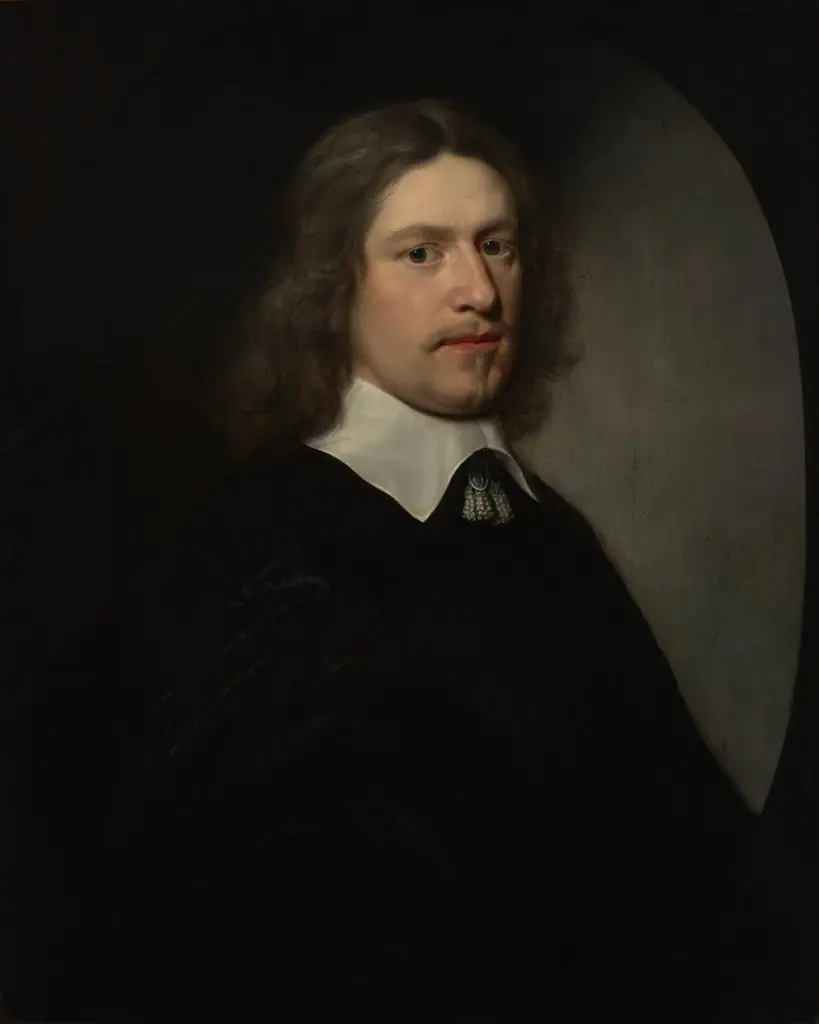 Portrait of a Man
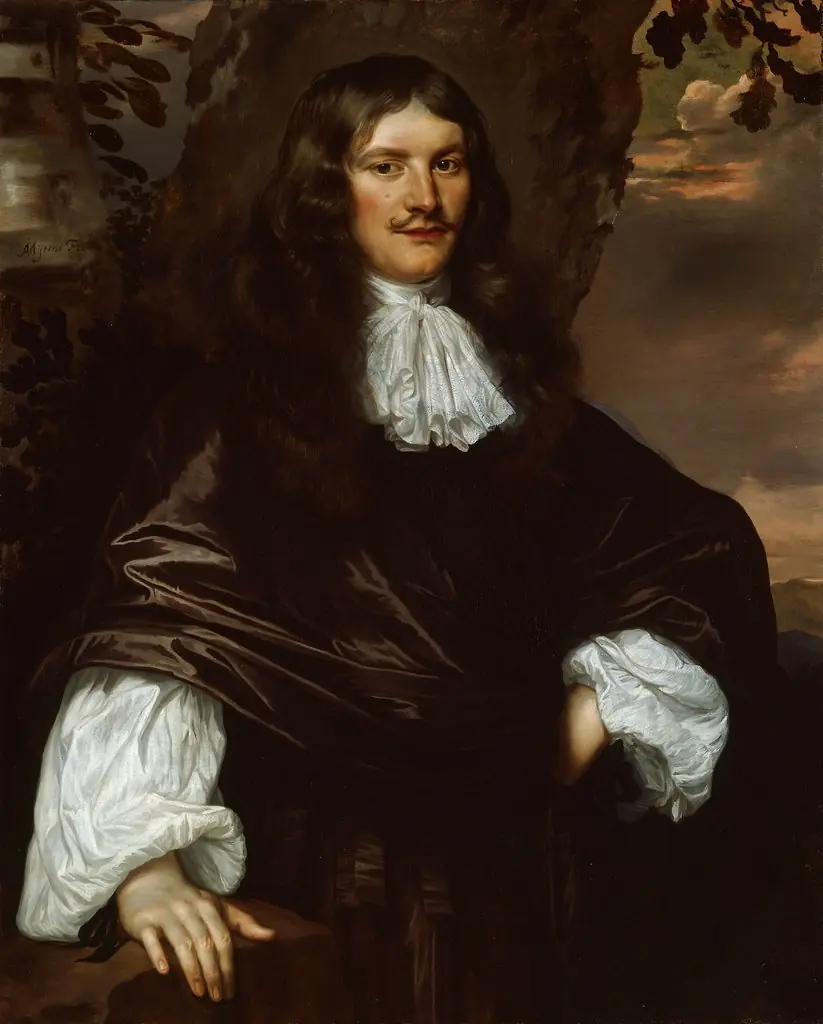 Portrait of a Man
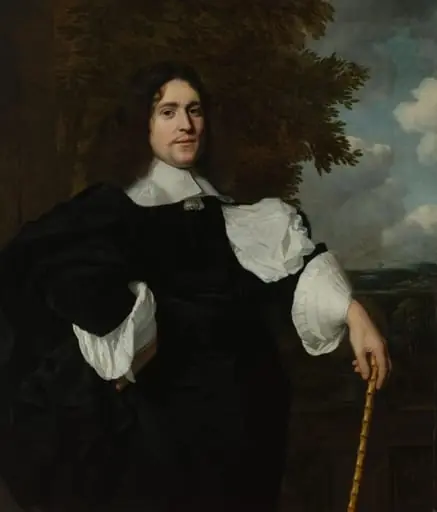 Jacobus Trip (1627-70), Armaments Dealer of Amsterdam and Dordrecht
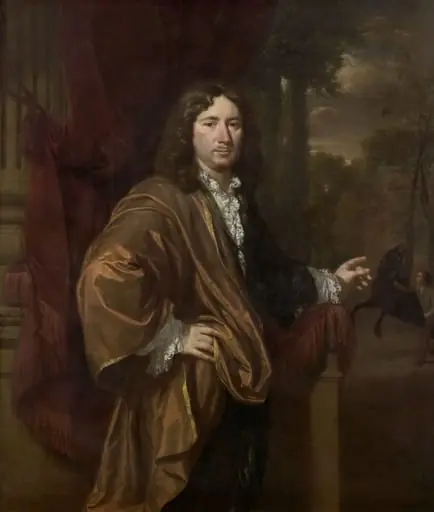 Portrait of a Man
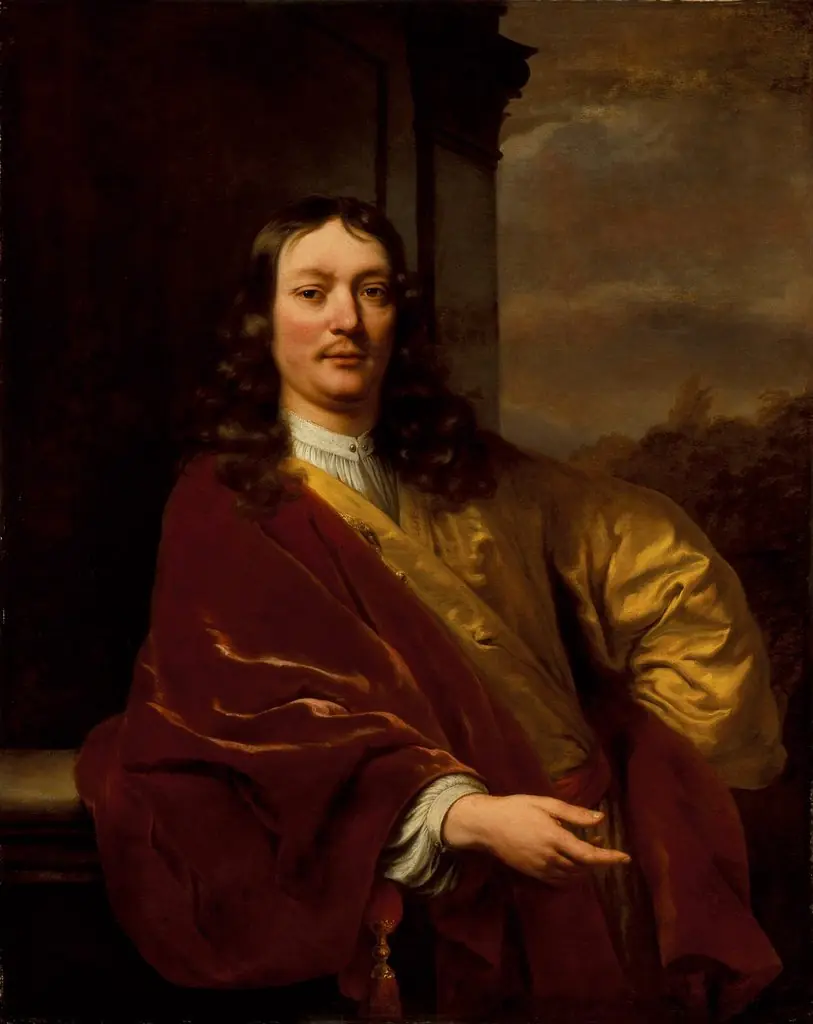 Portrait of a Man
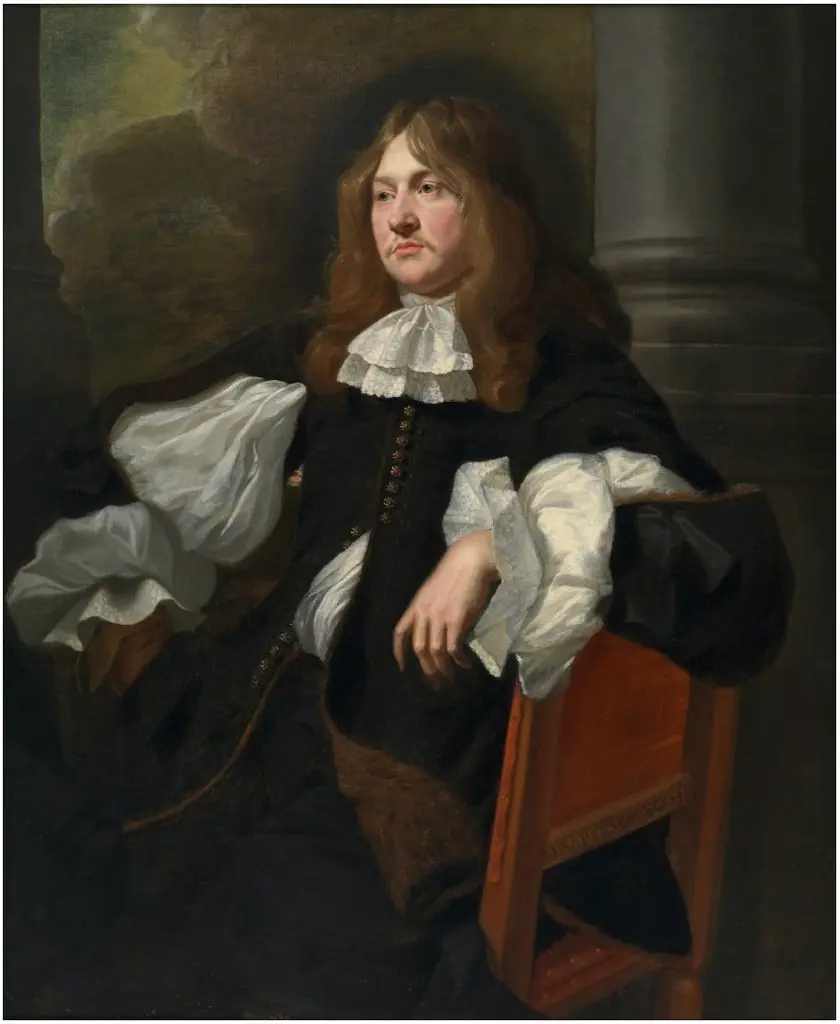 Portrait of Edward Hyde
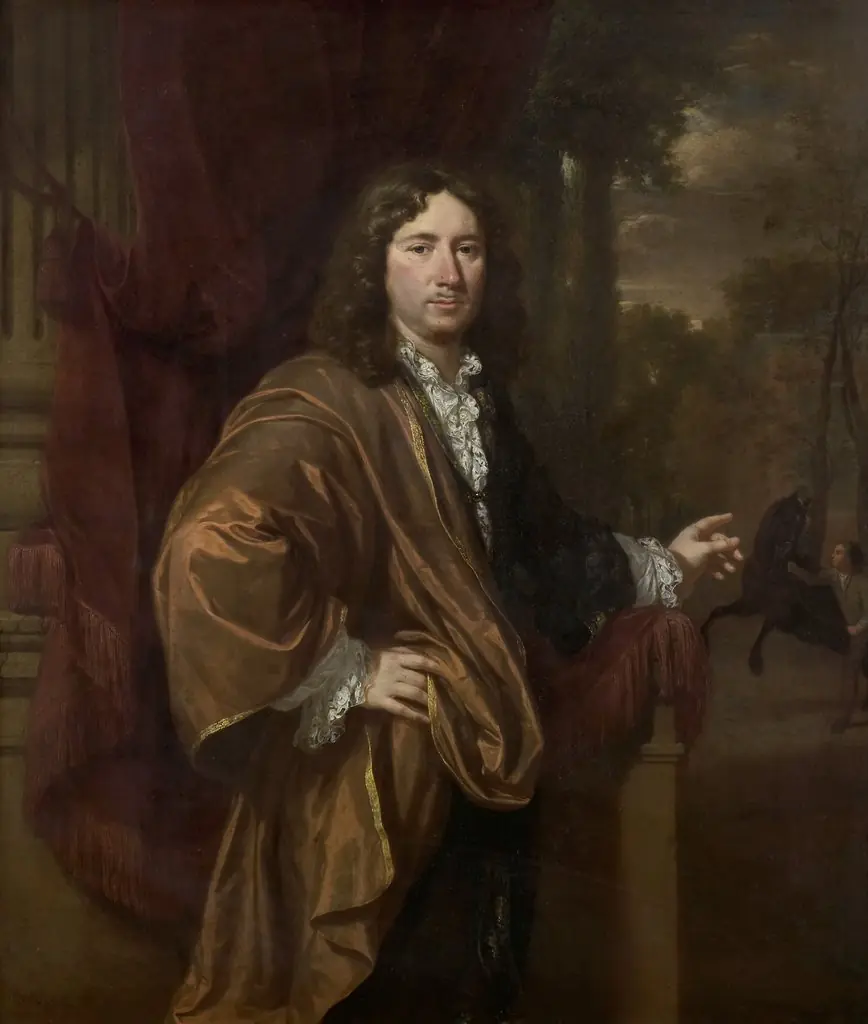 Portrait of a Man
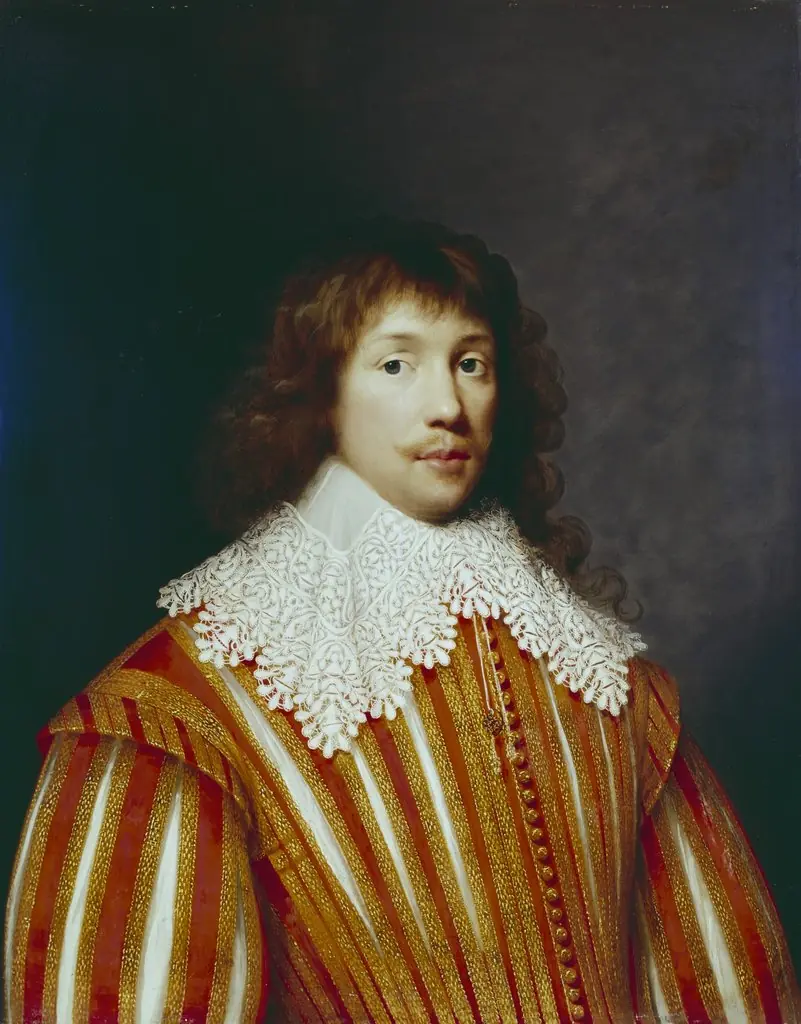 William Fitzwilliam, Second Lord Fitzwilliam of Liffer
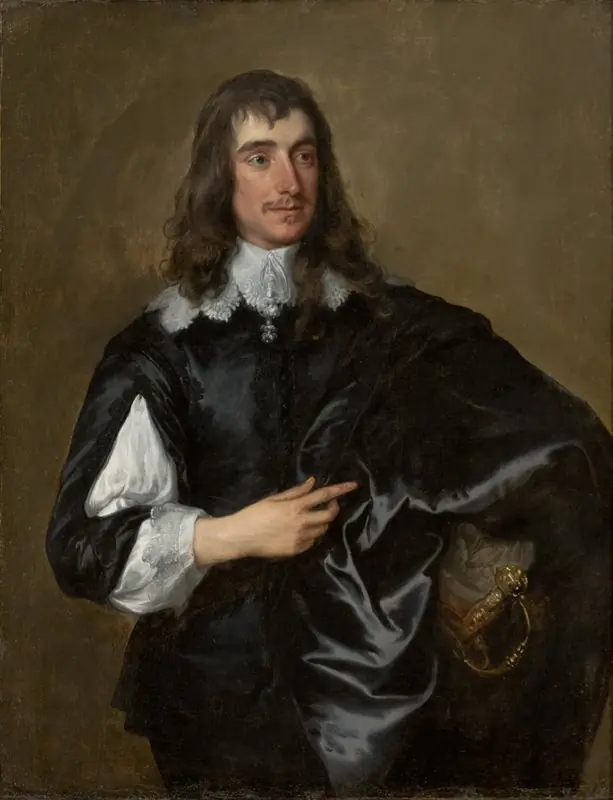 Portrait of a man, possibly William Howard, Viscount of Stafford
 Portrait of Willem Pottey (1666-94), lawyer and treasurer-general of Vlissingen