Artwork
ODIHNA MICILOR LĂUTARI
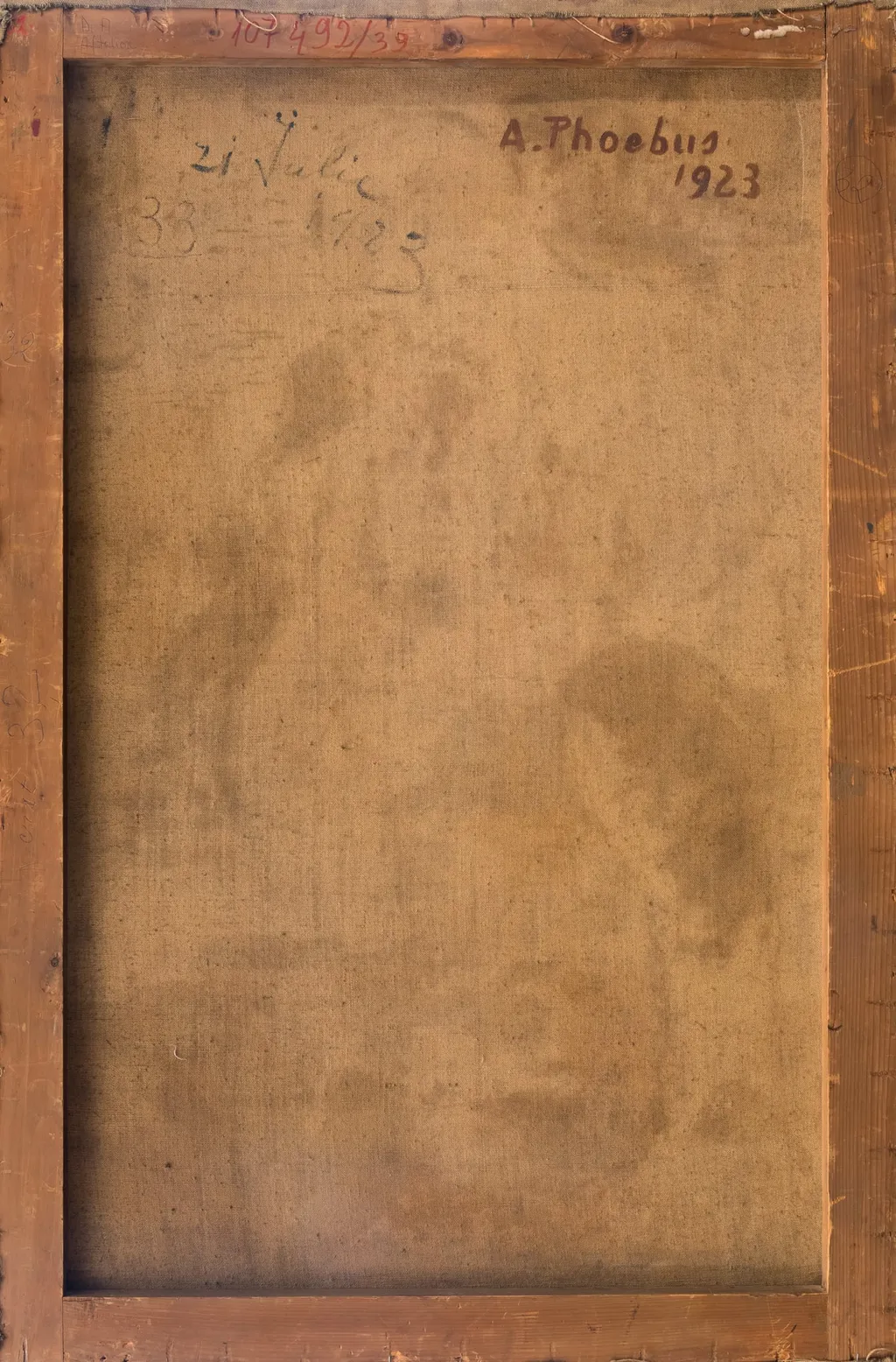
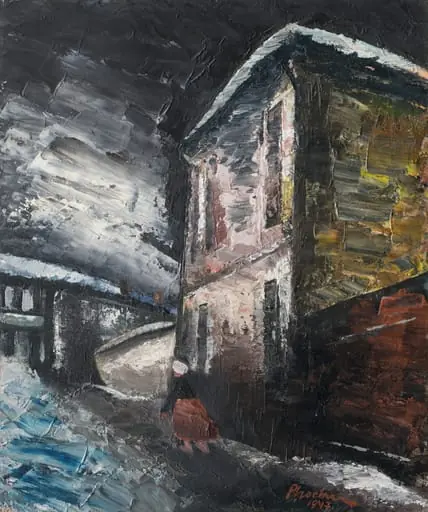
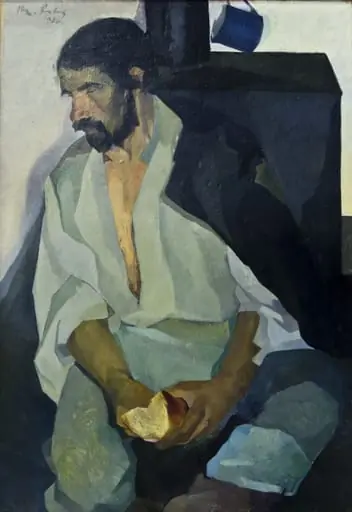
ODIHNA MICILOR LĂUTARI is an unspecified painting by the Romanesque artist Alexandru Phoebus. It dates from 1923 and is held in the collection of the National Museum of Art of Romania.
About this work
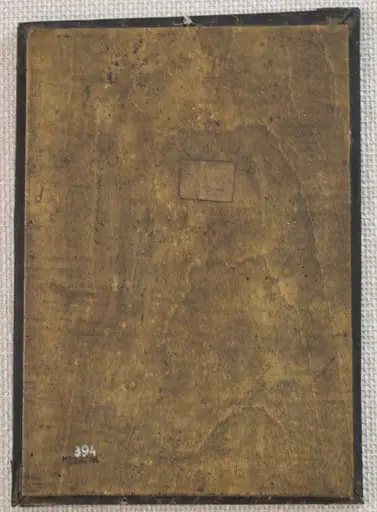
The wood is light brown with some wear, and the paint surface is a dull, faded beige.
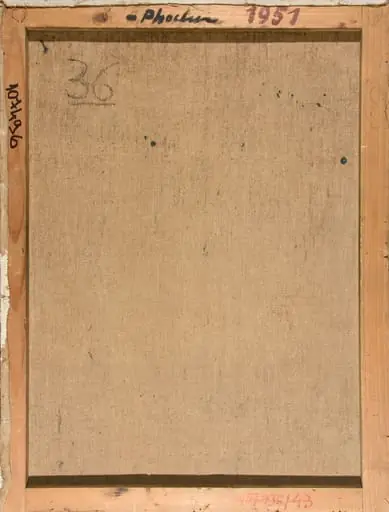
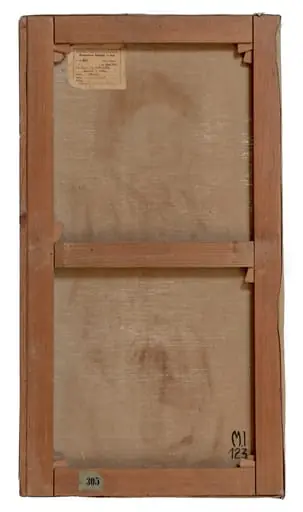
This is a blank canvas stretched over a wooden frame. The wood is light brown with some wear, and the paint surface is a dull, faded beige. There’s handwritten text in the top corners, one says "A. Phoebus 1923" and the other has numbers and letters that look like notes.
The painting is empty, with no visible brushstrokes or shapes. It’s like a placeholder, waiting for something that never came. The artist’s name and year are the only clues it was ever meant to be more.
If you’re curious about artists who left work unfinished, look up Phoebus, Alexandru.
Overview
ODIHNA MICILOR LĂUTARI, executed by Alexandru Phoebus in 1923, consists of a stretched canvas mounted on a light‑brown wooden frame. The surface is coated with a muted, beige ground that shows signs of fading. In the upper corners, handwritten annotations appear: one reads “A. Phoebus 1923,” while the other contains a series of alphanumeric characters that resemble marginal notes.
Subject & Meaning
The work presents no pictorial content; its emptiness functions as a visual silence. By leaving the canvas devoid of brushwork or recognizable forms, Phoebus creates a space that invites contemplation of absence and the potential for future addition. The sparse textual markings serve as the sole identifiers, suggesting the piece was intended as a preparatory or conceptual placeholder rather than a finished image.
Technique & Style
The canvas is primed with a uniform beige layer that has weathered to a dull tone, revealing little about the artist’s handling of pigment. The wooden stretcher shows modest wear, indicating the piece has been stored for an extended period. Handwritten inscriptions are applied in a simple, utilitarian script, contrasting with the otherwise unadorned surface and emphasizing the work’s documentary character.
History & Provenance
Created in 1923, the piece bears the artist’s signature and date, anchoring it within Phoebus’s early career. No further documentation of exhibition or sale is recorded, and the work appears to have remained in a private or institutional collection. Its preservation in a relatively intact state suggests careful handling, despite the lack of decorative or commercial intent.
Own this work as a print
Artist & collection



 Gendarme
 PORTRETUL AUROREI VORVOREANU
 PAX
PAX Portrait of a man
 COPII LA CÂMP
 PORTRET DE FEMEIE
 Suprescu
 Victorie
 Icoana de factură catolică îl reprezintă pe sfântul Teodor Tiron (306 d. Hr) sărbătorit pe 17 februarie.Sf. Teodor înveșmântat ca oștean: coif cu pene, armura și mantie roșie. În dreapta ține un coif cu stânga sulița. În planul doi o biserică catolică. Pe fondul alb, de o parte și alta a sfântului câte tulpină cu o floare roșie. Cromatica: predomină roșul(inclusiv ca desen) albastru, bleu, negru, maro, auriu, verde deschis, verde închis, fond alb.Ramă îngustă, patru stinghiii îmbinate oblic la colțuri.
 Chelnerița
- LĂUTARUL