Artwork
Fragment of a kermesse: the procession
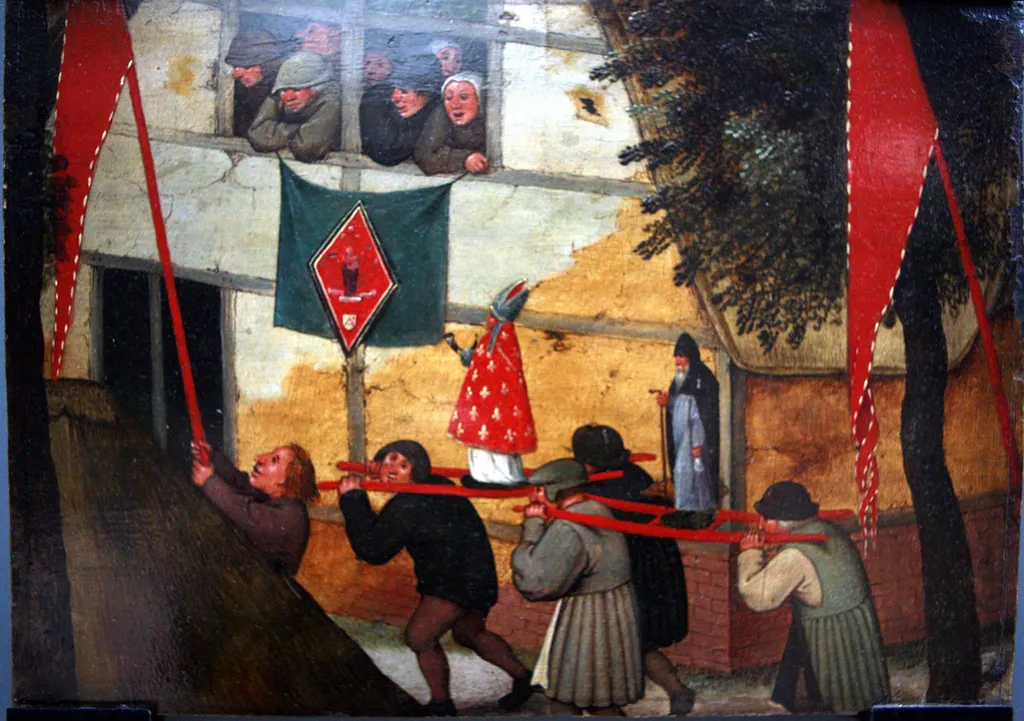
Fragment of a kermesse: the procession is an oil painting by the Flemish Baroque painting artist Pieter Brueghel the Younger. It dates from 1610 and is held in the collection of the Royal Museums of Fine Arts of Belgium.
About this work
Overview
It is held in the collection of the Royal Museums of Fine Arts of Belgium, reflecting its significance within Flemish artistic output of the early 17th century.
Created around 1610, this oil painting is attributed to Pieter Brueghel the Younger, a Flemish artist known for reproducing and expanding upon his father’s imagery. The work captures a fragment of a kermesse, a traditional rural festival, rendered with lively detail and a focus on communal celebration. It is held in the collection of the Royal Museums of Fine Arts of Belgium, reflecting its significance within Flemish artistic output of the early 17th century.
Subject & Meaning
The scene portrays a procession carrying a figure adorned in a red robe marked with white crosses and a distinctive green-and-red hat. The figure, possibly representing a symbolic or ceremonial role, is central to the event. Onlookers observe from upper windows, suggesting a public ritual embedded in local custom.
The composition emphasizes collective participation, with no clear religious or moral narrative, instead highlighting the energy of seasonal festivity.
Technique & Style
Brueghel employed bold, saturated colors, red, green, and yellow, to heighten the vibrancy of the procession. Figures are rendered with brisk, expressive brushwork, conveying motion and crowd density. The background features a simplified architectural structure with a banner bearing a red diamond, anchoring the scene in a recognizable Flemish setting. The painting’s dynamic arrangement avoids static symmetry, favoring a sense of spontaneous movement.
History & Provenance
The work originates from the prolific studio of Pieter Brueghel the Younger, which produced hundreds of variants on his father’s themes. While exact early ownership records are sparse, the painting entered the Royal Museums of Fine Arts of Belgium’s collection as part of broader efforts to preserve Flemish heritage. Its survival reflects the enduring interest in Brueghel family imagery during and after the Baroque period.
Context
Kermesses were annual village festivals in the Low Countries, often tied to church feast days and marked by processions, music, and communal feasting. Brueghel the Younger’s depictions of such events catered to urban collectors’ nostalgia for rural life. His studio’s output responded to demand for familiar, lively scenes that celebrated local customs, even as religious and political tensions reshaped the region.
Legacy
Though often overshadowed by his father’s innovations, Pieter Brueghel the Younger played a key role in sustaining the visual language of Flemish peasant life into the 17th century. His repeated treatment of kermesse themes helped standardize the genre’s iconography. This fragment exemplifies how his studio transformed observational detail into widely circulated imagery, influencing later depictions of popular celebration in Northern European art.
Own this work as a print
Artist & collection
Artist
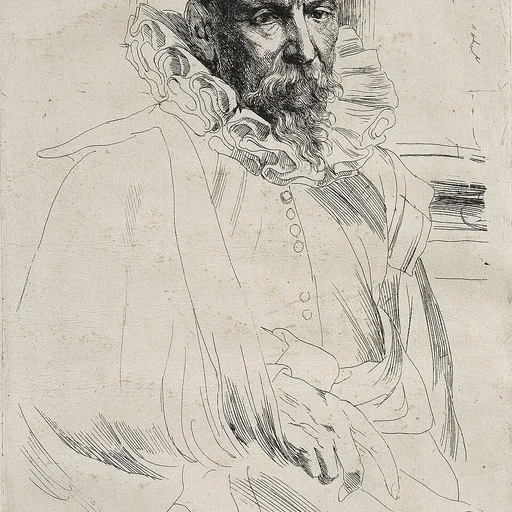
Pieter Brueghel the Younger ( BROY-gəl, also US: BROO-gəl; Dutch:; between 23 May and 10 October 1564 – between March and May 1638) was a Flemish painter known for numerous copies after his father Pieter Bruegel the…

Museum
Royal Museums of Fine Arts of Belgium
Continue through works from the same source collection.
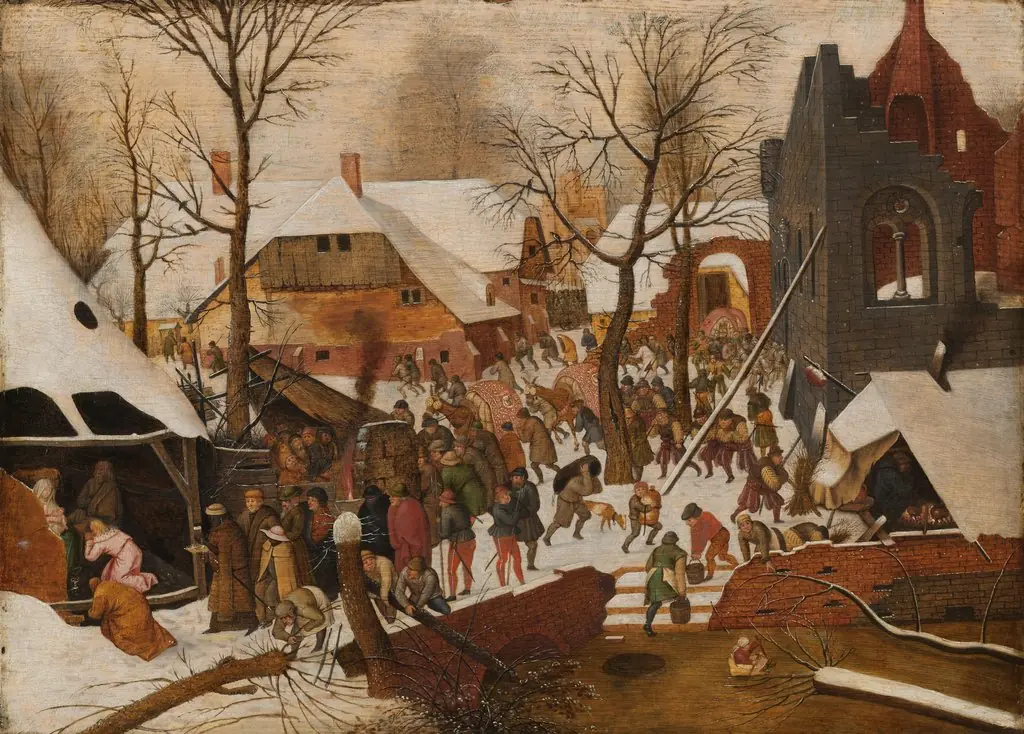 Adoration of the magi
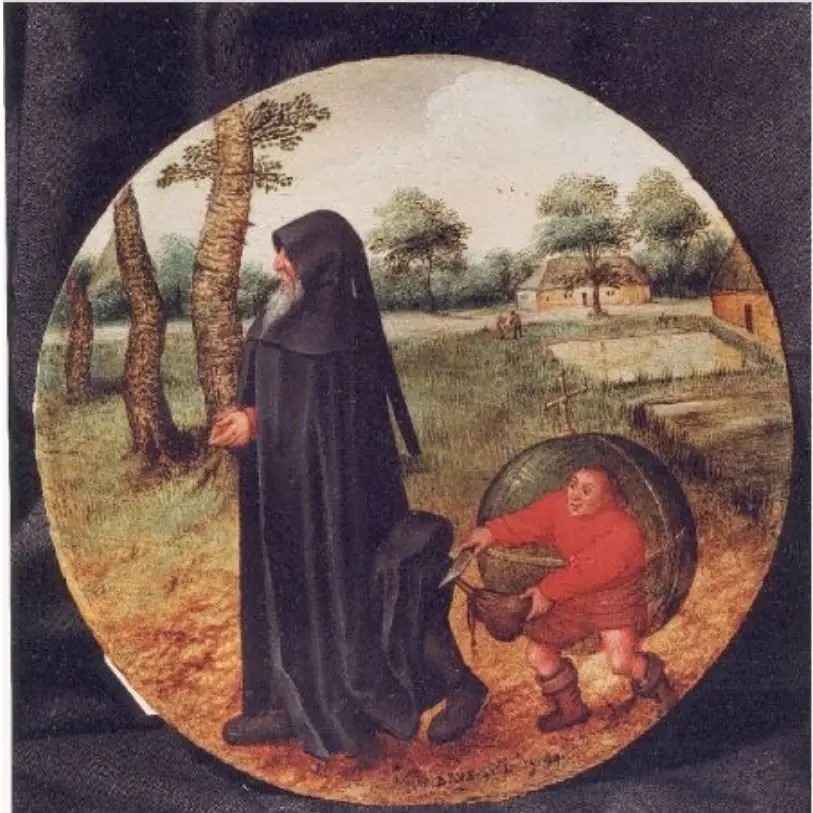 I Mourn because the World is so Untrustworthy
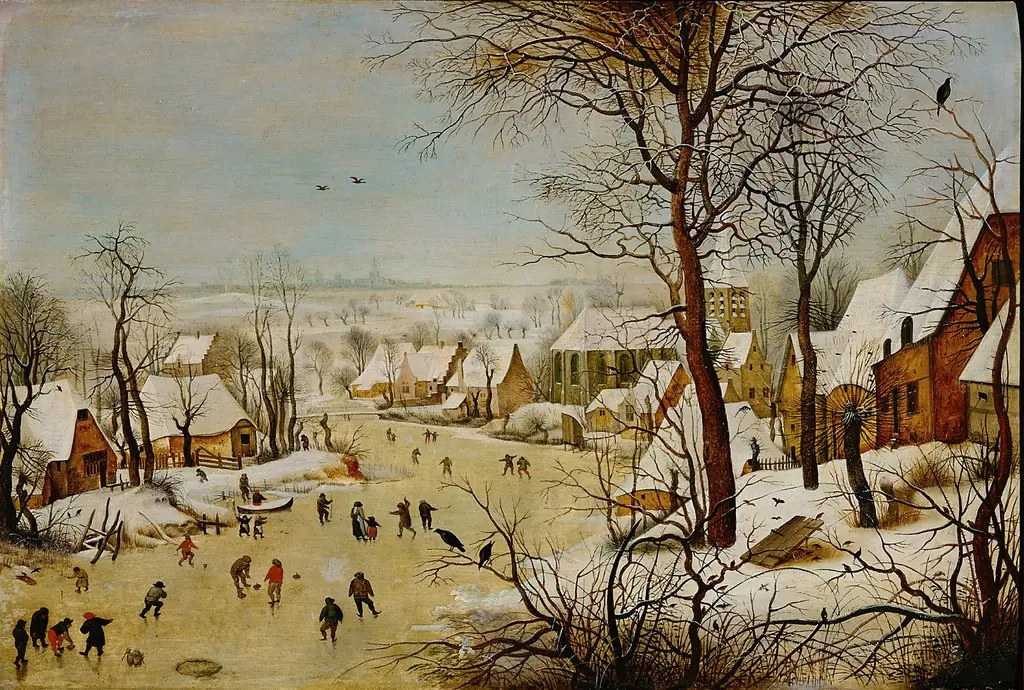 Winter Landscape with a Bird Trap
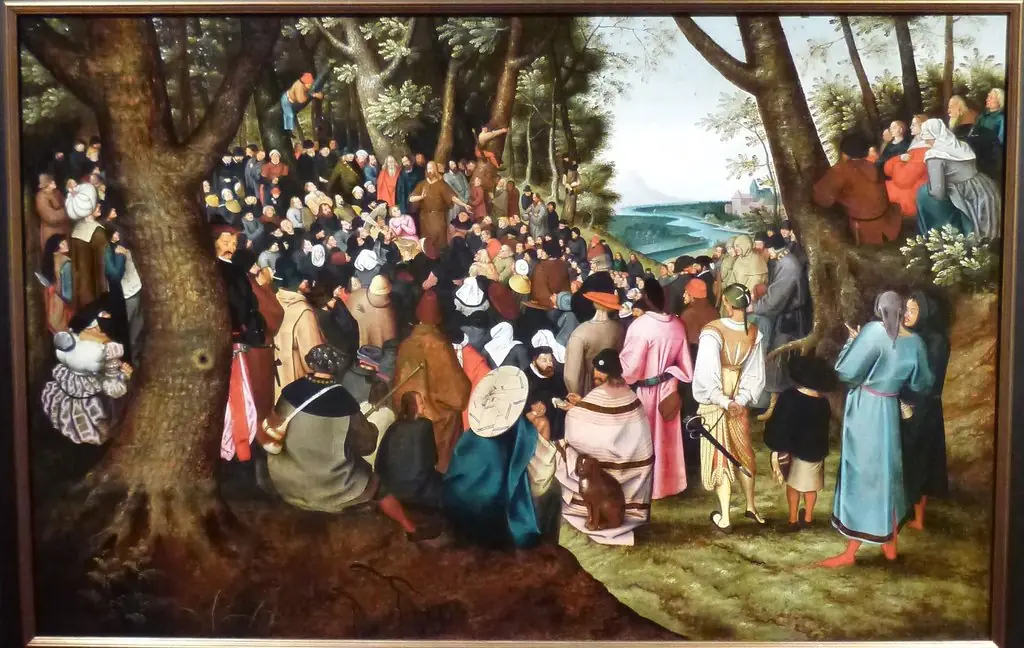 The Sermon of John the Baptist
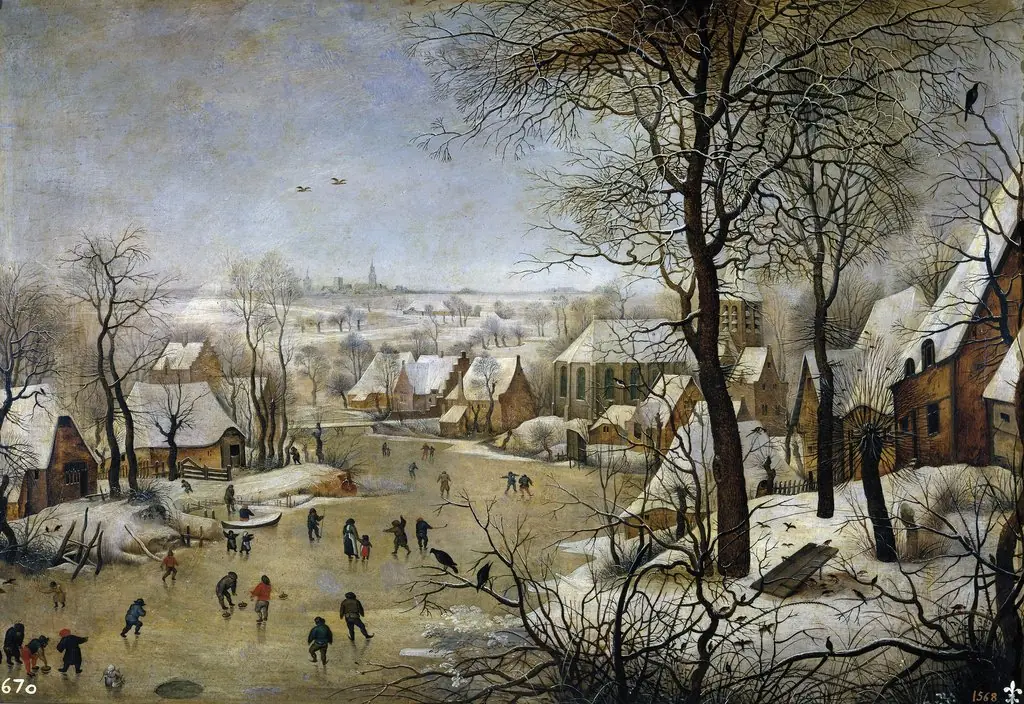 Winter Landscape with a Bird-trap
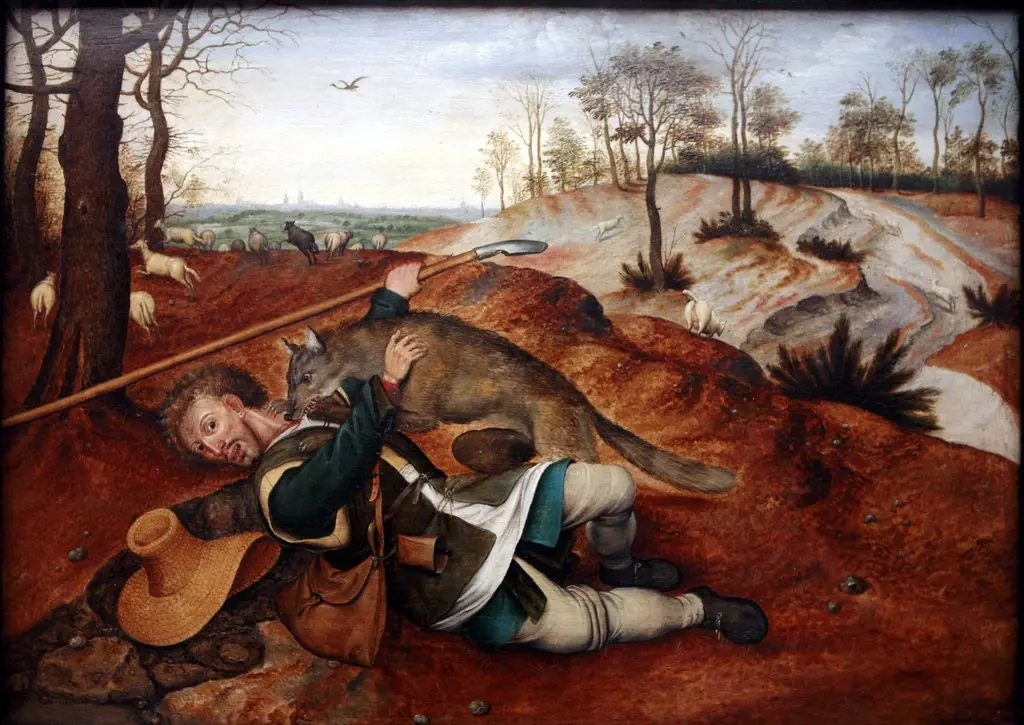 The Good Shepherd
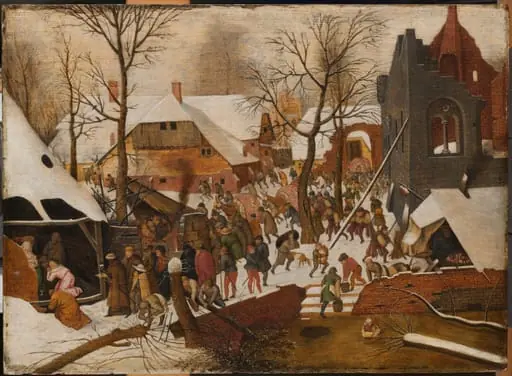 The Adoration of the Magi
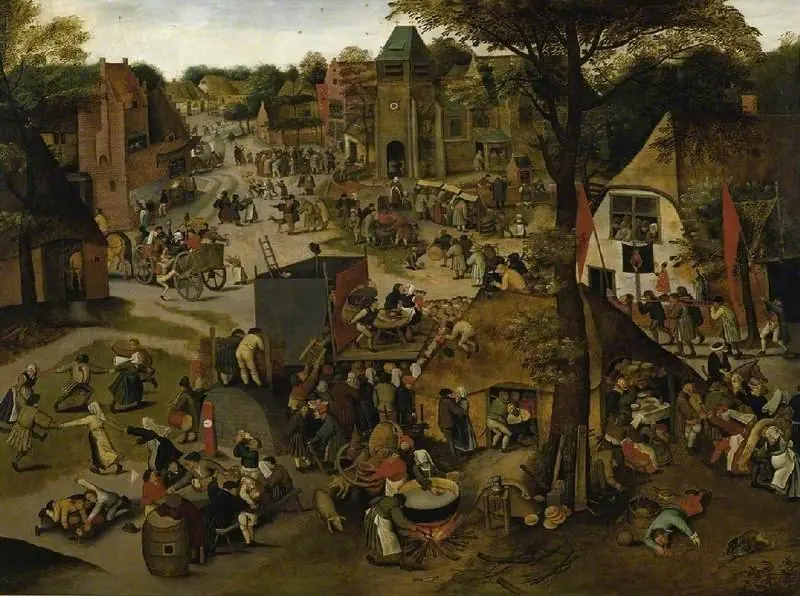 A Village Festival, With a Theatrical Performance and a Procession in Honour of St Hubert and St Anthony
- The Seven Works of Mercy
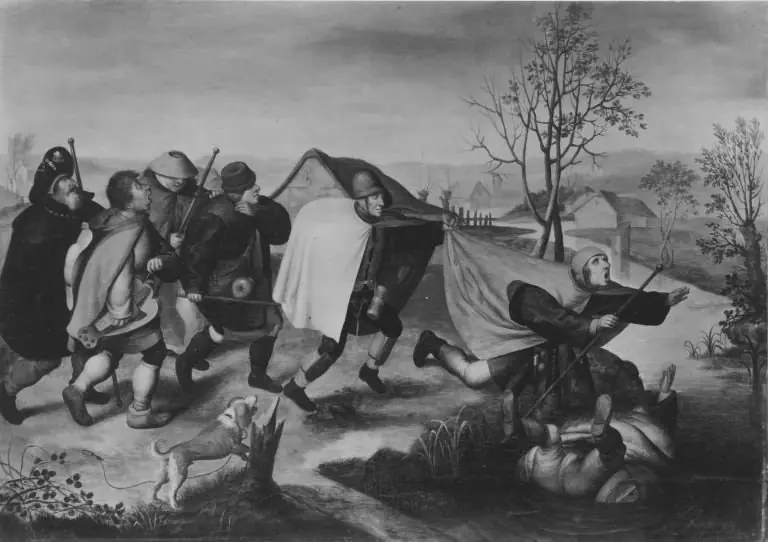 The parable of the blind
 Tempelgang Mariens
 Martirio de San Sebastián y San Policarpo
 The Wine of Saint Martin's Day
 Blindensturz
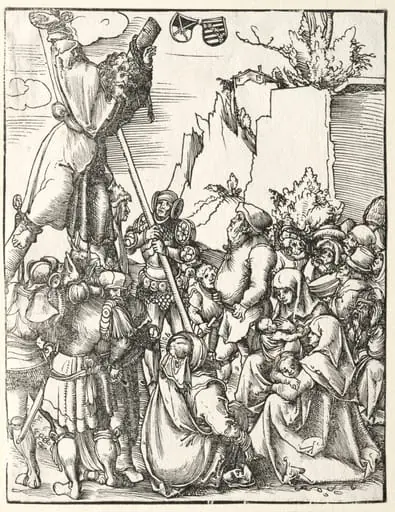 Martyrdom of St. Andrew
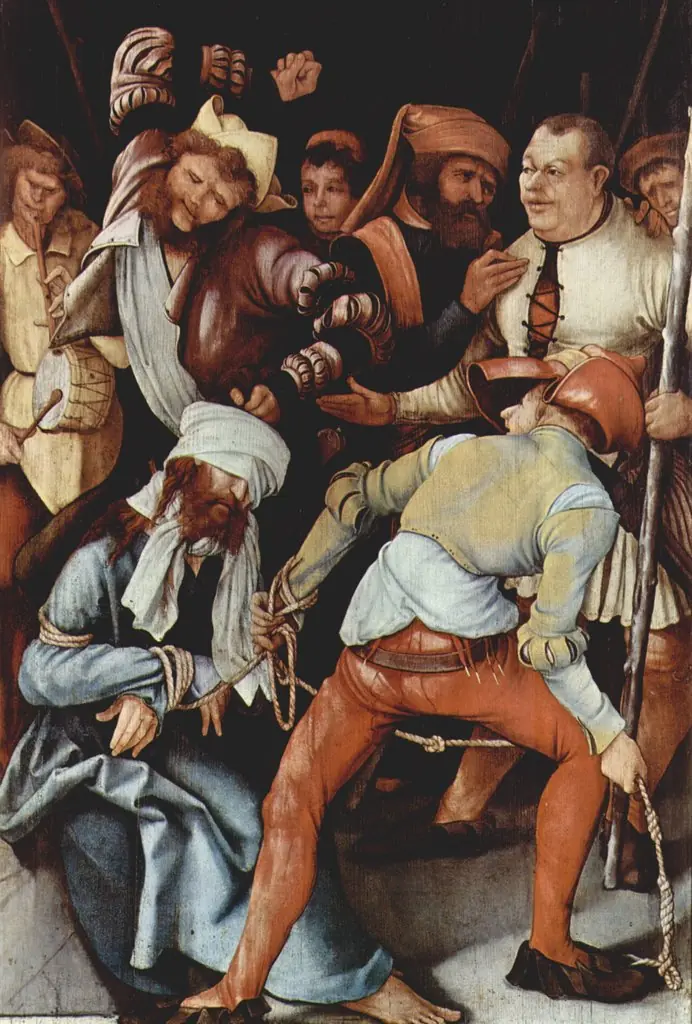 The Mocking of Christ
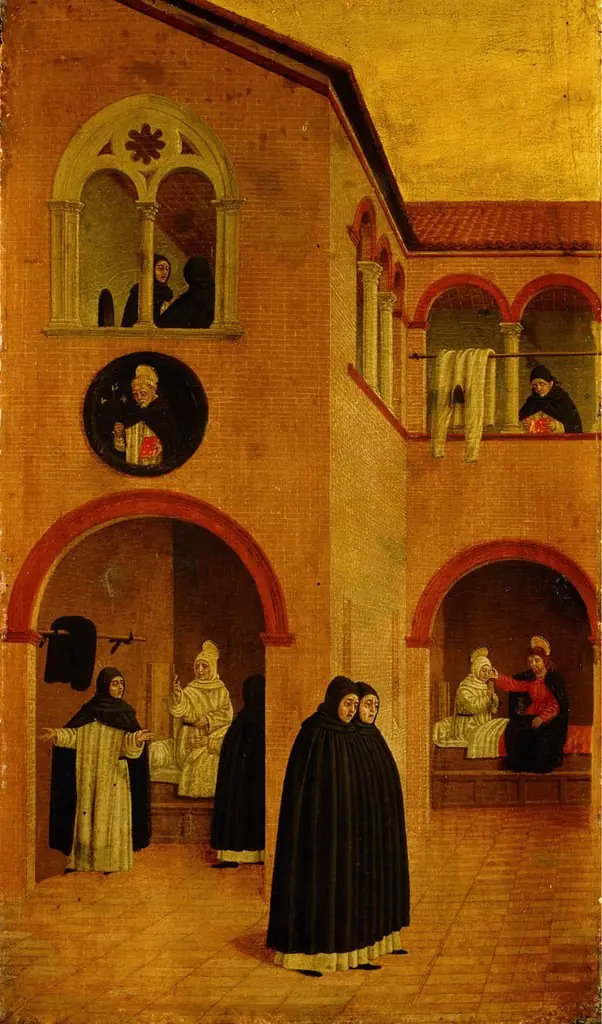 Szene aus dem Leben des Hl. Vinzenz Ferrer: Durch Aufregungen infolge des Schismas erkrankt der Heilige; er wird am Krankenbett vom Heiligen Dominikus besucht und von Christus geheilt
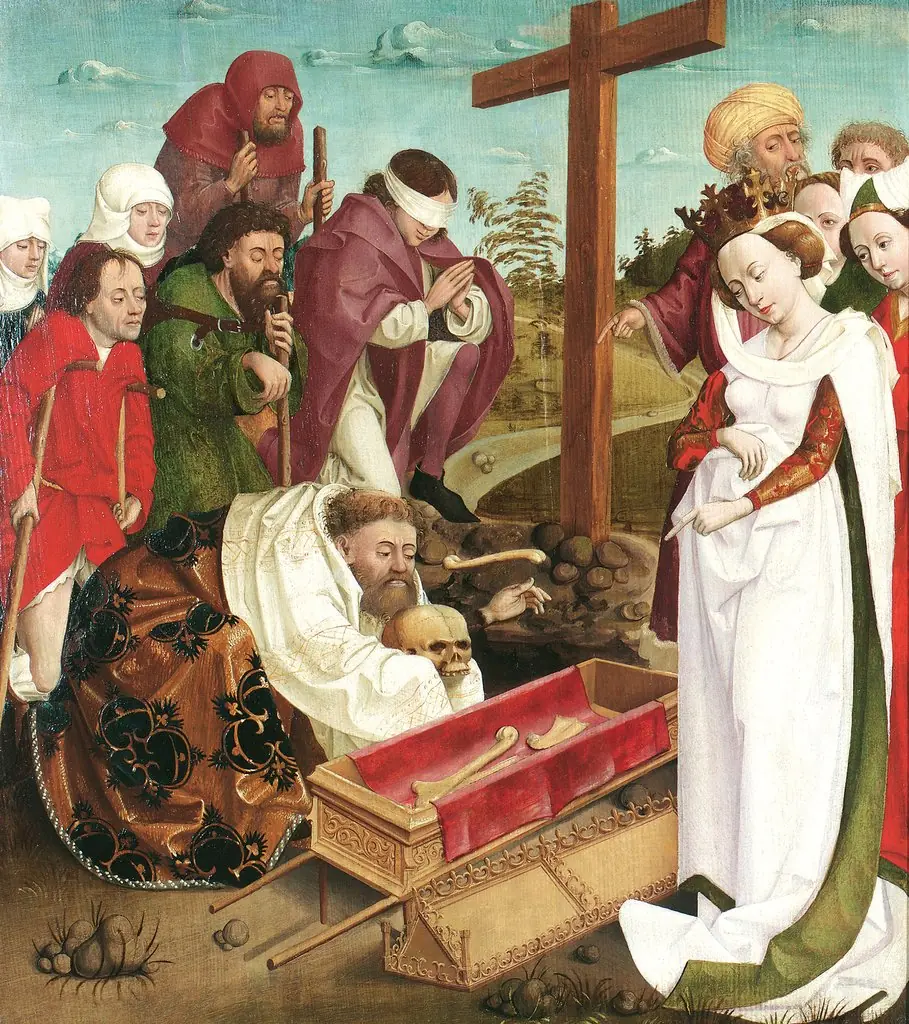 Überführung der Gebeine des hl. Oswald
 The Temptations of Saint Anthony
 Christ Presented to the People