Subject
Flag
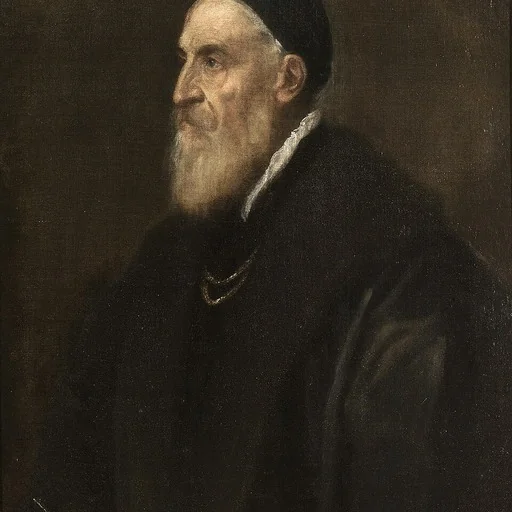
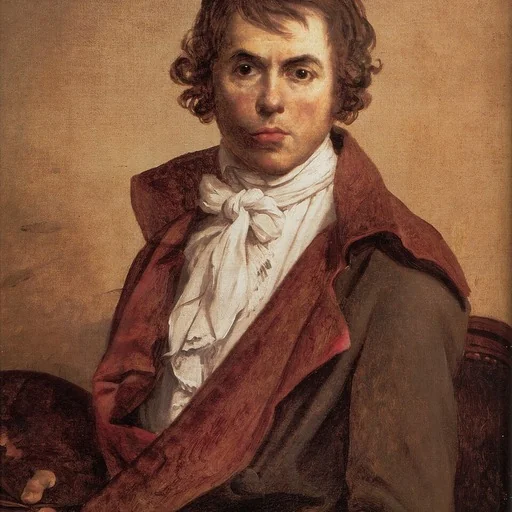
Flag is a subject in art. The gallery holds 96 works in this subject in art, including works by Titian, Jacques-Louis David and Thomas Chambers.
A flag is a piece of fabric—most often rectangular—bearing distinctive colours and a designed device, traditionally flown from a pole for symbolic, signalling, or decorative purposes; the term also names the graphic pattern itself. As a subject in art the flag is unusually layered, because it is already a sign before any artist touches it. Banners, battle standards, and heraldic ensigns appear throughout Renaissance and Baroque history painting, where they organise the chaos of combat and identify allegiance. With the rise of the modern nation-state and codified vexillology in the eighteenth and nineteenth centuries, the flag became a charged emblem of collective identity, and painters increasingly made it a protagonist rather than a prop.
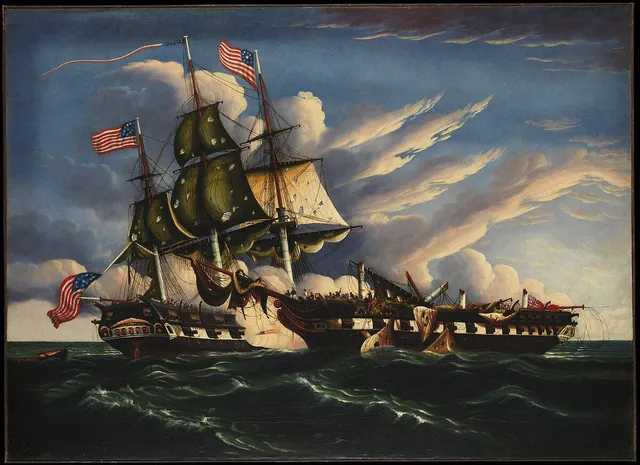
Visually the flag offers artists a rare thing: a motif that is simultaneously a fluttering, light-catching fabric and a flat, geometric, almost abstract pattern of bars, stars, and saturated colour. This double nature drives much of its appeal. Marine and naval painters exploited it for narrative clarity—Thomas Chambers's folk-modernist *The Constitution and the Guerriere* (c. 1845, in our collection) flies the American ensign triumphantly above the dismasted British ship, the flags reading the battle's outcome at a glance. Eugène Boudin's breezy beach and harbour scenes, such as *On the Jetty*, use small pennants to register wind and weather, while portraitists like James Peale deploy the flag as an attribute of office in works such as his *George Washington*.
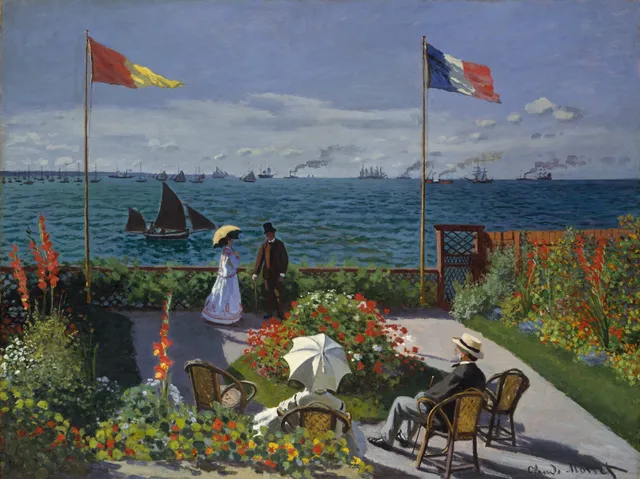
The flag became a genre in its own right with nineteenth-century painters of the festooned city street. Claude Monet placed the tricolore at the edge of his sunlit *Garden at Sainte-Adresse* (1867); Édouard Manet looked down on *The Rue Mosnier with Flags* (1878), draped for France's first Fête de la Paix after the Franco-Prussian War; and Childe Hassam produced roughly thirty canvases—his "flag series" (1916–19), including *The Avenue in the Rain* (1917)—of a New York decked out for the First World War. Emanuel Leutze's monumental *Washington Crossing the Delaware* (1851) folds the Stars and Stripes into national myth, famously anachronistically.
The motif's modern apotheosis is Jasper Johns's *Flag* (1954–55), encaustic and newsprint collage that fused image and object so completely it became foundational to Pop art and Minimalism. Florine Stettheimer's *The Cathedrals of Wall Street* shows the emblem's satirical afterlife, confirming the flag as one of art's most enduring tests of where representation ends and the thing itself begins.
Key artists
Overview
A flag is a piece of fabric, most often rectangular, bearing distinctive colors and design, typically flown from a pole for symbolic, signaling, or decorative purposes. The term also applies to the graphic design employed on the fabric itself. Originating in antiquity as practical tools for military coordination and basic identification, flags have evolved into pervasive visual markers of community, authority, and identity. The study of these objects is known as vexillology, derived from the Latin vexillum. Whether constructed from cloth, metal, paper, or plastic, flags serve as abstract, two-dimensional arrangements of colors and symbols that transmit information across distances, a function that made them indispensable in maritime environments and on the battlefield.
Iconography & meaning
The iconography of a flag functions as a projection of identity, sending a message about the community, nation, or entity it represents. On the battlefield, a raised flag symbolizes the power and success of the group, serving as a rallying point that must be protected at all costs, while a fallen or captured flag indicates defeat and the dissolution of that identity. National flags act as patriotic symbols of a country, expressing independence and territorial claims, and are often ritually exhibited to promote solidarity. The emotional charge of a national flag is so strong that it is frequently treated as a living entity; draping it over a coffin symbolizes martyrdom and national sacrifice. Conversely, the destruction of an enemy flag is a symbolic act of insult and domination. Beyond martial contexts, flags carry almost universal meanings, such as the white flag signifying surrender or a truce, and maritime signal flags encoding complex messages at sea.
Across movements & periods
The treatment and function of flags have shifted dramatically across different periods and cultures. In antiquity, field signs and vexilloids, such as the Roman signum or the Sassanid Derafsh Kaviani, were often three-dimensional, utilizing metal, wood, and leather, with cloth playing a secondary role. Chinese and Indian cultures pioneered the use of silk and cloth, introducing the lateral attachment of fabric to a pole and emphasizing the textile over the staff. In medieval Europe, flags became strictly codified through heraldry, with specific forms like pennons, banners, and standards denoting rank and lineage on the battlefield. The early modern period saw the rise of the national flag, tied to state formation and revolutionary struggle, such as the Dutch tricolour born from the rebellion against Spain beginning in 1568. By the 17th century, maritime flags became legally required markers of nationality, and by the late 18th century, the flag's role expanded beyond military and naval use into broader civic and patriotic life, a trend that accelerated through the 19th and 20th centuries.
Legacy
The legacy of flags extends deeply into modern cultural and institutional life, where they continue to function as primary markers of national identity and historical memory. Museums such as the National Museum of American History and the Star-Spangled Banner Flag House in Baltimore preserve and interpret these objects, with the latter established in the very home where Pickersgill sewed the famous garrison flag. Institutional collections like the United States Navy Trophy Flag Collection, begun by Congress in 1814 and containing over 600 historic flags, and the National Maritime Museum's collection of over 1000 flags, ensure the preservation of martial and maritime heritage. Modern initiatives like the Flag History Project continue this legacy, using historically accurate reproductions to educate communities about the events and ideals these symbols represent, ensuring that the flag remains a vital conduit for historical storytelling and patriotic expression.
Works
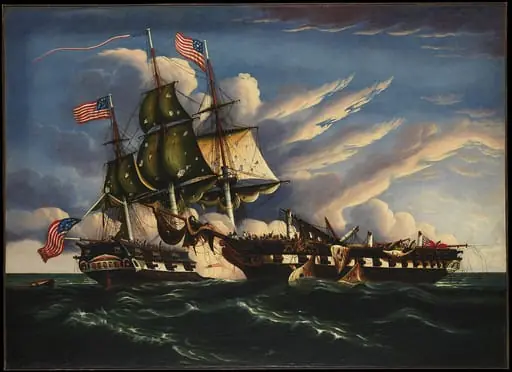 The Constitution and the Guerriere
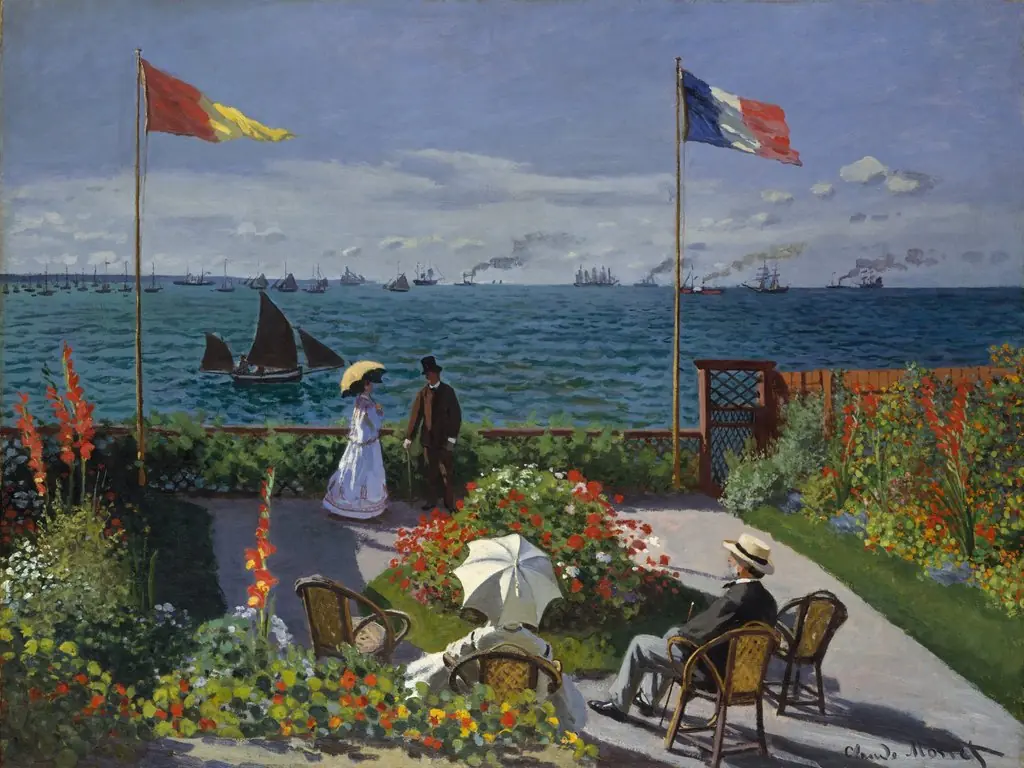 Garden at Sainte-Adresse
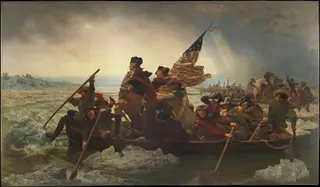 Washington Crossing the Delaware
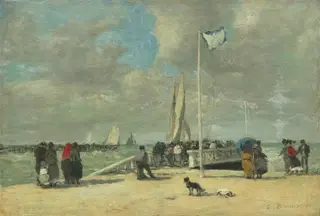 On the Jetty
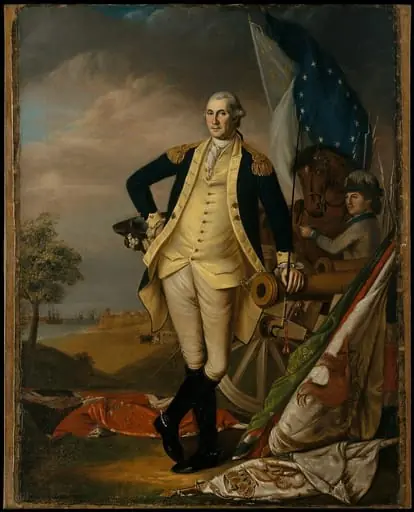 George Washington
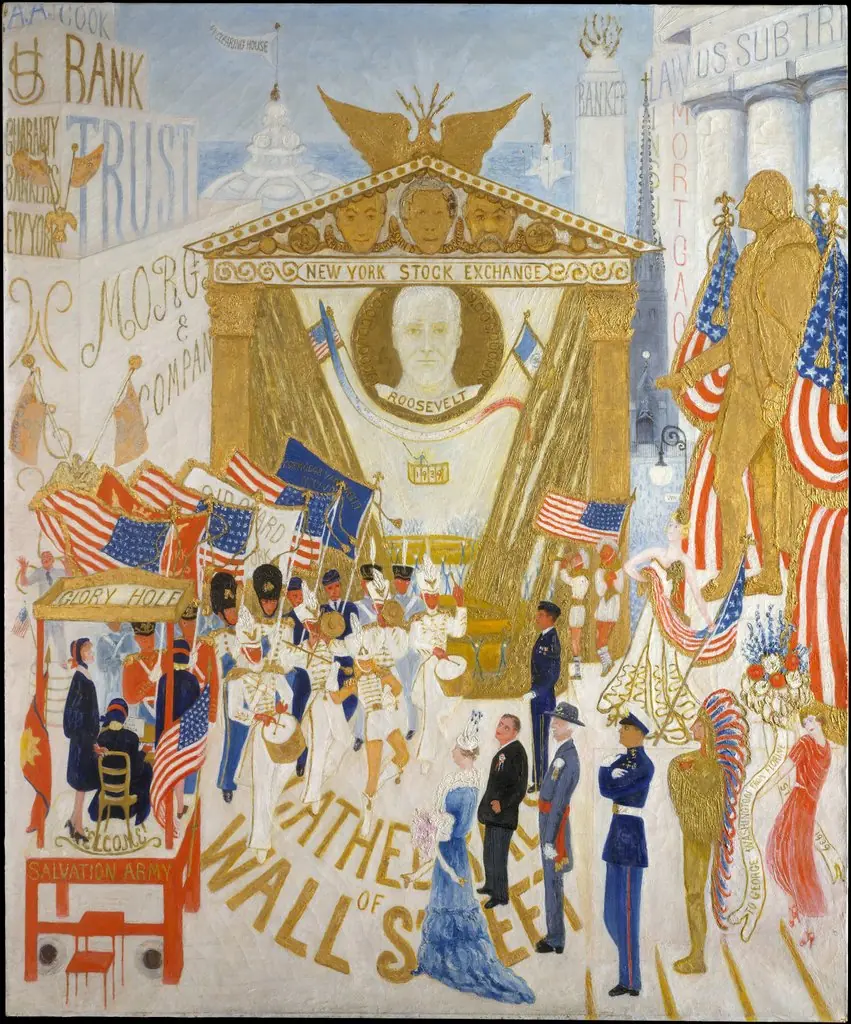 The Cathedrals of Wall Street
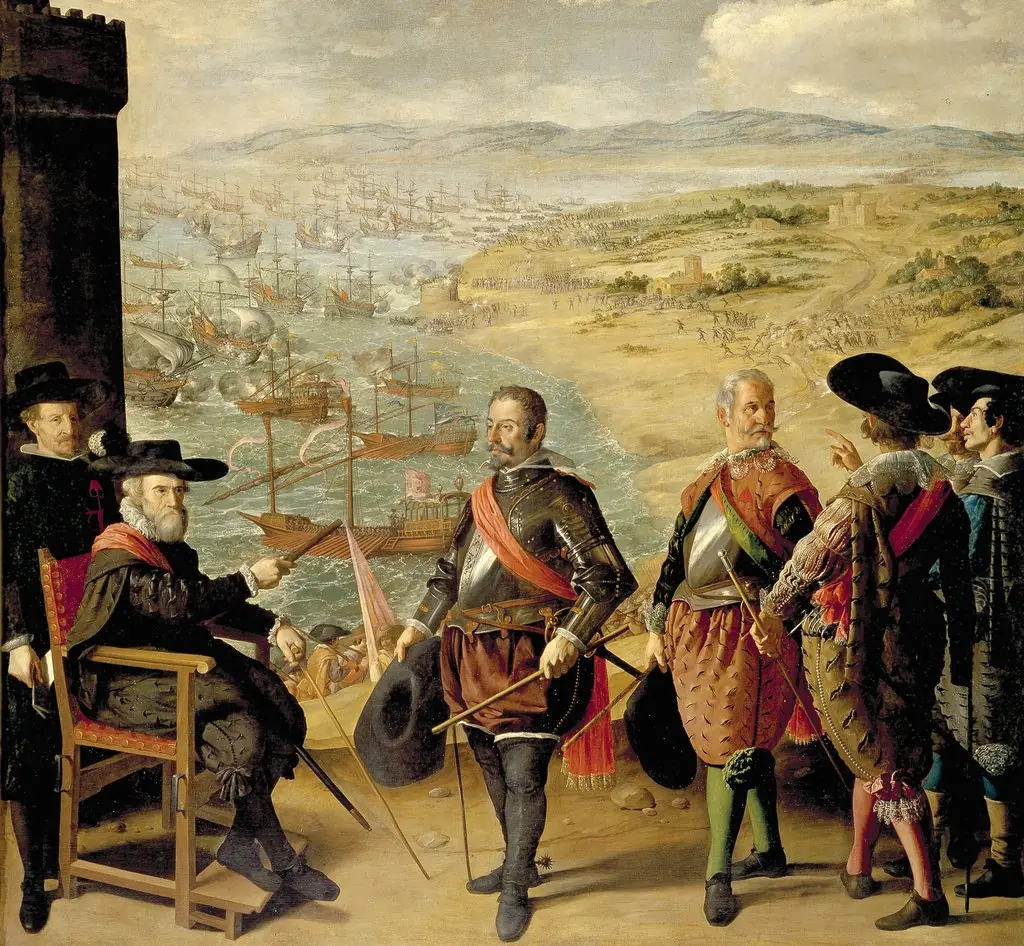 The Defense of Cadiz Against the English
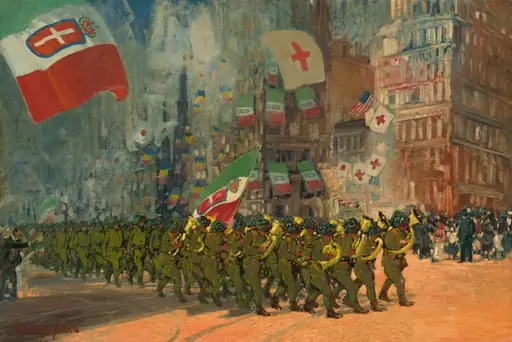 The Bersaglieri
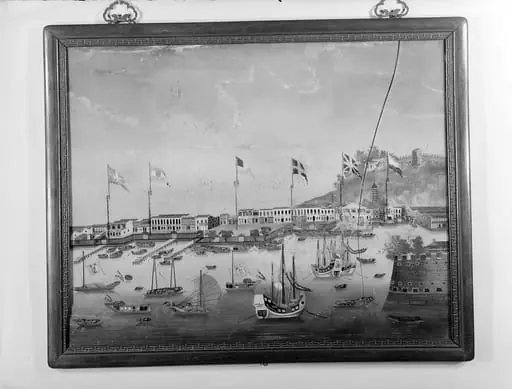 View of the Harbor at Canton
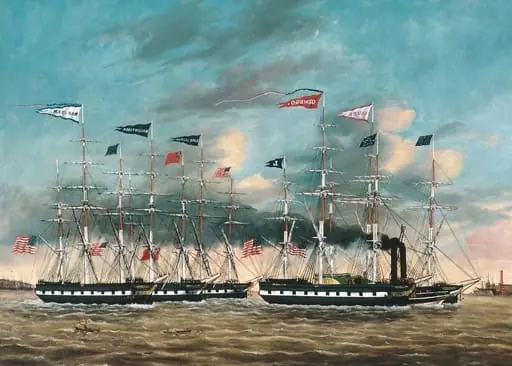 The Tow Boat Conqueror
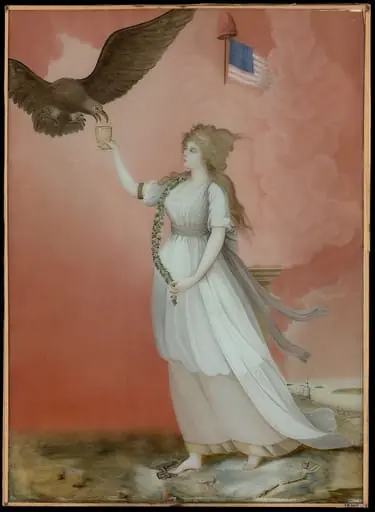 Liberty
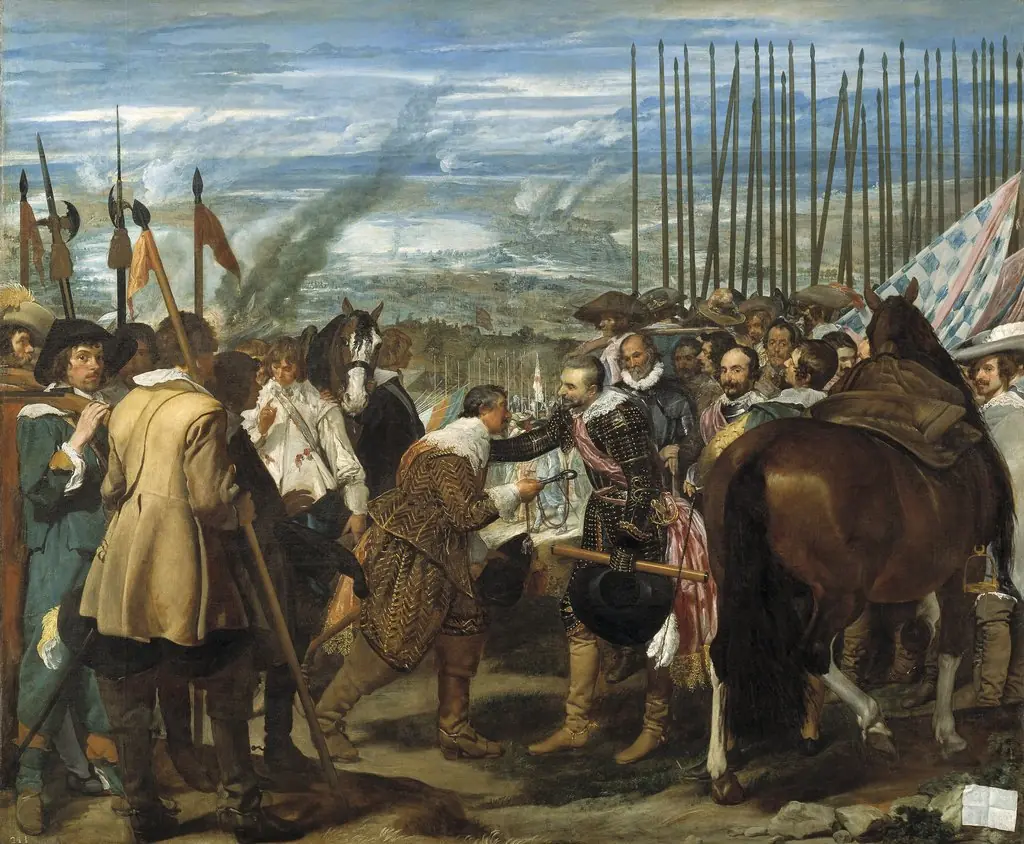 The Surrender of Brea
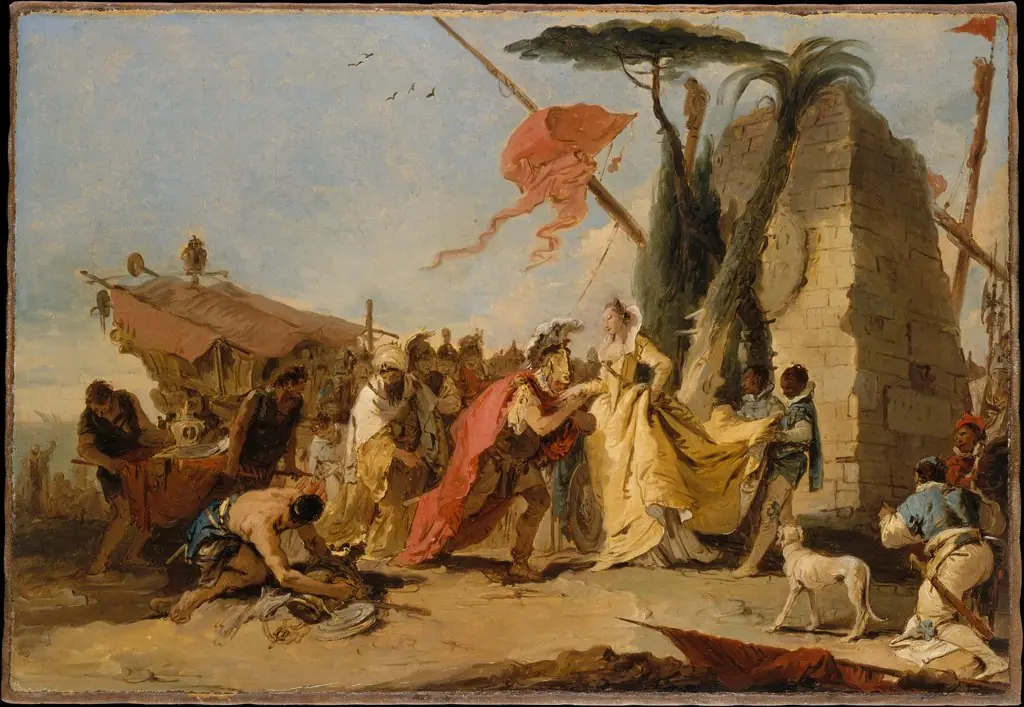 The Meeting of Antony and Cleopatra
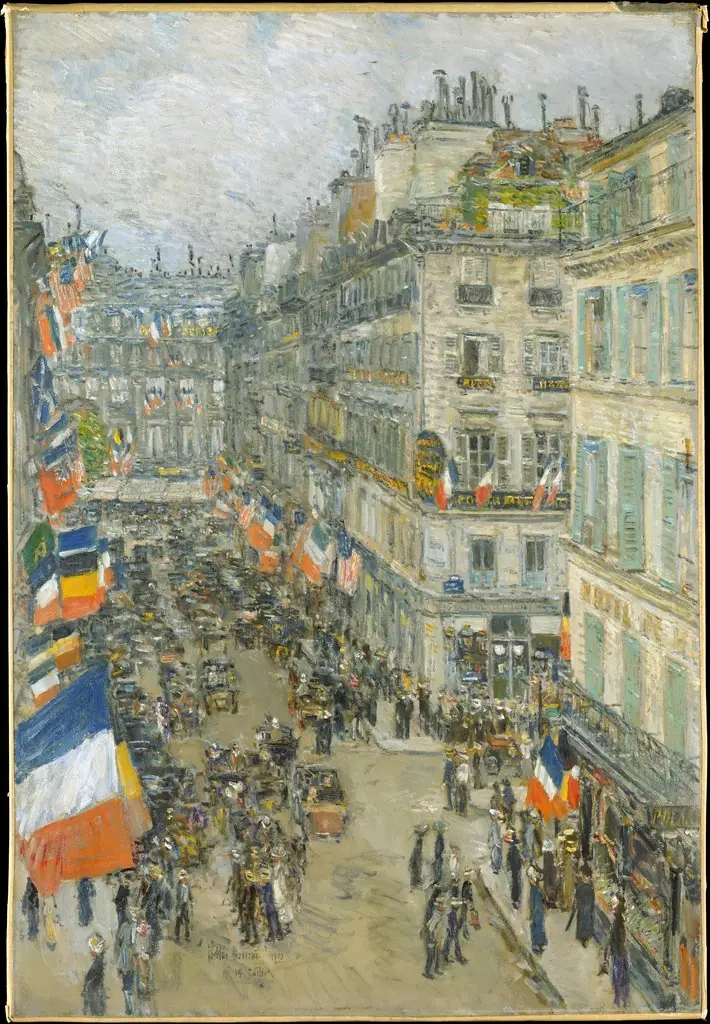 July Fourteenth, Rue Daunou, 1910
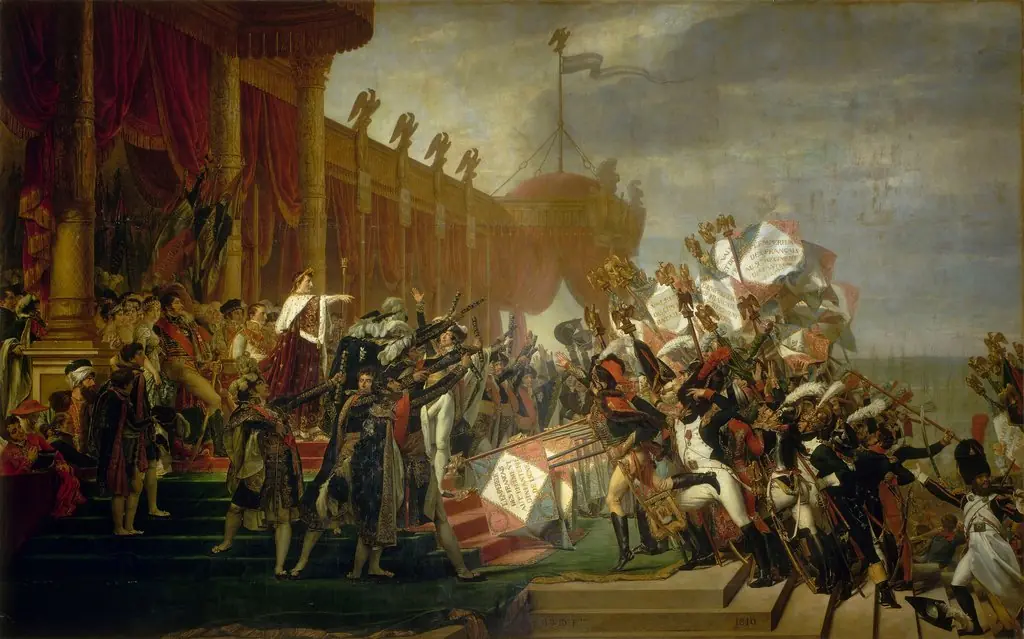 The Distribution of the Eagle Standards
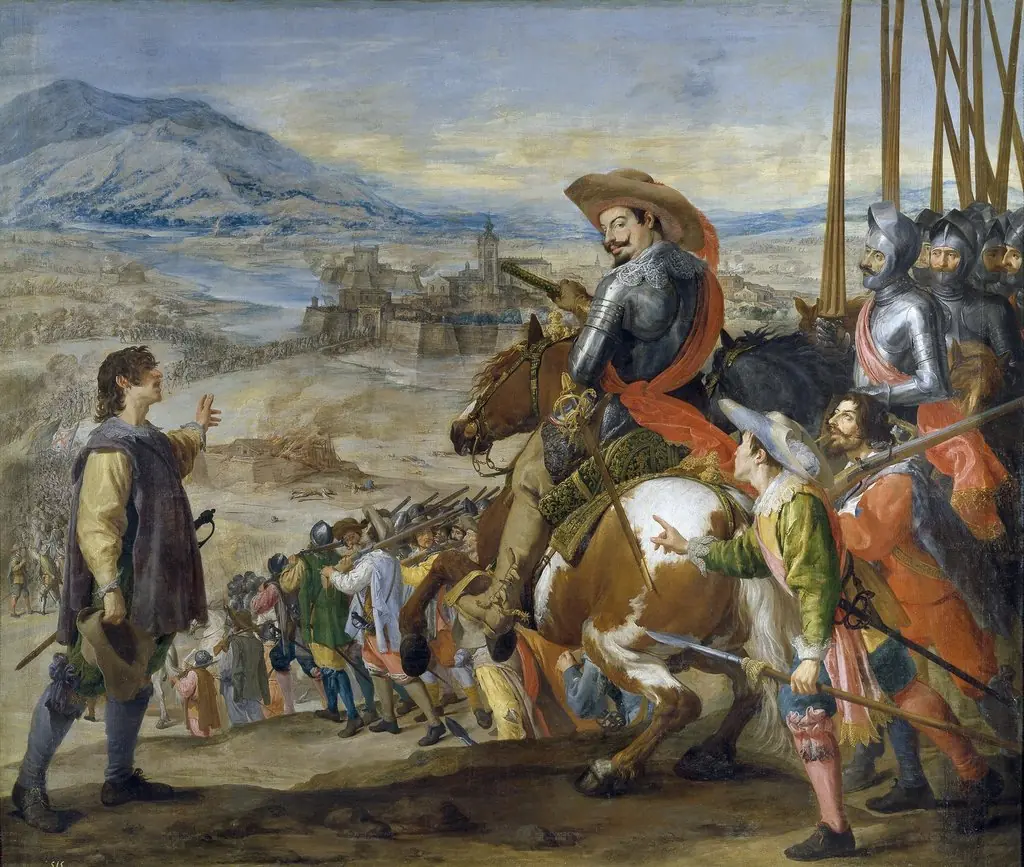 The Liberation of Brisach
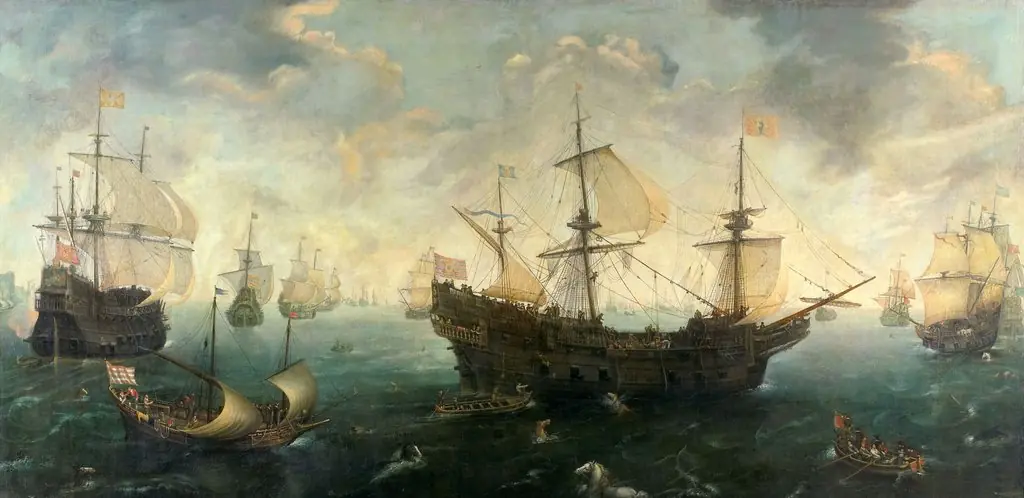 The Spanish Armada off the English coast
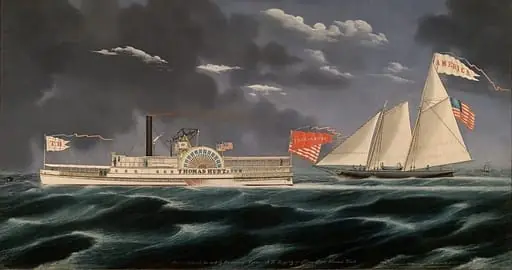 The Thomas Hunt and the America
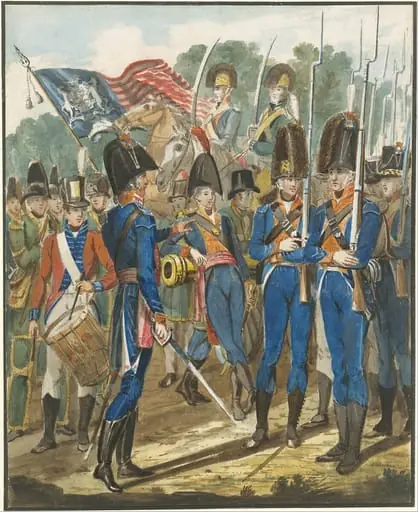 Members of the City Troop and Other Philadelphia Soldiery
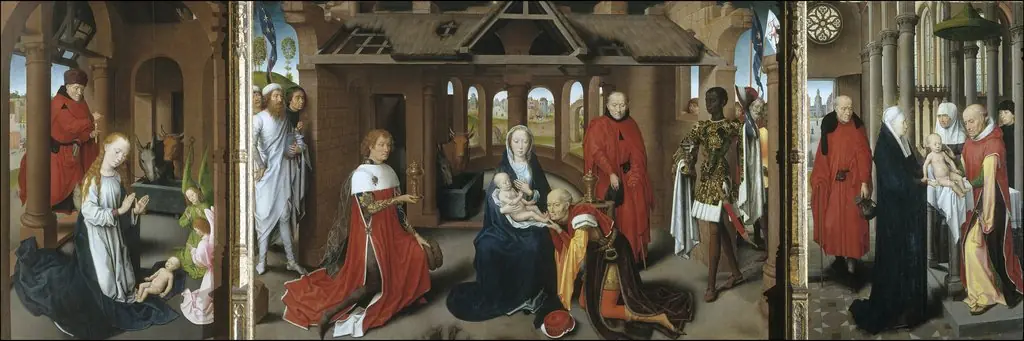 Adoration of the Magi Triptych
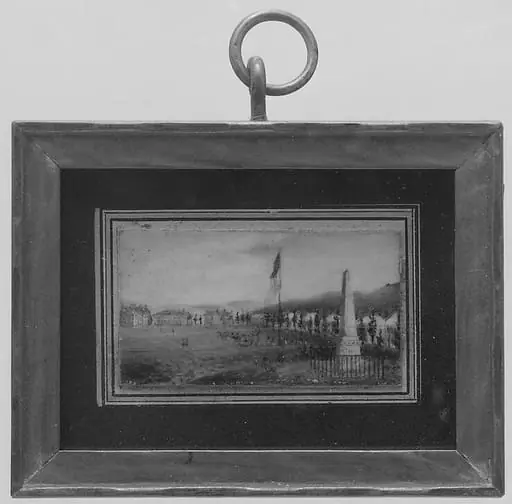 United States Military Academy at West Point, Looking North
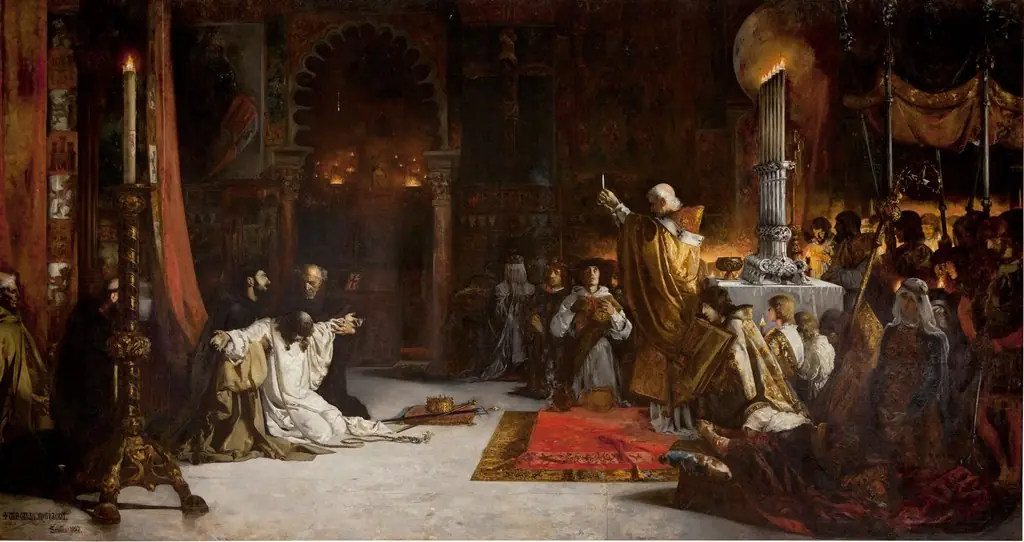 Las postrimerías de Fernando III el Santo
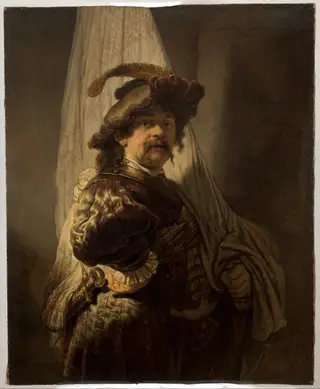 The Standard Bearer
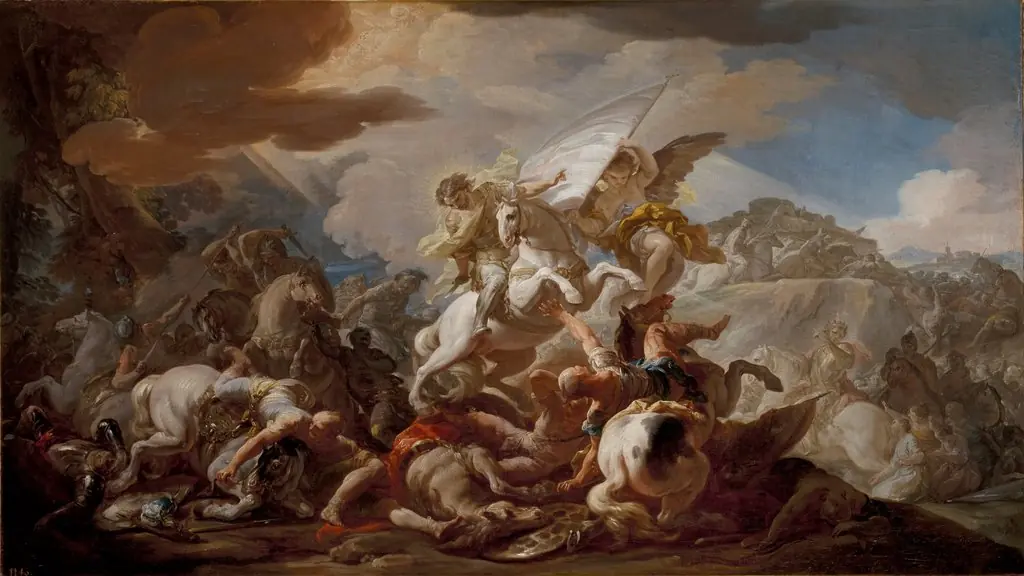 Battle of Clavijo
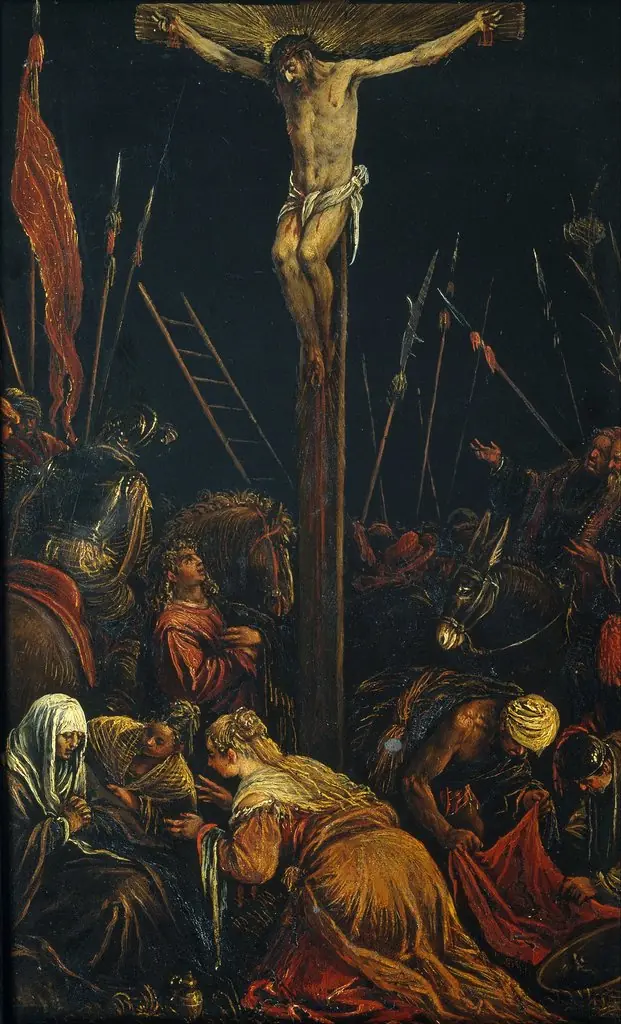 Calvary
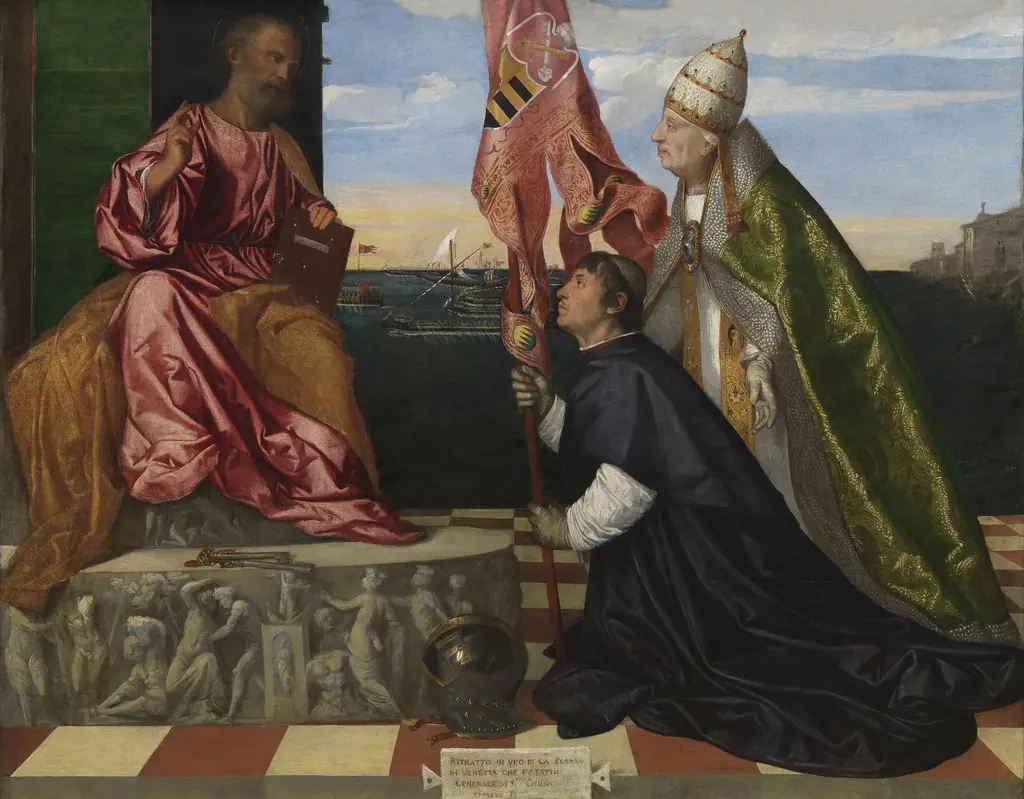 Jacopo Pesaro, Bishop of Paphos, being presented by Pope Alexander VI to Saint Peter
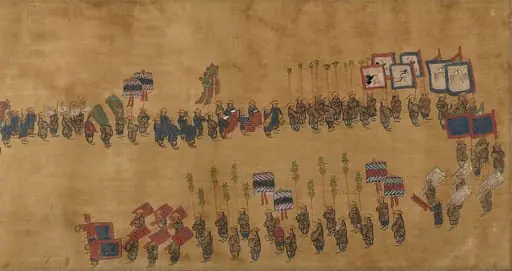 Untitled
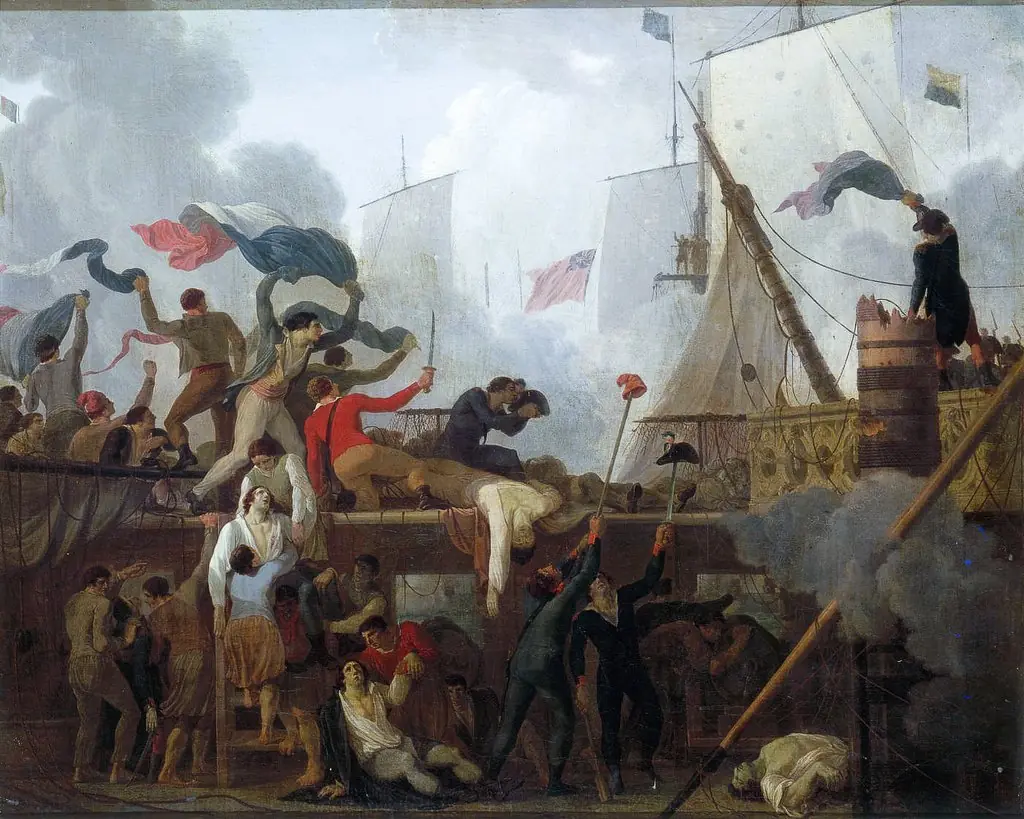 Héroïsme des marins du vaisseau Le Vengeur commandés par le capitaine Renaudin
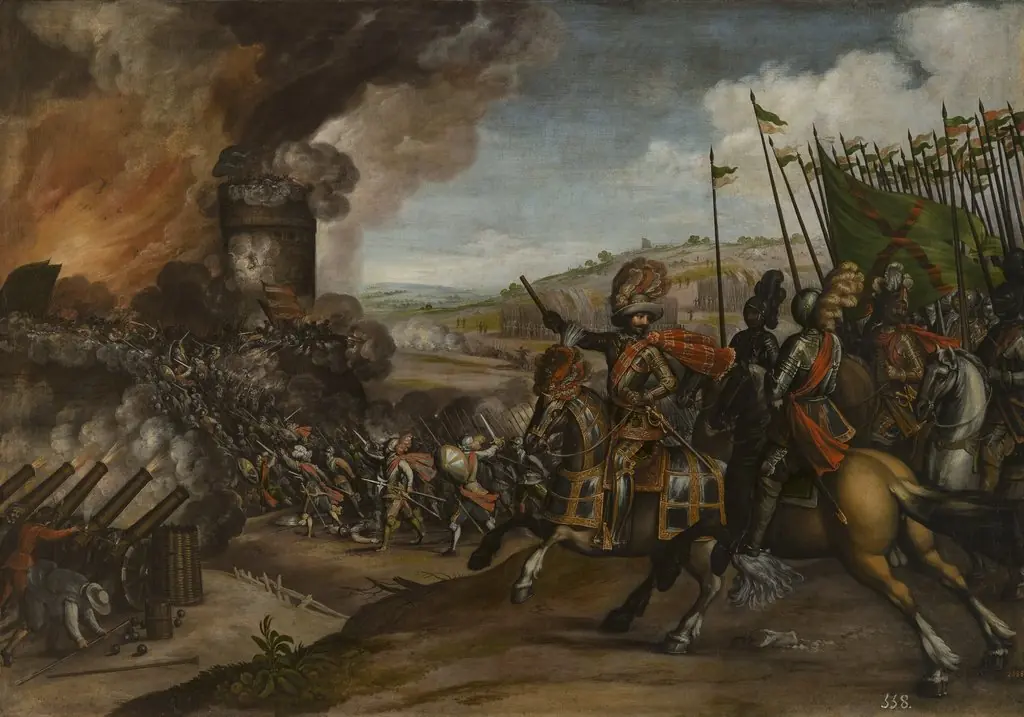 Battle of Gascona and battery in a castle
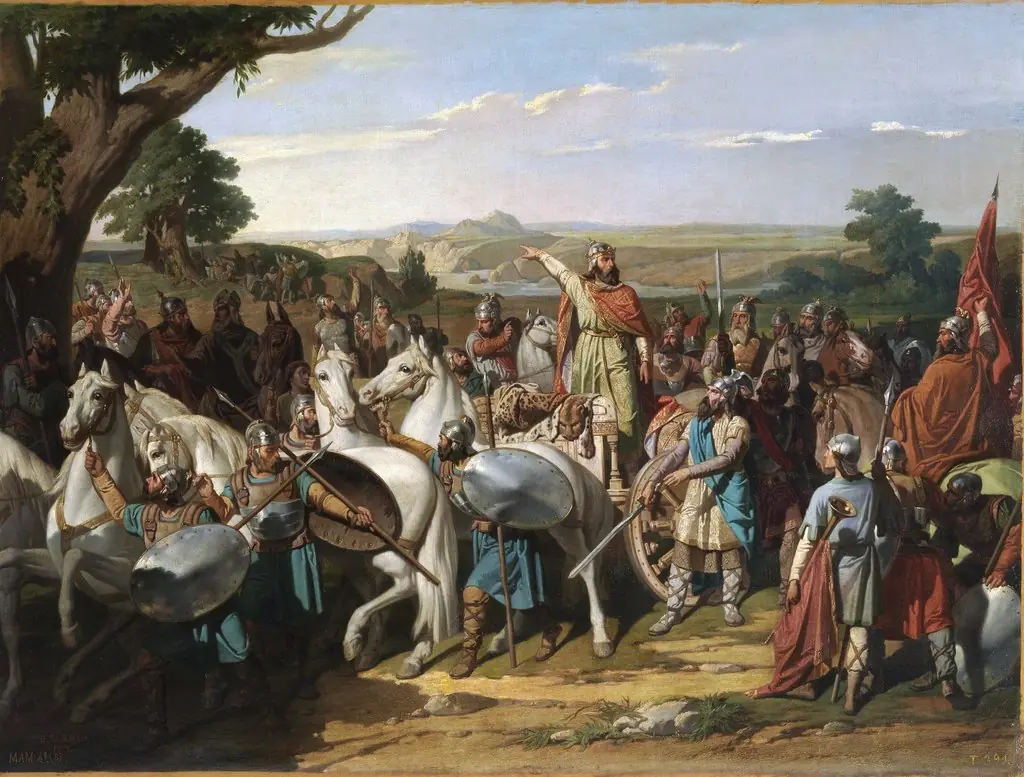 El rey don Rodrigo arengando a los jefes de su ejército antes de dar la batalla del Guadalete
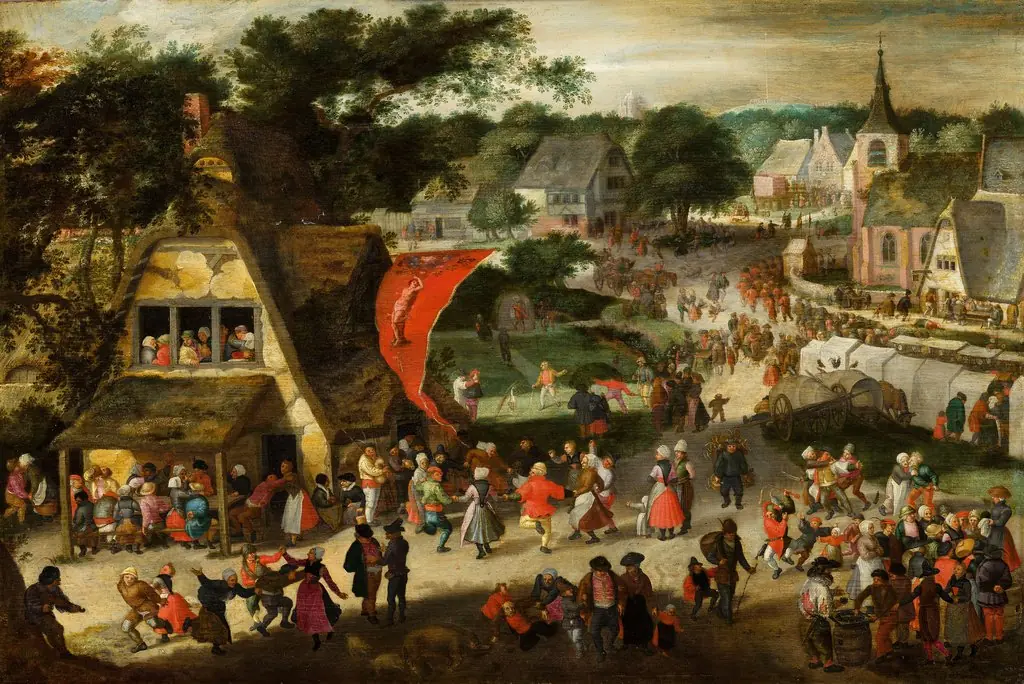 St. Sebastian fair in a Flemish village
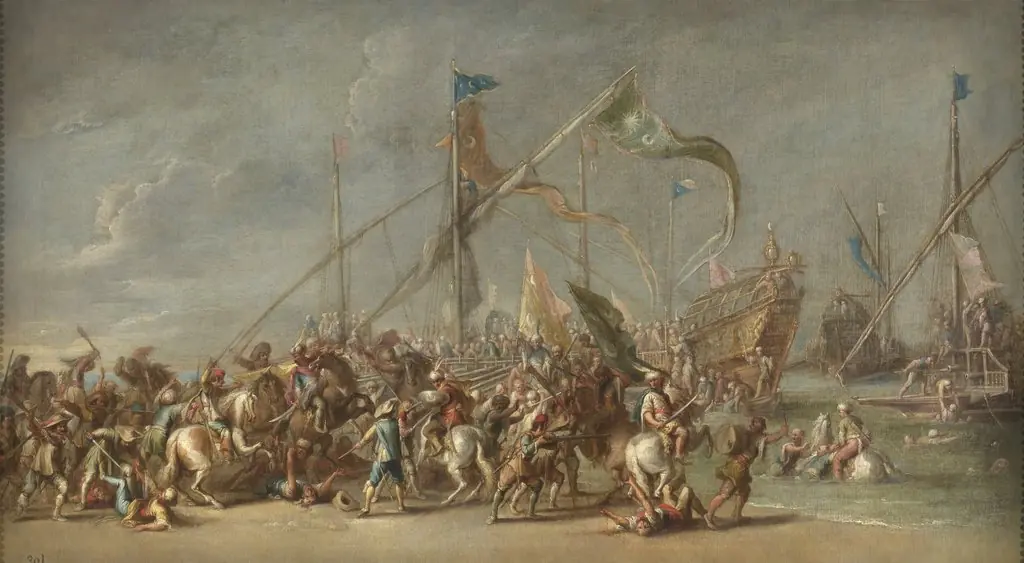 Landing and combat
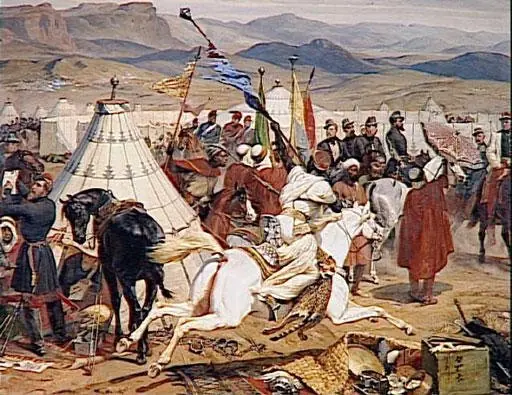 Battle of Isly, August 14, 1844
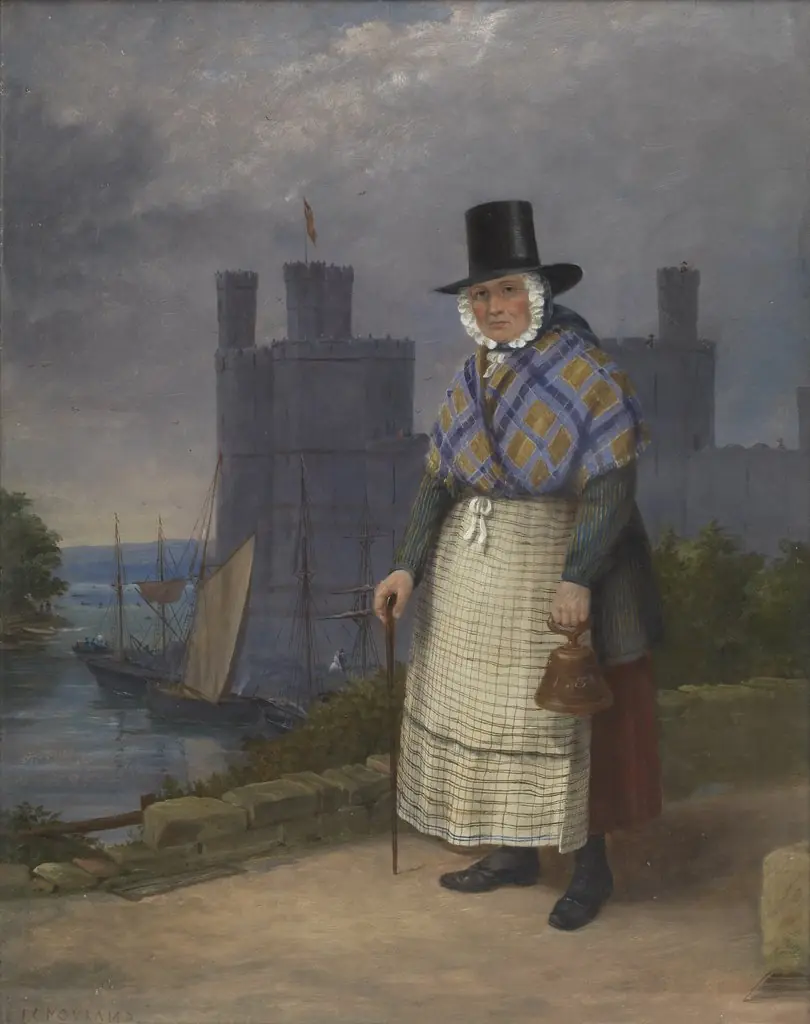 Bellringer of Caernarvon in costume of trade
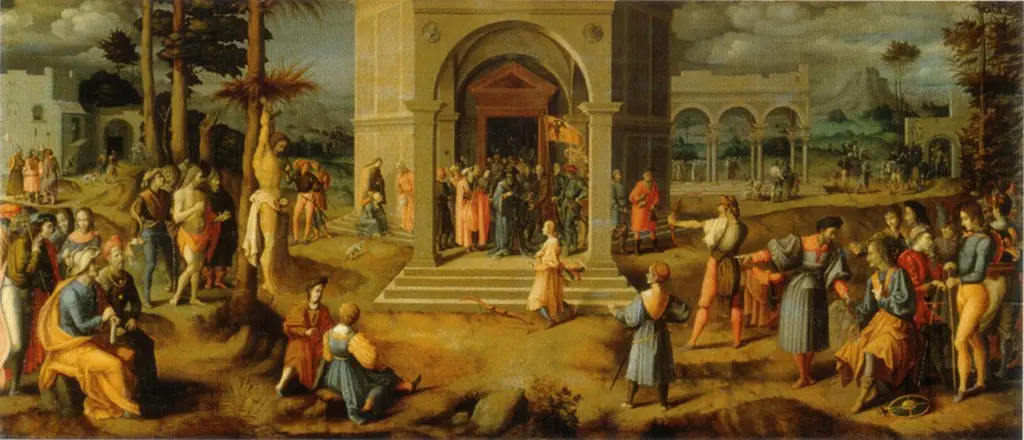 The Legend of the King's Sons
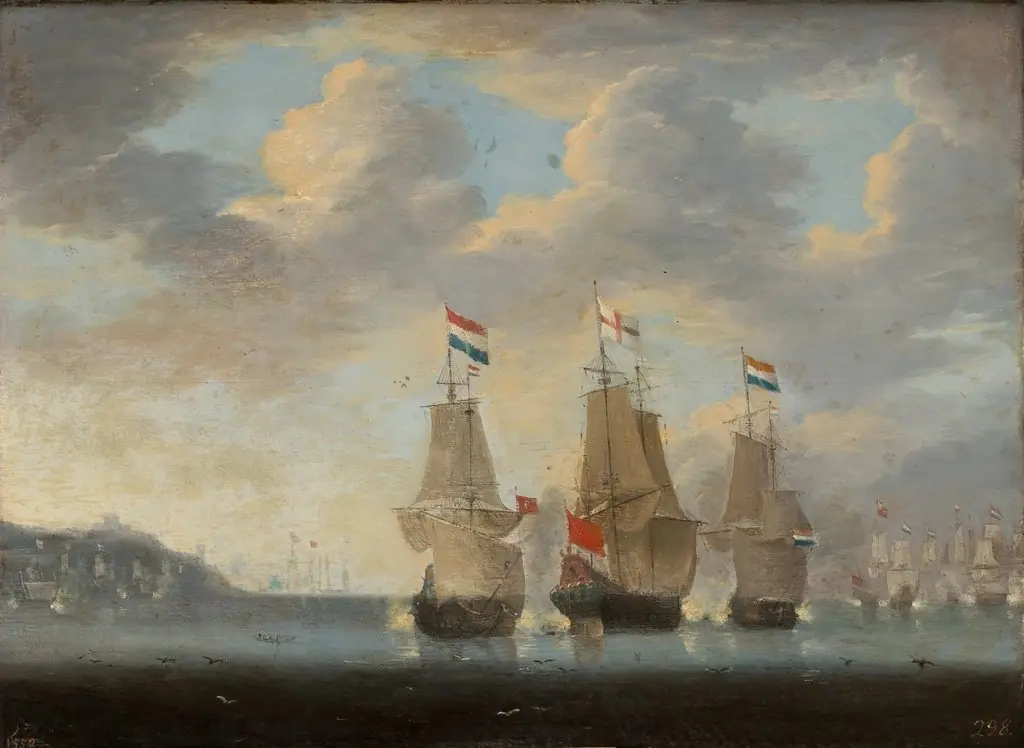 Naval Battle
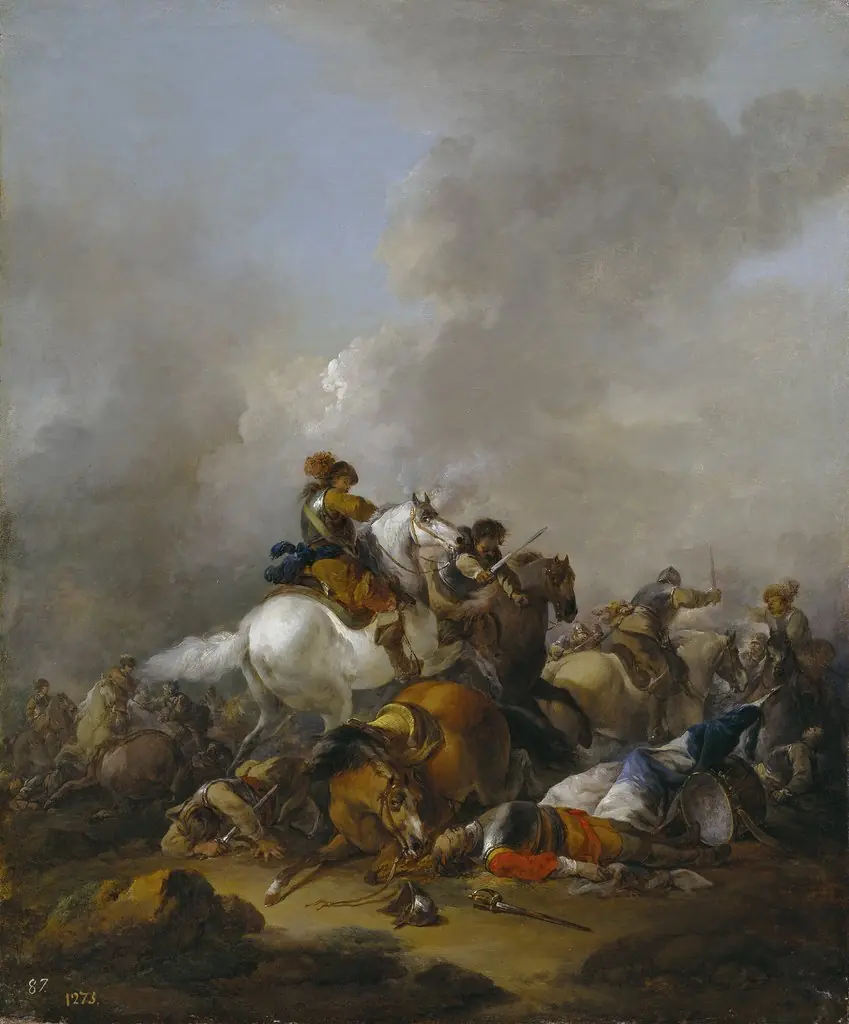 Cavalry Battle
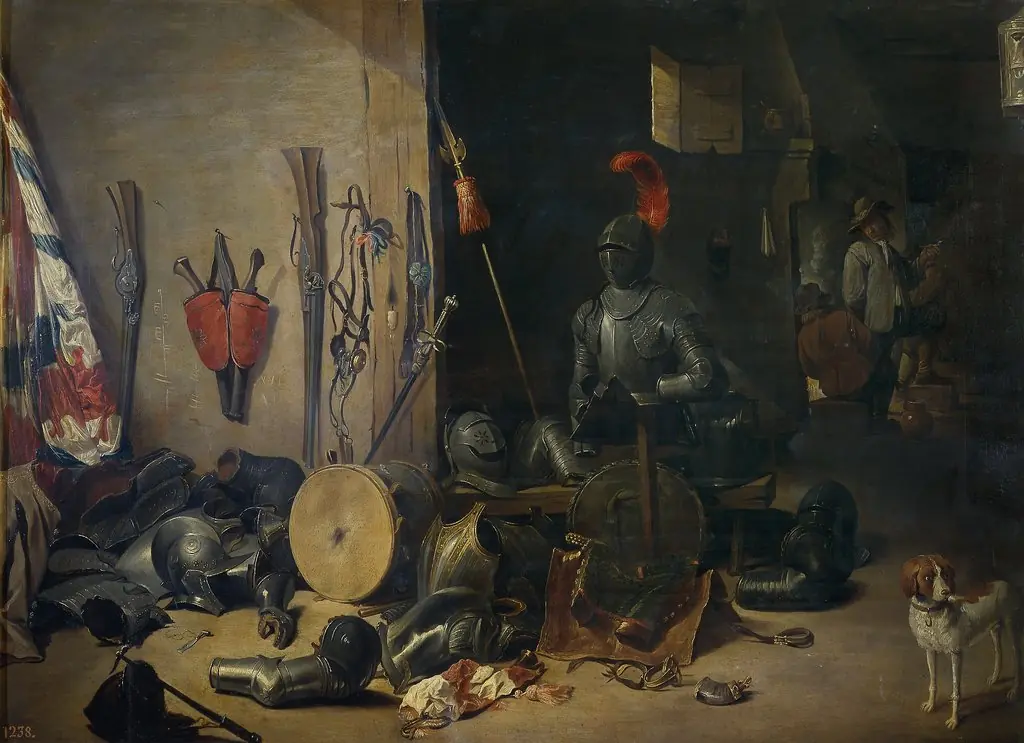 Le Corps de Garde
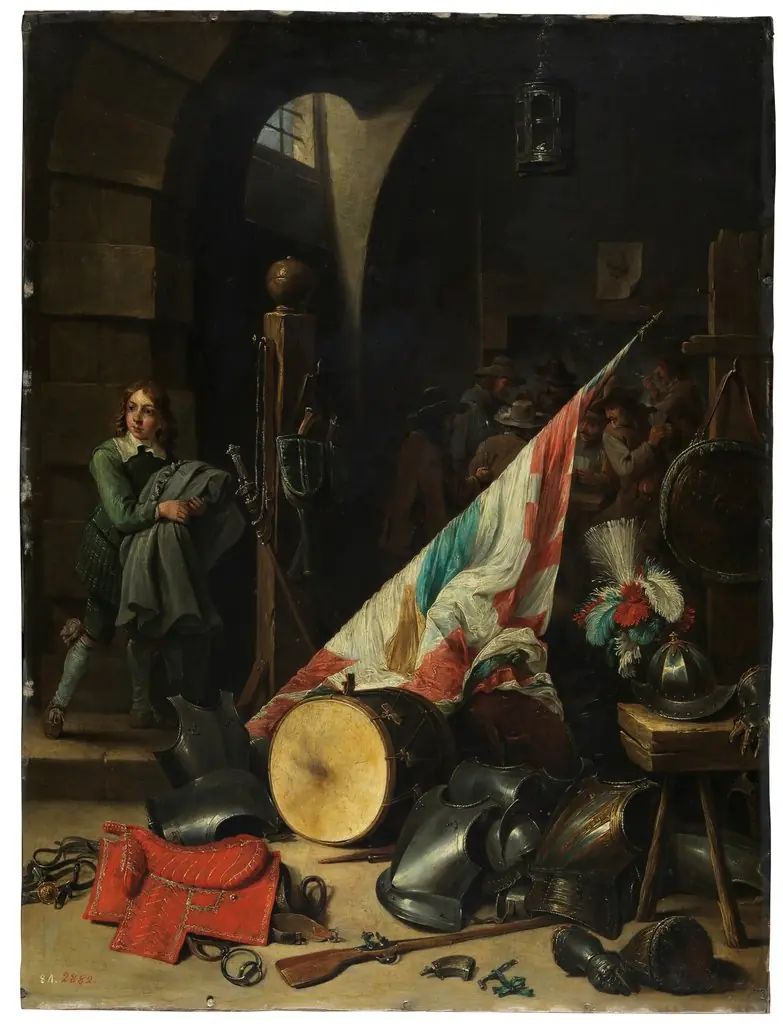 The Guard-Room
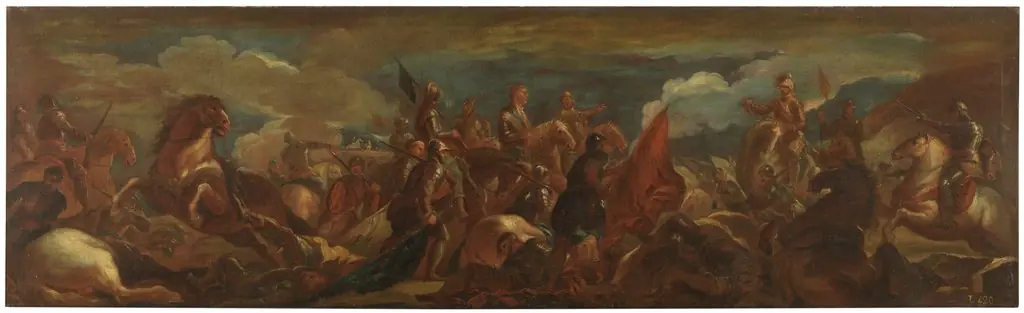 Prisión del condestable de Montmorency, en la Batalla de San Quintín
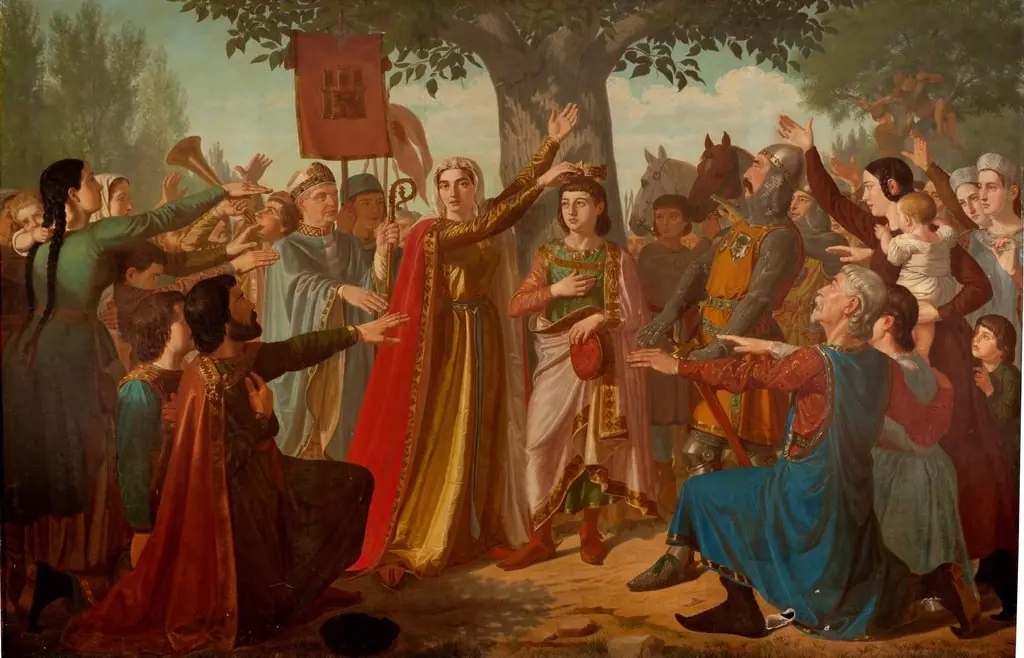 Doña Berenguela coronando a su hijo don Fernando
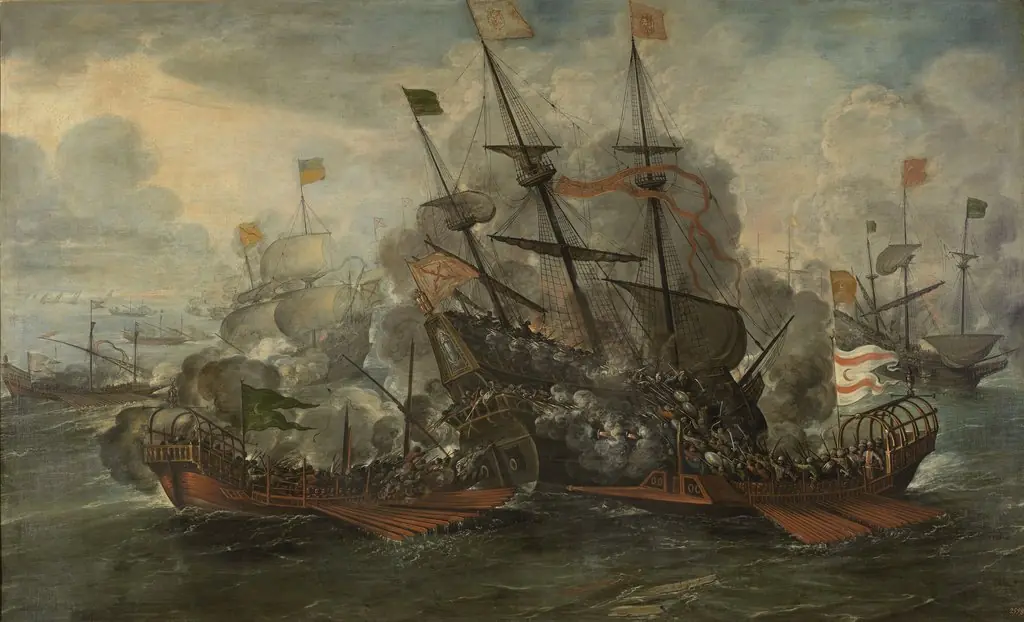 A naval battle scene between the Spaniards and Turks.
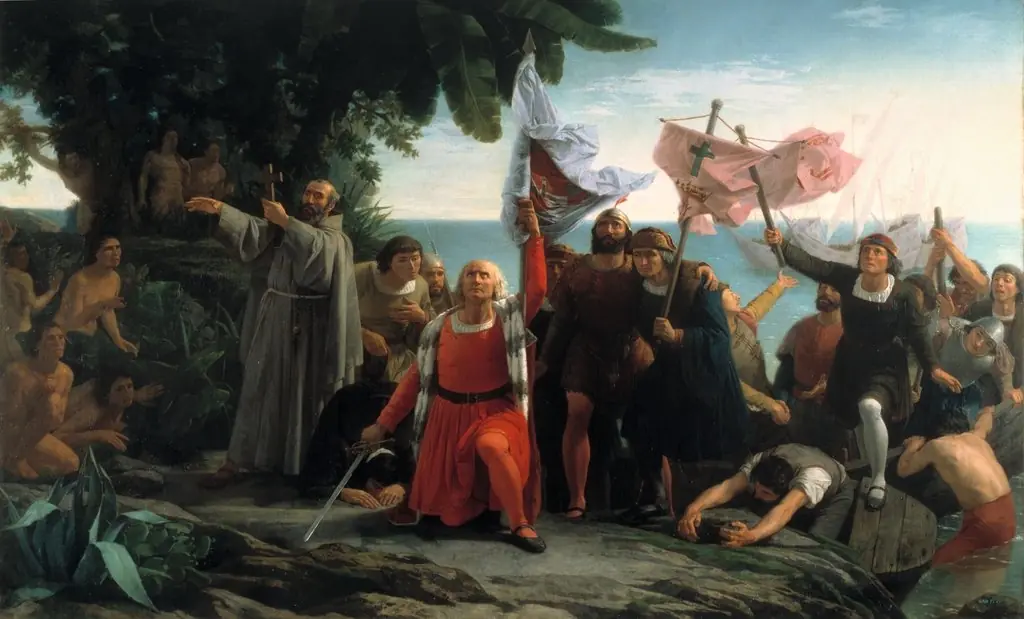 Primer desembarco de Cristóbal Colón en América
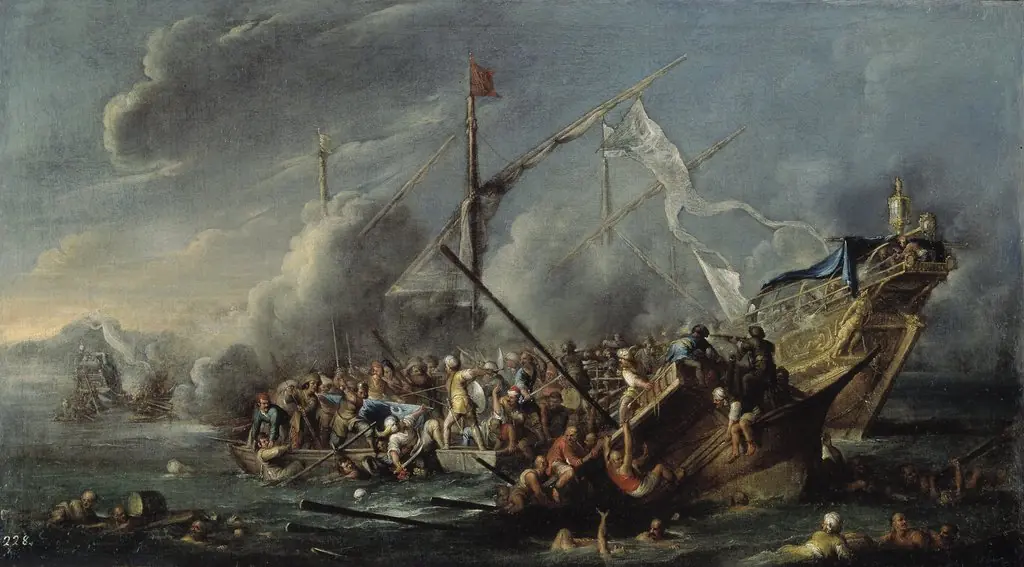 Combate naval entre españoles y turcos
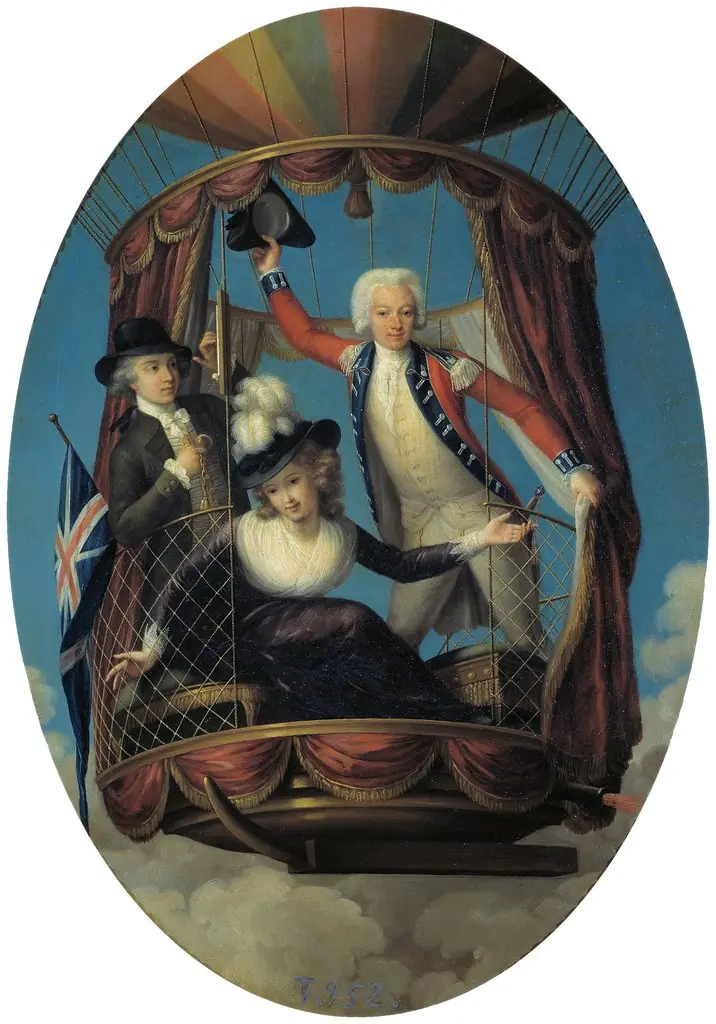 V. Lunardi, Mrs Sage and G. Biggin in a Hot Air Balloon
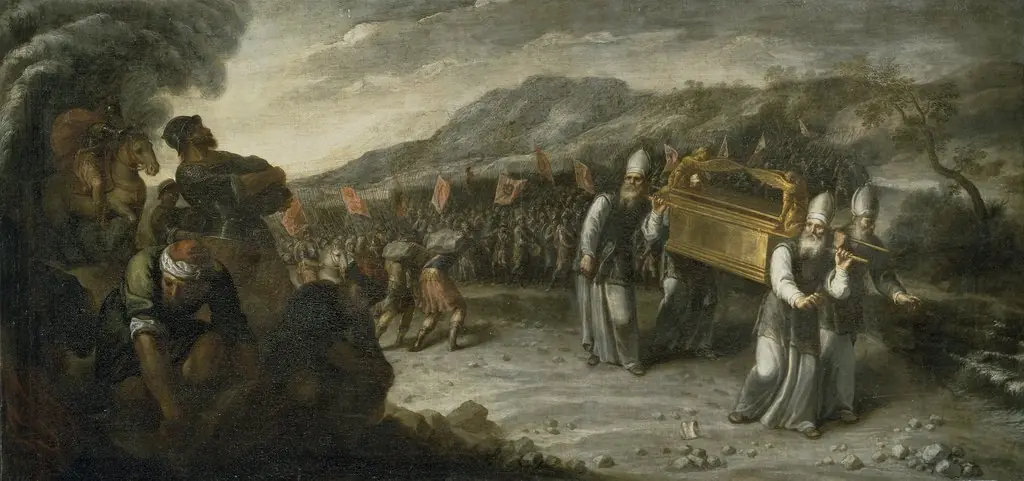 The passage of the Jordan River with the Ark of the Covenant
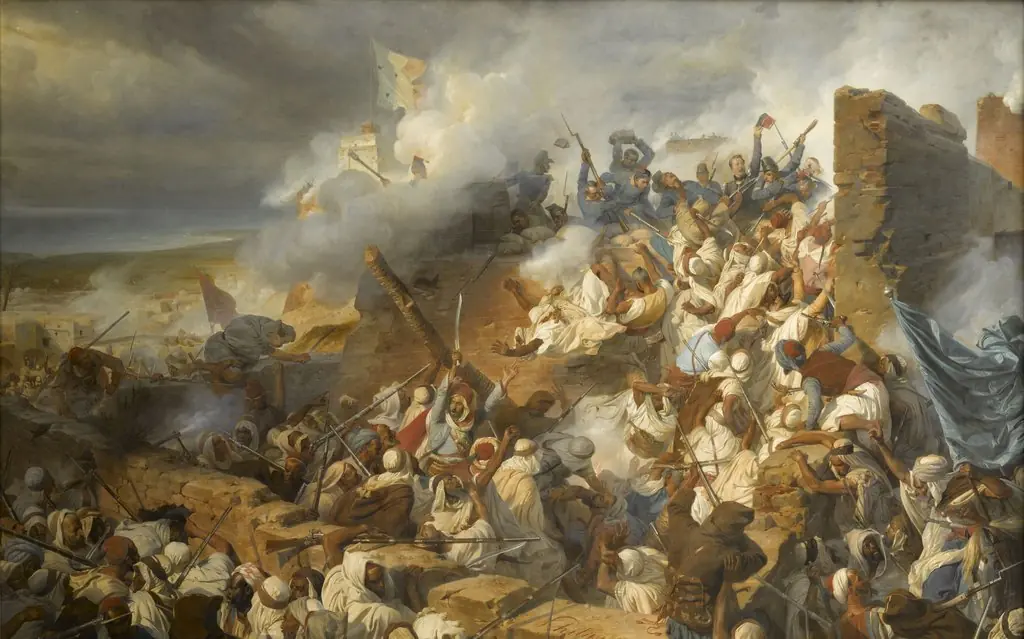 Defense of Mazagran, February 2 to 6, 1840
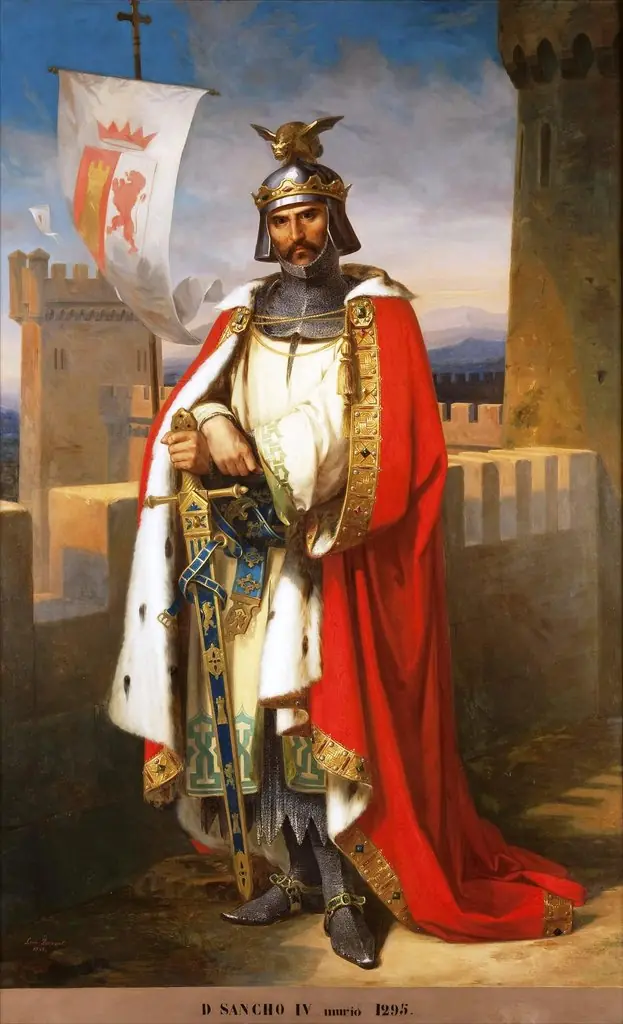 Sancho IV
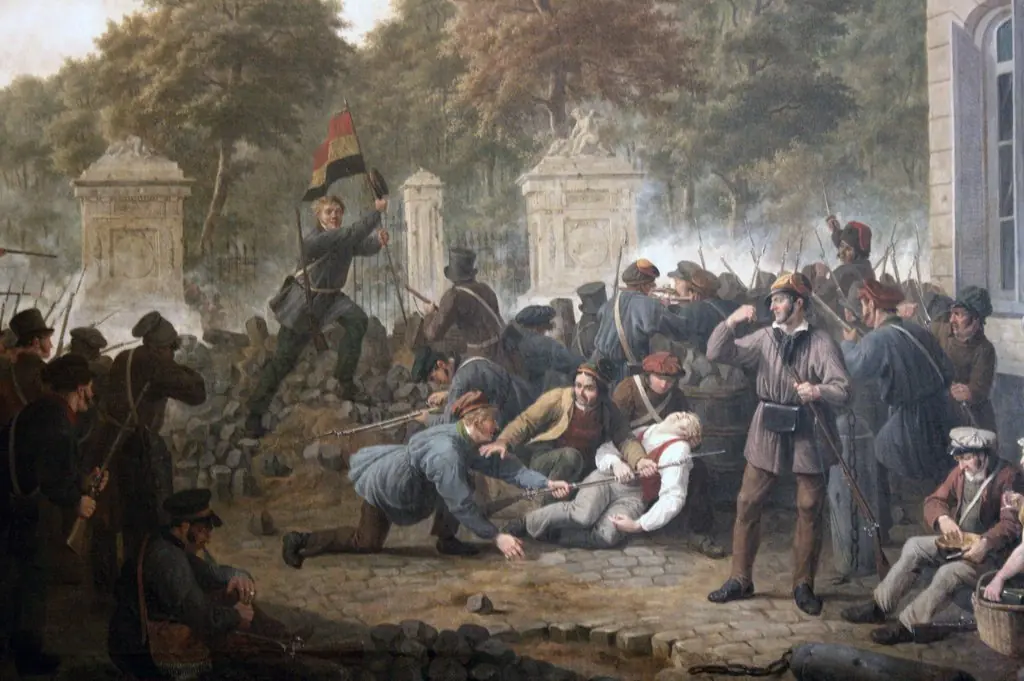 Scene of the Belgian Revolution
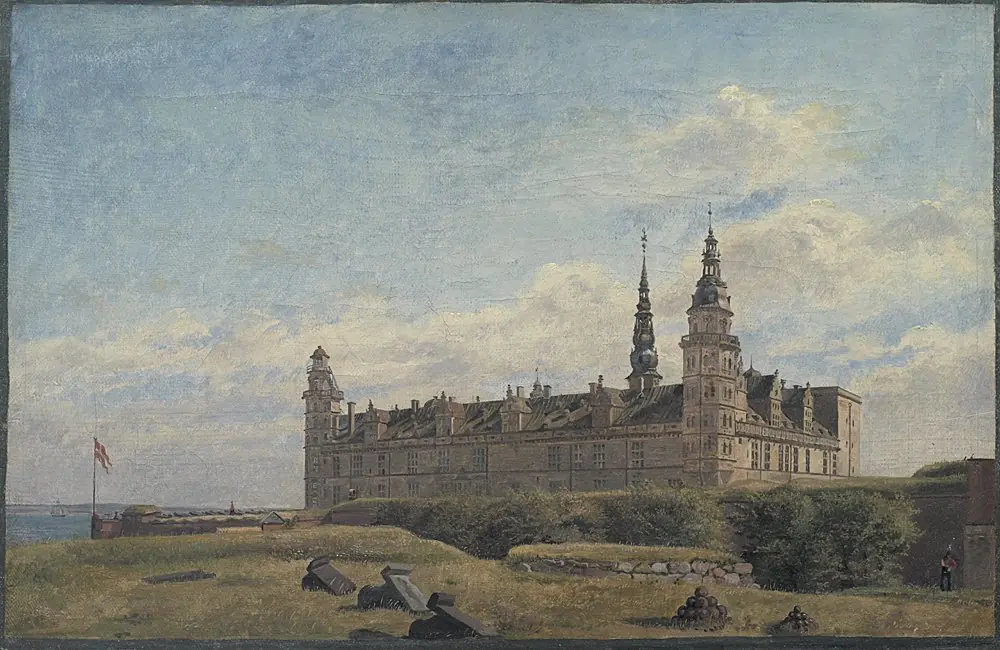 Kronborg Castle
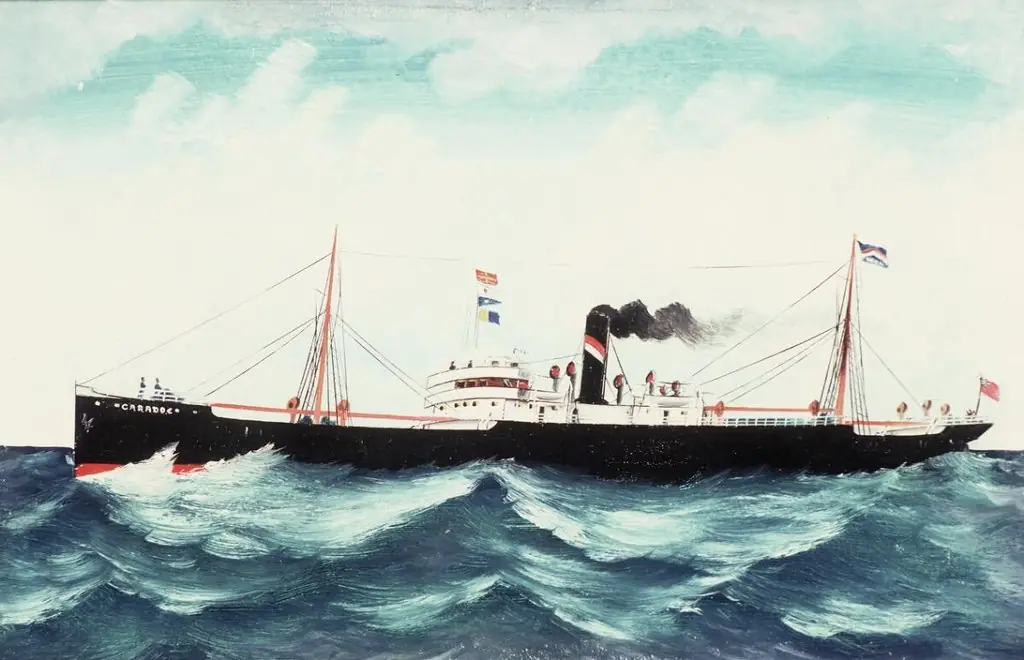 Caradoc
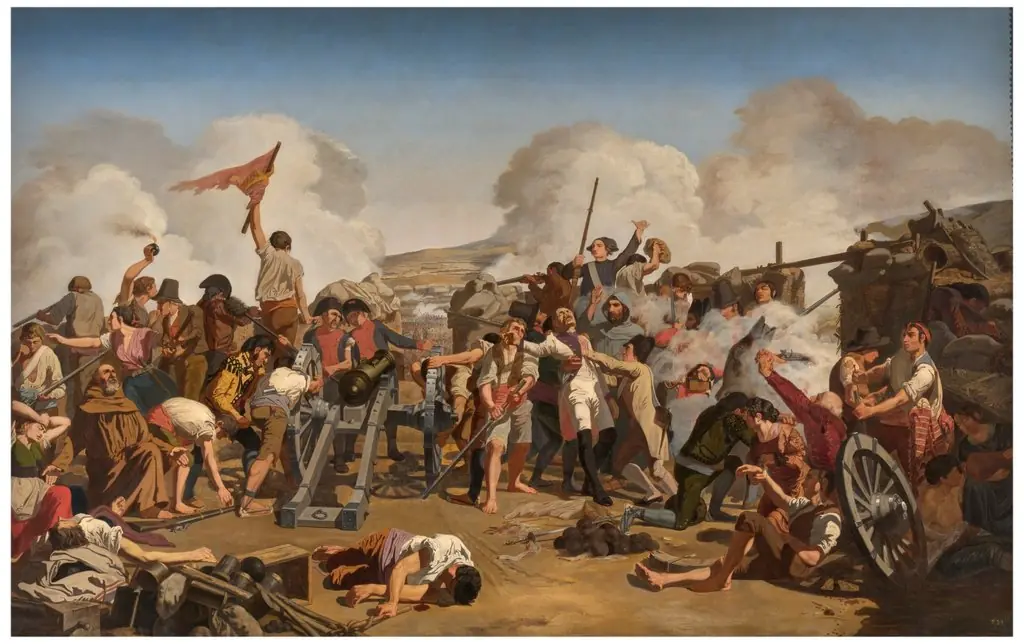 El capitán Romeo muere rechazando a los franceses en la batería de la Puerta del Carmen. Episodio del primer sitio de Zaragoza
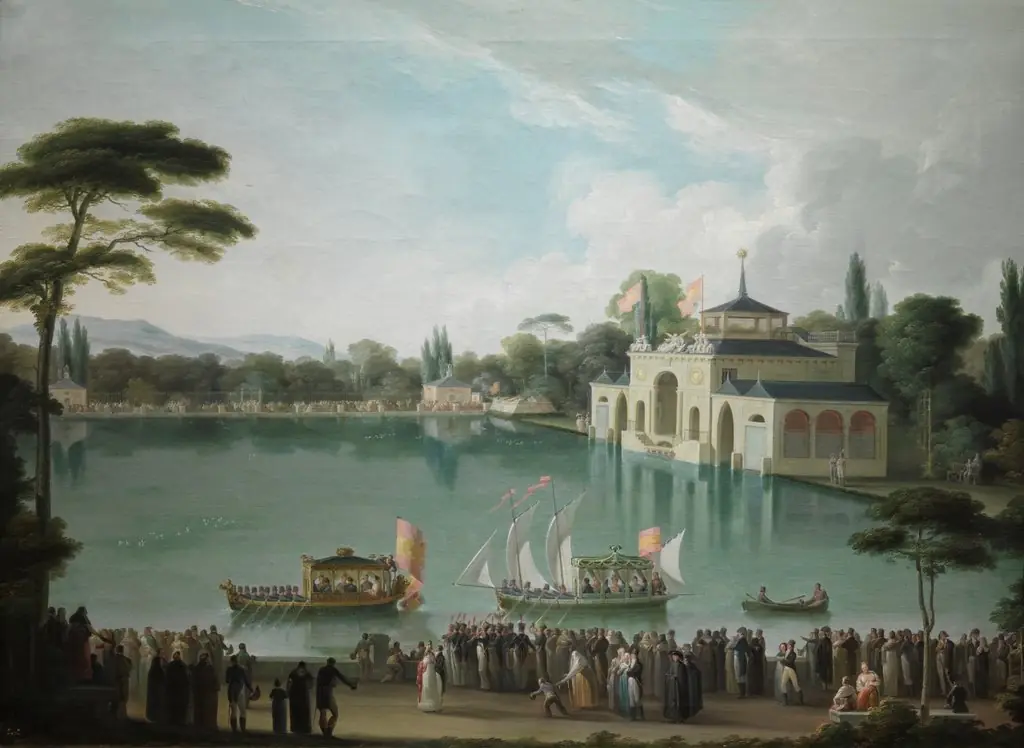 Royal Outing on the Large Lake in the Retiro
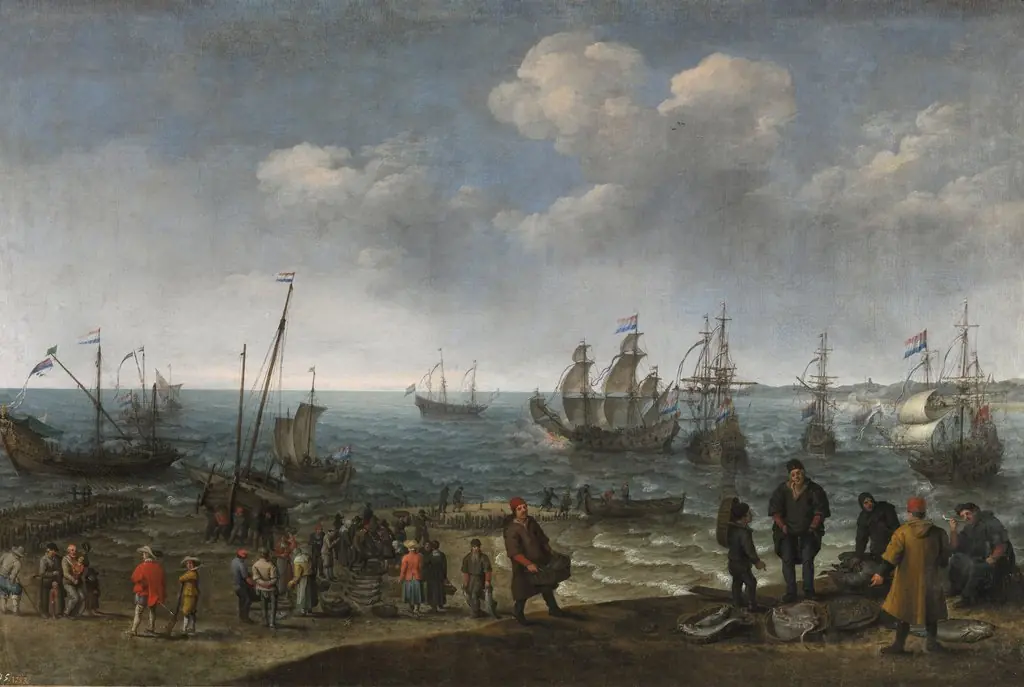 Beach with Fishermen
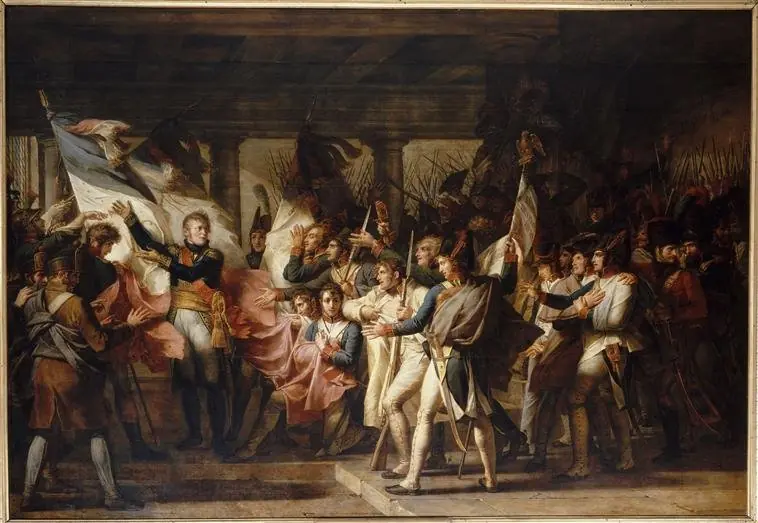 Marshal Ney hands over their flags to the soldiers of the 76th Line Regiment, November 7, 1805
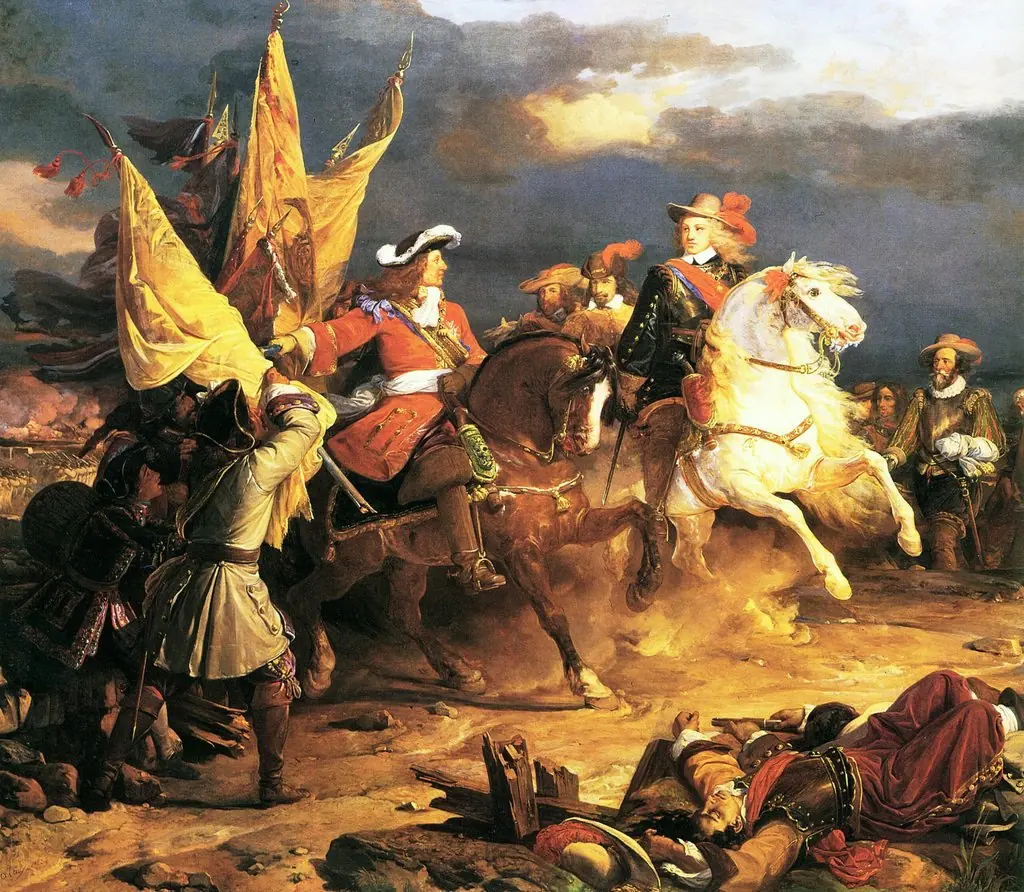 Battle of Villaviciosa, December 10, 1710
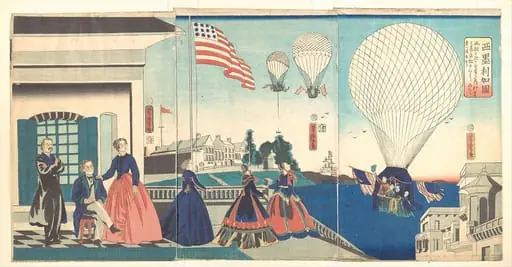 「亜墨利加國」|“America”: Enjoying Hot Air Balloons
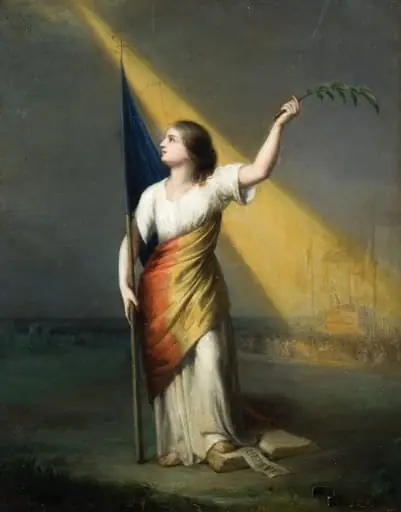 România rupându-și cătușele pe Câmpia Libertății
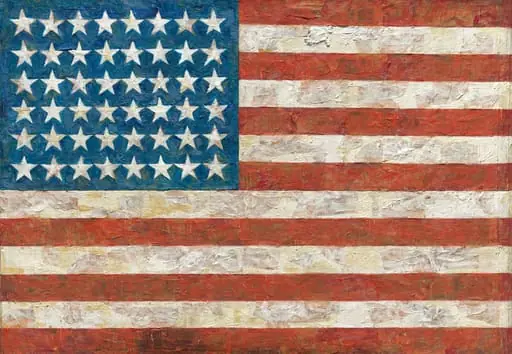 Untitled
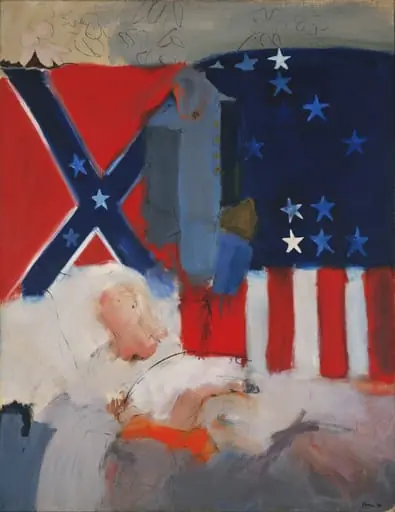 Untitled
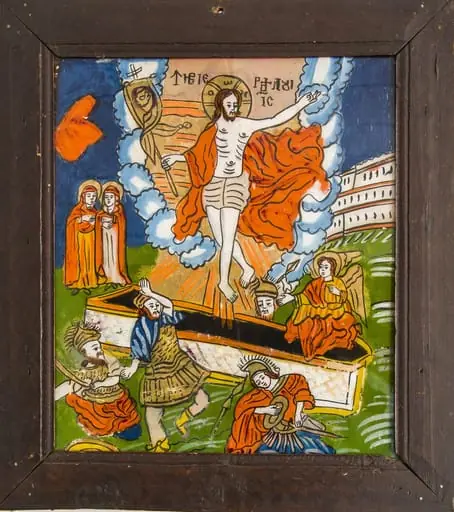 Învierea lui IS XS
 Case din Tulcea
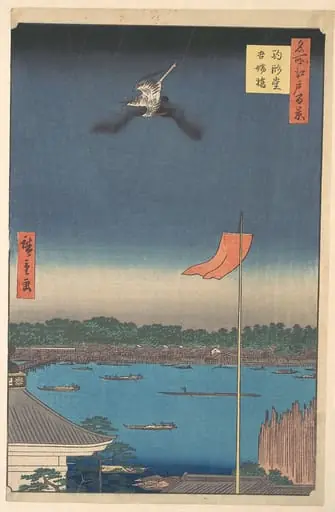 歌川広重画 「名所江戸百景 駒形堂吾嬬橋」|“Azuma Bridge from Komagatadō Temple,” from the series One Hundred Famous Views of Edo (Meisho Edo hyakkei, Komagatadō Azumabashi)
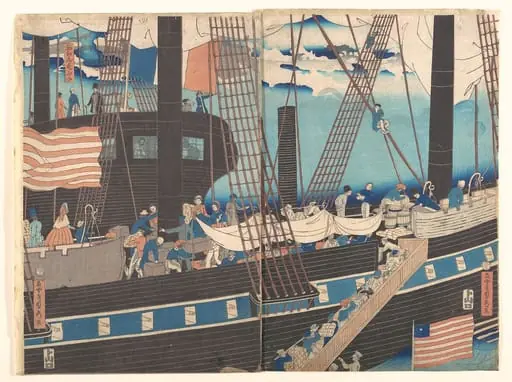 「横浜交易西洋人荷物運送之圖」|“Yokohama Trade: Westerners Loading Cargo”
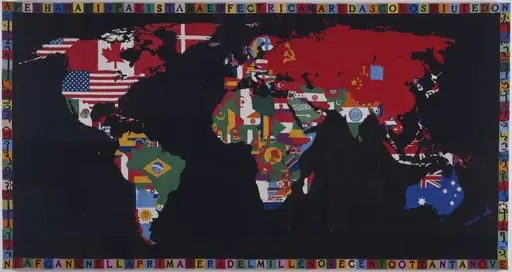 Untitled
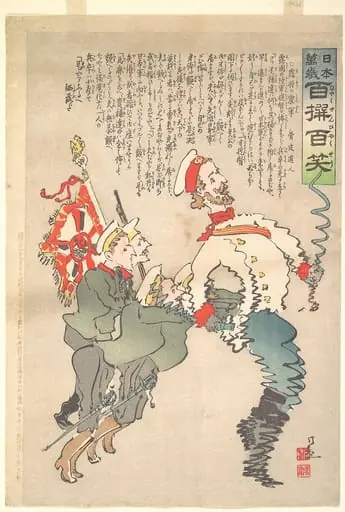 Untitled
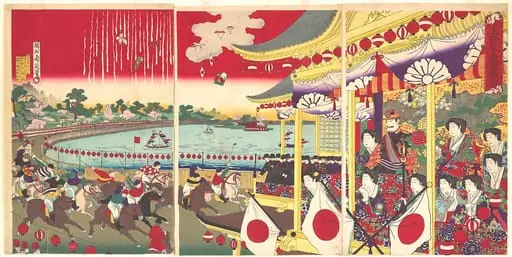 『上野不忍競馬図』|View of the Horse Track at Shinobazu in Ueno Park (Ueno shinobazu keiba zu)
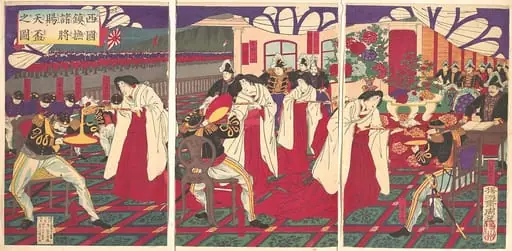 西国鎮静撫諸将天杯賜之図|Illustration of the Commanders who Pacified Western Japan, Receiving the Emperor's Gift Cups (Saigoku chinbu shoshō tenpai o tamau no zu)
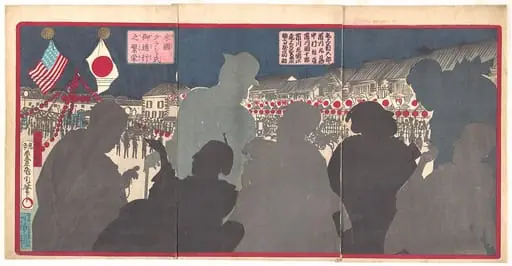 米国グラント氏御通行之繁栄|Splendor of the Procession of General Grant from America (Beikoku Guranto-shi go tsūkō no han'ei)
 真柴秀吉公名護屋陣先手諸将繰出之図|Hideyoshi and His Troops Leaving Nagoya Camp (Mashiba Hideyoshi kō nagoya jin saki te no shoshō kuridashi no zu)
 Untitled
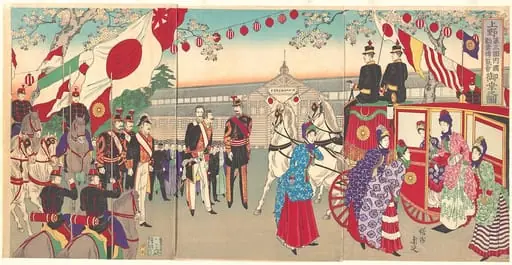 『上野第三回内国勧業 博覧会御幸之図』|Visit of the Empress to the Third National Industrial Promotional Exhibition at Ueno Park (Ueno dai sankai naikoku kangyō hakuran kai gyokō no zu)
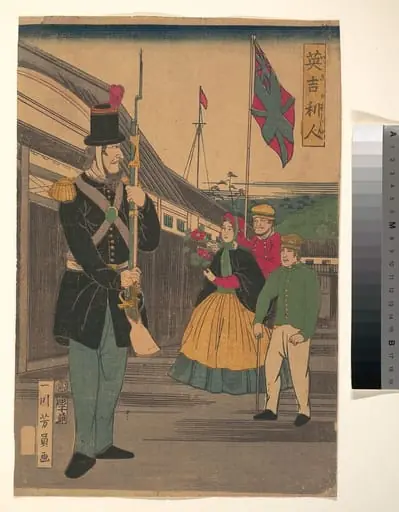 Igirisujin|英吉利人|Englishmen
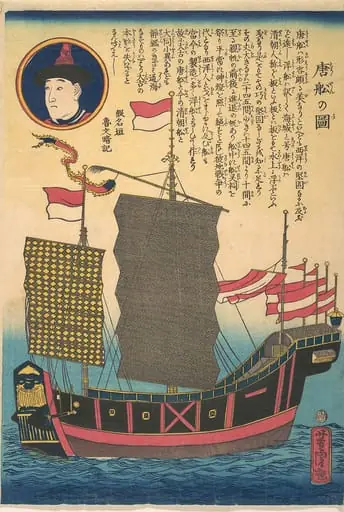 Tōsen no zu|Chinese Junk
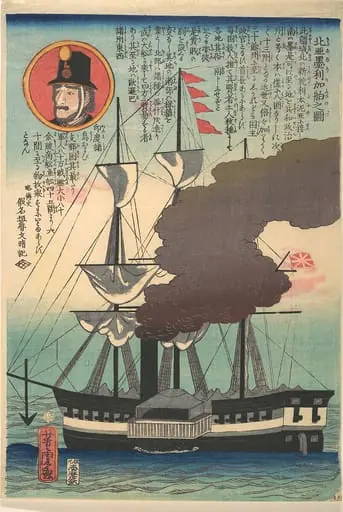 Kita Amerka fune no zu|North American Ship
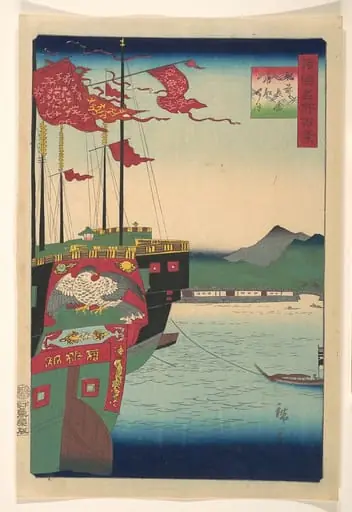 諸国名所百景 肥前長崎唐船の津|Dutch and Chinese Ships in the Harbor at Nagasaki in Hizen Province
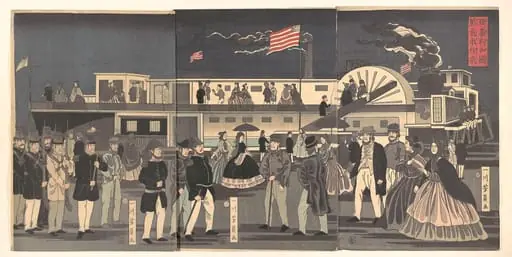 「亞墨利加國蒸氣車往来」|“America”: A Steamship in Transit
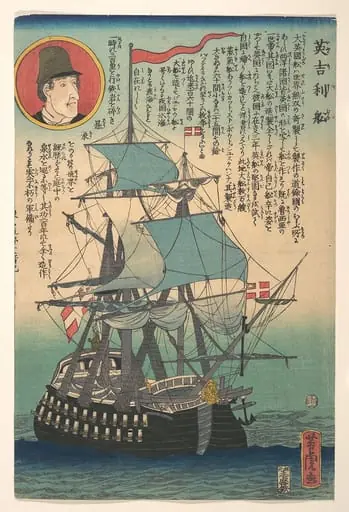 Igirisu fune|English Ship
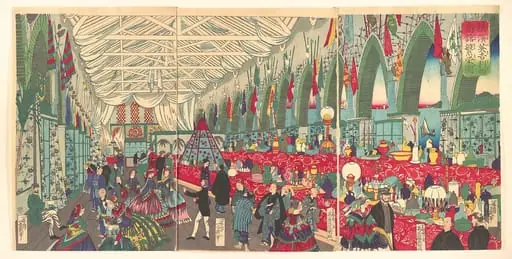 「横浜英吉利西商館繁栄圖」|“The Flourishing of an English Trading Firm in Yokohama”
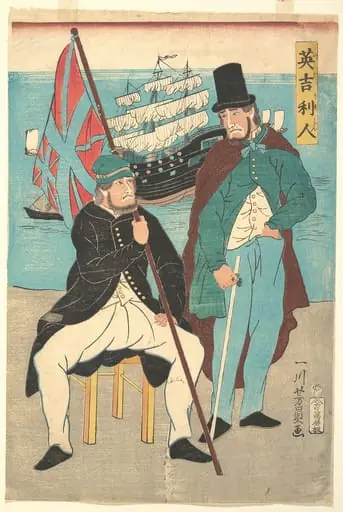 Igirisujin|Englishmen
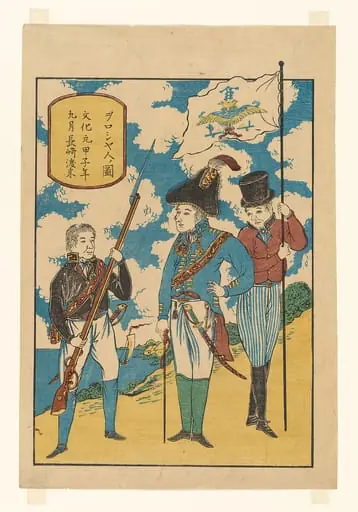 「ヲロシア人啚、文化元甲子年九月 長崎渡来」|Russians at Nagasaki
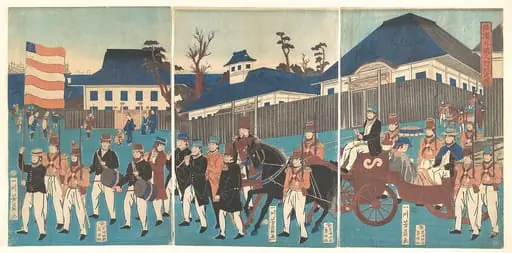 Yokohama Gankirō gaikokujin gyōretsu no zu|Picture of a Procession of Foreigners at Yokohama
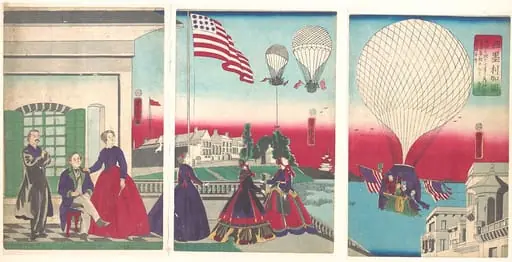 亜米利加国|American Balloon Ascension (Amerikakoku)
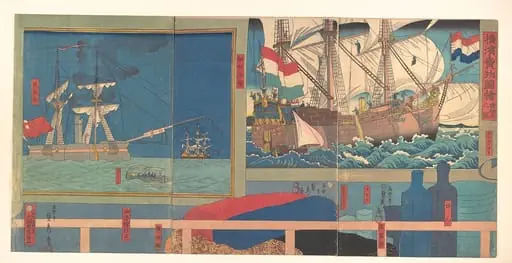 「横浜買物圖繒 唐物店之圖」|Curio Shop in Yokohama
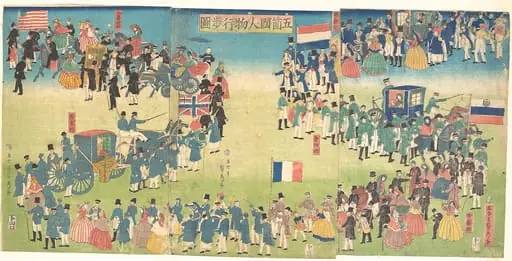 Untitled
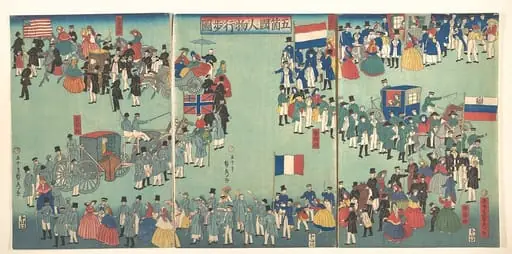 Gok'koku jimbutsu gyo...no zu|Picture of a Parade of the Five Nations
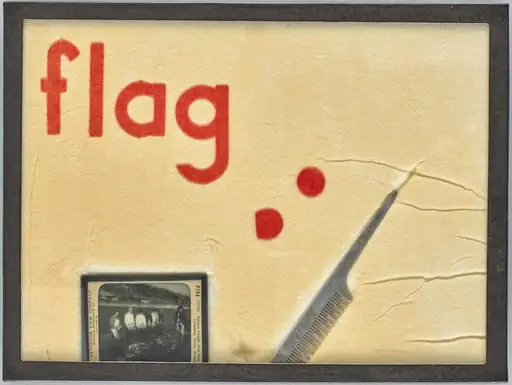 Untitled
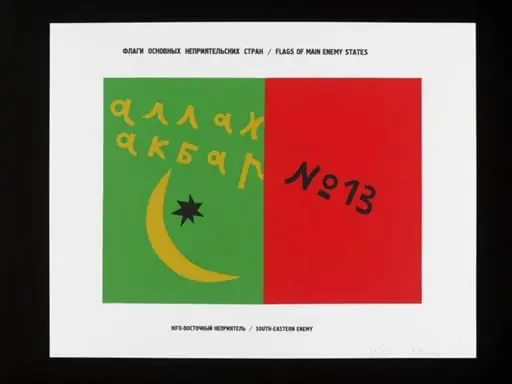 South-Eastern Enemy
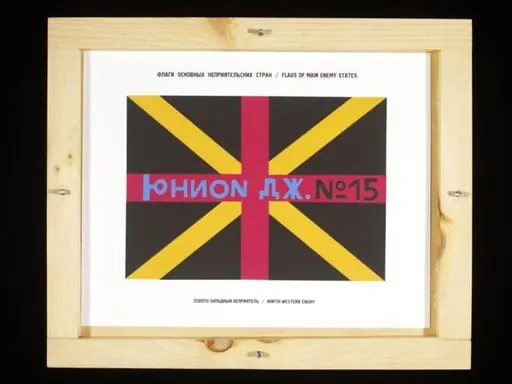 Flags of Main Enemy Troops
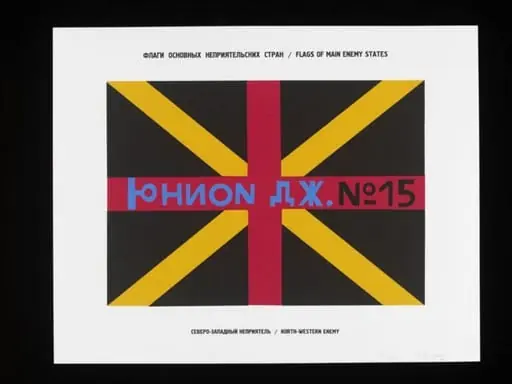 North-Western Enemy
 Internal Enemy No. 1
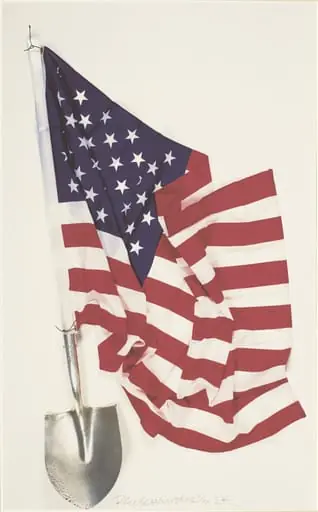 Untitled
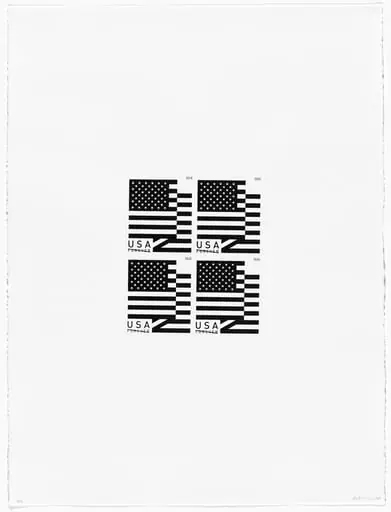 Untitled
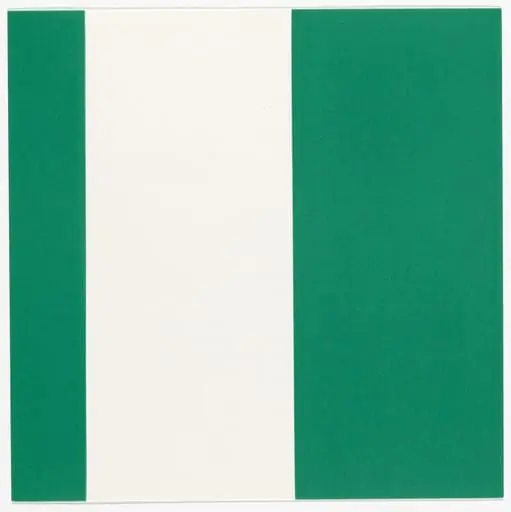 Untitled
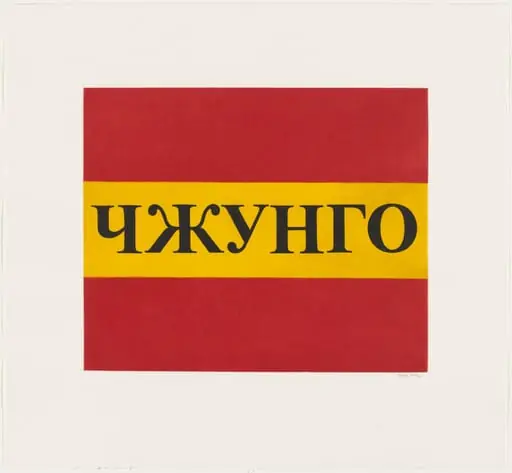 Untitled
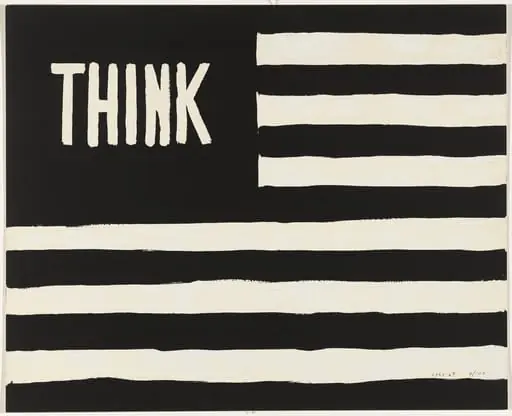 Untitled
Frequently asked questions
What is Flag?
Flag is a subject in art. A flag is a piece of fabric (most often rectangular) with distinctive colours and design, often flown from a pole and used for symbolic, signalling, or decorative purposes.
How many Flag works does Artifact World Gallery have?
Artifact World Gallery holds 96 public-domain Flag works, all free to view and download.
Who are the key Flag artists?
Key Flag artists in the collection include Titian, Jacques-Louis David and Thomas Chambers.
Where can I see Flag works?
Flag works in the collection are held by Metropolitan Museum of Art, Museo del Prado and Museum of Modern Art.