Artwork
The Good Shepherd
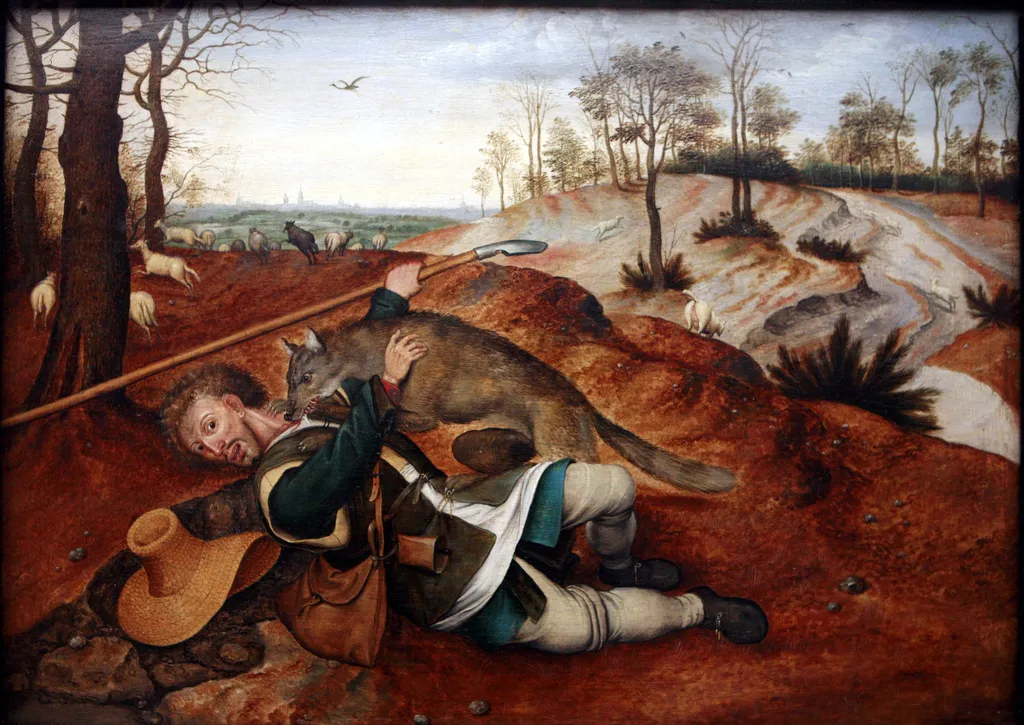
The Good Shepherd is an oil painting by the Flemish Baroque painting artist Pieter Brueghel the Younger. It dates from 1616 and is held in the collection of the Royal Museums of Fine Arts of Belgium.
About this work
Subject & Meaning
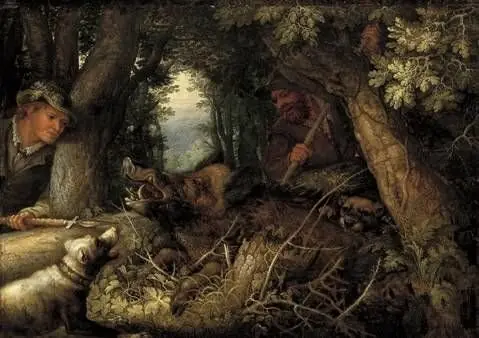
The scene includes a shepherd tending to his sheep, set within a rural landscape characterized by rolling hills and leafy trees.
The Good Shepherd by Pieter Brueghel the Younger depicts the traditional Christian motif of Christ as the Good Shepherd, a figure who cares for and protects his flock. The scene includes a shepherd tending to his sheep, set within a rural landscape characterized by rolling hills and leafy trees.
The work incorporates iconographic elements that reinforce its religious meaning. The shepherd’s staff and the presence of the flock symbolize guidance and protection, aligning with the Gospel of John’s portrayal of Christ as the shepherd who lays down his life for his sheep. The inclusion of a wolf attacking the flock introduces a narrative of peril and salvation, underscoring the shepherd’s role as a defender against spiritual danger.
Technique & Style
The Good Shepherd is executed in oil paint on a canvas support. Created in 1616 by Pieter Brueghel the Younger, the work adheres to the religious art genre. The painting depicts a rural scene featuring a shepherd, a flock of sheep, and a wolf attack, set against a landscape that includes a broad-leaved tree and a hill. The composition also incorporates specific details such as a straw hat worn by the shepherd.
History & Provenance
The work titled The Good Shepherd was painted in 1616 by Pieter Brueghel the Younger as a religious composition for the Gospel of John. It is an oil on canvas painting that entered the collection of the Royal Museums of Fine Arts of Belgium, specifically the Oldmasters Museum, where it remains on view. The work’s creation history is anchored in its 1616 inception date and its stylistic derivation from the earlier genre of biblical narrative painting.
The painting The Good Shepherd by Pieter Brueghel the Younger is held in the collection of the Royal Museums of Fine Arts of Belgium, specifically in the Oldmasters Museum. Its accession number is not specified in the provided sources.
The work was created in 1616 and was first exhibited as part of the museum's holdings, though specific exhibition venues beyond the museum's collection are not detailed in the sources.
The painting is classified as a religious artwork and is cataloged under the inventory of the Royal Museums of Fine Arts of Belgium.
Legacy
The Good Shepherd by Pieter Brueghel the Younger, painted in 1616, has been recognized for its vivid narrative and theological depth, influencing later religious art through its depiction of shepherds and wolves. The composition, drawn from the Gospel of John, contributed to the iconography of the theme in Flemish painting, with copies produced by Brueghel's workshop and further replicated in the 18th century. The work is held in the collection of the Royal Museums of Fine Arts of Belgium, specifically at the Oldmasters Museum, ensuring ongoing public access and scholarly attention.
Overview
Created in 1616, The Good Shepherd is an oil painting by Pieter Brueghel the Younger, a Flemish artist active at the turn of the 17th century. The work belongs to the Flemish Baroque tradition and is part of the collection of the Royal Museums of Fine Arts of Belgium. It presents a pastoral landscape populated by a shepherd, his flock, and a threatening wolf.
Context
The work reflects the early 17th‑century Flemish interest in rural genre scenes that combine everyday labor with moral allegory. By portraying a shepherd confronting a wolf, Brueghel taps into contemporary symbolism of the shepherd as a guardian figure, a motif also found in religious and pastoral literature of the period.
Own this work as a print
Artist & collection
Artist
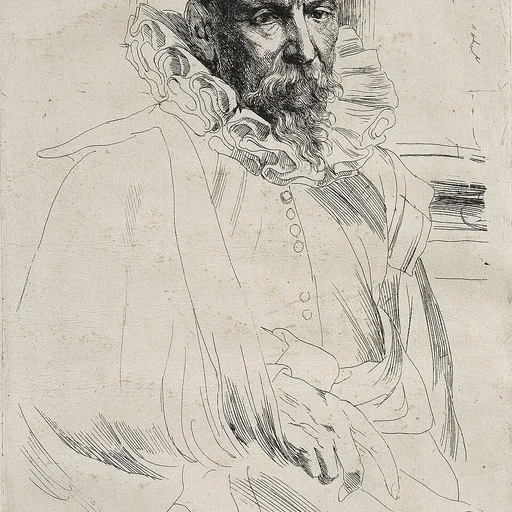
Pieter Brueghel the Younger ( BROY-gəl, also US: BROO-gəl; Dutch:; between 23 May and 10 October 1564 – between March and May 1638) was a Flemish painter known for numerous copies after his father Pieter Bruegel the…

Museum
Royal Museums of Fine Arts of Belgium
Continue through works from the same source collection.