Artwork
The Unfaithful Shepherd
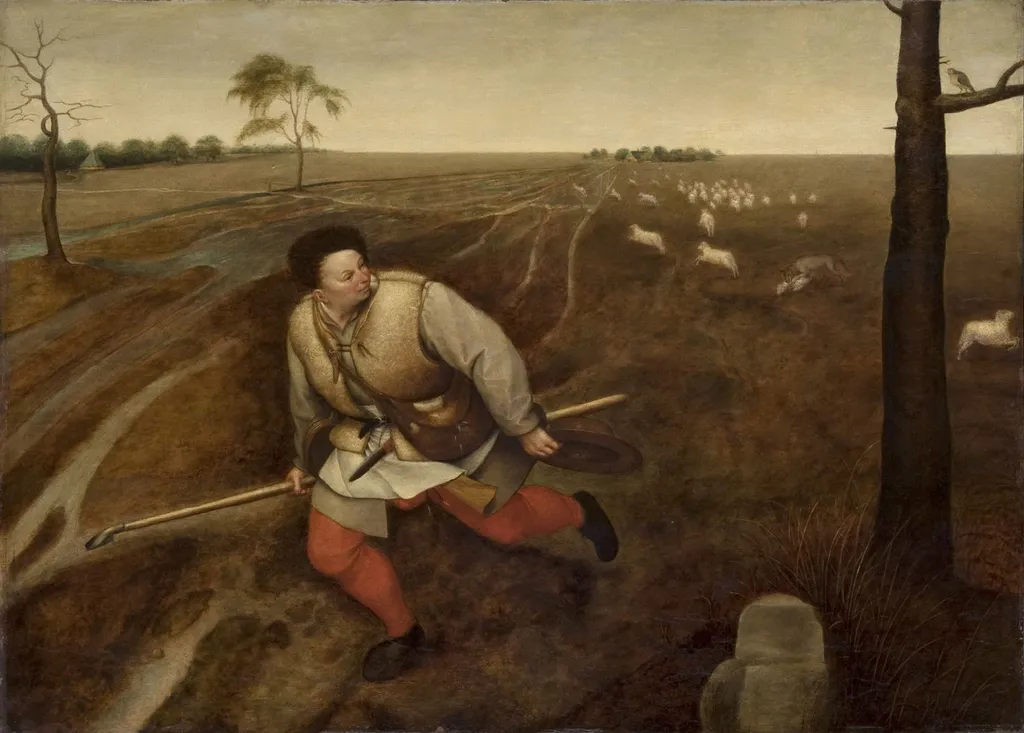
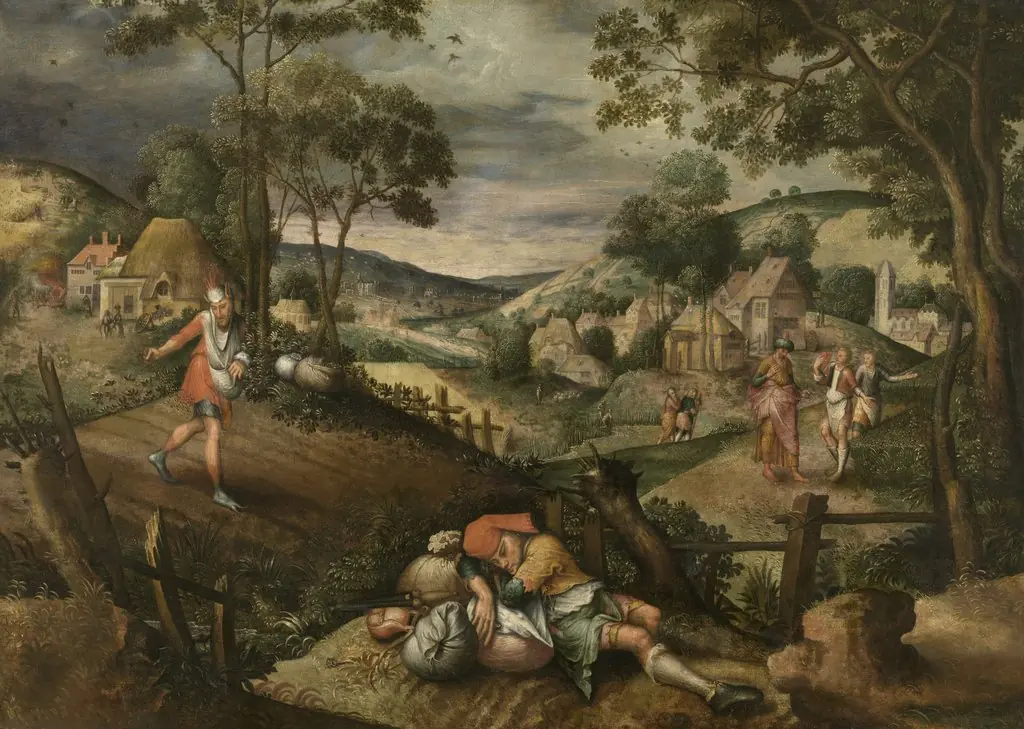
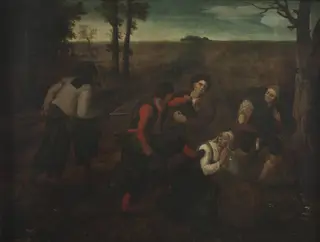
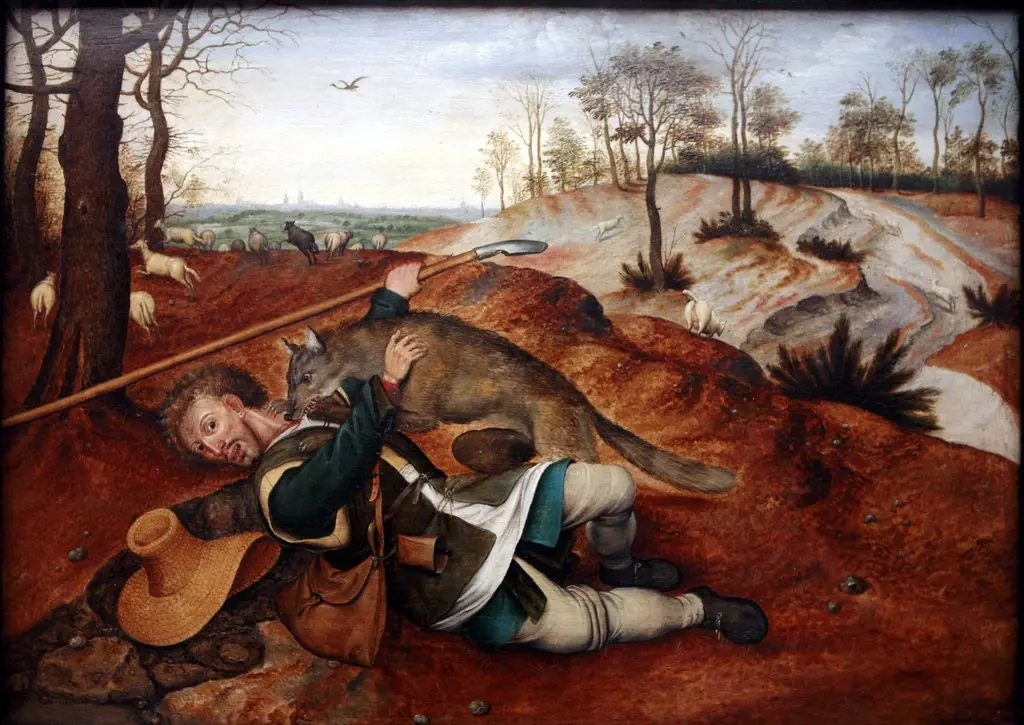
The Unfaithful Shepherd is an oil painting by the Early Baroque Italian artist Unknown. It dates from 1612 and is held in the collection of the Philadelphia Museum of Art. This oil painting depicts a shepherd fleeing from his flock, set against a sparse, shadowed landscape.
About this work
Overview
Textural brushwork in the clothing and terrain adds physical presence, while the composition directs attention to the shepherd’s abrupt departure.
This oil painting depicts a shepherd fleeing from his flock, set against a sparse, shadowed landscape. The figure is rendered with strong contrasts of light and dark, emphasizing movement and isolation. Textural brushwork in the clothing and terrain adds physical presence, while the composition directs attention to the shepherd’s abrupt departure. The work is held by the Philadelphia Museum of Art.
Subject & Meaning
The shepherd’s flight suggests abandonment or moral failure, a common allegory in pastoral imagery. His turned back and hurried posture contrast with the stationary sheep, implying neglect of duty. The barren setting reinforces emotional emptiness, and the winding road hints at an uncertain path ahead. The scene invites reflection on responsibility and consequence without explicit narrative.
Technique & Style
The artist employs chiaroscuro to sculpt the shepherd’s form, isolating him against a deep, receding background. Impasto is used deliberately in the fabric of his vest and trousers, creating tactile surfaces that catch the light. Brushstrokes in the landscape are looser, suggesting distance and wind-swept terrain. The technique prioritizes emotional resonance over detailed realism.
History & Provenance
The painting has been in the collection of the Philadelphia Museum of Art for decades, though its earlier ownership and exact date of creation remain undocumented. It is not attributed to a widely recognized master, and its origins appear to stem from a regional or lesser-known tradition. Its preservation suggests it was valued for its compositional strength rather than its artist’s fame.
Context
Produced during a period when pastoral themes were common in European art, this work diverges from idealized depictions of shepherds. Instead of harmony, it presents rupture, a figure in flight rather than in contemplation. Such portrayals reflect shifting attitudes toward rural life, where moral or economic failure could disrupt traditional roles.
Legacy
Though not widely exhibited beyond institutional settings, the painting contributes to a quieter strand of 19th-century narrative art that favored psychological tension over sentimentality. Its emphasis on isolation and gesture influenced later regional painters interested in emotional realism. It remains a quiet example of how everyday scenes could carry moral weight.
Artist & collection