Artwork
Time
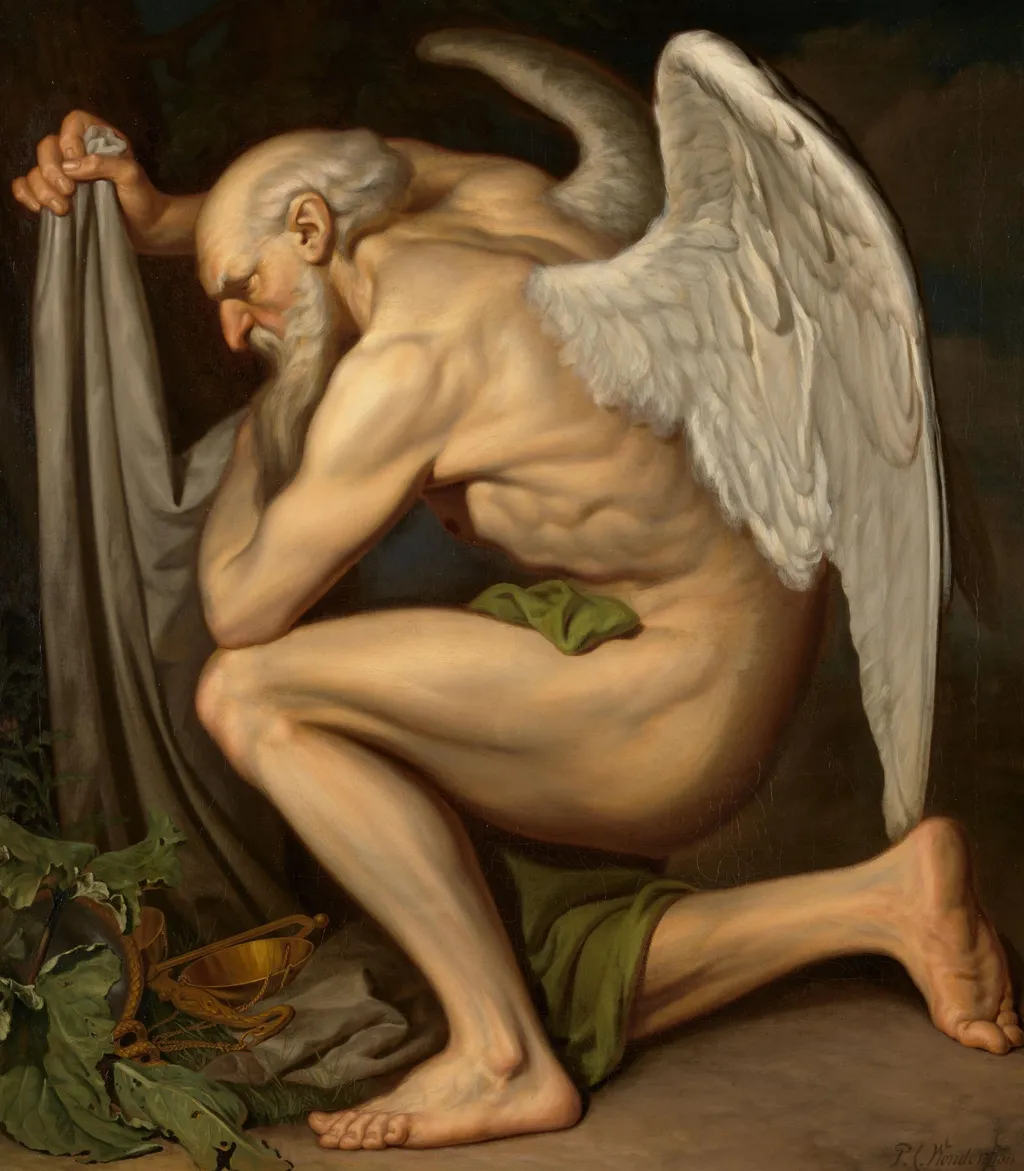
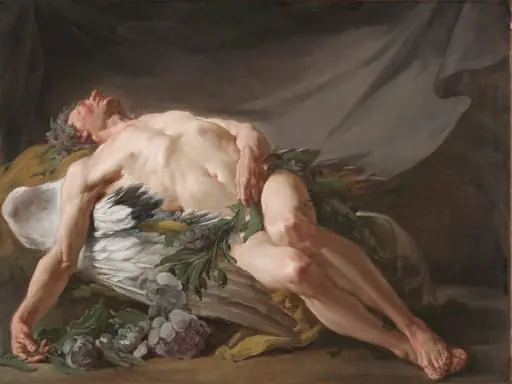
Time is an unspecified painting by the Biedermeier artist Pieter Christoffel Wonder. It dates from 1810 and is held in the collection of the Rijksmuseum.
About this work
Subject & Meaning
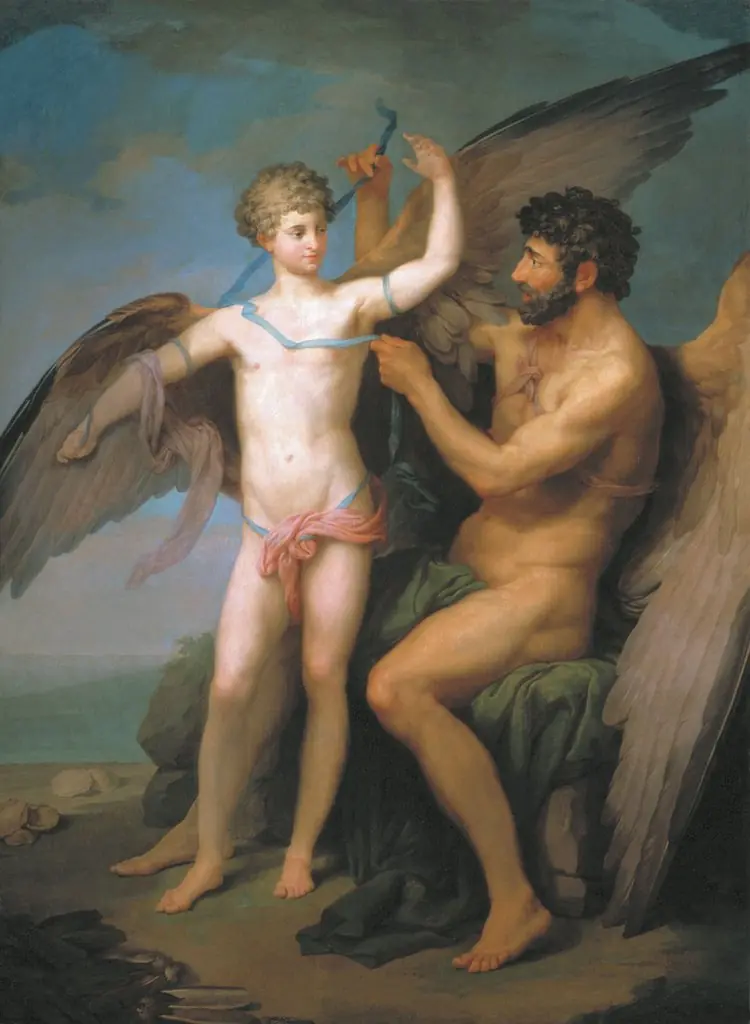
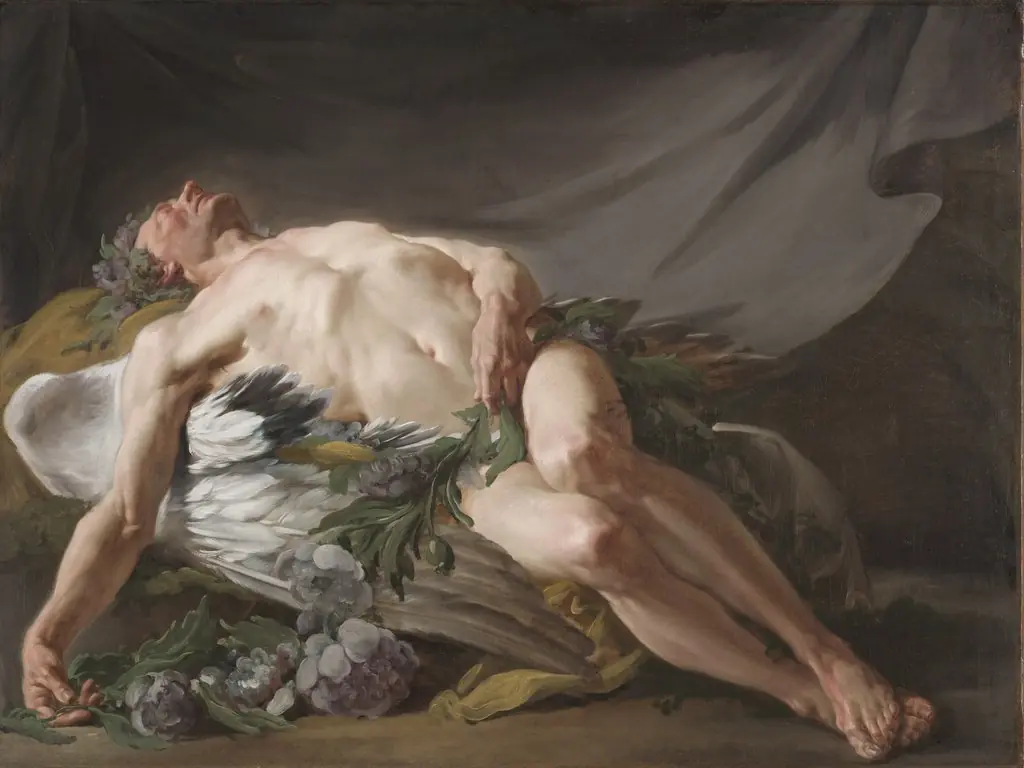
The painting depicts an elderly, nude male figure with wings, conventionally identified as an allegory of Time.
The painting depicts an elderly, nude male figure with wings, conventionally identified as an allegory of Time. The figure is shown seated and holding an hourglass, a motif that explicitly signals the passage of time. The neoclassical treatment emphasizes clarity and symbolic directness, aligning with contemporary allegorical conventions in Dutch art of the early nineteenth century.
Scholarly description characterizes the work as a strongly neoclassical symbolic representation of an old winged man, underscoring its allegorical intent rather than naturalistic portraiture.
Technique & Style
Pieter Christoffel Wonder's Time (1810) is an oil painting executed in a strongly neoclassical style. The work depicts a symbolic representation of an elderly, winged nude figure. This formal approach aligns with Wonder's broader practice of copying Old Masters and adhering to academic traditions during his early career. The painting is currently held in the collection of the Rijksmuseum in Amsterdam.
History & Provenance
The painting Time is dated 1810 and is attributed to the Dutch artist Pieter Christoffel Wonder (1777–1852).
The work entered the collection of the Rijksmuseum in Amsterdam, where it remains held as of the cited reference. Its early history is not detailed in the available sources, but the painting is described as an allegorical representation of a winged, nude old man in a strongly Neoclassical style, aligning with Wonder’s known engagement with classical themes and portraiture during the early nineteenth century.
The painting Time, created in 1810, is held in the collection of the Rijksmuseum in Amsterdam. The work is also known by its Dutch title, De Tijd. While the artist, Pieter Christoffel Wonder, produced numerous portraits and interior scenes during his career in Utrecht and London, this specific allegorical piece remains part of the Dutch state museum's holdings.
Context
Painted in 1810, Time (De Tijd) is held in the collection of the Rijksmuseum in Amsterdam. The work is characterized as a symbolic representation of a nude, winged elderly man executed in a pronounced Neoclassical style. This aesthetic approach aligns with Wonder's broader artistic development, which included formal training at the Düsseldorf Academy and extensive self-directed study copying Old Masters such as Van Dyck and Rubens.
While Wonder achieved significant renown later in his career as a portraitist during his residence in England between 1823 and 1831, this earlier mythological piece demonstrates his engagement with allegorical subjects and the prevailing Neoclassical tendencies of the early nineteenth century. The painting remains a documented example of his output prior to his international success as a portrait painter.
Overview
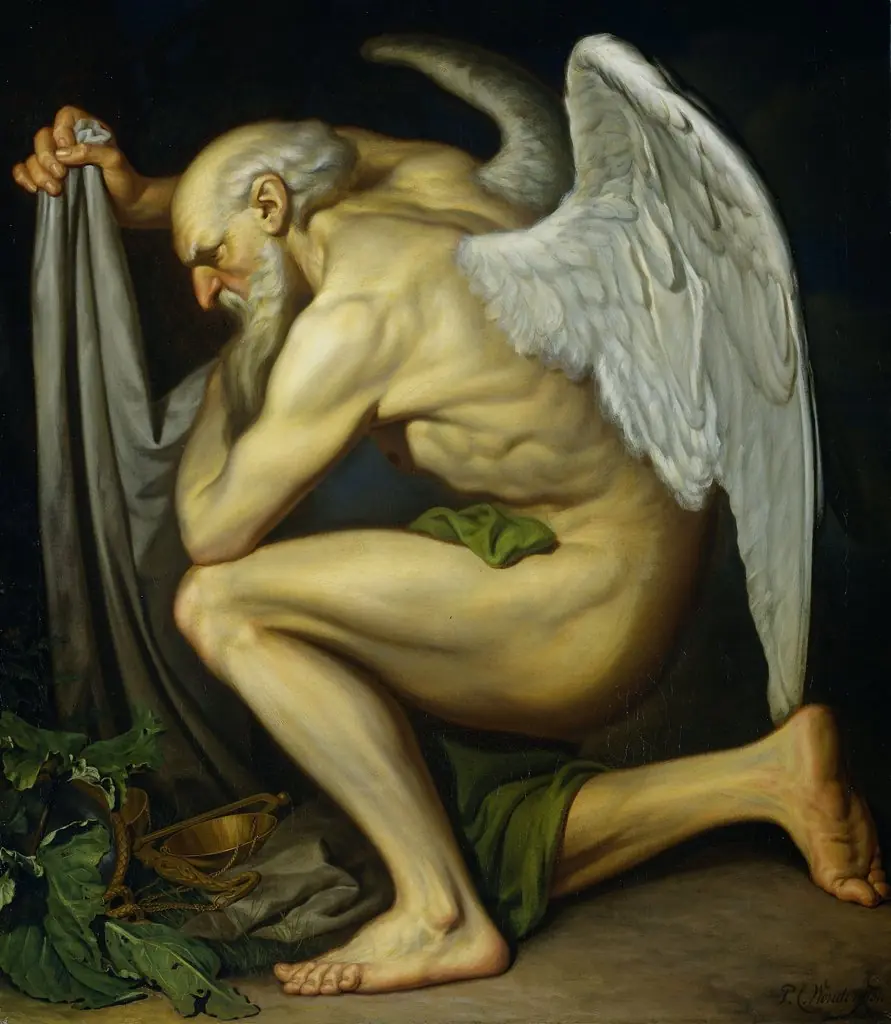
The work, titled “Time,” depicts the allegorical figure of Father Time as a nude, winged man. He is shown in profile, kneeling on his right knee, his right hand raised to hold a cloth. At his feet a golden scale rests amid a scattering of leaves.
Legacy
While not widely reproduced, the image contributes to the visual vocabulary of temporal symbolism that persists in modern media, from clock faces to cartoon depictions of the aging figure, reinforcing the enduring cultural resonance of the Father Time archetype.
Own this work as a print
Artist & collection
Artist
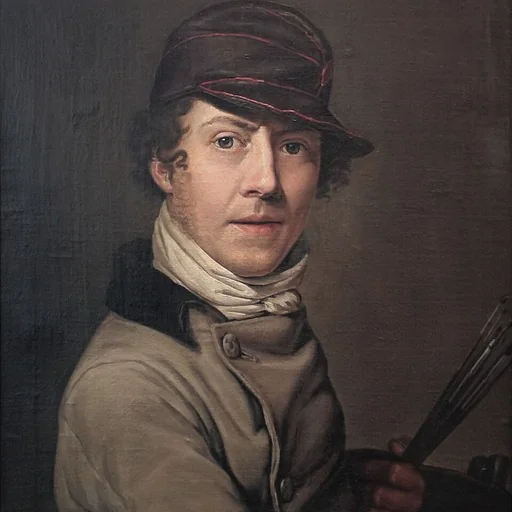
Pieter Christoffel Wonder (1780–1852) was a Dutch artist, born in Utrecht.

![Mrs. Pearson [possibly Sarah Thompson Pearson], by Pieter Christoffel Wonder](https://artifactworldgallery.com/img/pieter-christoffel-wonder--mrs-pearson-possibly-sarah-thompson-pearson--0006ffde77661f8c-w320.webp)