Artwork
Self-Portrait as Icarus with Daedalus
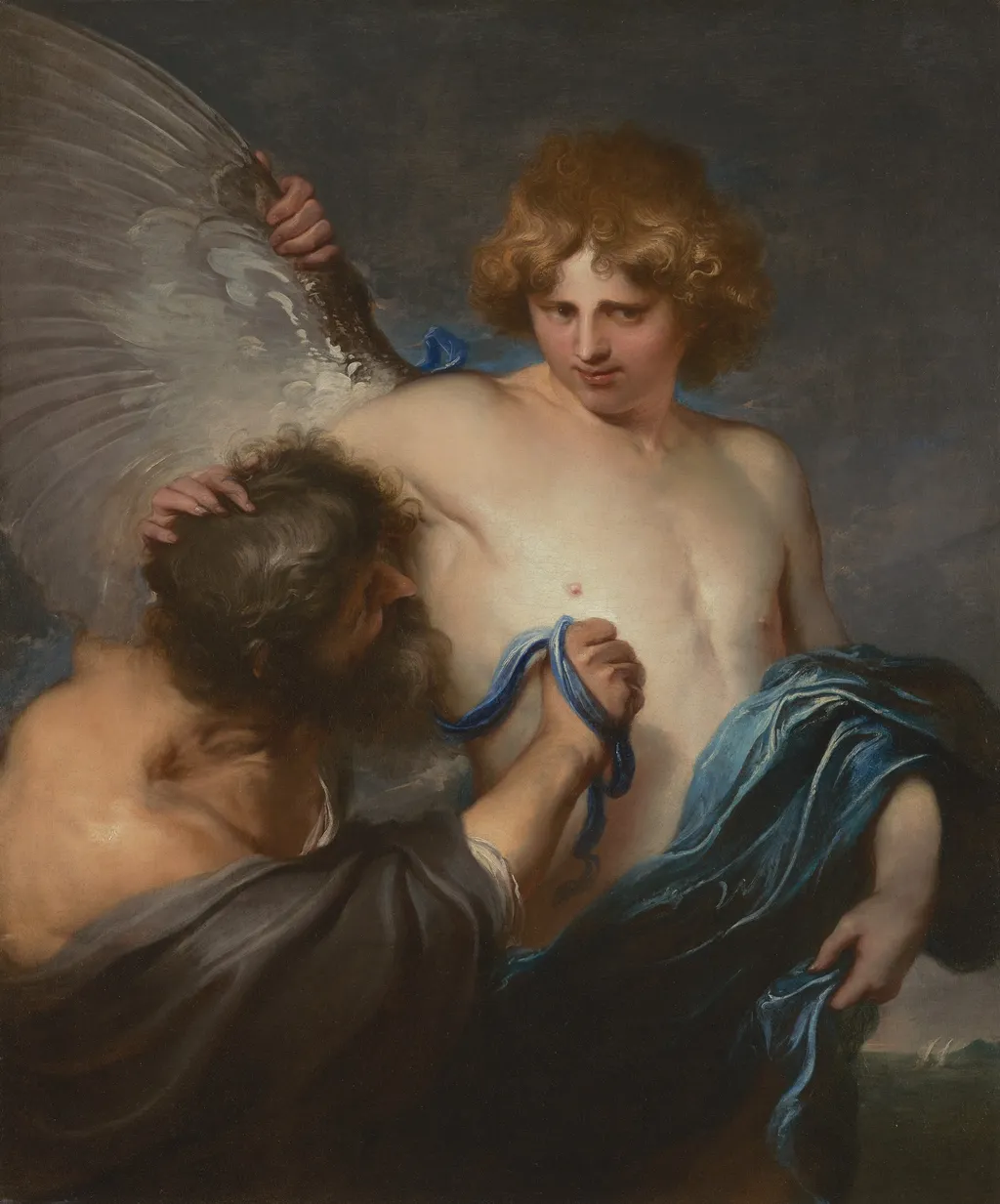
Self-Portrait as Icarus with Daedalus is an oil painting by the Flemish Baroque painting artist Anthony van Dyck. It dates from 1618 and is held in the collection of the Museum of Fine Arts Boston.
About this work
Subject & Meaning
By portraying himself as Icarus, van Dyck may reference artistic aspiration, risk, or the limits of human endeavor.
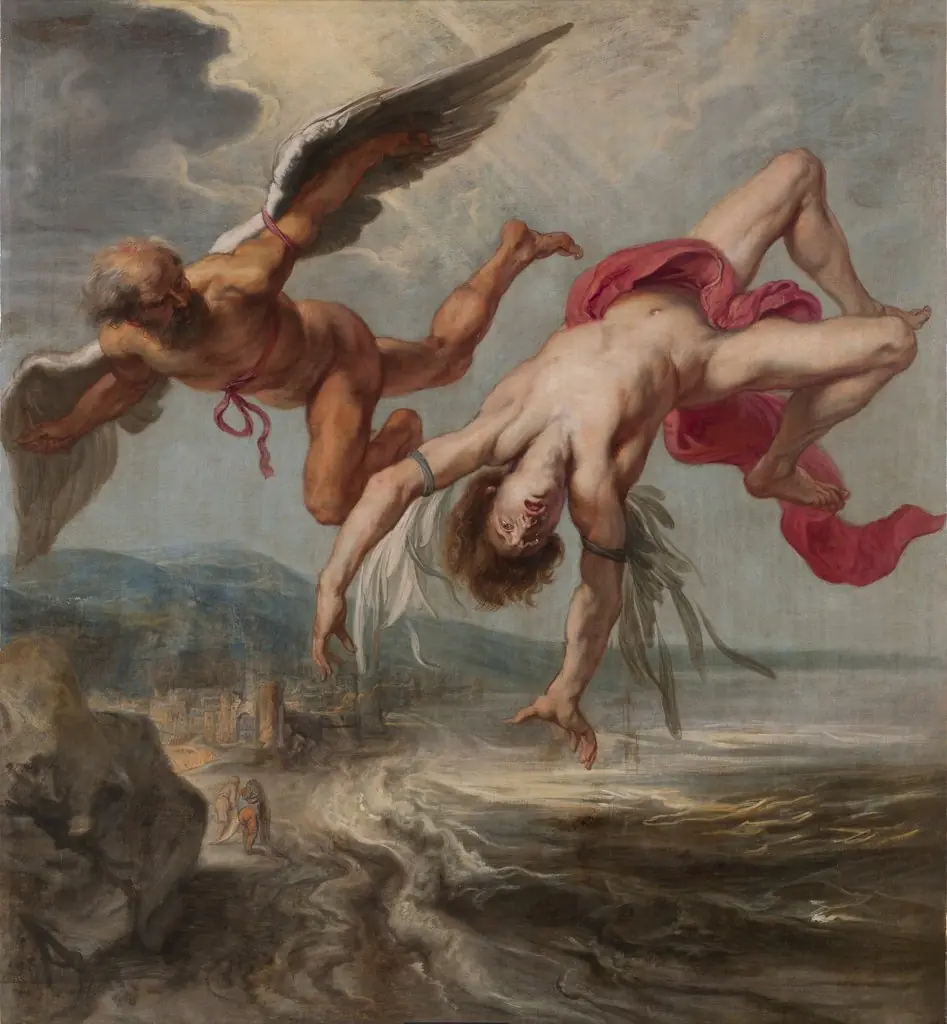
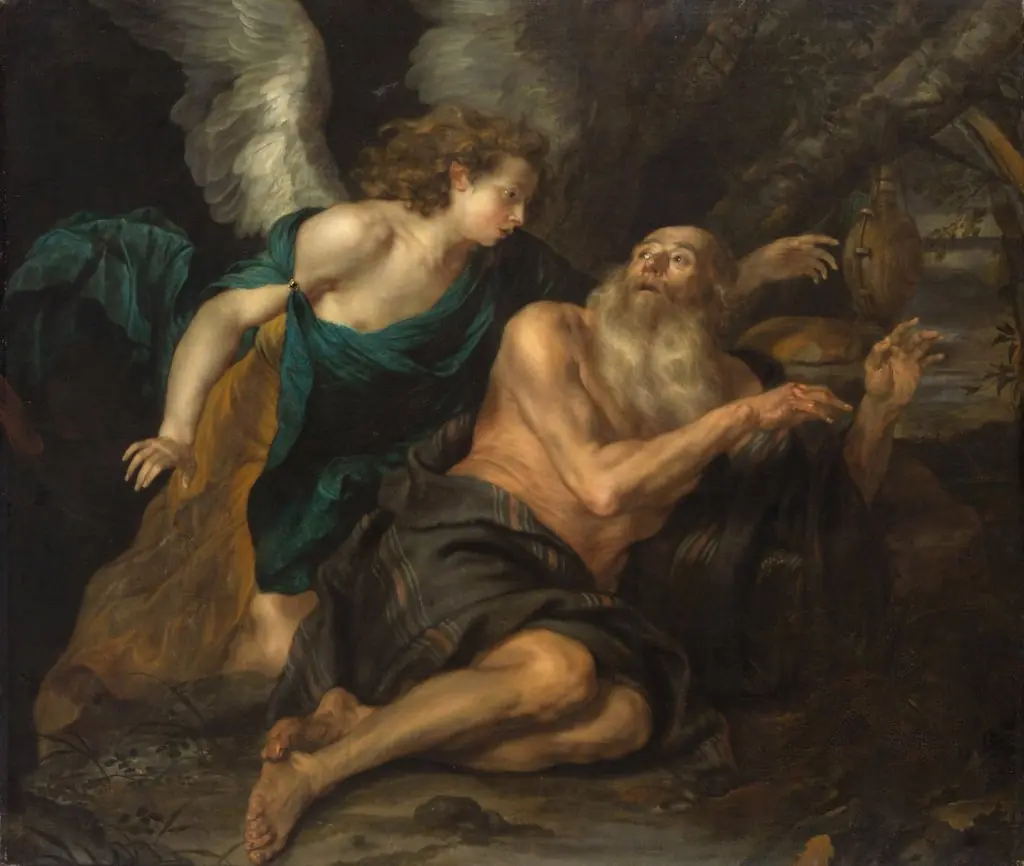
The painting depicts the artist Anthony van Dyck as Icarus while his mythological father Daedalus looks on. In Greek myth, Icarus’s flight toward the sun with wax-attached wings symbolizes both ambition and its perilous consequences, while Daedalus embodies caution and craftsmanship. By portraying himself as Icarus, van Dyck may reference artistic aspiration, risk, or the limits of human endeavor.
The juxtaposition of the two figures suggests a dialogue between creative daring and technical restraint. The inclusion of Daedalus frames the self-portrait within a cautionary narrative, potentially signaling van Dyck’s self-awareness of his own rising reputation and the hazards of overreach in early career pursuits.
History & Provenance
Anthony van Dyck created the oil-on-canvas painting Self-Portrait as Icarus with Daedalus in 1618. The work depicts the artist alongside the mythological figures Daedalus and Icarus. Current ownership is shared between the Museum of Fine Arts Boston, where the piece resides in the Rose-Marie and Eijk van Otterloo Collection, and the Yale University Art Gallery.
Overview
Anthony van Dyck painted Self‑Portrait as Icarus with Daedalus in 1618, using oil on canvas. The work shows the young artist positioned as the mythic Icarus, while an older, bearded figure representing Daedalus stands behind him. It is part of the Museum of Fine Arts, Boston’s collection.
Technique & Style
Executed in oil, the painting features a dark, atmospheric background that recedes through a subtle tonal gradient, giving depth to the scene. Van Dyck renders the flesh tones of the shirtless Icarus with delicate chiaroscuro, while the older figure’s drapery is depicted in muted, dark fabrics, highlighting the contrast between the two characters.
Context
The early 1610s marked van Dyck’s formative years before his subsequent travels to Italy and Spain and his eventual appointment as court painter in England. This self‑portrait reflects his engagement with classical mythology, a common intellectual motif among Flemish artists seeking to align themselves with the ideals of antiquity.
Own this work as a print
Artist & collection
Artist
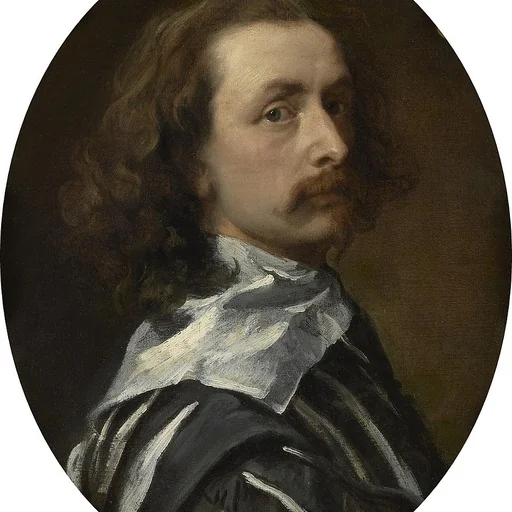
Sir Anthony van Dyck (; Dutch: Antoon van Dijck; 22 March 1599 – 9 December 1641) was a Flemish Baroque artist, who became the leading court painter in England after success in the Spanish Netherlands and Italy.