Artwork
The Temptation of Saint Anthony
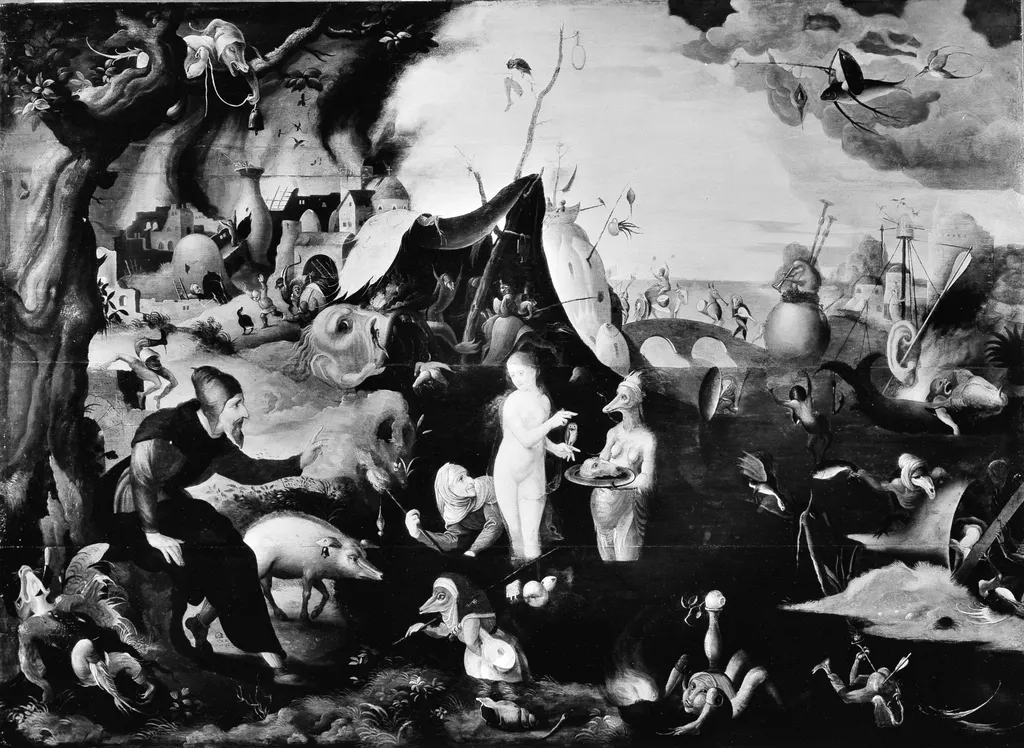
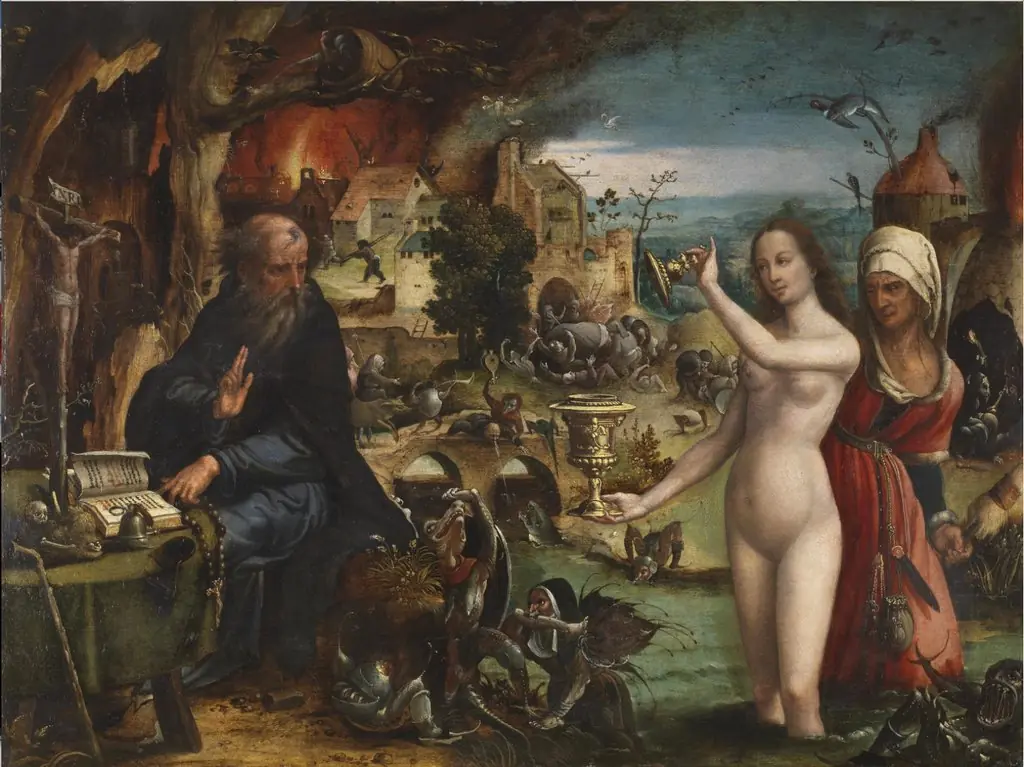
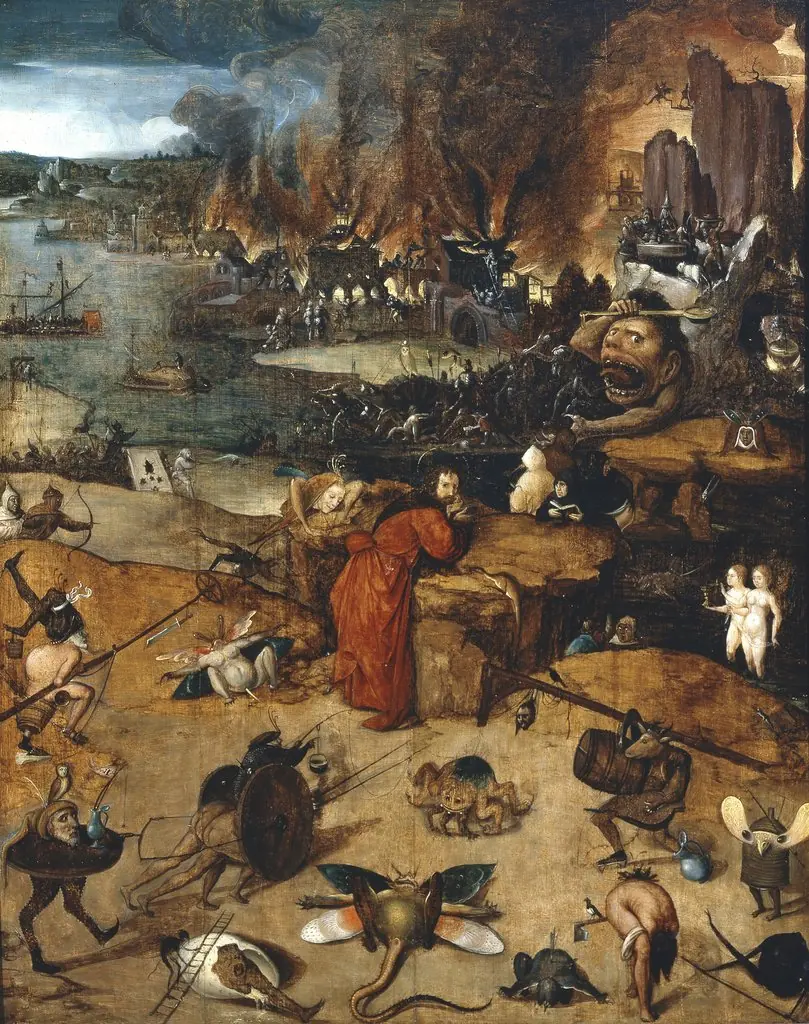
The Temptation of Saint Anthony is an oil painting by the Northern Renaissance artist Pieter Huys. It dates from 1564 and is held in the collection of the Metropolitan Museum of Art.
About this work
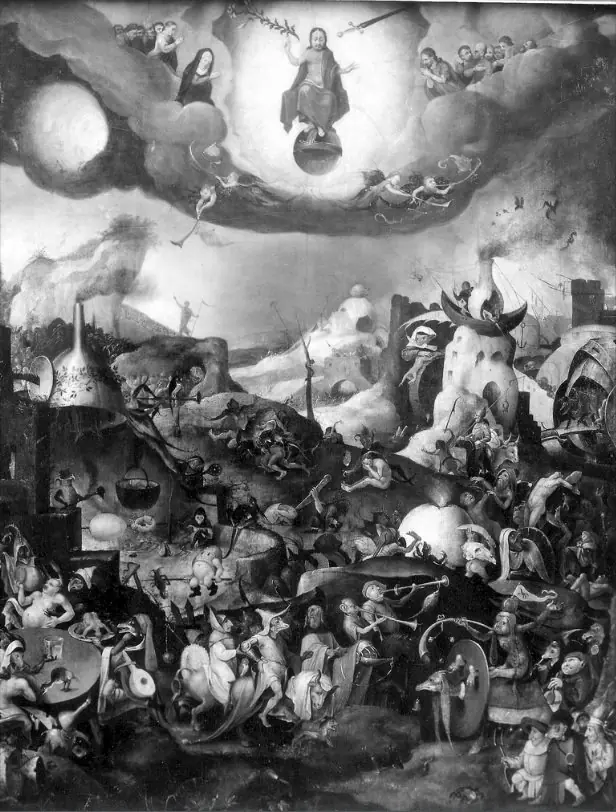
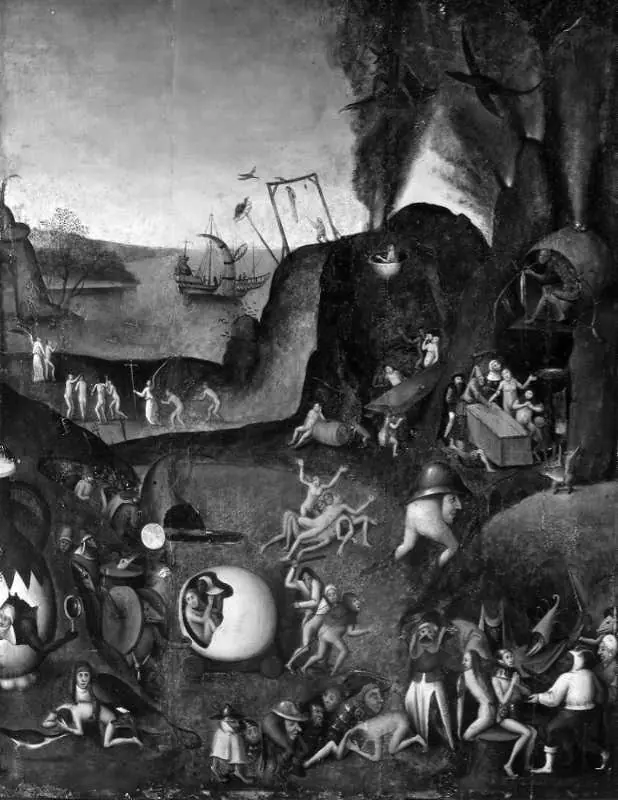
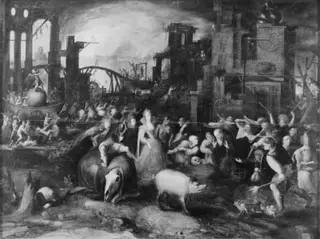
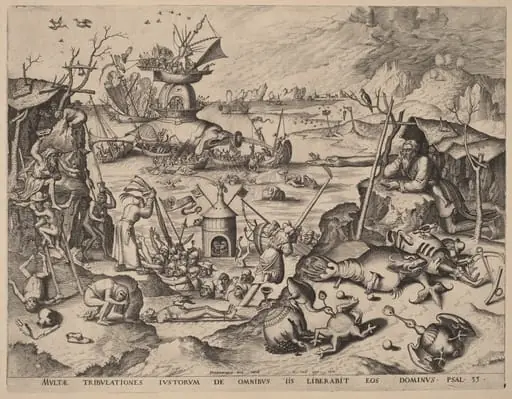
A dark, crowded scene of strange creatures. At the center a naked man stands among fantastical beings, including a pig-like creature and a bird-like figure, set against a hazy dreamlike landscape. Pieter Huys packed the 1564 panel with detail and texture, working in blacks, browns, grays, and whites.
Subject & Meaning
The composition features the saint surrounded by a chaotic assembly of figures representing spiritual and physical torments.
Created in 1564 by Pieter Huys, this oil painting on panel illustrates the Temptations of Saint Anthony, a central theme in religious art focusing on the trials of Anthony the Great. The composition features the saint surrounded by a chaotic assembly of figures representing spiritual and physical torments. Specific iconographic elements include a nude figure, various birds, a wild boar, and grotesque mythical creatures.
These disparate entities symbolize the diverse allurements and horrors intended to disrupt the hermit's devotion. By depicting Anthony amidst this menagerie of real and fantastical beasts, the work visually interprets the saint's legendary struggle against demonic forces and worldly desires in the desert.
History & Provenance
The Temptation of Saint Anthony is an oil-on-panel painting executed by Pieter Huys in 1564. The work depicts the religious narrative of the temptations faced by Anthony the Great, featuring various figures including birds, nude forms, mythical creatures, and a wild boar. Currently, the painting resides in the collection of the Metropolitan Museum of Art in New York.
While the specific commission details and the original ownership chain prior to its arrival at the museum are not detailed in the provided records, the work's creation is firmly dated to the year 1564. The piece measures 109.2 cm in height and 149.9 cm in width, establishing its physical presence as a significant example of 16th-century religious art by the Netherlandish painter.
The work titled The Temptation of Saint Anthony, painted by Pieter Huys in 1564, is part of the Metropolitan Museum of Art's collection in New York. The painting is classified as an oil on panel religious work and is catalogued within the museum's European paintings department, though the specific accession or inventory number is not disclosed in the available records. The sources do not record any documented exhibition history for this piece beyond its inclusion in the museum's permanent holdings.
Context
Pieter Huys painted The Temptation of Saint Anthony in 1564 as an oil work on panel, classified as a religious painting. The Metropolitan Museum of Art holds the piece, which portrays Saint Anthony surrounded by symbolic creatures including a bird and a wild boar, reflecting the saint’s legendary temptations. Measuring approximately 109.2 cm in height and 149.9 cm in width, the work exemplifies the intricate narrative style of 16th‑century religious art and fits within Huys’s broader devotional oeuvre.
Overview
Pieter Huys's The Temptation of Saint Anthony, executed in 1564, is a quintessential example of Northern Renaissance religious painting that visualizes the spiritual trials of the hermit saint. The composition is densely populated and vertically oriented, centering on the naked, emaciated figure of Saint Anthony who stands resolute amidst a cacophony of grotesque demons. Huys populates the immediate foreground with hybrid monsters, including a prominent pig-like creature and avian hybrids, which physically assault and psychologically torment the saint.
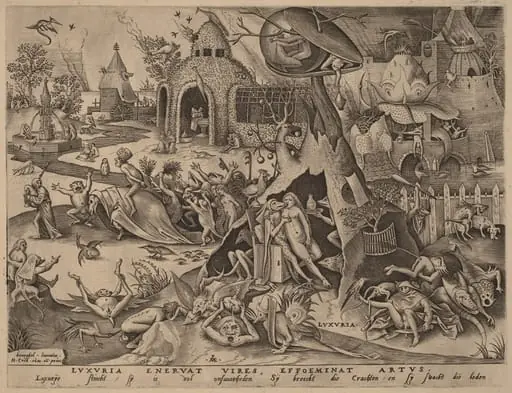
These figures are rendered with meticulous detail, contrasting their chaotic, jagged forms against the saint's stillness. The background recedes into a hazy, dreamlike landscape featuring dilapidated structures and sparse trees, creating a sense of isolation and otherworldliness. Painted during the height of Huys's career, this work reflects the artist's specialization in fantastical and infernal imagery, a genre he inherited from the tradition of Hieronymus Bosch but adapted with his own distinct, often more rigid, stylistic approach.
The painting serves as a moral allegory regarding the endurance of faith against the onslaught of vice and illusion, characteristic of the religious anxieties prevalent in the mid-16th-century Low Countries.
Technique & Style
Huys's distinctive artistic approach is evident in the painting's intricate execution and dramatic atmosphere. He employs a meticulous hand to render a multitude of textures and patterns across the crowded canvas. A carefully chosen spectrum of deep blacks, earthy browns, and subtle grays and whites contributes to the work's profound sense of depth and its overall somber, dreamlike mood, enhancing the chaotic narrative.
Own this work as a print
Artist & collection
Artist
Pieter Huys (c.1519 – c.1584) was a Flemish Renaissance painter. He is known of his early life, and though he was mostly active in Antwerp, his place of birth and death is not certain. He became a master in the Antwerp…