Artwork
Portrait of Willem I van Oranje- Nassau (1772-1843)
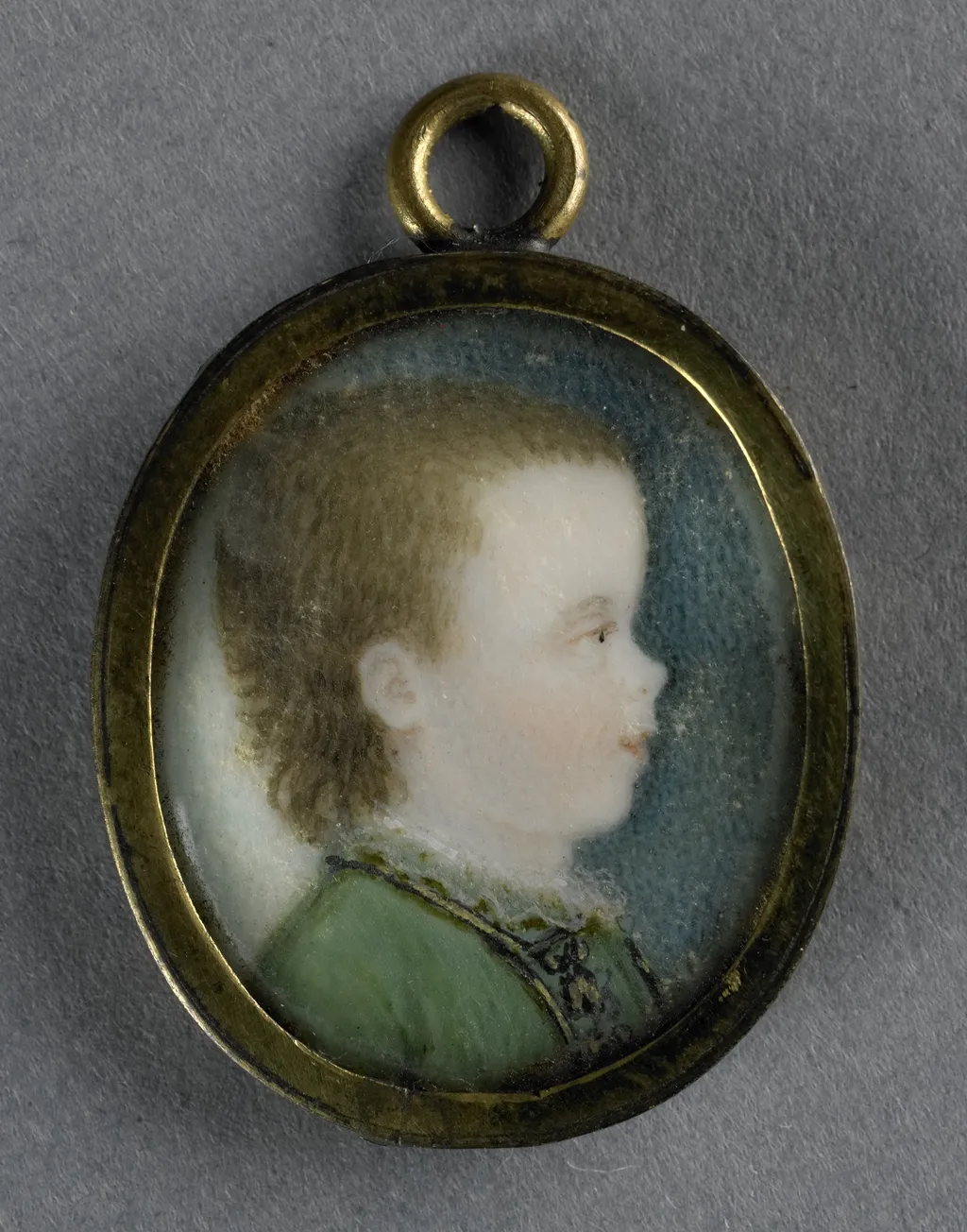
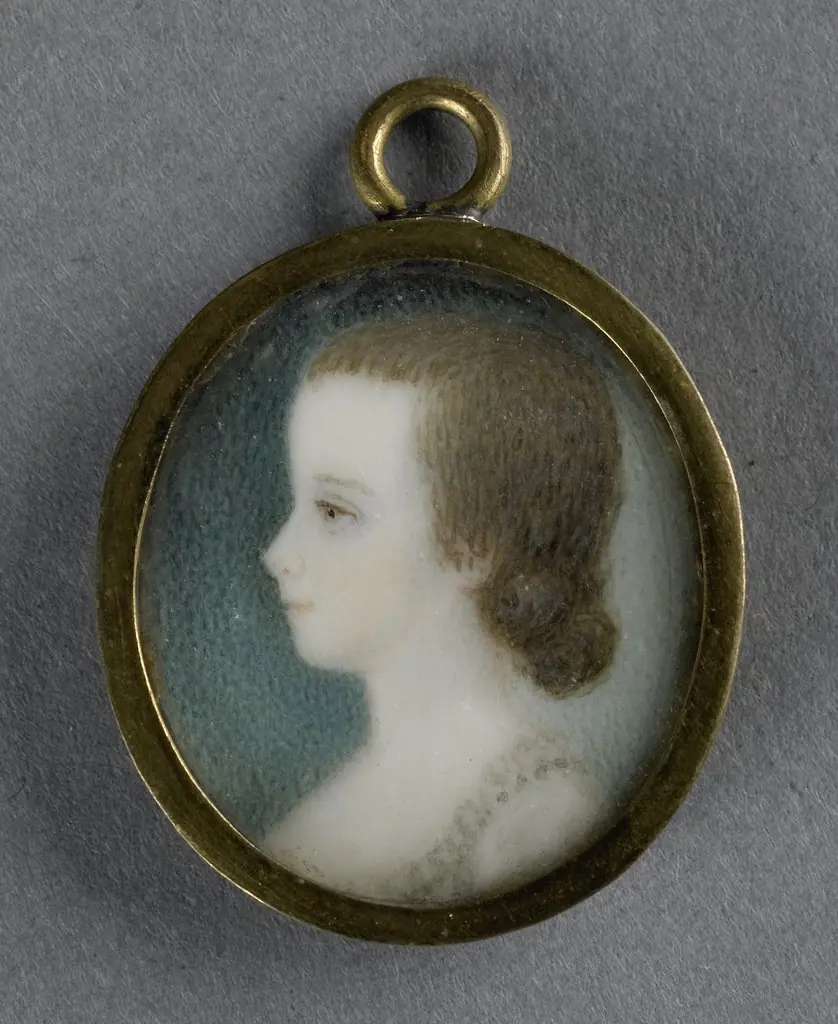
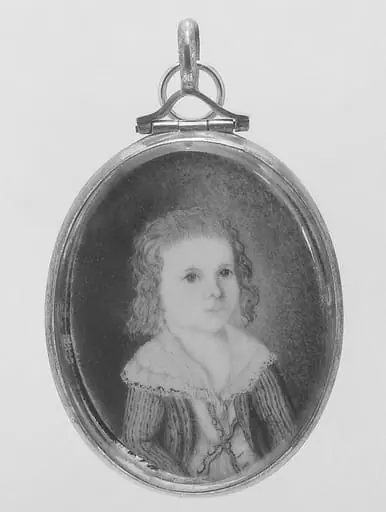
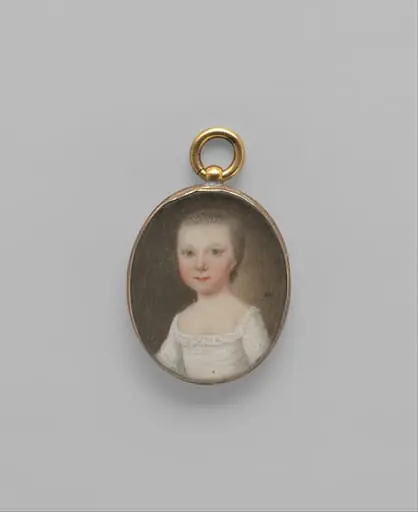
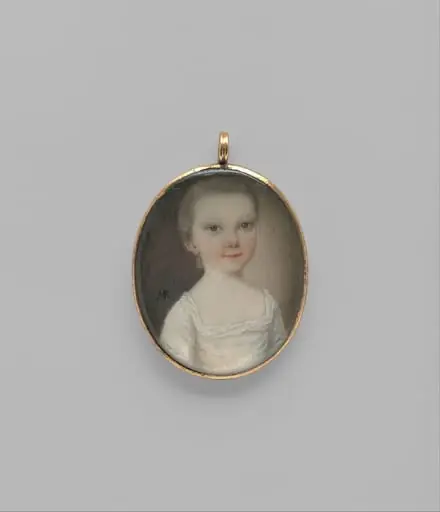
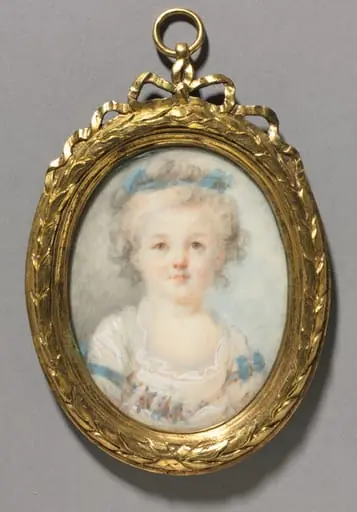
Portrait of Willem I van Oranje- Nassau (1772-1843) is an ivory painting by the Rococo painting artist Pieter le Sage. It dates from 1789 and is held in the collection of the Rijksmuseum.
About this work
History & Provenance
The sitter is identified as Prince Frederick of Orange-Nassau, son of Willem I van Oranje-Nassau, which aligns with the subject depicted in the miniature.
The portrait was painted in 1777 by Pieter le Sage, as recorded in the work’s inscription and corroborated by the Rijksmuseum’s holdings. The sitter is identified as Prince Frederick of Orange-Nassau, son of Willem I van Oranje-Nassau, which aligns with the subject depicted in the miniature. The work is executed in ivory, a common support for portrait miniatures of the period, and measures 2.2 cm in height by 1.8 cm in width.
The painting entered the Rijksmuseum’s collection, where it remains located. No further details regarding earlier ownership or commissioning circumstances are provided in the available records.
Portrait of Willem I van Oranje- Nassau (1772-1843) is a painting by Pieter le Sage depicting Prince Frederick of Orange-Nassau, created in 1777. It measures 2.2 cm in height and 1.8 cm in width and is executed in ivory. The work is part of the Rijksmuseum collection and is housed at the Rijksmuseum in Amsterdam.
It has been exhibited in displays of Dutch portraiture and commemorative exhibitions of the Dutch royal family at the institution.
Context
The painting was created in 1777 as an ivory portrait of the young Prince Frederick of Orange-Nassau, then a child, and now resides in the Rijksmuseum collection.
Scholarly attention focuses on its role within the broader context of 18th-century Dutch portraiture and the depiction of the Dutch royal family, highlighting its significance in the historical narrative of the Netherlands.
Overview
Created in 1789 by the Dutch artist Pieter le Sage, this intimate portrait is executed on a carved piece of ivory. The oval miniature measures only a few centimeters across and is set in a simple gold rim that resembles a pendant. It is part of the Rijksmuseum’s collection and represents a rare example of ivory portraiture from the late eighteenth century.
Subject & Meaning
The work portrays Prince Frederick of Orange‑Nassau, later known as Willem I, shown with a calm expression and a faint smile. His pale complexion and soft white hair convey a sense of dignified maturity, while the understated pose emphasizes his status without overt symbolism.
Technique & Style
Le Sage employed fine incising and polishing to render delicate facial features on the ivory surface. The background is rendered in a uniform greenish‑gray, allowing the sitter’s face to dominate the composition. Over time the ivory has acquired dark spots and minor scratches, typical of the material’s vulnerability.
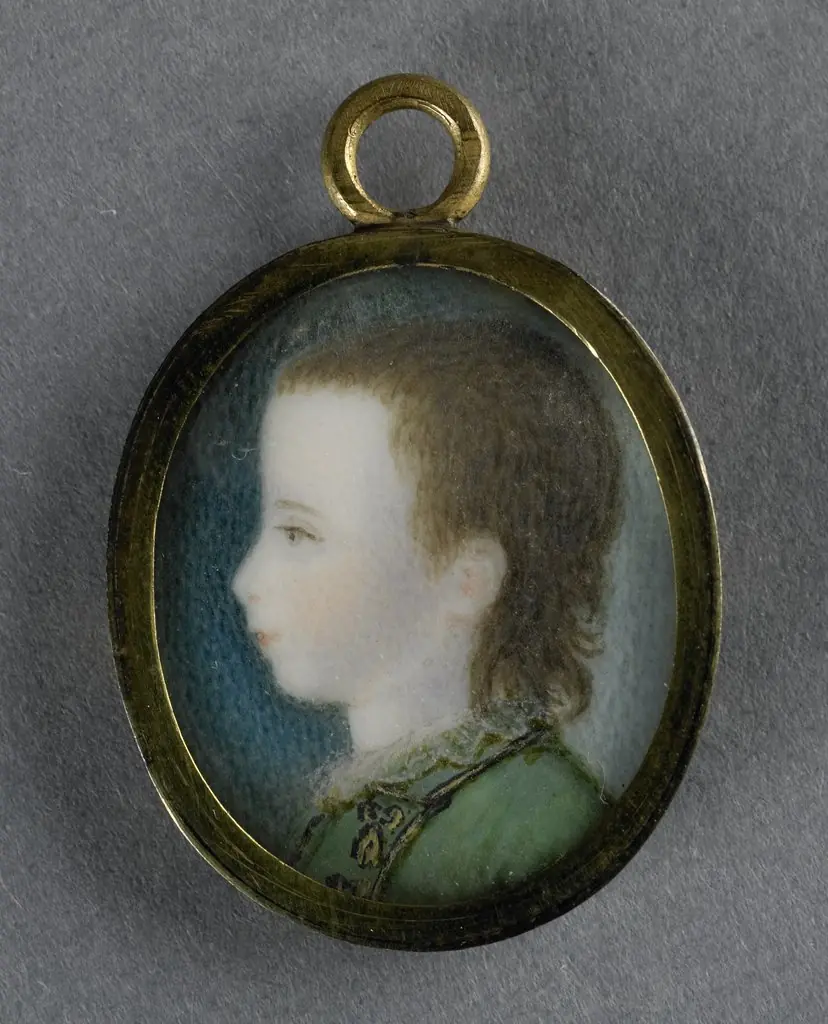
Own this work as a print
Artist & collection