Artwork
Henrietta Middleton
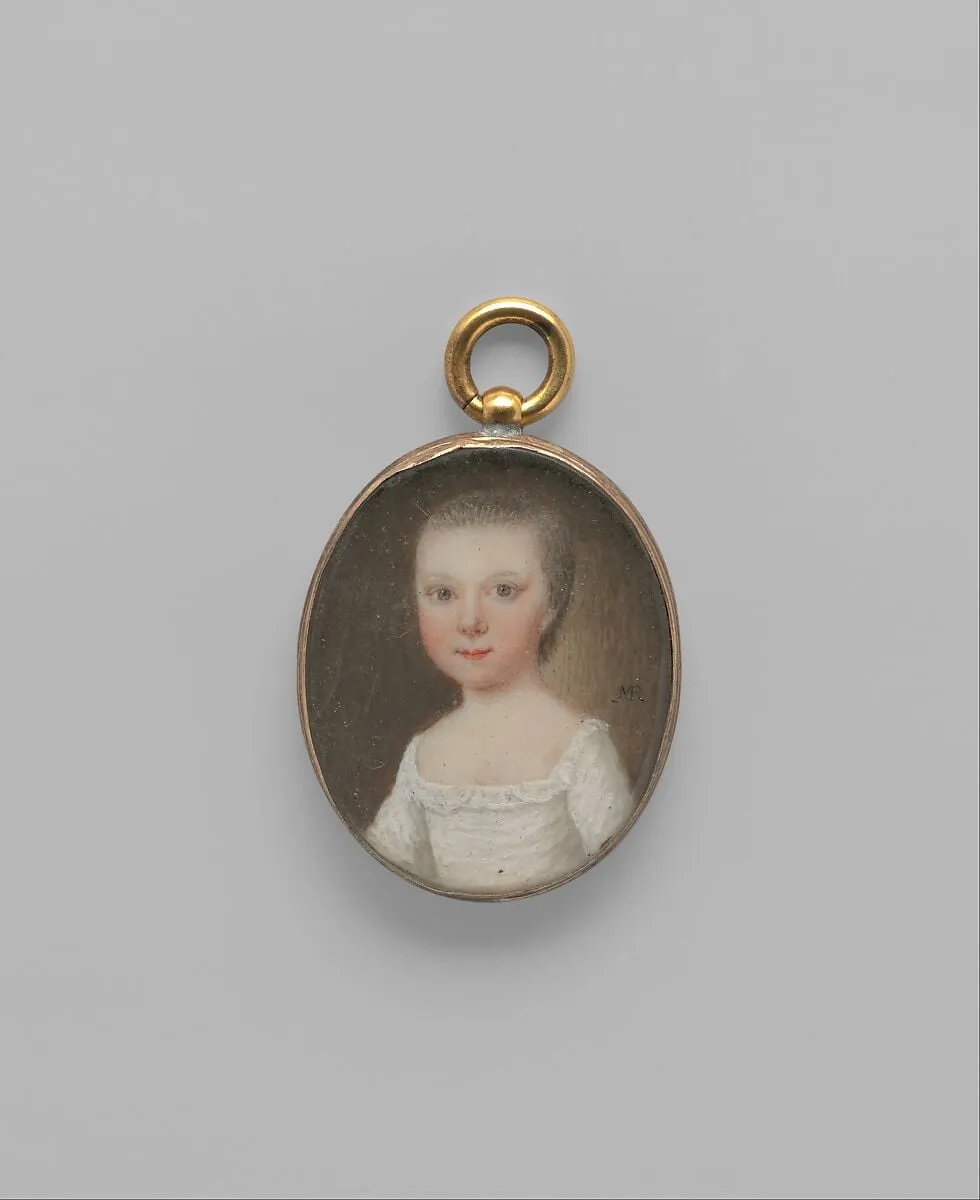
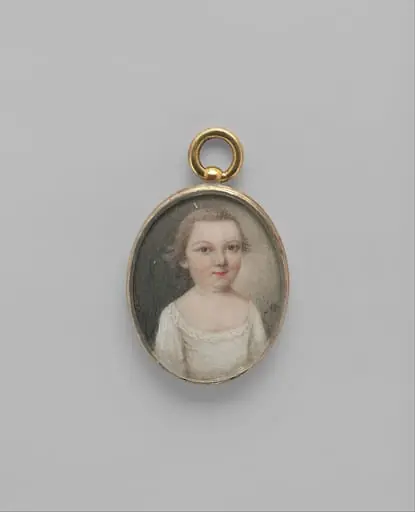
Henrietta Middleton is a watercolor painting by the Rococo painting artist Mary Roberts. It dates from 1755 and is held in the collection of the Metropolitan Museum of Art.
About this work
Subject & Meaning
The composition focuses on the sitter's delicate features, presenting her as both a member of a distinguished family and an embodiment of youthful innocence.
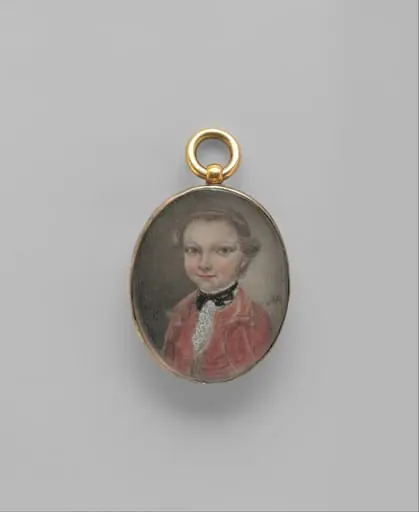
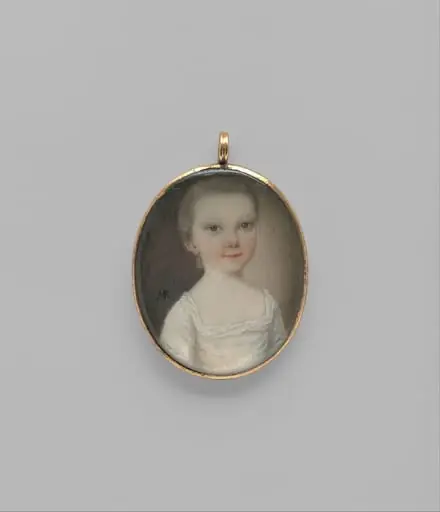
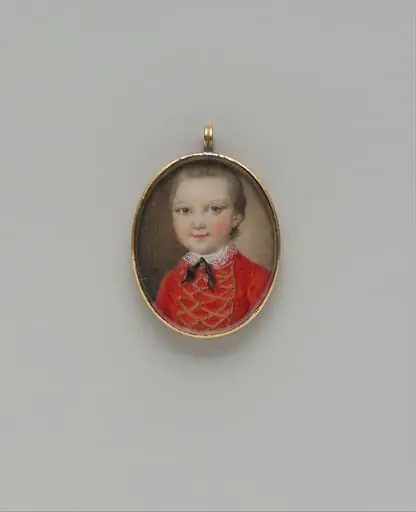
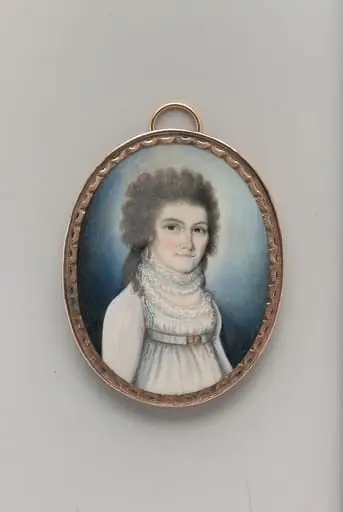
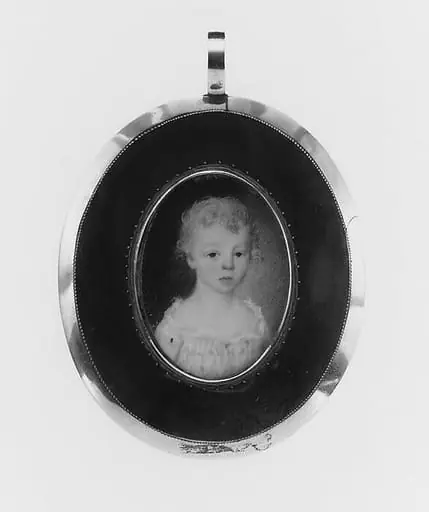
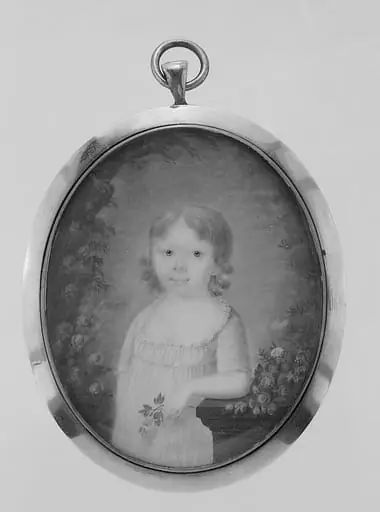
The portrait depicts Henrietta Middleton Rutledge, a young girl, as the central figure. Executed in 1755 by Mary Roberts using watercolor on ivory, the work is classified as a portrait and is housed in The American Wing of the Metropolitan Museum of Art. Its modest dimensions (approximately 3.8 × 2.5 cm) and the depiction of a child emphasize contemporary concerns with lineage and virtue, typical of colonial portraiture.
The composition focuses on the sitter's delicate features, presenting her as both a member of a distinguished family and an embodiment of youthful innocence.
Technique & Style
The portrait of Henrietta Middleton was painted in watercolor on an ivory support in 1755. The work measures approximately 3.8 × 2.5 cm and is part of the Metropolitan Museum of Art's American Wing collection, where it is classified as a portrait. It depicts the sitter, Henrietta Middleton Rutledge, as a young girl. The piece is stored in the museum's American decorative arts galleries.
History & Provenance
Created in 1755, this watercolor on ivory depicts Henrietta Middleton Rutledge as a young girl. The work was executed by the artist Mary Roberts. The piece is currently held in the collection of the Metropolitan Museum of Art within its American Wing.
The portrait measures approximately 3.8 by 2.5 cm and serves as a formal representation of its subject during the mid-eighteenth century. No specific accession number or exhibition history is recorded in the available sources.
Overview
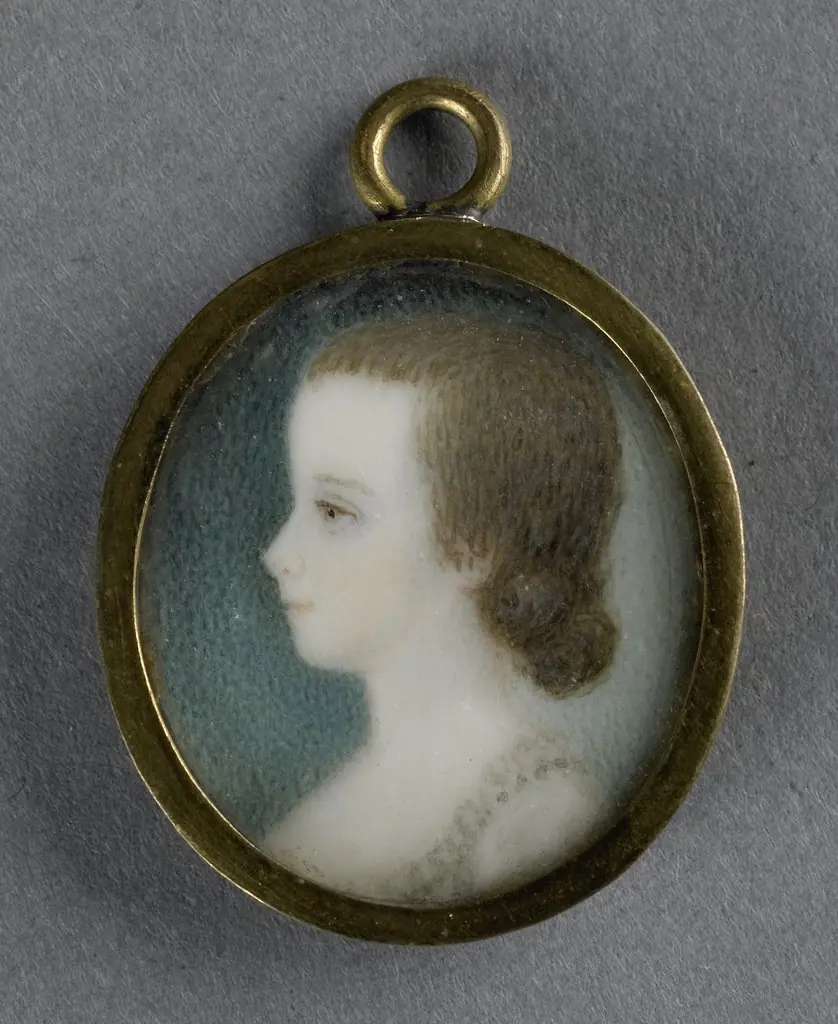
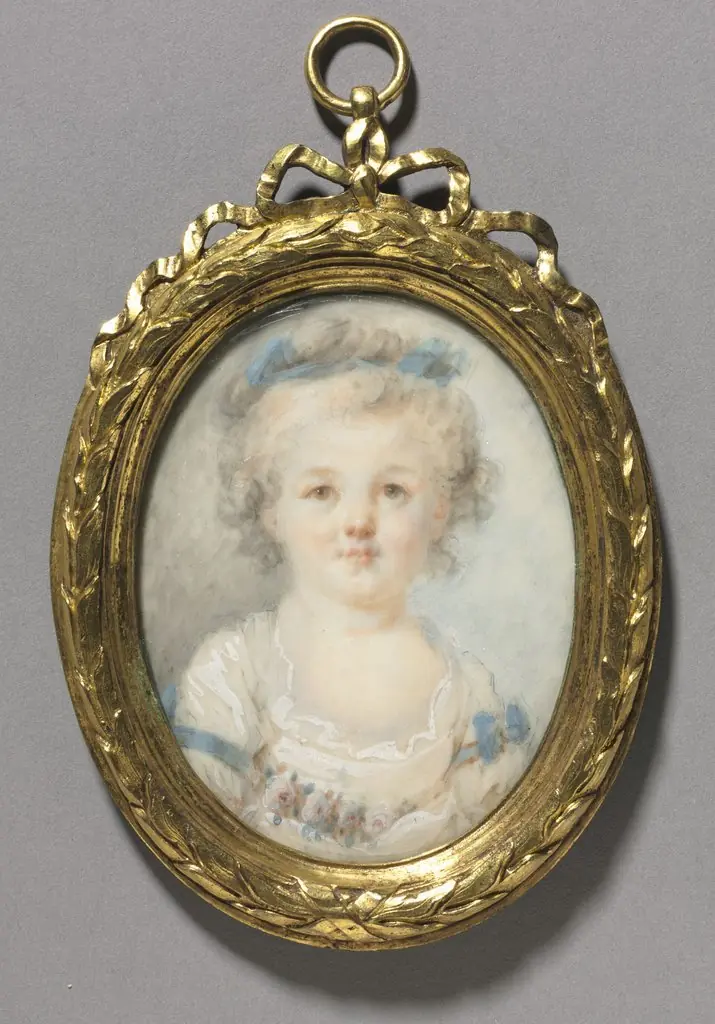
This miniature portrait depicts a young girl, Henrietta Middleton, seated on a stone bench. Dressed in a pink gown, she holds a basket of flowers, her dark curls framing a face that gazes directly forward with a composed expression. Executed in watercolor on a thin ivory support, this delicate artwork exemplifies the intimate scale and personal nature of portraits common during its era.
Context
The artist, Roberts, worked in Charleston, a significant cultural center in colonial America. Her practice as a professional artist was notable, as few women during this period were able to sustain themselves through art. This miniature reflects the growing demand for personal portraits among the burgeoning colonial elite, providing a glimpse into the social customs and artistic opportunities available at the time.
Artist & collection

Artist
Mary Roberts was born in England and immigrated to Charleston, South Carolina, with her husband, the painter Bishop Roberts, before 1735.