Artwork
Hester Middleton
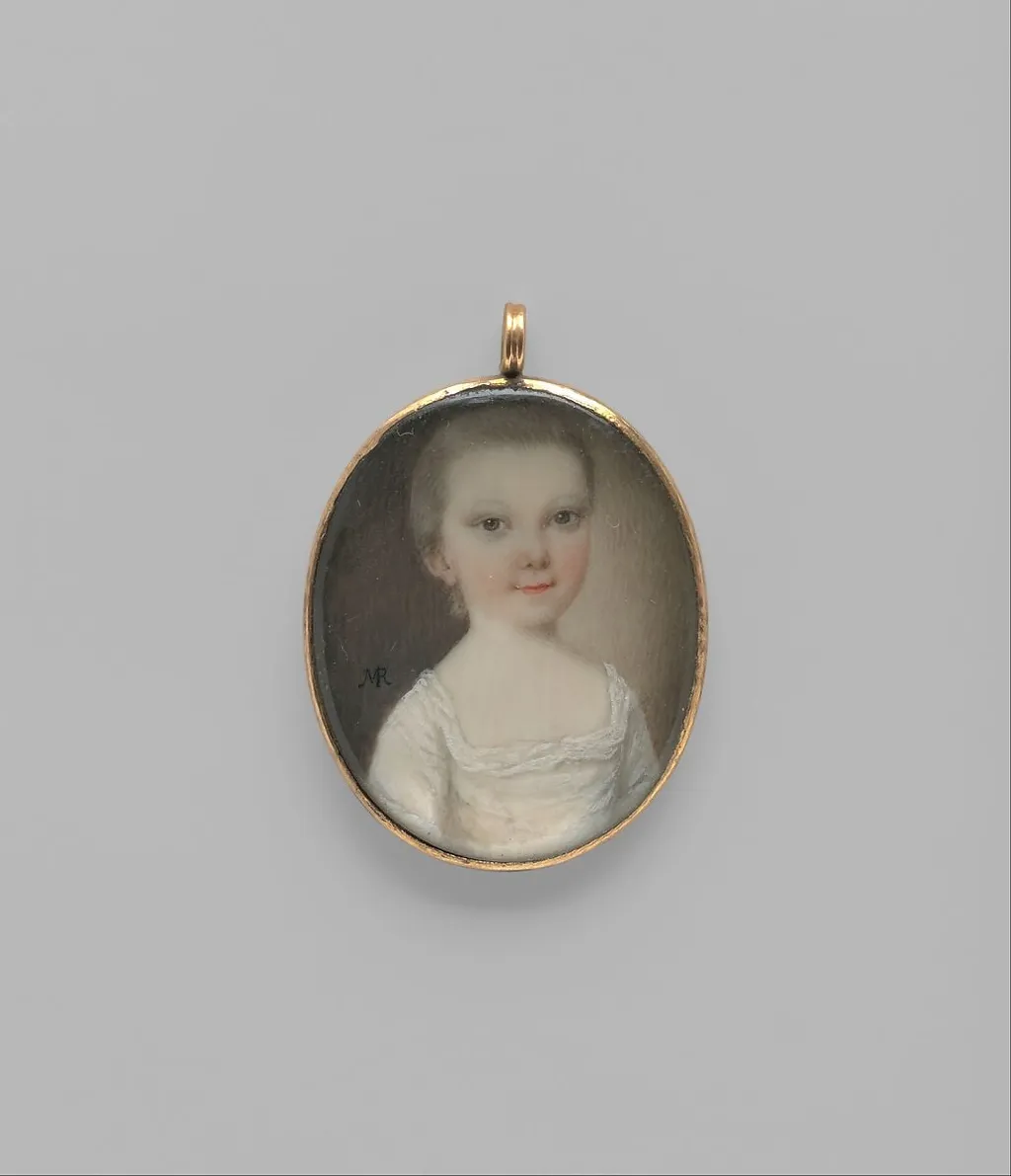
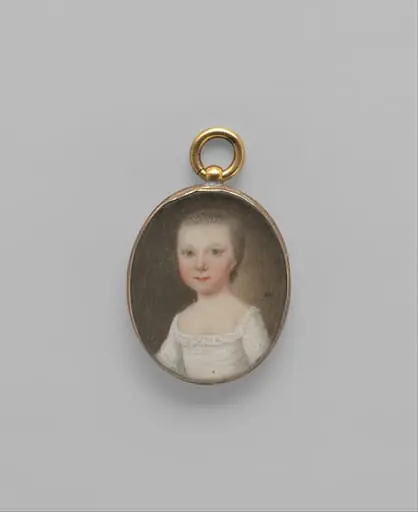
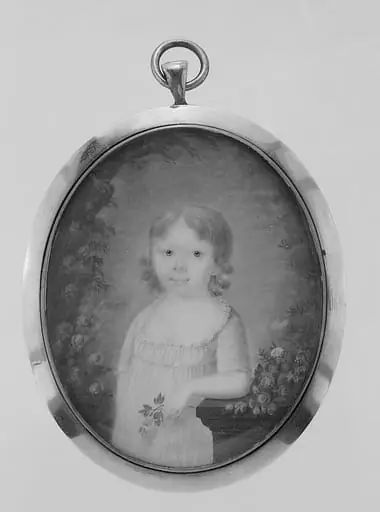
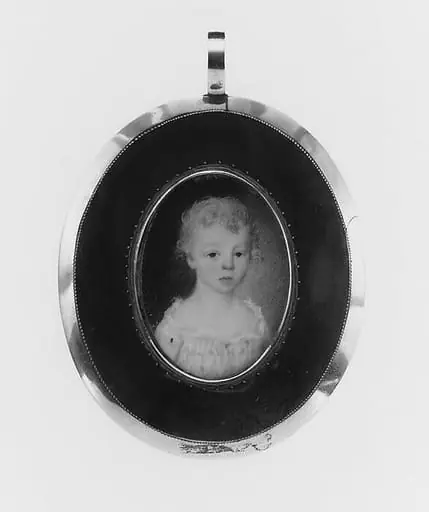
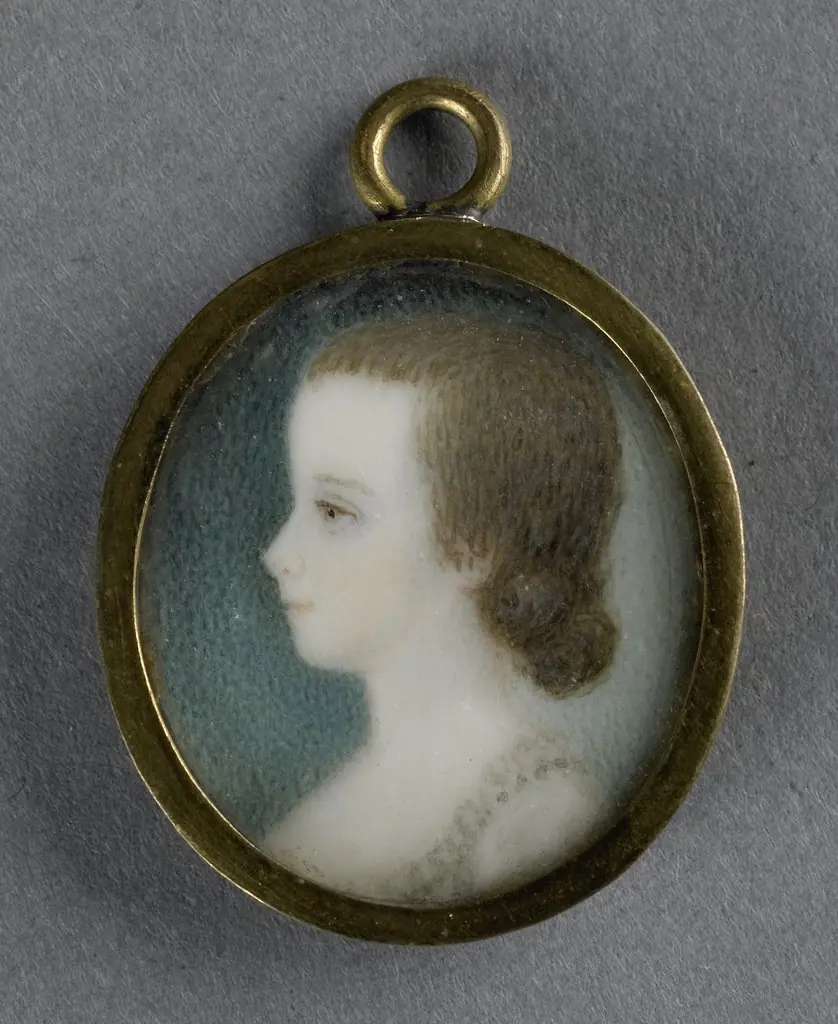
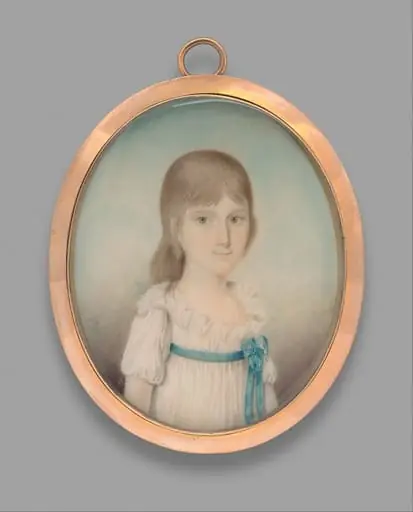
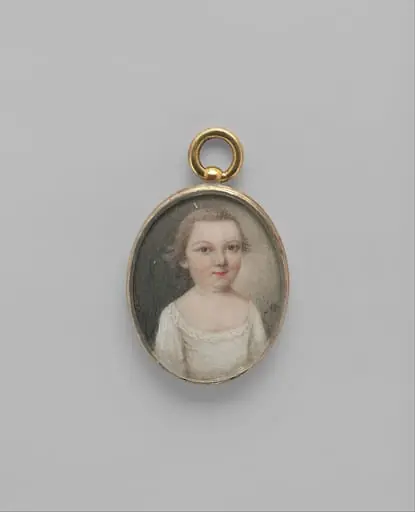
Hester Middleton is a watercolor painting by the Rococo painting artist Mary Roberts. It dates from 1755 and is held in the collection of the Metropolitan Museum of Art.
- Accession no.
- 2007.64
- Credit line
- Purchase, Dale T. Johnson Fund and Jan and Warren Adelson Gift, 2007
About this work
Subject & Meaning
The sitter’s identity as Hester Middleton, a girl, situates the image within the tradition of child portraiture aimed at commemorating youth and lineage.
The portrait Hester Middleton (1752) by Mary Roberts depicts a young girl in a private, elite context of mid-eighteenth-century British life. The work belongs to the genre of miniature portraiture, a format used to convey personal identity and familial connection. The sitter’s identity as Hester Middleton, a girl, situates the image within the tradition of child portraiture aimed at commemorating youth and lineage.
The absence of overt allegorical elements suggests the portrait’s primary function was representational rather than symbolic, emphasizing likeness and social status over layered iconographic meaning.
Technique & Style
Executed in 1752, this portrait utilizes watercolor applied to an ivory support, a medium combination characteristic of miniature painting traditions. The work presents a compact physical presence, measuring approximately 3.8 by 2.5 units. Stylistically, the piece functions as a formal likeness of the young Hester Middleton, adhering to the conventions of eighteenth-century portraiture.
The application of pigment on the smooth, non-absorbent ivory surface would have required precise handling to achieve the desired tonal variations and detail in the subject's features. Currently held within the American Wing classification, the artwork exemplifies the specific material choices and scale favored for personal devotional or commemorative images of children during this period.
History & Provenance
Hester Middleton is a watercolor portrait painted in 1752 by Mary Roberts. The work, measuring 3.8 × 2.5 inches, portrays a young girl identified as Hester Middleton and is classified within the American Wing of the Metropolitan Museum of Art, where it remains on display. Its creation is documented in contemporary records as a watercolor on ivory, reflecting the portrait genre of the period.
The painting entered the museum’s collection at an unspecified date, becoming part of the institution’s holdings of early American portraiture. No record of a specific commission or subsequent ownership transfers prior to its acquisition by the Met is available.
Overview
Hester Middleton is a watercolor portrait by Mary Roberts, a rare female artist in colonial America. The miniature depicts a young girl in a blue dress, holding a small book, and looking directly at the viewer. This delicate work, painted on thin ivory, exemplifies a popular form of portable portraiture from the period. It resides in The American Wing collection, offering insight into early American art and society.
Context
Miniature portraits like Hester Middleton served a personal function akin to modern photographs, often carried by individuals as keepsakes or tokens of affection. Their small size made them highly portable. Mary Roberts, the artist, was among the limited number of women who managed to establish professional careers as artists in colonial America, a period when such opportunities were scarce for women.
Artist & collection

Artist
Mary Roberts was born in England and immigrated to Charleston, South Carolina, with her husband, the painter Bishop Roberts, before 1735.