Artwork
Portrait of Frederik van Oranje- Nassau (1774-1799)
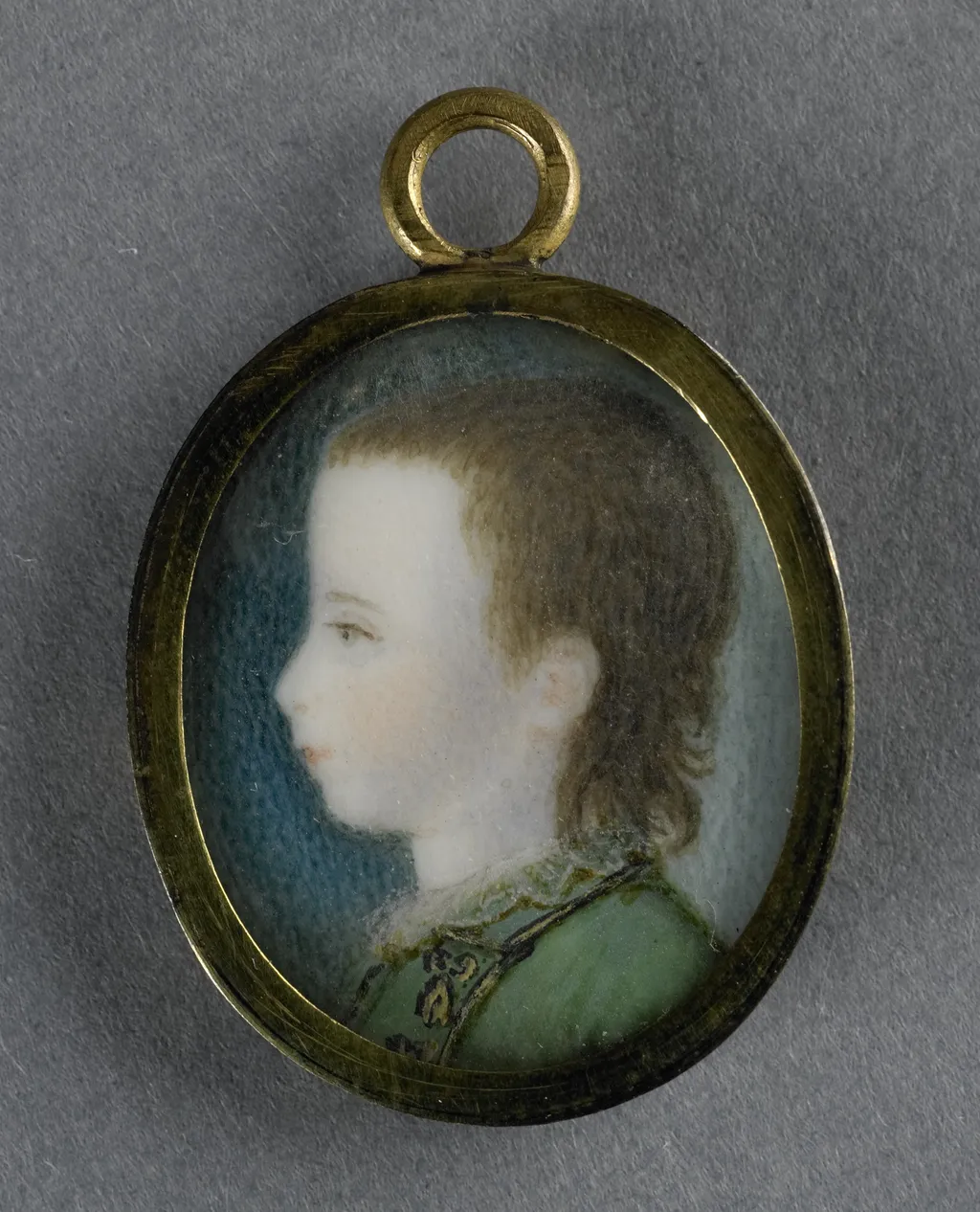
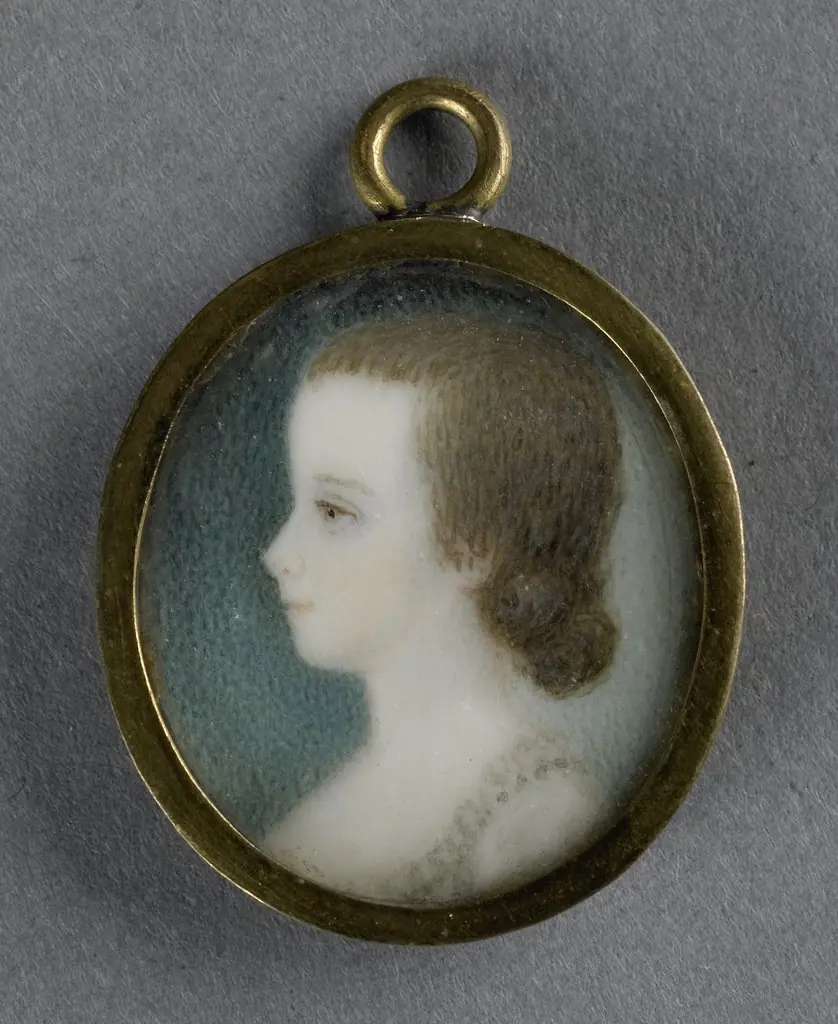
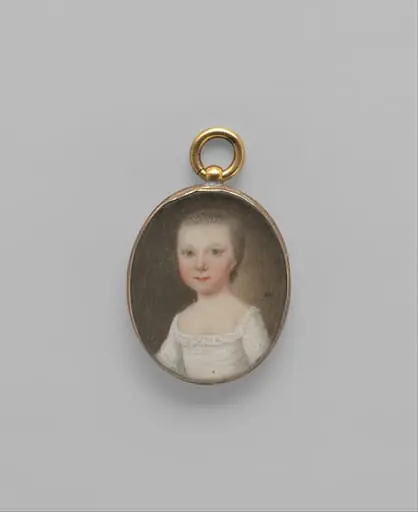
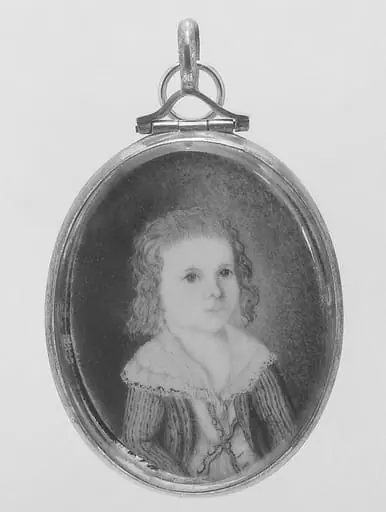
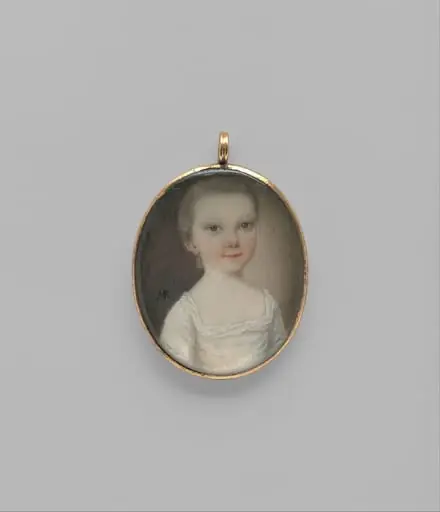
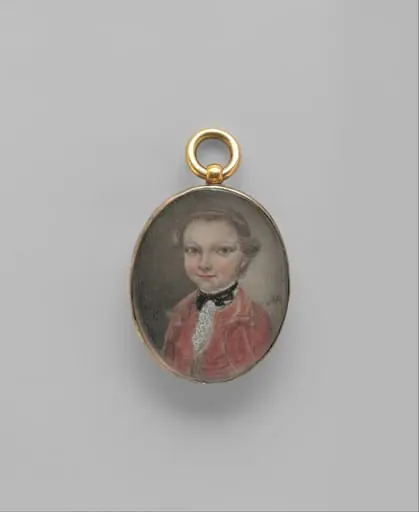
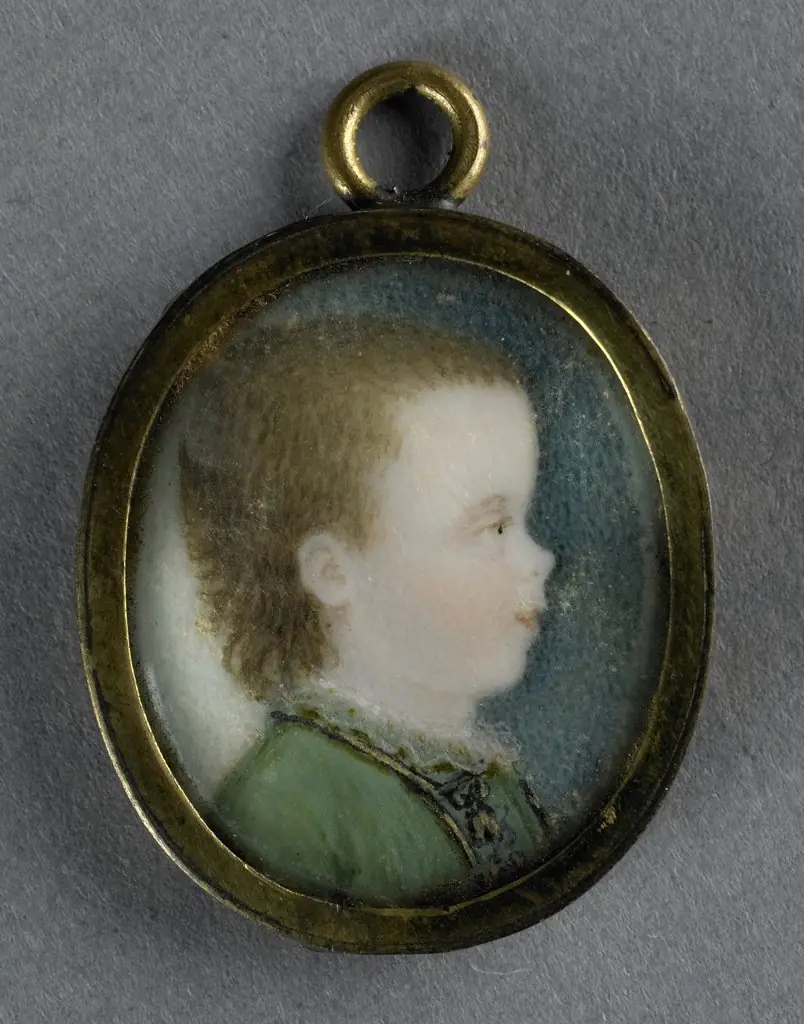
Portrait of Frederik van Oranje- Nassau (1774-1799) is an ivory painting by the Rococo painting artist Pieter le Sage. It dates from 1789 and is held in the collection of the Rijksmuseum.
About this work
Subject & Meaning
The depiction focuses entirely on the individual, establishing his identity through the formal conventions of portraiture without additional narrative scenery.
The work depicts a child identified as William I of the Netherlands, who is also known as Frederik van Oranje-Nassau. Created in 1777 by Pieter le Sage, the portrait presents the young royal subject on a small scale using ivory as the medium. As a genre portrait, the piece serves to record the likeness of the future king during his childhood, capturing his status within the House of Orange-Nassau.
The depiction focuses entirely on the individual, establishing his identity through the formal conventions of portraiture without additional narrative scenery.
Technique & Style
The Portrait of Frederik van Oranje-Nassau is executed on an ivory support, a medium characteristic of miniature portraiture in the late 18th century. Created by Pieter le Sage in 1777, the work measures 2.2 cm in height and 1.8 cm in width, reflecting the intimate scale typical of the genre. Classified as a painting, the piece depicts the subject as a child with a focus on capturing a likeness suitable for personal or dynastic commemoration.
The use of ivory as the primary material dictates the handling and visual qualities of the surface, distinguishing it from works on canvas or panel.
History & Provenance
The portrait of William I of the Netherlands was painted in 1777 by Pieter le Sage on ivory and entered the Rijksmuseum collection, where it remains on display.
The work was commissioned by the Dutch royal family and has been part of the museum's holdings since its acquisition.
The Portrait of Frederik van Oranje-Nassau (1774-1799) is part of the Rijksmuseum's collection in Amsterdam and is accessioned under the Rijksmuseum's standard inventory system. It was exhibited in the museum's 1984 exhibition "Dutch Portraits from the 18th Century" and subsequently featured in the 2005 retrospective "Pieter le Sage: Master of the Dutch Golden Age."
Legacy
The painting's legacy is anchored in its inclusion in the Rijksmuseum collection, where it remains on public view and continues to be referenced in scholarly discussions of Dutch portraiture. Its depiction of the young William I of the Netherlands has made it a point of reference for studies of early Dutch state symbolism and the visual representation of royal heirs in the late 18th century.
Overview
Created in 1789 by the Dutch painter Pieter le Sage, this intimate portrait presents a young member of the House of Orange-Nassau. Executed on a small ivory panel and set within a circular metal frame, the work is part of the Rijksmuseum’s collection and exemplifies late‑18th‑century court portraiture.
Context
The late 1780s were a period of political tension in the Dutch Republic, with the House of Orange‑Nassau navigating shifting power dynamics. Portraits of young heirs served to reinforce dynastic continuity and public legitimacy, a function reflected in this intimate yet formal depiction.
Own this work as a print
Artist & collection