Artwork
Portrait of a woman
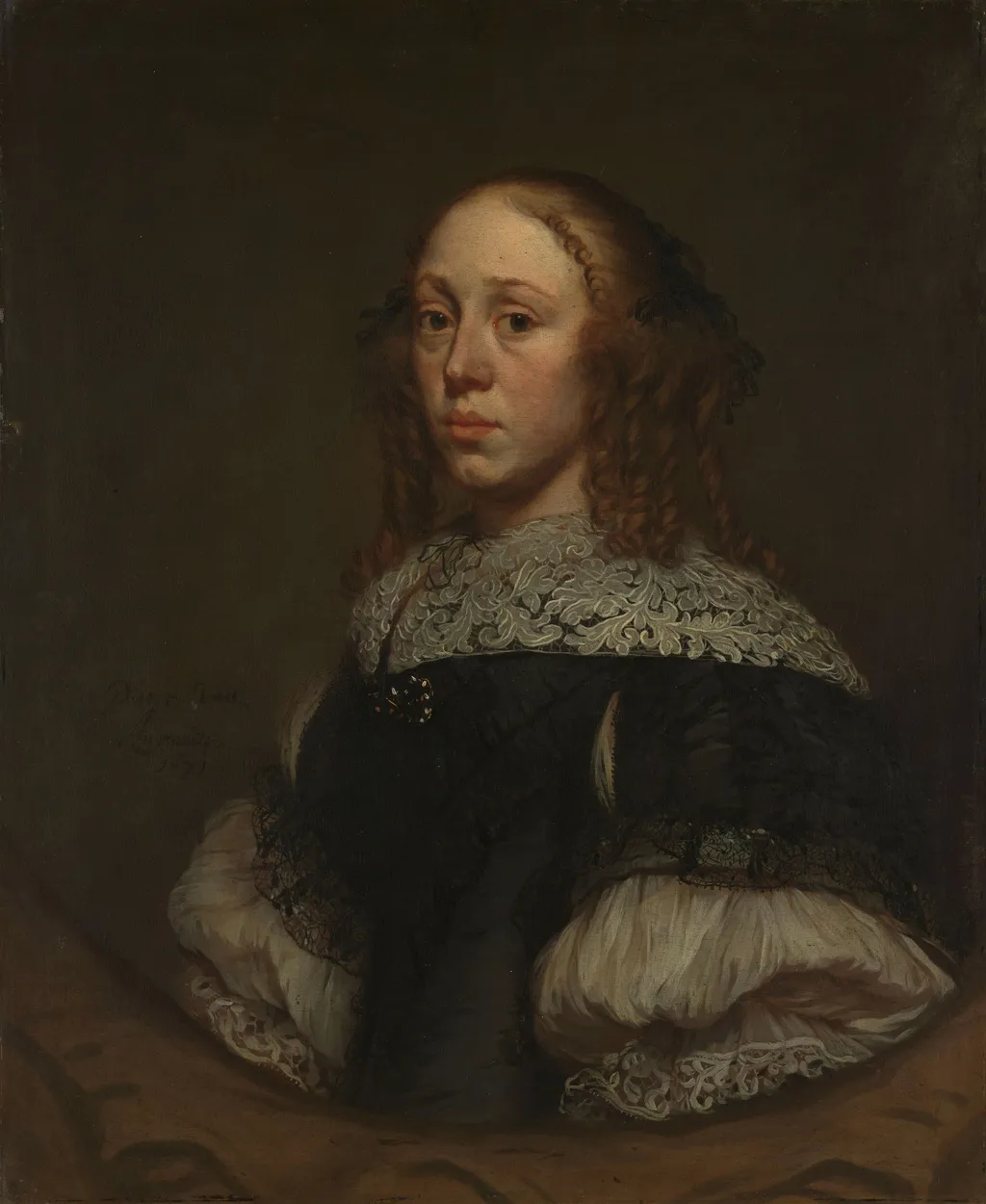
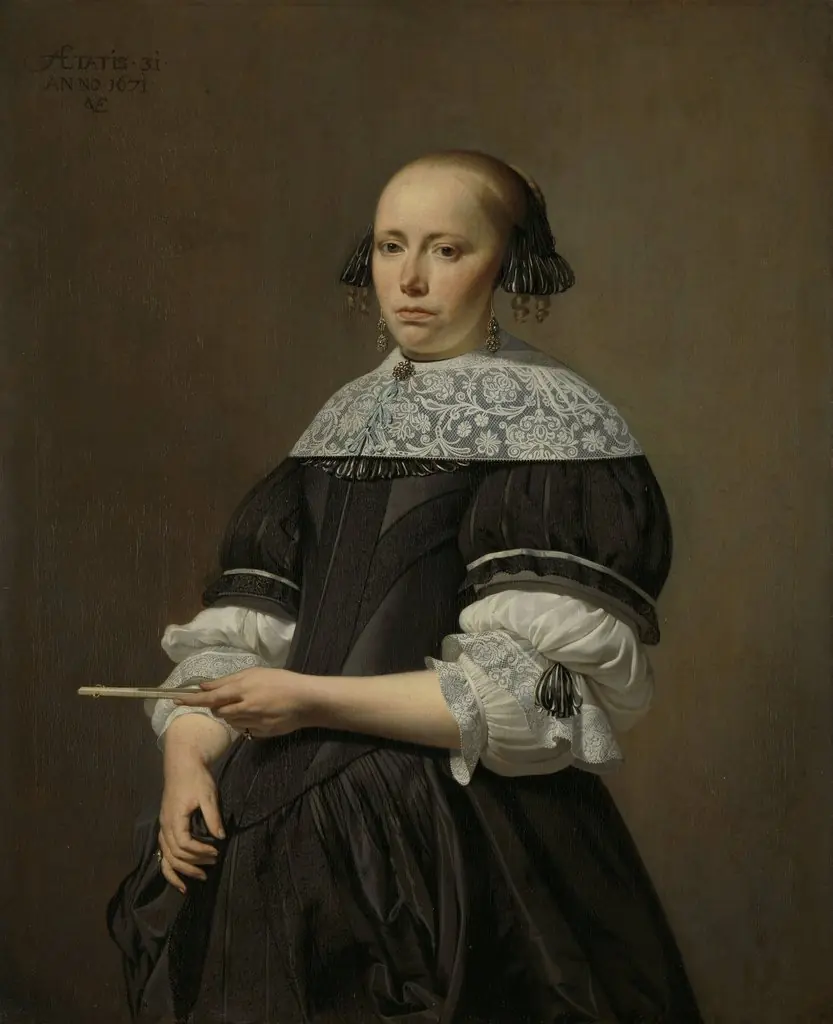
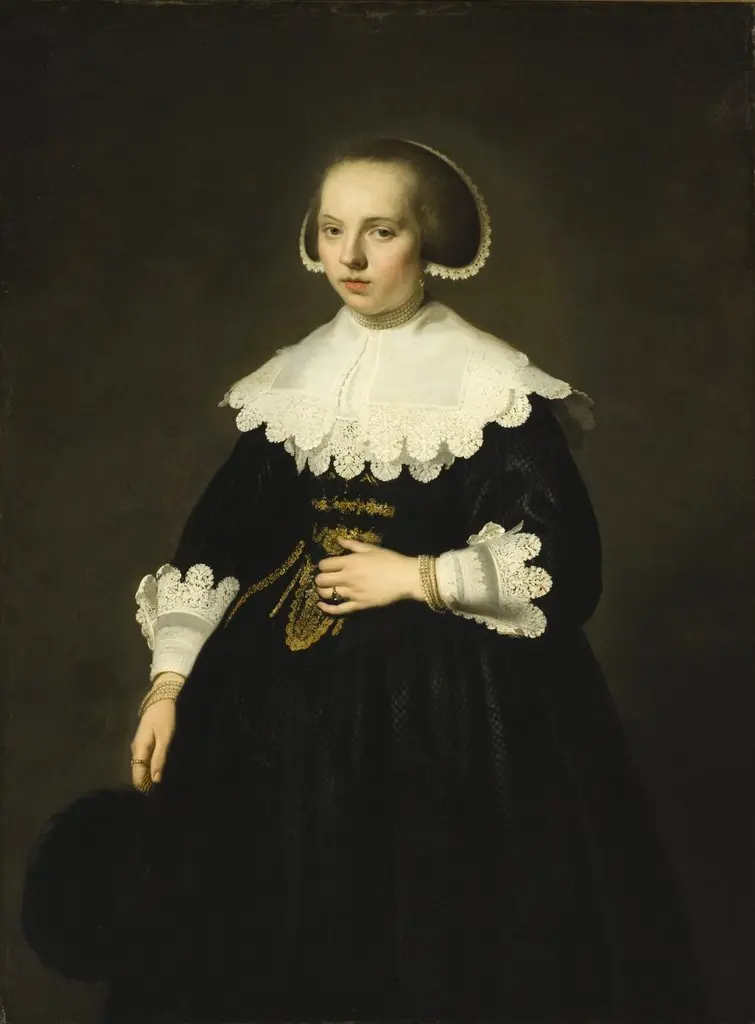
Portrait of a woman is an oil painting by Pieter van Anraedt. It dates from 1671 and is held in the collection of the Rijksmuseum.
About this work
Subject & Meaning
While the sitter's identity remains unknown, the work stands as a formal study of her likeness, preserved today within the collection of the Rijksmuseum.
Created in 1671 by Pieter van Anraedt, this oil painting on canvas portrays an unidentified woman. As a work within the portrait genre, the composition focuses exclusively on the female figure, who serves as the primary subject without accompanying allegorical elements or specific symbolic attributes noted in available records. The depiction functions as a straightforward representation of the individual rather than an embodiment of abstract concepts or mythological narratives.
While the sitter's identity remains unknown, the work stands as a formal study of her likeness, preserved today within the collection of the Rijksmuseum.
Technique & Style
Created in 1671, Pieter van Anraedt's Portrait of a woman is executed in oil paint on a canvas support. The work measures 81 cm in height and 65.5 cm in width. As a portrait genre piece, it depicts an unidentified woman, adhering to the formal conventions of the period through its focus on the sitter. The painting is currently held in the collection of the Rijksmuseum.
History & Provenance
The work titled Portrait of a woman was created in 1671 by Pieter van Anraedt as an oil painting on canvas, depicting an unidentified woman. Its early ownership passed to Cornelis François Roos, establishing a clear chain of custody from the artist to this collector. The painting is presently held by the Rijksmuseum, where it remains part of the museum's collection of Dutch portraits.
The work measures 81 centimeters in height and 65.5 centimeters in width, reflecting its original dimensions as recorded at creation.
The Portrait of a Woman by Pieter van Anraedt is held in the collection of the Rijksmuseum in Amsterdam. The painting, executed in oil on canvas in 1671, measures 81 cm in height and 65.5 cm in width. While the specific inventory or accession number is not provided in the available records, the work is documented as part of the museum's permanent holdings.
Historically, the artwork was owned by Cornelis François Roos before entering the current collection. No specific exhibition history is detailed in the provided sources.
Context
Pieter van Anraedt painted Portrait of a woman in 1671, an oil on canvas portrait depicting an unidentified woman from the Dutch Golden Age. The work is held by the Rijksmuseum and was previously owned by Cornelis François Roos. It is classified as a portrait and forms part of van Anraedt's established oeuvre within Dutch portraiture, reflecting contemporary practices of elite representation.
Scholarship situates the painting within the artist's broader context of portrait commissions for the Dutch merchant class, emphasizing its stylistic and thematic contributions to 17th-century Dutch art.
The work's provenance and institutional ownership underscore its significance within Dutch art history, while its material and technical attributes align with period conventions. Its inclusion in the Rijksmuseum's collection enables ongoing study of van Anraedt's role in shaping portraiture during the era.
Overview
Painted in 1671 by Pieter van Anraedt, this oil portrait depicts an unidentified woman characterized by her light brown hair and a composed, serious demeanor. The composition adheres to the conventions of Dutch Golden Age portraiture, utilizing a dark, unadorned background to isolate the figure and emphasize the play of light on her face and attire. She wears a dark dress featuring an elaborate lace collar and matching cuffs, with a black sleeve visible beneath the collar.
Her hands are positioned gently in her lap, contributing to the work's sense of stillness and dignity. Van Anraedt, a pupil of Gerard ter Borch known for his refined handling of light and texture, executed this work during the final decade of his career. The painting exemplifies his ability to render the subtle textures of lace and fabric while capturing the psychological reserve typical of his sitters.
As a mid-career work from 1671, it reflects the artist's established style within the Utrecht school, focusing on intimate, half-length portraits that balance realistic detail with a restrained, elegant atmosphere.
Own this work as a print
Artist & collection

- Portrait of a Young Woman
 Portrait of a Wife
 Portrait of a Woman
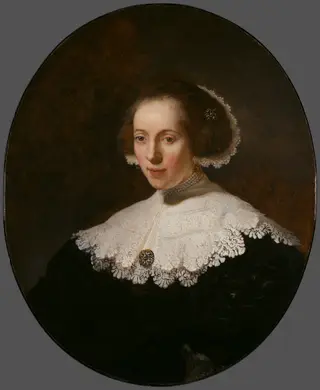 Portrait of a Woman
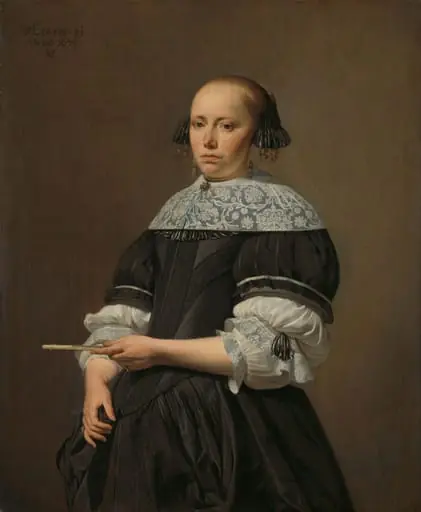 Portrait of Elisabeth Pietersdr Kessels (1640-1717)
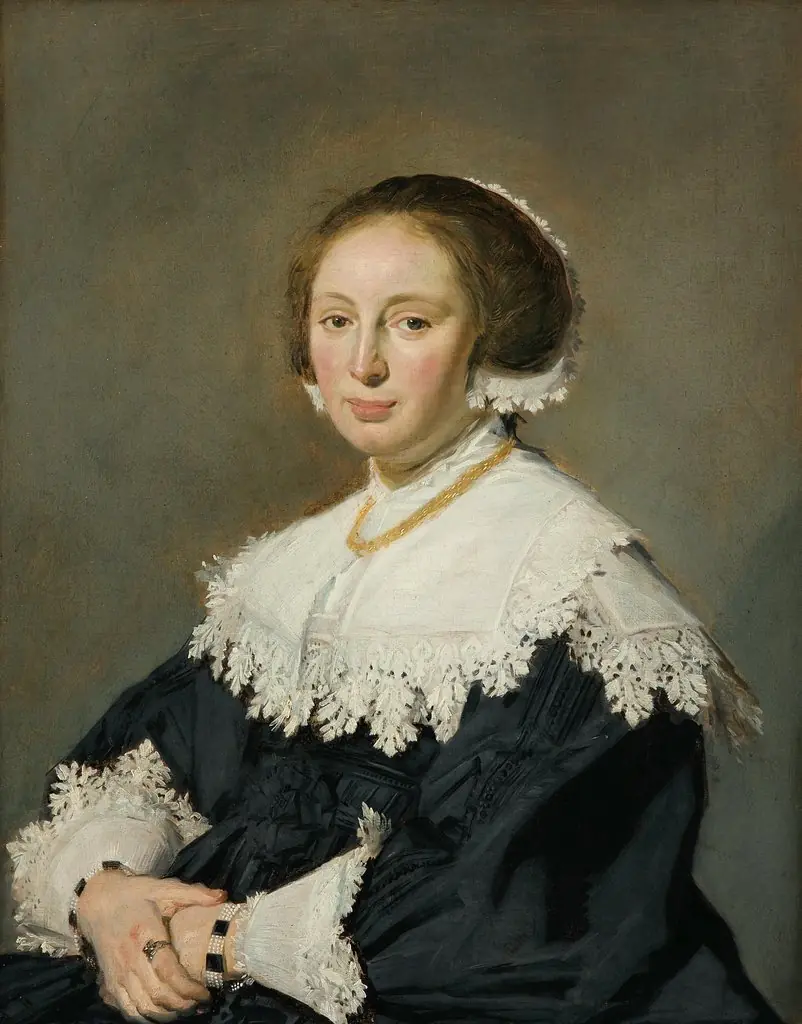 Portrait of a Woman
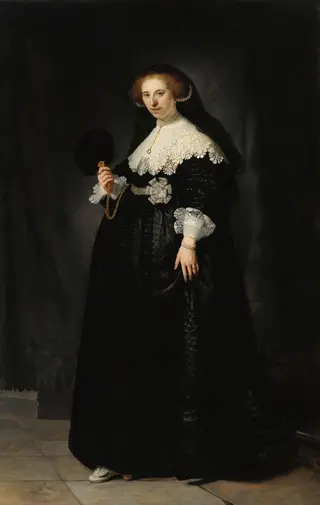 Portrait of Oopjen Coppit
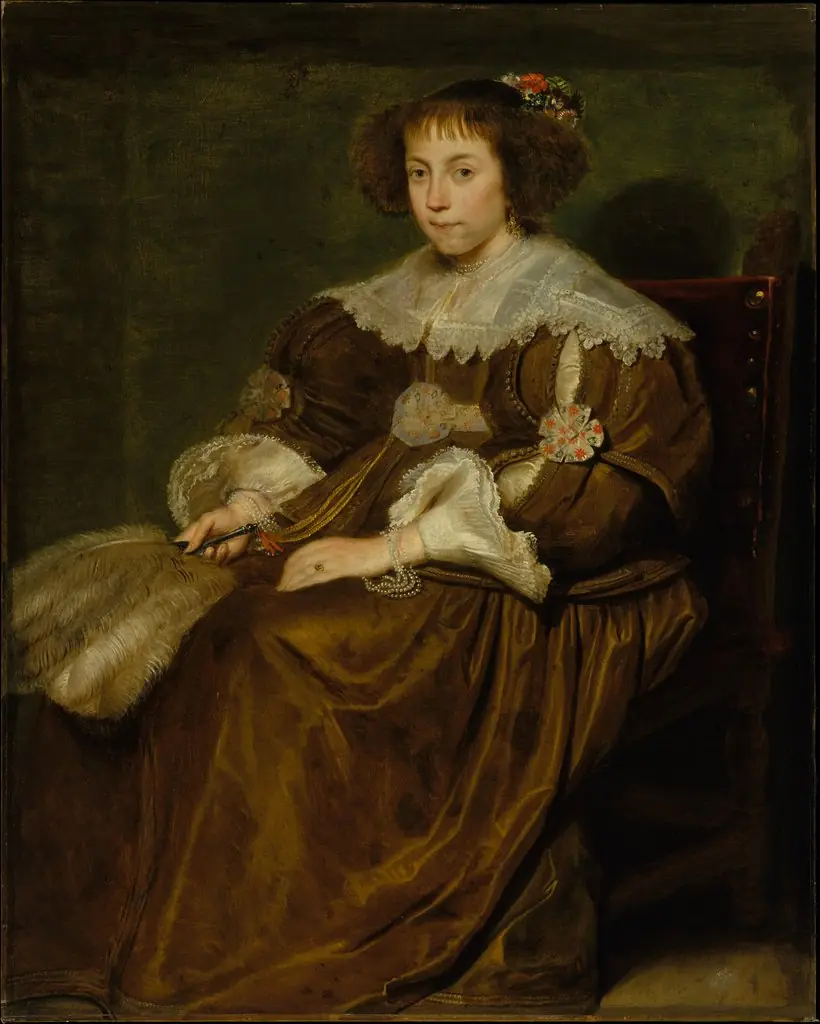
 Portrait of a Lady with an Ostrich-Feather Fan
 Portrait of a Young Woman with a Fan
 Nuoren naisen muotokuva
 Elisabeth van Kessel (1640-1717). Wife of Willem Jacobsz Baert
 Portrait of a Young Woman