Artwork
Portrait of a Man
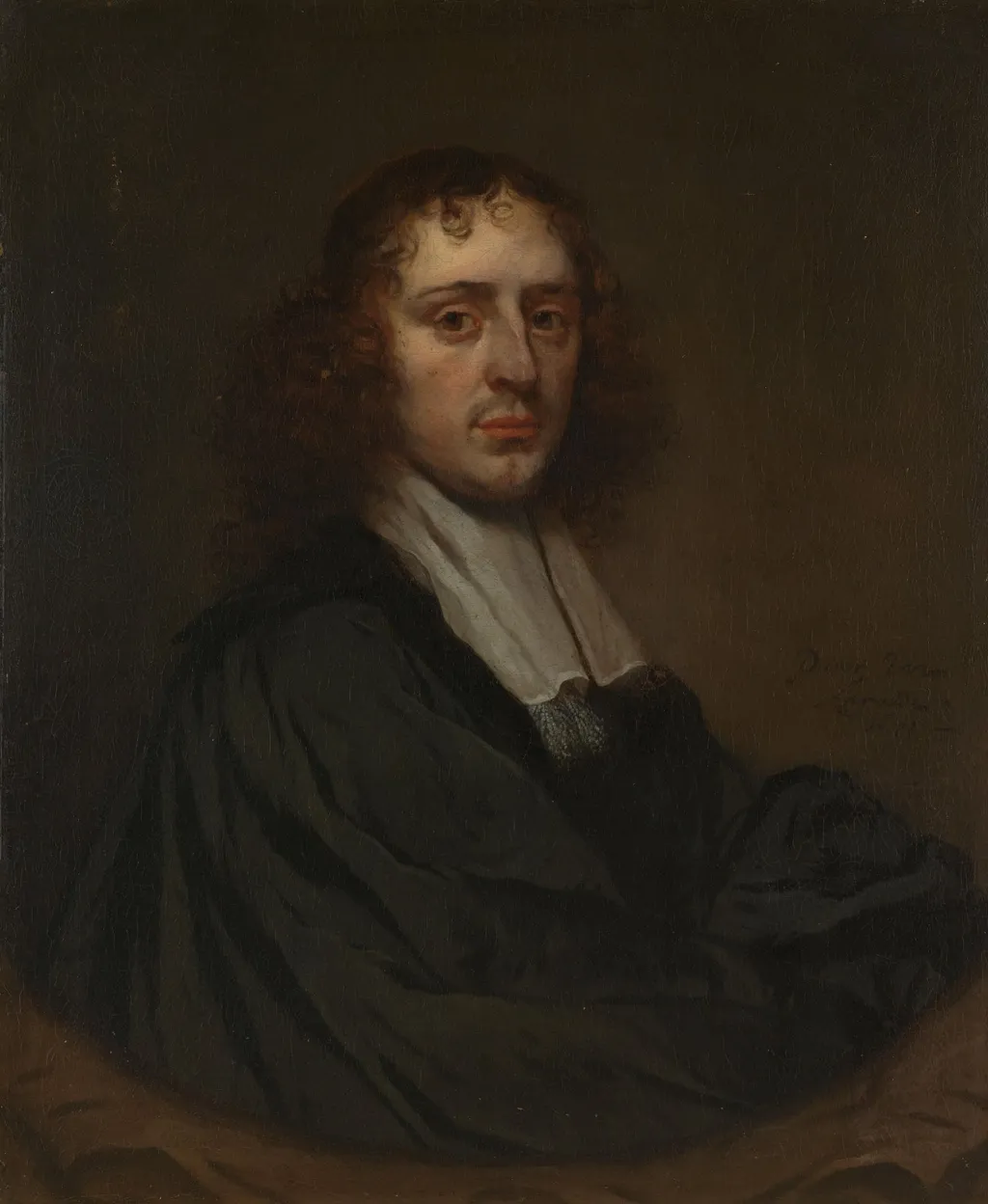
Portrait of a Man is an unspecified painting by the Dutch Golden Age artist Pieter van Anraedt. It dates from 1671 and is held in the collection of the Rijksmuseum.
About this work
Subject & Meaning
Its significance lies in exemplifying the high demand for realistic likenesses among Amsterdam’s elite, as seen in Anraedt’s documented regents’ portraits.
Portrait of a Man depicts a seated, formally dressed male sitter whose identity remains unidentified, representing a typical portrait commission of the Dutch Golden Age that emphasized status and civic virtue. The work’s sober attire and direct gaze convey authority without overt symbolism, reflecting the era’s focus on individual reputation rather than allegorical narrative. Its significance lies in exemplifying the high demand for realistic likenesses among Amsterdam’s elite, as seen in Anraedt’s documented regents’ portraits.
The painting’s provenance includes ownership by the Rijksmuseum, Amsterdam, and attribution to Pieter van Anraedt based on signature and date (1671).
History & Provenance
The Portrait of a Man is signed and dated 1671, placing its creation in the artist’s Amsterdam period after his move in 1672. The work is among two pendant portraits recorded in the Rijksmuseum’s collection, both dated 1671 and inventoried as SK-A-1349 (man) and SK-A-1350 (woman). These portraits entered the museum’s holdings as part of its core collection, where they remain identified by their 1671 date and the artist’s name.
Context
Pieter van Anraedt’s Portrait of a Man (1671) exemplifies the artist’s engagement with Dutch Golden Age portraiture, a genre he approached with technical precision yet modest critical renown. While contemporaries like Gerard ter Borch and Bartholomeus van der Helst dominated the field, Anraedt’s work was occasionally misattributed, most notably by Arnold Houbraken, who erroneously credited his 1675 group portrait of Amsterdam regents to Ferdinand Bol, despite the painting’s signature and date. Scholarship in the late 20th century began reclaiming his oeuvre, with exhibitions like Beschouwingen naar aanleiding van een unicum (1978) and research by H.J. Nalis (2010–2012) clarifying his biography and attributions.
Though often overshadowed by peers, Anraedt’s portraits reflect the era’s demand for meticulous likenesses, bridging provincial Deventer and urban Amsterdam markets. His sole documented still life (1658) remains his most celebrated work, underscoring his versatility within the hierarchy of genres.
Legacy
Pieter van Anraedt remained a relatively obscure master until the twentieth century, largely because inconsistent spelling in early biographical sources led to frequent misattributions of his work to better-known contemporaries like Ferdinand Bol. His reputation began to recover following a 1978 exhibition in Rotterdam and subsequent scholarly research that reconstructed his biography and corrected attributions, including the identification of portraits of Isaac Commelin. While his group portraits were admired by Arnold Houbraken in 1718, his single known still life, painted in 1658, has achieved the most significant modern legacy; it is now considered his masterpiece and holds a place in the canon of Dutch art.
Curators have specifically praised the depiction of clay pipes in this work as among the finest of the Golden Age.
Overview
Painted in 1671 by Pieter van Anraedt, this work depicts a man seated against a neutral, dark background, a composition typical of Dutch Golden Age portraiture. The subject wears a dark coat contrasted by a stiff, white starched collar that catches the light, drawing the viewer's eye to his face. The lighting is dramatic yet restrained, illuminating the right side of the sitter's face while leaving the left in shadow, emphasizing his contemplative expression.
This piece is one half of a pendant pair, the other being a portrait of a woman executed in the same year with identical dimensions and pose. While the specific identities of the sitters remain unknown, the pairing suggests a married couple or a formal commission intended for display side by side. Created during the final decade of van Anraedt's life, the painting exemplifies his mature style, characterized by precise brushwork, sober color palettes, and a psychological depth that distinguishes his work within the Utrecht school.
The work stands as a significant example of 17th-century Dutch portraiture, reflecting the era's emphasis on individual character and modest elegance.
Technique & Style
The artist employs chiaroscuro, using gradual tonal shifts rather than line to model the facial features. The contrast between the luminous collar and the subdued background emphasizes the three‑dimensionality of the figure, while the soft gradations of light give the portrait a restrained, almost contemplative atmosphere.
Own this work as a print
Artist & collection

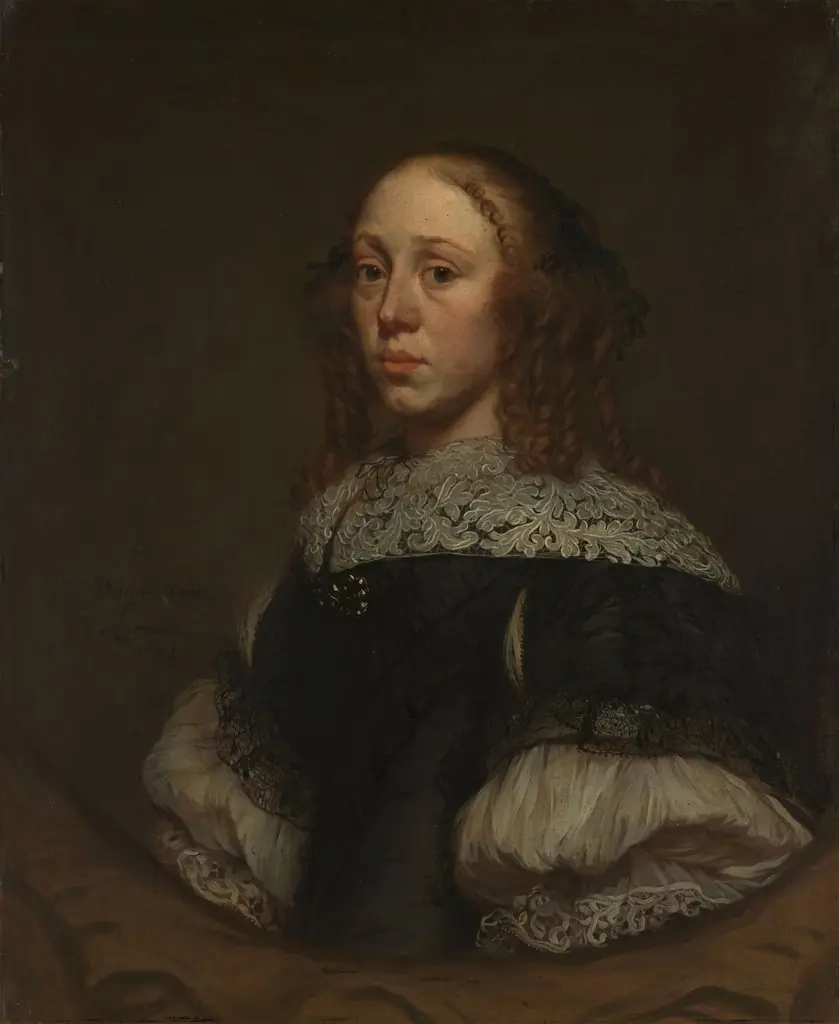
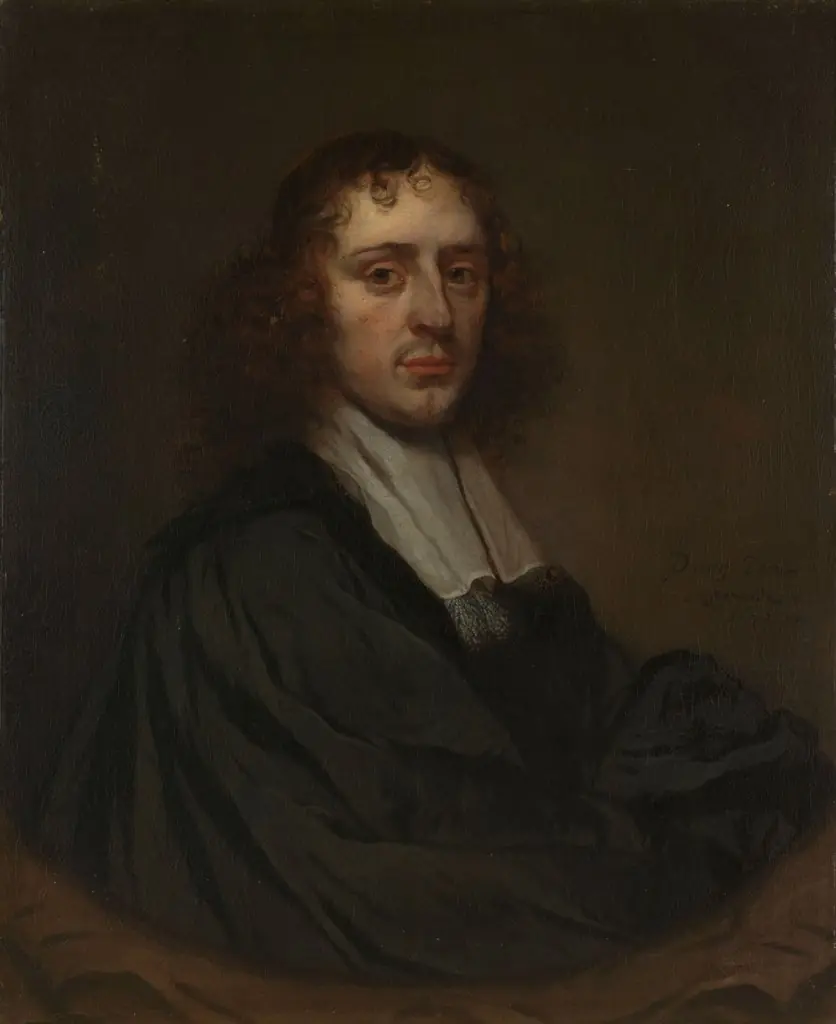
- Portrait of a Man
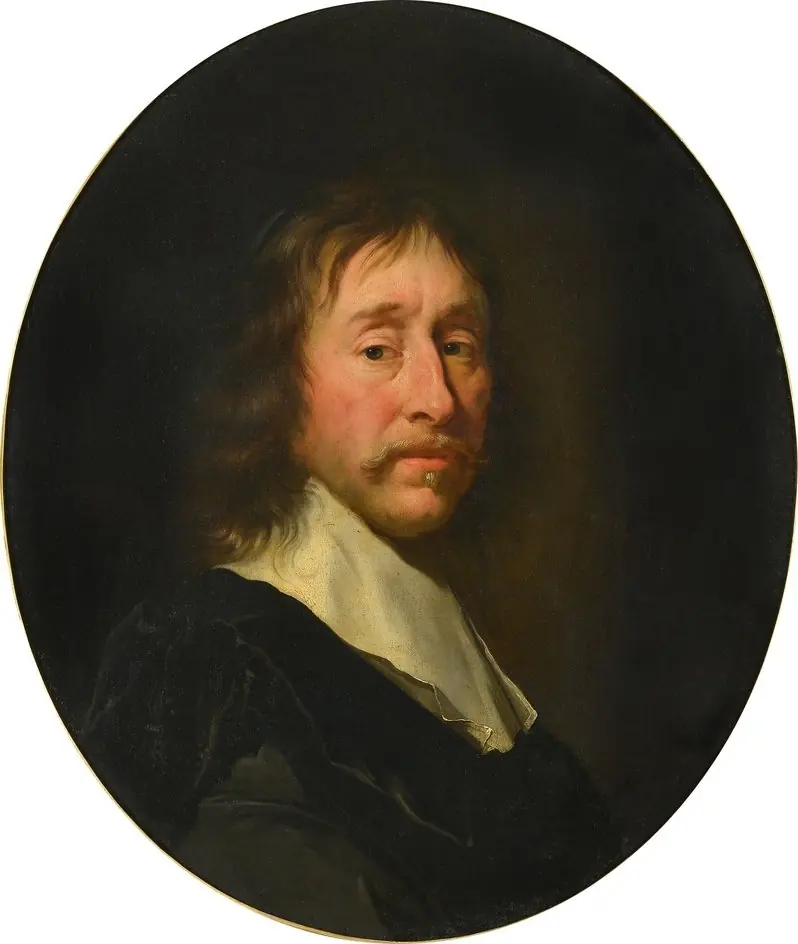 Portrait of a Man
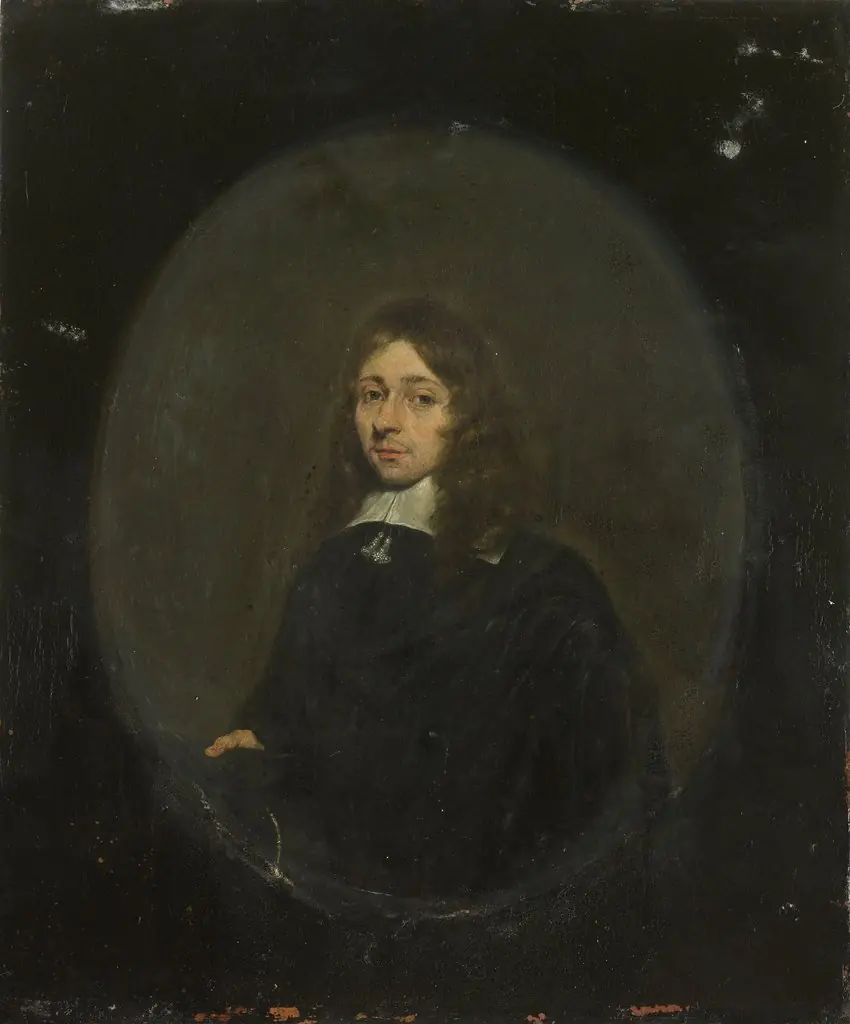 Portrait of a man
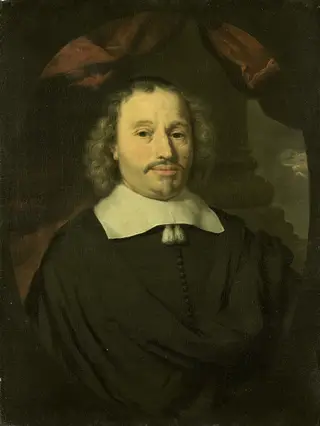 Portrait of Hendrick Wijnands (1601/2 - 76), grocer of Amsterdam
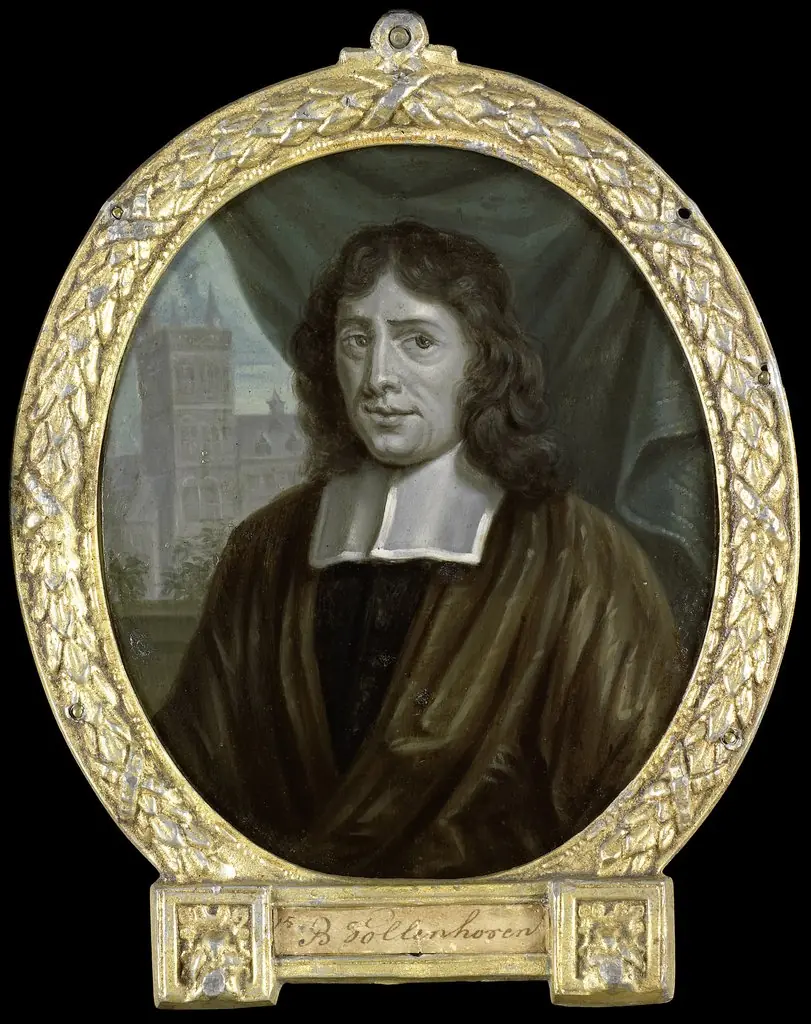 Portrait of Joannes Vollenhove, Clergyman and Poet in The Hague
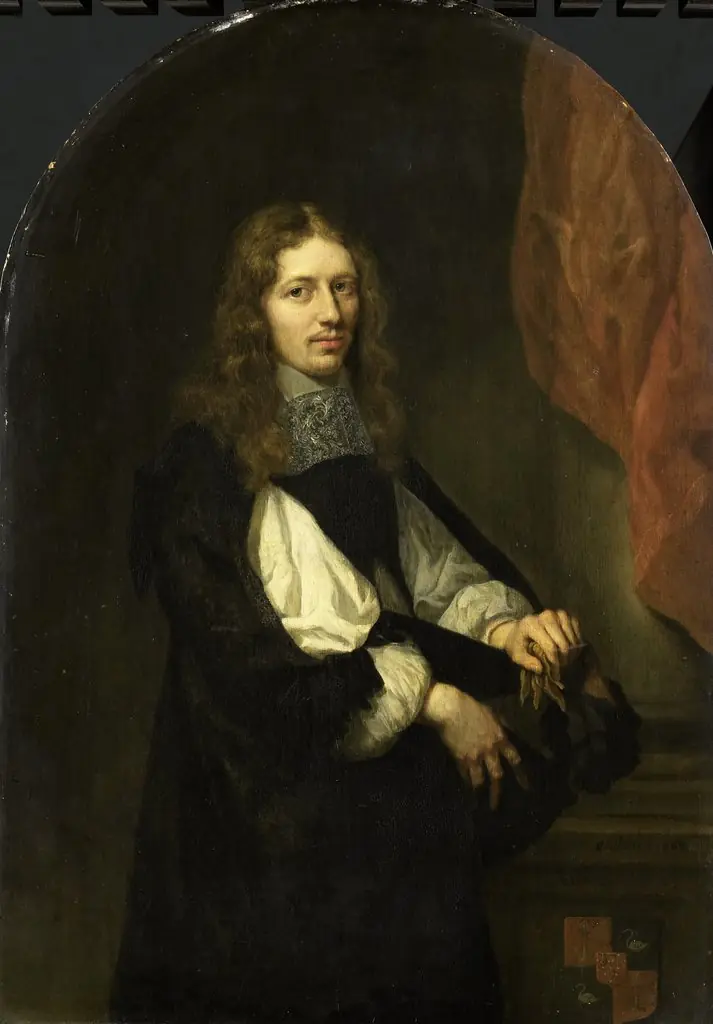 Portrait of Pieter de Graeff (1638-1707), lord of Zuid-Polsbroek, Purmerland, and Ilpendam. Alderman of Amsterdam
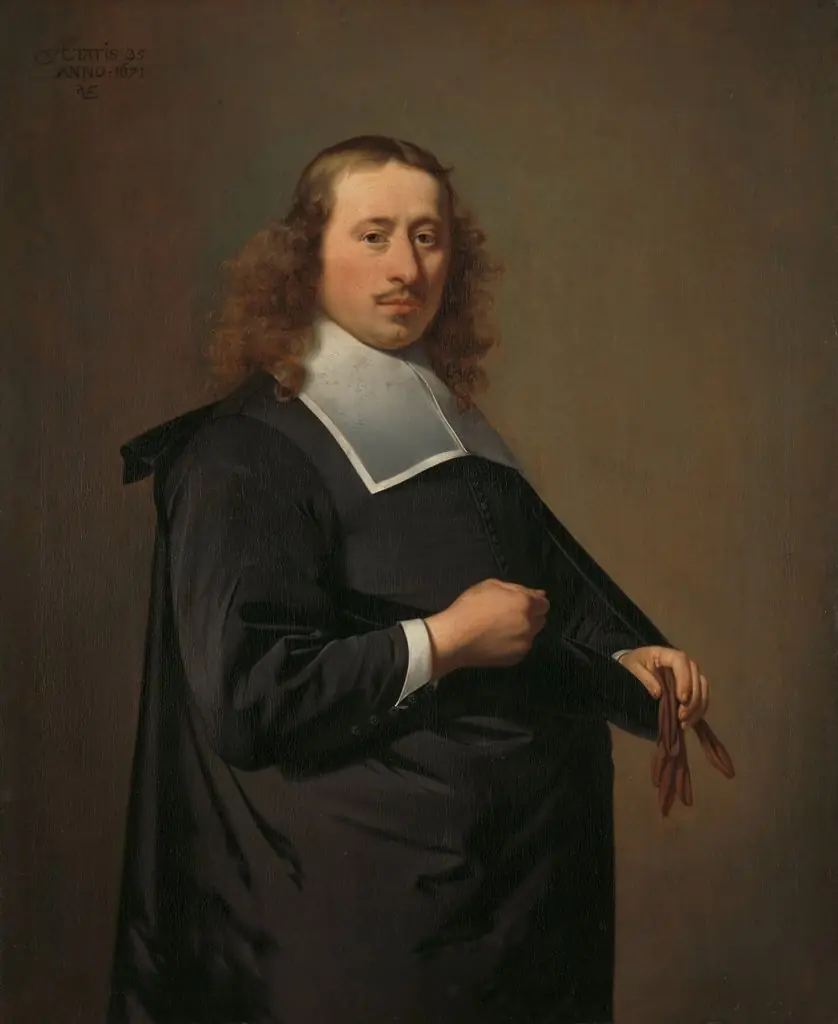 Willem Jacobsz Baert (1636-84). Mayor of Alkmaar and Amsterdam
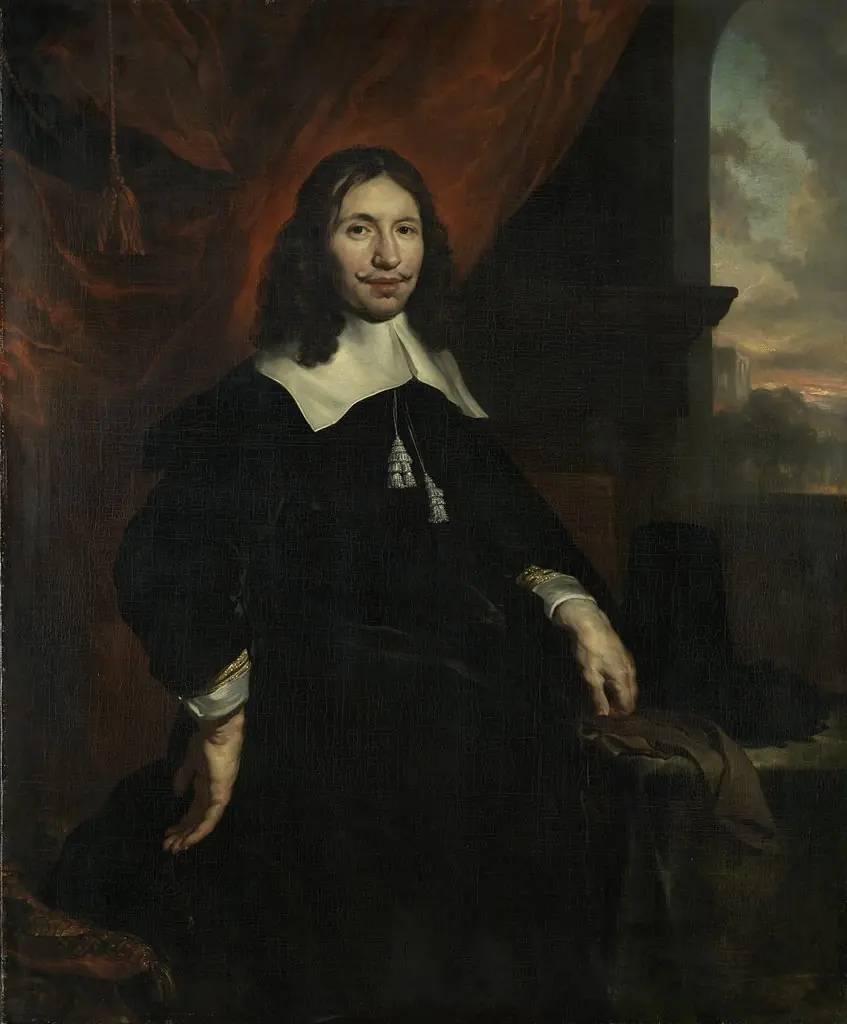 Dionijs Wijnands (1628-73). Amsterdam merchant, son of Hendrick Wijnands and Aeltje Denijs
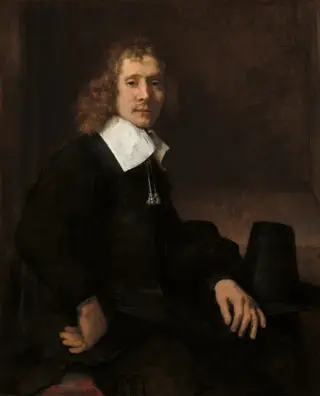 A Young Man Seated at a Table (possibly Govaert Flinck)
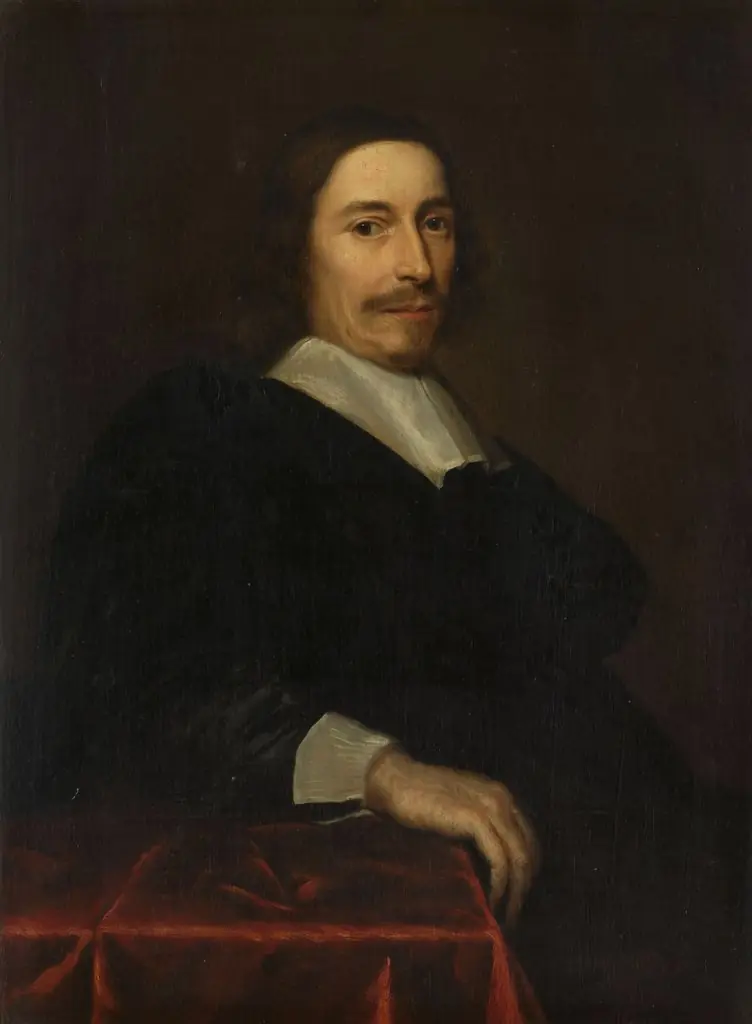 Jacob de Witt (1589-1674)
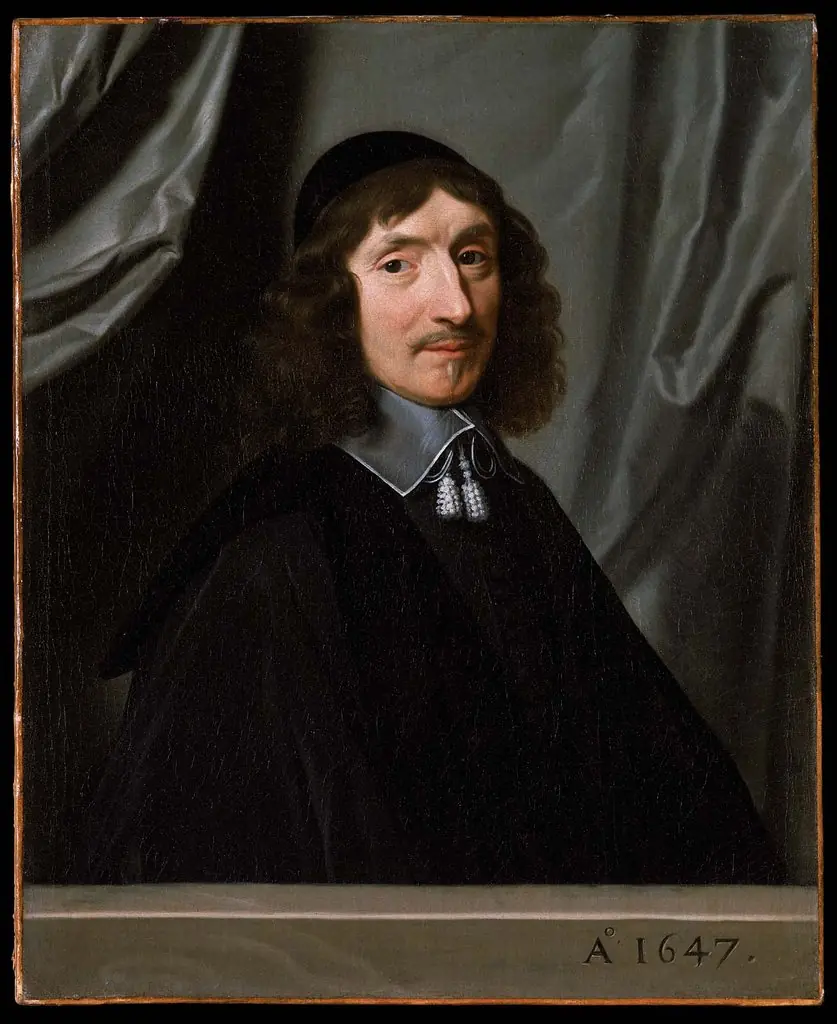 Valentin Valleron de Perrochel