Artwork
Portrait of a man
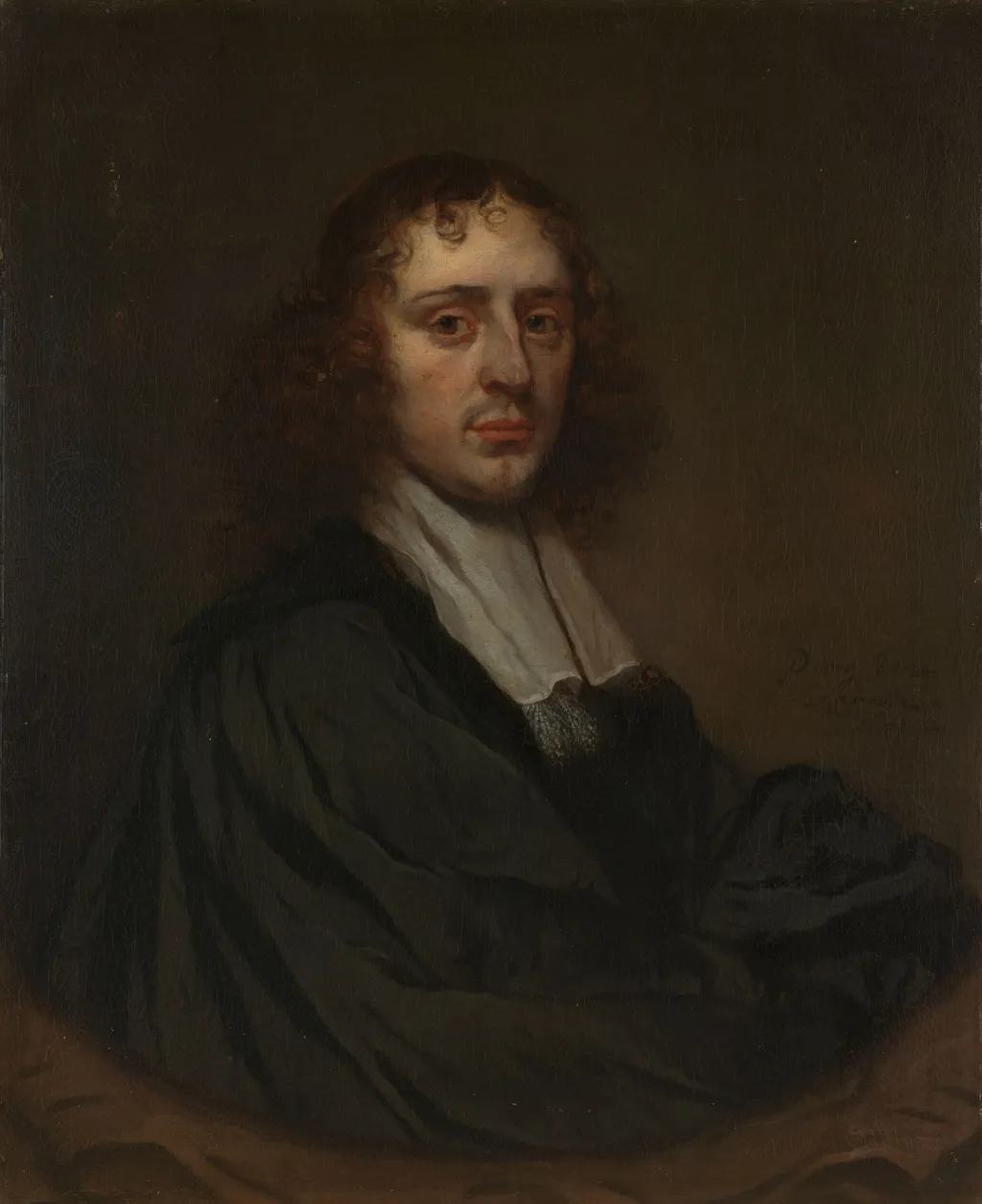
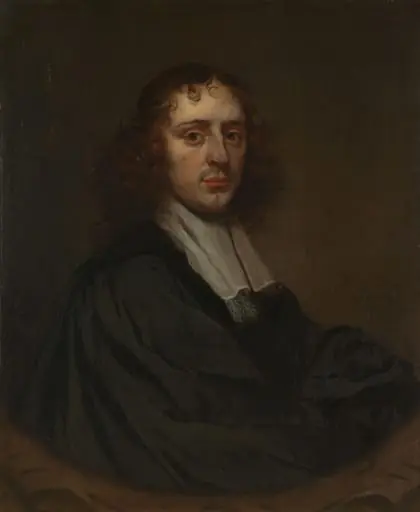
Portrait of a man is an oil painting by the Dutch Golden Age artist Pieter van Anraedt. It dates from 1671 and is held in the collection of the Rijksmuseum.
About this work
Technique & Style
The handling reflects the restrained, luminous palette and delicate chiaroscuro characteristic of the Dutch portrait tradition in the late seventeenth century.
The painting is executed in oil on canvas, measuring 80 cm in height and 65 cm in width. The handling reflects the restrained, luminous palette and delicate chiaroscuro characteristic of the Dutch portrait tradition in the late seventeenth century. The figure is rendered with smooth transitions between light and shadow, emphasizing a calm, frontal presence.
The composition centers on a head-and-shoulders format, with the sitter’s gaze directed slightly to the left. Subtle glazes modulate the modeling of the face and costume, while the restrained brushwork avoids overt texture, contributing to an overall polished finish.
History & Provenance
The Portrait of a man painted by Pieter van Anraedt was created in 1671 as an oil on canvas work measuring 80 × 65 cm. It entered the collection of the Rijksmuseum, where it remains on display. The painting’s provenance is documented within the museum’s records, indicating its acquisition and continued ownership by the institution since its creation.
Portrait of a man is an oil painting on canvas created in 1671 by Dutch artist Pieter van Anraedt. The work measures 80 cm in height and 65 cm in width and is part of the Rijksmuseum's collection, listed under inventory number SK-A-1234. It has been displayed in the Rijksmuseum's permanent exhibition of Dutch Golden Age portraits and featured in the 2018 exhibition "Portraits of the 17th Century" at the same institution.
Context
The Portrait of a man by Pieter van Anraedt was created in 1671 and exemplifies Dutch Golden Age portraiture, reflecting contemporary interests in individual representation and status. Its formal qualities, such as compositional balance and naturalistic rendering, have been noted in scholarly analyses of portrait conventions during this period.
The work is part of the Rijksmuseum's collection, underscoring its significance within institutional holdings of 17th-century Dutch art. Its provenance and display history at the museum contribute to ongoing discussions of Anraedt's artistic legacy and his position relative to his father, painter Jacob van Anraedt, as well as broader trends in portrait painting of the era.
Overview
Painted in 1671 by the Dutch Golden Age artist Pieter van Anraedt, this oil on canvas depicts a half-length portrait of a man with curly hair. The sitter is dressed in a dark jacket with a prominent white collar, set against a dark, muted background that isolates the figure. His gaze is directed toward the right, away from the viewer, accompanied by a neutral facial expression.
Van Anraedt employs chiaroscuro to model the face and clothing, creating a sense of volume and depth characteristic of the Utrecht school's influence on his work. Executed during the final decade of the artist's life, the painting reflects his mature style, which blends the restrained realism of Dutch portraiture with a dramatic use of light and shadow. The work stands as a representative example of van Anraedt's contribution to 17th-century Dutch portraiture, focusing on the psychological presence of the sitter through subtle lighting and a composed, unadorned presentation.
Subject & Meaning
The portrait shows a man with tightly curled hair, dressed in a dark coat trimmed with a crisp white collar. His gaze is turned toward the viewer’s right, and his expression remains neutral, suggesting a straightforward, perhaps professional, representation rather than an overtly emotive portrayal.
Own this work as a print
Artist & collection

 Portrait of a Man
 Portrait of Johan de Witt (1625-72), Grand pensionary of Holland
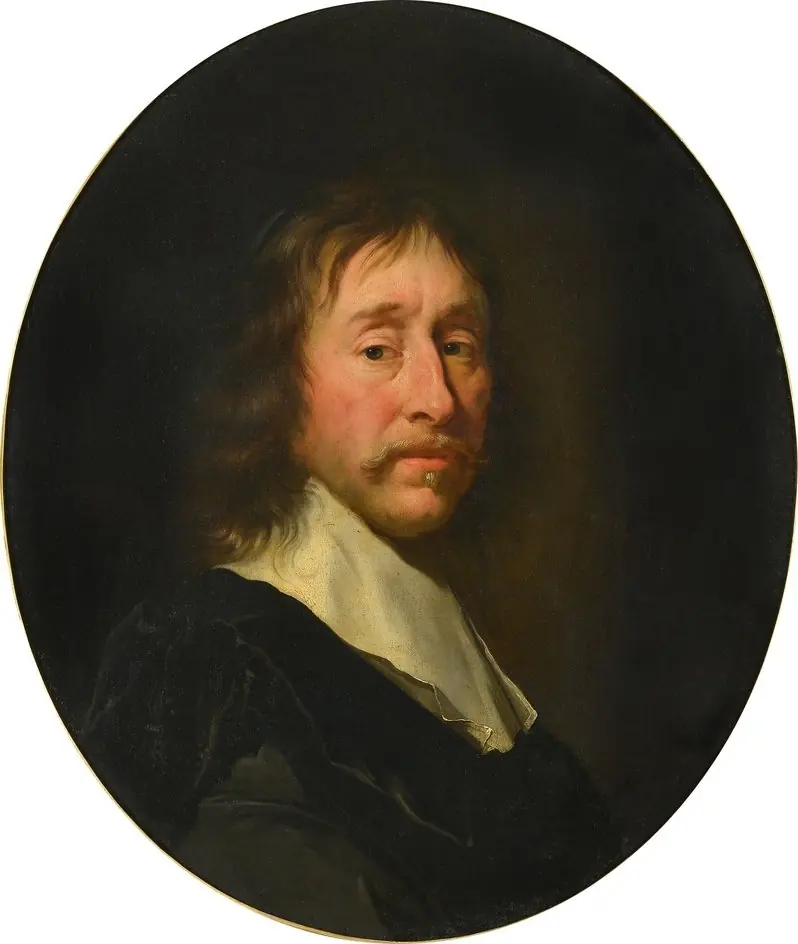 Portrait of a Man
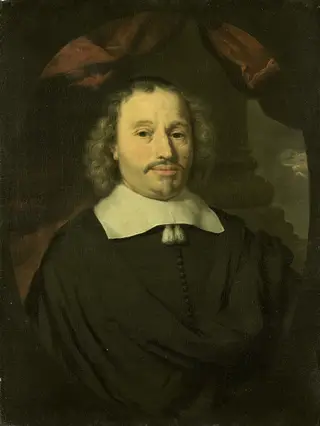 Portrait of Hendrick Wijnands (1601/2 - 76), grocer of Amsterdam
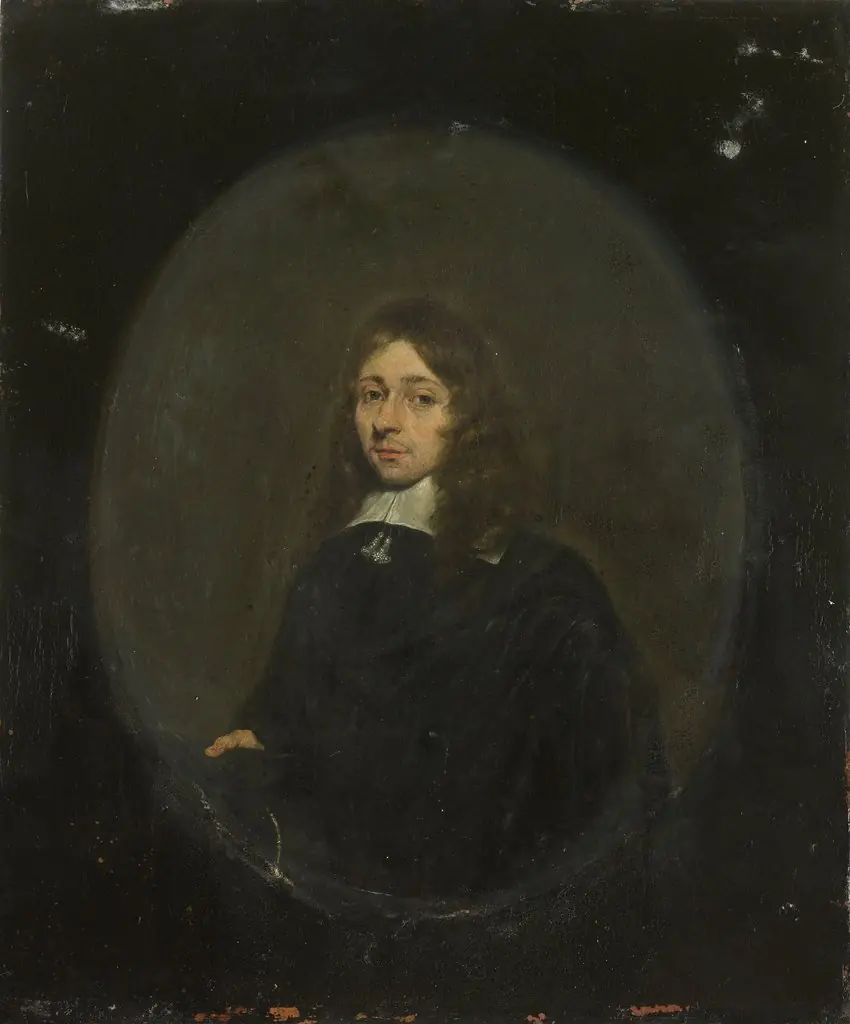 Portrait of a man
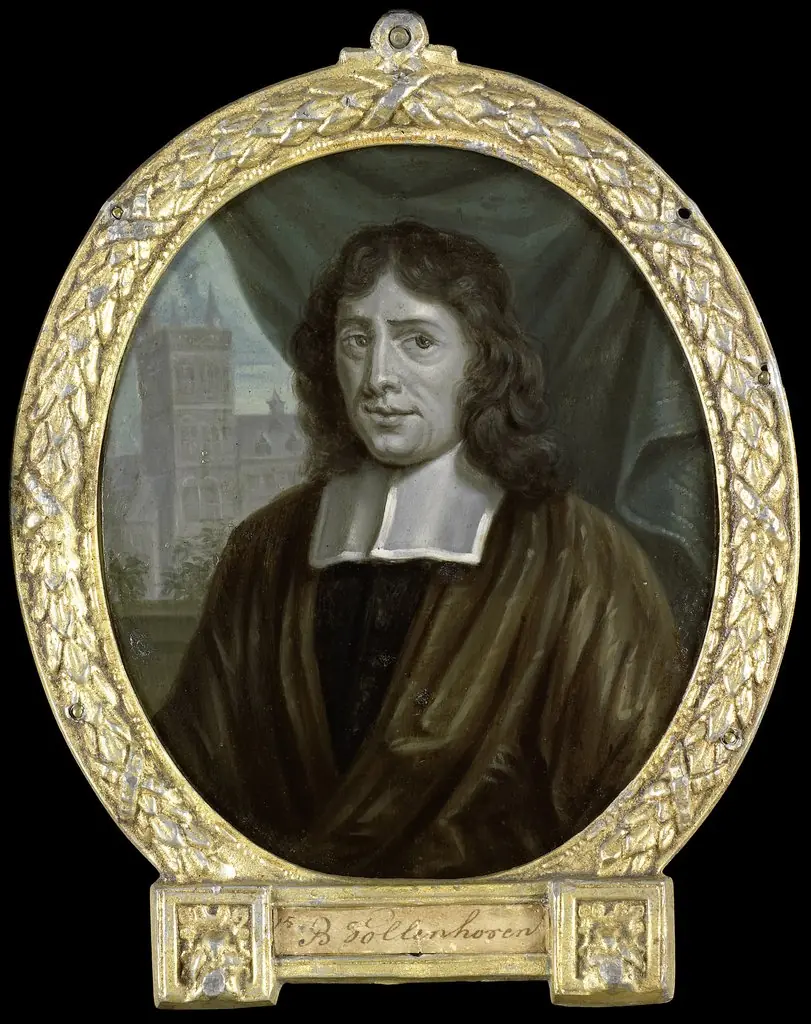 Portrait of Joannes Vollenhove, Clergyman and Poet in The Hague
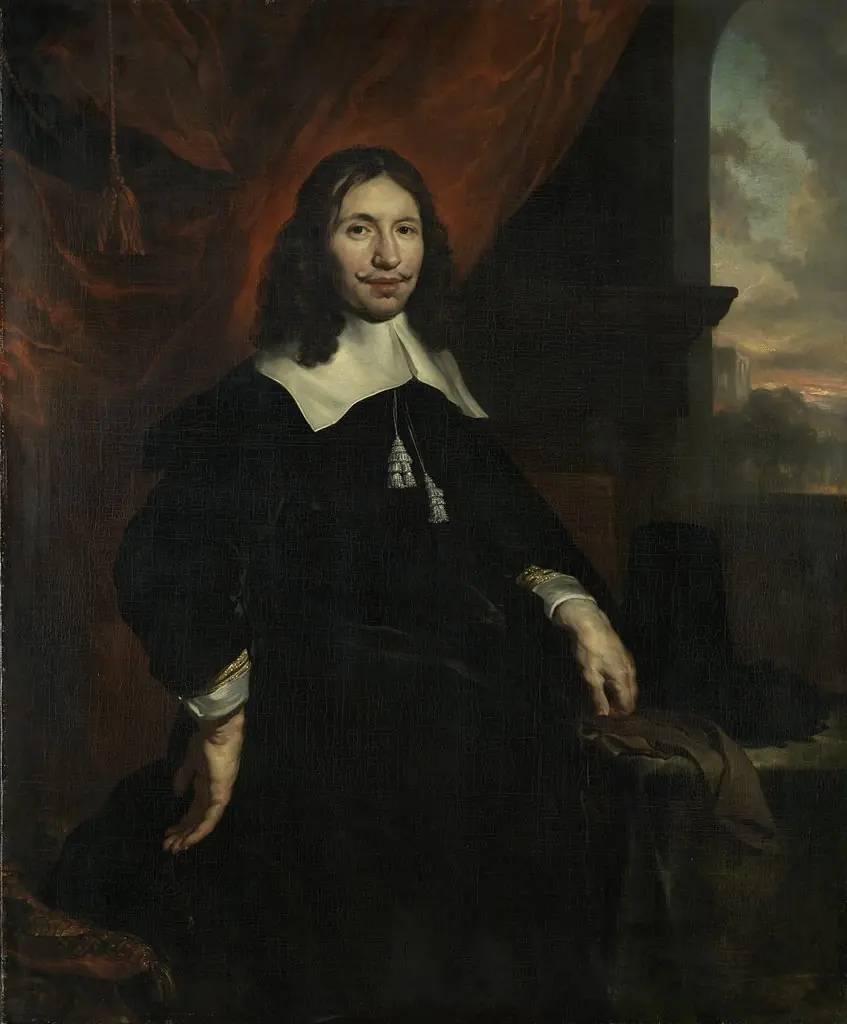 Dionijs Wijnands (1628-73). Amsterdam merchant, son of Hendrick Wijnands and Aeltje Denijs
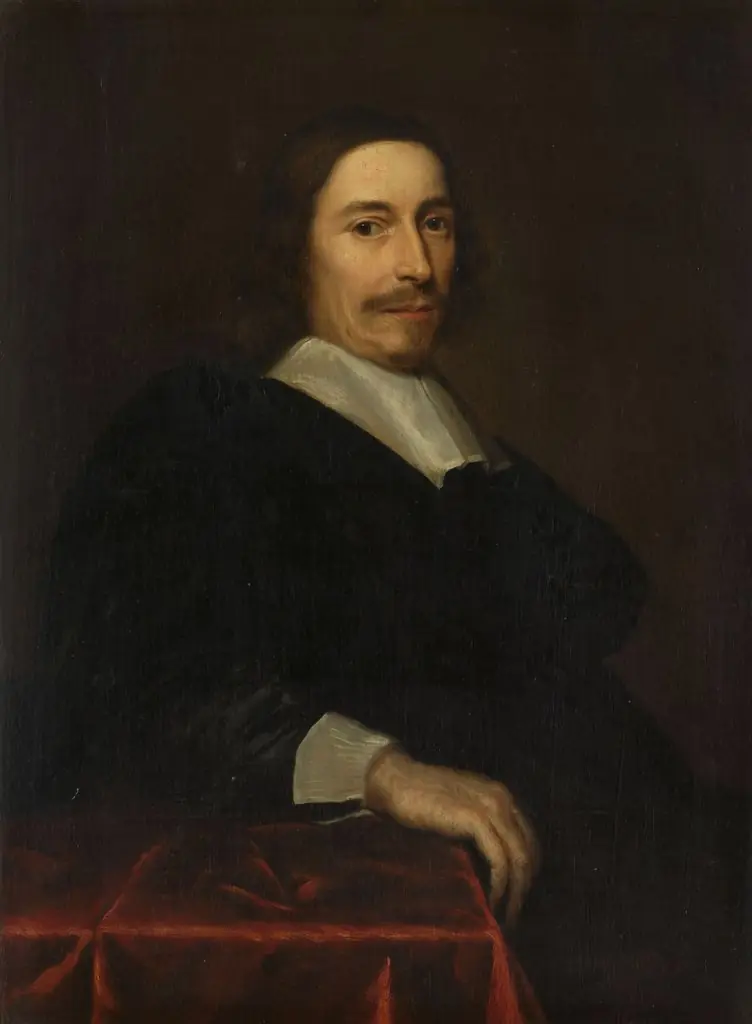 Jacob de Witt (1589-1674)
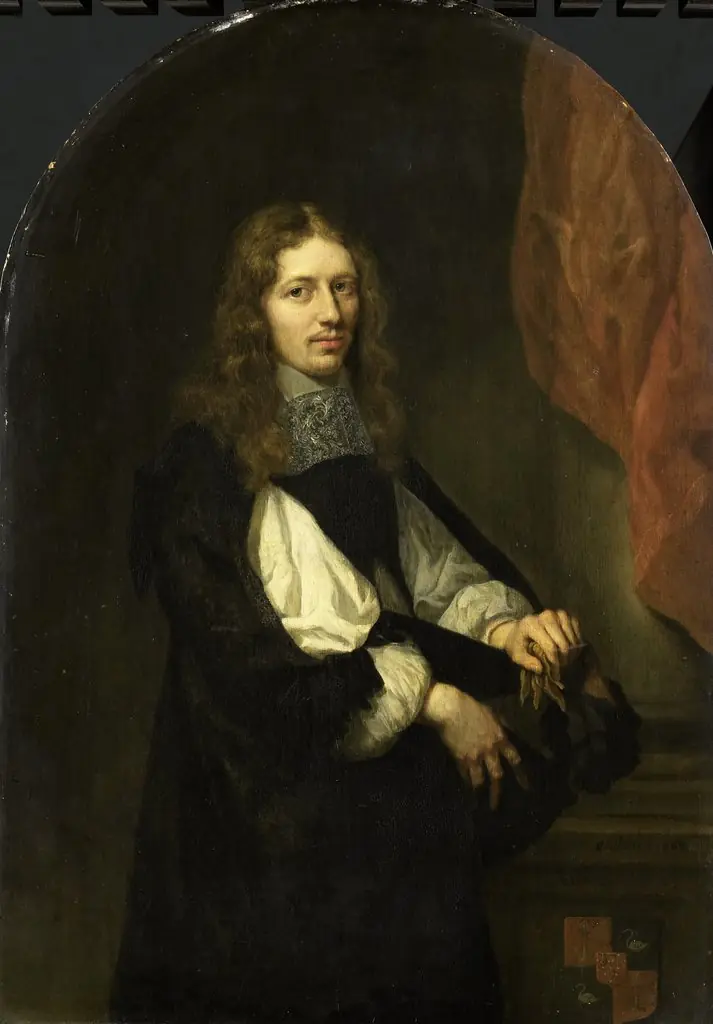 Portrait of Pieter de Graeff (1638-1707), lord of Zuid-Polsbroek, Purmerland, and Ilpendam. Alderman of Amsterdam
 Portrait of Johan de Witt (1625-72), Grand pensionary of Holland
- Portrait of a Man