Artwork
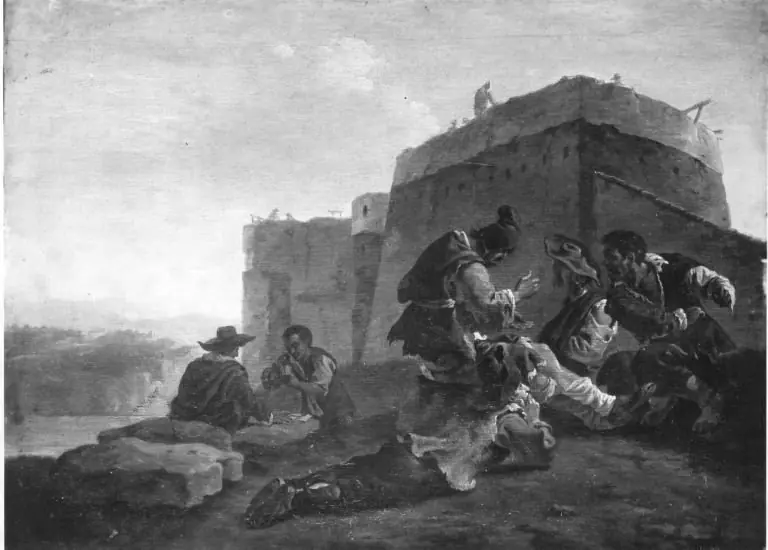
Szene um einen römischen Kalkofen (zugeschrieben)
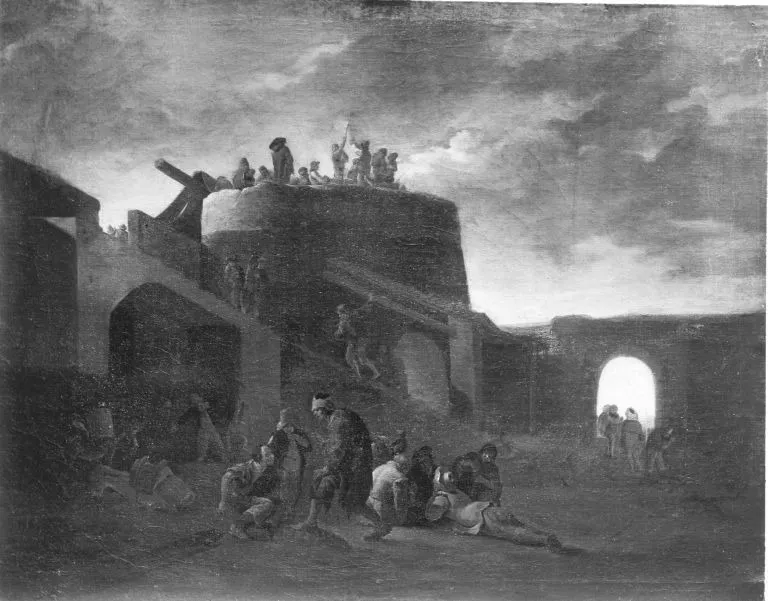
Szene um einen römischen Kalkofen (zugeschrieben) is an unspecified painting by the Caravaggisti artist Pieter van Laer. It dates from 1620 and is held in the collection of the Bavarian State Painting Collections.
About this work
Overview
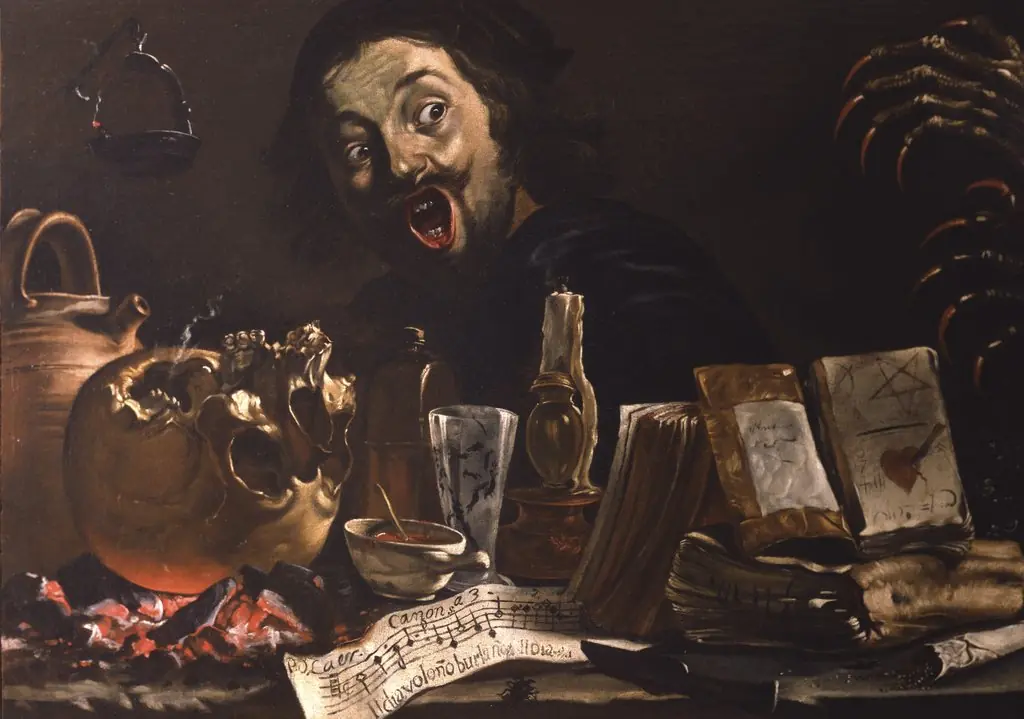
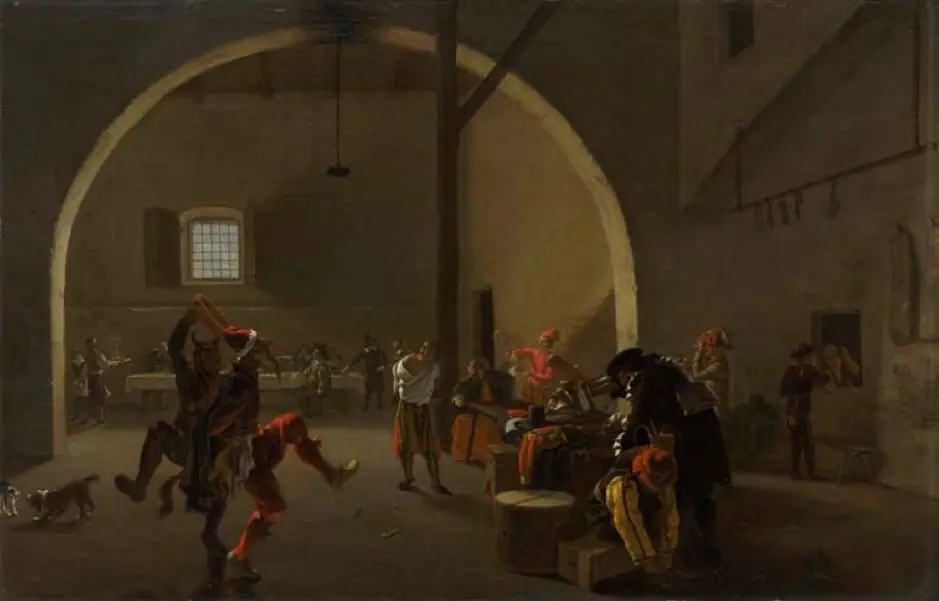
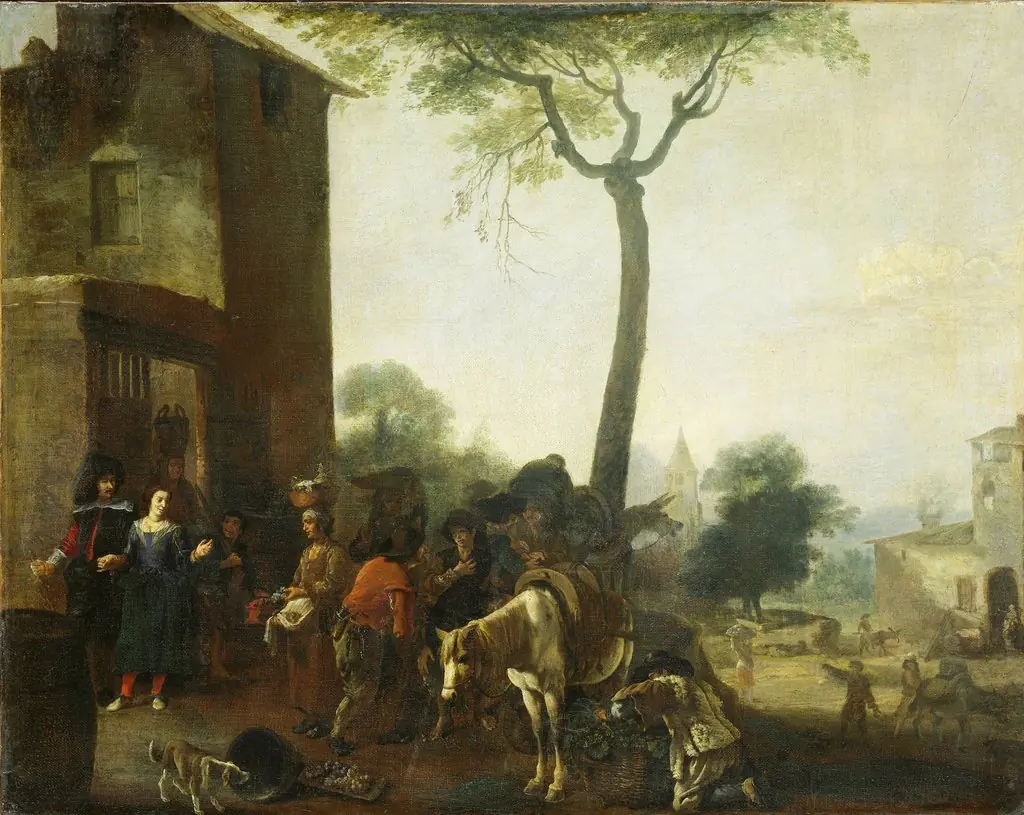
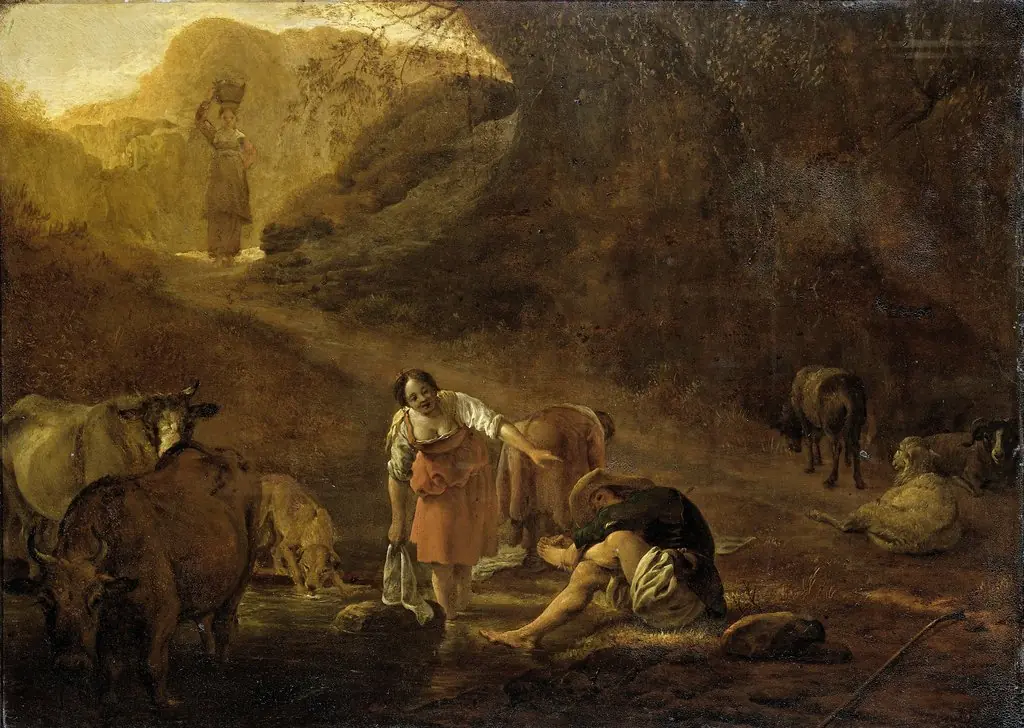
Attributed to Pieter van Laer, this painting dates to around 1620 and reflects the artist’s time in Rome, where he became known as Il Bamboccio. It belongs to a body of work that captures everyday life in the Roman countryside, avoiding idealized subjects in favor of unvarnished, observational scenes. The painting is part of the collection at the Alte Pinakothek in Munich.
Subject & Meaning
No narrative is explicitly stated, but the composition invites contemplation of labor and human endurance.
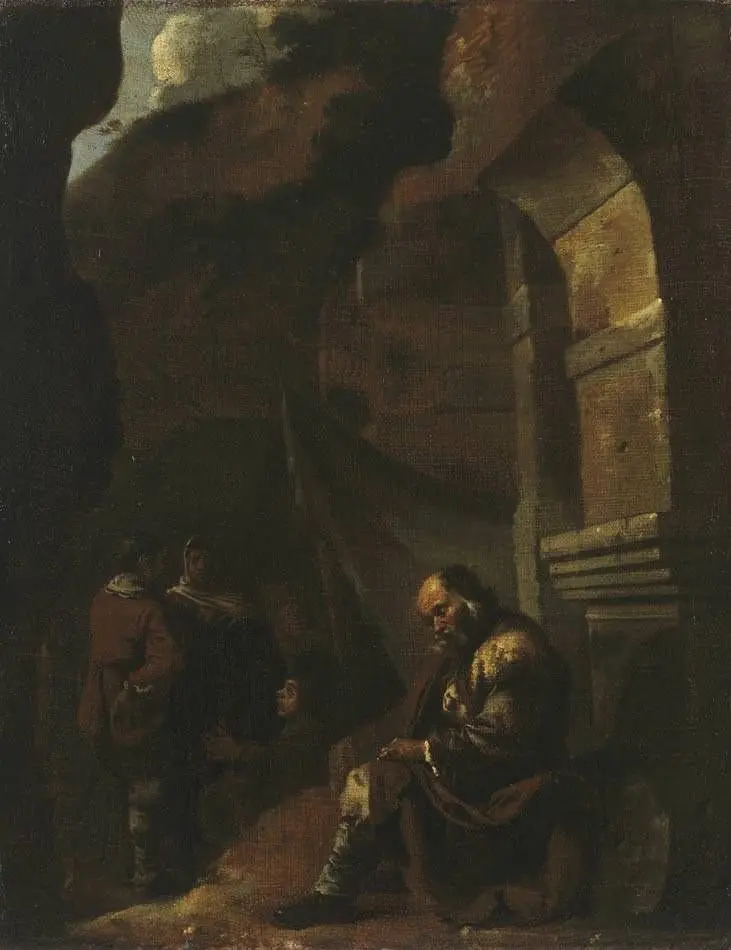
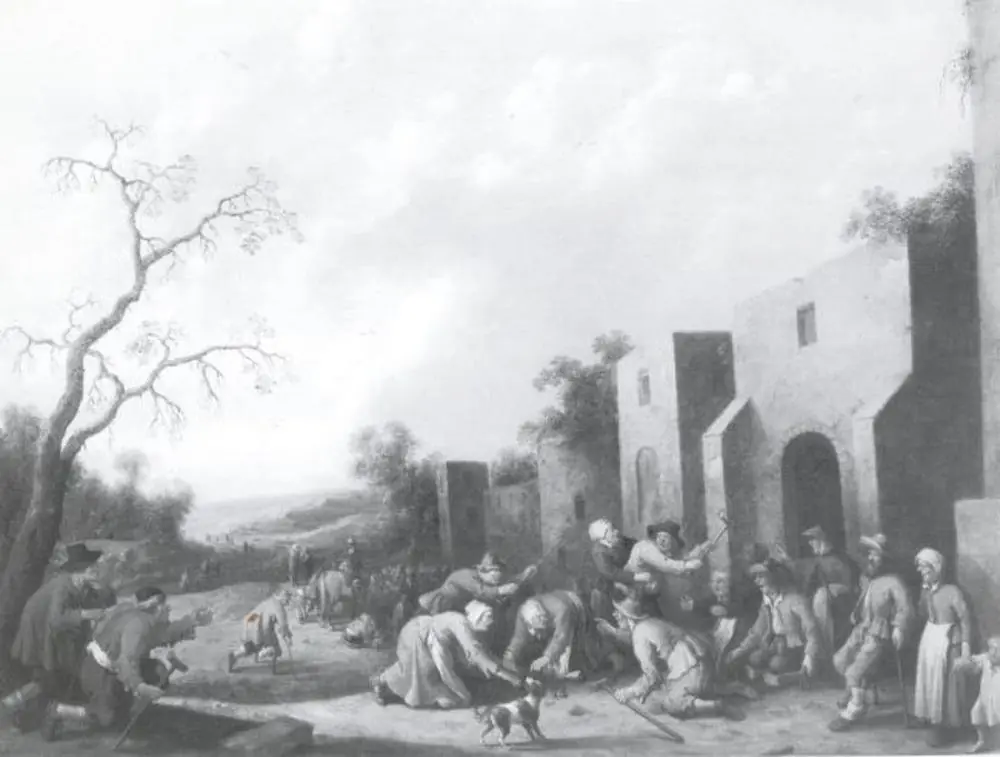
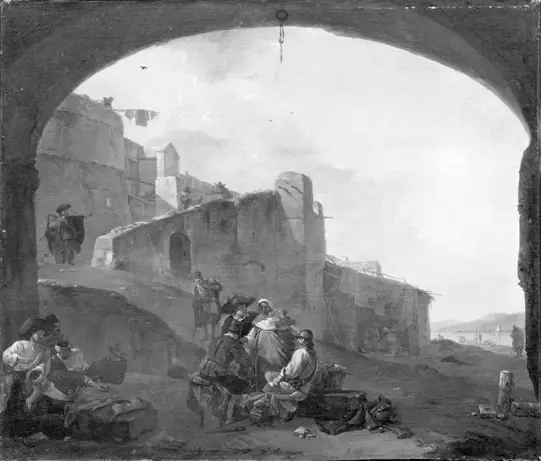
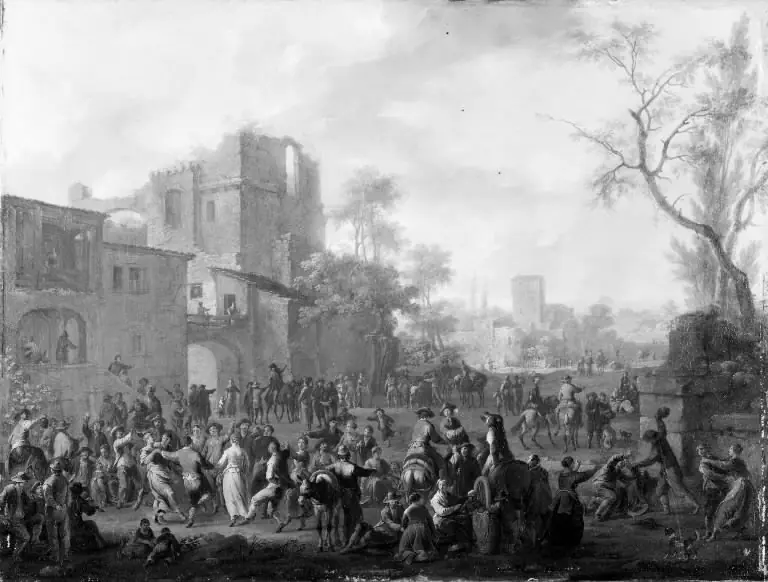
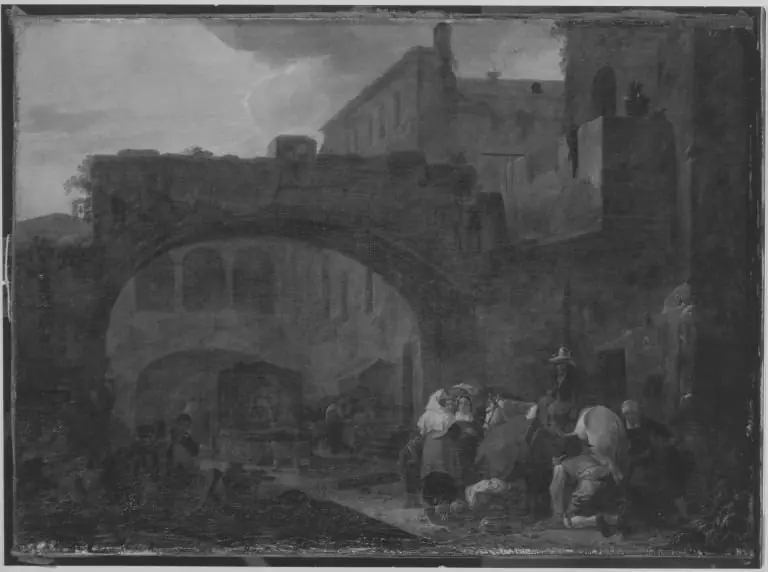
The scene centers on a large, dark structure, likely a lime kiln, surrounded by laborers and onlookers. Figures are arranged in varied postures, some standing, others resting or clustered in apparent unease. The atmosphere suggests hardship or tension, possibly referencing the physical toil of rural workers. No narrative is explicitly stated, but the composition invites contemplation of labor and human endurance.
Technique & Style
Van Laer employs a muted palette and strong contrasts of light and shadow, aligning with Caravaggist principles. The figures are rendered with close attention to texture and posture, emphasizing realism over drama. The cloudy sky and dense forms create a sense of enclosure, while the spatial depth is achieved through layered figures and atmospheric perspective rather than linear perspective.
History & Provenance
The painting’s attribution to van Laer is based on stylistic parallels with his known works and its thematic consistency with his Roman output. It entered the Alte Pinakothek’s collection in the 19th century, likely through acquisitions of Northern European art. Its history prior to that remains undocumented, though it likely passed through private collections in Germany or the Netherlands.
Context
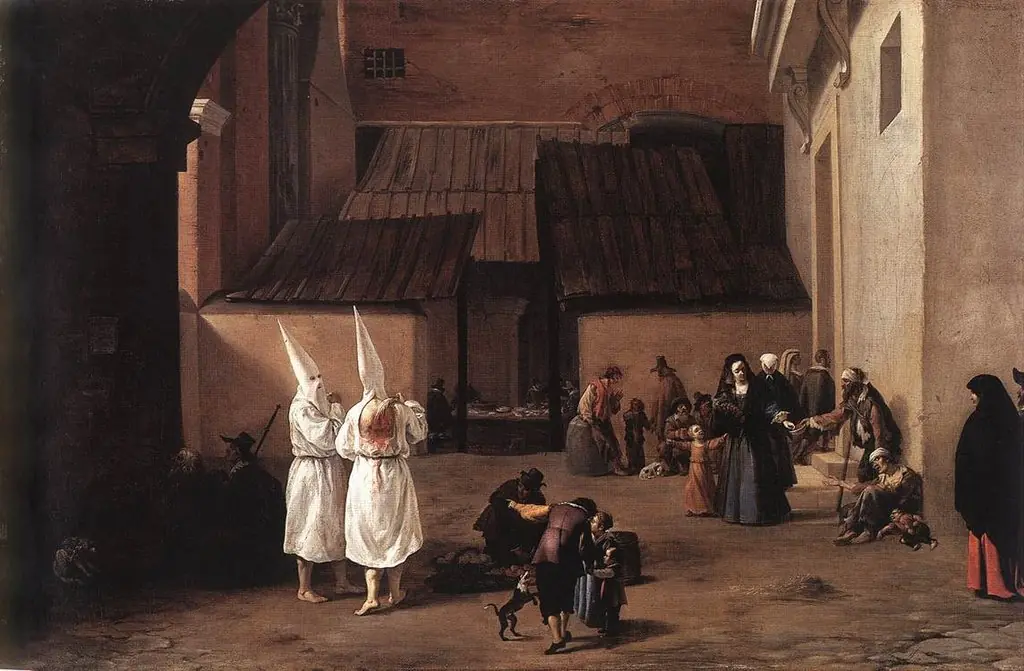
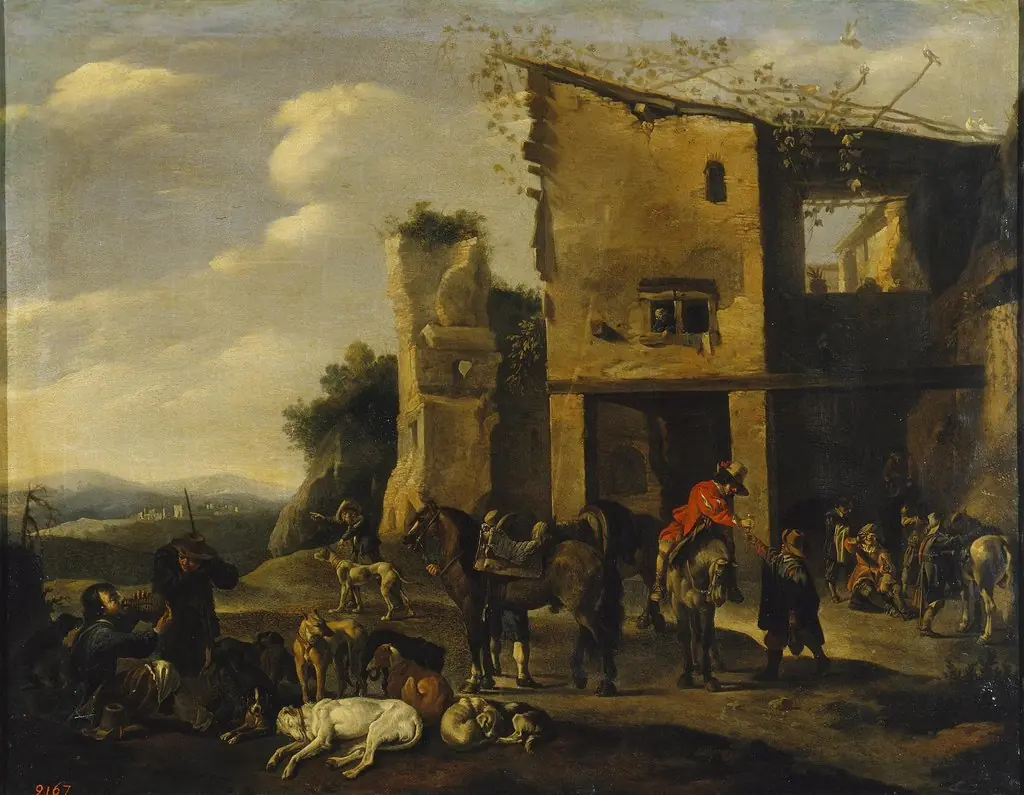
Van Laer worked among the Bentvueghels, a community of Northern artists in Rome who favored low-life subjects over classical themes. His focus on laborers and rural settings contrasted with prevailing academic tastes, yet influenced a generation of painters known as the Bamboccianti. This work exemplifies the shift toward genre painting as a legitimate subject in early 17th-century Italy.
Legacy
Though van Laer’s reputation faded after his death, his approach to everyday scenes laid groundwork for later Dutch and Italian genre painters. His emphasis on ordinary people and naturalistic lighting became a model for artists seeking alternatives to religious or mythological narratives. This painting remains a quiet testament to the value of observing the unremarkable.
Artist & collection
Artist
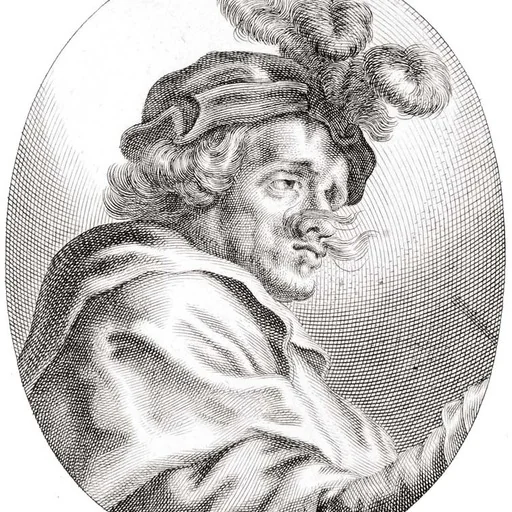
Pieter Bodding van Laer (christened 14 December 1599, in Haarlem – 1641 or later) was a Dutch painter and printmaker.