Artwork
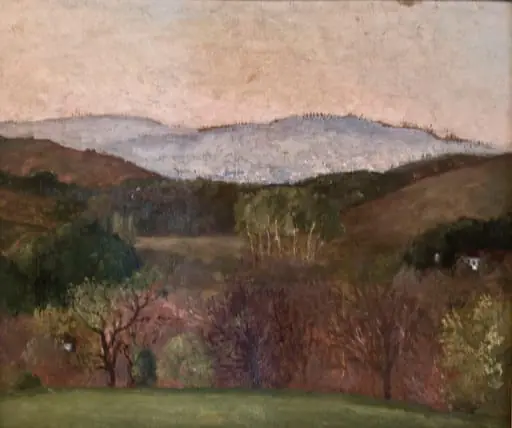
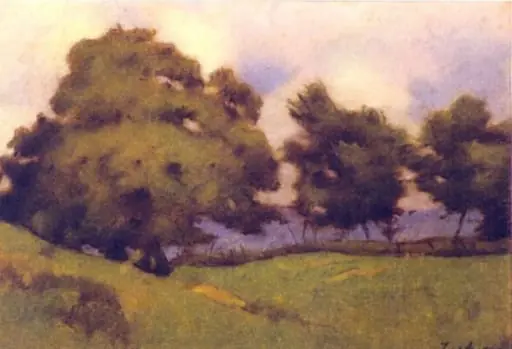
Peisaj pe Valea Râmnicului
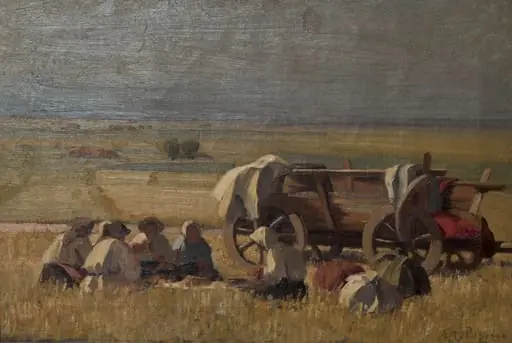
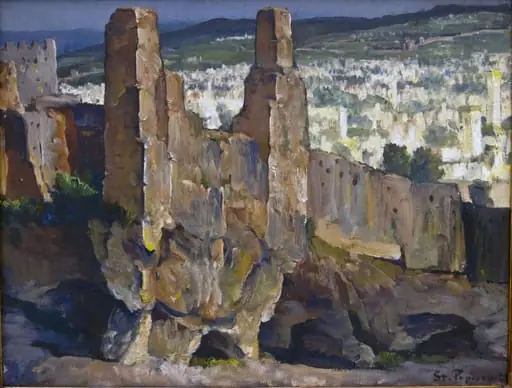
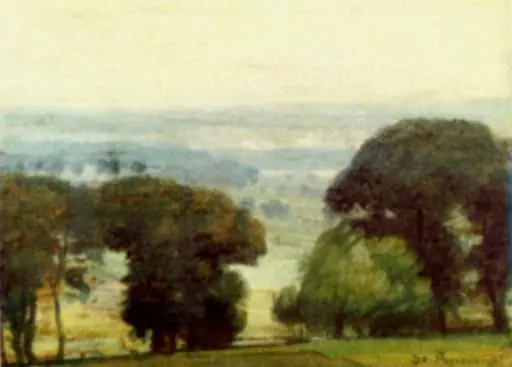
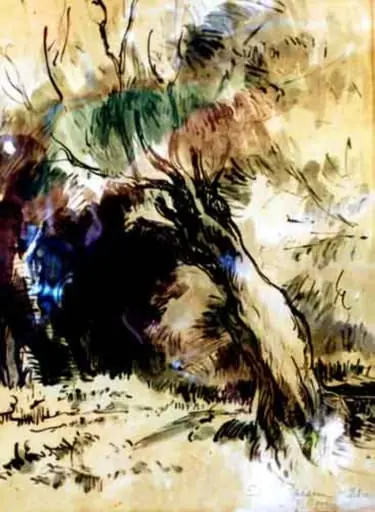
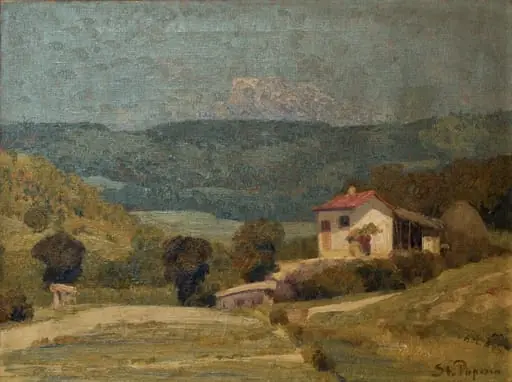
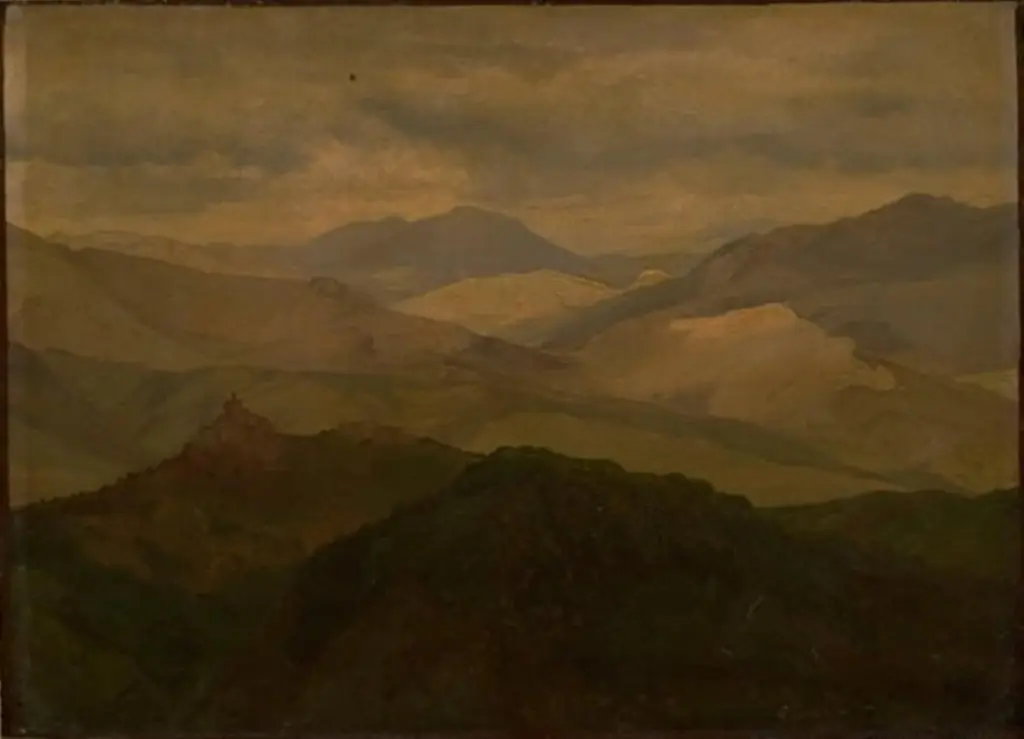
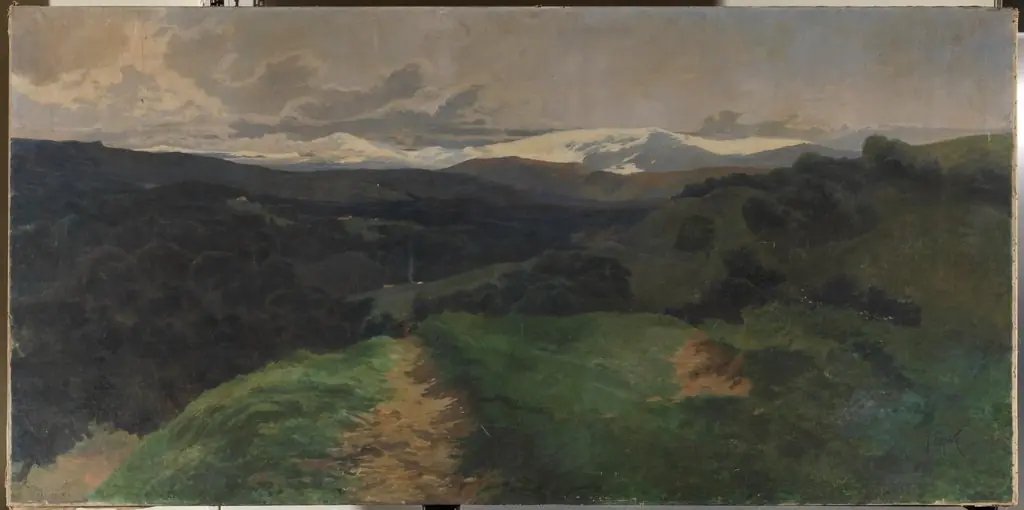
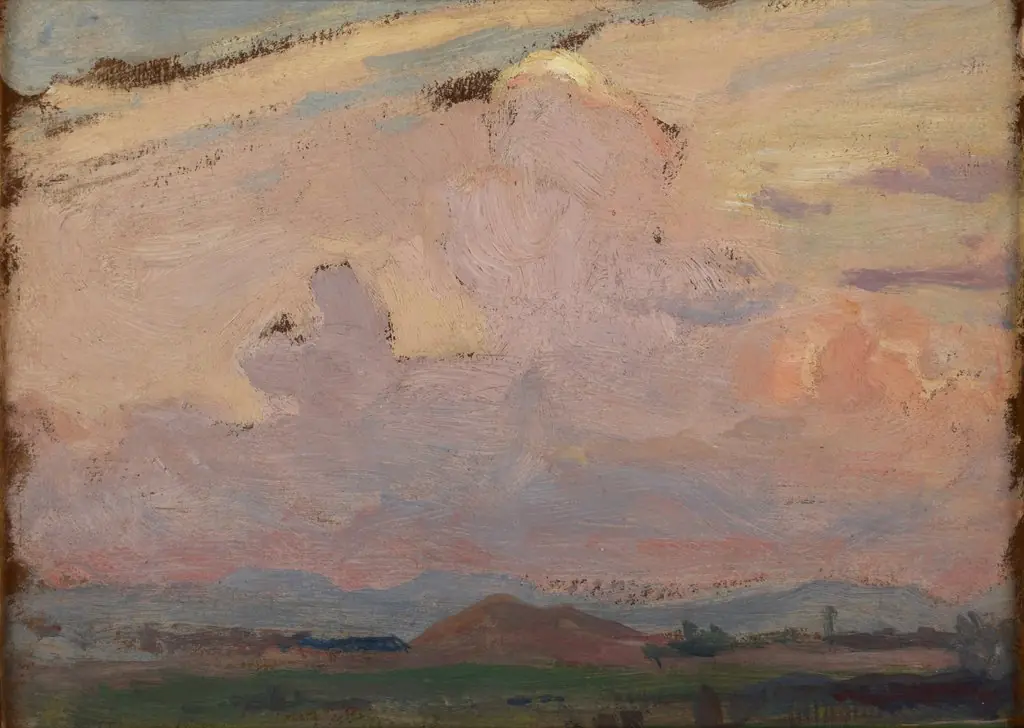
Peisaj pe Valea Râmnicului is an unspecified painting by the Romanesque artist Ștefan Popescu. It dates from 1911 and is held in the collection of the Octavian Moșescu Râmnicu Sărat Municipal Museum.
About this work
Overview
It presents a quiet, undisturbed view of rural terrain, emphasizing natural harmony over human intervention.
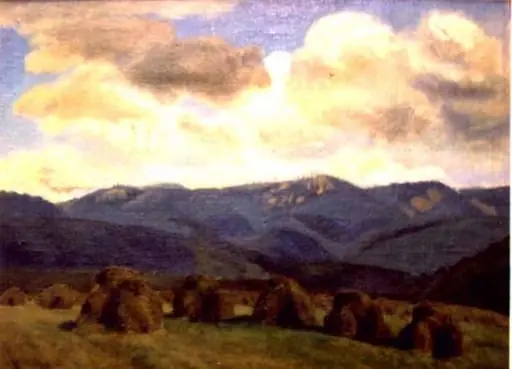
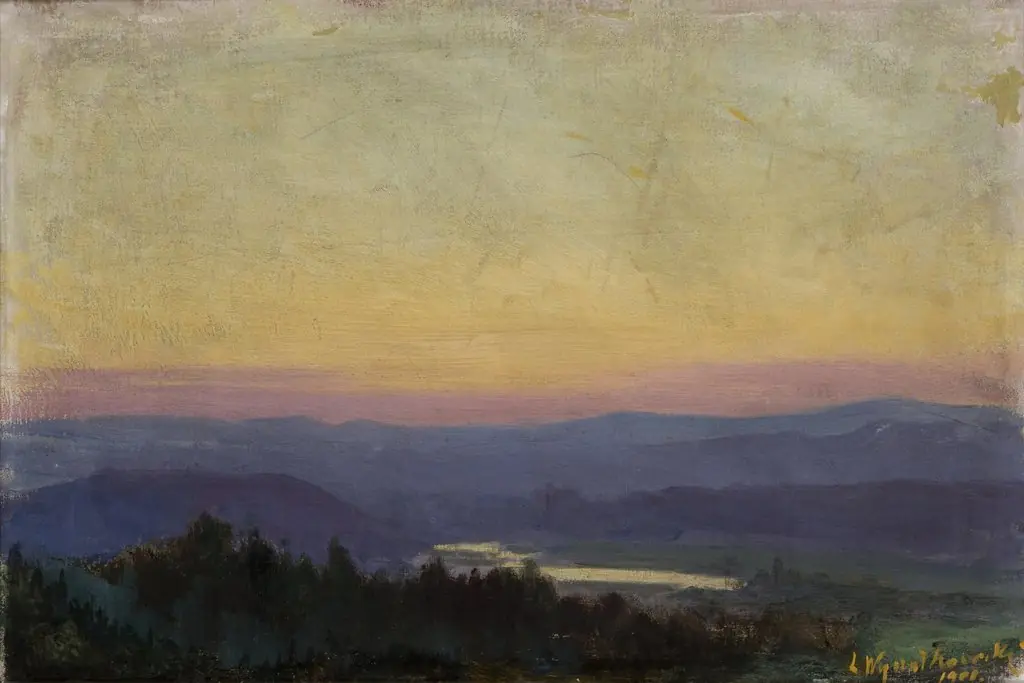
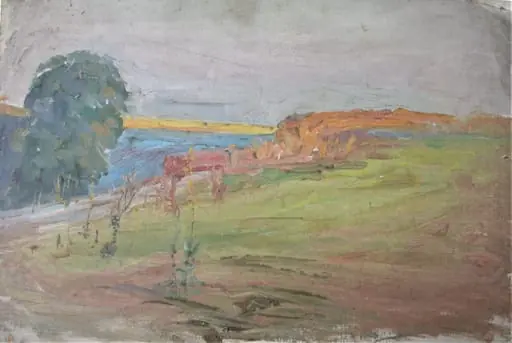
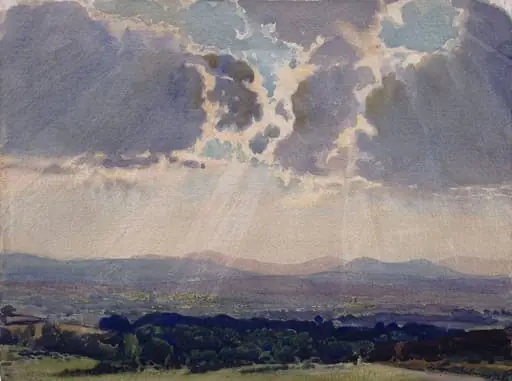
Painted in 1911 by Ștefan Popescu, this landscape captures the Valea Râmnicului region in Romania. Executed in oil on canvas, the work is part of the permanent collection at the Museum of Ethnography. It presents a quiet, undisturbed view of rural terrain, emphasizing natural harmony over human intervention. The composition balances open sky with layered earth, inviting contemplation rather than narrative.
Subject & Meaning
The scene portrays a tranquil valley framed by distant hills, dotted with cultivated fields and patches of woodland. A modest structure in the foreground suggests human habitation, but it is subsumed into the landscape rather than dominating it. The absence of figures or activity reinforces a sense of stillness, reflecting an idealized vision of rural life rooted in observation rather than sentiment.
Technique & Style
Popescu employs soft, blended brushwork to render the sky and terrain, avoiding sharp edges. Light is diffused evenly, creating subtle gradations between shadow and highlight that suggest atmospheric depth. The palette is muted, earthy greens, pale blues, and warm ochres, enhancing the quiet mood. The handling of clouds and foliage shows attention to natural variation without dramatic contrast.
History & Provenance
The painting was completed in 1911 and entered the collection of the Museum of Ethnography shortly thereafter. It remained largely unexhibited until the mid-20th century, when Romanian art historians began reevaluating regional landscape traditions. Its preservation in an ethnographic institution, rather than a fine arts museum, reflects its perceived role as a document of place and rural culture.
Context
Created during a period of growing national interest in Romanian rural identity, the work aligns with broader cultural efforts to record and preserve traditional landscapes. While urban centers modernized, artists like Popescu turned to the countryside as a source of authenticity. This painting contributes to a quiet, non-revolutionary strand of Romanian art focused on observation over ideology.
Legacy
Though not widely reproduced or celebrated in mainstream art histories, the painting remains a representative example of early 20th-century Romanian landscape painting. It informs scholarly understanding of how regional artists engaged with their environment without romanticizing it. Its presence in an ethnographic context continues to shape how it is interpreted, as a record of place, not merely aesthetic form.
Artist & collection
Artist
Ștefan Popescu painted quiet scenes from the 1920s, blending everyday places with soft light.
Museum
Octavian Moșescu Râmnicu Sărat Municipal Museum
Continue through works from the same source collection.