Artwork
Salem Cove
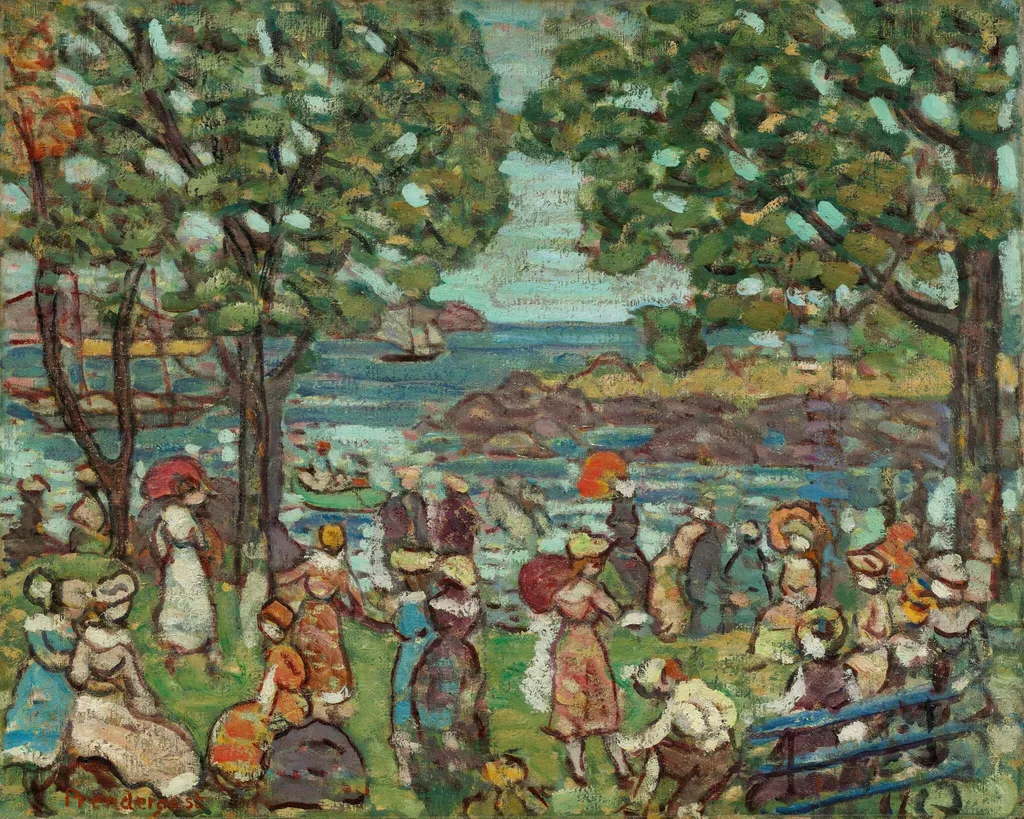
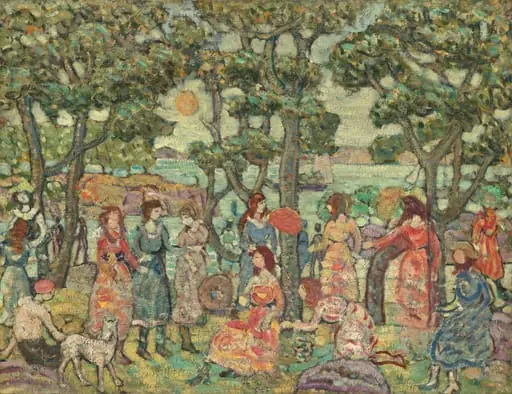
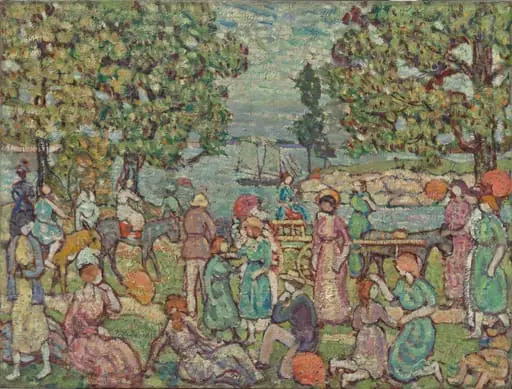
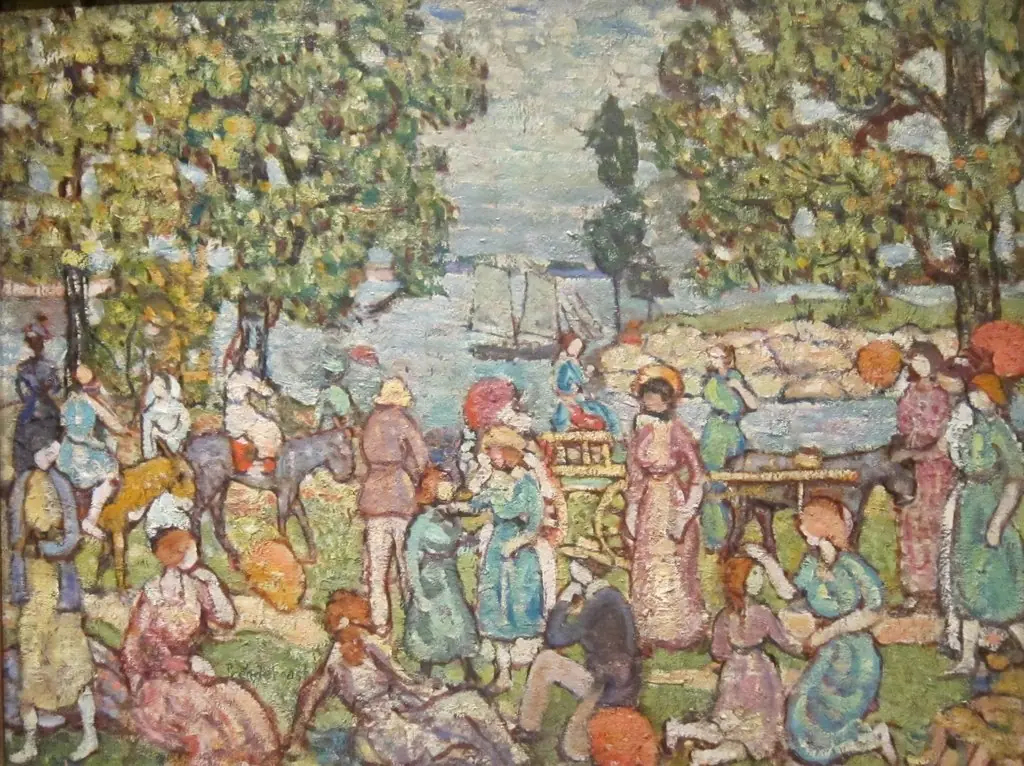
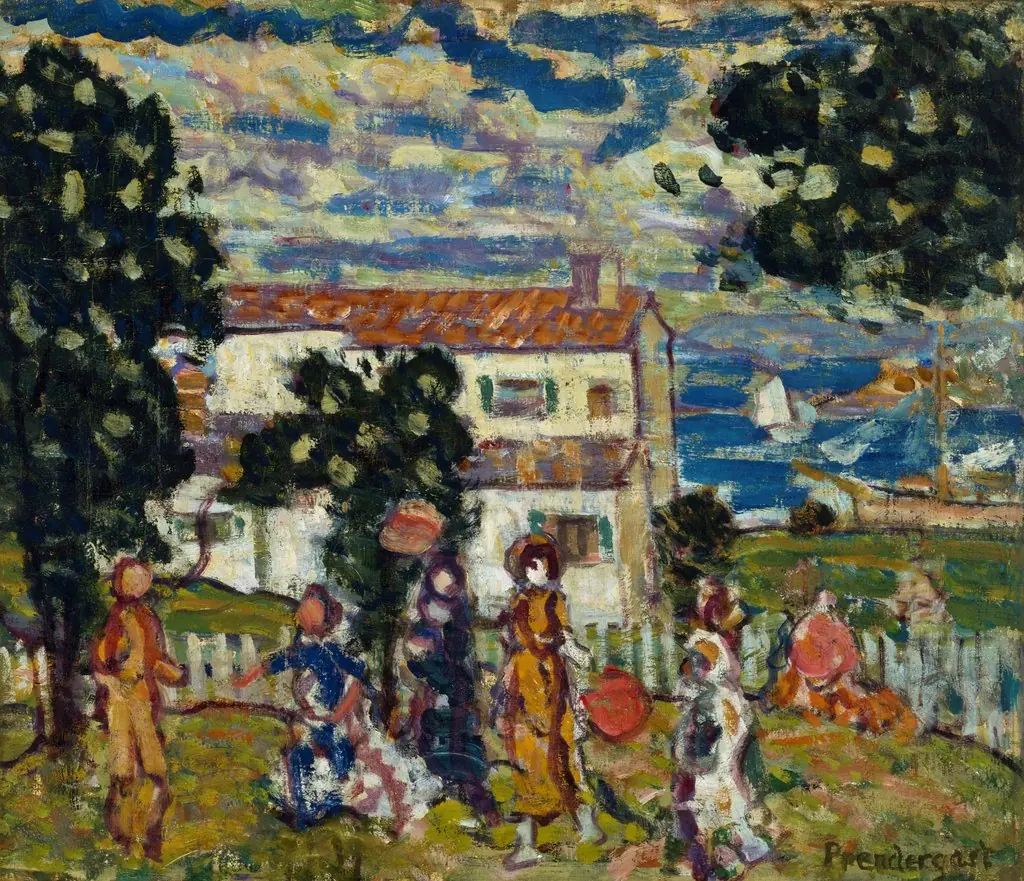
Salem Cove is an oil painting by the Post-Impressionist artist Maurice Prendergast. It dates from 1916 and is held in the collection of the National Gallery of Art.
- Inscription
- Inscribed:lower left: Prendergast
About this work
Subject & Meaning
The tree functions as a visual focal point, linking the coastal inlet to broader themes of isolation and continuity within Prendergast’s later landscape oeuvre.
Salem Cove presents a stylized natural setting dominated by a solitary tree that anchors the composition. The tree functions as a visual focal point, linking the coastal inlet to broader themes of isolation and continuity within Prendergast’s later landscape oeuvre. By rendering the tree with simplified forms and flattened perspective, the artist emphasizes the flatness of the painted surface while suggesting an underlying symbolic order; the solitary trunk can be read as a metaphor for endurance amidst changing tides.
The work’s subject, a quiet, unpopulated shoreline framed by this emblematic tree, conveys a contemplative mood, inviting viewers to consider the interplay between environment and personal reflection.
Technique & Style
Salem Cove is an oil painting on canvas created in 1916 by Maurice Prendergast. The work is classified as a landscape and represents a tree, as indicated by its genre and depicted subject. Its support consists of a canvas ground prepared for oil paint, and the surface is built up with layered applications of oil pigment, a technique typical of the period.
The composition is organized around the central tree, rendering a flattened, decorative space that emphasizes outline and color over naturalistic rendering.
History & Provenance
Maurice Prendergast painted Salem Cove in 1916 in oil on canvas. The work remained in the artist's possession until his death in 1924, when it was gifted to his brother, Charles Prendergast, in Westport, Connecticut. Following Charles's death in 1948, the painting passed by inheritance to his wife, Eugenie Prendergast, also of Westport.
In June 1984, Mr. and Mrs. Paul Mellon of Upperville, Virginia, acquired the painting, then donated it in 1985 to the National Gallery of Art in Washington, D.C., where it remains.
Salem Cove is held in the collection of the National Gallery of Art in Washington, D.C. The work entered the museum's holdings in 1985 as a gift from Mr. and Mrs. Paul Mellon of Upperville, Virginia, who had purchased it the previous year. Prior to this acquisition, the painting remained within the artist's family; it was gifted by Maurice Prendergast to his brother, Charles Prendergast, in 1924, and subsequently inherited by Charles's wife, Eugenie Prendergast. The provided sources detail this chain of ownership but do not list specific inventory accession numbers or record any public exhibition history for the work.
Overview
Maurice Brazil Prendergast, an artist of Newfoundlander-American heritage, created Salem Cove around 1916. This oil-on-canvas painting depicts a tranquil coastal landscape, characterized by a prominent tree overlooking the water. The work exemplifies Prendergast's distinctive approach to color and form, often associated with Post-Impressionist tendencies.
Context
Although Maurice Prendergast was a member of The Eight, a collective of American artists active in the early 20th century often linked to the Ashcan School, his artistic approach diverged significantly. While The Eight frequently depicted urban realism, Prendergast's focus on vibrant, color-driven landscapes like Salem Cove set him apart stylistically from the group's predominant themes.
Own this work as a print
Artist & collection
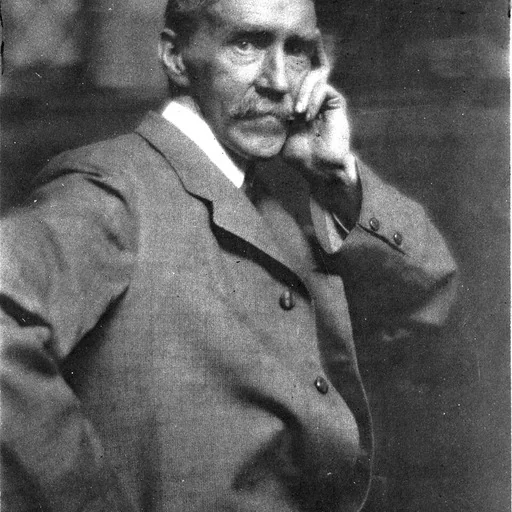
Artist
Maurice Brazil Prendergast (October 10, 1858 – February 1, 1924) was a Newfoundlander-American artist who painted in oil and watercolor, and created monotypes.