Artwork
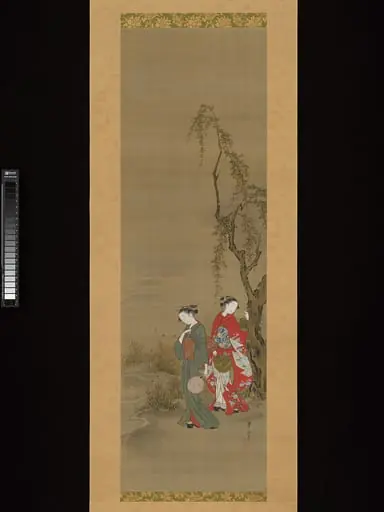
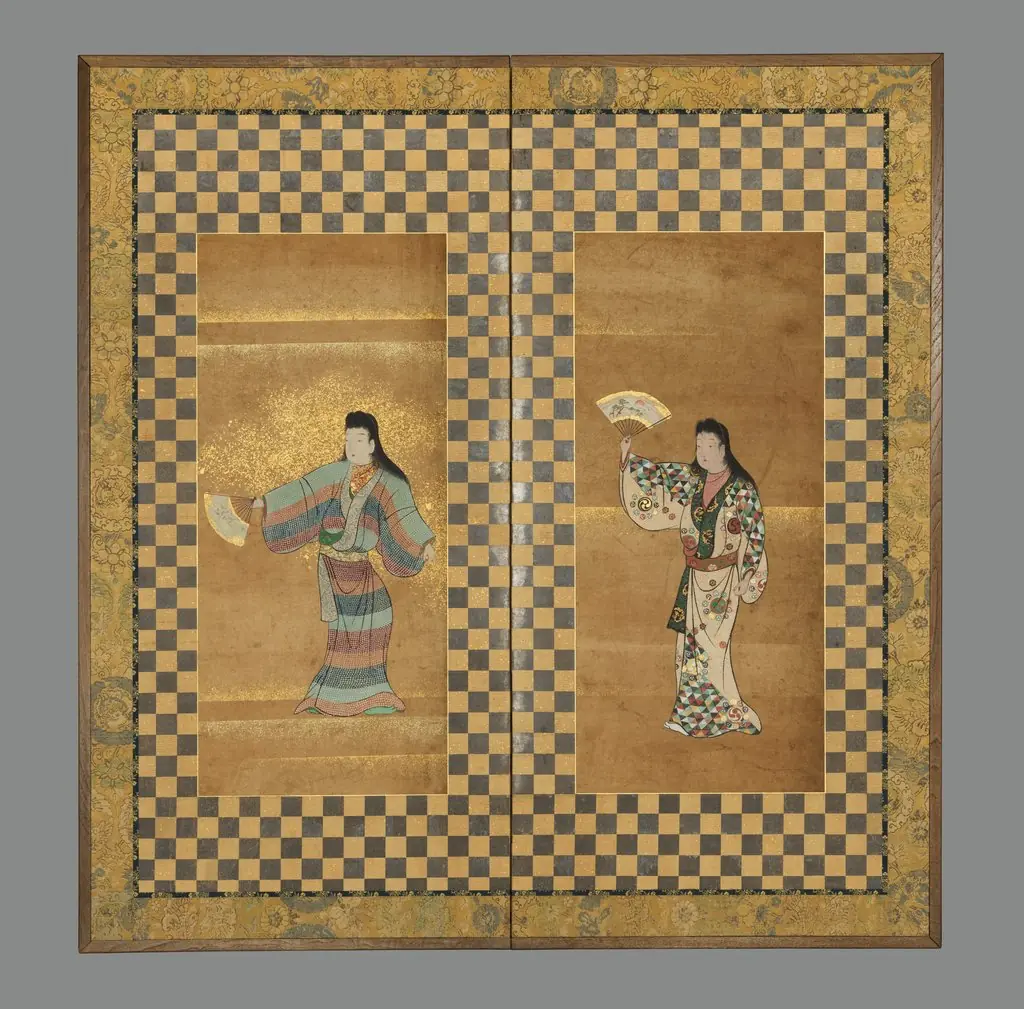
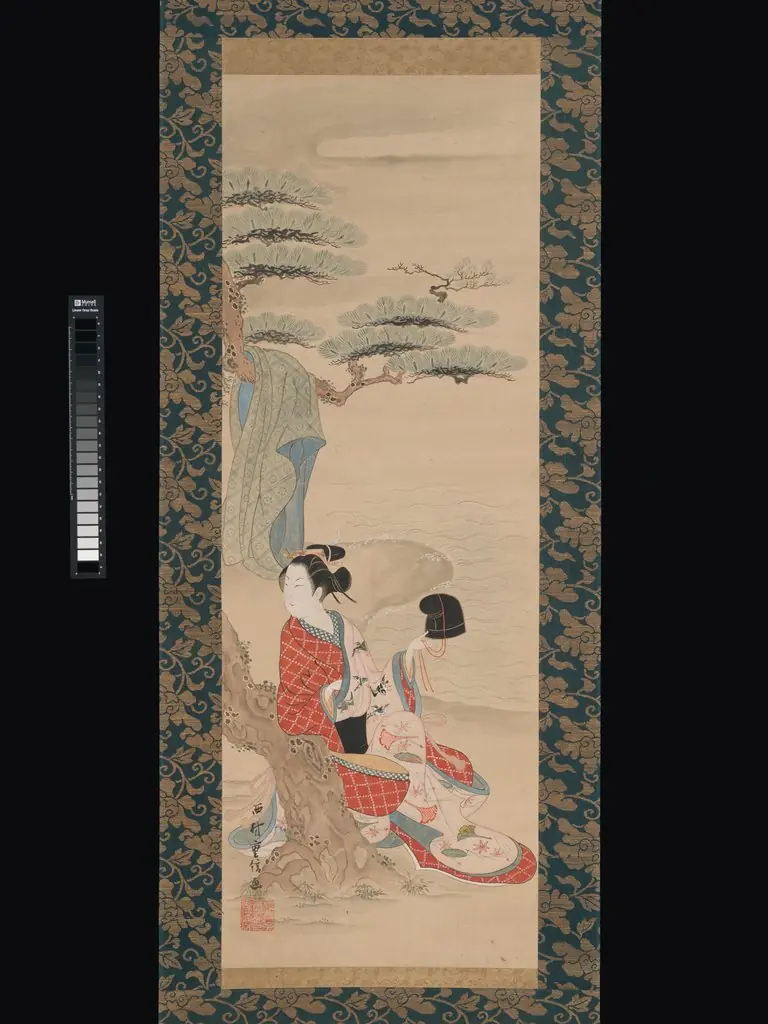
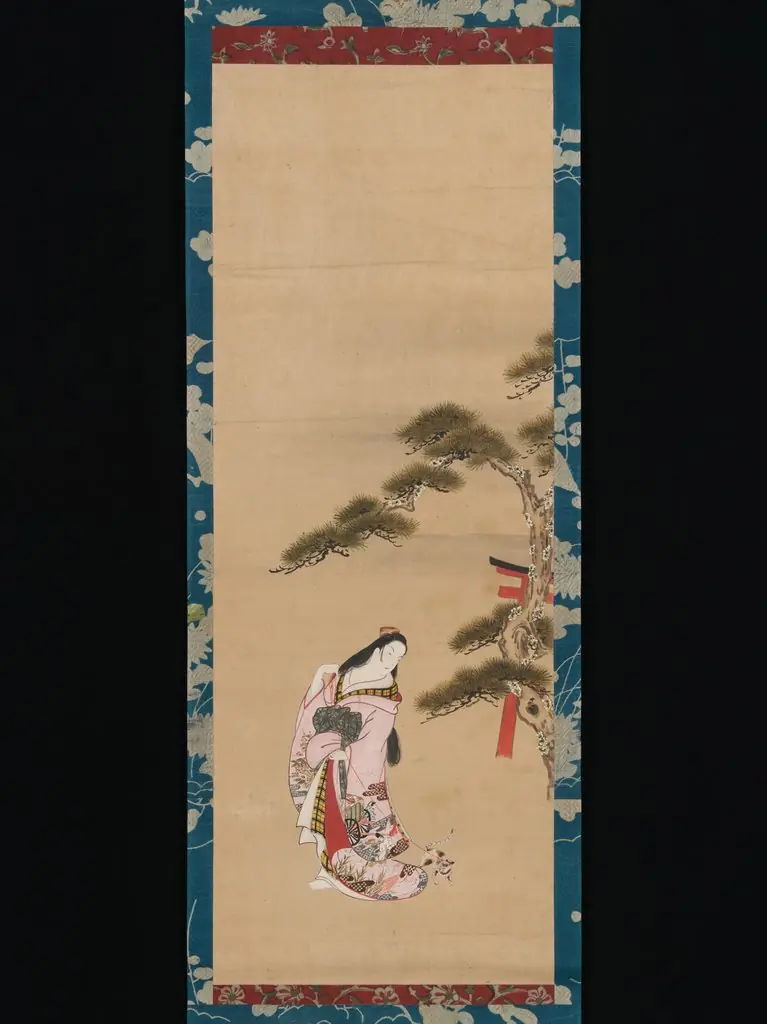
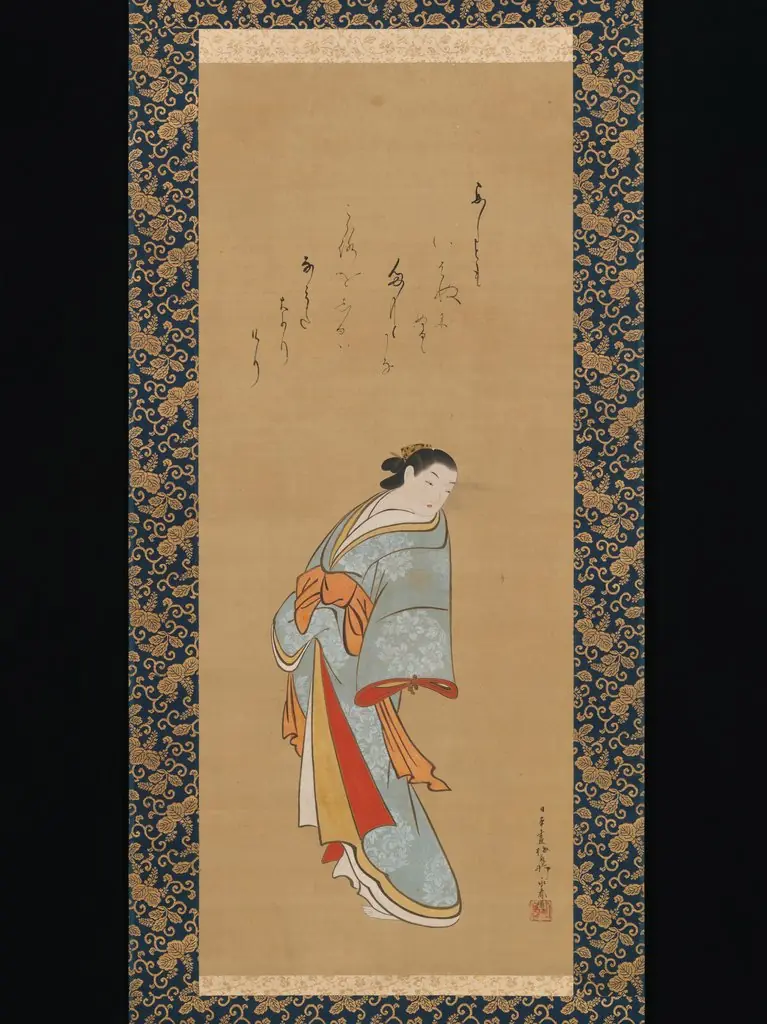
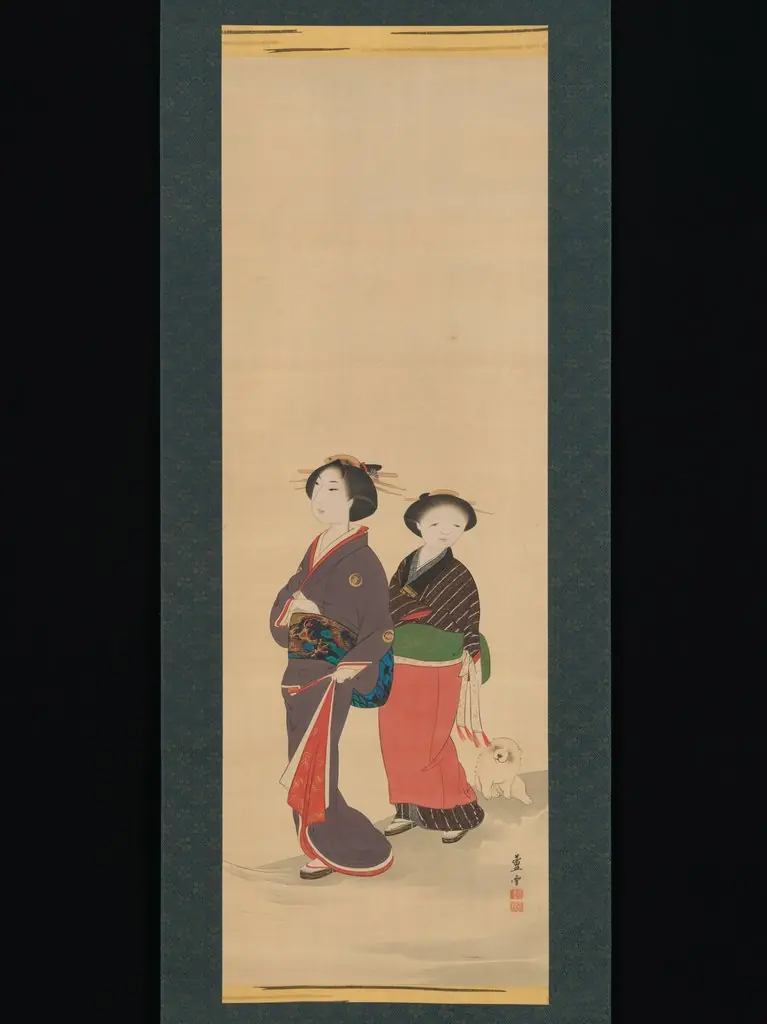
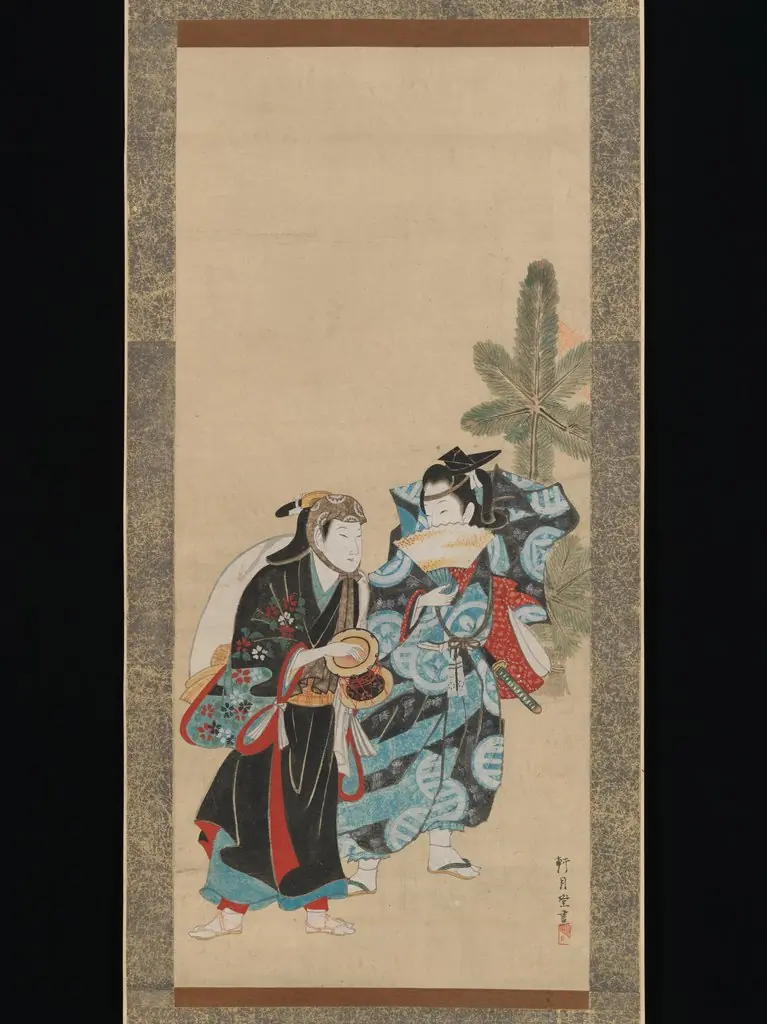
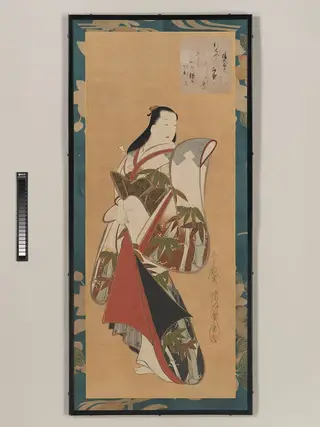
Shirabyōshi Dancer and Female Servant; Courtesan and Girl Attendant
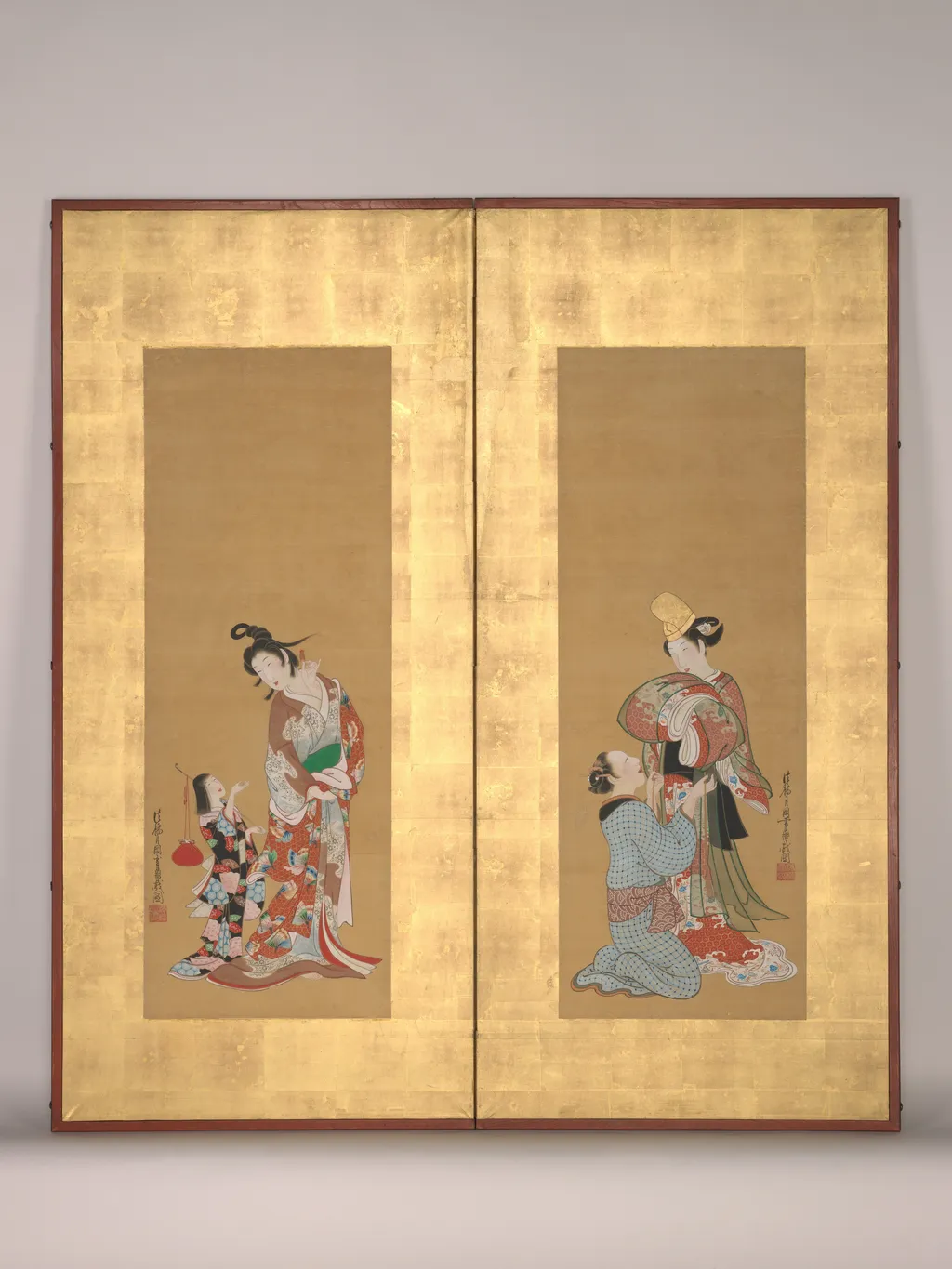
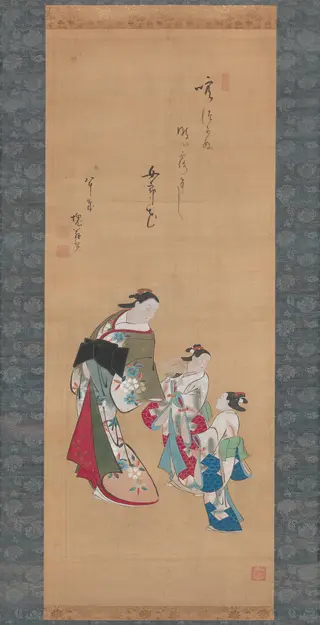
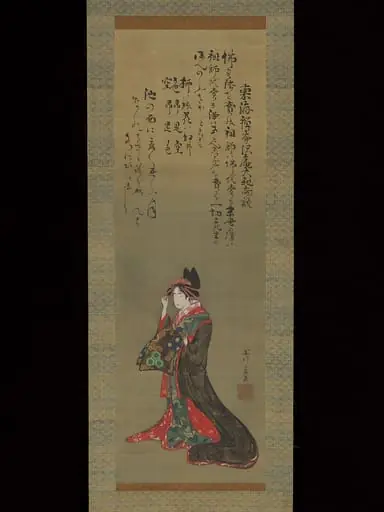
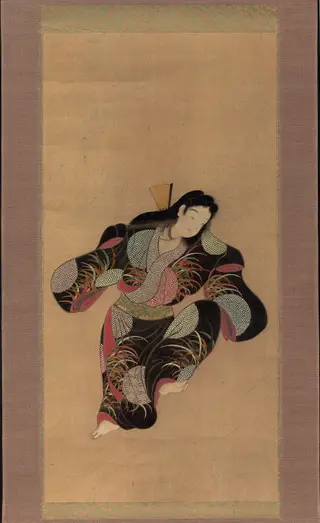
Shirabyōshi Dancer and Female Servant; Courtesan and Girl Attendant is an unspecified painting by the Ukiyo-e artist Tsukioka Settei. It dates from 1750 and is held in the collection of the Metropolitan Museum of Art.
About this work
Subject & Meaning
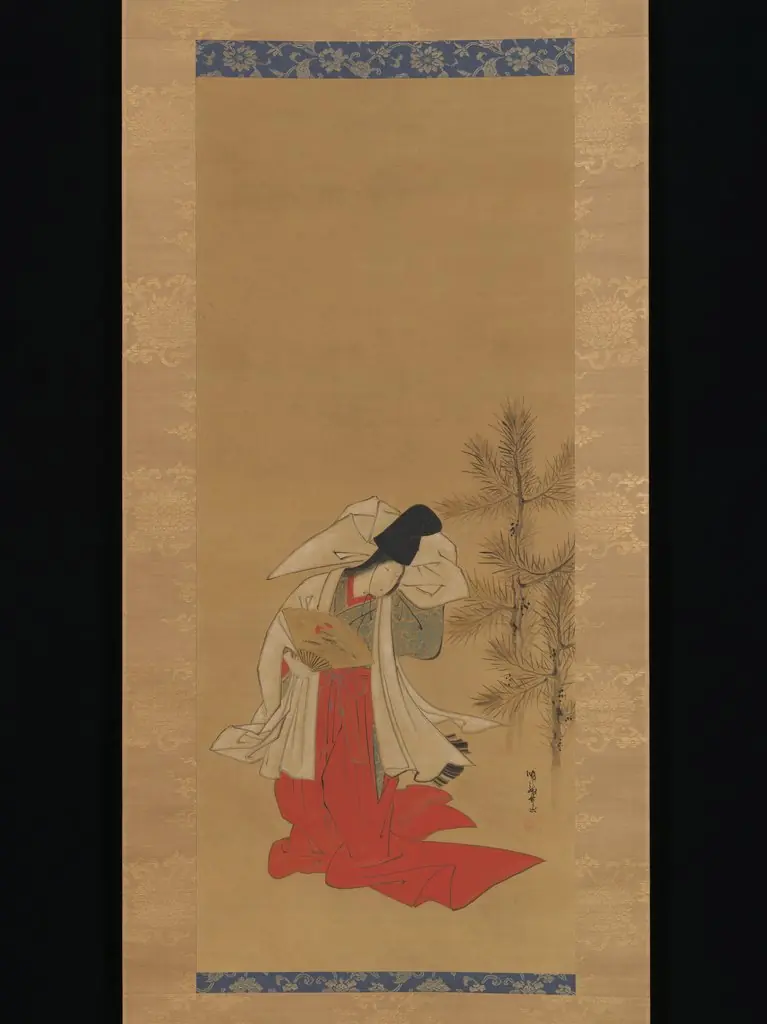
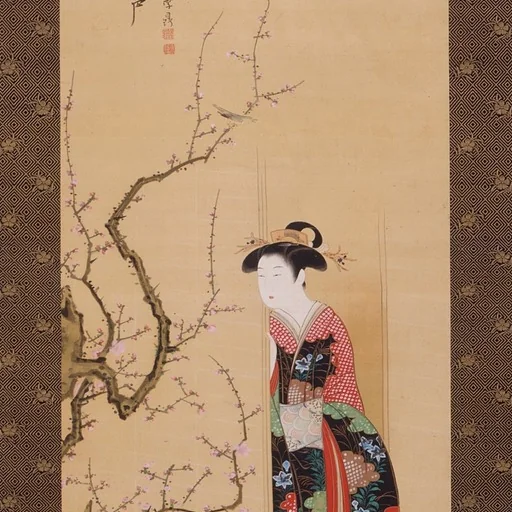
The painting depicts a Shirabyōshi dancer accompanied by a female servant, a subject that also appears under the alternative title Courtesan and Girl Attendant.
The painting depicts a Shirabyōshi dancer accompanied by a female servant, a subject that also appears under the alternative title Courtesan and Girl Attendant. Created by Tsukioka Settei in 1750, the work illustrates figures associated with the entertainment districts of Edo-period Japan. The Shirabyōshi were female dancers known for performing in white robes and masks, often serving as courtesans or entertainers.
The composition focuses on the relationship between the performer and her attendant, highlighting the social roles and attire specific to this class of women in 18th-century Japanese culture.
Technique & Style
Created by Tsukioka Settei in 1750, this work is classified as a painting originating from Japan. The piece is currently held in the collection of the Metropolitan Museum of Art. While the specific pigments, binding medium, or support material are not detailed in the available records, the work is recognized as a painted surface from the mid-eighteenth century. The classification as a painting distinguishes it from other print or sculptural forms common to the period.
History & Provenance
The painting Shirabyōshi Dancer and Female Servant; Courtesan and Girl Attendant by Tsukioka Settei is dated to 1750, which serves as the canonical year for its creation.
The work entered the collection of the Metropolitan Museum of Art, where it is currently held. Its provenance prior to the museum’s acquisition is not documented in the provided sources.
The painting Shirabyōshi Dancer and Female Servant; Courtesan and Girl Attendant by Tsukioka Settei is held in the collection of the Metropolitan Museum of Art. Created in Japan in 1750, the work is part of the museum's permanent holdings. The provided sources do not list a specific inventory or accession number for this piece, nor do they document any history of exhibitions for the artwork.
Overview
Created around 1750 by the Edo‑period painter Tsukioka Settei, this hanging scroll depicts two pairs of women arranged against a flat gold backdrop. The work is part of the collection of the Metropolitan Museum of Art. Each pair consists of a taller, elaborately dressed figure accompanied by a smaller attendant, forming a balanced composition that draws the eye across the surface.
Own this work as a print
Artist & collection
Artist
Tsukioka Settei (月岡 雪鼎, 1710 – 22 January 1787) was a Japanese ukiyo-e artist. Settei was born in Ōmi Province and studied painting in Osaka in the style of the Kanō school under Takada Keiho. He was strongly influenced…