
Subject
Gold
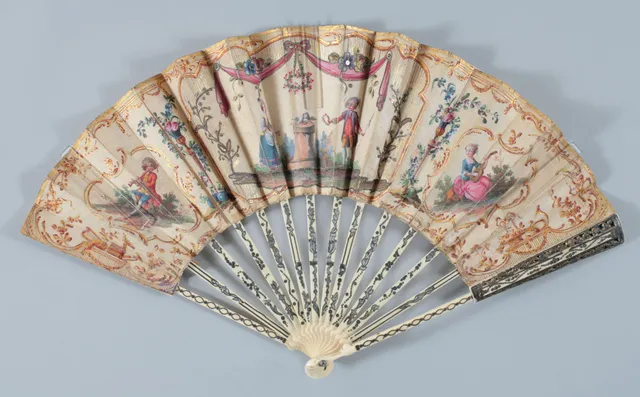
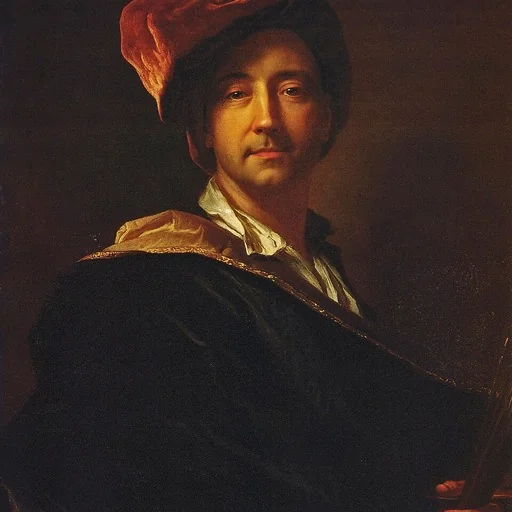
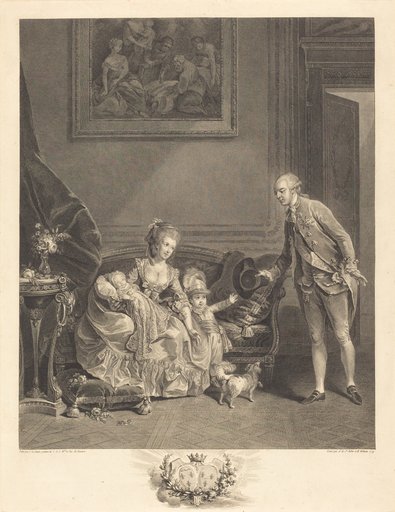
Gold is a subject in art. The gallery holds 99 works in this subject in art, including works by Giovanni Battista Tiepolo, Rigaud Hyacinthe and Augustin de Saint-Aubin.
Few materials carry the symbolic weight that gold has borne in art. Prized since antiquity for its incorruptible lustre—it does not tarnish—gold became the natural medium for signalling the sacred, the royal, and the eternal. The ancient Egyptians were among the first to master gilding, beating the metal into wafer-thin leaf to clad funerary objects, but it was Byzantine artists from roughly the fifth century onward who established gold as the dominant pictorial language of holiness. The "gold ground"—a solid field of burnished gold standing in for earthly space—filled mosaics, illuminated manuscripts, and panel icons, dissolving the physical world into a timeless, light-filled realm.
Technically, gold-ground work was painstaking. Over a smoothed gesso surface artists laid a reddish clay called bole, then applied gold leaf so thin it was nearly transparent, finally burnishing it to a mirror shine whose warmth was deepened by the clay beneath. This Byzantine practice passed directly into Italy, where early Renaissance masters such as Cimabue and Duccio used gilding in altarpieces to mark the divinity of their subjects. Gold also flourished in three dimensions: Renaissance portrait medallists like Pastorino da Siena (c. 1508–1592), one of the most prolific of the age, cast likenesses in gilded bronze and precious metal, a tradition our collection reflects in his profile of Lucrezia de' Medici.
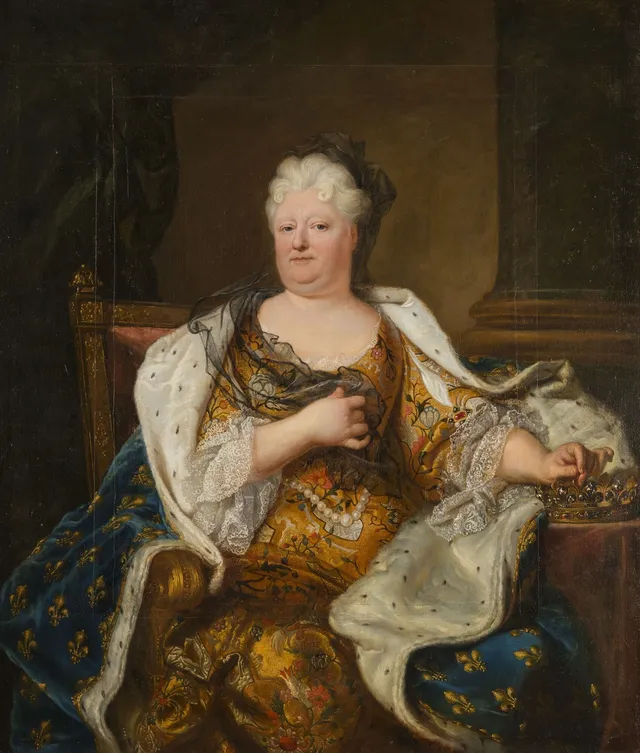
As religious gold grounds receded, the metal migrated into the trappings of power. Baroque grand-manner portraiture—Hyacinthe Rigaud's state images of Louis XIV and Princess Palatine among them—deployed gilded thrones, embroidery, and regalia to dramatize sovereignty. In the decorative arts, ormolu and gilt framing carried the same association of luxury and authority into the eighteenth century.
The modern era reinvented gold rather than abandoning it. After seeing the Byzantine mosaics of Ravenna's San Vitale in 1903, Gustav Klimt launched his celebrated "Golden Phase," using gold and silver leaf in works like The Kiss (1907–08) to suspend his figures in shimmering, otherworldly space. In the same years, the sculptor Augustus Saint-Gaudens designed the 1907 Double Eagle twenty-dollar gold piece—Liberty striding before the sun's rays—often called the most beautiful of American coins. From icon to coinage, gold endures as art's preeminent emblem of value and transcendence.
Key artists
Iconography & meaning
Gold carries layered symbolic meanings that shift across cultural and religious contexts. In pre-Columbian societies, indigenous cultures often regarded gold as a sacred substance rather than a source of wealth. The Inca royal family, for instance, claimed descent from the sun and moon, and described gold as the sweat of the sun and silver as the tears of the moon. This cosmological understanding positioned gold as a divine material connecting the earthly and celestial realms. In many pre-Hispanic Colombian societies, gold objects served religious ceremonies, burial rites, and political rituals, worn by chiefs and shamans as emblems of power and authority. The intricate designs on such objects depicted animals, deities, and mythological scenes, reflecting complex belief systems. In European artistic traditions, gold backgrounds in medieval and Renaissance painting signified the divine and the eternal, while gold coinage and regalia communicated sovereign power and economic might. The metal's imperishability made it a natural symbol of immortality and the sacred across disparate cultures.
Across movements & periods
The treatment of gold in art and material culture varies dramatically across movements, periods, and cultures. In pre-Columbian Colombia, goldsmiths developed sophisticated techniques including lost-wax casting and hammering, working primarily with tumbaga, an alloy of gold, silver, and copper. The Museo del Oro in Bogotá, founded in 1939 and housing over 55,000 pieces, preserves this tradition across cultures including the Calima, Quimbaya, Muisca, Zenú, Tierradentro, San Agustín, Tolima, Tairona, and Urabá. Each culture developed distinctive styles and symbolic vocabularies. The museum's 2008 renovation reorganized the permanent exhibition into thematic rooms, reflecting evolving scholarly and public understanding of these objects. In European contexts, gold's use shifted from medieval altarpieces and illuminated manuscripts to Renaissance portrait medals and Baroque state regalia. The Smithsonian Institution's collections trace this trajectory from ancient civilizations through the present, with the National Museum of Natural History holding mineral specimens, the National Museum of African Art preserving gold jewelry, and the National Museum of American History maintaining objects such as the gold nugget associated with the California Gold Rush and Abraham Lincoln's gold pocket watch. These institutional collections demonstrate how gold's significance persists across temporal and geographic boundaries, even as its specific meanings and applications transform.
Notable depictions
Several individual works and artists stand out in the history of gold as an artistic subject and medium. The Poporo Quimbaya, a ceremonial lime container, was the first object acquired for what would become the Museo del Oro's collection and has been on exhibition for 70 years. The Muisca Raft, also known as the Golden Raft of El Dorado, discovered in 1969 in a cave near Pasca, represents the ceremony of the new zipa of Muyquytá and serves as the basis for the El Dorado myth. This small gold and copper alloy model, dating to approximately the 8th or 9th century, depicts a ruler standing at the center of a raft surrounded by principal chieftains adorned with gold and feathers. In the European tradition, the collection includes portraits of monarchs such as Louis XIV and Louis XIII as Dauphin, where gold signifies royal authority. The Double Eagle Twenty Dollar Gold Piece represents the intersection of artistic design and monetary function in American numismatics. The Neptune Offering Gifts to Venice and similar allegorical scenes employ gold to signify divine or political favor. These works, though disparate in origin and purpose, share gold's capacity to communicate transcendent value.
Legacy
The cultural afterlife of gold in art extends far beyond its original contexts. The Museo del Oro has mounted 214 international exhibitions in museums worldwide since 1954, disseminating pre-Columbian artistic traditions to global audiences. In 2022, the museum loaned approximately 400 works to the Los Angeles County Museum of Art for the exhibition The Portable Universe / El Universo en Tus Manos: Thought and Splendor of Indigenous Colombia. The COVID-19 pandemic accelerated digital outreach, with virtual programs, online databases, and remote educational activities expanding access to collections previously limited by geography. The museum's network of six regional museums and 28 cultural centers throughout Colombia, along with its peer-reviewed publication Boletín Museo del Oro, sustains ongoing research and public engagement. Community participation has become increasingly central to curatorial practice, with indigenous cultural leaders, Afro-Colombian communities, and traditional artisans contributing to exhibition development. The Smithsonian's ongoing spotlight on gold across its multiple museums similarly testifies to the subject's enduring institutional and public significance. These developments reflect a broader shift from viewing gold objects primarily as treasures to understanding them as complex cultural documents requiring collaborative interpretation and preservation.
Works
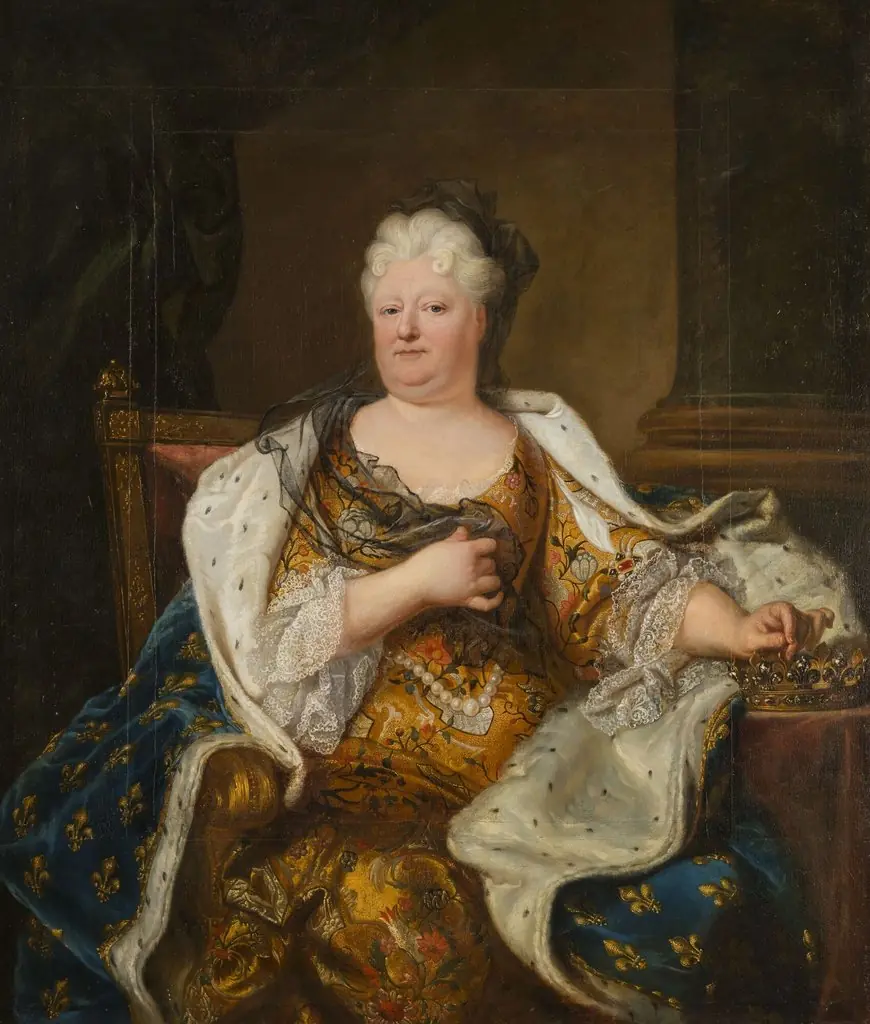 Elizabeth Charlotte, Princess Palatine
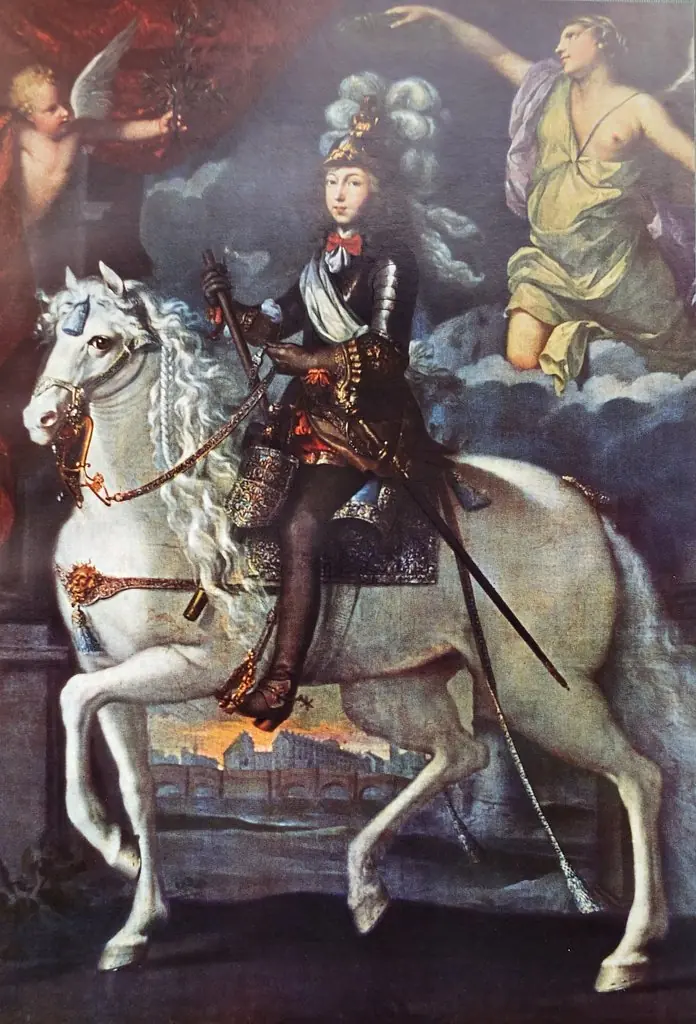 Louis XIV, King of France
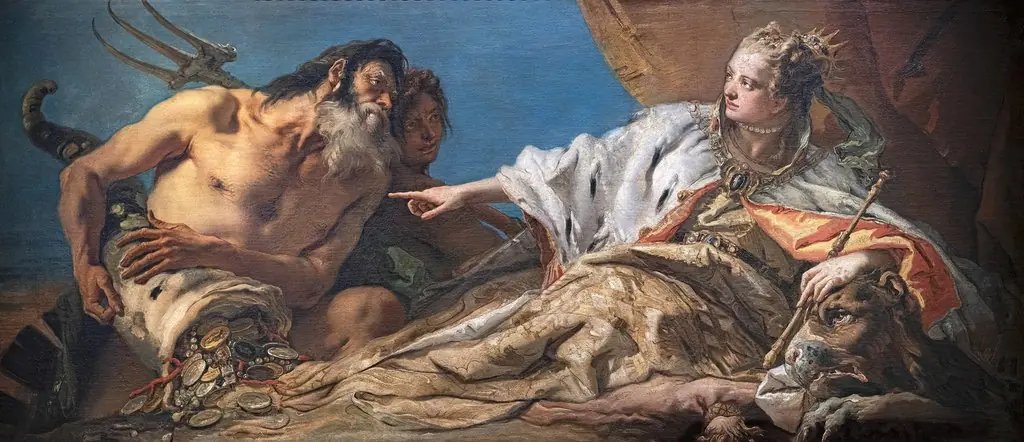 Neptune Offering Gifts to Venice
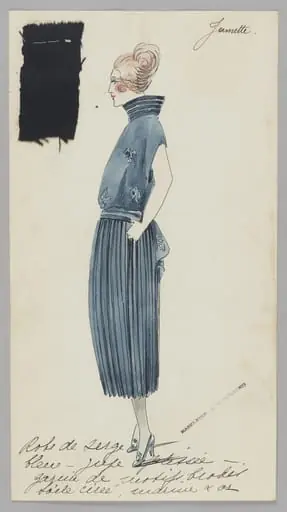 Jeunette
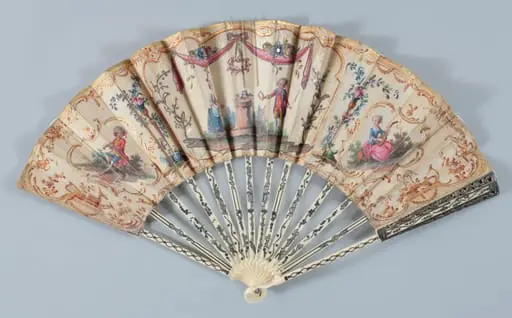 Eventail à système
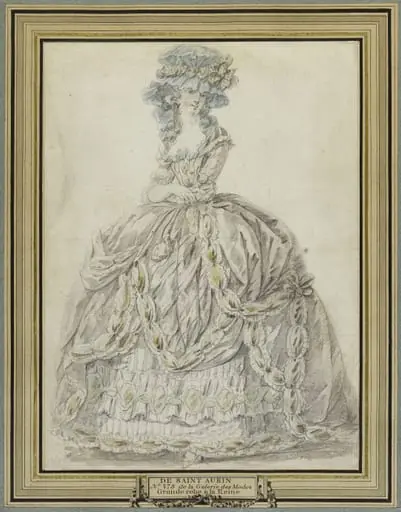 Grande robe à la reine
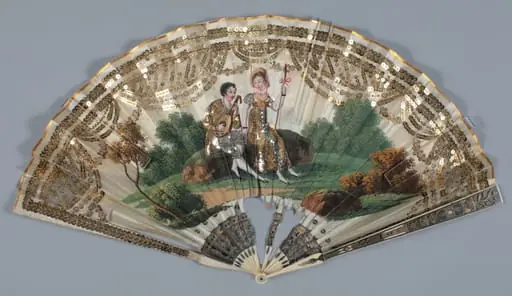 Eventail plié
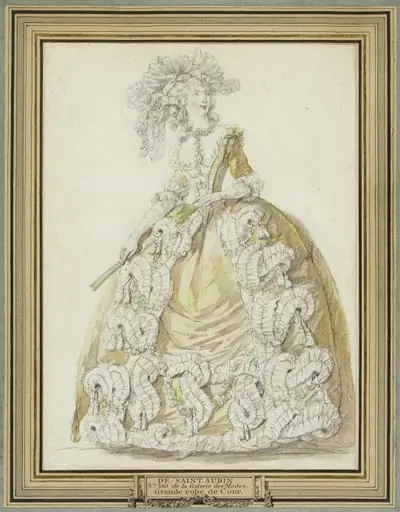 Grande robe de cour
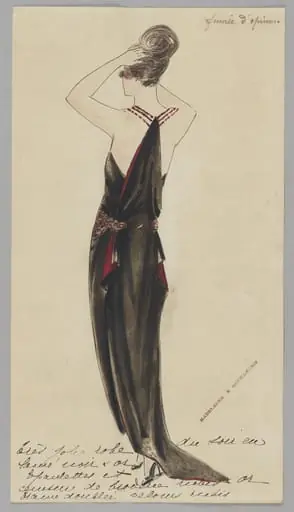 Fumée d'opium
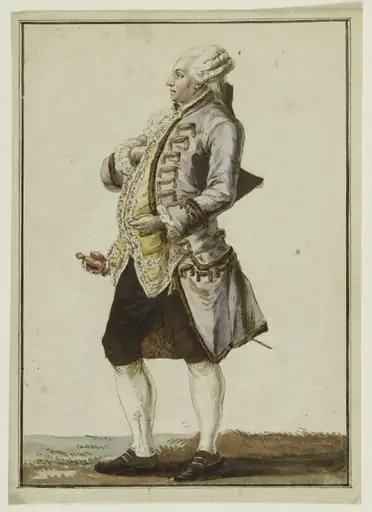 Homme vêtu d'un habit en surtout à brandebourgs de camelot de soie
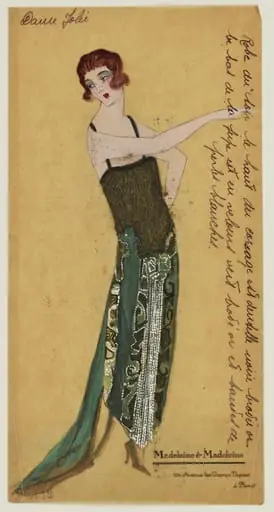 Dame Jolie
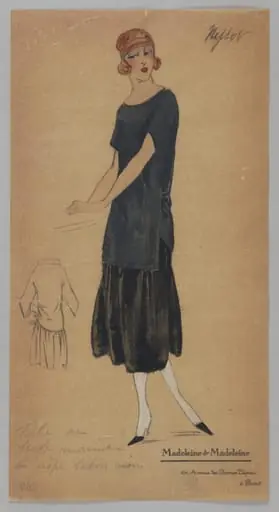 Nyson
Nyson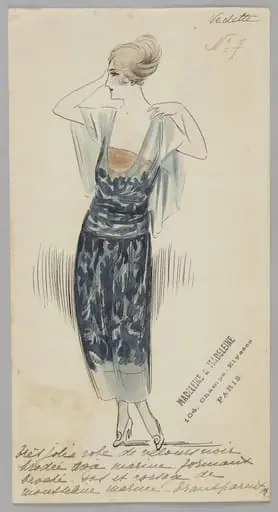 Vedette
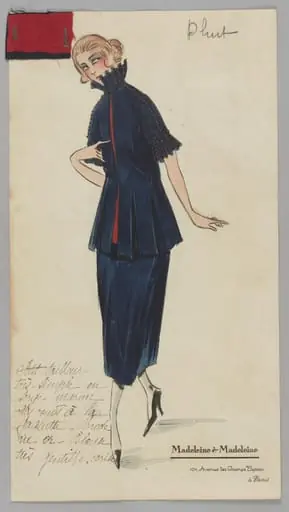 Phut
Phut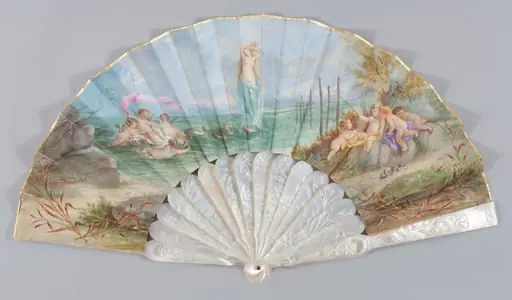 Naissance de Vénus
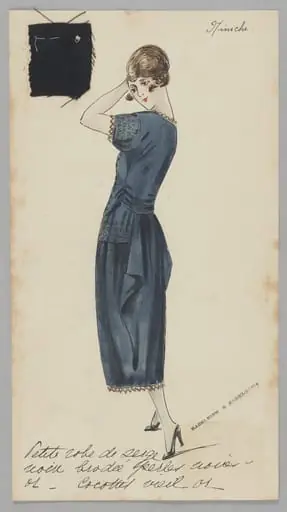 Miniche
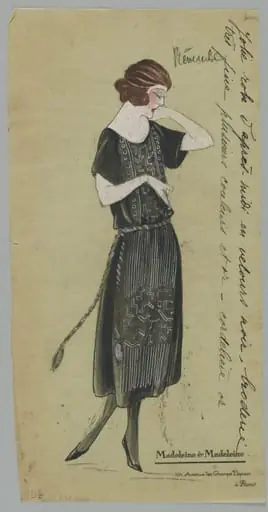 Rêveuse
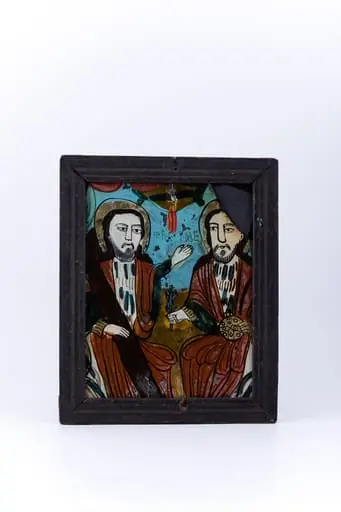 Icoana reprezintă Sfânta Treime. Dumnezeu-Tatăl are globul pământesc bronziu pe genunchi și arătă cu mâna dreaptă, în care are sceptrul împărătesc cu crucea, Bincuvântând întreaga lume. Dumnezeu-Fiul are Crucea pe umărul drept. Dumnezeu-Tatăl și Dumnezeu-Fiul sunt înveșmântați în roșu vermillon-acajou, cu sacosuri albe, dungate cu liniuțe subțiri albastre. Amândoi-dimpreună se sprijină cu picioarele pe o mandorlă de nouri albi-gri, rotunzi și bogați, fiind așezați ca pe un tron împărătesc. Deasupra, în registrul superior este un spațiu luminos de auriu de chihlimbar, din care pe un mănunchi de raze luminoase, se pogoară Sfântul Duh, sub forma porumbelului alb. Astfel este prezentă întreaga Sfântă Treime. Între Dumnzeu-Tatăl, Fiul și Sfântul Duh este un spațiu galben-auriu. Fondul icoanei este cerul albastru cerulem-regal, încadrat de un chenar decorativ geometrizant format din semicercuri roșii, asemenea unor petale de ruje. Inscripția din româno-chirilică se traduce Treime. Cromatica este luminoasă și armonioasă: roșu vermillon-acajou, verde văratic-mușchi de pădure, albastru ceruleum-regal, auriu-bronziu, galben-chihlimbar, gri, brun, alb, negru. Icoana este din Nordul Transilvaniei, Nicula.
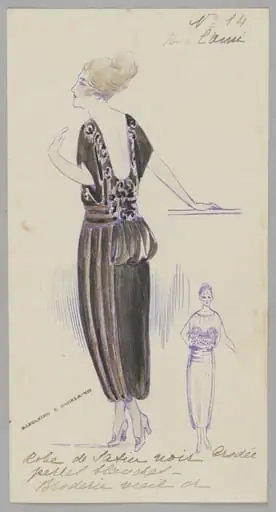 Pour l'ami
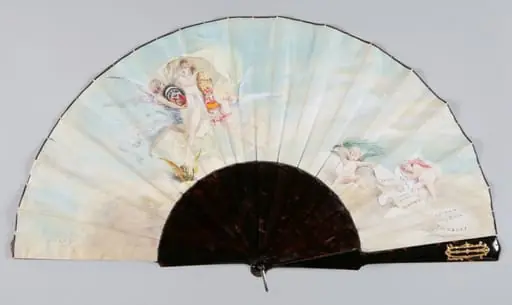 Eventail plié
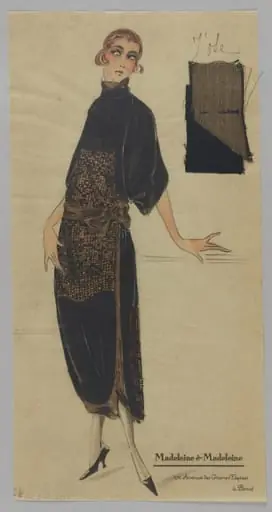 J'ose
J'ose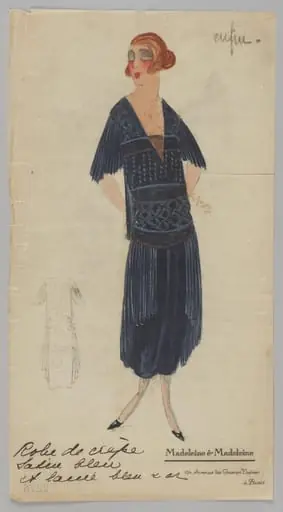 Enfin
Enfin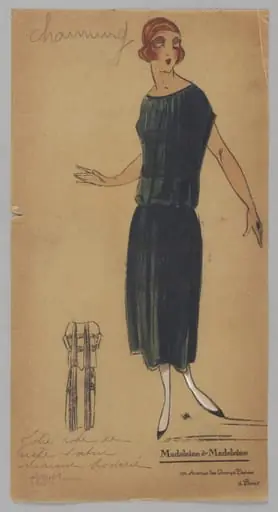 Charming
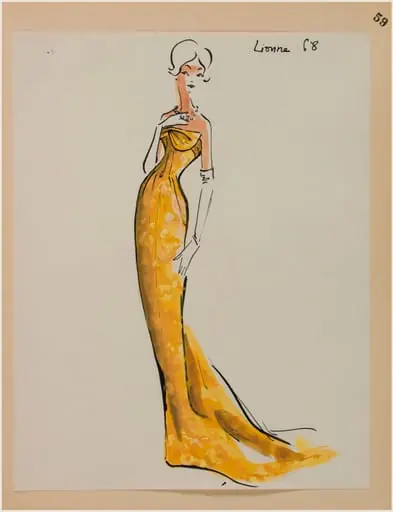 Lionne
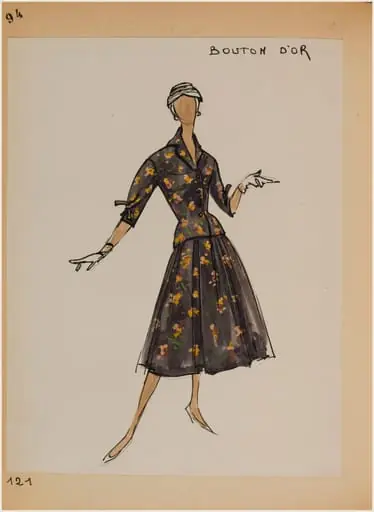 Bouton d'or
![[...]anour d'or](https://artifactworldgallery.com/img/madeleine-madeleine--anour-d-or--60b5322ff614b40b-w320.webp) [...]anour d'or
[...]anour d'or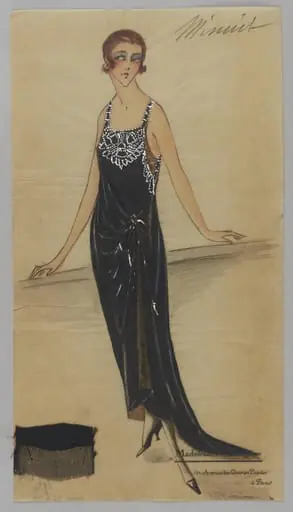 Minuit
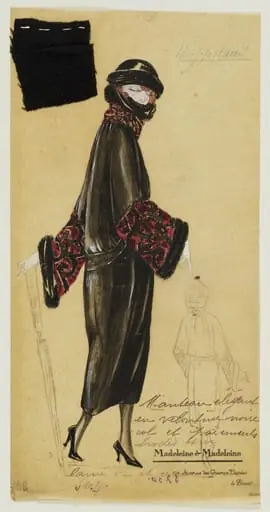 Ensemble de modèles de la collection
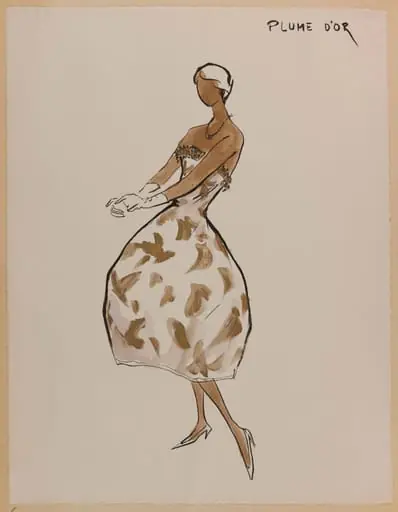 Plume d'or
 Untitled
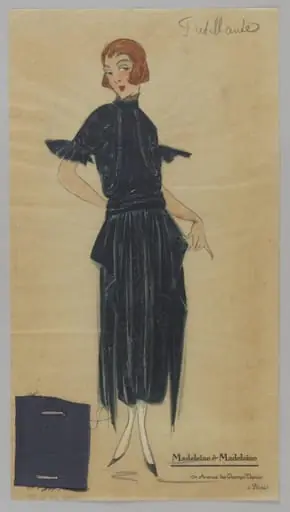 Fretillante
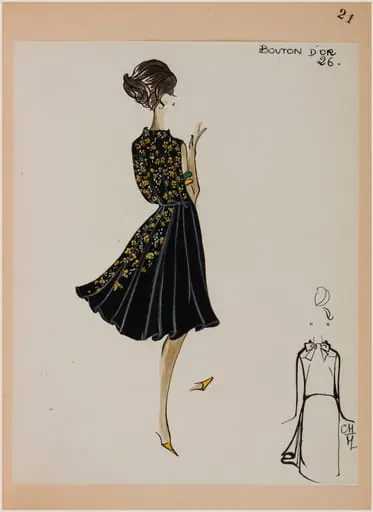 Bouton d'or
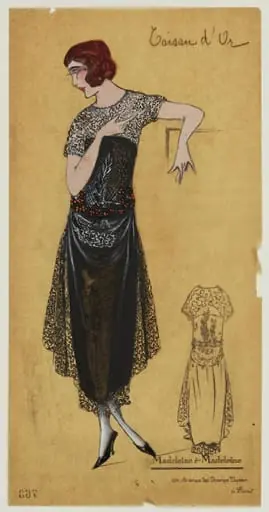 Toison d'Or
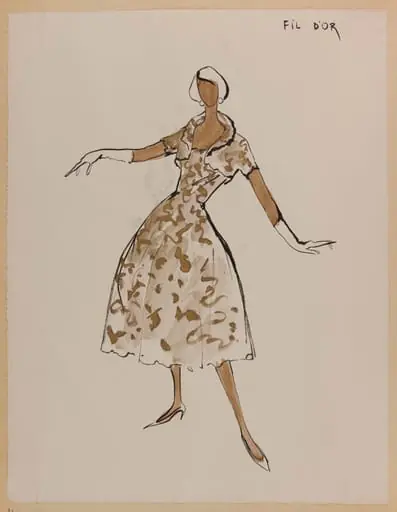 Fil d'or
![[...]anou d'or](https://artifactworldgallery.com/img/madeleine-madeleine--anou-d-or--5e4d4a722f363347-w320.webp) [...]anou d'or
[...]anou d'or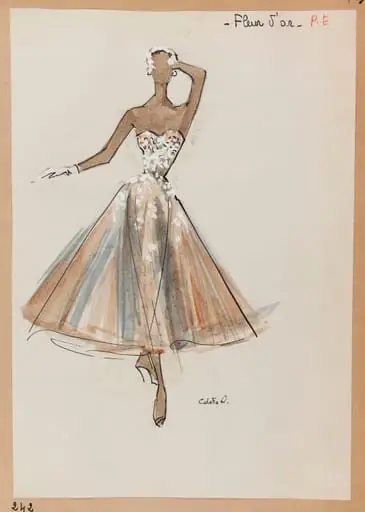 Fleur d'or
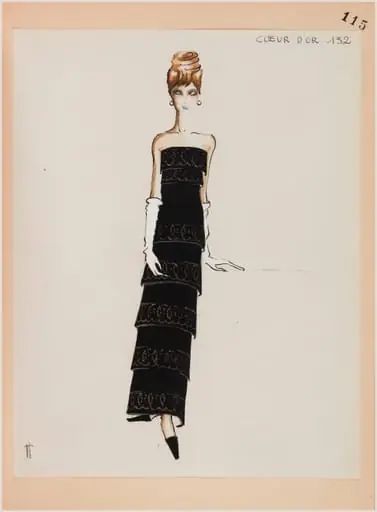 Coeur d'or
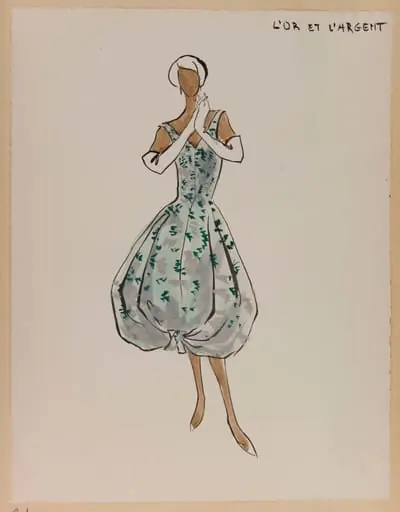 L'or et l'argent
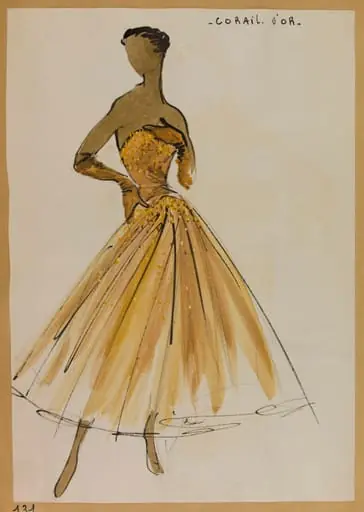 Corail d'or
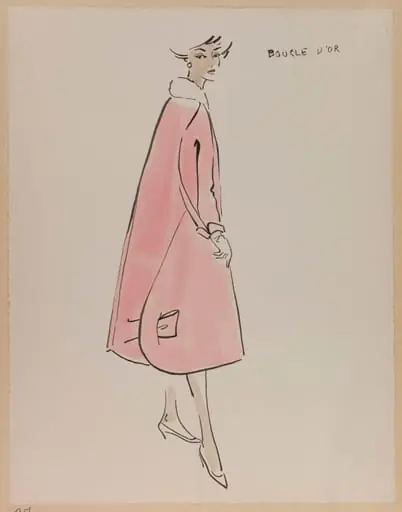 Boucle d'or
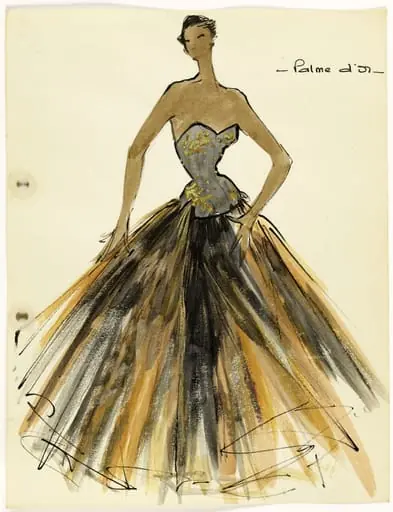 'Palme d'Or'
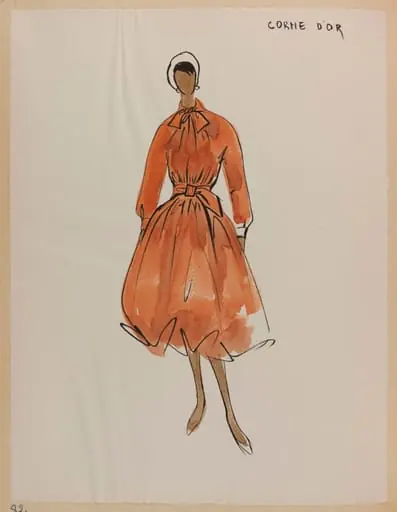 Corne d'or
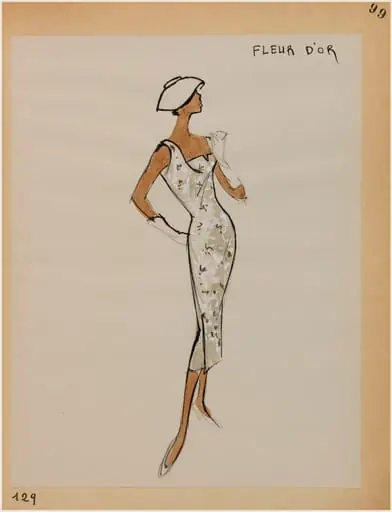 Fleur d'or
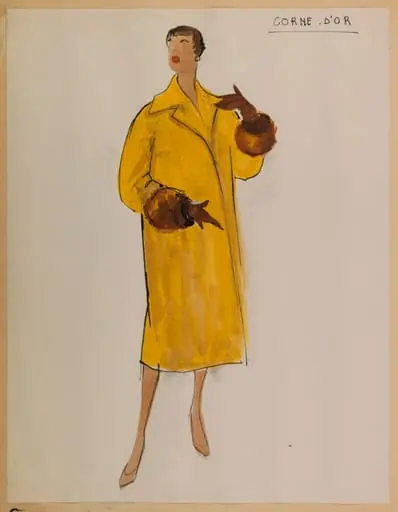 Corne d'or
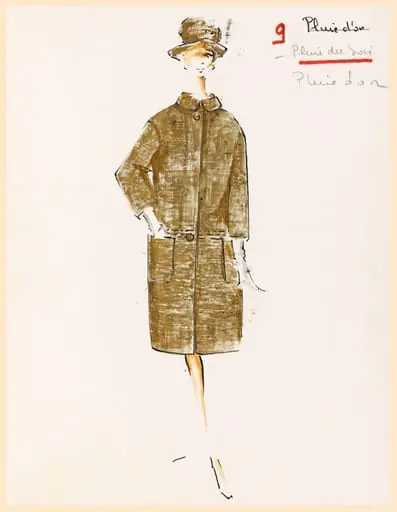 Pluie du soir - Pluie d'or
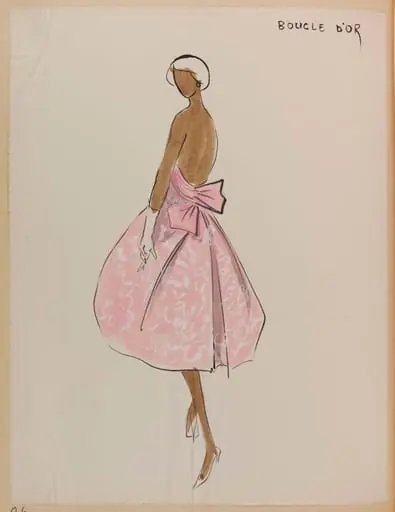 Boucle d'or
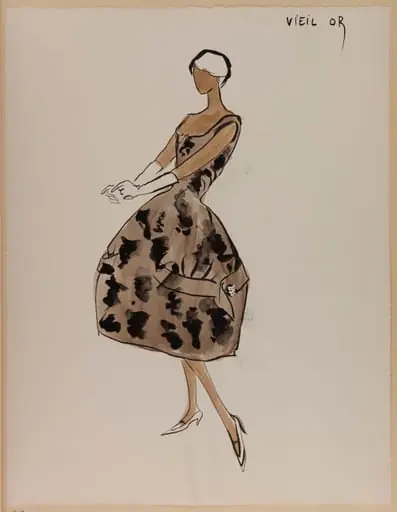 Vieil or
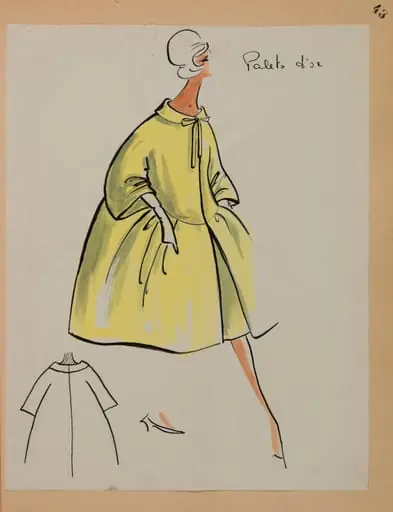 Palets d'or
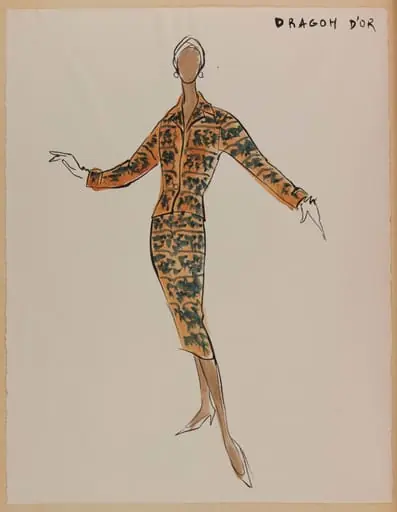 Dragon d'or
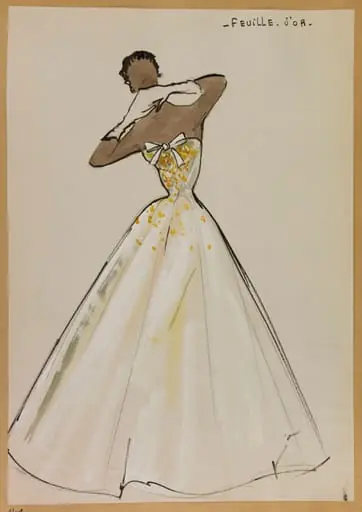 Feuille d'or
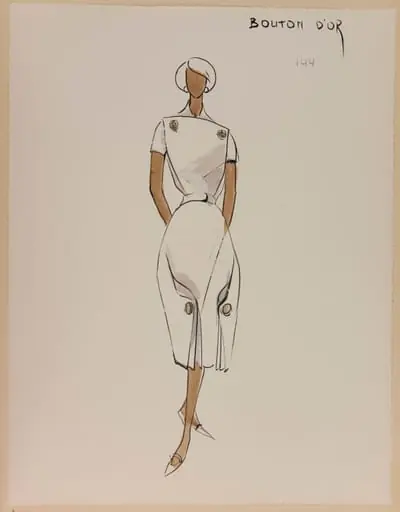 Bouton d'or
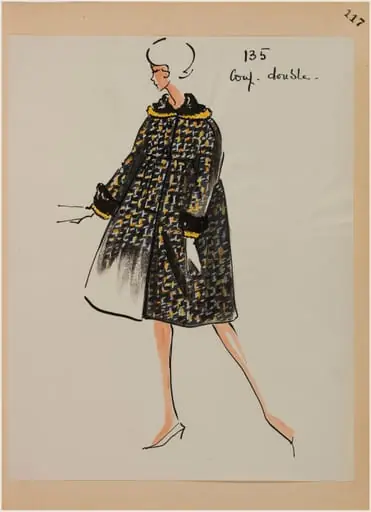 Coup double
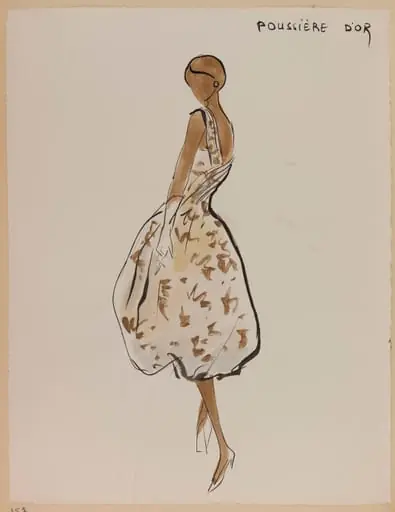 Poussière d'or
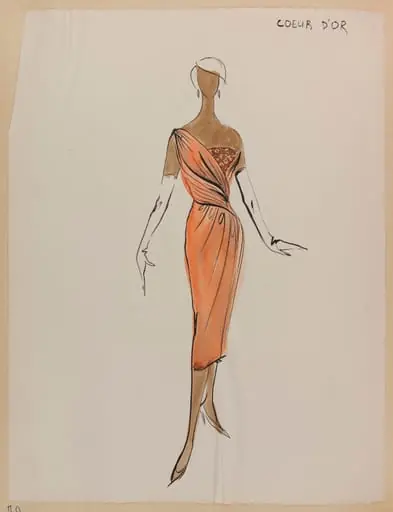 Coeur d'or
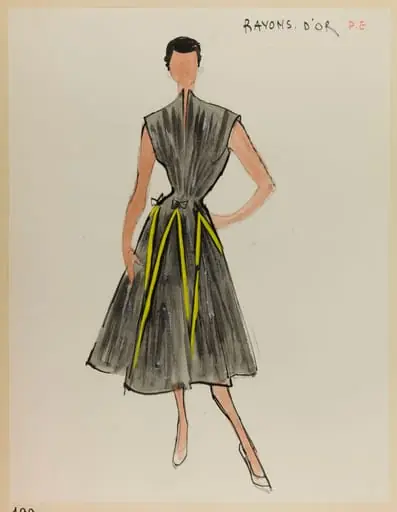 Rayons d'or
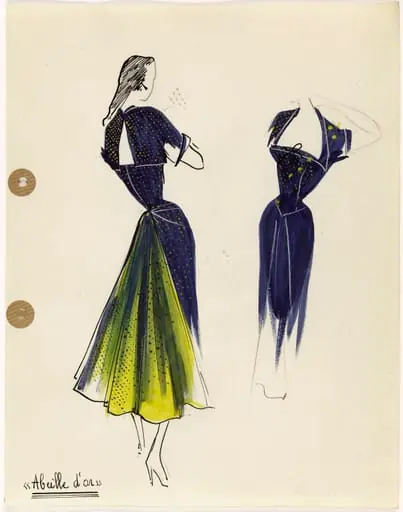 'Abeille d'or'
 Coq d'or
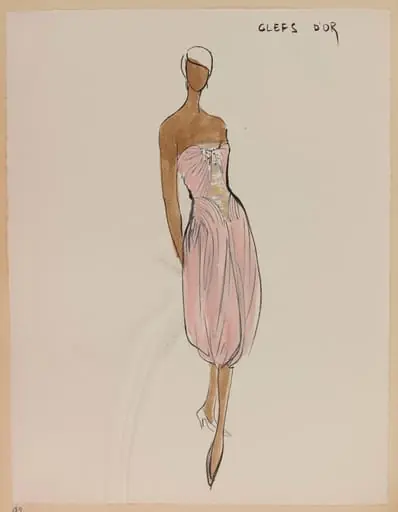 Clefs d'or
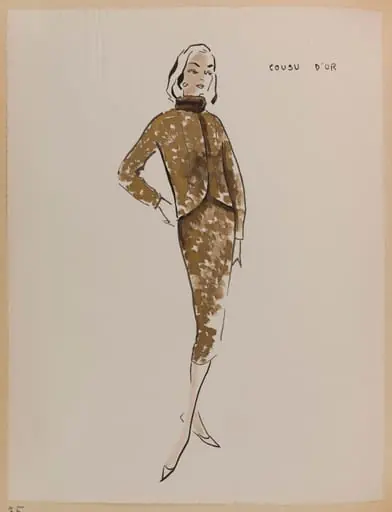 Cousu d'or
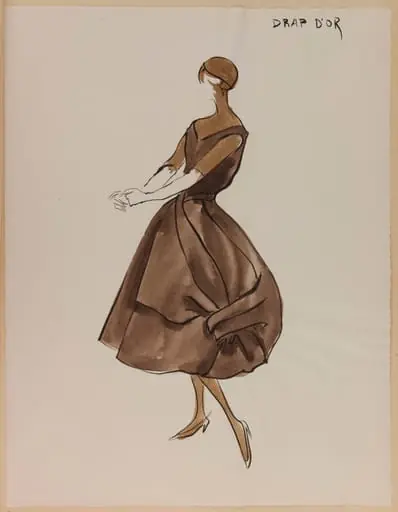 Drap d'or
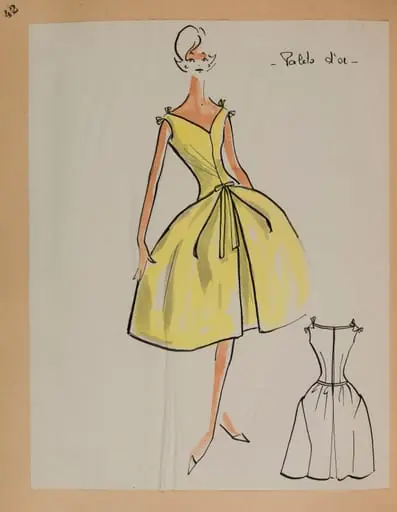 Palets d'or
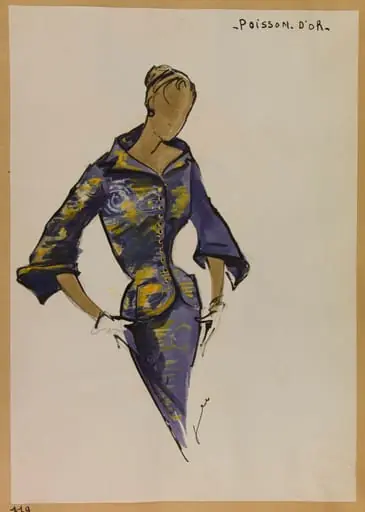 Poisson d'or
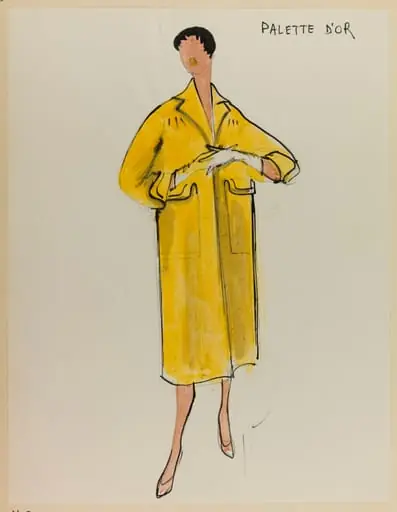 Palette d'or
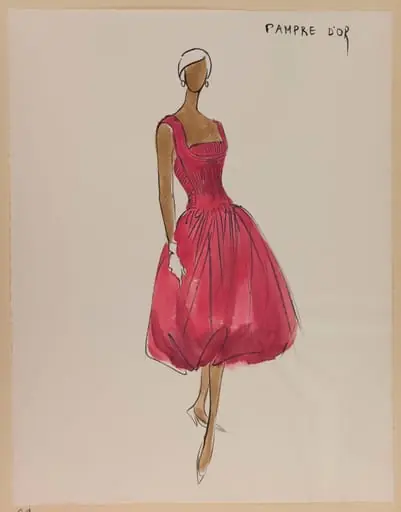 Pampre d'or
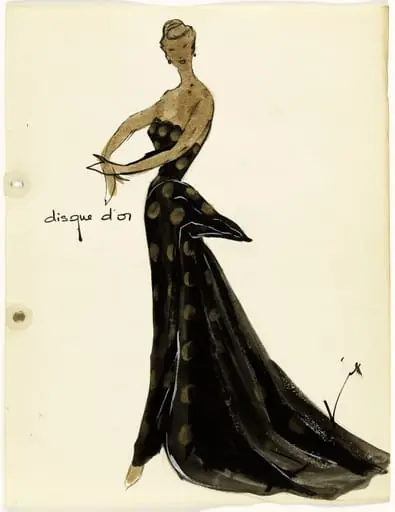 'Disque d'or'
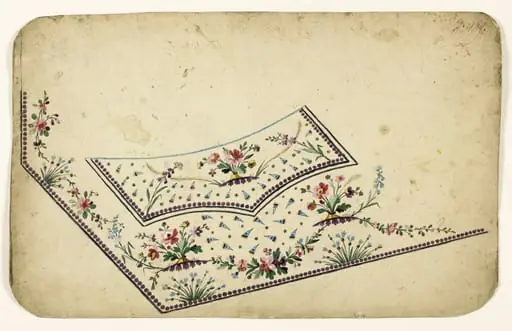 Composition de bouquets et guirlandes de fleurs, frises de perles pourpres et semis de motifs coniques bleus
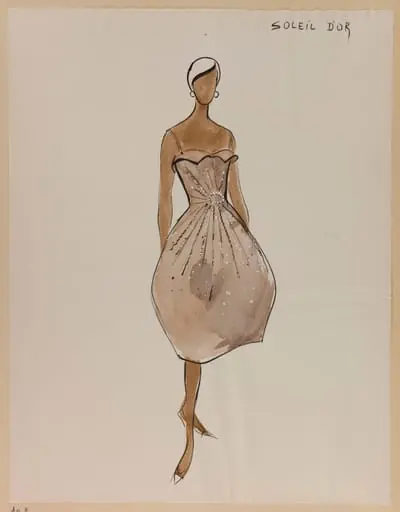 Soleil d'or
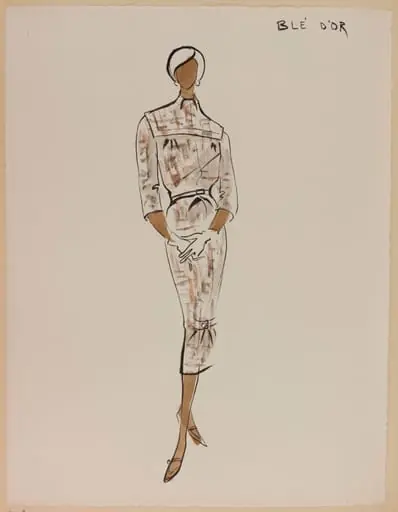 Blé d'or
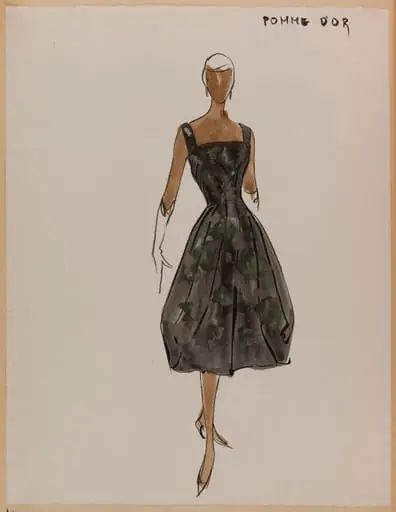 Pomme d'or
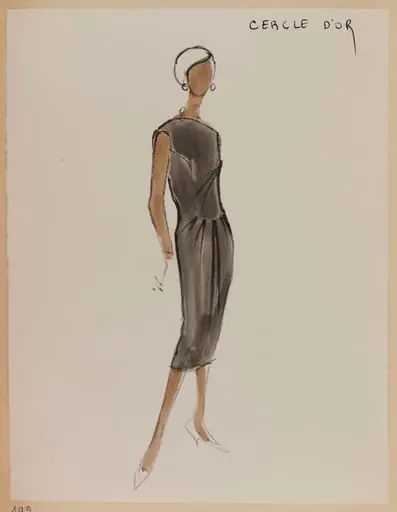 Cercle d'or
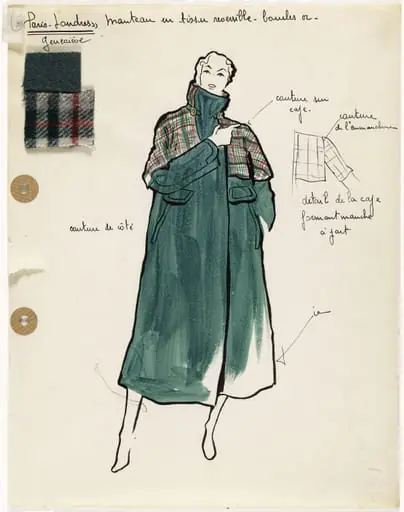 'Paris-Londres'
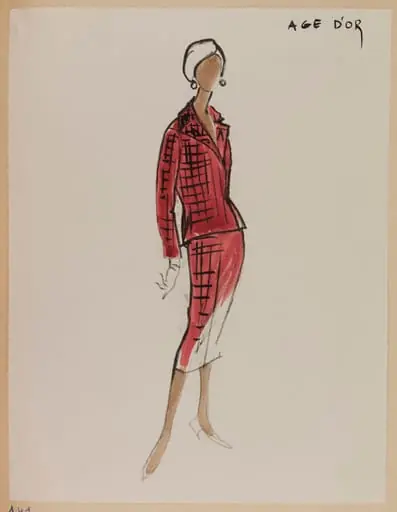 Age d'or
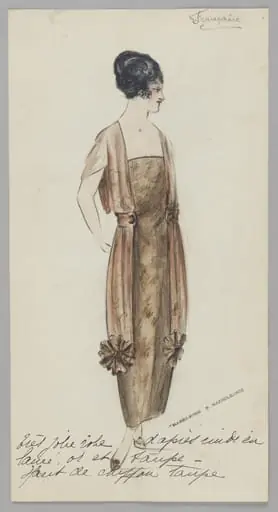 Française
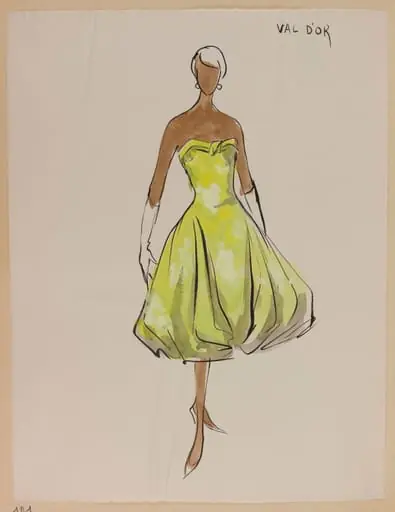 Val d'or
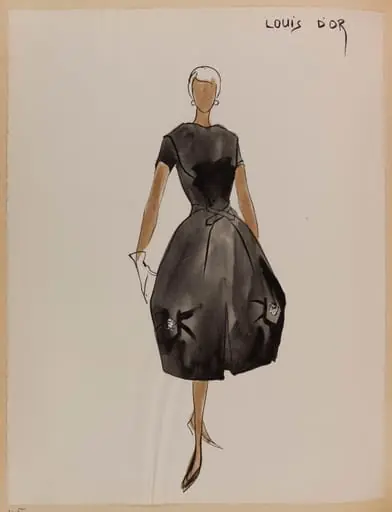 Louis d'or
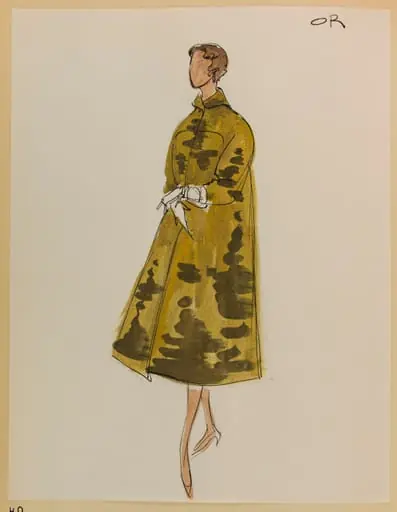 Untitled
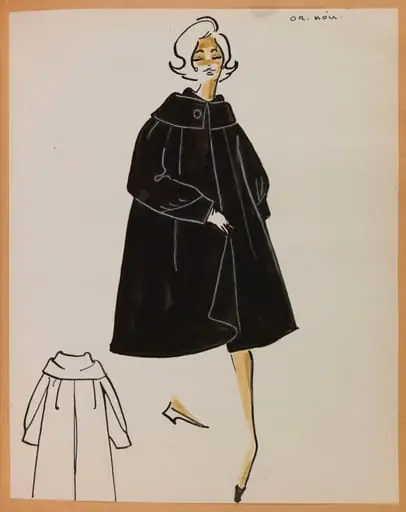 Or noir
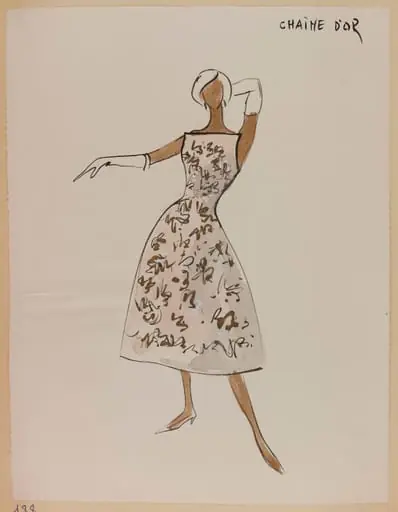 Chaîne d'or
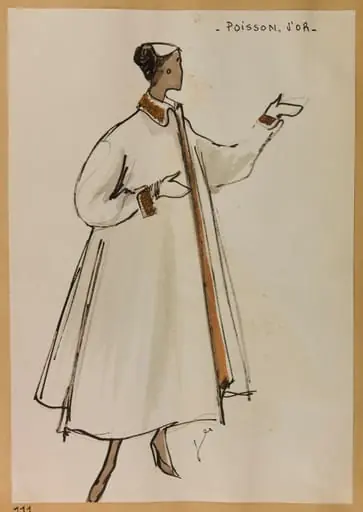 Poisson d'or
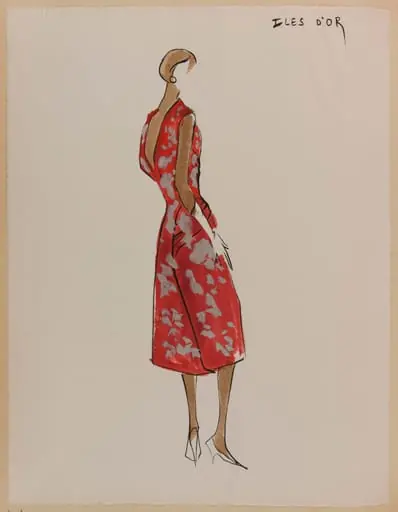 Iles d'or
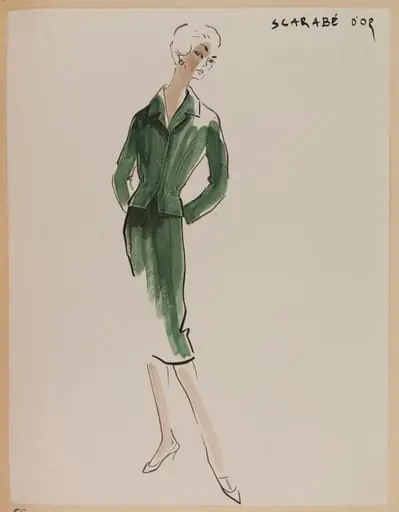 Scarabé d'or
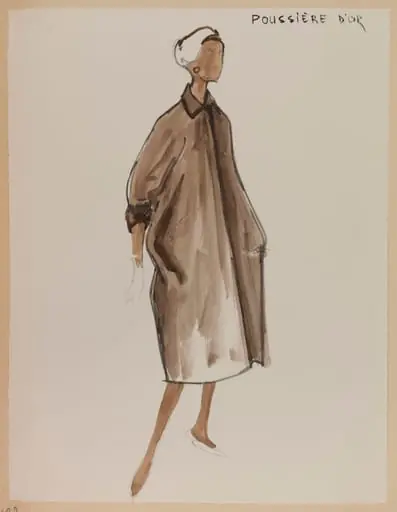 Poussière d'or
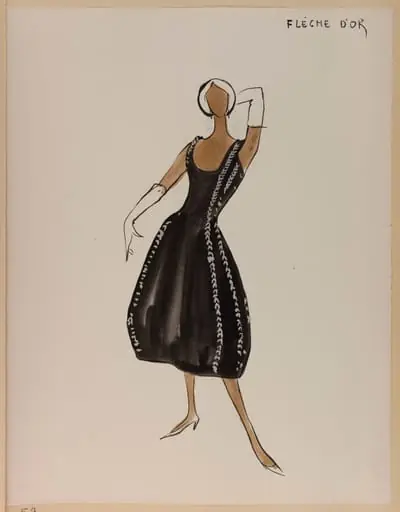 Flèche d'or
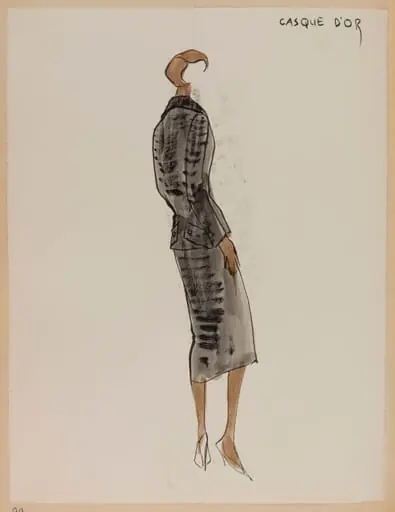 Casque d'or
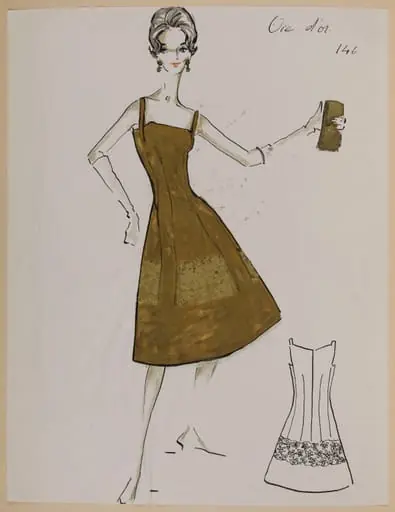 Oie d'or
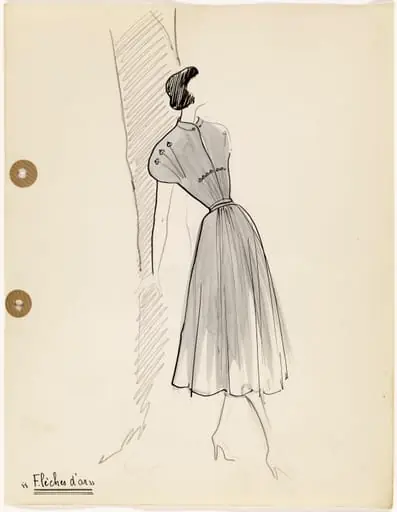 'Flèches d'or'
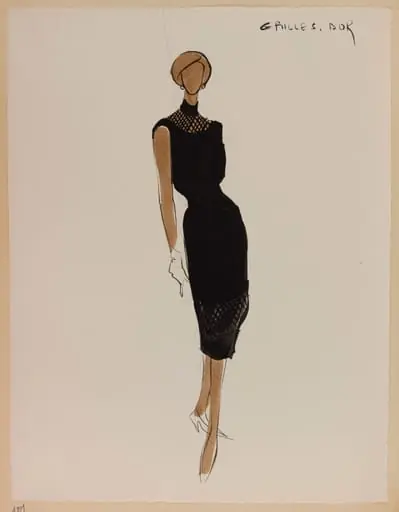 Grilles d'or
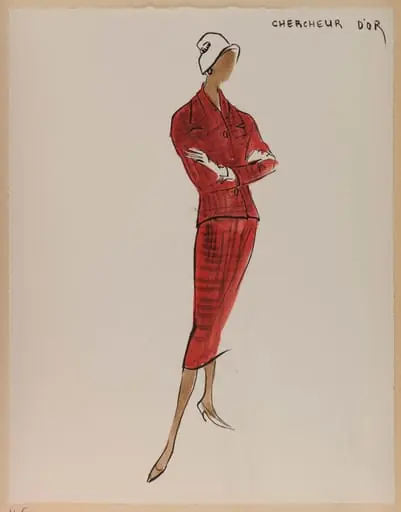 Chercheur d'or
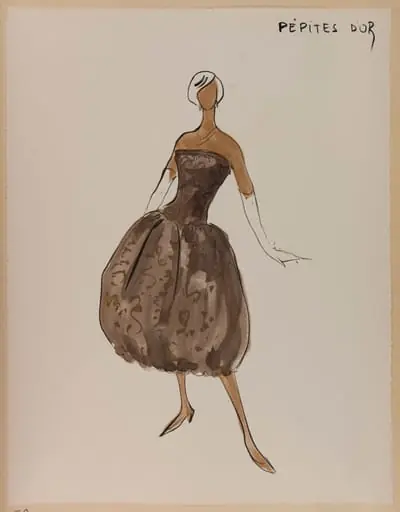 Pépites d'or
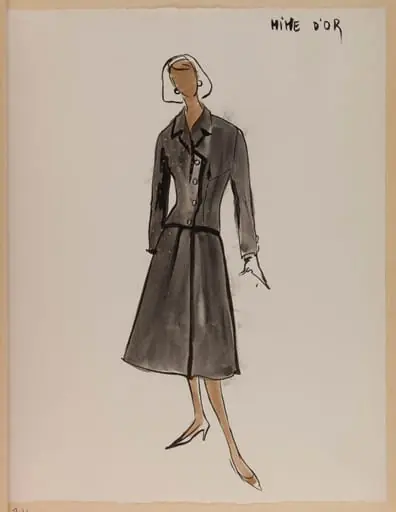 Mine d'or
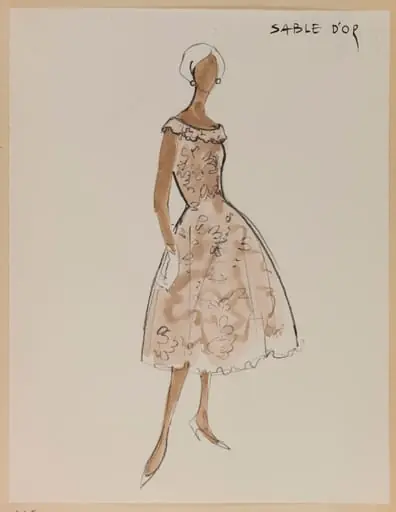 Sable d'or
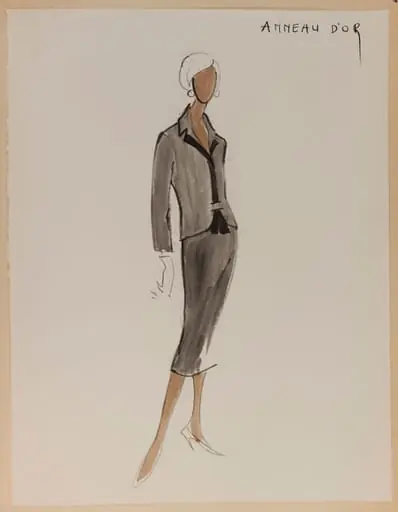 Anneau d'or
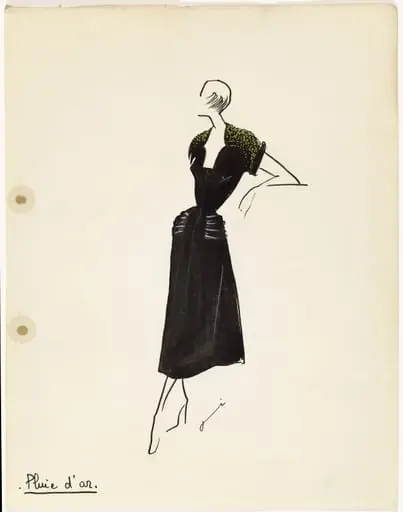 'Pluie d'or'
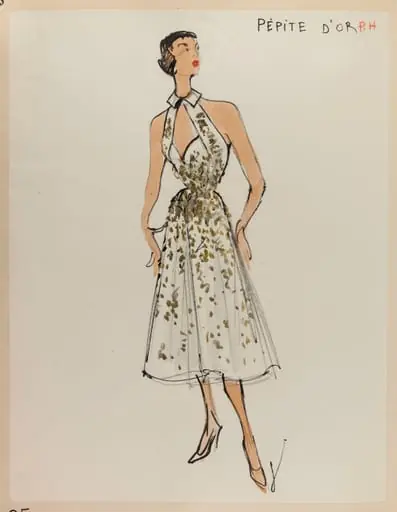 Pépite d'or
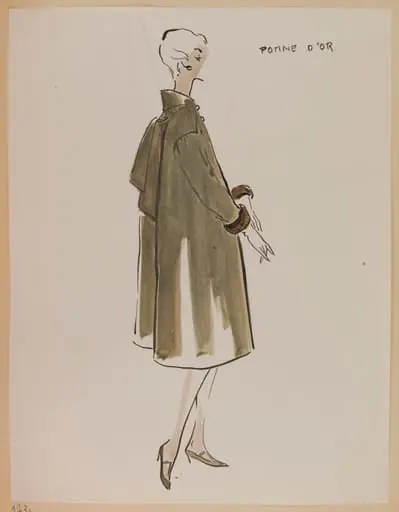 Pomme d'or
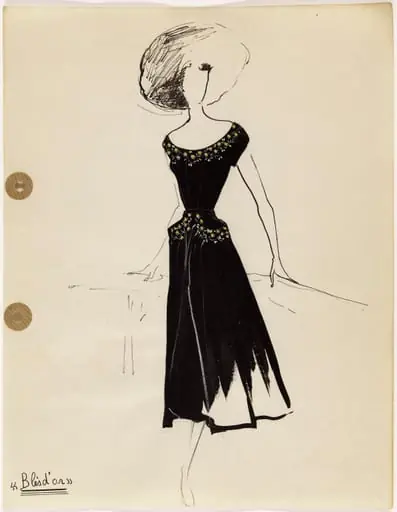 'Blés d'or'
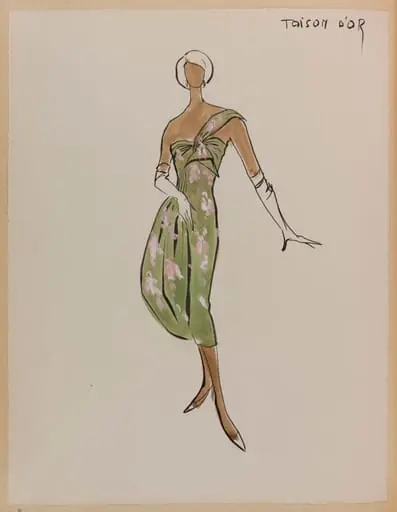 Toison d'or
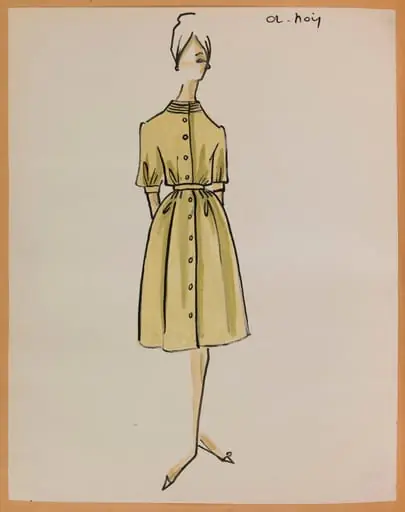 Or noir
 Untitled
Frequently asked questions
What is Gold?
Gold is a surname.
How many Gold works does Artifact World Gallery have?
Artifact World Gallery holds 99 public-domain Gold works, all free to view and download.
Who are the key Gold artists?
Key Gold artists in the collection include Giovanni Battista Tiepolo, Rigaud Hyacinthe and Augustin de Saint-Aubin.
Where can I see Gold works?
Gold works in the collection are held by Palais Galliera - Musée de la Mode de la Ville de Paris, Museum of Modern Art and Department of Paintings of the Louvre.