Artwork
Standing Courtesan
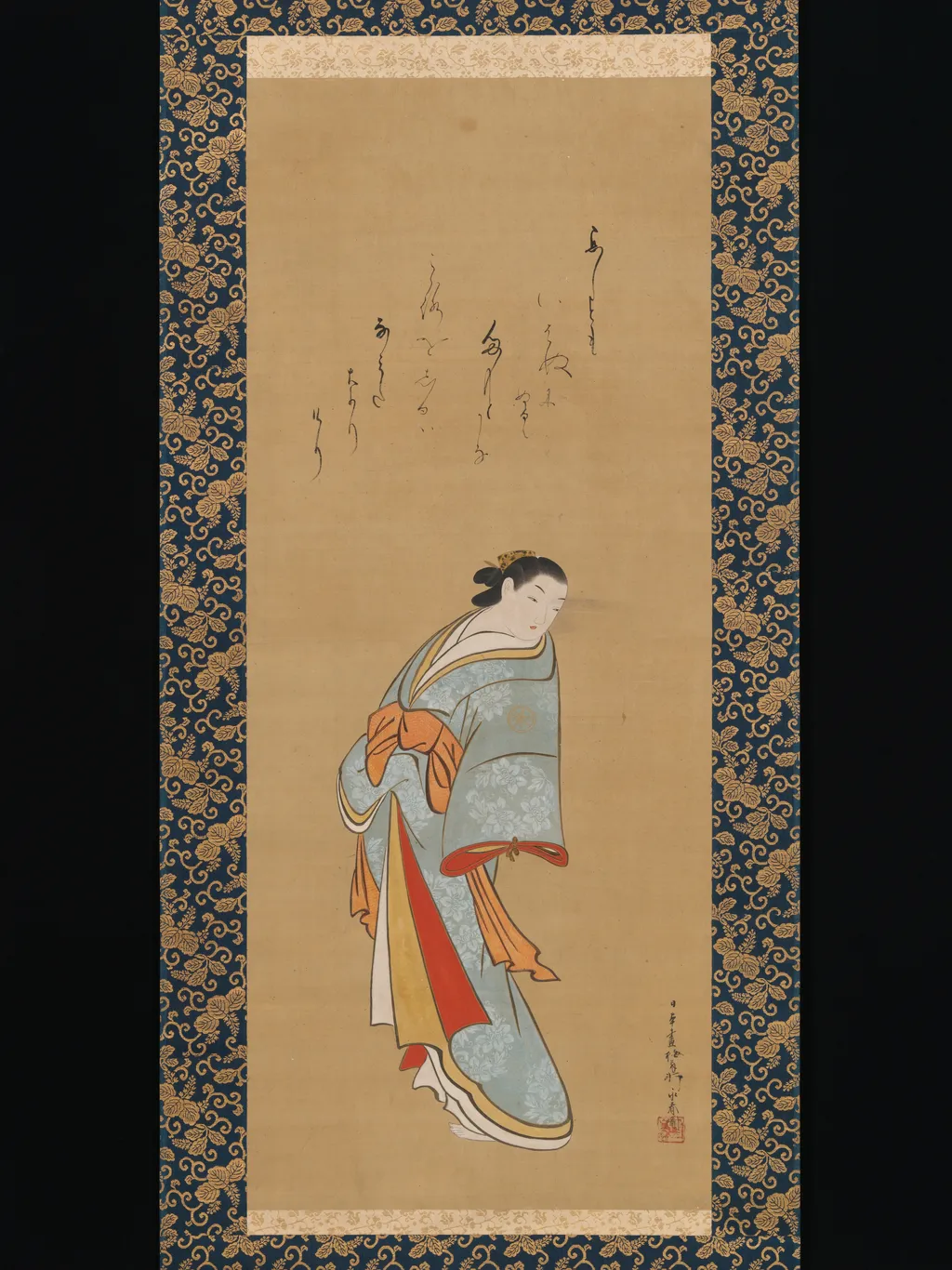
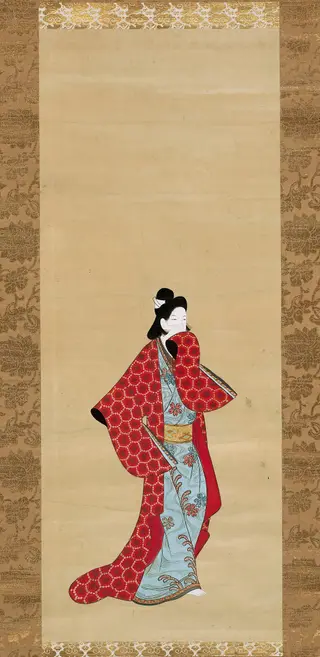
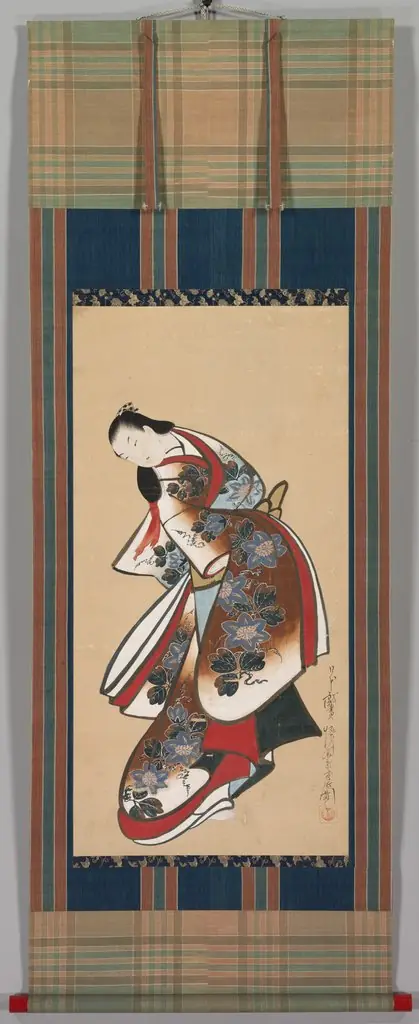
Standing Courtesan is an unspecified painting by Baiōken Eishun. It dates from 1724 and is held in the collection of the Metropolitan Museum of Art.
About this work
Subject & Meaning
Within the context of ukiyo-e, such images served both as decorative objects and as representations of the era’s ideals of grace and sophistication.
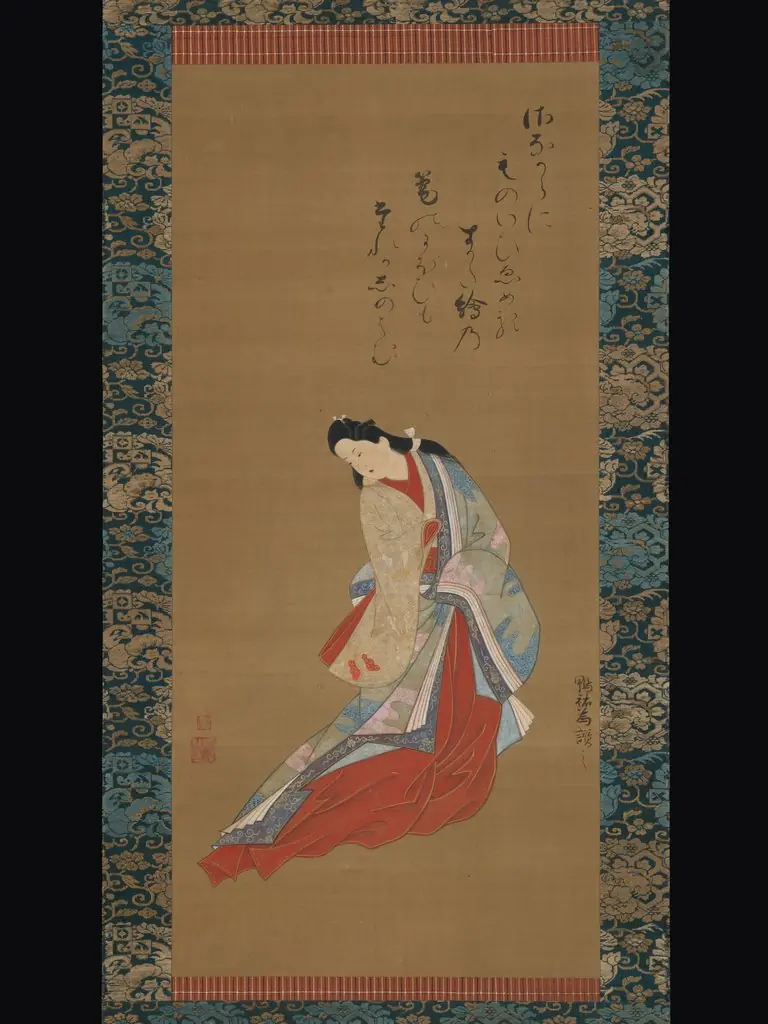
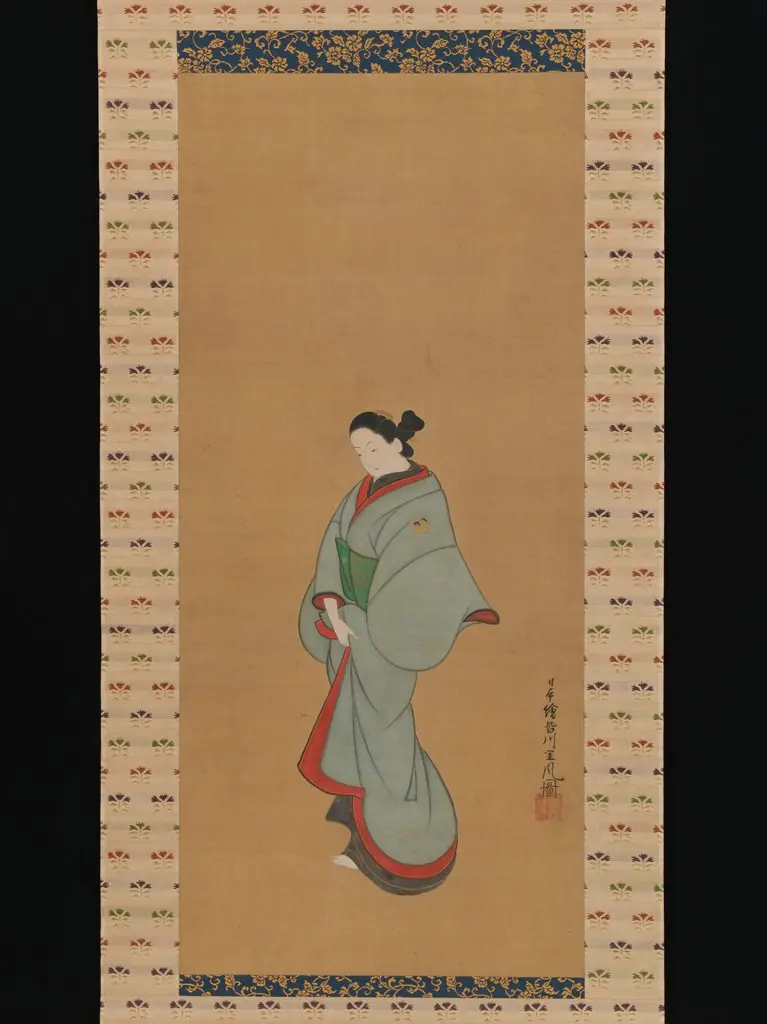
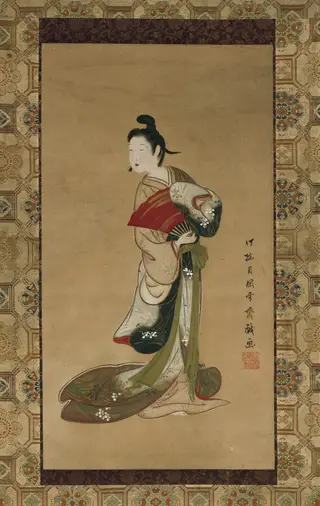
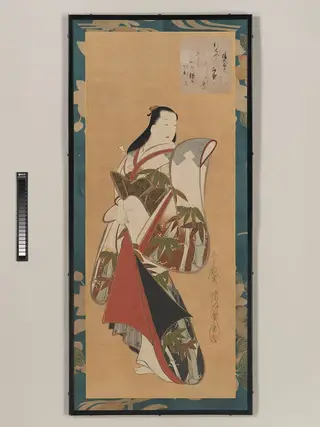
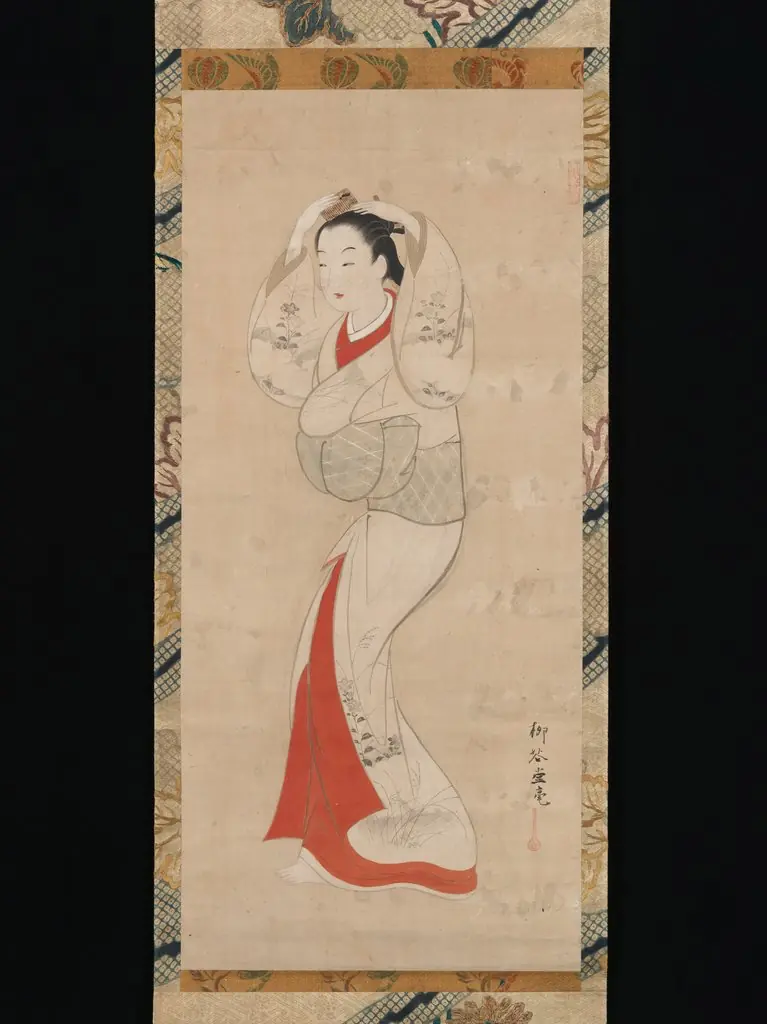
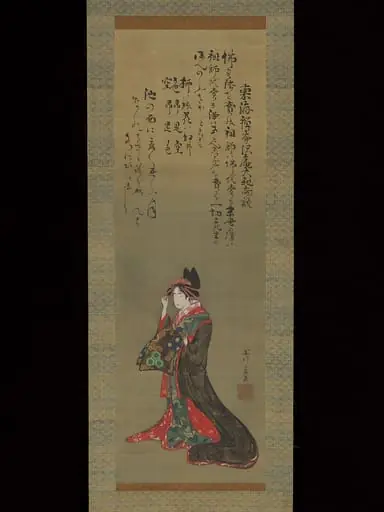
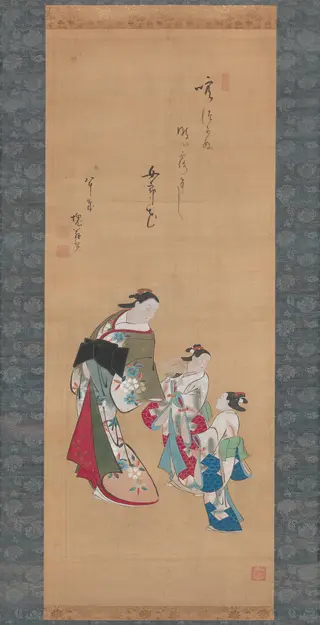
The subject depicted is a standing courtesan, a figure central to the urban culture of Edo-period Japan. Her attire and posture align with the bijin-ga genre, which idealized beautiful women and often referenced poetic or literary themes. The work’s title and contemporaneous genre conventions suggest an embodiment of feminine beauty and cultural refinement rather than a portrait of a specific individual.
Within the context of ukiyo-e, such images served both as decorative objects and as representations of the era’s ideals of grace and sophistication.
History & Provenance
Standing Courtesan is a painting created in 1724 by the Japanese artist Baiōken Eishun. The work was produced in Japan and depicts a woman associated with poetry. It currently resides in the collection of the Metropolitan Museum of Art, which serves as its recorded location and holding institution.
Legacy
The work's legacy is anchored in its inclusion in the Metropolitan Museum of Art collection, where it is catalogued as a 1724 painting by Baiōken Eishun depicting a courtesan engaged in poetic exchange. Its presence in a major Western institution has facilitated scholarly discussion of late‑Edo period genre painting and contributed to broader reassessments of courtesan imagery in Japanese art history.
Overview
Created in 1724, Standing Courtesan is an ukiyo‑e painting by Baiōken Eishun, a practitioner of the Kaigetsudō school. Executed as a hanging scroll, the work presents a solitary female figure rendered in the elongated, elegant proportions that define the school’s aesthetic.
Technique & Style
Eishun employed the full‑color painting technique typical of Kaigetsudō works, using delicate brushwork to delineate the garment’s folds and the figure’s poised posture. The background is minimal, bordered by a dark edge adorned with gold swirls, while the light tan frame frames the composition without distracting from the subject.
Context
The painting belongs to a tradition in which ukiyo‑e artists frequently portrayed courtesans as embodiments of beauty, elegance, and artistic accomplishment. The Kaigetsudō school, centered in Edo, specialized in such depictions, focusing on the graceful line and stylized form rather than narrative detail.
Own this work as a print
Artist & collection
Artist
Baiōken Eishun (Japanese: 梅翁軒永春; active c. 1710–1755) was a Japanese painter and print artist of the Kaigetsudō school of ukiyo-e art. He is also alternatively known as Hasegawa Eishun 長谷川永春, Baiōken Nagaharu, Takeda…