Artwork
Florinda
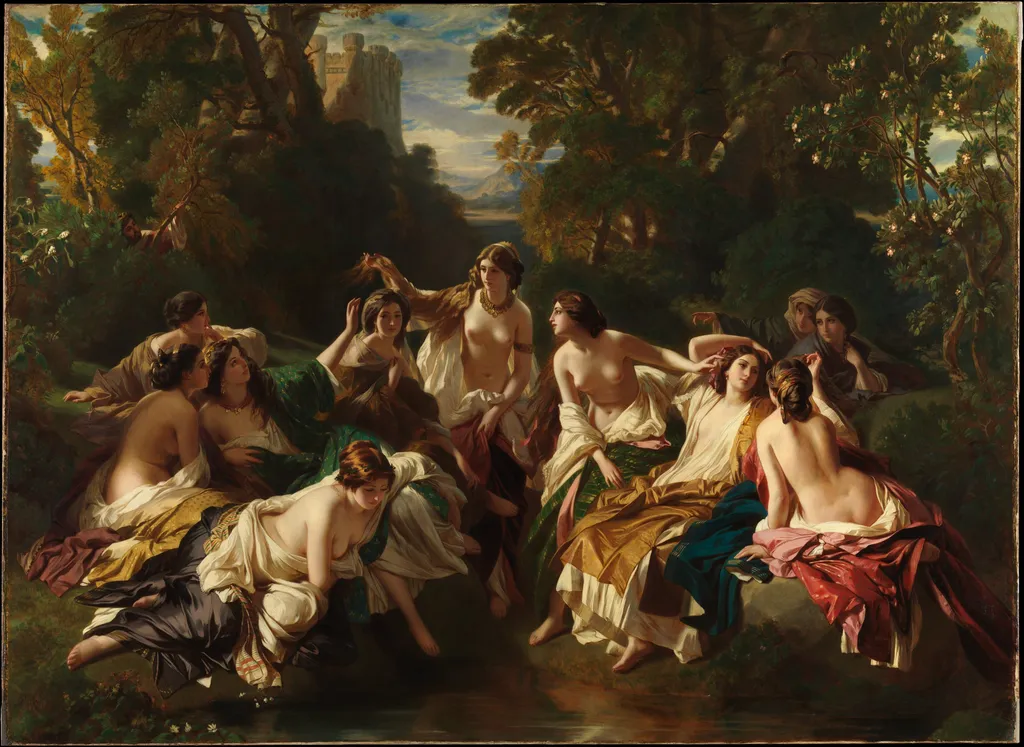
Florinda is an oil painting by the Academic Art artist Franz Xaver Winterhalter. It dates from 1853 and is held in the collection of the Metropolitan Museum of Art.
About this work
Subject & Meaning
Iconographically, the work emphasizes themes of nudity and vulnerability, as the subjects are portrayed nearly unclothed while believing themselves unseen.
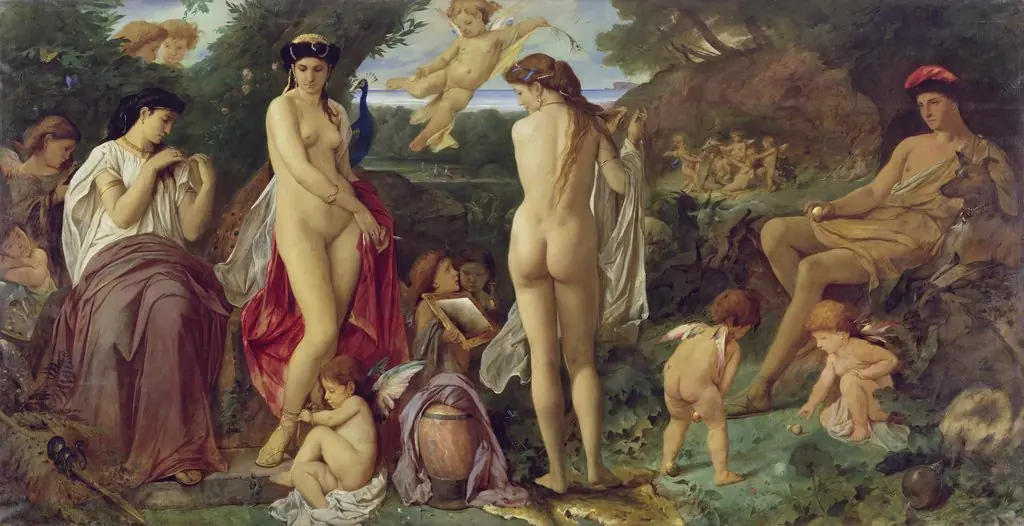
Winterhalter's Florinda illustrates a legendary episode from Spanish history involving King Roderic and the princess Florinda la Cava. The composition depicts the monarch spying on Florinda and other palace women as they bathe in a garden pond in Toledo, a scene intended to determine the fairest among them. Iconographically, the work emphasizes themes of nudity and vulnerability, as the subjects are portrayed nearly unclothed while believing themselves unseen.
This moment of illicit observation serves as the catalyst for the broader narrative: Roderic's subsequent courtship of Florinda leads to her father's vengeful invitation of the Moors to invade Spain, an act that precipitates the fall of the Visigothic kingdom. The painting thus functions as a visual prelude to a catastrophic historical turning point, blending romanticized portraiture with a moralizing tale of desire and political consequence.
Technique & Style
Created in 1853, Florinda is an oil painting executed on canvas by Franz Xaver Winterhalter. The work measures 178.4 cm in height and 245.7 cm in width, adhering to academic standards. As a historiated group portrait, the painting depicts a scene of nudity within a garden pond setting, characterized by the artist's handling of figures in a landscape.
The composition illustrates the legend of King Roderic observing bathing palace women, with attention to the rendering of long, curly hair described in contemporary verses associated with the Salon of 1853 presentation. This canvas serves as a replica of an earlier version presented to Prince Albert, maintaining the formal qualities of Winterhalter's courtly style while depicting the narrative moment of selection and revelation.
History & Provenance
Florinda was completed by Franz Xaver Winterhalter in 1853 as an oil on canvas. The work is a replica of an earlier version painted for Osborne House, which Queen Victoria had given to Prince Albert as a birthday present in 1852. Winterhalter submitted the painting to the Salon of 1853 in Paris, where it was shown under the title Florinde and accompanied by verses from Émile Deschamps's Romances sur Rodrigue, dernier roi des Goths.
The picture subsequently entered the collection of the Metropolitan Museum of Art in New York, where it is held but not currently on display. The consulted sources do not provide an accession or inventory number for the work.
Overview
Franz Xaver Winterhalter's oil painting, Florinda, completed in 1853, captures a scene from a Spanish legend. The work depicts King Roderic observing Florinda la Cava and other women bathing, a moment that, according to the narrative, leads to significant historical events. This canvas, painted by the German artist known for his portraits, is part of the collection at the Metropolitan Museum of Art, though it is not currently exhibited.

Own this work as a print
Artist & collection
Artist
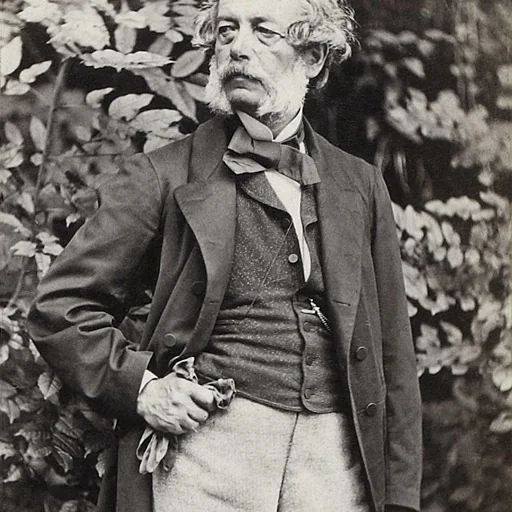
Franz Xaver Winterhalter (20 April 1805 – 8 July 1873) was a German painter and lithographer, known for his flattering portraits of royalty and upper-class society in the mid-19th century.

- Story of Minerva - The Muses Showing Minerva Hippocrene Waters of the River that Brings Out Pegasus
 Diana and Actaeon
 Bacchus and Ariadne
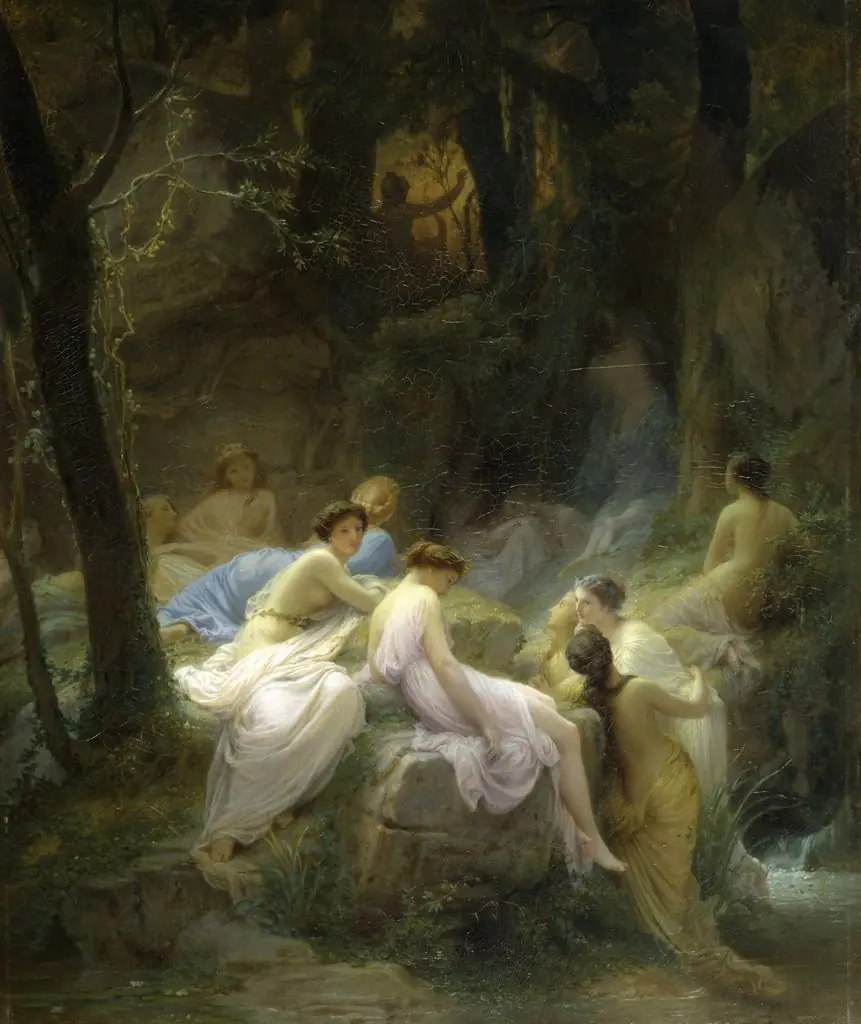 Nymphs Listening to the Songs of Orpheus
 The Judgement of Paris
 Satyrs Spying on Nymphs
 Diana and Her Nymphs Bathing
 Diana's judgement of the nymph Callisto
 Parnassus
 Diana and Callisto
 Telemachus and Calypso
 Diana and Actaeon