Artwork
Bacchus and Ariadne
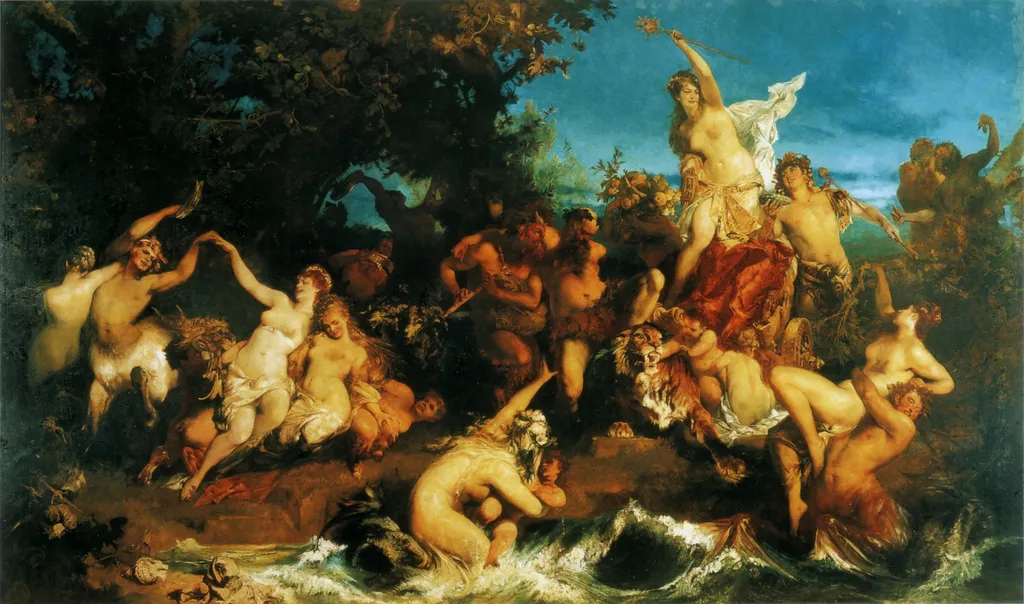
Bacchus and Ariadne is an oil painting by the Realist artist Hans Makart. It dates from 1873 and is held in the collection of the Kunsthistorisches Museum.
About this work
Subject & Meaning
The work depicts the mythological figures Bacchus and Ariadne, drawn from classical antiquity.
The work depicts the mythological figures Bacchus and Ariadne, drawn from classical antiquity. As a mythological painting, it presents a narrative scene involving the god Bacchus and the mortal Ariadne, reflecting the traditional subject matter of history painting. The monumental scale of the oil-on-canvas canvas underscores the epic and grandeur associated with this mythological encounter, aligning with the genre’s aim to convey significant, timeless stories through visual form.
History & Provenance
Hans Makart painted Bacchus and Ariadne in 1873, a mythological oil work depicting the moment of divine pursuit. The painting entered the collection of the Belvedere, Kunsthistorisches Museum, where it remains on display. Its creation was recorded as 1873 in contemporary documentation, and it was executed on canvas using oil paint. The work measures 476 cm in height and 784 cm in width, confirming its large-scale format.
The composition draws from classical mythology, emphasizing the dynamic interaction between Bacchus and Ariadne as she embraces the god's cloak. Its provenance is directly tied to the Belvedere museum, which acquired the piece shortly after its completion. No further ownership transfers or private sales are documented in the sources provided.
Since its creation, Bacchus and Ariadne has been held in the Belvedere collection, part of Vienna’s Kunsthistorisches Museum. The painting remains in the museum’s permanent holdings, though no specific accession number is publicly documented in the available sources.
The work has been a staple of the Belvedere’s displays, reflecting its institutional significance. While its broader exhibition history beyond the Belvedere is not detailed in the provided sources, its inclusion in the museum’s core collection ensures its ongoing public accessibility.
Overview
Created in 1873, Bacchus and Ariadne is an oil painting by Austrian artist Hans Makart. Executed within the realist tradition, the work presents a bustling mythological tableau that now belongs to the Kunsthistorisches Museum’s permanent collection.
Technique & Style
Makart employs a thick impasto application, giving the figures a palpable solidity that emerges from the darker forest backdrop. Warm, saturated hues, rich greens of foliage, golden‑brown flesh tones, and a striking red cloak, enhance the sense of movement, while the interplay of light and shadow accentuates the three‑dimensionality of the bodies.
Context
Makart’s reputation as a leading academic painter and set designer shaped Viennese visual culture in the late 19th century. His emphasis on lavish ornamentation and theatricality influenced contemporary decorative arts, and Bacchus and Ariadne exemplifies his synthesis of historical narrative with a sensuous, almost theatrical visual language.
Artist & collection
Artist
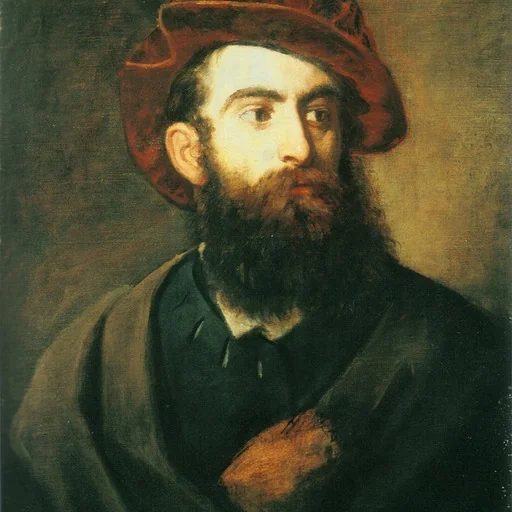
Hans Makart (28 May 1840 – 3 October 1884) was an Austrian academic history painter, designer and decorator.

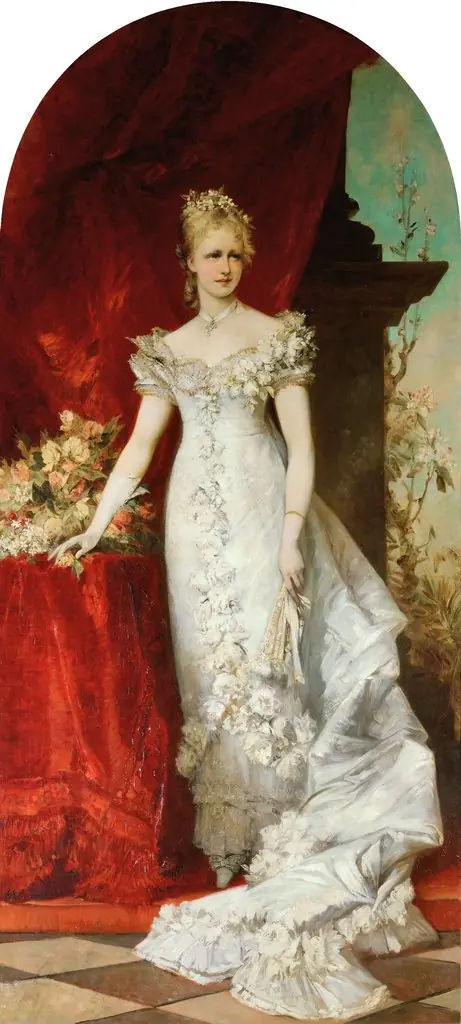
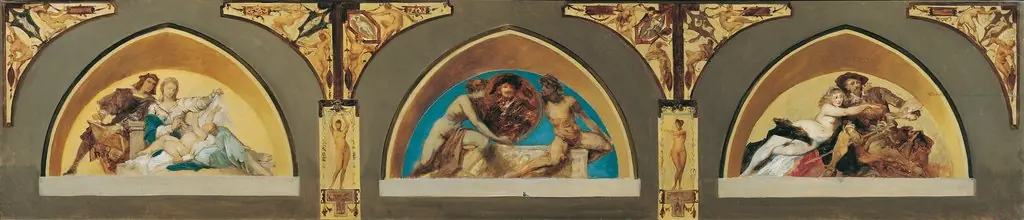
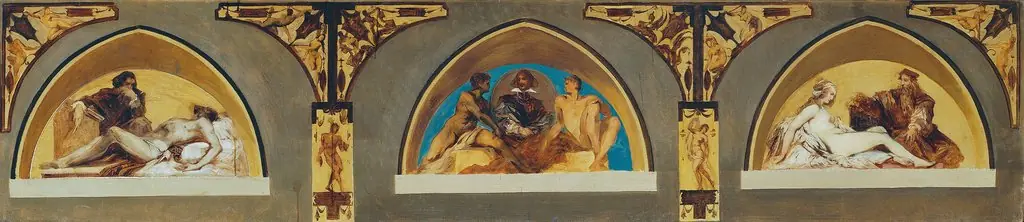
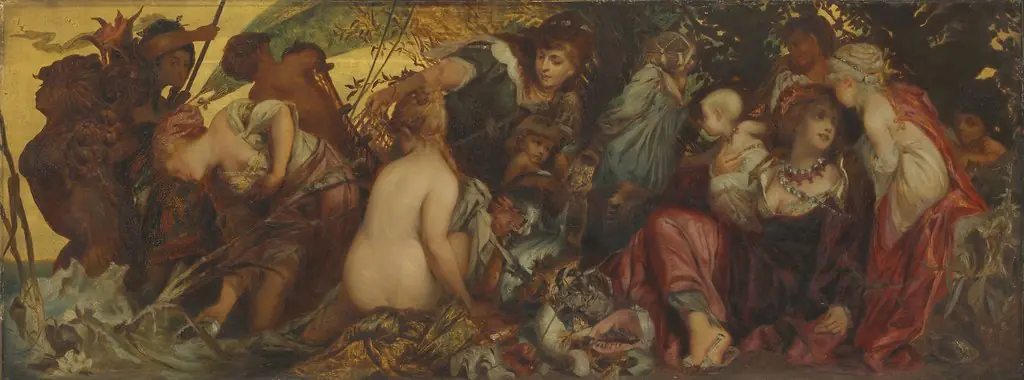
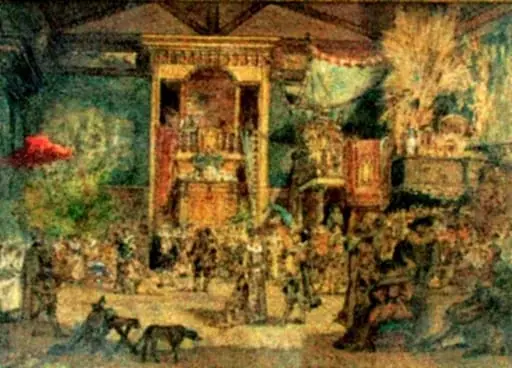
- The wedding of Thetis and Peleus
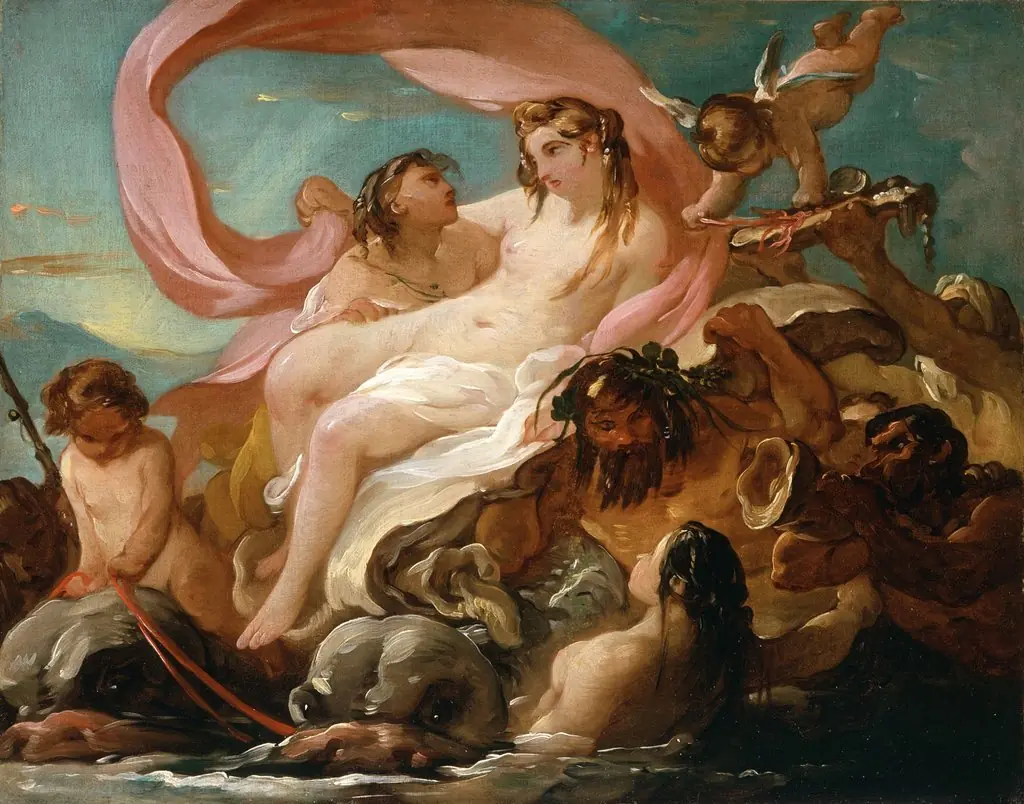 Venus Emerging from the Sea
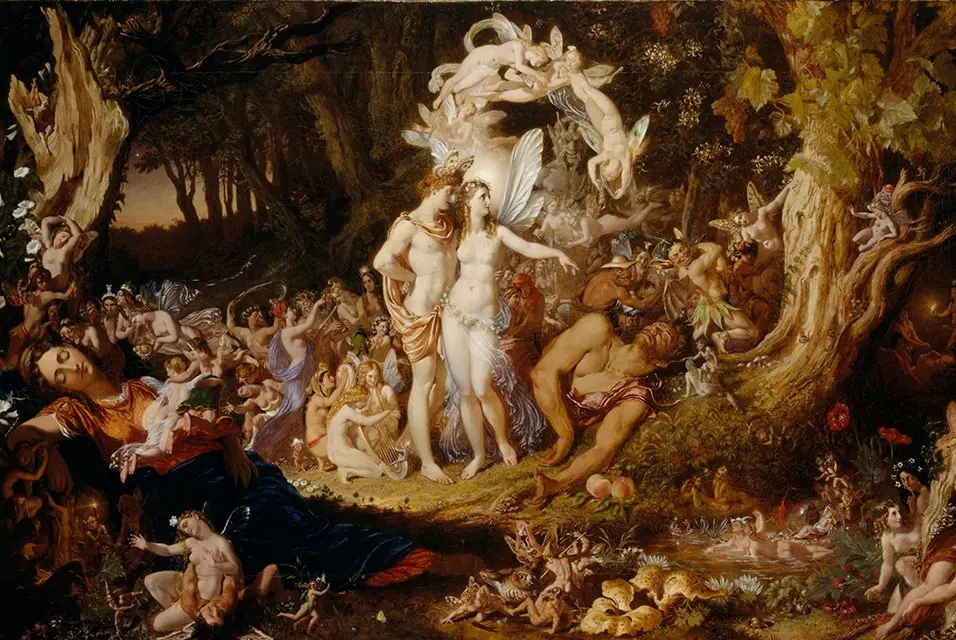 The Reconciliation of Oberon and Titania
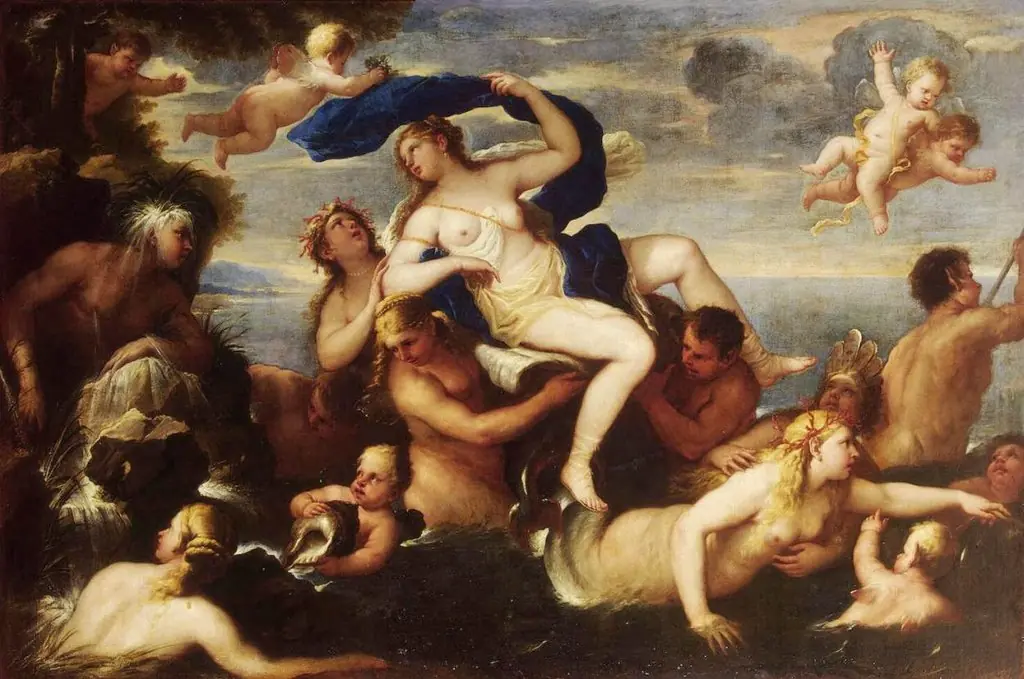 Triumph of Galatea
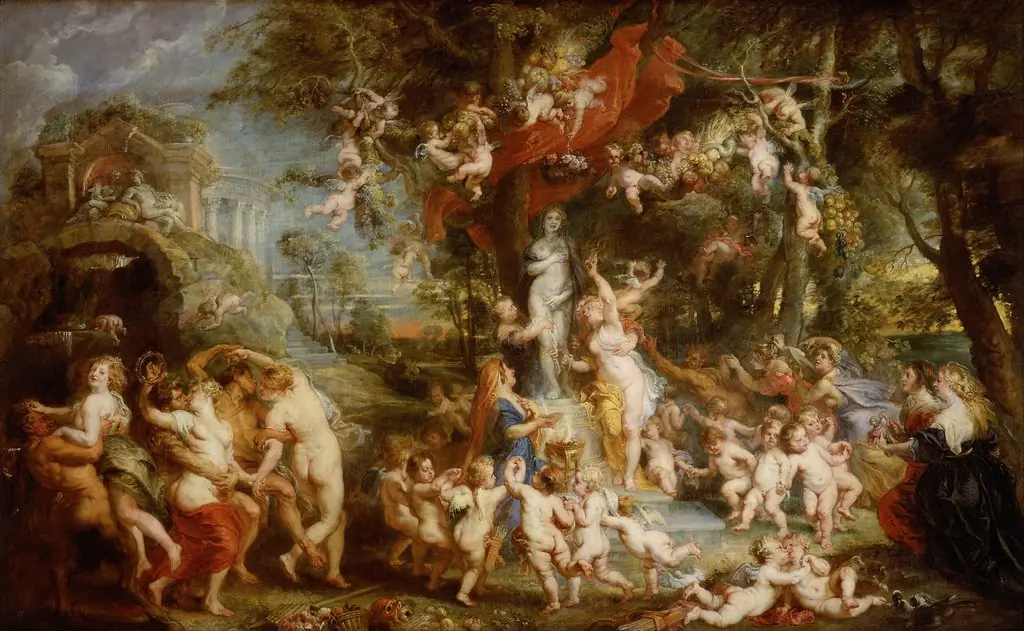 The Feast of Venus
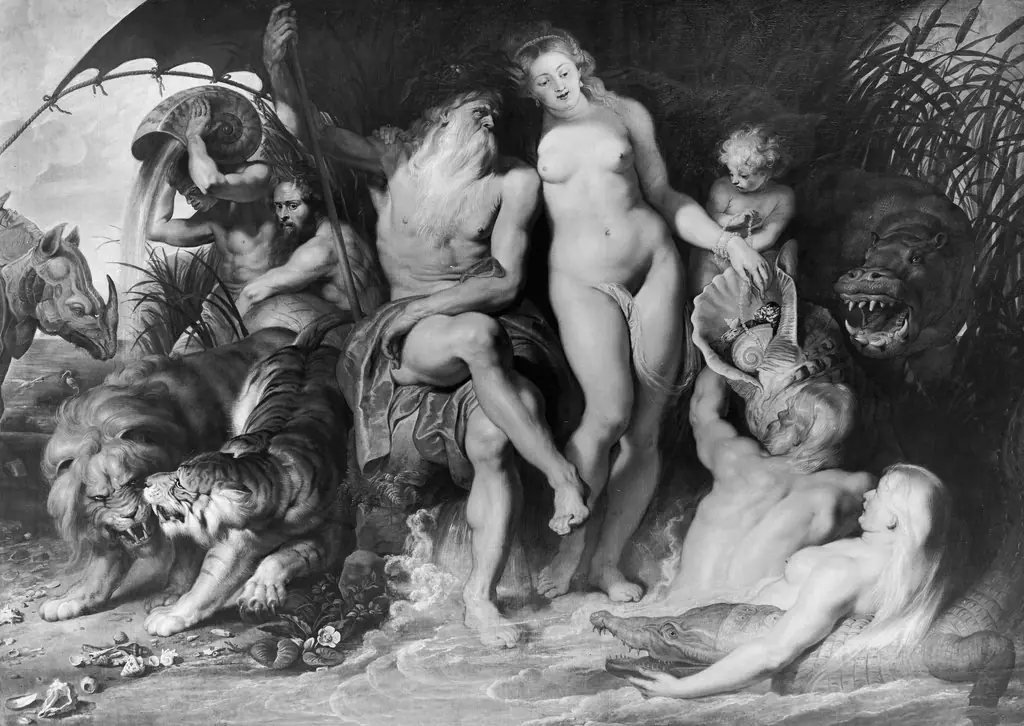 Neptune and Amphitrite
 Copy after the Painting by Rubens "The Council of Gods"
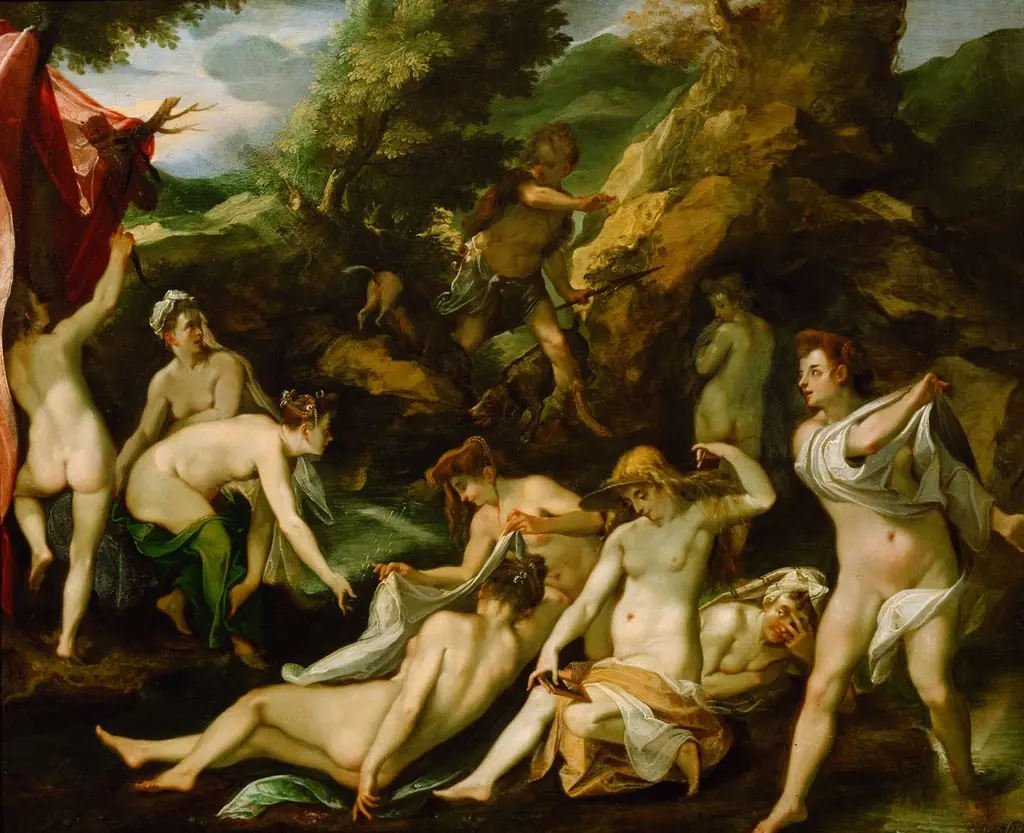 Diana and Actaeon
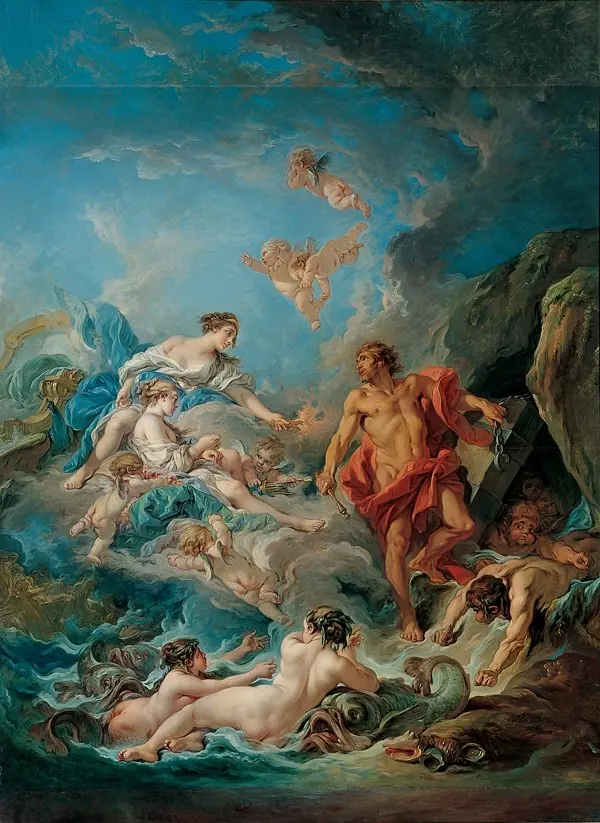 Juno Asking Aeolus to Release the Winds
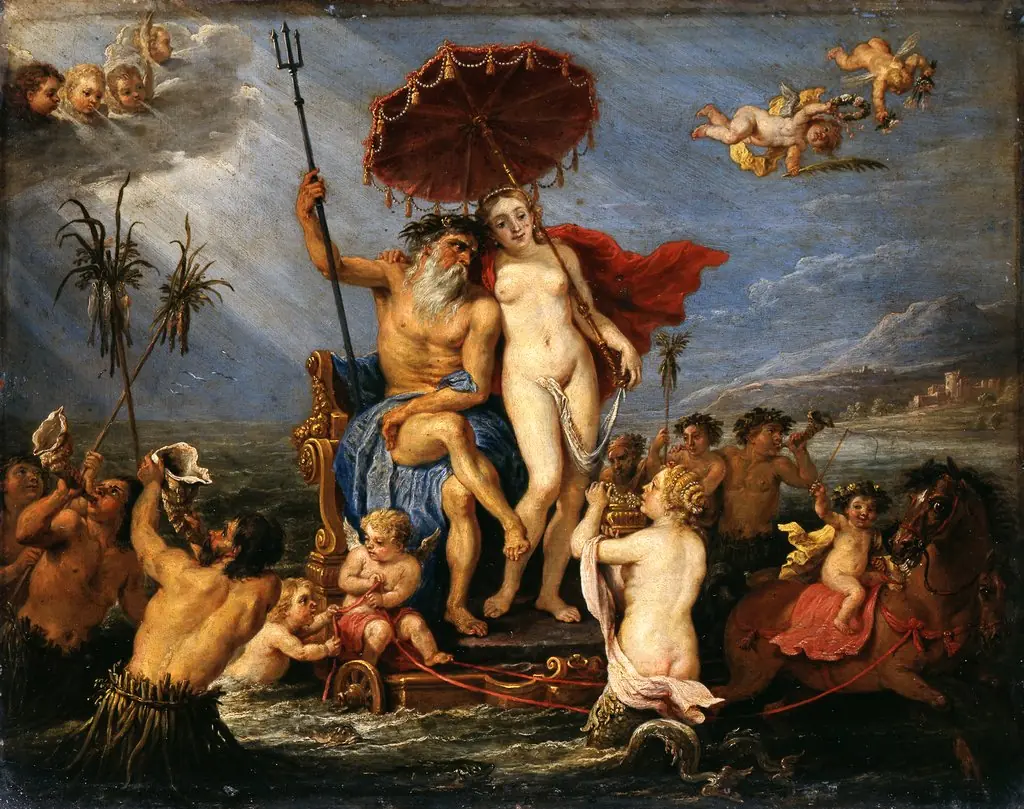 Neptune and Amphitrite
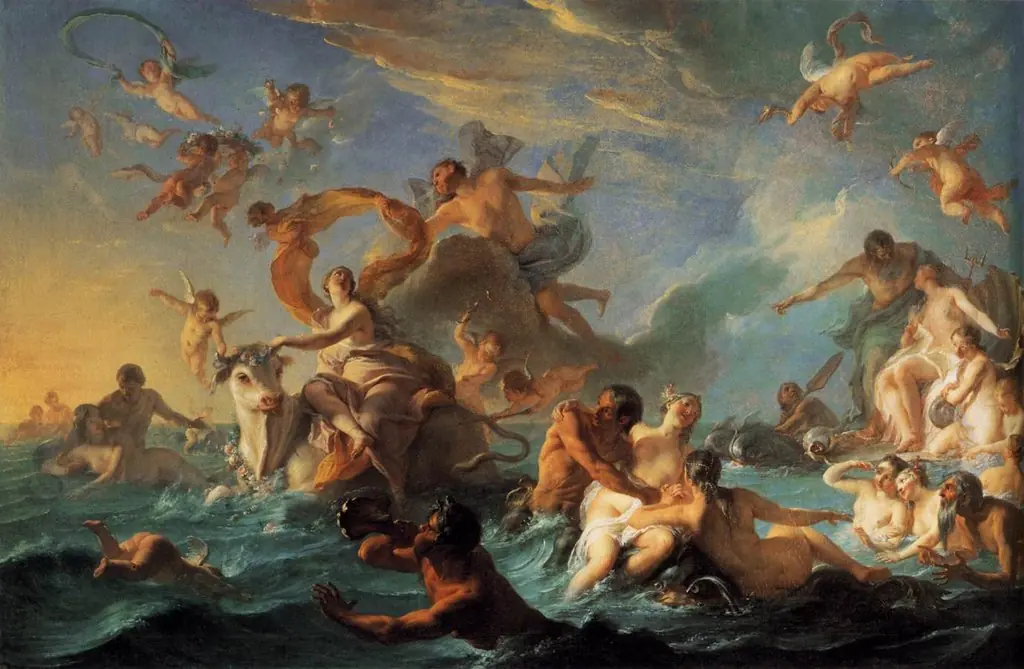 The Rape of Europa
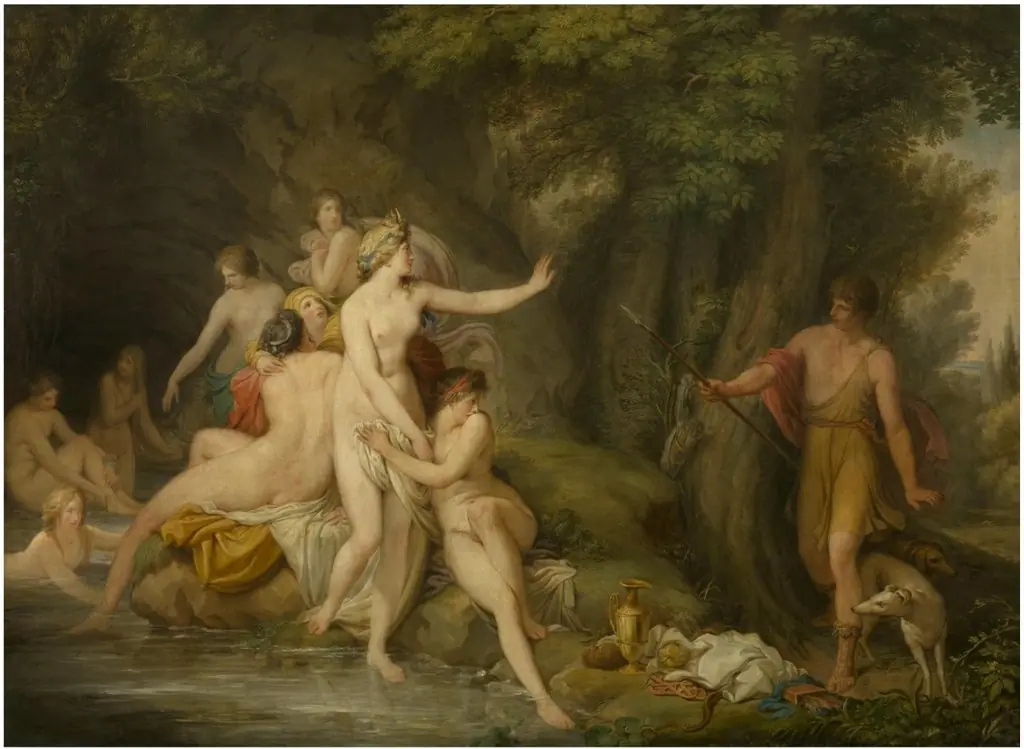 Diana and Actaeon