Artwork
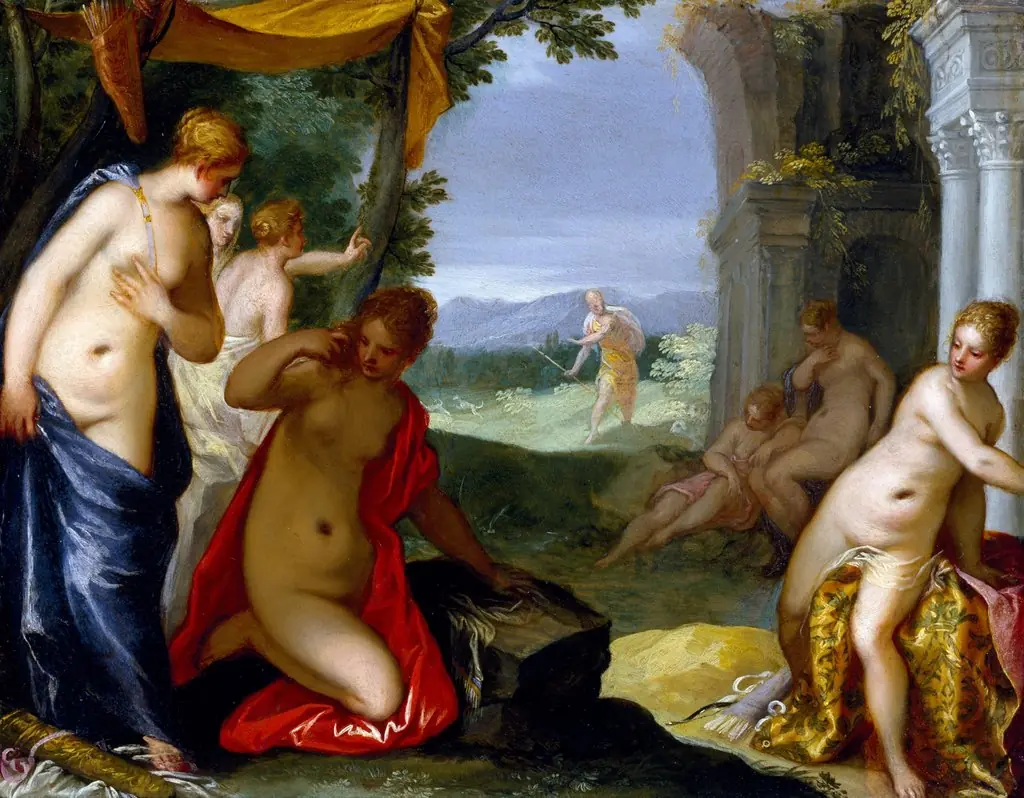
Diana and Actaeon
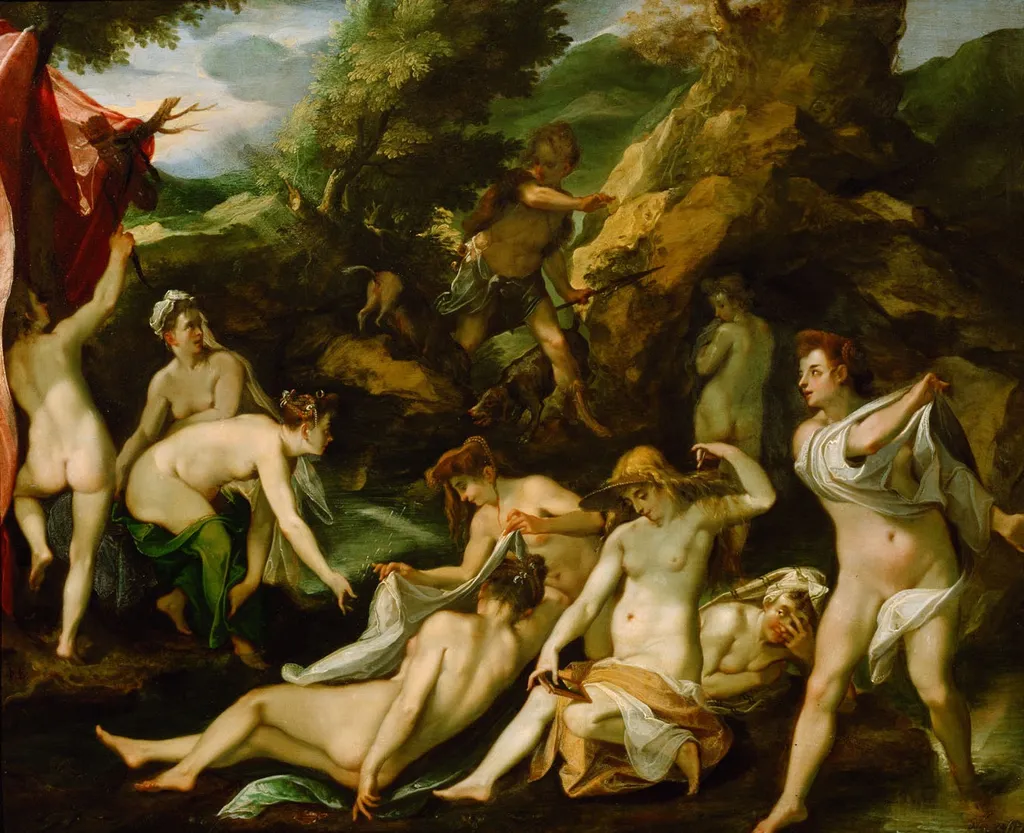
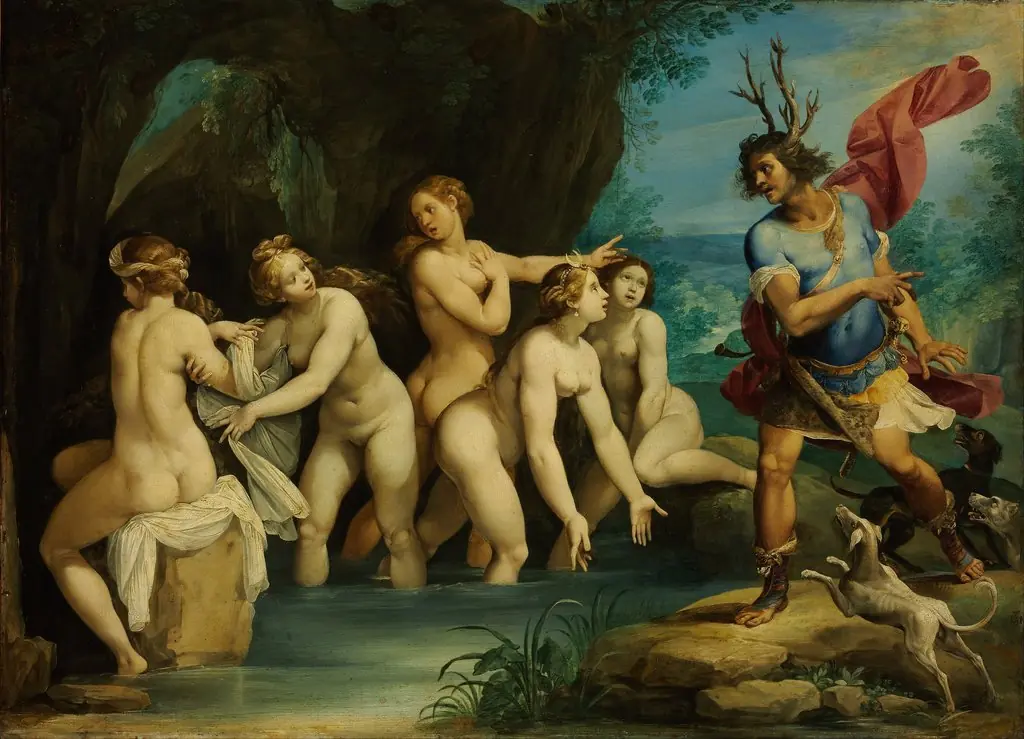
Diana and Actaeon is an unspecified painting by the Early Baroque Italian artist Joseph Heintz the Elder. It dates from 1596 and is held in the collection of the Kunsthistorisches Museum.
About this work
History & Provenance
The oil on canvas measures 40 cm in height by 49 cm in width and depicts the moment when the goddess Diana discovers Actaeon’s intrusion upon her bath.
Joseph Heintz the Elder painted Diana and Actaeon in 1590 as a mythological work. The oil on canvas measures 40 cm in height by 49 cm in width and depicts the moment when the goddess Diana discovers Actaeon’s intrusion upon her bath. The painting entered the collection of the Kunsthistorisches Museum, where it remains on display.
Diana and Actaeon by Joseph Heintz the Elder, painted in 1590, is held in the collection of the Kunsthistorisches Museum. The painting, a mythological work on copper measuring 40 cm in height by 49 cm in width, depicts the goddess Diana and is catalogued as part of the museum's holdings. No specific accession number or exhibition history is recorded in the available sources.
Overview
Joseph Heintz the Elder's 1596 painting, Diana and Actaeon, is a mythological scene depicting a pivotal moment from ancient mythology, featuring nude figures, winged beings, and a dynamic forest setting.
Subject & Meaning
The painting illustrates the myth of Diana (the goddess) and Actaeon (a hunter), where Actaeon stumbles upon Diana bathing, as suggested by the surprised nude woman (likely Diana) and a figure above holding a bow (possibly Actaeon or a messenger of the consequences).
Technique & Style
The work employs a predominantly muted color palette of greens, browns, and skin tones, accented with vibrant red and white drapery, set against a cloudy sky. The composition blends static and dynamic elements, with figures in various poses.
Context
Rooted in classical mythology, the painting reflects Renaissance interests in ancient themes and the depiction of the human form.
Legacy
While specific lasting impacts of this work are not widely documented, it contributes to the broader Renaissance tradition of illustrating mythological narratives through art.
Artist & collection

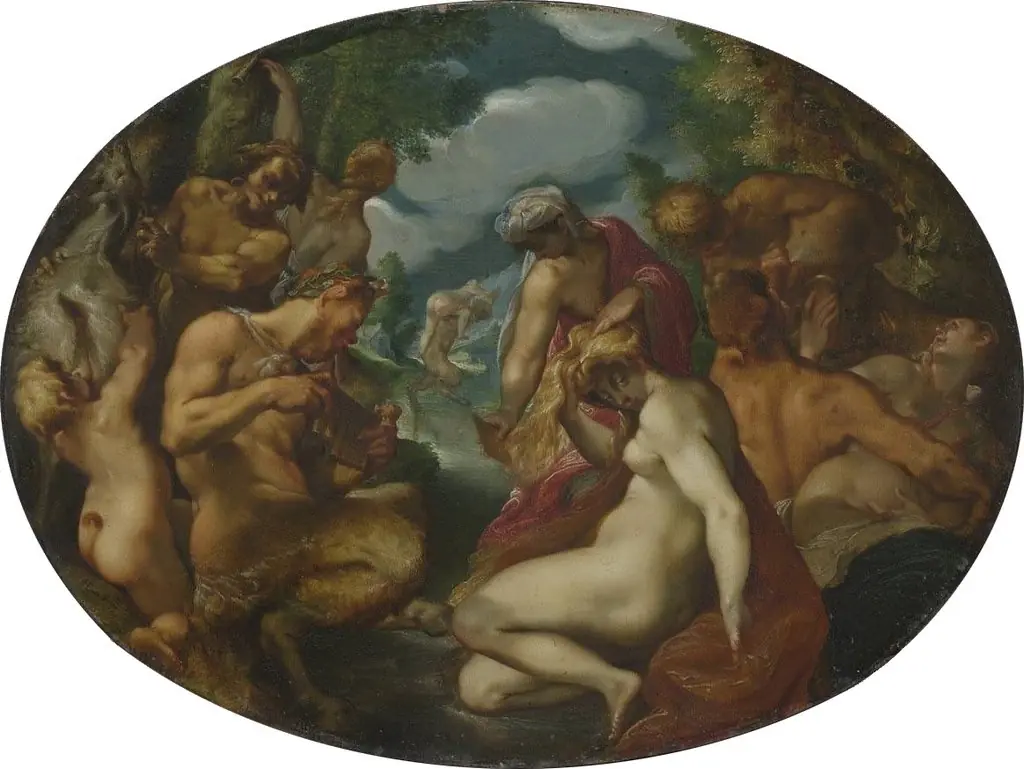 Satyrs and nymphs
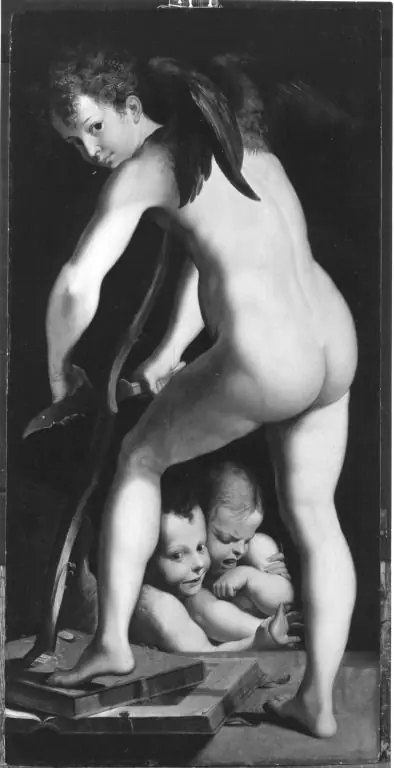 Cupid carves the bow
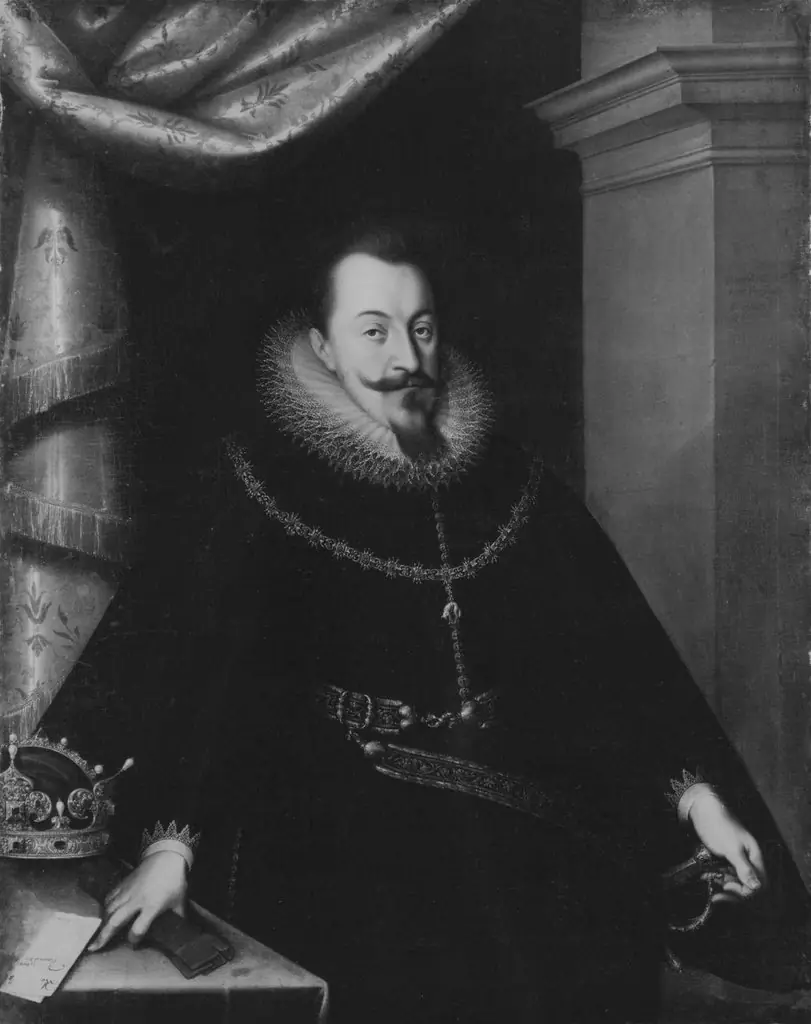 Bildnis des Königs Sigismund III. Vara von Polen und Schweden
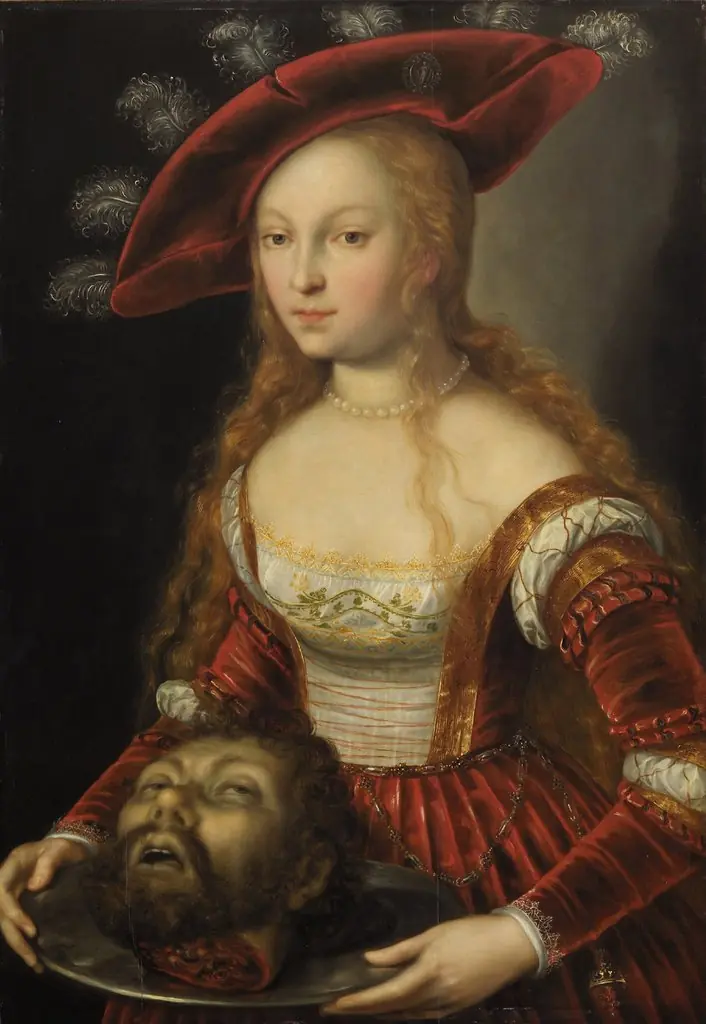 Salome with the head of John the Baptist
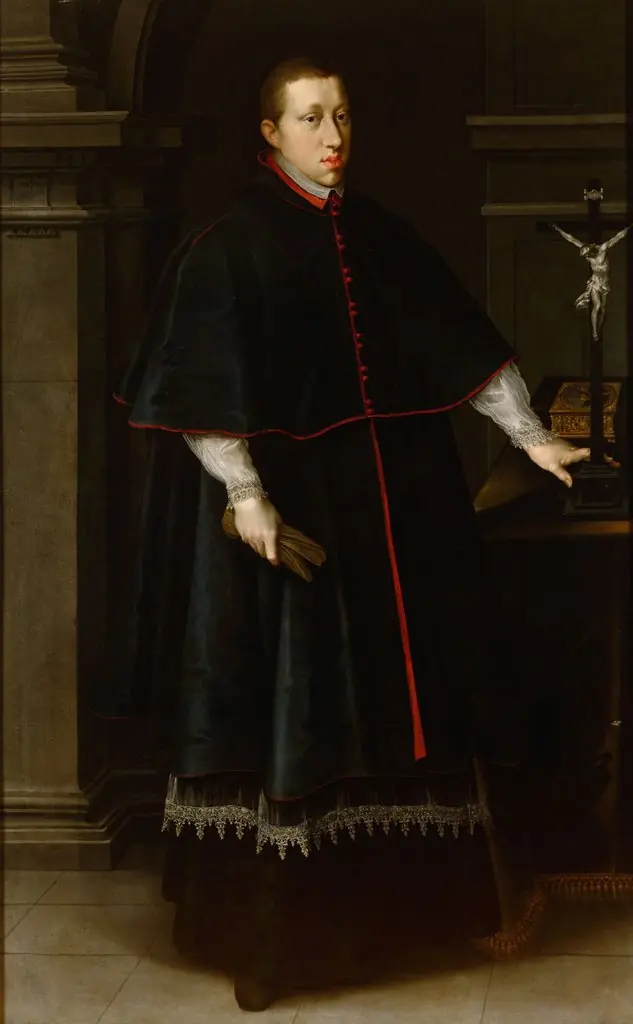 Archduke Leopold V (1586-1632) in the Spiritual Garment
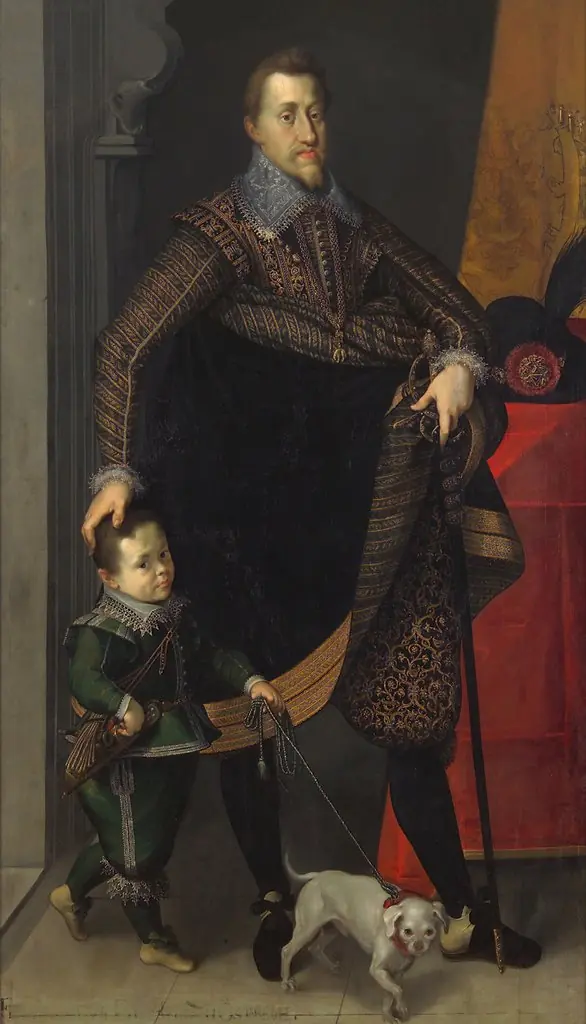 Emperor Ferdinand II (1578-1637) in Full Figure with a Court Dwarf
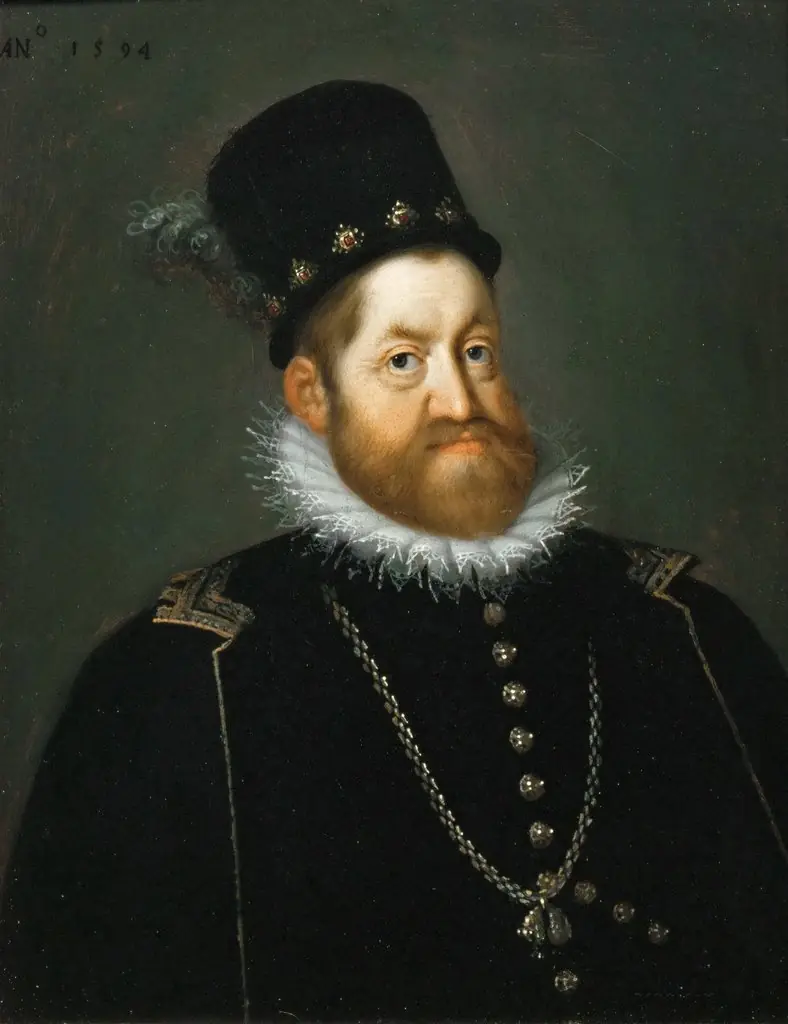 Porträt des Kaisers Rudolf II.
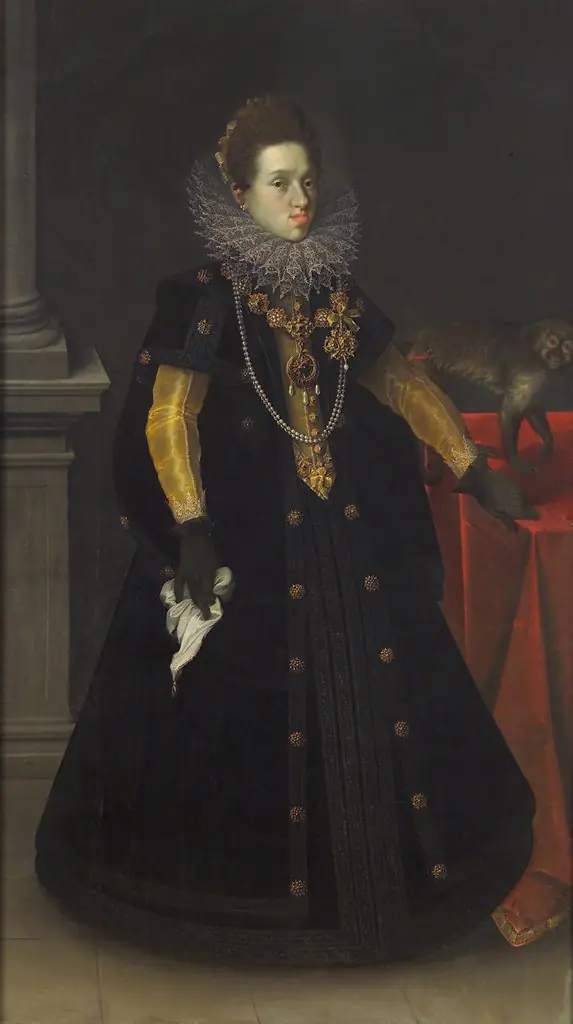 Archduchess Constance (1588-1631), Queen of Poland, with a Monkey