Artwork
The Temptations of Saint Anthony the Abbot
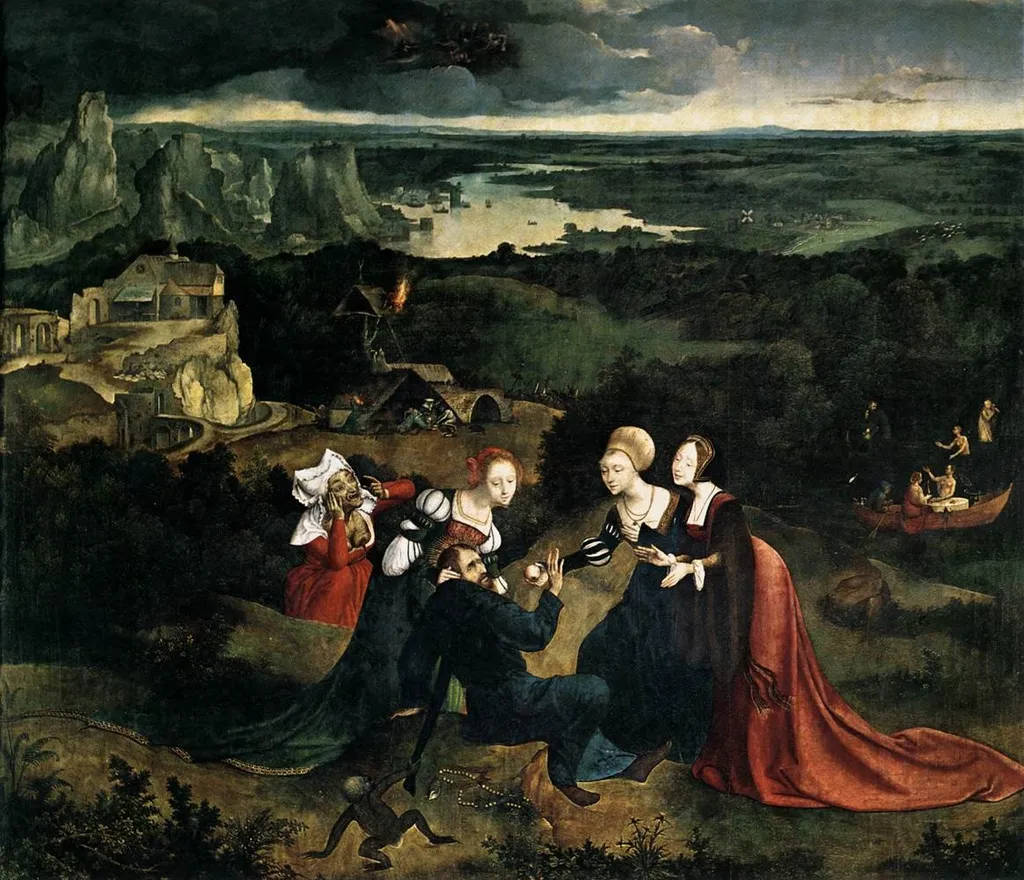
The Temptations of Saint Anthony the Abbot is an oil painting by the Northern Renaissance artist Quinten Metsys. It dates from 1515 and is held in the collection of the Museo del Prado.
About this work
Subject & Meaning
This synthesis of spiritual struggle and naturalistic scenery underscores the work's thematic focus on divine testing and monastic perseverance.
The painting depicts Saint Anthony the Abbot enduring supernatural temptations as narrated in Athanasius of Alexandria's Life of Saint Anthony and Jacobus de Voragine's Golden Legend. Central figures include the saint seated with his rosary and a Venus shell attribute, assailed by three seductive women, a grinning hag, and a monkey symbolizing lust that pulls at his garment. Secondary scenes show him tested by bathing women and a barge with a poultry platter, while a distant landscape illustrates his hermitic retreat under a chapel awning.
The composition blends Joachim Patinier's signature panoramic vista with Quentin Metsys' detailed foreground figures, reflecting collaborative practices of early 16th-century Flemish painters.
The expansive background landscape features rugged cliffs, winding waters, and meticulously rendered towns, all beneath a stormy sky with dark clouds and Bosch-like monstrous forms. This synthesis of spiritual struggle and naturalistic scenery underscores the work's thematic focus on divine testing and monastic perseverance.
Technique & Style
The Temptations of Saint Anthony the Abbot is an oil painting on wood panel, measuring 155 by 173 cm. The work is the product of a collaboration between Joachim Patinir and Quinten Metsys, a multi-hand practice common among sixteenth-century Flemish painters, with Patinir's signature visible in the lower right corner.
Patinir's contribution is the panoramic landscape, structured in three successive planes of atmospheric perspective. The foreground is dominated by brown-green tones and the figures painted by Metsys, while the middle ground contains three secondary scenes. The background unfolds across the full width of the panel as a vast landscape in intense blue, featuring a great river and prominent relief, capped by a sky in graded blue loaded with dark clouds.
Stylistically, the landscape deploys Patinir's signature iconographic elements: an elevated viewpoint, a mountain with sheer rocks on the left, winding waters through a hilly site, and towns rendered with meticulous detail. The duègne figure in the foreground recalls Metsys's portrait of an old woman in the National Gallery, London, while the monsters in the central clouds show the influence of Hieronymus Bosch.
History & Provenance
Created between 1515 and 1520, The Temptations of Saint Anthony the Abbot is a collaborative oil-on-panel work by Joachim Patinir and Quinten Metsys. The painting was commissioned for King Philip II of Spain, marking its entry into the Spanish royal collection. Art historical analysis attributes the foreground figures of the saints and demons to Metsys, while Patinir is responsible for the expansive, atmospheric landscape that dominates the composition.
The work bears the signature "OPVS PA[TI]NIER" in the lower right corner, evidencing the joint authorship typical of Flemish workshops of the period. It is currently housed in the Museo del Prado in Madrid.
The work is held in the Museo del Prado, Madrid, where it is inventoried as oil on panel with dimensions of 155 × 173 cm.
It was acquired for King Philip II of Spain and is signed in the lower right corner “OPVS / PA[TI]NIER.” The painting has been exhibited at the Museo del Prado in Madrid as part of its permanent holdings.
Context
The Temptations of Saint Anthony the Abbot exemplifies the collaborative practices of early 16th-century Flemish artists, uniting Quinten Metsys’ figural expertise with Joachim Patinir’s pioneering landscapes. Scholars highlight the division of labor: Metsys rendered the foreground figures, including the grotesque duenna, a motif echoing his Old Woman (National Gallery, London), while Patinir crafted the expansive, atmospheric vista, a hallmark of his oeuvre. The work’s layered narrative, depicting multiple episodes from Saint Anthony’s trials, reflects Flemish disregard for temporal unity, privileging symbolic density over linear storytelling.
Its acquisition by Philip II of Spain underscores its prestige, while the Prado’s 2007 catalogue raisonné cemented its place in Patinir’s corpus, noting its unparalleled landscape scale and Boschian monstrous details. Critical reception emphasizes the painting’s synthesis of humanist iconography and technical innovation, bridging devotional themes with emerging landscape conventions.
Overview
Quentin Metsys completed The Temptations of Saint Anthony the Abbot in 1515, employing oil on panel in the Northern Renaissance idiom. The composition centers on the hermit Saint Anthony, besieged by a host of allegorical figures that embody worldly distractions. The painting now belongs to the collection of the Museo del Prado in Madrid.
Artist & collection
Artist
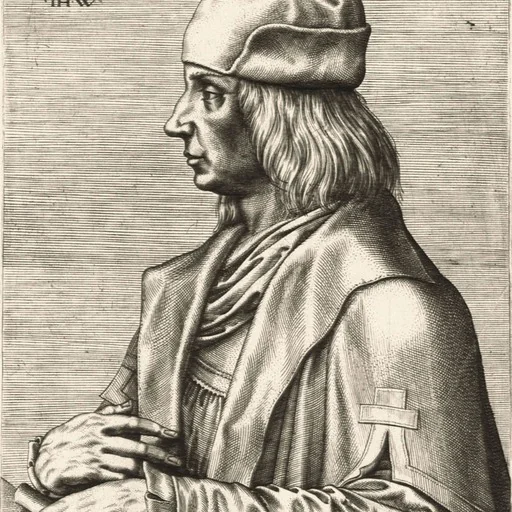
Quentin Matsys (UK: MAT-sysse, US: MAHT-sysse; also Massys or Metsys; Flemish: Quinten Matsijs; 1466–1530) was a Flemish painter in the Early Netherlandish tradition.


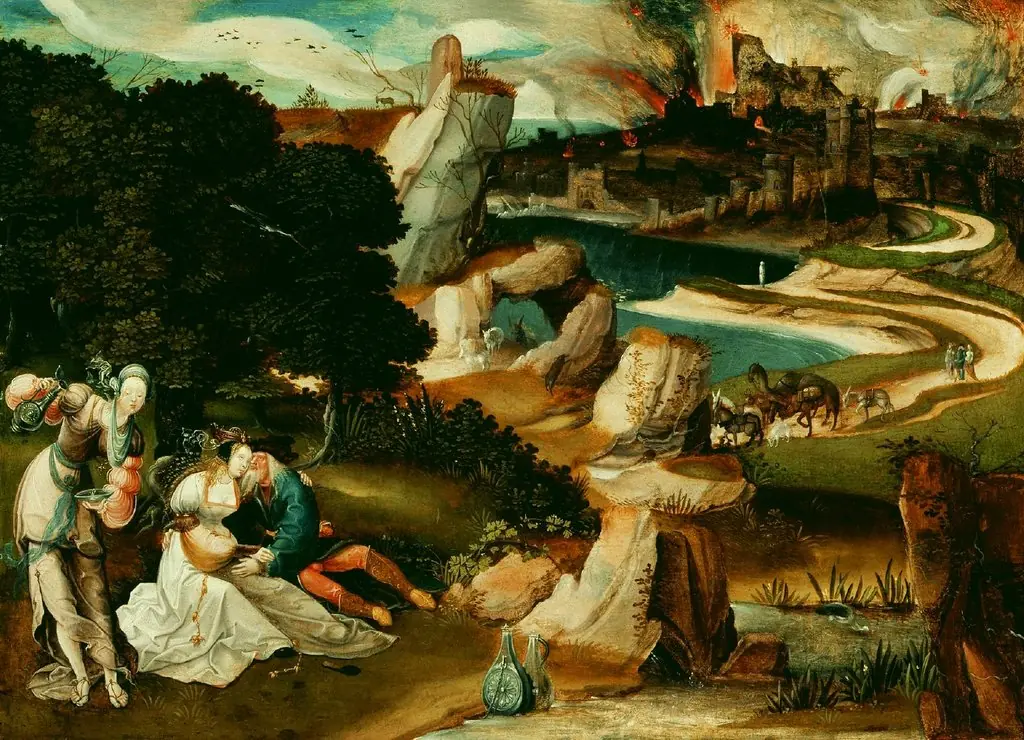 Lot and his daughters
 John the Baptist preaching and the Baptism of Christ
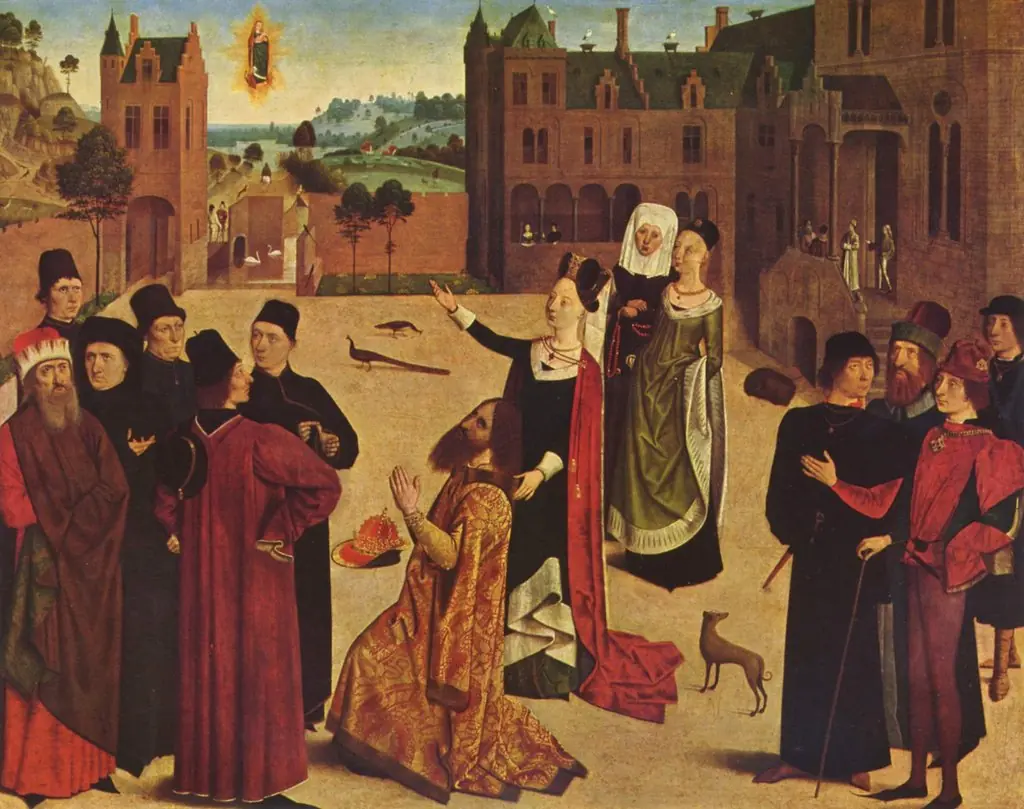 Tiburtine Sibyl's prophecy to Emperor Augustus
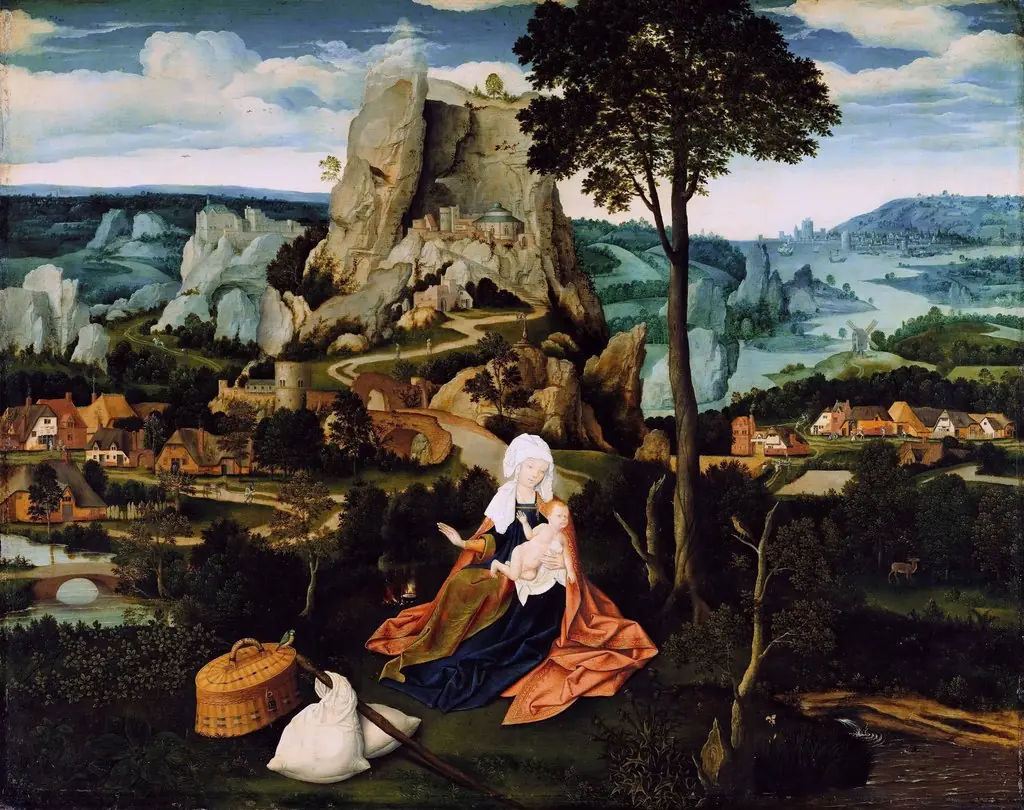 Rest on the Flight to Egypt
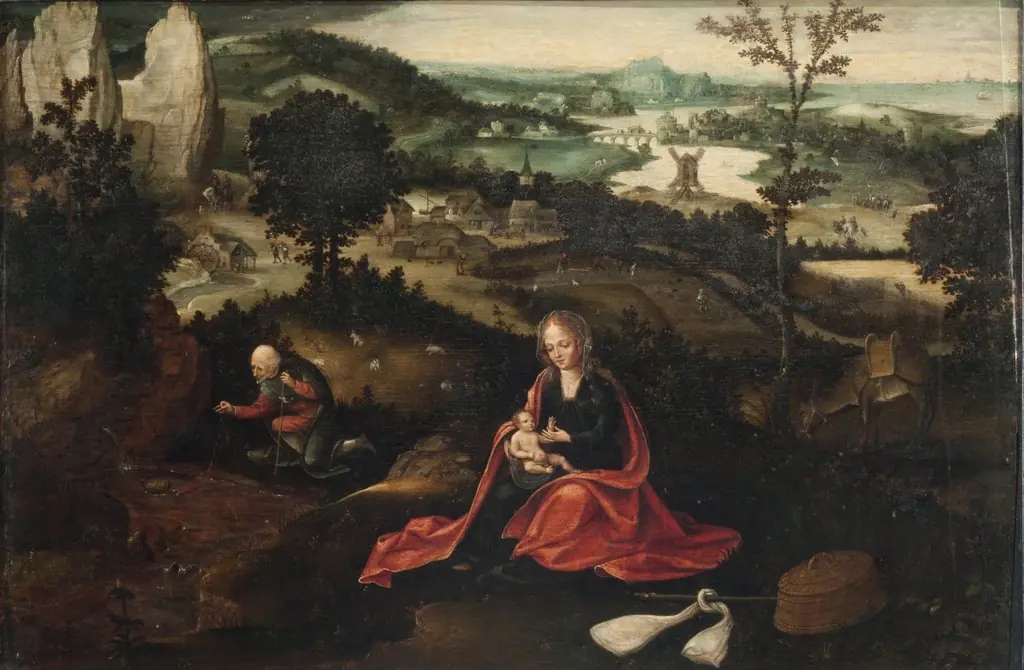 Rest on the Flight into Egypt
 The Baptism of Christ
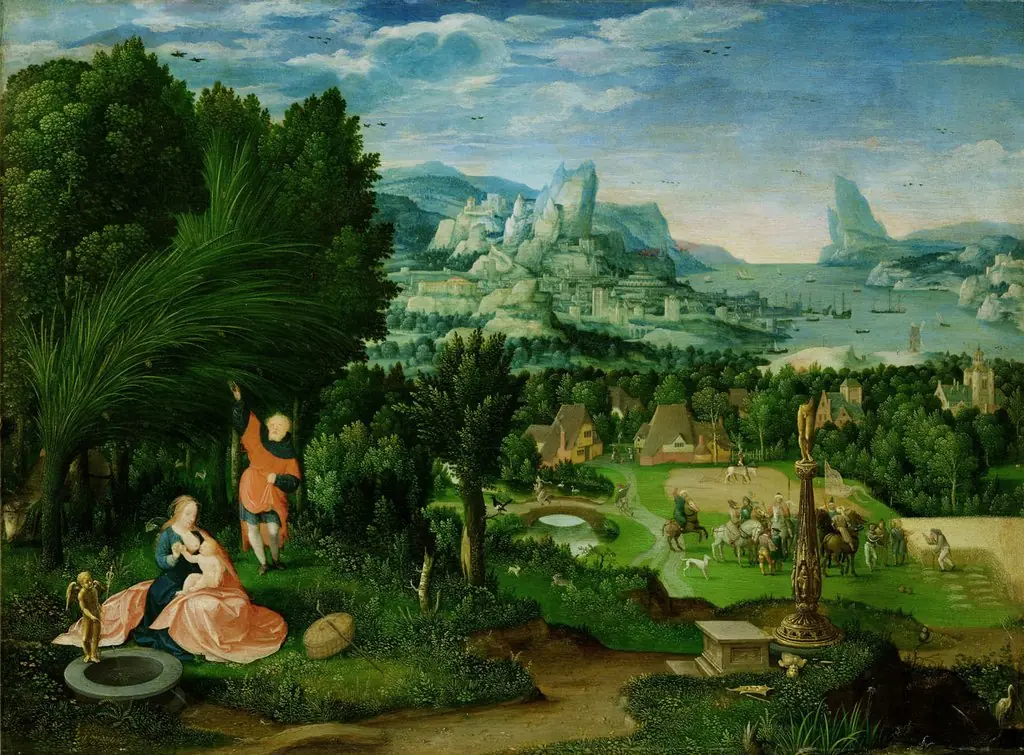 Landscape with the Rest on the Flight into Egypt
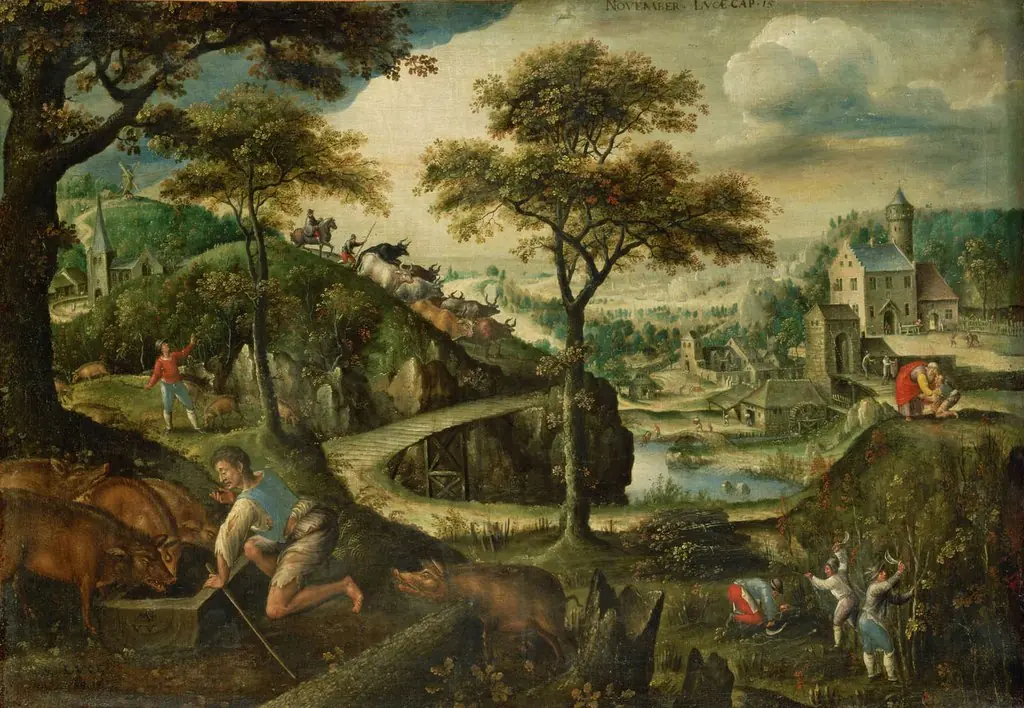 Parable of the prodigal son (November)
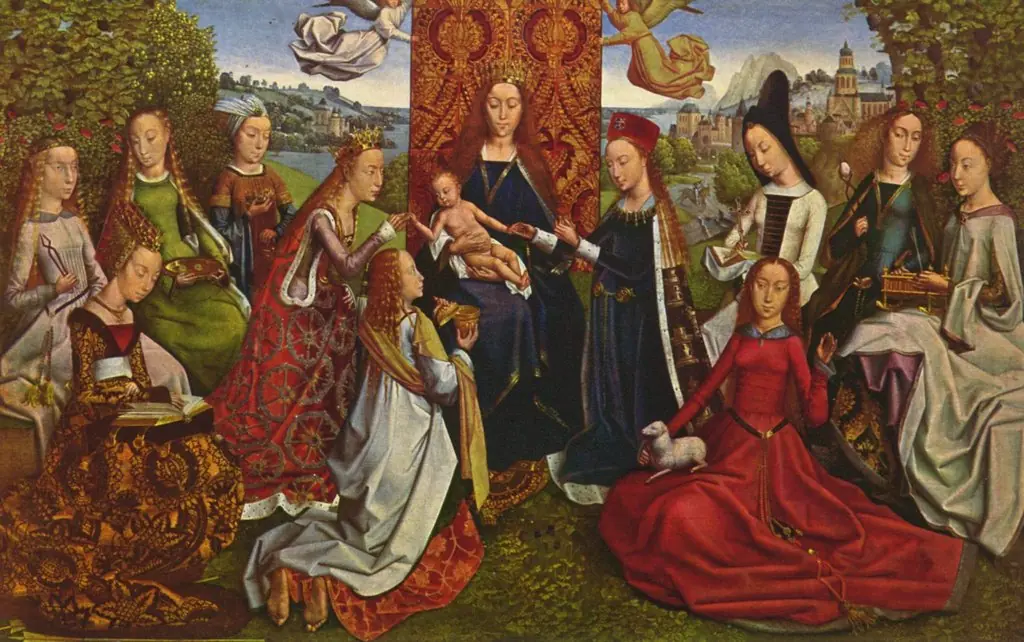 Virgo inter Virgines
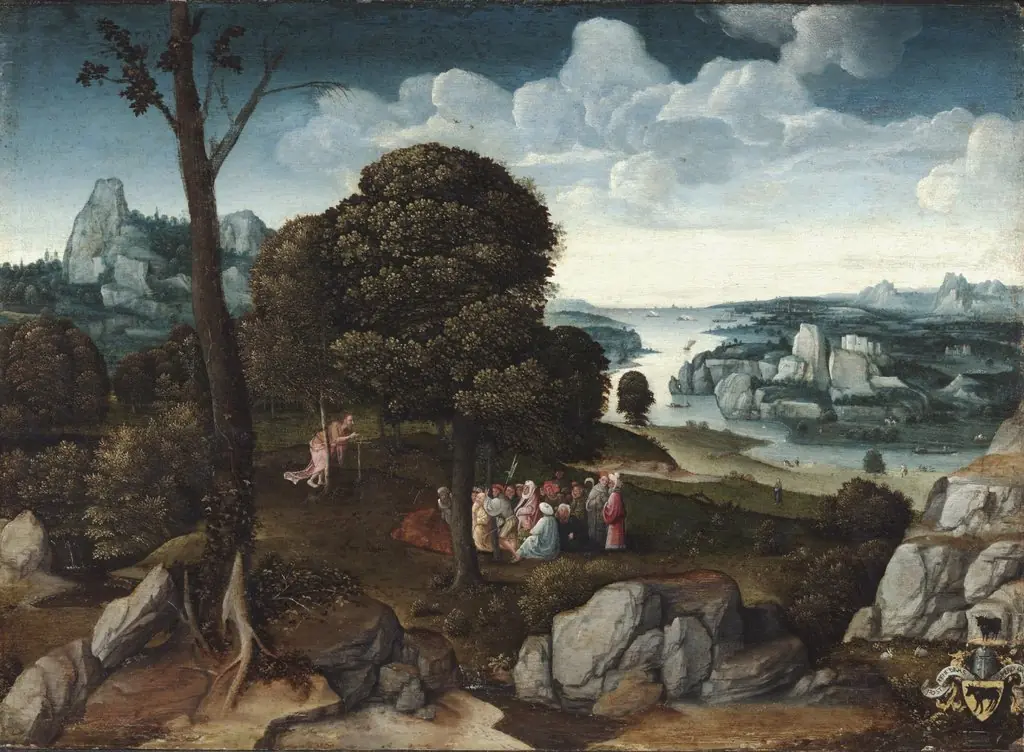 Landscape with Saint John the Baptist Preaching