Artwork
The Adoration of the Magi
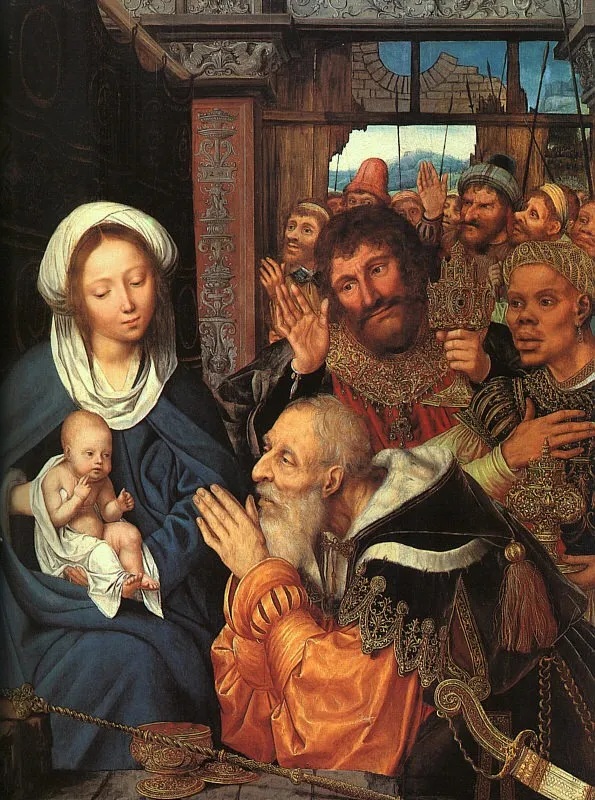
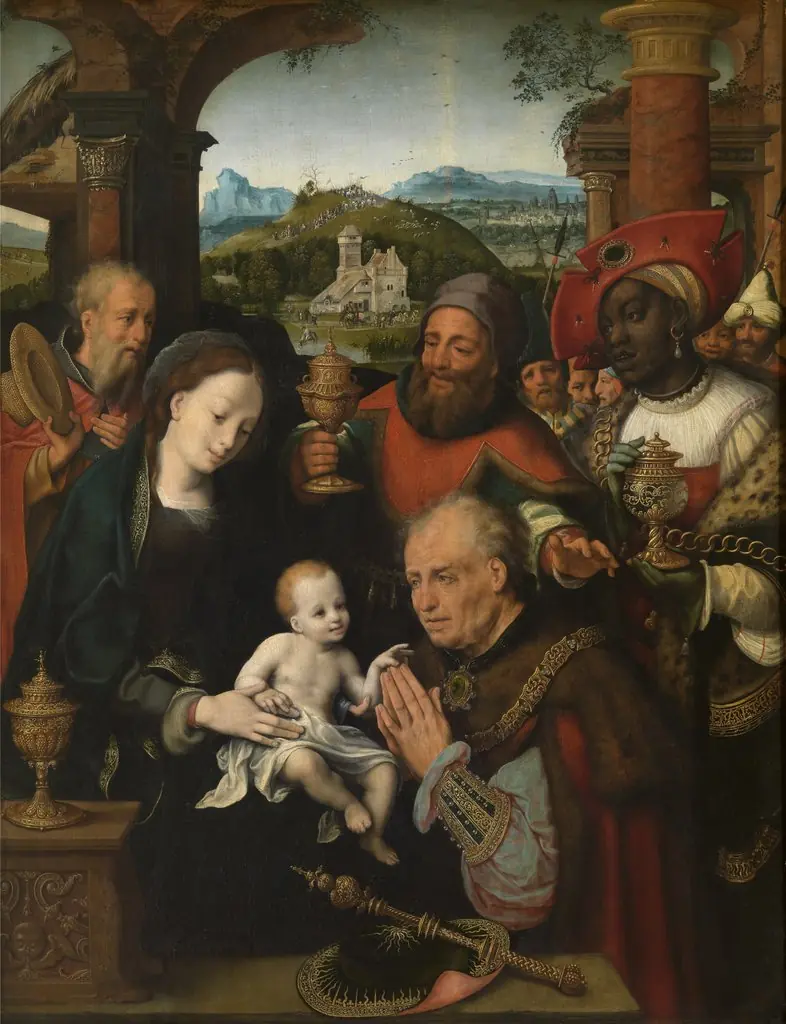
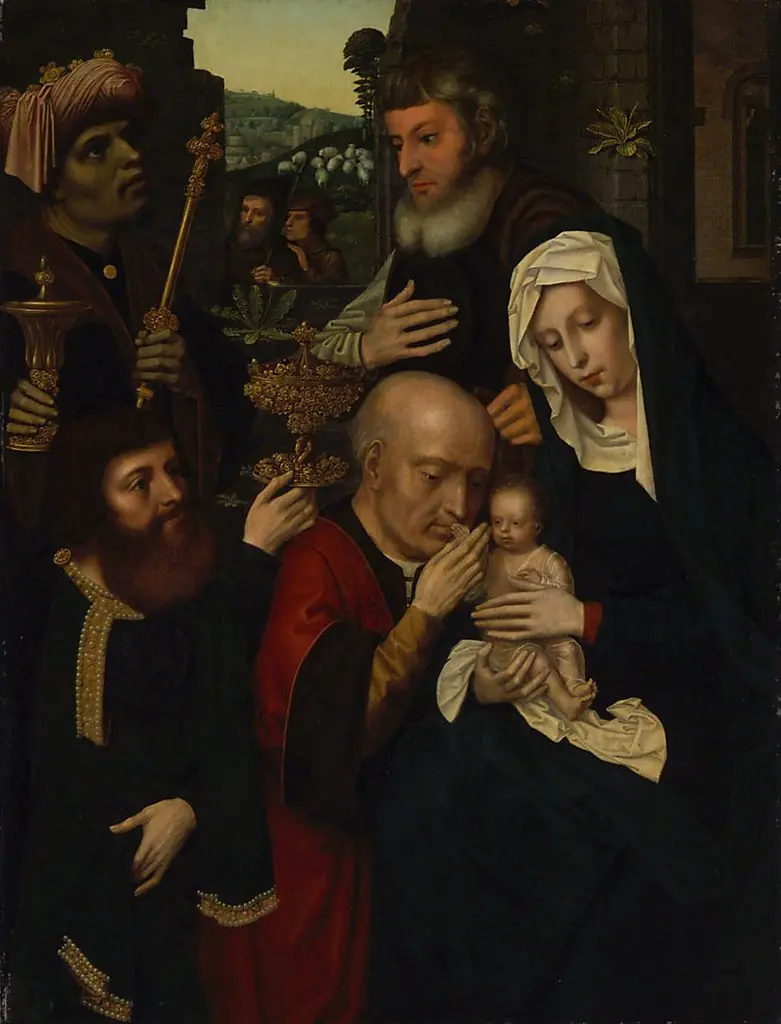
The Adoration of the Magi is an oil painting by Quinten Metsys. It dates from 1526 and is held in the collection of the Metropolitan Museum of Art.
About this work
Painted in 1526, the panel is a defining work of Antwerp Mannerism.
Three kings crowd around the Christ Child amid piles of finely worked goldsmith's work, their faces stretched into the exaggerated types Quinten Massys took from Leonardo's prints. The African king carries a distinct, individualized portrait that reflects the real presence of Black people in sixteenth-century Antwerp, a port tied to Portuguese trade. Painted in 1526, the panel is a defining work of Antwerp Mannerism.
Subject & Meaning
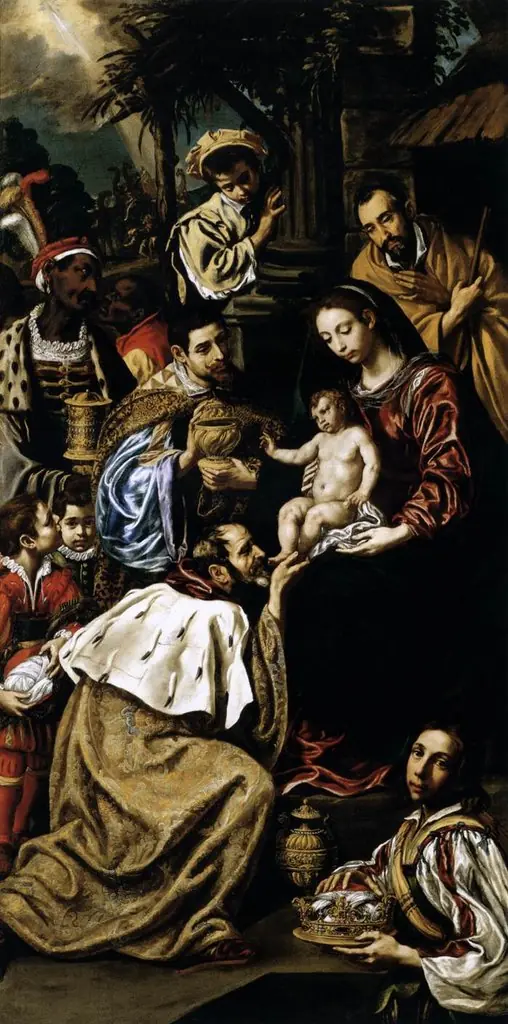
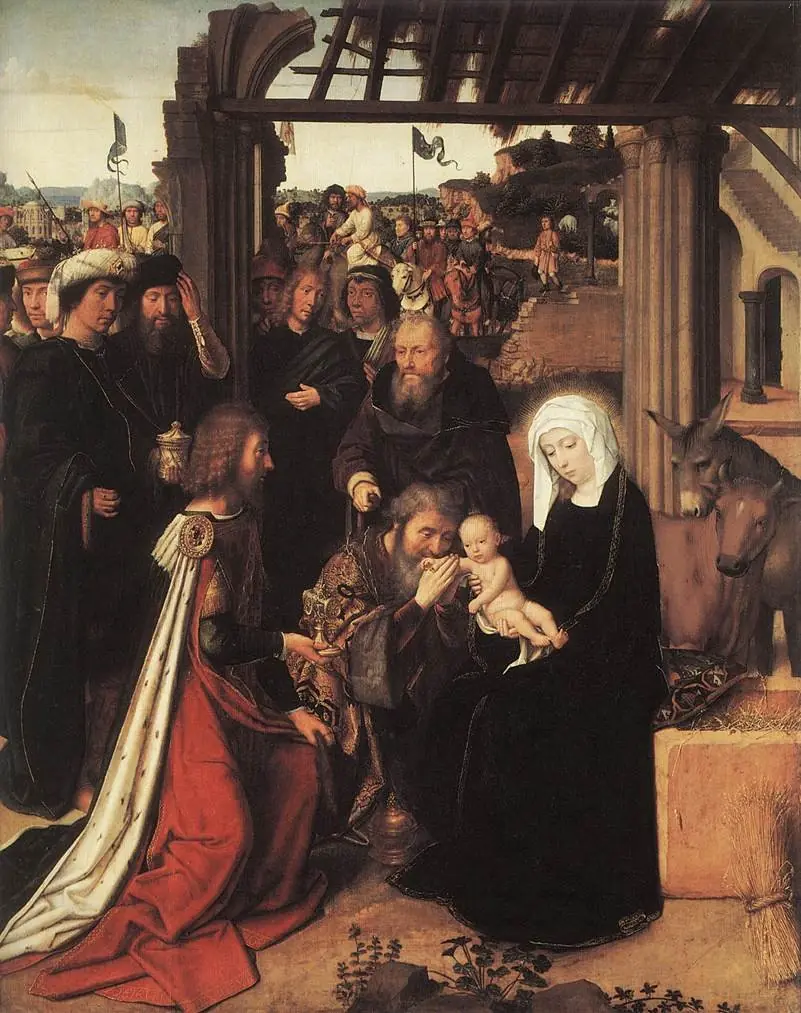
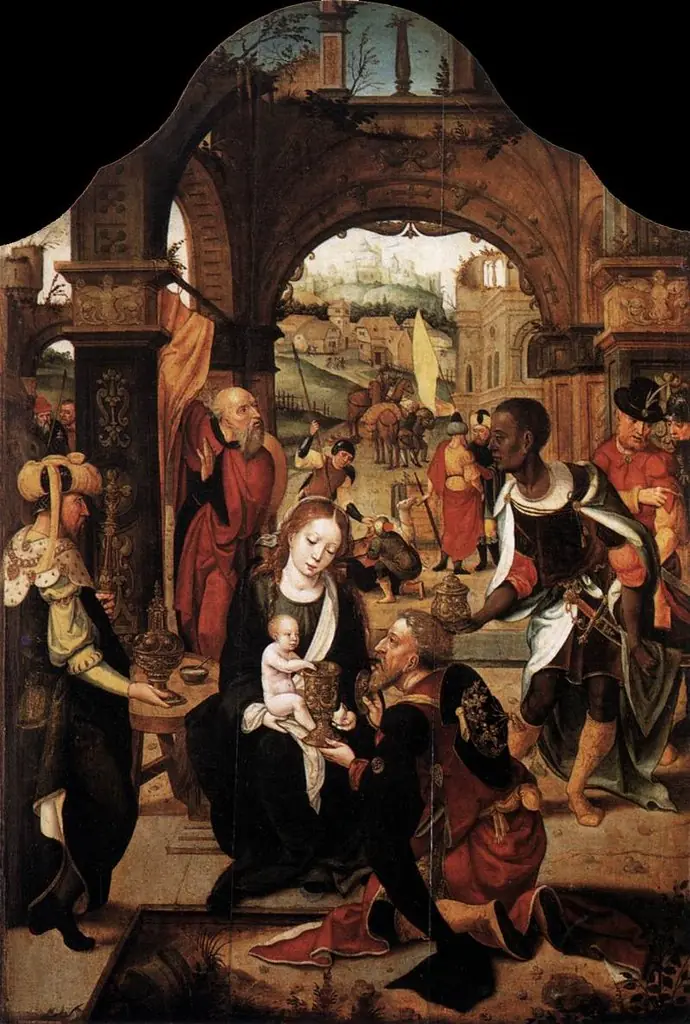
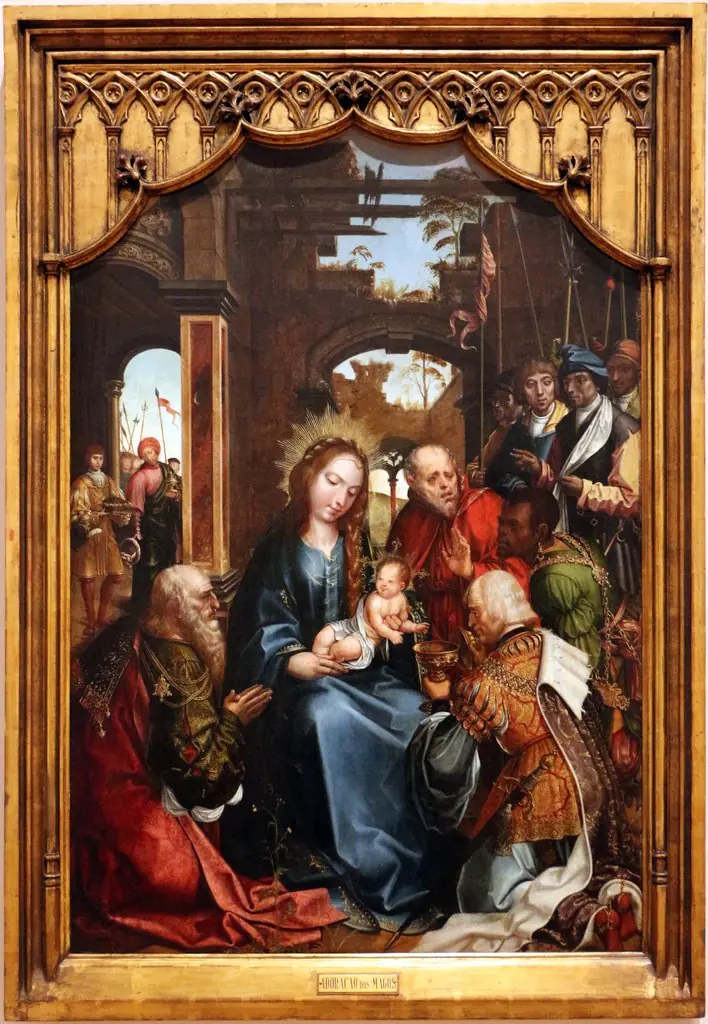
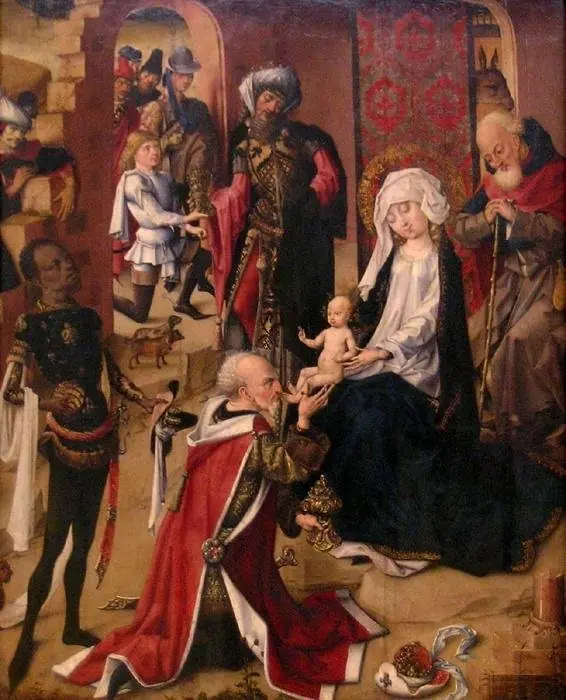
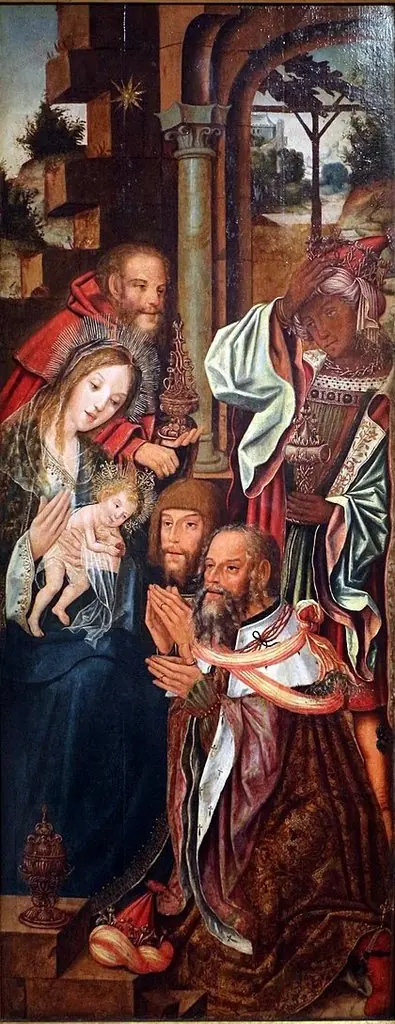
Quinten Metsys's The Adoration of the Magi (1526) depicts the biblical episode of the Magi presenting gifts to the Christ Child, a core theme in Christian religious art. The painting shows the Holy Family, Mary, the Christ Child, and Joseph, alongside the three Magi identified as Melchior, Caspar, and Balthazar. The Magi are shown offering their gifts, symbolizing the recognition of Christ's kingship and divinity.
The composition centers on the adoration, emphasizing the moment of homage and the significance of the gift-giving. As a work of religious art, the painting conveys the theological meaning of the Epiphany: the revelation of Christ to the Gentiles, represented by the Magi. The inclusion of specific named Magi and the formal presentation of gifts underscores the narrative's symbolic weight within Christian iconography.
History & Provenance
Created in 1526 by Quinten Metsys, this painting of the Adoration of the Magi was formerly owned by Rodolphe Kann and is now in the collection of the Metropolitan Museum of Art. No further details of its commission or earlier provenance are recorded in the available sources.
Overview
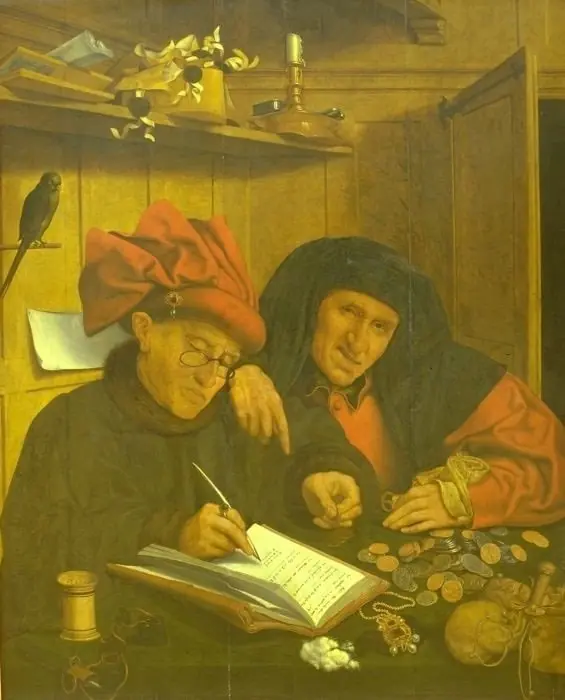
Quinten Massys completed The Adoration of the Magi in 1526, towards the end of his career in Antwerp. This oil-on-wood panel, measuring approximately 103 by 80 centimeters, exemplifies the Antwerp Mannerist style through its compressed composition and rich detail. The painting depicts the biblical moment when the three kings present their gifts to the Christ child, a popular subject that Massys rendered with characteristic intensity and a focus on luxurious elements.
Technique & Style
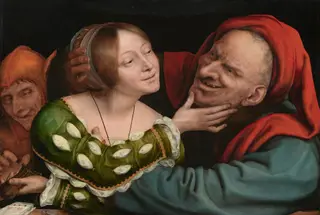
Massys renders the scene within a deliberately shallow and densely packed space, a hallmark of Antwerp Mannerism. He meticulously details the opulent costumes, brocades, and metallic objects, a testament to his training and the mercantile city's appreciation for luxury goods. The artist also employs exaggerated, almost caricatured, facial features for the Magi and their attendants.
This stylistic choice demonstrates his engagement with the grotesque physiognomic types popularized by Leonardo da Vinci, which were widely disseminated through prints.
Artist & collection
Artist
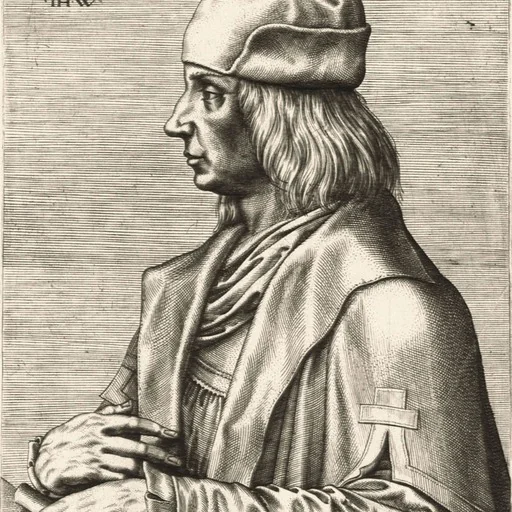
Quentin Matsys (UK: MAT-sysse, US: MAHT-sysse; also Massys or Metsys; Flemish: Quinten Matsijs; 1466–1530) was a Flemish painter in the Early Netherlandish tradition.