Artwork
Portrait of Boy with Falcon
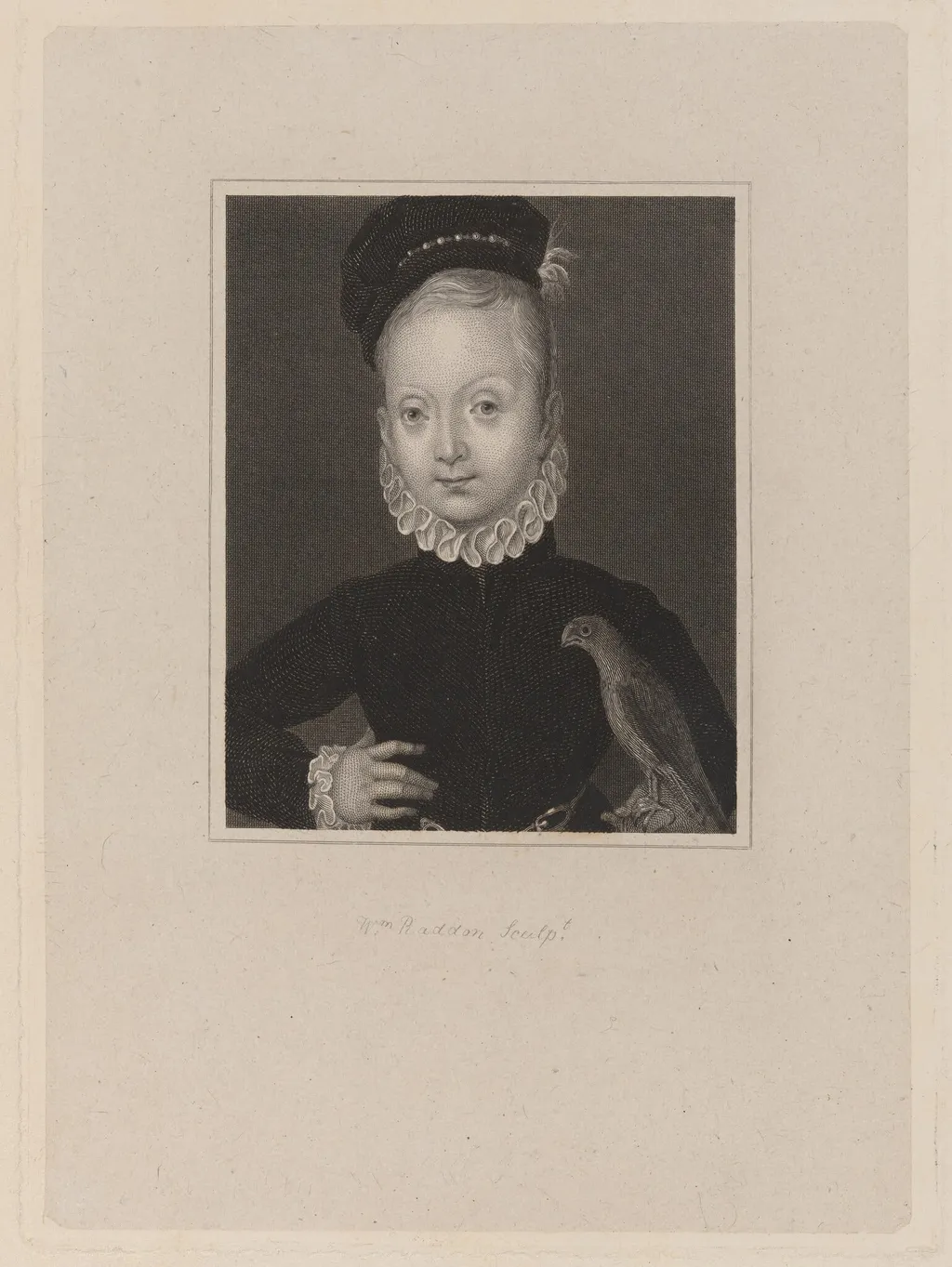
Portrait of Boy with Falcon is an ink print by the Romanticist artist William Raddon. It dates from 1830 and is held in the collection of the National Gallery of Art.
About this work
Overview
The composition is set against an unadorned background, directing attention to the interplay of light and shadow across the figure’s features.
William Raddon’s 1830 engraving titled Portrait of Boy with Falcon is a black‑and‑white print executed in the traditional intaglio technique. The image presents a solitary figure, rendered with precise line work that emphasizes the subject’s attire and the bird perched on the hand. The composition is set against an unadorned background, directing attention to the interplay of light and shadow across the figure’s features.
Subject & Meaning
The print depicts a young male figure holding a falcon, a motif historically associated with aristocratic leisure and the training of hunting birds. The poised stance and attentive gaze suggest a moment of quiet concentration, reflecting the cultural significance of falconry as a symbol of status and disciplined pursuit during the early nineteenth century.
Technique & Style
Raddon employs fine cross‑hatching to model the folds of the subject’s clothing and the texture of the bird’s feathers. This method of overlapping parallel lines creates a nuanced gradation of tone, allowing subtle shadows to emerge without the use of color. The crisp delineation of the high collar and the delicate rendering of the gloved hand exemplify the meticulous craftsmanship typical of early Victorian engravings.
History & Provenance
Created in 1830, the engraving was likely produced for the market of collectible prints that circulated among the middle and upper classes of Britain. While specific ownership records are scarce, similar works by Raddon were often sold through print dealers and exhibited in private collections, indicating the piece’s role as both a decorative object and a document of contemporary taste.
Context
The early nineteenth century saw a resurgence of interest in sporting subjects, with falconry representing both a nostalgic pastime and a marker of genteel identity. Engravings such as Raddon’s offered an affordable means for a broader audience to engage with these themes, aligning with the period’s expanding print culture and the democratization of visual art.
Own this work as a print
Artist & collection

- Portrait of Jadwiga Jagiellon (1513–1573), Daughter of Sigismund I (1467–1548)
 Queen Elizabeth
 Portrait of James I Stuart (1566-1625)
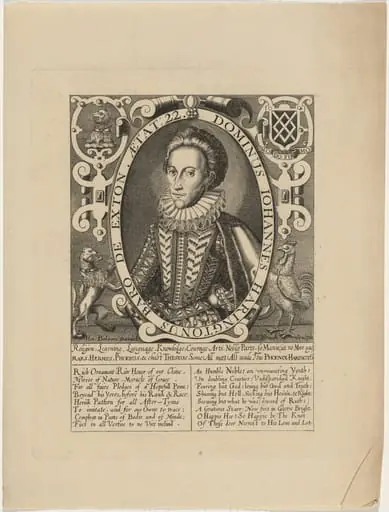 John Harington, Second Baron of Exton
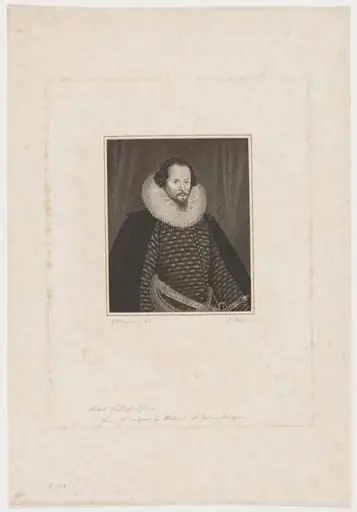 Robert Devereux, Earl of Essex
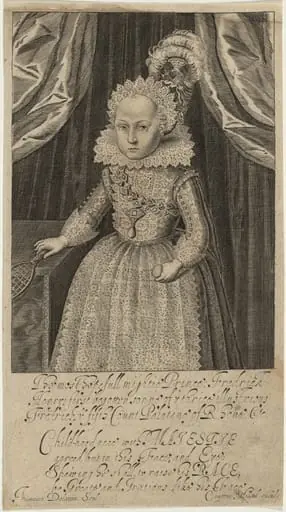 Prince Frederick Henry
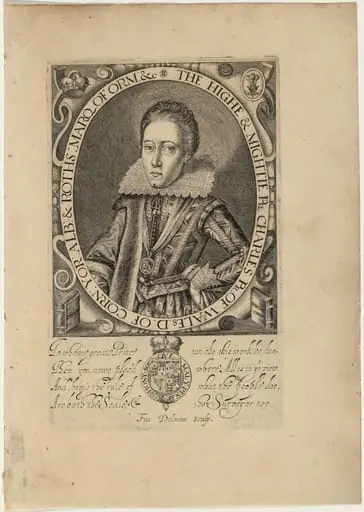 Charles I, as Prince of Wales
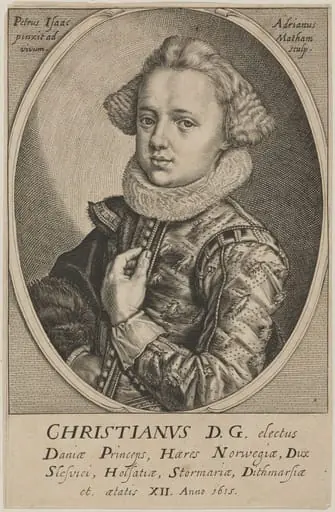 Prince Christian of Denmark, Son of Christian IV
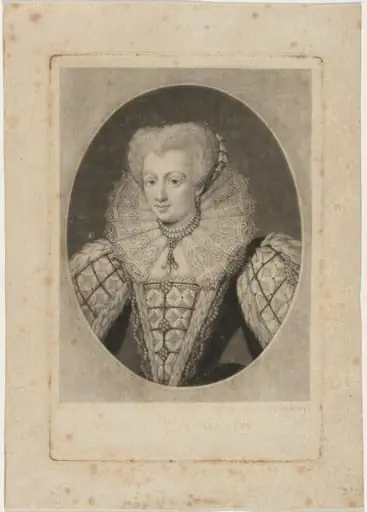 Princess Elizabeth
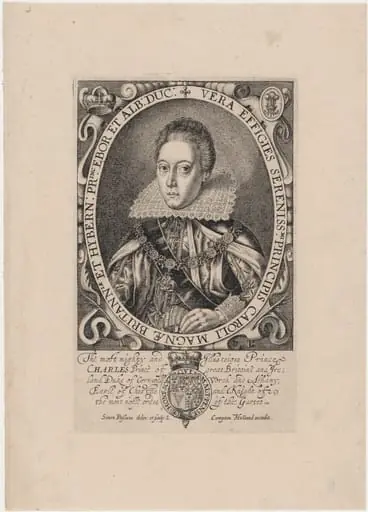 Charles I, Prince of Great Britain and Ireland, Duc of Cornwall and Yorck
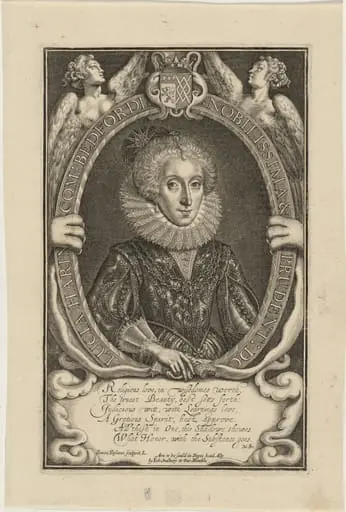 Lucia Harrington, Countess of Bedford
 Portrait of James I Stuart (1566-1625)