Artwork
Two-Part Panorama with View of the Narmada River at Omkareshwar
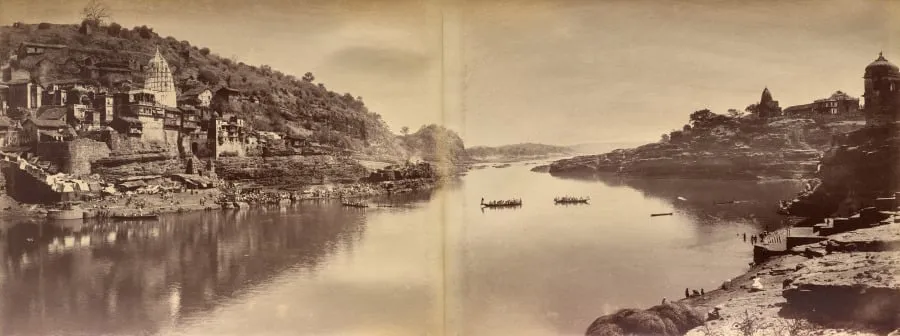
Two-Part Panorama with View of the Narmada River at Omkareshwar is a photography by the Impressionist artist Raja Deen Dayal. It dates from 1882 and is held in the collection of the Cleveland Museum of Art. The work is a composite photograph forming a wide‑angle view of a pronounced bend in the Narmada River at Omkareshwar.
- Accession no.
- 2024.82
- Credit line
- Purchase from the J. H. Wade Fund
About this work
On the left, a temple island pokes above the water; on the right, a matching temple sits on the far bank.
You see two long photos joined together, showing a wide bend in the Narmada River. On the left, a temple island pokes above the water; on the right, a matching temple sits on the far bank.
This is one of the first times an Indian photographer made a panorama of a sacred Hindu site. The two temples are actually the same god, Shiva, split across the river. Dayal shot it in 1882, when cameras were still rare in India.
Look up more photographs of India to see how the land looked through early lenses.
Overview
The work is a composite photograph forming a wide‑angle view of a pronounced bend in the Narmada River at Omkareshwar. Joined from two separate plates, the image presents an island temple on the left bank and a counterpart shrine on the opposite, mainland bank, framing the river as the central visual element.
Subject & Meaning
Both structures honor the Hindu deity Shiva, reflecting the dual sacred sites that flank the river: the island temple, a major pilgrimage destination among the twelve Jyotirlinga shrines, and the Mamleshwar temple on the southern shore. The composition emphasizes the river’s role as a unifying axis between the two manifestations of the same divine presence.
Technique & Style
Captured in 1882 by Raja Deen Dayal, the image employs a hand‑assembled panorama, a rare practice in Indian photography of the period. The photographer aligned two long exposures to create a seamless sweep, allowing the viewer’s eye to travel across the expansive landscape while retaining fine detail in both architectural and natural elements.
History & Provenance
The photograph dates to the early colonial era, when photographic equipment was scarce in India. As one of the first panoramic records of a Hindu sacred site produced by an Indian photographer, it marks a significant moment in the development of visual documentation in the subcontinent. The print has been preserved in several museum collections documenting early Indian photography.
Context
The image situates the Narmada River within its religious geography, illustrating how pilgrimage routes and sacred architecture interact with the natural environment. It also reflects broader 19th‑century interests in documenting exotic locales for both scholarly and colonial audiences, offering a rare visual account of the river’s landscape before modern development.
Artist & collection

Artist
Raja Lala Deen Dayal, famously known as Raja Deen Dayal) was an Indian photographer.

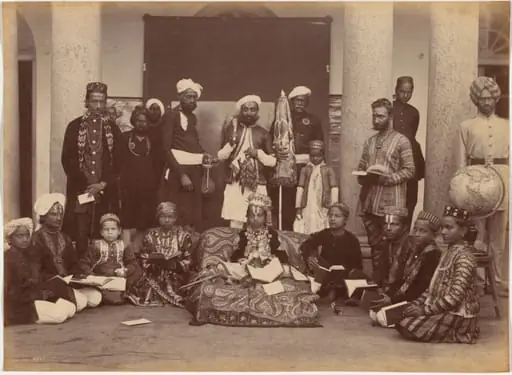 Maharaja of Rewa and Classmates
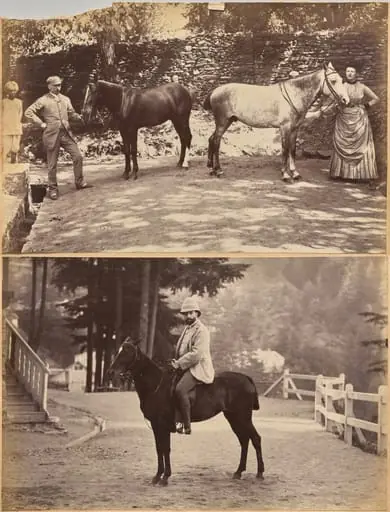 Col. F. G. Oldham (recto, top); Mr. Nowell, Shimla (recto, bottom)
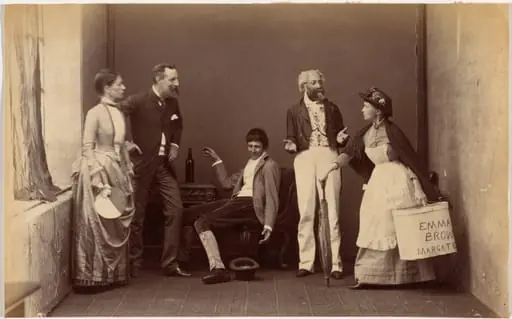 Fancy Group, Indore I
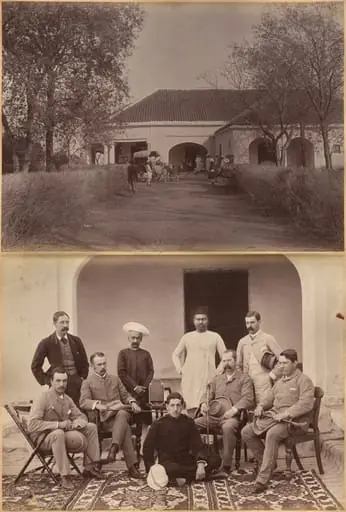 Civil officers at Jhansi (recto); Mr. William's House, Jhansi (verso)
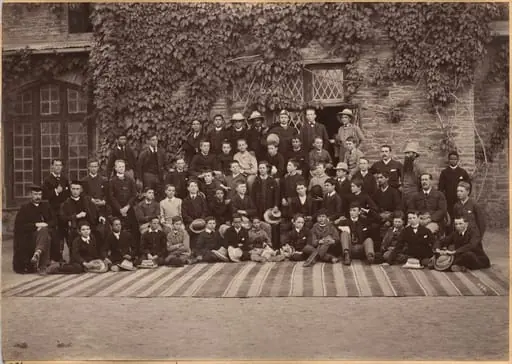 Middle Class Students and Staff, Bishop Cotton School, Shimla (verso)
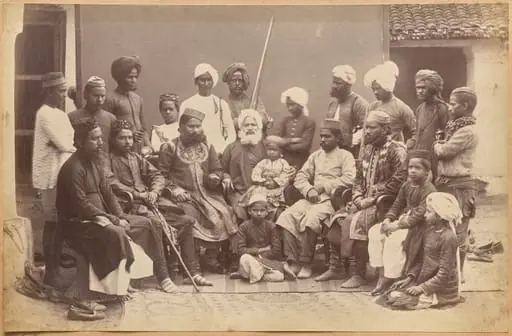 Mowhri Rahman Alli Khan family, Rewa (recto, bottom)
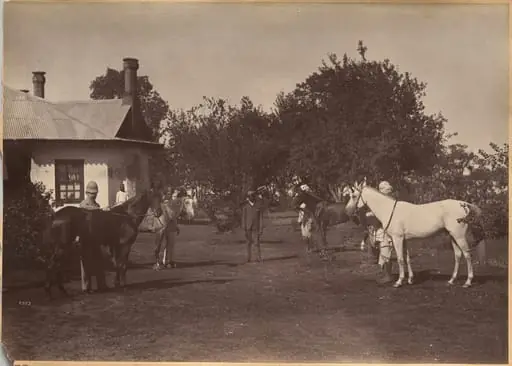 Lord William Beresford's horses
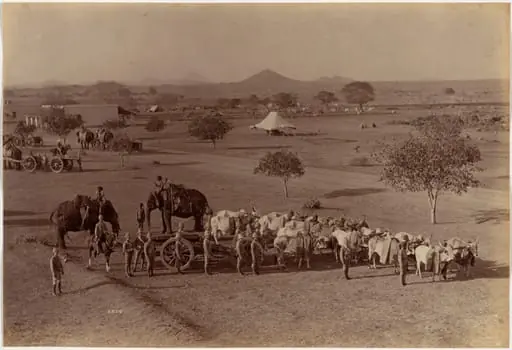 Heavy Field Battery, Jhansi
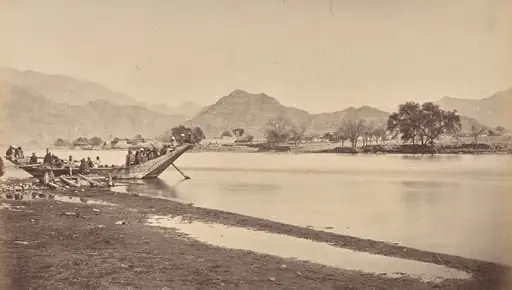 Lalpura from the Ferry
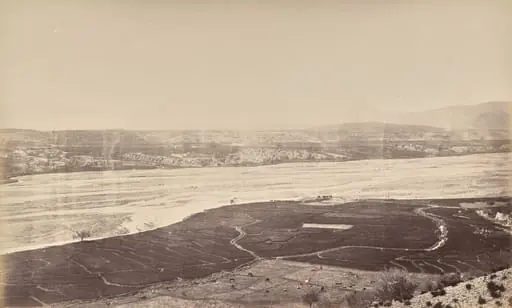 Chinak, Looking Towards the Kurram River
 Bassaule, the Hill of Caves
 The Iron Bridge
 General View of Monuments Carved into Bedrock with Photographer's Dahabieh. Abu Simbel
 The River Gorge
 Ali Musjid and Camp
 The Kabul River, Jellalabad, Scene of the Disaster
 Buttes Chaumont, Paris
 Bridge of Shops, Srinagar, Kashmir
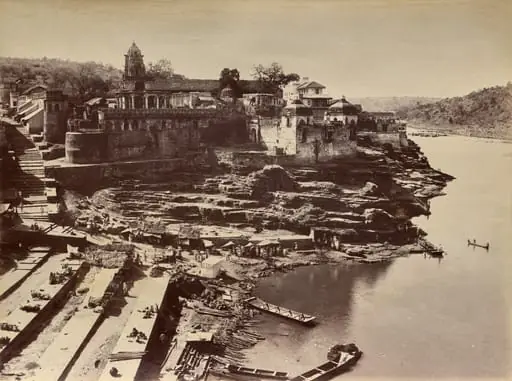
- View of the Riverbank of the Narmada at Omkareshwar
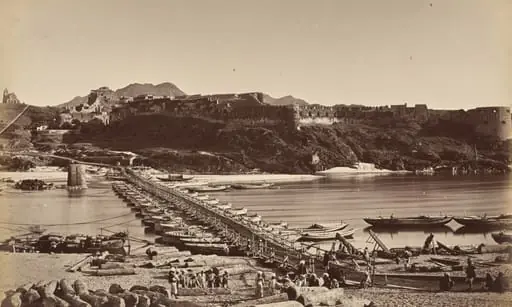 The Bridge of Boats and Fort from Khairabad